In the era of environmental protection, wind power is becoming increasingly popular and more efficient through advancements in wind power technologies. This progress in wind energy is encapsulated in wind turbine blades, which, in the industrial development of the past century, were overlooked as an architectural and other advanced engineering structure. These amazing constructions are a vital tool for harnessing the energy from the air and turning forms of energy that are otherwise useless into power and electricity, which powers our future clean energy growth. Such as, how do they operate, and what, if any, are their interactions with other communicative aspects of a ‘‘wind farm’’? This article examines the in-depth design of wind turbine blades, as well as the indispensable elements of a wind farm, including the fundamentals of these technologies. The content of this article should prove to be highly informative for those interested in energy, scholars, and readers who would like to know more about the technology, its design, as well as the implications of wind turbines. This article will examine other components that must be in place for the world to have any hope of achieving sustainability in the future.
Understanding Wind Farm Fundamentals
People primarily associate improved health with better health services. However, this definition is too narrow and limited. When we talk about health, its definition, as per the World Health Organization, has been given the broadest possible interpretation. The working definition of health, as presented by the World Health Organization in 1947, states that health is a state of complete physical, mental, and social well-being, and not merely the absence of disease or disability. The role of personal, social, economic, cultural, and environmental determinants of health, as well as the effects of context in shaping the level at which these determinants are allowed to operate, are among the least understood elements.
What is a Wind Farm?
A wind farm is essentially a location where wind turbines are installed to generate electricity in conjunction with one another. Wind turbines harness wind energy through a mechanical process inside the turbine, which converts it to electricity for use. Today, wind fields range from a small number of turbines to embedding hundreds of turbines in a given area, both onshore and offshore, depending on the wind pattern and geographical conditions. According to recent sources, the most powerful wind farms in the world, such as the Gansu Wind Farm in China and the Alta Wind Energy Center in California, as of 2023, can collectively power a significant number of households. Wind farms are a crucial component of the growing production of alternative energy sources, offering solutions for meeting the increasing demand for energy while contributing to the reduction of the global warming impact.
Components of a Wind Farm
The wind farm comprises various components that work together to convert wind energy into electricity. A wind turbine, which is the central part of a wind farm, represents a support structure that features blades and a nacelle enclosing electrical generation equipment and a gearbox room. The blades attached to it are used to convert wind’s kinetic energy to rotor energy, which in turn rotates to generate electricity. The towers raise the turbines to suitable heights at which the wind is more consistent and faster.
On top of that, wind farms would also entail the construction of transformer system that would step up the electricity as necessary to enable efficient transmission. Furthermore, the turbines are connected to the grid via cables and substations, ensuring that energy is distributed without interruption. There is also the use of operational and preventive monitoring for both individual turbines and the entire farm.
Wind farms in the modern world have advanced significantly beyond ordinary turbine systems because they utilize predictive maintenance systems powered by AI for enhanced operation, as well as reduced downtime. With most of these systems created towards improving efficiency and the creation of greater turbines, modern wind farms have been successful at producing energy that boasts well over one gigawatt of output, especially for off-shore wind farms.
Onshore vs Offshore Wind Farms
Summing up, onshore wind farms come out on top due to their ease of maintenance and relative cost-effectiveness. Their efficient competitors, the offshore wind farms, provide higher power output due to stronger and consistent winds and higher costs as well as more difficult logistics.
| Parameter | Onshore | Offshore |
|---|---|---|
| Cost | Lower | Higher |
| Energy Output | Moderate | High |
| Maintenance | Easier | Complex |
| Location | Land | Water |
| Wind Speed | Lower | Higher |
| Environmental | Land impact | Marine impact |
| Installation | Simpler | Complex |
| Noise/Visual | More intrusive | Less intrusive |
| Job Creation | Local economies | Broader scale |
Wind Turbine Blades: Design and Functionality
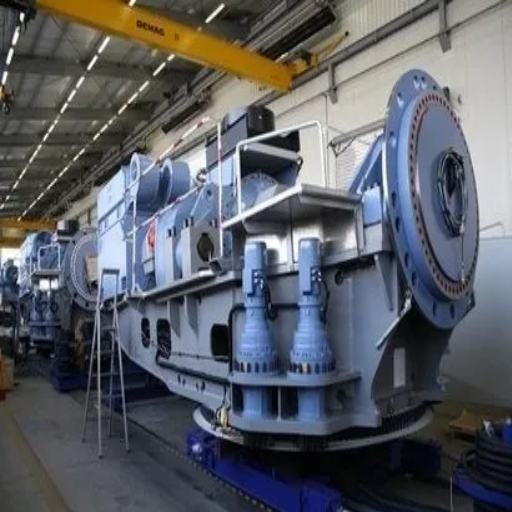
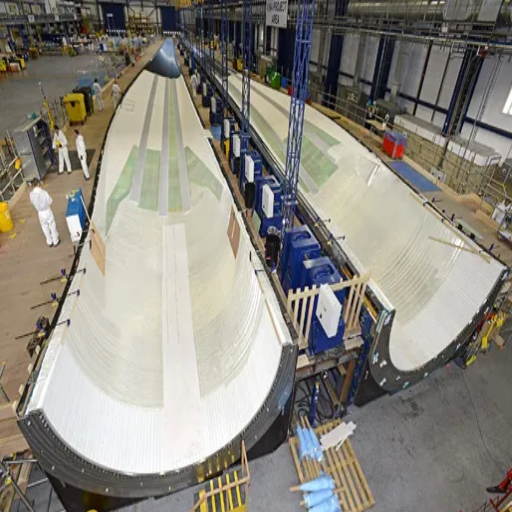
The shape of the wind turbine blade is meticulously designed to transform kinetic energy from wind into electrical energy as efficiently as possible. The theory is as simple as Ber connoisseurs: the functional swing of the blade governs the wind energy capture. These blades must be considerably lightweight so as not to exert too much pressure on the windmill poles and rugged enough to withstand the weathering conditions they must endure.
The structure of the aerodynamic profiles of wind turbine blades considerably affects their efficiency. Adding the airfoil shape of a commercial jet’s wings to the context helps explain the downward force, or lift. Since the blades encounter resistance in their rotation, they turn about the free-wheeling arrangement of the blades; these blades are connected to the electric generator, opposed to the free wheel. Contemporary turbines even come with adjustable pitch control, ensuring the blades are in the correct position to maximize the available wind and offer the highest standard of safety possible.
Importance of Wind Turbine Blades
The effective functioning and hence rapid innovation in the wind energy field are primarily driven by a wind power generating unit, utilizing wind turbine blades as a key element. Such blades are used for harvesting wind energy, resulting from the conversion of wind energy into mechanical power and then into electric power, taking into account the constant wind power supplied by the generator. The rapid development of wind energy is underscoring the importance of wind energy as part of global electricity demand, which at first glance appears authentic. Owning to the statistical data published by the Global Wind Energy Council, 77.6 GW wind power solutions were added in the year 2022, based on this fact it is very clear that wind generators hold a very crucial position in the energy sector.
The design and composition of wind turbine blades have undergone significant transformations over time. More sturdy and lightweight such as fiberglass based plastic or some high tech materials like carbon fibers is being used now to get better performance from the same while keeping costs lower ‘in the name of economics. The use of longer blades, which may extend up to 107 meters, as seen on some models such as the Vestas V236-15.0 MW model, can effectively harness more wind in areas with low to medium wind strength. These advanced blades enable the generation of up to 15 megawatts by a single turbine, surpassing the capabilities of older designs. This means that one blade will be able to service approximately 20,000 households for one year.
An equally significant advance in the field of wind energy involves the introduction of advanced technology. In the design of modern wind turbine rotors, novel features have been integrated, such as sensors and intelligent materials, with adaptive capacity, including pitch bearings, for controlling the energy output near helicopters. Such features have positive effects by preventing excessive strain that can cause damage, thus extending their lifespan and increasing the amount of power generated. Moreover, the scope of the study is the advanced feasibility of recycling blades, as the blades will fail safely during their design life. For example, Siemens Gamesa is now marketing Recyclable Blades (ReBlades), whereby all blade materials can be recovered at end-of-life.
The technological advancements in turbine design and materials have not only achieved better turbine performance but also contributed to achieving competitiveness over traditional modes of power generation using fossil fuels. A 70% reduction in the cost of generating electricity from wind since 2009 is encouraging, as turbines play a crucial role in mitigating climate change and promoting renewable energy worldwide. Wind power must adopt all the latest developments to be applied in the most effective way as a clean source of energy.
Materials Used in Turbine Blades
Turbine blade construction employs innovative strategies and state-of-the-art materials to maximize the value added of each additional material to its optimal level. While there are more than five different materials, they are generally reduced to the following five mainly used materials in the turbine blade produced within this page:
- Glass Fibre Reinforced Composites (such as GFRC)
Glass fibre reinforced composites, in particular, are very popular in wind and steam turbine blades. This is because they possess excellent tensile strength properties, chemical resistance, and are relatively low in cost, which makes them suitable for mass production.
- Carbon Fibre Reinforced Composites (such as CFRC)
Carbon fibre composites are also popular materials for Advanced turbine blade construction, as they possess a high stiffness-to-weight ratio. Modern turbine blades can be operated efficiently at higher speeds using lighter and longer blades. They are more expensive than the glass fibre composites but are required for the larger offshore turbines.
- Epoxy Resins
Composites also utilize epoxy resins as a matrix material. These resins enhance the mechanical properties of the fibrous composites and also possess excellent thermal and chemical resistance.
- Polyester Resins
Commonly used as an alternative to epoxy resin, polyester resin is a more cost-effective option that provides superior performance in low-responsibility blades or small turbine applications.
- Balsa Wood / PVC Foam
Balsa wood and PVC foam are the most common core materials used in wind turbine blade design to improve stiffness without introducing additional weight. However, balsa is a material that, in tests, has consistently demonstrated good and, importantly, sustainable inherent properties.
In this way, composite materials are optimized to address the properties and expected performance of the blade, as well as its longer service life.
Blade Inspection and Maintenance
For the turbine blades to achieve their full operational capabilities and expected lifespan, routine checkups and maintenance are vital. This typically involves a range of actions, such as a standard unaided visual check, in addition to other advanced methods, including drone-assisted examinations and thermal imaging, to identify defects like erosion, cracks, or any form of deterioration.
The advances in the field of modern data analytics, often supported by technologies such as those developed by Google and other companies, play an essential part in failure prediction. As an example of how the systems work, by analyzing specific data collected and prevailing factors, predictive maintenance will not only emphasize the necessity of attention to the blades but also warn operators in time if a potential problem begins to develop. It is most effective when the physical observation, which is typically done as a routine check, is integrated with data that provides information about the repair activity required, thus making it dependent on both physical observation and I5G technology for checking and maintaining the turbine blades. The efficiency in terms of downtime in maintenance, or how quickly maintenance is performed, increases to enhance the reliability of the wind turbines.
Starting a Wind Farm: A Comprehensive Guide
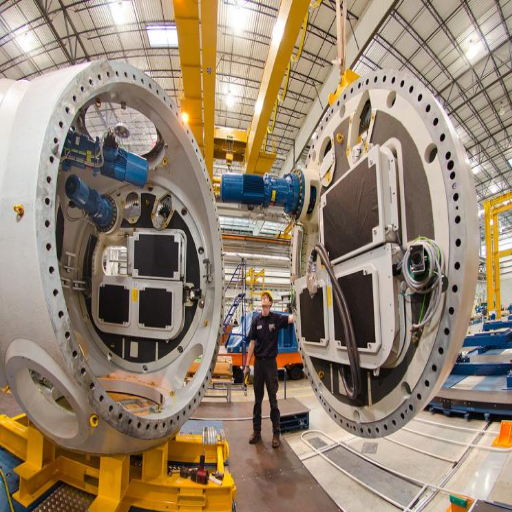
One of the most crucial tasks should be done at the earliest stage in the structuring of the wind farm, that is, finding a good site. To explain this, a vantage point in question should be given so that the benefits of that are shown in such a manner. The beneficial and obvious correlation that improper land use has with the increase in the level of noise and pollution. There must be some ground located where the horizon of the turbines and the turbulence levels do not intersect. Then the operational factor comes into play, which is the energy factor, whether used or excess energy; one needs to ask themselves how to transport it to where it is required. It is essential to recognize that undertaking environmental and feasibility studies in the early stages is crucial, as it helps identify the major hurdles and enables the development process to become focused.
Site Selection and Landowner Agreements
Proper site selection is fundamental for the success of wind energy projects, as it directly impacts both the feasibility and profitability of the development. Ideal sites are typically located in areas with consistent and strong wind speeds. According to the Global Wind Atlas, regions with average wind speeds of over 6.5 meters per second at 100 meters above ground level are considered prime locations for wind farms. Furthermore, areas with minimal obstructions, such as open plains or offshore locations, are highly favored due to reduced turbulence and better turbine performance.
Equally important in the site selection process is securing agreements with landowners. Establishing transparent and fair land leasing contracts ensures long-term access to the land while fostering positive relationships with local communities. The terms of these agreements often include rental payments to landowners, which can range from $3,000 to $5,000 per turbine annually, depending on location and energy generation capacity. Additionally, landowners are often compensated based on a percentage of the gross revenue generated by the turbines.
To alleviate potential resistance, developers should prioritize transparent communication with landowners and local stakeholders. This includes outlining the project’s benefits, explaining its environmental impact, and addressing concerns regarding noise, visual aesthetics, and land use. By combining thorough site analysis with proactive engagement strategies, wind energy developers can streamline the process while gaining crucial support from the communities involved.
Financial Considerations and Funding Options
To comprehend the significance of results-oriented financial measures under interest rates, identifying funding sources is a key component in implementing and operationalizing any wind energy project. Whoever is going to set out and perform a wind power project must assess the project’s initial capital requirements, including, most importantly, the expenses of procuring land, ordering wind turbines, their transportation, assemblage, connection to the grid, etc. Needless to say, the ongoing operation and maintenance costs must be factored into the long-term revenue model.
Needless to say, these costs can be partially covered by specific funding instruments. Specifically, there is a strong case to be made that government action, whether through feed-in tariffs, tax deductions, or grants, can constitute a policy to mitigate climate change, particularly by reducing the costs of implementing renewable energy. This would be employed to a significant extent in the private allocation of financial resources, such as green energy or sustainability-oriented investments from eco-funds, which are institutional investors that finance such projects. Moreover, the use of power purchase agreements (PPAs) is profitable in a structure that offers minimum electricity prices at which energy customers must purchase electricity.
Proper Funding and Economic Viability in the Presence of Competition: Developing an Economically Sound Project by Making the Best of the Fundraising Options.
Best Practices for Wind Energy Development
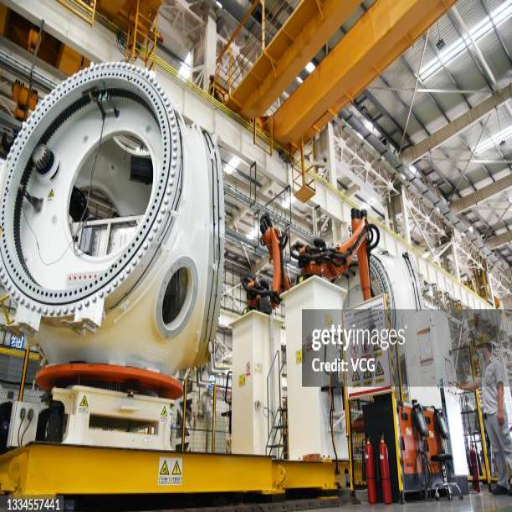
- Site Selection: Pick locations where the wind is always mighty, clear of any possible harm from use and nature, and with good accessibility to the grid
- Community Engagement: In the inception stage, establish strong connections with local communities to address issues, alleviate any doubts or fears, and secure their ongoing support.
- Compliance: All relevant environmental regulations and guidelines related to specific activities should be adhered to, depending on the particular area.
- Efficient Design and Technology: Implementing technologically advanced turbines and land development plans that enable the provision of convenient energy services, while using the least resources and producing minimal environmental damage, will be efficient in engineering terms.
- Continuous Maintenance: Specific maintenance practices are employed to ensure the continued effectiveness of turbines and parts, as well as to prolong their service life and minimize operational downtime.
- Environmental Safeguards: Environmental protection is utmost. That’s why ecological impact evaluation against the endangered and existing wildlife, as well as wrongful amendments to those parameters of construction, shall be prevented.
- Financial Planning: Invest in modeling allowances for construction expenses, operational expenses, and revenue recovery in the long term through a more robust economic model.
Following these guidelines, developers can stay focused and be assured of a prosperous and self-reliant future in wind energy projects.
Environmental Considerations
It is essential to recognize the value and consider the potential environmental impacts when developing projects based on wind power. When it comes to construction of canopies of rotors, one of the most typical concerns is, “to what extent do the local environmental conditions change, that is, what is the impact of the wind turbine?” Recently, the development of wind energy has attracted everyone’s attention. According to the most recent data, it has been found that wind turbines are not only beneficial, but also beneficial to local ecosystems. Gradually, they will produce green energy, which will eliminate the use of hydrocarbon fuel and reduce the emission of greenhouse gases that cause global warming. Still, they have their shortcomings, especially for birds and bats. There are potential risks of collision with the panel plane of a turbine, especially in areas where bird and bat migrations occur and wind farms overlap.
To minimize these implications, developers are advised to apply the following: introducing more sophisticated methods of windmill and wind turbine development and deployment, such as continental-scale radar systems and turbines that can be turned off during certain seasons when birds are migrating, among others. A more effective strategy of combined monitoring and analysis is therefore required, in addition to ongoing research and the application of ecological adaptive methods, for the design and operation of a renewable energy facility, about spatial planning and biodiversity protection.
Community Engagement and Benefits
- Job Creation
Isn’t it nice to understand that while there’s a use in the wind farm development, which helps not only to reduce the use of fossil fuels but also to create employment? Wind farm projects create new jobs, starting from the construction phase and continuing through to the time when they begin producing and distributing electricity. There are various jobs, including geotechnical, construction, bending, erection, and fabrication, as well as welding, breaking, and machining engineering tasks related to the distribution poles of wind generators.
- Income Within the Location
Another benefit of wind energy projects is that they increase local or regional government revenues, primarily from property taxes. Money raised from property taxes is, of course, supposed to be used for other developmental projects and activities without causing any adverse effects to taxpayers.
- Renewables for People’s Use
By investing more effort in green and renewable energy, even at the local level, a point is reached where people, as a community, can meet their energy needs adequately and ensure that they do not rely heavily on fossil fuels.
- Community Benefit Contributions
Certain wind power plants in participating jurisdictions have access to available community contributions, which can be in the form of monetary donations or subsidies. Therefore, these will be used, which may include, but are not limited to, environmental, social, and economic projects, such as enhancing certain aspects, including education centres in communities, restoring lands, and developing other entertainment sites.
- Environmental and Educational Awareness
Wind farms are an effective way to educate people about renewable energy resources and the importance of environmental protection. Families and communities are encouraged to take part in various educational events, such as excursions and seminars, to learn about and support renewable energy.
Future Trends in Wind Energy
It’s never the same when it comes to wind power. With the advent of more modern developments, as the global world becomes increasingly eco-friendly, wind energy becomes even more popular and in demand. The construction of larger wind turbines, resulting in greater efficiency, remains one of the significant issues. This entire development in technology also introduces new elements of design, exemplified by taller towers, longer blades, and enhanced generator systems, all geared towards improving energy capture even in low-wind regions. Floating turbines and other offshore wind farm capacities are promising growth, as they enable investment in areas where the water is deeper and the wind energy potential remains underutilized.
Today, one of the key processes involves leveraging the latest advancements in artificial intelligence (AI) and big data technologies to overcome challenges in wind farm operation. Weather conditions are assessed through AI algorithms, as well as the performance of turbines and the likelihood of when maintenance is required. As such, AI is equipping modern wind farms to significantly reduce downtime by enhancing system reliability and overall efficiency. In addition, temporary energy sources suitable for storing energy, such as high-performance battery units, are being considered and developed to balance wind energy, given its distributed nature, while maintaining electricity delivery even when wind velocity is insufficient.
For niche cultures as well as governmental attitudes, and documents of international importance such as interstate treaties, particularly those limiting the emission of carbon dioxide, facilitate the introduction of renewable energy and direct money toward the construction of new wind turbines. And because other forms of energy have begun to be evaluated in terms of their economic sense and found to be cost-effective, the development of wind energy is on the way to earn its place, as it will be vital if there is any hope for a sustainable and low-emission future.
Reference Sources
- Infusible Thermoplastic Composites for Wind Turbine Blade Manufacturing: Fatigue Life of Thermoplastic Laminates under Ambient and Low‐Temperature Conditions (Cousins et al., 2023)
- Publication Date: 2023-02-27
- Summary: This study investigates the fatigue life of glass fiber-reinforced acrylic composites, a recently developed infusible thermoplastic resin, for use in wind turbine blade manufacturing. The researchers demonstrate that the fatigue life of the acrylic composites is comparable to industry-standard epoxy and unsaturated polyester resin systems. They also use in situ X-ray computed tomography and infrared thermography to study the failure mechanisms and the impact of manufacturing defects on fatigue life.
- Infusible thermoplastic composites for wind turbine blade manufacturing: Static characterization of thermoplastic laminates under ambient conditions (Arwood et al., 2023)
- Publication Date: 2023-07-01
- Summary: This study focuses on the static characterization of the infusible thermoplastic composites developed for wind turbine blade manufacturing. The researchers provide a dataset on the static properties of the glass fiber-reinforced acrylic composites under ambient conditions, including tensile, compressive, and shear properties, to support the verification of their suitability for use in wind turbine blades.
- Top Wind Tower Production Line Manufacturers and Supplier in China
Frequently Asked Questions (FAQs)
The Ultimate Guide to Wind Farms Worth Investing In
Investing in wind farms can be highly beneficial due to the increasing demand for renewable energy sources. The worth of wind farms lies in their capacity to generate consistent energy while contributing to a cleaner and more sustainable environment. With advancements in turbine technology, the efficiency and profitability of these projects have significantly improved, making them a wise investment choice for landowners and investors alike.
What Are the Best Practices in Wind Turbine Maintenance?
Effective maintenance strategies are crucial for maximizing energy production from wind turbines. Best practices include implementing a regular maintenance schedule that consists of inspections, condition monitoring systems, and addressing signs of wear promptly. Utilizing condition-based maintenance approaches can enhance the performance and longevity of wind turbine components, ensuring safe and reliable turbine operation.
How to Optimize Wind Turbine Performance?
To optimize wind turbine performance, it is essential to focus on several factors, including proper turbine installation, regular inspections, and the use of advanced monitoring systems. Monitoring systems can provide real-time data on turbine operation and energy production, allowing for timely adjustments and improvements. Additionally, ensuring that turbine blades are free from damage can significantly enhance energy output.
What Are Common Potential Issues with Wind Turbines?
Identifying potential issues with wind turbines early on is key to maintaining optimal performance. Common problems include mechanical failures, electrical issues, and wear on turbine blades. Regular inspections and condition monitoring can help detect these issues before they escalate, reducing the risk of costly repairs and downtime in turbine operation.
How Do Wind Farms Contribute to Renewable Energy Generation?
Wind farms play a vital role in the renewable energy sector by harnessing the power of wind to generate electrical power. They utilize multiple turbines to capture wind energy and convert it into electricity, helping to diversify energy sources and reduce reliance on fossil fuels. This shift not only supports environmental sustainability but also promotes energy security.
What Are the Advantages of Onshore Wind Farms?
Onshore wind farms offer several advantages, such as lower installation and maintenance costs compared to offshore projects. They are generally easier to access for maintenance personnel, allowing for more frequent and effective maintenance strategies. Additionally, onshore wind farms can be integrated into existing land-use practices, making them a flexible option for landowners.
How to Start a Wind Farm Project?
Starting a wind farm project involves several key steps, including site assessment, securing permits, and selecting appropriate turbine technology. Conducting a feasibility study helps identify the best locations for wind turbines and assess the potential energy production. Collaboration with local stakeholders and understanding regulatory requirements are also crucial for the successful development of a wind farm.
What is the Longevity of Wind Turbines?
The longevity of wind turbines typically ranges from 20 to 25 years, depending on various factors such as maintenance practices and environmental conditions. Regular maintenance and the use of advanced monitoring systems can significantly extend their lifespan by ensuring that turbines operate under optimal conditions and addressing any issues promptly.