With the shift towards renewable energy options in the fight against climate change and the reduction of the fossil fuel base, wind energy has emerged as a viable alternative. Harnessing the energy of the wind to generate electricity is said to have the potential for large-scale, clean, and sustainable energy. However, just like any other source of energy, wind power has its pros and cons. This article aims to explore the various benefits of wind energy, including its environmental and economic advantages, while also acknowledging its limitations and ecological concerns. Once the post is through, one may have a stronger perspective on the complexities surrounding wind energy as a proposition for our future.
Understanding Wind Energy

Wind energy is a form of renewable energy that is captured by transforming the kinetic energy of wind into electricity through wind turbines. This source of clean energy is crucial in achieving the goals of reducing greenhouse gas emissions and decreasing the reliance on fossil fuels. Wind is a sustainable, widely available energy source that does not significantly disrupt the air and water during its operation. However, aspects such as irregular wind patterns, the need for ample land space, and considerations regarding the mortality of wildlife must be addressed in parallel to maximize its correct use.
What is Wind Energy?
The wind is a pure natural force, a renewable form of energy created when the Earth’s surface unevenly heats up. Wind turbines absorb the kinetic energy of the air and convert it into mechanical energy, which is finally converted by a generator into electrical energy. Modern wind turbines range from those installed on an individual scale to big wind farms installed commercially.
According to the latest statistics, in 2023, wind energy accounted for more than seven percent of the total electricity supplied globally, and its capacity has been increasing annually. The technological improvements have enabled turbines to operate even during mild wind speeds. Offshore wind farms are also gaining popularity, as calm wind conditions exist and conflicts with land use are relatively rare. Such developments breed wind energy as one of the building blocks of the worldwide effort towards cleaner and more sustainable energy systems.
How Wind Turbines Work
Wind turbines function by converting kinetic wind energy into electrical energy through a simple yet remarkable operation. The wind causes the turbine’s blades to rotate. These blades attach to a rotor, which then turns a shaft. The shaft leads to a generator, where the rotation turns the generator through electromagnetic induction, generating electricity. Modern wind turbines employ a gearbox to increase rotational speed and sensors to control blade angles, maximizing efficiency under various conditions.
Recent data indicate that technological advancements have enhanced wind turbine design and operation. For example, direct-drive turbines that do not incorporate a gearbox are becoming increasingly common, resulting in reduced maintenance costs and improved reliability. Onshore turbines hold sway; offshore wind turbines have gained prominence, as they can tap stronger winds over the ocean. All these developments are gaining more and more prominence in global wind power production.
The Role of Wind in Sustainable Energy
Wind energy is significantly leading the transition to sustainable energy while mitigating greenhouse gas emissions and dependence on fossil fuels. According to recent statistical studies, wind energy currently contributes more than 7% to global electric power generation, with capacity set for considerable growth in the coming decades. Technical advancements in wind energy, focusing on larger turbine designs and higher efficiency, make wind energy more cost-effective. Additionally, having both onshore and offshore wind farms lets nations diversify their energy base and access more reliable wind regimes. By 2030, it is expected that wind energy will generate nearly 20% of the world’s electricity needs, marking a significant leap towards a greener and more sustainable energy future.
Pros and Cons of Wind Energy

- Pros of Wind Energy
Renewable and Sustainable: Wind energy is harnessed from wind, which is a natural resource that is inexhaustible and abundant.
Environmentally Friendly: It does not produce greenhouse gas emissions during operation, thereby helping to combat climate change.
Affordable: Recent technological advancements have reduced the costs to a level that makes wind energy more cost-effective to produce.
Job-Tied Industry: The sector creates jobs for thousands of people across manufacturing, installation, and maintenance.
Energy Independence: Wind potential through reduced import dependence on fossil fuels.
- Cons of Wind Energy
Intermittency: Depending on weather conditions, wind energy may be intermittently available for consumption.
Noise and Visual Impact: The noise produced by wind turbines, as well as the aesthetic changes they cause in the locality, may bother residents.
Wildlife Concerns: They also pose a threat to birds and bats, particularly if turbines are installed inappropriately.
High Initial Cost: Although considered cost-effective in the long term, wind farms require a substantial initial investment.
Space Requirements: Large areas are required for turbines to be installed at an optimal level, which may conflict with agricultural or urban uses.
Advantages of Wind Energy
- Renewable and Sustainable
The wind is a clean, renewable resource that will never be depleted, as opposed to fossil fuels. It maintains the air currents in their natural state to generate electricity; therefore, it falls into the category of sustainable and environmentally friendly alternatives.
- Reduction of Greenhouse Gas Emissions
As far as wind power generation is concerned, no carbon dioxide or other gases harmful to the air are produced. Hence, they may reduce their national carbon footprint. For example, in 2022, worldwide wind power installation revenue resulted in a 1.5 billion metric tons of CO₂ saved.
- Inexpensive Source of Energy
Due to advancements in technology, the cost of wind-energy production has declined significantly in the last few decades. According to the International Renewable Energy Agency (IRENA), onshore wind power is presently the cheapest energy source and may be more affordable than coal or gas.
- Provides Job Opportunities
The wind energy sector provides numerous job opportunities, ranging from manufacturing to installing and maintaining turbines. A 2021 study reveals that over 1.3 million people are employed in the global wind industry, and this figure is expected to rise as the industry expands.
- Energy Independence
By harnessing local wind resources, nations can reduce their dependence on foreign fuels, thus securing their energy security. Local production serves to lower price volatility, therefore insulating their economy from tremors in global fuel markets.
Disadvantages of Wind Energy
- Intermittent Source of Energy
Wind energy production depends heavily on weather conditions. On days of very little or no wind, energy is produced barely or not at all. Such variability makes it challenging to maintain wind as a steady source of power, and in most cases, it must be supplemented with another power source.
- Initial High Cost
Various initial financial investments may be required during the manufacturing and installation stages of the wind turbines. Since the machinery and technology are costly, they may present a high initial financial barrier for some provinces or organizations. Operating costs are now low.
- Harm to Wildlife
Wind turbines tend to threaten bird and bat populations. It has been proven that these rotating blades pose threats to flying animals that might mean death with consequent disruptions in the local ecosystems.
- Noise and Visual Impact
Wind farms have a legitimate source of noise from the turbine blades and machinery. It is also considered an eyesore by many individuals and communities who oppose the erection of wind turbines in their area.
- Land Use Issues
Wind farms typically require a significant amount of land, especially for larger projects. Some land retains some utility for farming; in others, however, its utility is somewhat diminished due to the presence of the turbines, or it might even cause conflict over land allocation as a consequence.
Evaluating the Pros and Cons of Wind Power
Based on recent information, the viability of wind power is highlighted by both pros and cons. Recent statistics show that wind energy accounted for approximately 9.2% of global electricity generation in 2022, demonstrating its growing importance in reducing fossil fuel use. It is one of the renewable, clean energy sources crucial for controlling climate change. A wind turbine does not emit any greenhouse gases during its operation. Technology improvements also help improve efficiency so that wind may become even more competitive in price with traditional sources of energy.
On the other hand, there are still some impediments. Studies indicate that intermittent winds pose a concern for reliability issues, necessitating the use of an energy storage system or an alternative backup power source to complement them. Traditional landscape and life habitats, such as those treated by Wilson, still manage to spark local resistance in some communities, owing to improvements in the designs of wind turbines. Addressing these concerns alongside the positive environmental impacts will help foster broader acceptance and wider adoption of wind power as an energy generation solution.
Onshore and Offshore Wind Energy
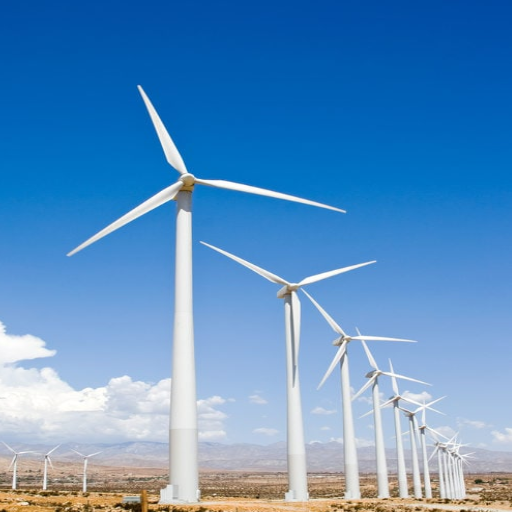
The term “onshore wind” refers to turbines erected on land, primarily in isolated or rural areas. Offshore wind refers to turbines set in water bodies, mainly in the sea. Installation and maintenance costs are comparatively lower for onshore wind, making it a more cost-effective option. Land availability and issues of noise and visual impact are factors that limit its development.
Offshore wind generation is more expensive to build, although it benefits from higher and more consistent wind speeds, resulting in higher energy output. There can be minimal goose bumps for populated regions, as the wind turbines are located away from residential zones. Both types of wind energy systems thus aim to complement each other in the transition toward cleaner and more sustainable energy sources.
Onshore Wind Energy: Benefits and Challenges
Onshore winds shall have various benefits, yet some challenges apart. One significant benefit is a low cost. Onshore wind farms, in general, tend to incur lower installation costs and maintenance costs than offshore wind farms, which can provide more options for many regions. Allowing these communities to produce renewable energy closer to demand centers results in less transmission infrastructure being required. This is why the initiation of wind power projects often brings in economic growth by creating employment and generating investment opportunities in rural areas.
Nevertheless, land use conflicts or opposition from various segments of the population may thwart the progress of onshore wind farms. These could clash with agricultural activities or disturb nature conservation. Meanwhile, noise and visual intrusions from the machines are often reported as social disturbances by those residing nearby. A successful expansion of wind energy is hence centered around the equilibrium between the radical need for energy and similar earth-bound environmental and social considerations.
Offshore Wind Energy: Advantages and Disadvantages
Being placed offshore implies that it also has many advantages, making it crucial in the global renewable energy transition. In this way, the strongest and most consistent wind speeds for energy production offshore can occur, which onshore investigations may never guarantee. They offer less of a nuisance in land-use conflicts of their own, benefiting industrial or agricultural activities onshore, while the residential population is far from being annoyed by the sound and visual impact that offshore wind might create.
There are also some hindrances posed by offshore wind. Due to the harsh marine environment, the installation and maintenance of offshore wind farms become challenging and costly endeavors. Logistically, these projects would also prove demanding since special vessels and equipment are required to construct and repair them. Both the possibility of creating environmental impacts on the marine ecosystem and the associated ecological concerns must be considered and planned for. Weighing these advantages and disadvantages is essential to fully utilize the benefits of offshore wind energy and diminish its shortcomings.
Comparing Onshore and Offshore Wind Power
Concise Summary: Onshore wind power is cheap and easy to maintain; offshore wind power is expensive and requires complex logistics, but generates more energy from stronger, consistent winds.
| Parameter | Onshore | Offshore |
|---|---|---|
| Cost | Lower | Higher |
| Energy Output | Moderate | High |
| Maintenance | Easier | Complex |
| Location | Land | Water |
| Wind Speed | Lower | Higher |
| Environmental | Land impact | Marine impact |
| Installation | Simpler | Complex |
| Noise/Visual | More intrusive | Less intrusive |
| Job Creation | Local economies | Broader scale |
The Future of Wind Energy

Innovation, growth, and sustainability have always been at the forefront of the wind energy industry’s future. Advances made over the years in turbine technology have helped improve efficiency and reduce costs, while also enabling energy production in regions with lower wind speeds. The wind farm industry thus stands to expand its capacity both onshore and offshore with the support of policy formulation, investments, and an international agenda focused on cleaner energy sources. This development will enhance the integration of wind power within broader energy grids, thereby enabling improved reliability and accessibility. Wind energy will hence be able to take a significant role when it comes to global renewable energy targets, depending on how the technology and environmental planning progress.
Innovations in Wind Power Technology
Contemporary technology developments continually challenge the wind power concept’s efficiency and scalability. Some of the key inventions focus on the design of bigger, more efficient turbines capable of producing greater energy outputs from lower speed winds. Equally, floating turbines are being installed offshore beyond the depths suitable for fixed-bottom turbines, thus massively increasing viable wind farm locations. There is also an application of smart sensors combined with AI algorithms to optimize turbine operations—for instance, by preempting maintenance needs and enabling real-time adjustments. Together with turbine blades recycling and energy storage systems under research, these innovations are taking wind power into the realm of being ever more sustainable and accessible.
Potential Growth of Wind Energy
The growth path for wind energy is vast, driven primarily by technological evolution, enabling policies, and increasing global demand for renewable energy. Using natural rather than human data, the global wind energy market is forecasted to expand at a CAGR ranging from 7 to 9% over the coming decade. With new technologies coming into play, primarily the floating varieties, we can expect offshore wind to lead capacity additions in the future, where such resources were previously inaccessible. Alongside these developments, nations across the globe have set ambitious targets for clean energy generation, with several countries, including China, the US, and members of the European Union, at the forefront of investments into wind energy infrastructure. Corporate sustainability targets further support this growth, as companies seek renewable energy and carbon offsets.
Challenges Ahead for Wind Energy Development
Despite its rapid development and huge potential, wind energy development still faces significant challenges. One major drawback is that production depends on fluctuating wind patterns, with periods of low activity sometimes occurring. This highlights the need for storage technologies to provide a steady and reliable electricity supply. The environmental impact related to the construction of wind farms is another concern, as to the destruction of local wildlife habitats and ecosystems. The turbines pose threats to specific bird and bat species and also alter their natural habitats. Resistance or opposition to wind farm installation on grounds of view and noise have often contributed to the delay of numerous projects. Lastly, there is an increasing need to consider the recycling of wind turbine components, particularly in light of the current disposal of blades, which raises some sustainability concerns. Addressing these challenges is crucial to enabling wind energy to realize its full potential on the journey towards global clean energy.
Reference Sources
- “Advantages and Disadvantages of Renewable Energy Sources Utilization” by D. Maradin (2021) (Maradin, 2021)
- Key Findings:
- The paper presents numerous advantages of using renewable energy in electricity generation, such as environment preservation in terms of reduced greenhouse gas emissions and improvement of innovations and technical/technological development.
- It also presents certain disadvantages of renewables in electricity production, such as dependence on weather conditions, low energy efficiency, and limited ability to produce electricity.
- Methodology:
- The study seeks to expand the existing literature and contribute to a comprehensive understanding of the characteristics of renewable energy sources as a whole, without considering the individual types of renewables.
- Key Findings:
- “Wind Energy and Assessment of Wind Energy Potential in Turkey: A Case Study for Mersin Province” by M. Dağtekin and B. Yelmen (2022) (Dağtekin & Yelmen, 2022)
- Key Findings:
- The study analyzes the use of wind power in Turkey’s Mersin Province and finds that the installed wind power capacity throughout the province is 364 MW, whereas the usable wind energy potential in the region is approximately 3,414 MW.
- The advantages of wind power, including its cleanliness, rapid commissioning, and reliability, are discussed, and the significant increase in wind energy utilization in recent years is highlighted.
- Methodology:
- The study presents a case study for the Mersin province in Turkey, analyzing the installed wind power capacity and the usable wind energy potential in the region.
- Key Findings:
- “Hydropower Advantages over Batteries in Energy Storage of Off-Grid Systems: A Case Study” by P.S.M. Guruprasad et al. (2023) (Guruprasad et al., 2023)
- Key Findings:
- The study compares the use of batteries and pumped storage hydropower (PSH) as energy storage systems in a microgrid, integrating wind and solar PV energy sources.
- The results show that the microgrid with PSH storage was more economical, with a lower net present cost (NPC) and levelized cost of energy (LCOE), compared to the scenario with batteries.
- Methodology:
- The study implements the HOMER simulator and optimizer model to develop an energy availability usage model and obtain optimized renewable energy integration in the microgrid.
- Two scenarios are run, one considering batteries as an energy storage technology and the other considering PSH, to compare the economic and technical results.
- Key Findings:
- Top Wind Tower Production Line Manufacturers and Supplier in China
Frequently Asked Questions (FAQs)
What are the advantages of wind energy as a renewable energy source?
Wind energy is a clean and renewable energy source that significantly reduces greenhouse gas emissions. It harnesses the power of the wind to generate electricity, thereby decreasing reliance on fossil fuels. Additionally, wind energy projects can create jobs and stimulate local economies, making it an attractive option for sustainable power generation.
What are the disadvantages of wind energy?
While wind energy has many benefits, it also has disadvantages. One primary concern is that wind turbines can be noisy, which can affect the quality of life for those living nearby. Additionally, wind energy generation is dependent on wind availability, meaning that areas with lower wind capacity may not be suitable for onshore wind turbines. Furthermore, the initial cost of wind projects can be high, though operational costs are generally low.
How do wind turbines harness energy from the wind?
Wind turbines convert the kinetic energy of the wind into mechanical energy. When the wind blows, it turns the turbine’s blades, which are connected to a generator that converts this mechanical energy into electricity. The efficiency of this process depends on factors such as the turbine’s design and the amount of wind blowing.
What are the pros and cons of onshore wind projects?
Onshore wind projects offer several advantages, including lower installation costs compared to offshore wind energy. They can be deployed in various locations and provide significant amounts of renewable energy to nearby communities. However, they also face challenges such as land use conflicts and potential negative impacts on local wildlife, which are important considerations when evaluating their feasibility.
How does the cost of wind energy compare to other renewable sources?
The cost of wind energy continues to decrease, making it one of the fastest-growing renewable energy sources. It is often more cost-effective than solar power in regions with high wind capacity. However, the total cost can vary depending on factors such as installation, maintenance, and the specific location of the wind project.
What are the prospects for wind energy generation?
The future of wind energy appears promising as technology advances and the demand for clean energy continues to increase. Innovations in energy storage technology continue to enhance the stability and reliability of wind-generated electricity, enabling better integration with other renewable energy sources, such as solar energy. With supportive policies and investments, wind energy is expected to play a crucial role in the transition to sustainable energy.
Can wind energy effectively meet energy demand?
Wind energy has the potential to meet a substantial portion of energy demand, particularly in regions with higher wind speeds and greater capacity. By combining wind energy with energy storage technology, it can provide a reliable power supply even when the wind isn’t blowing. However, a diverse energy mix, including solar and other renewable sources, is essential to ensure a stable energy supply.
What are the environmental impacts of wind energy?
While wind energy is considered environmentally friendly, it does have some impacts. The construction of wind farms can affect local ecosystems and wildlife. Additionally, onshore and offshore wind turbines may pose risks to birds and bats. Careful planning and siting of wind projects are necessary to minimize these impacts while maximizing the benefits of harnessing energy from the wind.