Wind power is a crucial component of the global shift toward sustainable energy, a trend that is underscored by the growing importance of the sector. Turbines, the structures necessary for harnessing wind energy to generate electrical power, are central to this. How, then, can the wind turbines generate power, and what is their relevance to the overall network of a power generation plant? – All of this and more will be covered in the text that follows, addressing the details of how wind turbines work, enabling the reader to appreciate how they are crafted and operate, along with an emerging focus on their role in helping the world obtain carbon-free energy effectively. Whether it is the technological novelties in the field or the relationship between wind energy and future energy provisions, there are multiple aspects of great importance concerning the subject that will be discussed in this article: one of the greenest and probably the most globally expanding energy technologies available in the world today.
Understanding Wind Power and Wind Energy
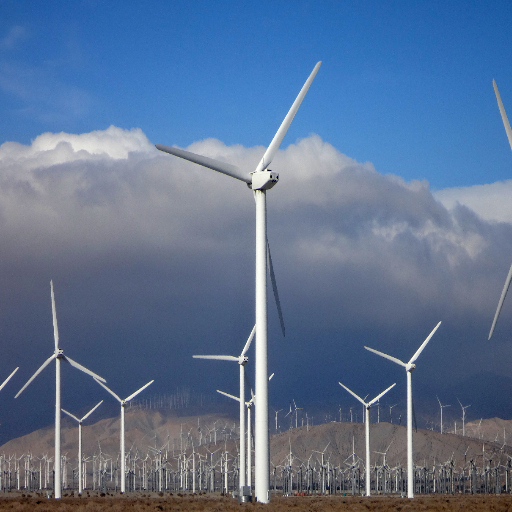
Wind energy — one of the most talked about topics in contemporary environmental history — is an energy source derived from the conversion of the kinetic energy associated with the movement of air into electricity. The dominant contemporary wind power applications are wind turbines, equipped with blades that are rotated when the wind impinges on them. The rotor movement is transmitted to an electric conductor, allowing it to produce electricity. Wind energy is one such energy that is cleanly generated, free from emissions related to climate change, and never runs out of the fuel that powers it, and as such, it is a durable alternative to burning fossil fuels. On the same grounds, it is universally functional for processes in both vast areas devoted to the construction of wind turbines and localised, smaller-unit windmills alike. Any introduction of new electric power generating stations based on wind power ensures that the world does not come to an end shortly due to climate change or other man-made disasters [–provides a guarantee that the world does not collapse].
What is Wind Power?
Generating power from the wind is the utilization of wind’s force to create electricity. With the advent of modern windmills, wind is typically captured by long, moving blades, which in turn drive a central rotating machine. This machine’s operation causes it to rotate, and when it does, a generator comes into play, converting the kinetic energy into thermal energy. In particular, data from most newly renewable energy sources, received recently, shows that wind power has become one of the rapidly expanding sources of available energy worldwide, with a capacity of over 940 GW installed globally as of 2023. In addition to this, wind energy is a sustainable and environmentally friendly choice, as it utilizes the vast amount of forcefully driven overhead air, with no air pollutant emissions. As to costs, wind energy is relatively affordable compared to solar and other forms of energy resources. This is because costs are continually decreasing as more and better technologies are developed. In addition, both onshore and offshore wind power projects are multiplying to meet the increasing global energy demands and mitigate the impacts of climate change.
The Importance of Renewable Energies
The traditional schema of energy supply is not sufficient to meet the global economic environment’s constraints in the twenty-first century. With the dynamics of global renewable energy demand proliferating each year, renewable energy source technologies, such as waste-to-energy and wind power, are seen as highly promising. Climate energy goals have been set in place, but this does not mean that inequalities cannot be addressed in reality. Singapore faces several challenges in balancing economic growth and environmental protection. Eco-office building technologies will ensure that there are intensive low-carbon activities in the heart of Singapore.
Let’s move on to a story of some promise. For 2022, the global solar photovoltaic (PV) capacity is still on an upward trend. The capacity now lies between 105 and 110 gigs versus 85-90 gigs for the year prior. Unlike onshore wind, offshore wind has demonstrated significant potential, with the Dogger Bank Wind Farm in the UK being a notable example. This wind farm is envisioned to be the largest offshore wind farm, generating electricity for more than 6 million homes per year once operational.
It is worth noting that hydroelectric power leads the list in terms of providing sustainable and green energy, with over 50% share in 2022. Due to the increasing development of new projects, the reconstruction of old facilities is no less critical in the pursuit of greater achievements. Moreover, the attempts to harness renewable energy are not limited to wind and sun only, but to the hot rocks that are converted to steam in order to produce electricity as well. The United States is currently the world’s leading economy in terms of geothermal power generation.
The official data indicate that during 2022, investments of nearly $495 billion were made in renewable energy, representing a 11.1% increase, which surpassed expenditures on fossil fuel power plants for the first time. This shift in perspective illustrates the worldwide eagerness to eliminate carbon-emitting energy infrastructure and transition to more sustainable, non-carbon alternatives. Through the practice of promoting renewable energy, it is possible for states to avoid emissions, generate employment, ensure energy security, and foster the maintenance of economic activities and structures.
How Wind Energy is Captured
Wind power is generated using wind turbines that convert the kinetic energy of air movement into electrical energy. These turbines are strategically placed in locations with abundant wind, such as open countryside, coastal areas, and offshore waters. To convert wind energy into electricity, turbines or blades are designed to rotate as the wind blows over them. The turning of the turbines technique is then used to run the generator, which produces electric power.
In 2022, the data for global wind energy capacity shows that the 743 GW threshold has been surpassed, which is considered one of the most rapidly progressing fields of renewable energy sources. The growing number of power plants based on the assembly of wind turbines was achieved thanks to larger rotors and more effective generators. The effectiveness of wind power was, in turn, significantly increased by the decrease in operational expenses and practical adaptability of wind turbine components. Primarily due to the utilization of marine resources, such as wind, the wind industry has grown over time and begun to accumulate more energy. Such developments demonstrate that advances in wind power technologies are also progressing to new forms of application, contributing to the growing demand for clean energy and the overarching goal of sustainable development.
Small Wind Turbines and Their Applications

From construction to general service and maintenance, a wide variety of services can be provided to companies’ people anywhere in the United Kingdom and beyond. Regardless of the client’s profile, the comprehensive package of administrative consulting includes services of real and virtual assistance, as well as support with preparing speeches, television shows, or tip books. Typically, individuals comprehend that complicated events or other capacity issues happen too coincidentally to the date of them and make the schedule very tight .работу, образование Moreover, it encompasses a wide range of constructs for various applications in human development and adult learning, compared to the theory of adult education.
What are Small Wind Turbines?
One of the solutions that science offers is the utilization of small wind turbines. Do you know what is a small wind turbine? This is essentially an assembly of various devices necessary to generate electric energy in your home or business. On the other hand, some of them are also referred to as energy sources. It has always been the case that practical operations are carried out with wind engines, and it is possible that the first involves the direct relief of hot and cool winds, and the latter is also a potential wind energy source. A range of options is conceivable in the wind energy field, but it is necessary to select the best suited, in particular for small, low-power units. Therefore, this business is carried out by small-scale wind power plants (under 50 kW).
Benefits of Using Small Wind for Electricity Generation
“Wind energy lies large plans – it is a small wind turbine.” On the question of what energy sources to use, the principle of avoiding pollution caused by the combustion of coal, oil, and gas should be applied. The small wind turbines create multiple positive effects; with advancements in technology, they produce less or no fumes or smoke. This can be attributed to the fact that they are powered by wind, not petrol or diesel fuels.
Indeed, wind is such a powerful idea, and nature’s wonders make a significant basis of that. Whenever we use a small wind turbine, we are technically and ethically involved in creating a world that will be habitable for future generations by making the most minor possible alterations to the environment. In the same way that cosmetic changes are made, different types of wind are harnessed: significant wind, moderate wind, and slight wind. A comprehensive assessment of the advantages and limitations of each of these application technologies is necessary to realize the subject’s full potential.
There are various types of compact wind-powered generators available, each suited to different purposes, including household, farming, and small business premises. If one has more energy requirements, they can be sized up or downsized according to the location of need.
The Impact of Wind on Local Energy Solutions
Of importance is wind energy, whose integration with technology and data analysis results in accelerated development of the local energy supply. The energy trend is impacting wind power within the community, as studies supported by other detailed reports have found, as indicated by Google Trends. For example, the use of small-scale wind turbines explicitly installed in homes and businesses helps significantly by reducing fossil fuel consumption, which in turn lowers carbon emissions. On the other hand, the generation of wind energy, when coupled with smart grid and energy storage methods, facilitates the more efficient distribution of electricity with guaranteed even supply, especially in severe weather conditions and during periods of high demand. Additionally, this new wave of community energy emphasizes renewables, integrates technologies, and utilizes demand response activities that leverage proven practices and scenarios.
Types of Wind Farms and Their Locations
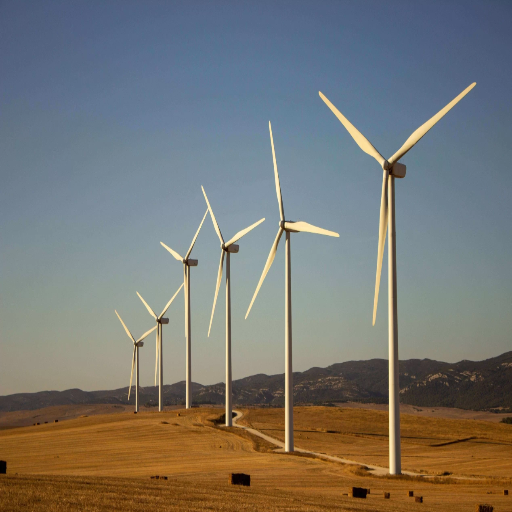
Wind farms can be divided based on the region into three categories:
1. Onshore Wind Farms
These wind turbines are called onshore because they are located on land. This type of wind farm is the most common characteristic of the wind industry. They are usually built in regions with little to no environmental barriers, such as forests, plains, or agricultural land areas.
2. Offshore Wind Farms
Wind energy is taken to the next level by using offshore wind turbines in aquatic areas. They are built in the open waters of the oceans or major lakes to produce energy not just from steam but also electricity, with the help of very high and consistent wind speeds. Since they are usually several miles away, this location minimizes their visual impact on the mainland.
3. Nearshore Wind Farms
Consists of all the above-mentioned wind turbines is called nearshore because they are situated on water, near the coast, typically within a few kilometres of shore. These turbines offer a good compromise between offshore wind farms and onshore wind farms. This means that wind farms located near shore are more easily maintained than offshore wind farms.
They are strategically placed according to the topographical features of the area, wind conditions, and the orientation that supports the energy requirements of that particular topography.
Onshore vs Offshore Wind Farms
Onshore wind farms are more cost-effective and simpler to manage, but on the offshore front, greater amounts of power are produced, mainly due to the enhanced winds and their predictability. However, it is easier said than done, as the costs incurred are greater and the logistics are significantly more complex.
| Parameter | Onshore | Offshore |
|---|---|---|
| Cost | Lower | Higher |
| Energy Output | Moderate | High |
| Maintenance | Easier | Complex |
| Location | Land | Water |
| Wind Speed | Lower | Higher |
| Environmental Impact | Land-based | Marine-based |
| Installation | Simpler | Complex |
| Noise/Visual | More intrusive | Less intrusive |
| Job Creation | Local economies | Broader scale |
First Wind Farm and Its Significance
The first wind farm in the world, established in 1980 on Crotched Mountain, New Hampshire, USA, made waves in the renewable energies industry. Only twenty turbines had been constructed, boasting a combined capacity of 600 kW; this wind farm was still a turning point in the use of wind to generate clean energy sources. And it has evolved over the years, with current turbines capable of delivering a minimum of 15 MW each. Based on the latest available information, wind power’s contribution to global electricity generation exceeds almost 7 percent, demonstrating its potential in alleviating the problem of climate change and promoting a shift away from the use of fossil fuels. The creation of the first wind power facility set the stage for a revolution, which is currently manifesting in the excellent wind energy segment that powers numerous homes and industries globally.
Future of Offshore Wind Energy
The future of offshore wind energy is likely to see an expansion of its scope and operational efficiency, largely a consequence of technology maturing by the day. Based on current figures, it is expected that the global offshore wind energy capacity will increase from the current 60-odd GigaWatts as of 2023 to over 200 GigaWatts by 2030, driven by large-scale offshore wind farm projects in Europe, Asia, and the Americas. Innovations such as composite materials and floating wind turbine towers will enable these turbines to be used even in deeper water areas, at the expense of wind energy resources in less shallow coastal regions. Furthermore, AI and innovative grid development will contribute to the cohesive planning of the energy infrastructure, as well as control that will lead to minimal waste in the system. Offshore wind energy is proving to be a significant source of energy in most countries, as governments increase funding to this vital sector with specific, ambitious targets for offshore wind. Energy transition and net-zero emission initiatives are indeed twin purposes for the rise of this transformative technology.
Electricity Generation and the Power Grid
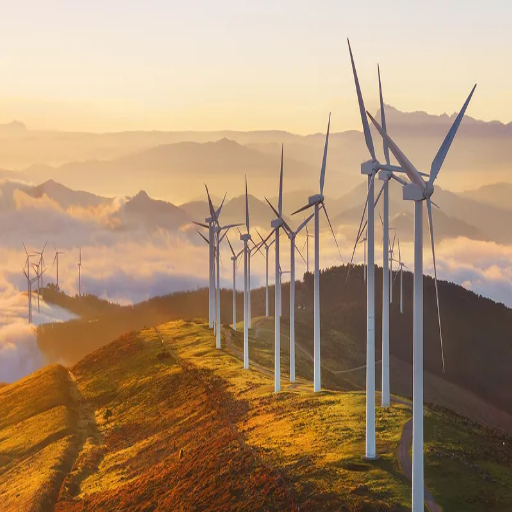
The process of electricity production involves transforming various energy sources, including fossil fuels, nuclear power, and renewable sources such as solar and wind energy, into electrical energy. This electricity is then transmitted using a power network, which is defined as a system of power generation stations, power lines, and distribution transformers that transfer energy to residences, factories, and other facilities. Efficient and safe distribution of electricity within the grid is achieved through maintaining a balance between supply and demand. This is becoming increasingly relevant due to the integration of cleaner and greener power sources with improved means of effective energy use and conservation.
How Wind Turbines Generate Electricity
Wind power plants generate electrical power through a mechanical process that converts wind energy into electrical energy. It initiates when the wind blows over the blades, and the propelled force causes them to rotate. The blades are attached to a rotor, located inside the post, via a shaft. The shaft, designed to rotate, is connected to a generator in which the electromagnetic induction technique serves as a medium through which the electrical energy produced is realized.
As per the previous facts, the current wind turbines have surpassed expectations and can perform with maximum efficiency, especially in areas with low wind velocity, in some instances, even at wind speeds of 5.6 mph (9 km/hr). Aspects like adjustable angle cutting edge and non-gearing direct drive systems have prospered and have also been able to reduce costs for maintenance. Furthermore, offshore windmills are playing an even more promising role than their onshore counterparts, harnessing stronger and more consistent winds over oceans and driving forward the worldwide interest in the increased use of clean energy solutions.
Integrating Wind Power into the Power Grid
When wind power is added to the system, many issues arise. Such problems include maintenance, operation monitoring, and technical assessment to achieve consistent and secure energy transmission. Processing wind power into grid systems is relatively easy because wind flows, which are primary sources of electricity, are highly variable, causing the system to run with imbalances each time. To counter these effects, several developments have emerged in recent years as solutions to this problem, including energy storage, Demand Response, and the Smart Grid. These help stabilize the energy flow and load management, as the energy can be captured and stored during high generation levels, then released during periods of diminished wind.
Google search data confirmed that electric energy systems facing variability in their energy production have seen an increased use of flexible energy solutions, such as lithium-ion batteries and pumped hydro storage, in recent times. These technologies help mitigate variations in wind power and ensure grid stability for grid operators. Furthermore, deep grid integration (distribution network and interconnection), which allows transporting power from one region to another, is gaining significance for increasing the flexibility of power systems. Inclusion of wind power within the power grid means more than just the technology’s physical presence. Technologies, policy tools, and investments in infrastructure so as to address risk exposure associated with wind energy, and what is being achieved, are captivating.
Power Density and Its Impact on Energy Sources
The calculated Power, though, refers to Strength, while Power density, defined as the amount of power generated per unit area, is a critical factor in evaluating energy sources. High-power-density sources, such as fossil fuels and nuclear energy, produce significant energy outputs from relatively small land areas, making them ideal for centralized energy generation and urban environments. However, renewable energy sources often have much lower power densities. For instance, wind and solar energy require larger areas for turbines and solar farms to generate equivalent power levels.
This contrast in power density has far-reaching effects on the means of power production and landscape design. From the evidence, an average of 30 to 45 acres is required to build a wind farm with a level of power production of one megawatt, whereas for photovoltaic projects, the area is far smaller, averaging 5 to 10 acres per one megawatt. This could create a problem in urban centers, which are usually crowded and have limited land. Redevelopment of urban spaces that are congested and other areas with limited available land would therefore be necessary. This would involve finding efficient ways to generate renewable energy that does not occupy much space. Urban regeneration can not be applied in most parts of the world.
It’s a major drawback of renewable energy sources as it limits this technology to a certain extent. Even some of the underground cable systems have an impractically high percentage of transmission and distribution power losses, i.e., approximately 17% and 20-27%, respectively. In many cases, the salience of such concrete installations increases the transverse electric energy flows in convectors and secondary branches of the grid, including those powered by renewable sources.
Reference Sources
- Optimal design analysis of wind solar complementary power stations in Tibet
- Author: Zhou Liqing
- Publication Date: February 25, 2022
- Conference: 2022 IEEE International Conference on Electrical Engineering, Big Data and Algorithms (EEBDA)
- Citation Token: (Liqing, 2022, pp. 1020–1023)
- Summary: This paper discusses the optimal design of wind-solar complementary power generation systems, with a focus on enhancing energy utilization efficiency. The study analyzes the current status and challenges of wind-solar power stations, proposing design optimizations that consider energy management, system configuration, collaborative control, and load matching. The results indicate that such optimizations can reduce costs, extend service life, and enhance energy efficiency, particularly in high-altitude and cold regions.
- Site Selection Analysis for Wind/Solar Hybrid Power Stations using MOORA Method
- Authors: Ajitesh Kumar, Ashish Sharma
- Publication Date: April 27, 2023
- Conference: 2023 1st International Conference on Cognitive Computing and Engineering Education (ICCCEE)
- Citation Token: (Kumar & Sharma, 2023, pp. 1–5)
- Summary: This study presents a method for selecting sites for wind/solar hybrid power stations using the MOORA (Multi-Objective Optimization based on Ratio Analysis) method. The authors categorize site selection criteria into environmental, technological, and geographical factors. The study employs Geographic Information System (GIS) and the Analytical Hierarchy Process (AHP) to prioritize potential sites, ultimately providing a systematic framework for site selection that enhances the development of sustainable energy systems.
- Techno-Economic Feasibility Analysis of Solar Wind-Based Hybrid Power System on the Islands of the Northern Bay of Bengal
- Authors: Fazley Rabbi et al.
- Publication Date: May 26, 2023
- Conference: 2023 4th International Conference for Emerging Technology (INCET)
- Citation Token: (Rabbi et al., 2023, pp. 1–5)
- Summary: This research analyzes the feasibility of solar-wind hybrid systems for providing power to islands in the Northern Bay of Bengal. The study evaluates seven islands based on their size, population, and existing power systems. The proposed hybrid system is capable of supplying significant energy needs, and the analysis includes Net Present Cost (NPC) and Cost of Energy (COE) metrics, identifying Sandwip as the most economically viable option.
- Top Wind Tower Production Line Manufacturers and Supplier in China
Frequently Asked Questions (FAQs)
How do wind turbines work in a wind power station?
Wind turbines convert the kinetic energy of wind into mechanical energy, which is then transformed into electricity. When the wind blows, it causes the turbine blades to rotate. This rotation drives a generator, which produces electricity. The efficiency of this process depends on factors such as wind speed and turbine design.
What is a wind power plant, and how does it operate?
A wind power plant, often referred to as a wind farm, consists of a group of wind turbines that generate electricity from wind energy. The plant converts the wind’s kinetic energy into electrical energy, which is then fed into the power grid. Modern advancements in wind energy technologies have improved the efficiency and output of these facilities.
What factors influence the wind speed at a wind power station?
Wind speed is influenced by various environmental factors, including topography, temperature, and atmospheric pressure. Locations with consistent and high average wind speeds are preferred for wind power stations, as they increase the potential energy production. Wind energy projects are often placed in areas that have been analyzed for optimal wind conditions.
How can we use wind energy effectively in electricity generation?
To use wind energy effectively for electricity generation, it’s essential to select appropriate turbine sizes and designs that match the local wind conditions. Utility-scale wind projects often utilize large wind turbines to maximize power output, while smaller installations may use small wind turbines to generate sufficient electricity for local communities.
What is the future of wind power and its impact on energy production?
The future of wind power looks promising, with increased investment in wind energy development and advancements in technology. As countries strive to reduce carbon emissions, wind energy is becoming a key player in the transition to renewable energy sources. The impact of wind farms is expected to increase significantly, contributing substantially to global energy production.
What are the benefits of large wind farms compared to smaller installations?
Large wind farms benefit from economies of scale, allowing for lower costs per unit of electricity generated. They typically have higher installed wind power capacity and can produce enough electricity to power thousands of homes. Additionally, large wind farms can capitalize on more favorable wind conditions, resulting in increased efficiency and output compared to smaller installations.
How do vertical-axis wind turbines differ from horizontal-axis wind turbines?
Vertical-axis wind turbines (VAWTs) and horizontal-axis wind turbines (HAWTs) differ primarily in their design and orientation. VAWTs can capture wind from any direction, making them suitable for varying wind conditions, while HAWTs are more common and typically have higher efficiency at optimal wind speeds. Both types contribute to the growing field of wind energy technologies.
What role does the Department of Energy play in wind energy projects?
The Department of Energy plays a crucial role in promoting and supporting wind energy projects through research, funding, and policy development. They provide resources for the development of wind energy technologies and work with industry stakeholders, such as the wind energy association, to enhance the adoption of wind power as a viable energy source.
What advancements are being made in wind turbine design for better energy efficiency?
Advancements in wind turbine design focus on improving efficiency and increasing power output. Innovations include larger turbine blades, improved materials, and innovative technology that adjusts the turbine’s orientation to optimize energy production based on wind speed and direction. These developments are essential for maximizing the potential of wind energy systems in the future.