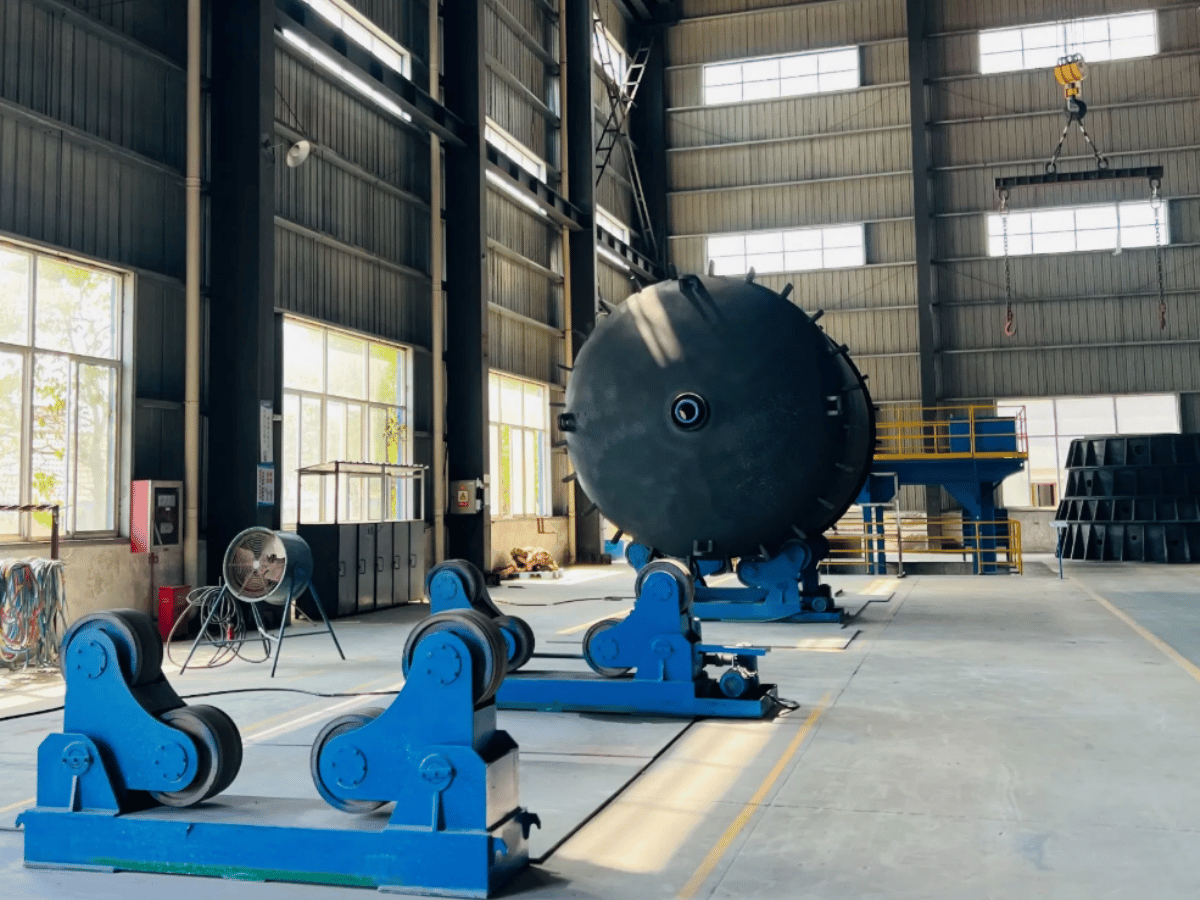
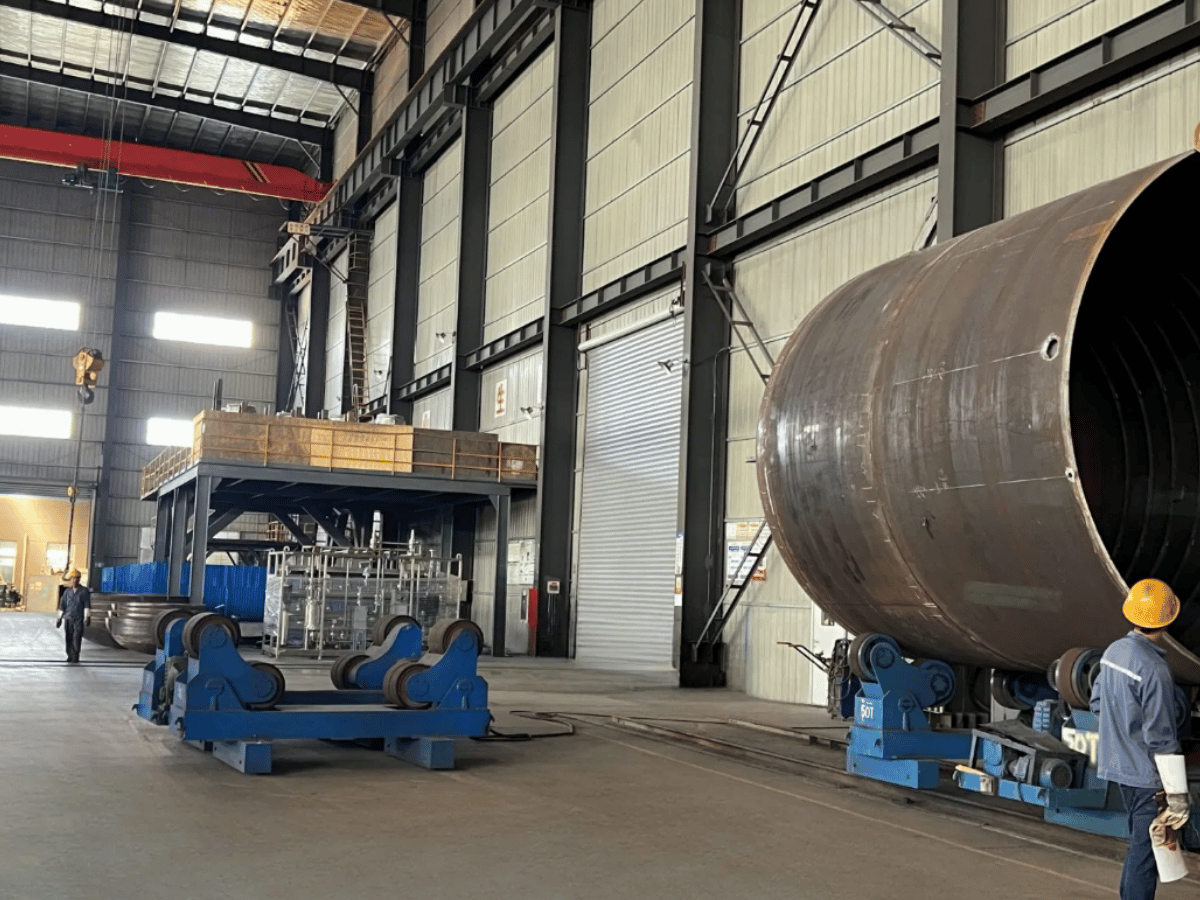
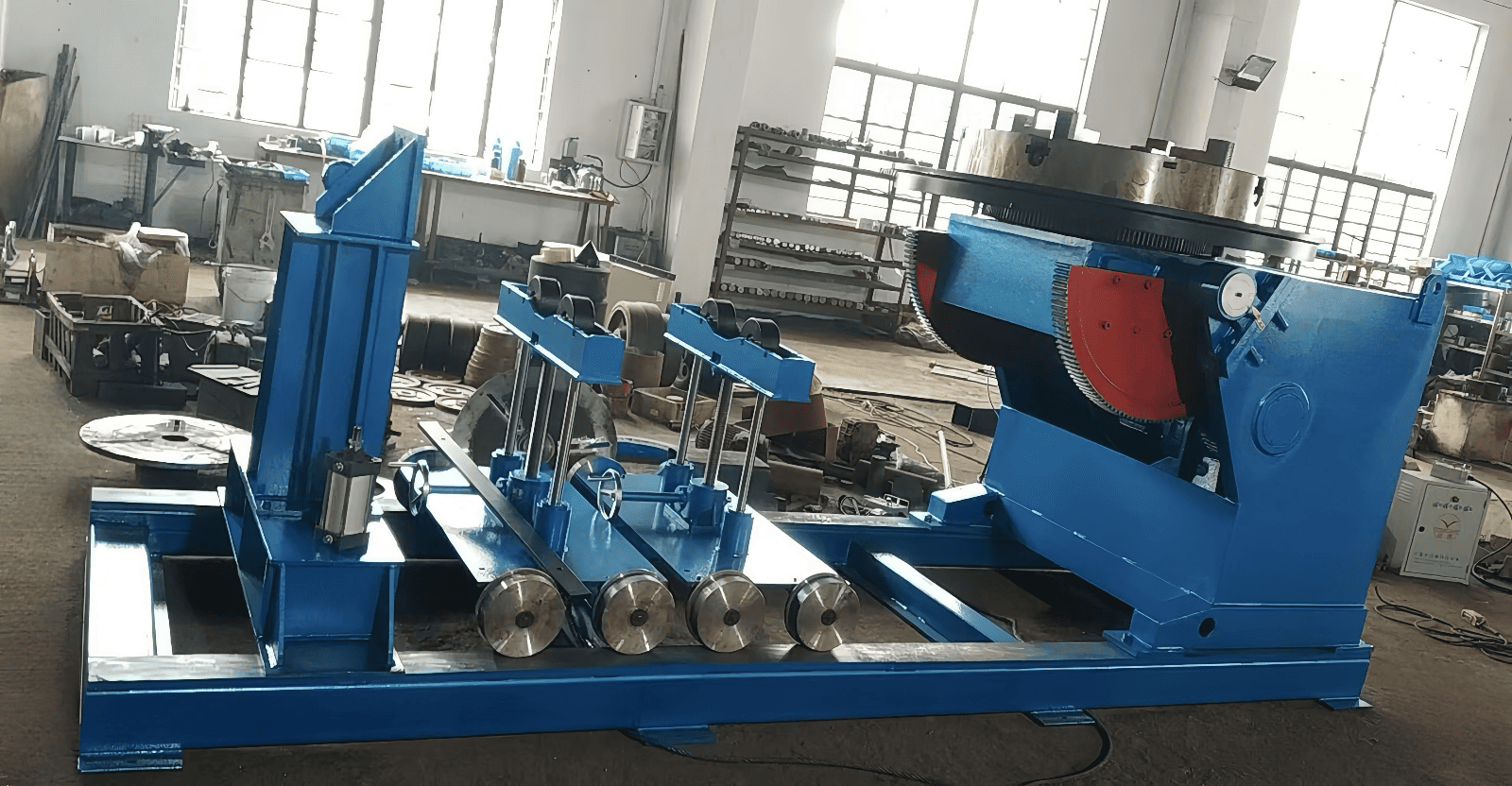
Industrial welding must be precise, efficient, and safe. Heavy-duty welding positioners enter the picture by providing for greater control, accuracy, and more productivity with regard to the process. Be it’s complex projects or large components, understanding how the positioners work along with their unique advantages is critical in attaining professional-level welds. This ultimate guide covers everything you need to know-from the basics of heavy-duty welding positioners to tips on how to select the right heavy-duty welding positioner for your operations. By the time you finish this article, you will be able to streamline your welding process and further your projects through greater capacity.
Introduction to Heavy-Duty Welding Positioners
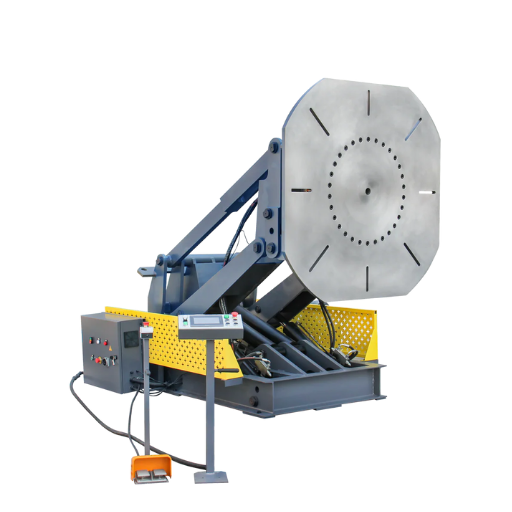
Welding joints under heavy loads need to hold, rotate, and position workpieces optimally for welding. This facilitates the precision and smoothness of operations to the extent that manual or human intervention needs to be kept to a minimum. These were in heavy demand in construction, shipbuilding, and manufacturing sectors where heavy or copious loads are under consideration. Less weld time and better weld quality make the outcome better.
What is a Weld Positioner?
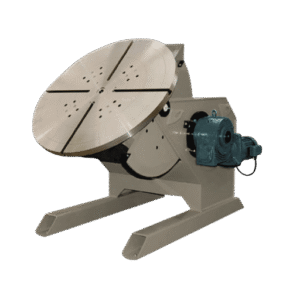
A weld positioner is an arrangement of mechanisms that offers rotation and tilting to precisely manipulate workpieces in achieving the optimal welding position and angle. The welding positioner would at least have one rotating table or chuck and a tilting mechanism, with some means for speed and angle adjustment. Advanced types of positioners incorporate modern automation features such as programmable controllers to ensure repeatability and consistency of processes, qualifying welding parameters.
The weld positioners are again divided into types according to their functions, including tilt/turn positioners, headstock and tailstock positioners, and benchtop positioners. For example, the tilt/turn positioner will rotate a workpiece 360 degrees and tilt it to 135 degrees, and is ideal for the welding of circular or tubular structures. Industry data report states that a weld positioner can increase welding efficiency up to 50%, substantially reducing labor costs while increasing throughput.
Further, many of the modern positioners are designed for heavy-duty applications. Certain types can carry workpieces weighing a few tons. They find applications in all precision-based industries such as aerospace, oil and gas, and structural steel fabrication industries, where utmost quality and consistency are needed. These weld positioners help enhance productivity while operators work in safer conditions by reducing fatigue and repetitive strain injuries through the automation of component handling and positioning.
Importance of Welding Positioning in Heavy-Duty Applications
Positioning welding remains critical for efficient and quality application in heavy-duty work. Modern weld positioners assist operators in achieving repeatable welding by maintaining the correct orientation of the workpiece, thus reducing defects and reprocessing of welding. In fact, statistics have it that the automation of welding through positioning can potentially increase weld productivity by up to 40%, as operators spend less time manually adjusting large components. Further, industries such as aerospace, energy, and construction reported huge safety and operational efficiency improvements through advanced welding positioning systems. These systems are made for handling huge workload capacities, with some capable of being loaded over 100 tons to support accurate welding and fabrication on huge-scale projects. Integrating emerging technologies, weld positioners are striving to keep up with the demand for precision, safety, and productivity posed by the heavy industries today.
Overview of the Welding Process
The welding process involves joining materials, mostly metals or thermoplastics, by heat, pressure, or both to produce a bond. I personally see welding as an extremely technical, rigorous process that has to be properly prepared and requires selection of a welding method applicable to the process, along with safety considerations ensuring that the bond is strong and dependable.
Types and Classifications of Heavy-Duty Welding Positioners

Different Types of Welding Positioners
The right welding positioner selection depends on the consideration of its characteristics, which must match the exact requirements of the project. These are the in-depth specs of welding positioners and their uses:
- Tilt-Rotate Positioners
Providing multi-axis movement, these positioners can rotate and tilt a workpiece, making them suitable for complex welding applications. Therefore, they are widely used in pipe welding, aerospace, and automotive industries, where very high precision is needed. According to recent literature, tilt-rotate positioners can push welding efficiency up by 30%, with minimum manual handling required.
- Gear-Driven Positioners
Gear-driven positioners are considered heavy-duty ones and are designed to handle workpieces weighing several tons. They function by means of precision gearing systems to guarantee smooth and controlled rotation. These are mostly used in large-scale fabrications and in making heavy equipment, owing to the strong build and reliability offered by the servers. Some of the best advanced ones ever made can handle loads above 50,000 pounds, thereby allowing them to provide optimum service for huge assemblies.
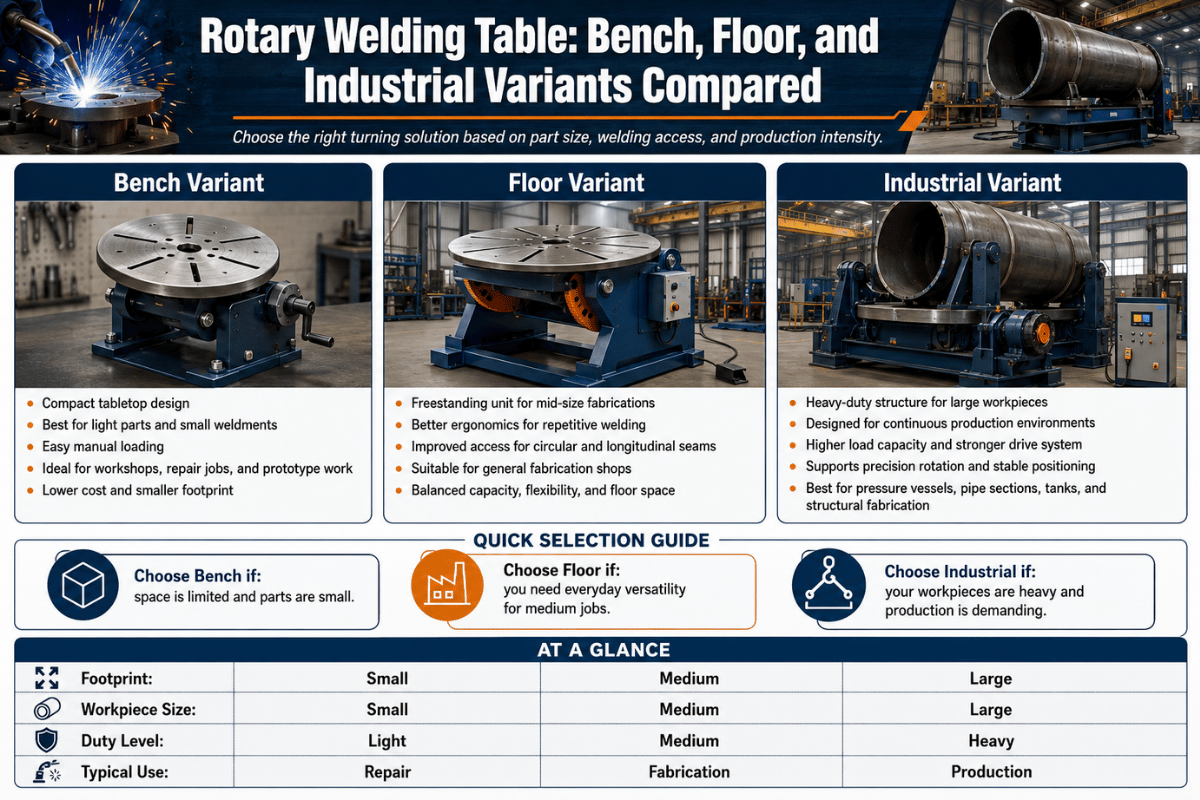
- Floor Turntables
Large flat or tubular workpieces, such as tanks and pressure vessels, are among the few that floor turntables are designed for. It gives a stable and low-profile platform upon which heavy components can be loaded and unloaded easily. Modern turntables tend to employ automated controls and variable speed settings so as to achieve better weld precision. Load capacities of these can vary widely, from some that handle up to 100,000 pounds, specifically for heavy industries.
- Benchtop Positioners
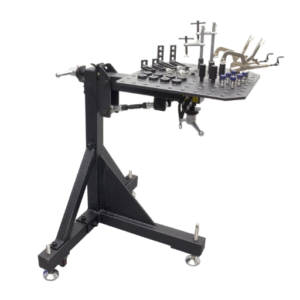
These smaller and compact units are best suited for light workpieces and smaller-scale projects. They help in the welding of fittings, flanges, or smaller industrial parts that require precision. Many benchtop models, despite their size, always provide high rotation speed and fine control, thereby ensuring quality welds for intricate components.
Advancements in Automation
Various welding positioners are being introduced these days with programmable controls and automation to increase productivity and reduce operator fatigue. Studies show that automation, allied with a suitable welding positioner, can increase weld accuracy by up to 25% and can also reduce cycle time considerably.
By selecting the appropriate welding positioner type according to operational requirements, industries could work efficiently, cut down on costs, and maintain a high-quality weld.
Types of Rotary Welding Positioners
- Tilt Rotary Positioners
A tilt rotary positioner finds widespread use in welding due to its versatility. It has a tilting table to enable angular positioning of the workpiece, thus the welder can have the best access in welding precise welds on the job. These positioners range from several hundred pounds to several tons, thus theyare apt for small-scale work or for heavy industrial duties. They are especially efficient in welding objects that are cylindrical in nature, such as pipes or tanks, thereby enhancing both productivity and weld quality.
- Turntables
Turntables are meant to turn a workpiece horizontally and are often used when a process requires precise circular welding. These rotary tables provide variable speed control to ensure consistent rotation speed during welding, which is vital for weld quality. More advanced types may be set up in automated environments so their speed profile may be synchronized with a robotic welding arm. Their most vital uses lie in assembly work of automotive parts and aerospace components, where utmost accuracy is necessary.
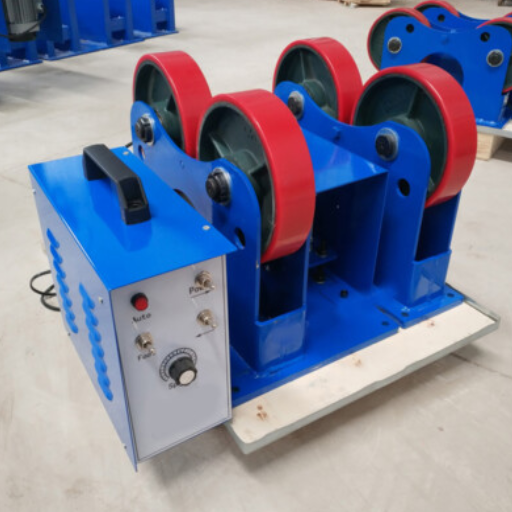
- Headstock and Tailstock Positioners
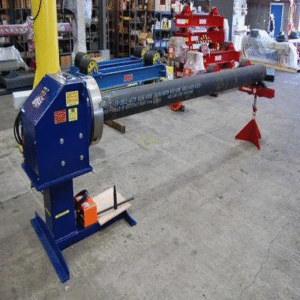
Because of their capacity to support long and heavy workpieces such as beams, shafts, and cylindrical components, headstock and tailstock positioners find wide applications. Comprising two support units, the headstock provides rotation while the tailstock offers extra support. Resisting heavy loads, these positioners have found applications in such industries as shipbuilding, where large-scale structures require stability and precision in the welding process.
- Gear-Driven Positioners
Gear-driven positioners stand for smooth and precisely controlled rotations suitable for precise welding jobs. These positioners come with high-torque motors and strong gear systems for smooth and controlled movement. These are best applicable where repetitive welding needs on reciprocally similar elements are involved-the manufacturing of industrial machinery or heavy equipment would be a concrete case.
- Portable Rotary Positioners
Portable rotary positioners are compact and lightweight, suitable for small-scale workpieces or field welding tasks where mobility is a concern. They are usually applied in maintenance and repair works where quick setup and adaptability matter. These somewhat diminutive beasts do operate at adjustable speeds and angles, giving them accuracy for days.
If the industry goes for the right type of rotary welding positioner, dependent upon its specific operation required, it will be able to optimize its production so as to reduce downtime and improve the weld quality and consistency.
Comparison of Rotary and Fixed Positioners
The welding and manufacturing industries require these two tools, rotary and fixed positioning devices. Each has its advantages depending on the situation. Rotary positioners provide the utmost flexibility in rotating the workpiece accurately during welding. They are best suited for circular or cylindrical parts since continuous smooth rotation yields even welding quality and also saves the welder from fatigue. Some newer models of positioners bear a load of just a few hundred pounds, while others can handle up to several tons for handling very large objects.
Conversely, the fixed positioners provide stability and simplicity and are ideal for straight-through repetitive applications when there is no need to turn over the workpiece. They are good for positioning flat or irregularly shaped parts while clamping securely at variable fixed angles. Research has demonstrated that fixed positioners provide utmost precision alignment and stability, which is crucial in the aerospace and automotive industries.
While being more versatile for multi-positional weldings and complex geometries, rotary positioners tend to carry a heftier price tag up front compared to fixed positioners. On the contrary, fixed positioners are relatively inexpensive and extremely durable when it comes to handling straightforward high-volume work. Industrializing positions can greatly improve efficiency and welding end results, which a project can evaluate in workpiece size, form of automation, and welding difficulty.
Critical Features and Technical Specifications
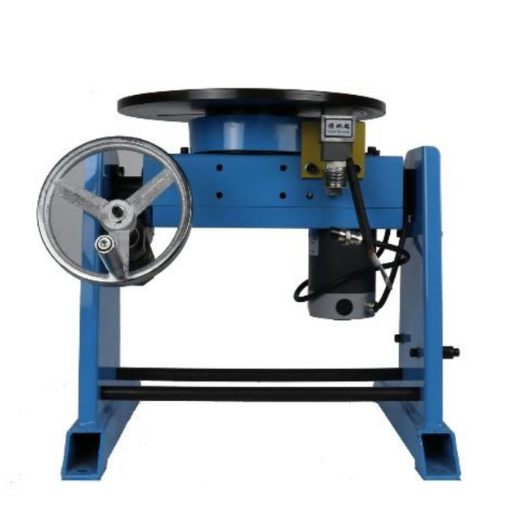
Load capacity, adjustability, and rotation speed are obvious choices when choosing a welding positioner. Load capacity ensures that the positioner will handle the workpiece’s weight adequately without compromising its stability. Adjustability means to work the positioner with values of tilt, rotation, and reposition in order to work on desirable angle welding. Rotation speed must be maintained respectfully and adequately adjusted per the welding pace needed for welding precision and efficiency. All these other parameters are to be regarded depending on whatever ensures proper integration into the working flow being used.
Key Components of Welding Positioners
- Base and Frame
The base and frame are the grounding system of the welding positioner. They are commonly made from heavy and sturdy steel for stability and to support heavier workpieces. The more recent positioners have reinforced frames to support anything from a few hundred pounds to a few tons, depending on the model.
- Rotational Table
Known as the most critical component, the rotary table allows the workpiece to rotate about an axis. The higher-end welding positioners provide tables with variable speeds, wherein the operator can control speeds from 0.1 to 5 RPM to suit precision welding operations. The tables are usually fitted with grooves or clamps that hold various shapes and sizes of workpieces very tightly.
- Tilt Mechanism
The tilt mechanism allows the rotational table to tilt as desired for the welding task. Usually, hydraulic or motorized systems are adopted to perform the tilting and provide smooth and accurate angular adjustment in a range of about 0° to 135°. This feature increases weld access to hard-to-reach spots, thereby favoring good welding.
- Control Systems
The latest welding positioners come with a programmable control panel that automates and allows fine-tuning of motion and rotation settings by the operator. Setting features include preset rotation speed, memory of tilt angles, and syncing with robotic arms as well. Some high-end systems accommodate digital interfaces for integration into Industry 4.0 environments.
- Safety Features
Positioner manufacturers emphasize safety features such as emergency stop buttons, overload protection systems, and interlocks that could otherwise create hazardous situations. Anti-slip surfaces and secure clamping mechanisms raise safety for the operator and vice versa for the equipment during use.
- Power Source
Depending on industrial requirements, a welding positioner may have an electric, hydraulic, or pneumatic power source. Electric systems are most common and offer the best in steady, reliable performance. The voltage ranges and power capacity ought to be in line with the workshop’s present infrastructure, so as to ward off incompatibility issues.
The inclusion of these factors gives welding positioners the dual qualities of increased precision and efficiency, while enhancing safety and ease of use during welding.
Technical Specifications to Consider
When choosing a welding positioner, certain critical technical aspects need to be taken into consideration in order to ensure that it is compatible with its intended use. The following are details:
- Load Capacity: Attempting to name them all is impossible because it depends on the nature of the task at hand. The job may require positioning that is on a much smaller scale, weighing just under 250 lbs, or, in some cases, very heavy loads of more than 10,000 lbs. Knowing the maximum load you require prevents stress on the machine and undermines its life.
- Tilt and Rotation Speeds: The proper tilt and rotation speeds depend on the welding complexities. One may require higher speeds during simple, repetitive tasks, whereas constant and controlled speeds will be required in precision applications.
Table size and configuration: The table size of the positioner should correspond to the dimensions of the workpieces it will face in welding. Large tables will fit for bulk components, and smaller designs will cater to intricate or small-scale welding operations. - Table Size and Configuration: Ensure that the power system—whether electric, hydraulic, or pneumatic—is compatible with the infrastructure and operating goals. In electrically operated models, voltage compatibility (120V, 220V, or 480V) will ensure easy integration.
- Power Requirements: Evaluate whether the power system—electric, hydraulic, or pneumatic—meets the infrastructure and operational goals. For electrically-operated models, voltage compatibility (e.g., 120V, 220V, or 480V) is key for efficient integration.
- Control System: Emergency stop function, anti-slip surface, protection against overload, and secure clamping systems should be present. This will ensure safety and smoother work flow.
- Safety Features: Heavy materials such as alloy steel and a reinforced frame will assure machine stability and reliability, especially in heavy-duty work within demanding environments.
The end-user can analyze the technical features and thereby settle on a welding positioner that will meet both operational requirements and long-term considerations regarding efficiency and safety.
Industrial Applications and Use Cases
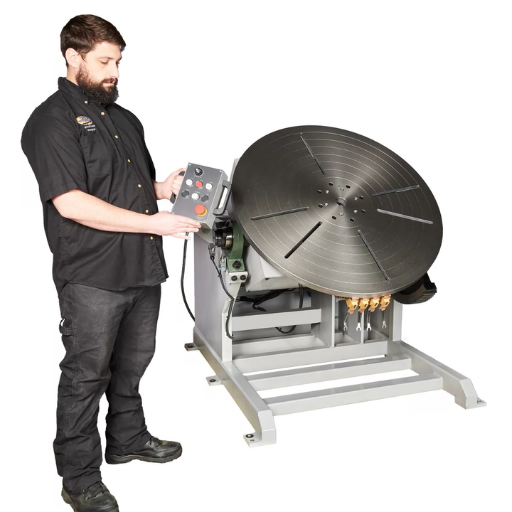
Common Industries Using Heavy-Duty Positioners
Heavy-duty positioners in cosmetology offer attractive battering, where time has gone, the first offsetting mechanism, and safety measures. The following is a detailed summary of the applications:
- Construction and Infrastructure: Construction and Infrastructure Industrial fabrication facilities employ heavy-duty positioners to weld steel frameworks; here, the implementation of heavy-duty positioners greatly enhances productivity. Half the time in welding is estimated by the industry if positioners are used, thus shortening project delivery time without any compromise on quality.
- Oil and Gas: Safety is predominantly crucial in Oil and Gas Systems. Positioners improve the weld precision of pressure vessels and pipelines, thereby averting leakage and mishaps. Offshore operations require complex welding beyond that stipulated by regulators.
- Shipbuilding: There is an absolute need for precision in ship hull construction. With the use of heavy-duty positioners, shipbuilders can handle large and irregularly-shaped sections, thus cutting rework by up to 25%. This, in turn, enhances quality and saves on material cost.
- Automotive and Aerospace: Heavy-duty positioners provide the utmost stability and accuracy for high precision in the welding of vehicle chassis or the fabrication of aerospace equipment. Integration of heavy-duty positioners in robotic welding systems has increased alignment of operations by 30%, reports a recent study.
- Renewable Energy: From wind turbine assembly to solar panel support systems, these positioners meet the challenges of the ever-growing size and complexity of renewable energy components. The resulting efficiency from this positively supports producers to meet rapidly growing energy demands in a sustainable manner.
Integration of heavy-duty positioners into these industries improves workflow efficiency, avoiding carrying out production of higher quality, fewer rejections, and a more harmless working atmosphere. Great emphasis is placed on heavy-duty positioners in heavy industrial manufacturing as they handle big and bulky parts in an extremely precise and accurate manner.
Case Studies of Successful Implementations
- Wind Turbine Manufacturing
In an attempt to increase efficiency in assembling huge turbine components, a leading wind turbine manufacturer implemented heavy-duty positioners. With these positioners in place, the company saw a 25% reduction in production times and a 15% improvement in the precision of alignment. Workers said that the positioners made it easier to handle large blades and tower sections, alleviating many cases of workplace injuries.
- Aerospace Industry Applications
A heavy-duty positioner was installed by a leading aerospace company to improve the assembly process of aircraft fuselage and wing structures. A 30% increase in production speed alongside a considerable improvement in product quality could be seen following this strategic use. Also, defect rates dropped by over 20%, ensuring a higher safety standard and compliance with exhaustive aerospace regulations.
- Shipbuilding Advancements
One of the world’s most advanced shipyards installed heavy-duty positioners in its production line to handle massive ship sections. The implementation of heavy-duty positioners resulted in a 40% increase in workflow efficiency, thus allowing for the faster execution of projects. This allowed the shipyard to complete two additional large projects in a year, thereby dramatically increasing its competitiveness in the world arena.
From these examples, we observe that the heavy-duty positioners are versatile and impactful across various industries in terms of efficiency, precision, and safety operations.
Benefits of Robotic Welding with Positioners
Depending on the advantage considered, robotic welding with positioners offers solutions to change modern manufacturing processes across industries. One of the benefits is higher productivity. Automation and the use of positioners for welding provide manufacturers the opportunity to triple the throughput levels, with robots welding at a set pace while a human would experience exhaustion.
And yet, it could also be said that robot welding yields better welds. Positioners establish a precise alignment of the workpiece to obtain the best angle for the weld with consistent penetration. Thus, there would be less need for defects and rework, which translates into decreased cost of production as well as reduced wastage of materials. Industries, for example, report that after integrating robotic welding systems with positioners into their existing setup, their defects have decreased by as much as 75 percent.
An equally important factor is the enhancement of worker safety. The automation of dangerous welding applications removes subjecting human workers to fumes, extreme heat, and high radiation.
Lastly, robotic welding with positioners is uniquely versatile. These systems can deal with a wide array of materials, shapes, and sizes in order to address the increasingly complex design requirements. Considering the reduced lead times and the repeatability of the systems manifests that robotic welding with positioners is an industry-changing solution to those manufacturers who wish to boost their efficiency and quality.
Selection Criteria and Decision Framework
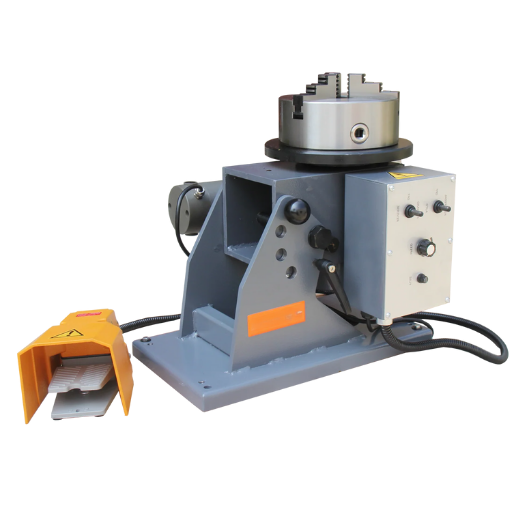
The following criteria should be given preference in the selection of robotic welding systems with positioners:
- Compatibility with Production Requirements
The system should be compatible with materials, shapes, and sizes usually involved in production. Being versatile is a must when tackling ever-changing design requirements.
- Operational Efficiency
Check the merit of the system to shorten lead times, enhance consistency, and reduce errors, all contributing to productivity enhancement.
- Ease of Integration and Use
Select systems that can easily be incorporated into current workflows and are equipped with control features that are simple to operate so that extensive operator training is not necessary.
- Cost Effectiveness
Evaluate costs against the following benefits: maintenance, energy consumption, and expected ROI.
- Reputation of the Manufacturer
Select systems that are trusted by manufacturers known for reliability, support, and cutting-edge technologies.
If provided by these critical factors, organizations must then make their own decisions with regard to welding processes and sustainable improvements on these processes.
Assessing Your Welding Needs
Such assessment of the customer’s welding needs would start with the determination of materials and types of joints to be welded in each of his projects. The amount of welding to be done, as well as how often, would have to be established to decide the capacity needed for any equipment considered. Also checked would be the skill level of the operators and the degree to which manual or automated operations are desired. And finally, the buying price and future operational goals would be considered in choosing the proper welding application.
Factors to Consider When Choosing
- Material Compatibility
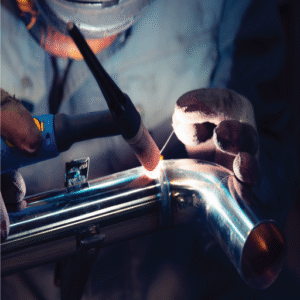
Variations exist in the compatibility of welding techniques with material types. For instance, TIG welding can do wonders with thin metals, say stainless steel or aluminum, while MIG welding, conversely, does great on the more substantial side of material work. Studies reveal that MIG welding can very well weld materials up to ½ inch thick and has, among the numerous exhibits, the heavy fabrication projects.
- Welding Speed and Efficiency
Speed plays a vital role in mass production, using high-speed techniques such as MIG and plasma arc welding, which reduce the time of production incurred. Statistics reveal that MIG welding can offer greater deposition rates, which in turn boosts the overall productivity of industries, automotive manufacturing, to be exact.
- Automation vs. Manual Processes
Another aspect that is becoming increasingly decisive is automation. Robotic welding can reduce by 300% or more in efficiency of manual welding, as industry analysts claim. However, the implementation of automated welding processes also requires a great degree of initial investment and expert-level programming resources.
- Cost Considerations
Balancing initial equipment cost and operational cost is yet another consideration. For instance, a basic stick welding equipment would cost you less than $500, whereas a robotic welding system automatized fully would cost far beyond $100,000. Energy costs and maintenance costs should also form part of your budgetary considerations.
- Operator Skill Level
Performance in welding depends on factors varying amongst welding methods; a manual application may require less initial training, but the process is, as a result, more prolonged. More advanced procedures, such as TI,G require higher operator skill levels to create precision.
- Environmental Impact
On the contrary, some processes can produce more harmful emissions or spatter. For example, it was found that flux-cored arc welding could release significant levels of particulate matter compared to gas-shielded processes. Hence, taking a lesser impact on the environment is becoming an important perspective from the industry.
Aligning all these factors and critically observing them will make the process of welding easier to apply to project requirements, operations, and goals.
Enhancing Productivity with Best Practices
Implementing best practices has been shown to significantly enhance workplace productivity and efficiency. More recently, studies have revealed that such methods optimally combine workflow streamlining and leverage of advanced technology to generate about 20-30% operational gains. With repetitive tasks, for instance, automation reduces human errors while letting workers engage in activities of strategic importance, thus developing at once better accuracy and boosting morale. Furthermore, regular performance appraisals, linked with the clear communication of goals, keep employees working towards the set objectives of the organization.
Continuous growth culture nurtures productivity directly. It has also been demonstrated that companies that invest in employee development receive an average revenue increase of 11 percent yearly. Any form of working, certification, or online courses should be encouraged for skill sharpening to sustain changes from industry trends. Therefore, organizations having a blend of these best practices will evolve into dynamic workspaces characterized by flourishing efficiency and stimulation for great outcomes.
Maintenance and Lifecycle Management

Careful maintenance and lifecycle management keep assets in working order while ensuring that they remain efficient and cost-effective. The process involves periodic inspections, preventive maintenance, and repairs made just in time to prevent any downtime, thus increasing the life cycle of the equipment. Some of the best practices include:
- Preventive Maintenance: Schedule regular checks to identify issues and resolve them before failure.
- Asset Tracking: Utilize asset management tools to check performance and optimize resources.
- Lifecycle Cost Analysis: Evaluate operational and maintenance costs over an asset’s lifetime to make investment decisions accordingly.
Careful implementation of these approaches helps minimize unexpected disruptions, keeps down the costs, and improves the system’s reliability overall.
Routine Maintenance Practices
Some of the key practices include: These routine maintenance activities must be executed carefully to ensure operational efficiency and asset longevity.
- Scheduled Inspections: Carry out regular inspections to spot wear, corrosion, or smaller faults so that they do not become major. It has been observed that equipment downtime can be reduced by 30% due to proactive inspections.
- Lubrication and Cleaning: Keep the machinery and associated components properly lubricated and cleaned. Estimates indicate that poor lubrication is responsible for 43% of equipment breakdowns, underscoring its importance in preventing failures.
- Replacement of Wear-and-Tear Components: Replace normal consumables such as belts, filters, seals, etc., as per their expected life cycle. According to statistics, the timely replacement of these parts brings about an increase of 25% in overall equipment reliability.
- Temperature and Vibration Monitoring: Use sensors and monitor systems to observe temperatures and vibrations in real time. Unusual observations signal an abnormal condition, like misalignment or imminent failure of a part, that warrants immediate attention.
- Documentation and Analysis: Keep records of all maintenance activities in detail. Analyzing these records assists in recognizing repetitive problems and better maintenance schedule optimization, thereby garnering a reduction of 10-15% in cost.
Thus, configuring these strategies facilitates smoother operations, avoids surprises in terms of repair expenditures, and subsequently increases the longevity and performance of the equipment immensely.
Extending the Lifecycle of Welding Positioners
Updating welding positioners with modern techniques and technology ensures the maximization of their lifespan. Some key ways are:
- Use of Predictive Maintenance Tools: Utilize various predictive maintenance technologies such as vibration monitoring, infrared thermography, and oil analysis to identify abnormalities in the early stage. It is reported that unplanned downtime can be reduced by as much as 50% and equipment life can be increased by 20-25% using predictive maintenance.
- Routine Load Management: Avoid overloading positioners over their rated loads. Overloads do tend to cause much wear and tear in critical components. Keeping loads well-balanced will ensure a reduction of stress to the gears and motors and help them maintain optimal performance throughout.
- Upgrade to Automated Systems: Welding processes are automated, including the use of programmable positioners, to reduce operator errors and stress on equipment. Studies have found that automation of welding process tasks can increase their efficiency by as much as 30-40% and at the same time increase the service life of equipment.
- Environmental Control: Consider preventing heavy dust, moisture, and debris from entering the workspace to protect positioner components. In a controlled environment, corrosion, overheating, and contamination are all reduced, significantly enhancing equipment reliability.
- Scheduled Software and Firmware Updates: On tech-enabled modern positioners, regular updates of software and firmware will ensure the best performance and fix any known issues that might hamper performance.
- Training Operators on Best Practices: Training should be given to operators frequently. Proper use and handling will reduce the risk of damage due to bad techniques. An effectively trained operator will cut maintenance costs by 12 percent on average.
Implementing these solutions can help manufacturers increase their efficiency by reducing repair expenditures and by extending the operational life of welding positioners far beyond their standard expectations.
Reference Sources
-
A Guide To Positioners, Turning Rolls, And Manipulators – Detailed insights into types of positioners and their benefits.
-
Ransome Welding Positioner – Discusses advantages like improved weld quality and optimized positions.
-
The Practical Reference Guide to Positioning – Covers mechanical devices for welding and related operations.
-
Top Heavy-Duty Welding Positioners Manufacturers and Suppliers in China
Frequently Asked Questions (FAQs)
What is a welding positioner?
A welding positioner is a device designed to hold and manipulate workpieces during welding operations. It ensures that the workpiece is in the ideal position for the welder, improving accessibility and the overall quality of your welding operations. Positioners can rotate and tilt, allowing for precise welding angles and enhancing the efficiency of different welding processes.
How do I choose the right welding positioner for my needs?
Choosing a welding positioner involves considering several factors such as the size and weight of your workpieces, the type of welding process you plan to use, and the specific requirements of your welding projects. It’s also essential to evaluate the positioner’s features, including its load capacity and rotation capabilities, to ensure it aligns with your heavy machinery and project demands.
What are the different types of welding positioners?
Welding positioners come in various types, including turntable positioners, headstock tailstock positioners, and rotary welding positioners. Each type serves specific welding applications, such as continuous welding or multi-axis welding, and is designed to accommodate different workpiece sizes and shapes. Understanding the types of welding positioners can help you select the most suitable option for your projects.
What are the components of welding positioners?
Components of welding positioners typically include a base, headstock, tailstock, and control system. The headstock and tailstock are crucial for holding and stabilizing workpieces, while the base provides support and stability during welding. The control system allows operators to automate movements and adjust the positioner as needed, making it easier for welders to focus on their work.
How do positioners reduce welding fatigue?
Using welding positioners can significantly reduce welding fatigue for operators by allowing them to maintain a comfortable posture while working. Instead of bending or stretching to reach difficult angles, welders can adjust the positioner to bring the workpiece to them. This ergonomic advantage not only enhances comfort but also improves precision and efficiency in robotic welding operations.
What should I know about welding positioners?
When considering welding positioners, it’s essential to know that they are specialized devices designed for various welding applications. They can be used in automated welding systems or paired with robotic welding operations to enhance productivity. Understanding how positioners work and their benefits can help you maximize your welding efficiency and achieve better results.
What is the role of welding positioners in automated welding systems?
In automated welding systems, welding positioners play a crucial role by ensuring the accurate positioning of workpieces. They allow for consistent welding angles and reduce the need for manual adjustments, which can lead to improved quality in your welding operations. Positioners utilized in robotic welding can enhance the overall efficiency of the welding process, making them an essential component of modern welding equipment.
What factors should I consider when choosing a welding positioner?
When choosing a welding positioner, consider factors such as the type of welding process you will be using, the weight and dimensions of your workpieces, and whether you need a headstock tailstock positioner or a rotary welding positioner. Additionally, evaluate the positioner’s features, such as its load capacity, adjustability, and compatibility with other welding equipment to ensure it meets your specific needs.
How can using a welding positioner improve the quality of my welding operations?
Using a welding positioner can enhance the quality of your welding operations by providing better access to weld joints, ensuring optimal angles for welding, and reducing the chances of human error. By positioning the workpiece correctly, welders can achieve more consistent welds and minimize defects, ultimately leading to improved results in various welding projects.