Weld positioners are indispensable tools that provide both precision and efficiency in welding processes. They are the machines that ensure the welding process to be better and easier in terms of accuracy, consistency, and speed regardless of the type of setup, be it complicated robotic systems or flexible multi-axis. This in-depth guide takes you deep into the realm of weld positioners and their crucial participation in modern manufacturing and automation. You will not only understand the latest state-of-the-art in robotic welding but also the workflows of multi-axis configurations. This article helps you with the knowledge to improve the production rate and to keep the excellence of competitiveness.
Introduction to Weld Positioners
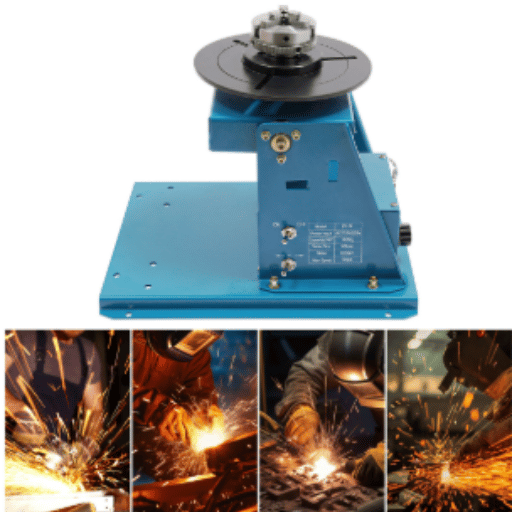
Welding positioners are remarkable devices that allow for the holding and rotating of workpieces during welding processes with precision positioning for optimum efficiency. They maintain the workpiece at the right angle and thus improve the quality of the weld, reduce the fatigue of the operator, and achieve consistent repeatable results. Thanks to their exceptional abilities, these machines are indispensable in the welding industry as they help to improve productivity significantly which is especially the case in applications where strong or skilled welds are required, or when dealing with heavy and awkwardly shaped materials. The ability to perform welding operations in a safer and more ergonomic manner makes weld positioners a necessary part of the modern welding industry, this applies to small workshops as well as large-scale industrial manufacturing.
What is a Weld Positioner?
A welding positioner is a machine that is used to keep and move a weld during the welding. This device makes it possible to position and turn the workpiece very precisely, and thus, the right angles for welding are made, so that it is both effective and efficient. The use of this device not only improves the quality of the welds, but also reduces the strain on workers and increases the overall productivity by making the welding area more controlled and ergonomic.
Importance of Weld Positioning in Welding Operations
Correct placement of the weld is on top of the list of priorities in welding operations because it guarantees accuracy, consistency, and safety. Weld positioners allow cleaner welds with higher quality by lowering defects and at the same time optimizing the angle and orientation of the workpiece. They minimize physical strain on the operators thus improving ergonomics and productivity. Moreover, positioning of welds efficiently reduces operation times, material waste and improves workflow efficiency overall.
Brief History and Evolution of Welding Positioners
Welding positioners have come a long way, from manual positioning to modern manufacturing’s automatic positioning. The early days in welding witnessed the reliance of manual positioning most of the time leading to variable results and high operator fatigue. The arrival of mechanical and hydraulic positioners in the 1950s provided stable and precise welding and so their use spread in several industries. Later, the constantly improving automation and control systems on top of the existing mechanical and hydraulic welding tools allowed for the use of welding robots without any interruption of the processes. Nowadays, positioners are the backbone of welding in industries such as aerospace, automotive, and construction, where they are still coming up with new ways to stimulate the next generation of high-precision applications.
Types of Welding Positioners
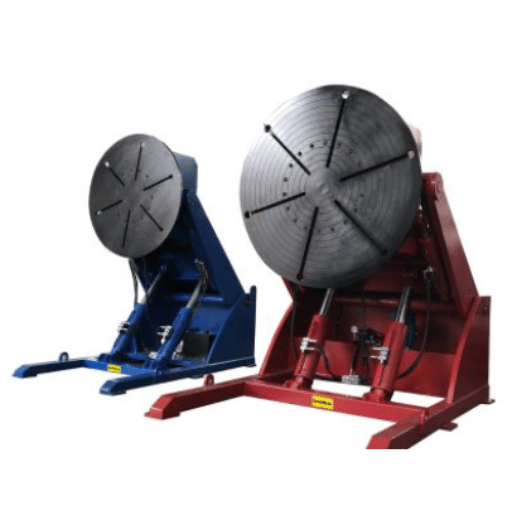
Welding positioners are available in a variety of forms, each one being most suited to a particular application and operational requirements. The most diffused ones are:
1. Headstock and Tailstock Positioners
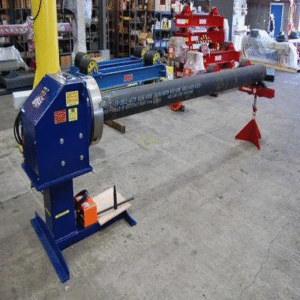
They are the best for long and cylindrical workpieces since one end is held and rotated by the headstock while the other is supported by the tailstock.
2. Turntables
They are the most suitable for welding in a circle since they provide a very accurate rotary motion which makes it possible for the operator to have a constant angle and easy access.
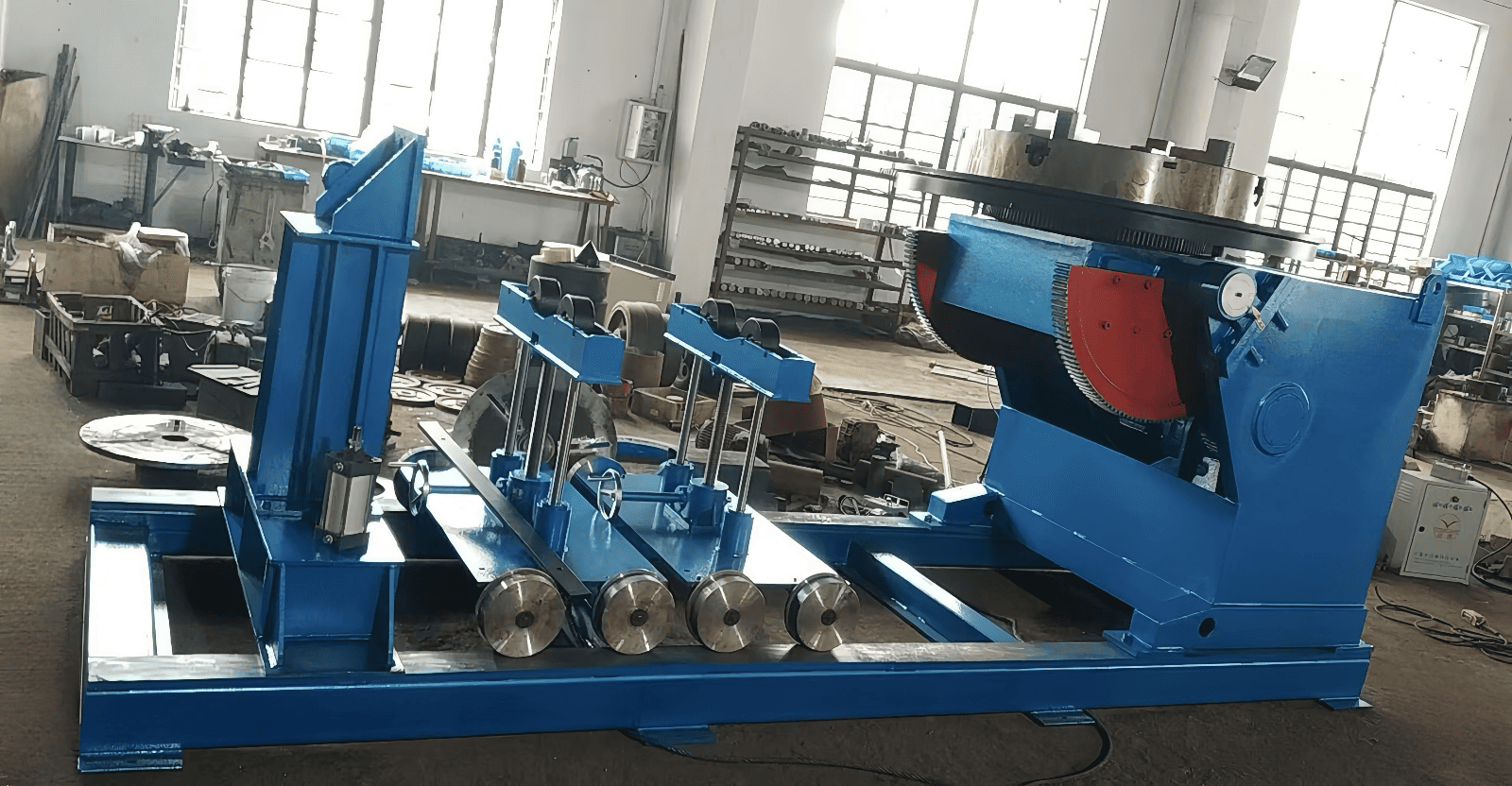
3. Tilt and Rotate Positioners
These are the most universal solutions that allow the workpiece to be tilted and rotated thus giving the necessary freedom for the welding to be done in a complicated or three-dimensional manner.
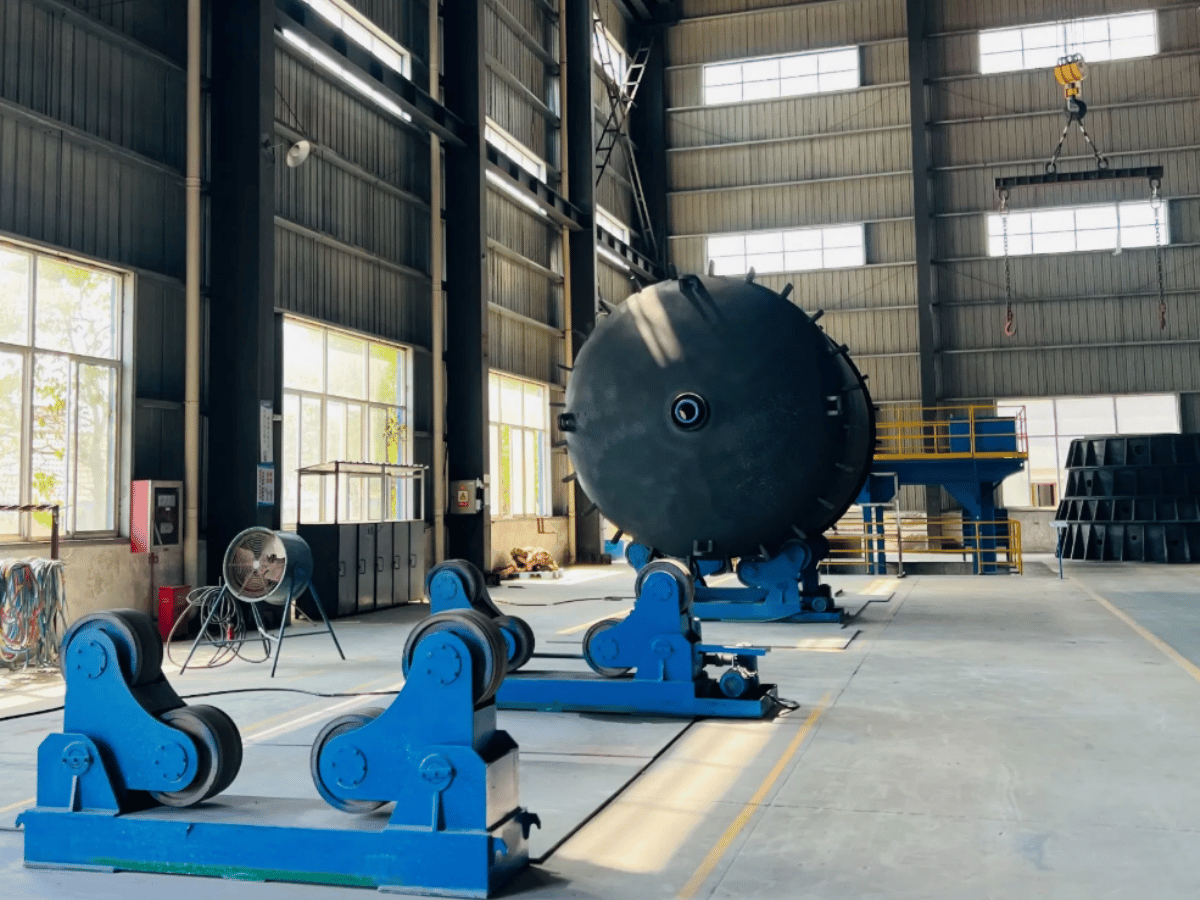
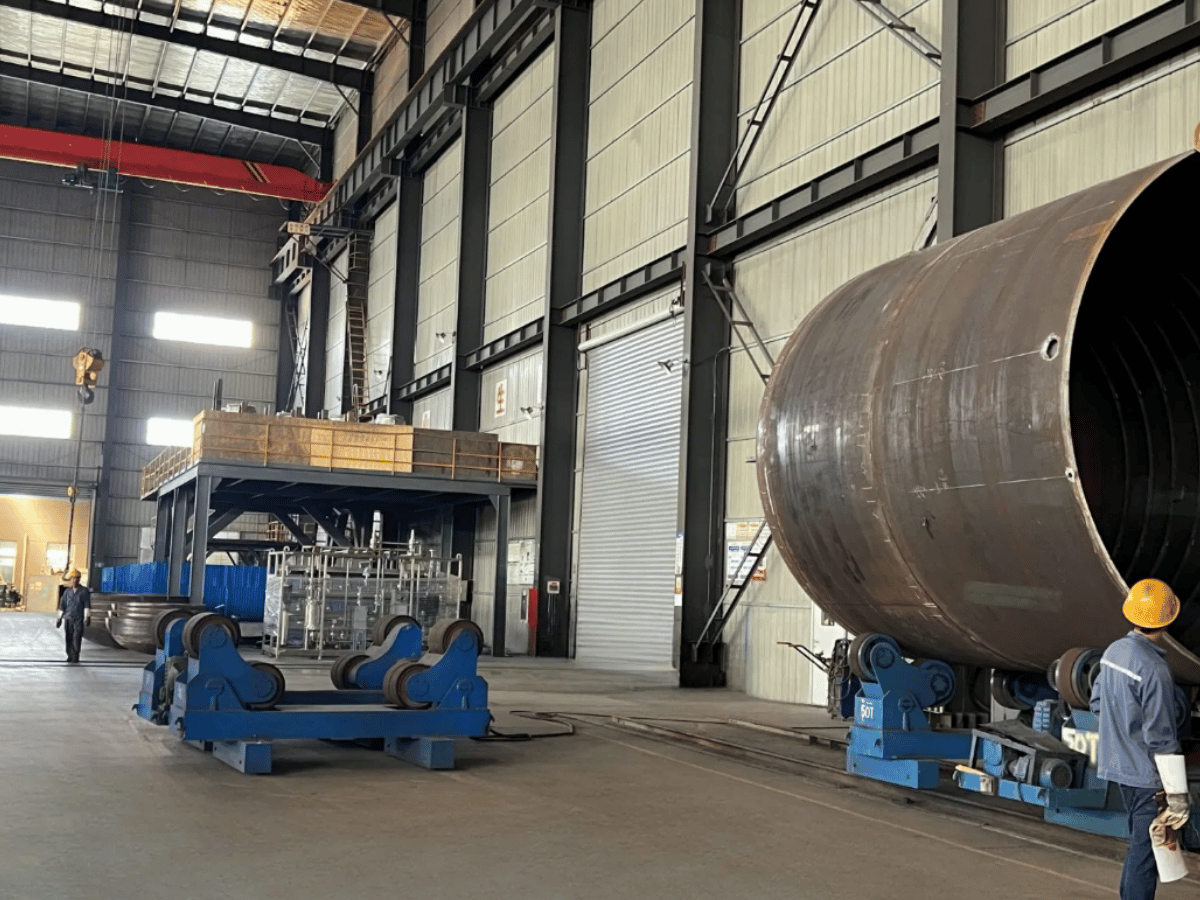
4. Roller Bed Positioners
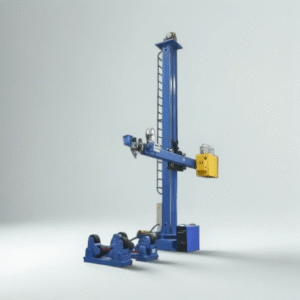
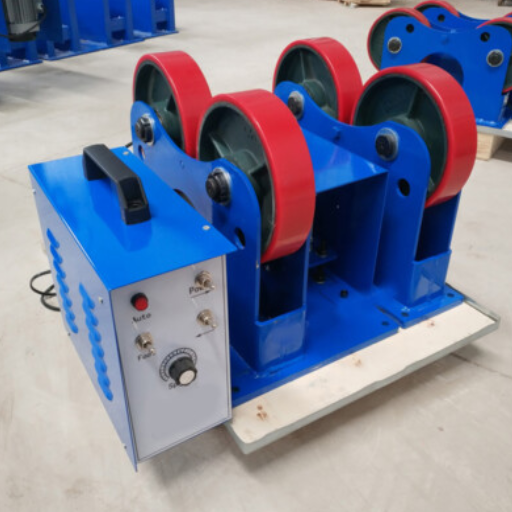
They are the devices that allow the use of adjustable rollers for rotating the workpiece while keeping it stable; they are made for heavy cylindrical objects.
5. Manipulator Positioners
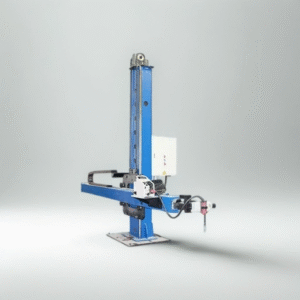
In automated systems, manipulators are used for transferring the welding torch instead of the workpiece thus assuring precision for repetitive tasks.
Selection of the right welding positioner will lead to an enhancement of operational efficiency, safety, and quality of welds.
Rotary Welding Positioners
Rotary welding positioners are absolutely necessary tools which are of tremendous help in welding in terms of both efficiency and precision. With these tools, the workpiece gets rotated along a fixed axis, thereby permitting welders to keep a uniform sitting position during the whole welding process. Because of fewer manual adjustments, the rotary positioners also enhance safety, cut back operator weariness, and secure higher quality of the weld. They are mainly applied for welding pipes and round shapes, thus allowing the operations that need to be very accurate and uniform to be done in a smooth and continuous way.
Multi-Axis Welding Positioners
Multi-axis welding positioners significantly elevate the functionality of rotary positioners by providing movement through multiple axes. This flexibility grants the welders the capability to position themselves at different angles around the workpiece, thus making sure accurate positioning for even the most complicated welds. These positioners are perfect for complex projects and acutely shaped parts, moreover they add to the adaptability, accuracy of welding and smoothness of process. They cut down the requirement of frequent part repositioning, thus saving a lot of time and raising the output.
Manual vs. Automatic Welding Positioners
The decision to use either manual or automatic positioners is determined by the complexity of the project, the company’s productivity goals, and the budget.
Components of Welding Positioners
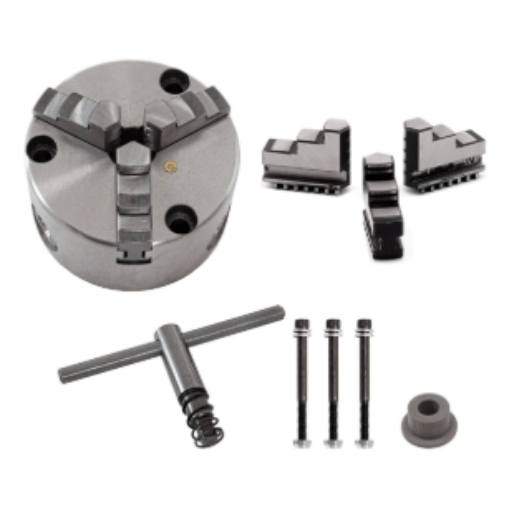
The main components of welding positioners are as follows:
- Rotating Table: The workpiece is placed on a platform that rotates the table for easy and accessible welding angles.
- Tilt Mechanism: The adjustment of the workpiece angle is done through this mechanism to get the best welding position.
- Control System: This is a manual or automated system that controls the rotation speed, tilt angle, and other parameters.
- Base Frame: The positioner is supported on a sturdy foundation that can handle the load.
- Motor and Drives: The functions of rotation and tilt are powered by the motor and drives, which ensure a smooth and consistent operation.
- Clamping Mechanism: The workpiece is held tight to prevent any movement during the welding process.
⚙️ Important Note: All these components working in unison lead to increased welding accuracy, safety for the operator, and better overall productivity.
Key Components of a Welding Positioner
Control System
Operators can effortlessly modify and establish settings for accurate welding operations thanks to this feature.
Turntable/Tabletop
The workpiece is rotated and supported, giving access to various angles for welding.
Safety Features
The operator is protected, and the equipment is guaranteed to last longer due to the incorporation of emergency stop buttons and overload protection.
Understanding the Positioning System
A welding positioner’s positioning system is developed to move the workpiece in an efficient way so that the welding angles and accessibility are the best. It is usually possible to adjust the tilt and rotation functions, which gives very precise control over the orientation of the workpiece. This function not only makes the work easier for the operator but also lessens the chances of welding mistakes and at the same time improves the weld quality.
Robotic Integration in Welding Positioners
The incorporation of robots into welding positioners mainly enhances the levels of automation and accuracy in the production process. The welding operation turns out to be very fast because of the robots working together with the positioners; the robots do the same welds while the positioner takes care of the best workpiece placement. This collaboration mitigates human errors, and accuracy is thus improved and productivity is increased, hence, it is a must-have breakthrough for today’s metalworking industries.
Choosing the Right Welding Positioner

When it comes to picking a welding positioner, there are several major factors that need to be considered:
📋 Key Selection Criteria
- Workpiece Size and Weight: Make sure that the positioner is capable of handling the weight and size of your workpieces without losing stability or safety.
- Type of Welding Application: Selecting the positioner type (tilt, turntable, or headstock-tailstock) in accordance with the specific welding processes you carry out, whether they are circular or linear welding, etc.
- Adjustability and Range of Motion: Go for a positioner that gives the required angles of rotation, tilt range, and flexibility enough to meet complex welding needs.
- Load Capacity and Balance: Get a model that can handle and balance off-center loads to ensure accuracy and prolong the life of the system’s components.
- Compatibility with Automation: Should you operate with robotic welding systems, pick a positioner that has integration capabilities to a very high degree of productivity and quality consistency.
✓ Pro Tip: Through this process of weighing these factors, you will be able to find a welding positioner that not only supports your operations in the best way possible but also guarantees safety and efficiency at the same time.
Factors to Consider When Choosing a Positioner
The selection of a welding positioner should be carried out considering the following factors in order of priority to get the best match:
- 1
Load Capacity: Verify that the positioner has the ability to safely and efficiently take the weight of your workpieces. - 2
Range of Motion: Choose a positioner that provides the required flexibility to become one with your welding tasks. - 3
Control Options: Search for modern and easy to use controls which will in turn improve accuracy and usability. - 4
Durability: Pick a strong model which is meant to last and withstand long-term use. - 5
Automation Compatibility: In case of using robotic systems, ensure that the integration is seamless to get the maximum productivity.
When you put these key points first, it is possible to get a positioner that can enhance the efficiency and at the same time keep the workplace safe from accidents.
Evaluating Positioner Manufacturers
While assessing positioner manufacturers, give preference to those who have been ranked as the best regarding quality, innovation, and customer service. In addition, search for certifications that prove the company is following the industry standards, and at the same time, check for reviews or case studies that demonstrate successful cooperation with clients. Think about their product lineup and if they provide customization to fit particular operational needs. Moreover, evaluate their support after the sale, such as maintenance and warranty policies, so that you can get continuous dependability and help.
Common Mistakes to Avoid When Selecting a Positioner
⚠️ Critical Mistakes to Avoid
1. Overlooking Application Requirements
Not checking the manufacturer’s history regarding reliability, quality, and service often results in dissatisfaction and a possible period of unproductive downtime.
4. Focusing Solely on Price
Buying the least expensive product without taking into account aspects like quality, longevity, and features might turn out to be very costly in the long run due to constant repairs or replacements.
5. Disregarding Future Scalability
Not considering the possibility of increased demand or change in production requirements may lead to having to upgrade or replace your equipment sooner than expected.
Reference Sources
- Ergotronix – Key Benefits of Using Multi-axis Welding Positioners
Basically, multi-axis positioners are introduced as customer savers and quality enhancers in the area of safety, welding and the overall process. - Assembly Magazine – Multi-Axis Weld Positioning Systems
Takes a look at how the multi-axis positioners are now being used in some of the industry sectors and this way access to the places is more comfortable and also space is more efficiently used. - Accio – Welding Positioner Trends 2025
Survey of the market trends including the two primary ones of automation and precision in welding positioners. - SQRobot Tech – Advantages of Two-Axis Welding Positioners
The article gives an account of the turning and leaning functions of the 2-axis welding positioners. - Reddit – Examples of the Use of 2 Axis Welding Positioners
A thread where experts share their views on the 2-axis welding positioners and their practical applications.
Frequently Asked Questions (FAQs)
What is a 2-axis welding positioner?
A 2-axis welding positioner is an apparatus that permits both rotation and tilting of the workpiece precisely, thus making it ideal for welding.
What are the advantages of employing a 2-axis welding positioner?
It leads to improving weld quality, increasing safety, boosting productivity, and lessening the tiredness of the operator by providing better access to the weld joint.
Who are the users of 2-axis welding positioners?
They are in use by welding experts, manufacturers, custom fabricators, and the automotive, aerospace, and heavy machinery industries, among others.
Which workpieces can be processed with a 2-axis welding positioner?
It is capable of handling various kinds of workpieces like cylindrical, flat, and randomly shaped components.
What is the operation of a 2-axis welding positioner?
The positioner rotates and tilts the workpiece thereby making it easy for the welder or robotic arm to access the difficult areas.