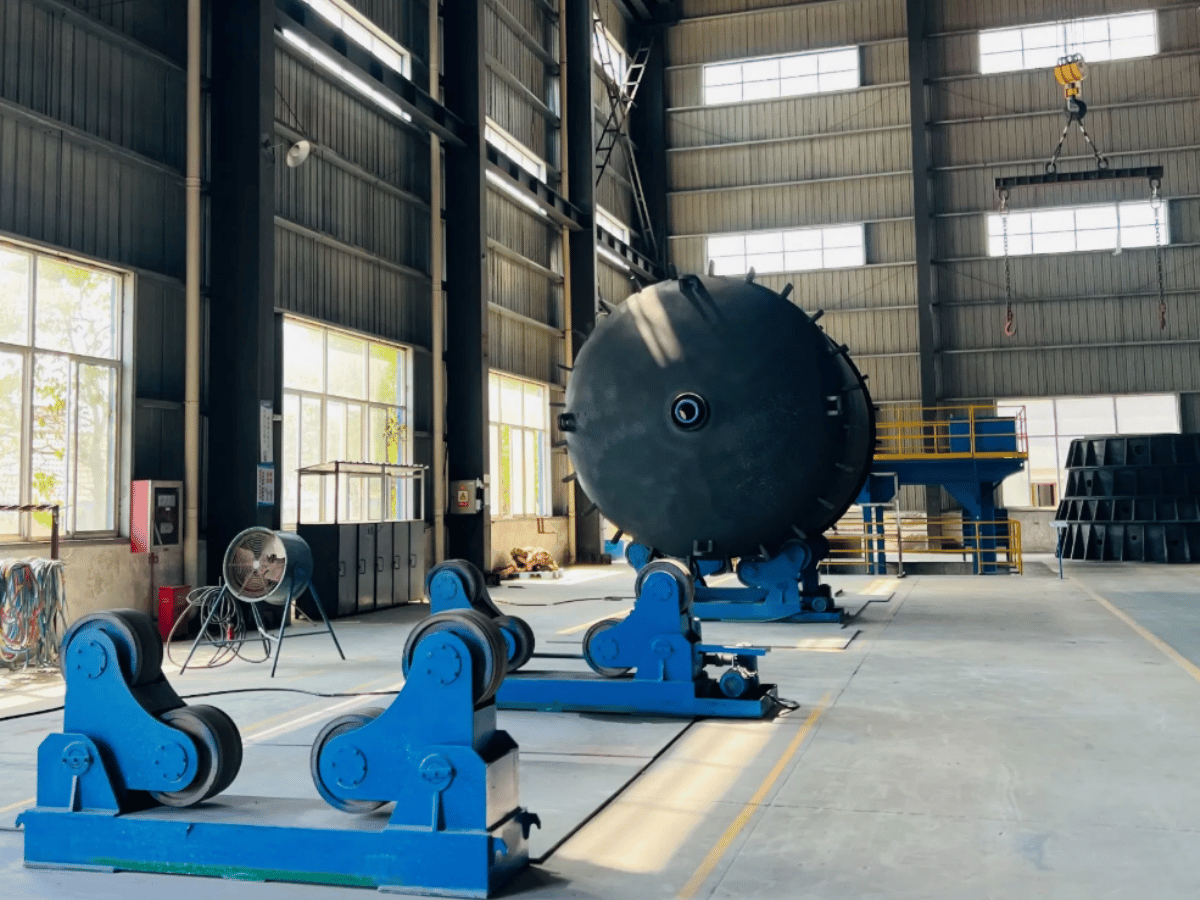
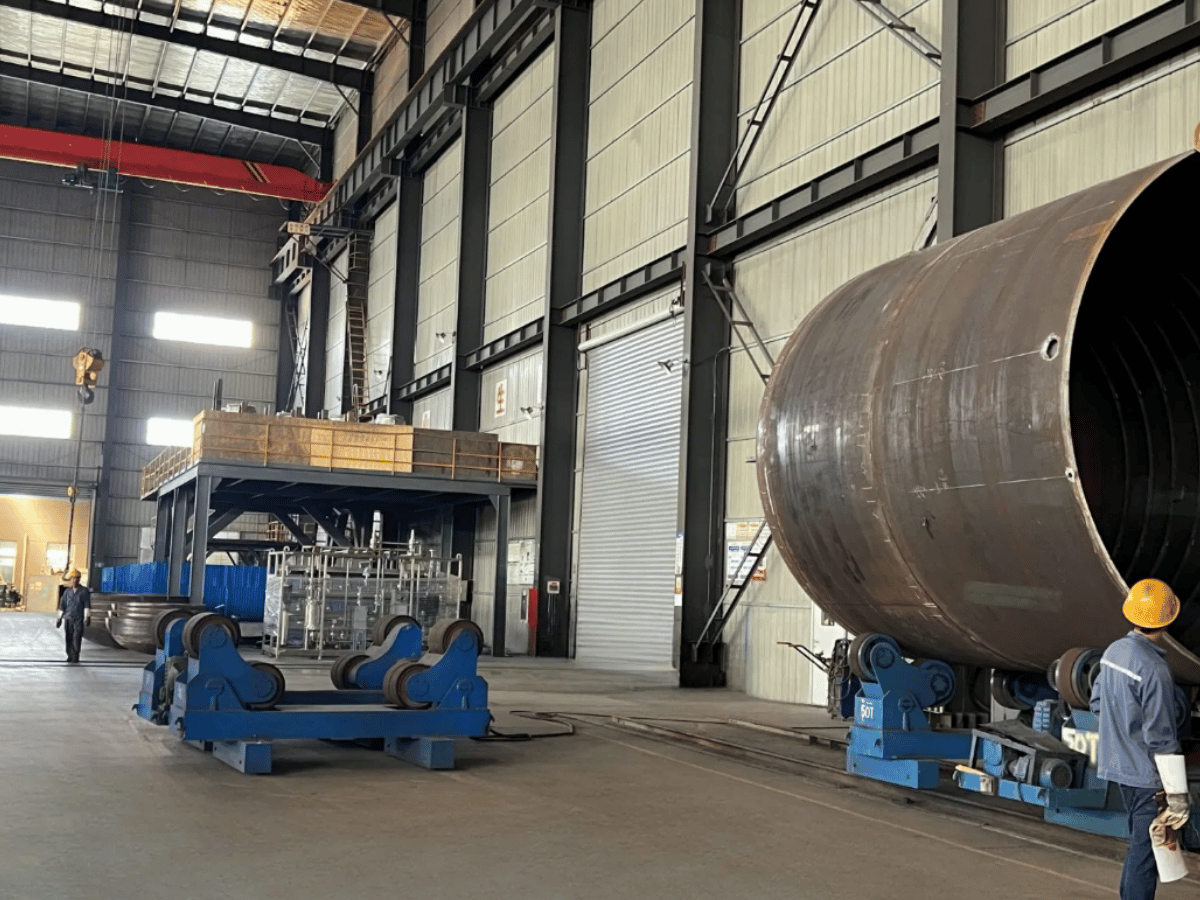
Ensure the right balance of precision and speed in welding, and it often comes down to having the right tools. Here, the welding positioner chuck with a self-centering 3-jaw gripper deserves a mention as an accessory that enhances welding accuracy, operations, and ease of use. By incorporating innovative features for workpiece positioning, this handy tool ensures the stability of workpieces while allowing operators to achieve consistent, repeatable results with minimal effort. So, professional welders and industrial fabricators will be taking a look at key features, benefits, and uses of the self-centering three-jaw gripper so that you realize why it should never be missing when it comes to streamlining welding works. Your welding efficiency is about to go off the charts, while providing immaculate results unprecedented before.
Introduction to Welding Positioners
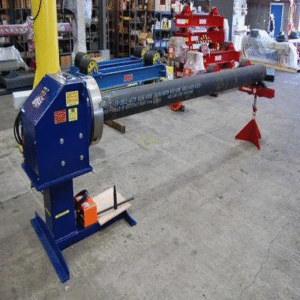
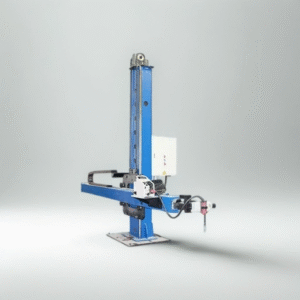
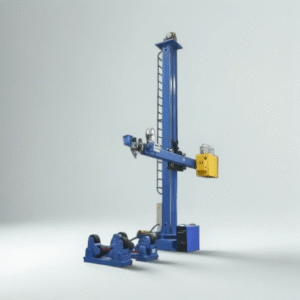
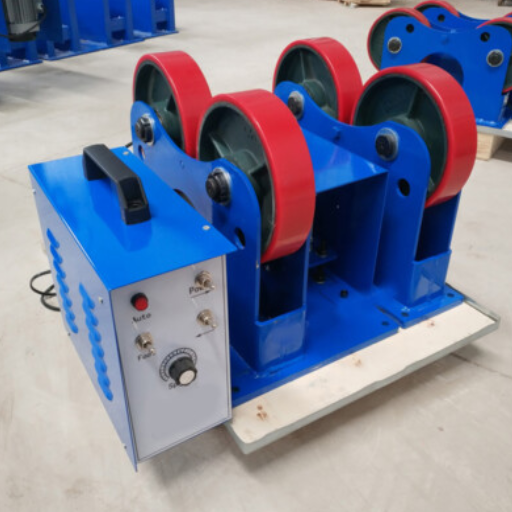
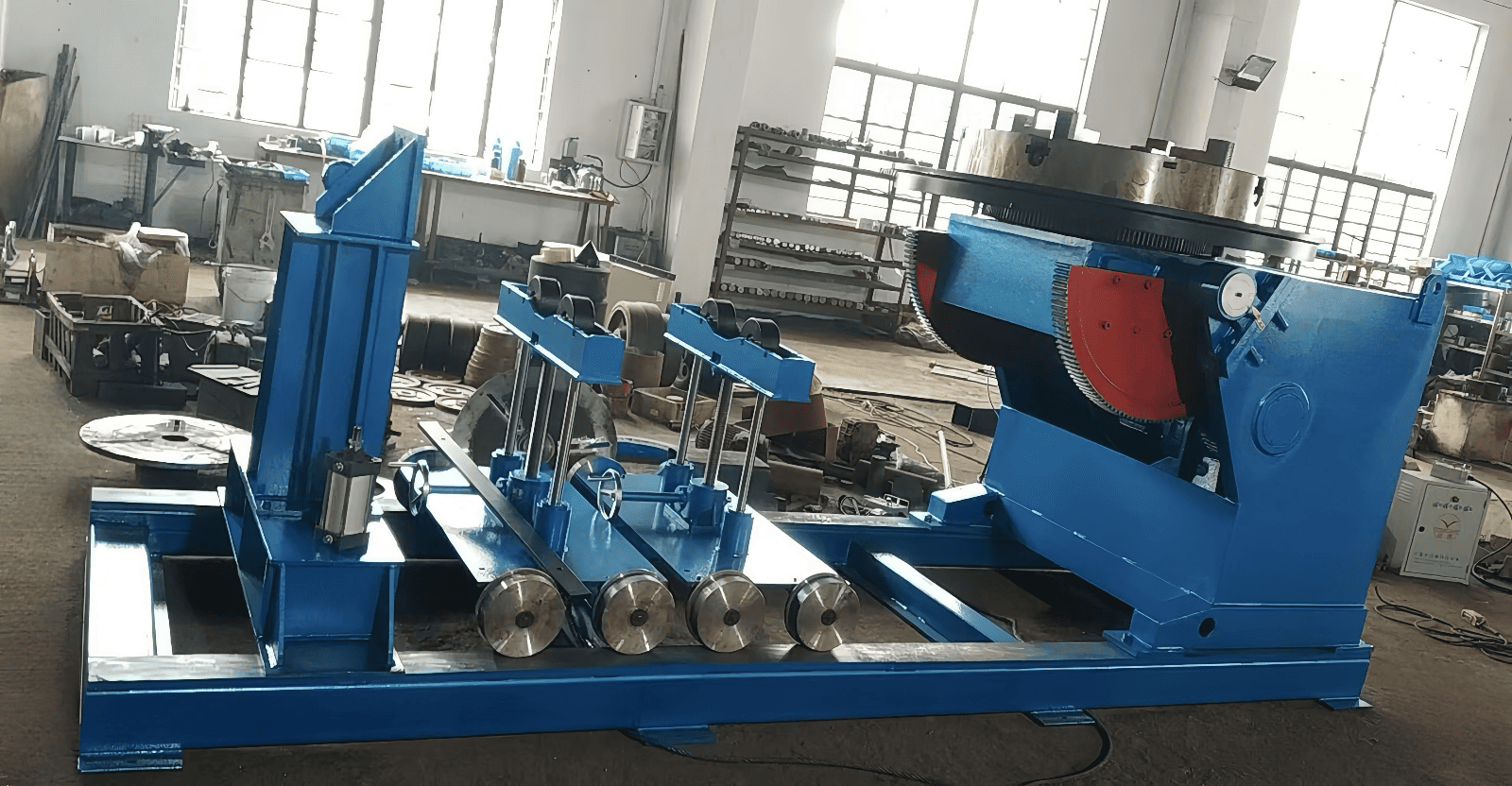
Welding positioners are devices that hold and rotate workpieces, allowing welders to perform their tasks with greater precision and ease. The positioners hold the workpieces at an exact angle, resulting in low strain on the welder and improved weld quality. Good welding positioners provide stability and allow for consistent workpiece movement. This improves efficiency and minimizes human errors. Welding positioners are required to maintain uniform welds, especially during heavy-stitch or weld operations, and are, therefore, valuable to both industrial and professional welders.
Understanding the Role of Chuck in Welding
One of the chuck components used in welding is to clamp and set the workpiece during welding. Thus, the chuck securely holds the workpiece between the jaws of the welding positioner. This prevents any movement of the workpiece-producing welds with precision. Modern welding chucks come in various designs; some types have three or four jaws, allowing them to accommodate the workpieces of different shapes and sizes. The workpiece can be rotated or locked into positions, allowing welders to access hard-to-weld areas with greater speed and accuracy. Today, many chuck designs are targeted for quick changes while being rugged enough for heavy applications to aid productivity in industrial and professional work.
Types of Welding Positioners
The types of welding positioners include rotary table, headstock and tailstock, H frame, Ferris wheel, two-axis, three-axis, skyhook, horizontal turntable, gear tilt, pipe turning, and benchtop.
| Type | Key Features | Usage |
|---|---|---|
| Rotary Table | Rotates workpiece | Small parts |
| Headstock Tailstock | Horizontal rotation | Long items |
| H-Frame | Dual zones | Continuous welding |
| Ferris Wheel | Dual zones, rotation | Prep & weld zones |
| 2-Axis | Tilt & rotate | Versatile tasks |
| 3-Axis | Lift, tilt, rotate | Complex tasks |
| Skyhook | Advanced tilting | Heavy/awkward parts |
| Horizontal Turntable | Single-plane rotation | Heavy objects |
| Gear Tilt | Tilt precision | Robotic welding |
| Pipe Turning | Rotates pipes | Cylindrical parts |
| Benchtop | Compact, portable | Small projects |
Importance of Self-Centering Features
Self-centering features are essential for increasing machine efficiency and accuracy of welding positioners, as they enable the workpiece to be automatically positioned at the center of rotation or welding area, reducing misalignment due to manual adjustments and producing welds of uniform quality. Industry development suggests that self-centering chucks can reduce preparation time by up to 30%, as no time is wasted on repeated alignment processes.
In addition, self-centering mechanisms increase workspace safety by securely holding workpieces during rotation or manipulation, even at high speeds or under heavy loads. This creates stability within the work and minimizes accident possibilities. When properly designed, modern self-centering mechanisms are fabricated from high-quality materials, such as steel, and feature automated adjustment mechanisms controlled through CNC systems, allowing for precise control and adjustment within a fraction of a millimeter. This surely translates into higher yields, allowing industrial consumers to save more, especially in large-volume production.
As the industry continues to innovate in the field, the versatility of self-centering chucks grows more than ever, thus tackling an ample range of workpiece geometries and sizes. This versatility is required in the automotive and aerospace industries, where precision welding significantly affects the structural aspects of the part and thereby enforces strict safety standards.
3 Jaw Self-Centering Gripper Design
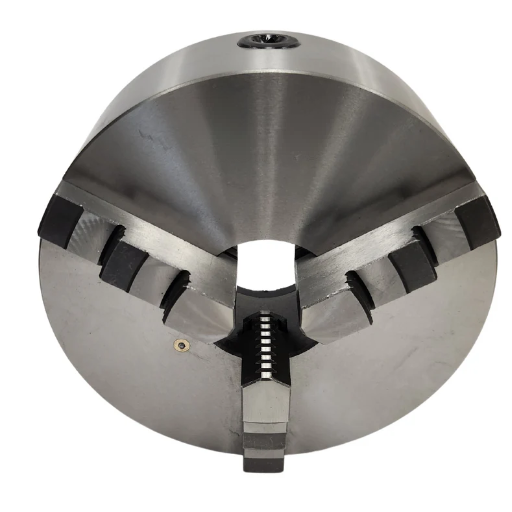
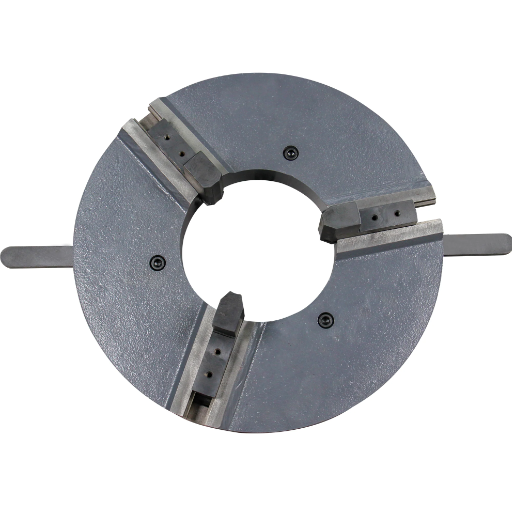
3-jaw self-centering grippers are used in machining and welding operations to hold workpieces securely and precisely, regardless of whether they are cylindrical or irregular in shape. In essence, the device features three jaws that move simultaneously outward or inward, ensuring the workpiece remains centered along the jaws. This design reduces misalignment, thereby increasing process accuracy. A scroll plate or pneumatic actuators are usually used as the powering means for the jaws of the gripper, ensuring consistent movement of the jaws. The popularity of this design is due to its simplicity and efficiency in holding the entire workpiece with a uniform force.
Components of a 3-Jaw Chuck
A 3-jaw chuck has several core components that operate in sync for dependable operation and precise clamping of a workpiece. The components are as follows:
- Jaws: There are three jaws, which form the major components that grab the workpiece. They move together, generally in or out, to center the workpiece automatically. These jaws are usually interchangeable or reversible to cater to different sizes and shapes.
- Scroll Plate: The scroll plate consists of a threaded disc that engages with the jaws. The rotation of the scroll plate causes the jaws to be moved together. Hence, this element is very crucial for the self-centering task of the chuck.
- Body: With the development of all internal components and the provision of necessary structural support, the chuck body exerts forces while withstanding particular mechanical forces, made of hardened steel or cast iron.
- Backing Plate: The backing plate connects the chuck to the lathe or other machining equipment. It allows secure mounting and proper alignment to the spindle.
- Actuation Mechanism: Manual, pneumatic, or hydraulic mechanisms are commonly used in actuation systems, depending on the type or model of chuck considered. Movement by manual systems is actuated employing a wrench or key, whereas in pneumatic or hydraulic systems, the jaw movement is automatically operated and remains consistent.
- Pinions/Gears: Pinions, which are a type of small gear, are sometimes installed within manual chucks to provide an interface with the scroll plate, thereby allowing smooth movement of the jaws.
Each of these constitutes a component whose efficacy, precision, and reliability depend upon the ability of a 3-jaw chuck, making it an indispensable instrument in machine operations and manufacturing processes. Due to advancements in modern engineering, newer designs now utilize superior materials and mechanisms for enhanced performance and more extended durability.
How the Self-Centering Mechanism Works
A self-centering mechanism is used in 3-jaw chucks to provide simultaneous and uniform movement of the three jaws towards or away from the center of the chuck, thereby securing workpieces of different sizes. This mechanism involves a scroll plate with spiral grooves that interface with the teeth of the jaws. When the scroll plate is rotated, whether manually using a chuck key or through automation, it causes the jaws to simultaneously move towards or away from each other, keeping the workpiece centered.
This operation is a critical step for an accurate machining process. Nowadays, the self-centering chucks are manufactured using super materials, such as hardened steel, to enhance wear resistance, thus guaranteeing consistent performance over a long period. Recent industrial data indicate that better precision within ±0.001 inches (±0.025 mm) can be achieved by using high-quality self-centering mechanisms, which is equivalent to granting tight tolerances for industrial sectors such as aerospace and automotive manufacturing.
Additionally, while some designs now feature lubrication grooves and surface finishes that enhance smoothness between moving parts, others prioritize quick jaw-change setups, thereby improving overall production in a CNC machining setup. Taking a step further in technological development, self-centering mechanisms are now more reliable and efficient than ever before, and they increasingly meet the ever-changing requirements of the modern manufacturing era.
Benefits of Using 3 3-Jaw Gripper in Welding
- Enhanced Precision
Clamping accuracy is one of the key capabilities that 3-jaw grippers provide, ensuring that workpieces remain consistent throughout operations such as welding. Supplied with such precision, errors are minimized, and high-quality welds are created.
- Improved Stability
The 3-jaw gripper grips the workpiece in a balanced manner, thus reducing vibrations and the movements during the welding process. This leads to welds that are clean and efficient.
- Versatility in Applications
Able to hold the broadest range of materials and shapes, including pipes, rods, and irregular obstructions, the 3-jaw gripper is highly adaptable to different welding jobs, thereby broadening its usage in various manufacturing operations.
- Saving Time
The self-centering action of the clamping mechanism significantly reduces the time taken to set up and adjust the workpiece. Hence, it gradually pushes the pulse of any operation that needs welding.
- Durability and Longevity
Three-jaw grippers are manufactured with the kind of heavy materials that must endure the rigors of welding environments. Their rugged design ensures that the product will perform satisfactorily for an extended period, thereby reducing maintenance costs.
Applications of Welding Positioner Chucks

Various industries utilize welding positioners and chucks, which are crucial in enhancing precision and speed in welding processes. Major applications include:
- Pipe Welding: Best for clamping and turning pipes to weld evenly around the entire circumference.
- Automotive Manufacturing: Used during welding to hold and position components such as exhaust systems and structural frames.
- Aerospace: Enables welding of complex components such as engine mounts and fuselage sections with great accuracy.
- Fabrication Shops: For general metal assembly, it welds tanks and cylindrical structures, among other things, with precision and proper alignment.
- Heavy Machinery: It underpins the construction of large-scale equipment, where welding must be exact to ensure the durability of the samples.
These applications highlight the multi-utility and paramount importance of welding positioner chucks in ensuring supreme-grade output across various industries.
Industrial Use Cases
Being able to weld chuck positioners is crucial in many industries due to their ability to enhance precision, efficiency, and safety during fabrication work. According to the latest information from Google’s search engine, these chunks are crucial for industries such as aerospace, automotive, and renewable energy generation. Welding positioners, for instance, are used in wind energy to assemble the significant turbine components, aligning them precisely to ensure maximum efficiency and reliability. In another respect, these positioning tools are used customarily to produce large quantities of high-grade car frames and parts, effectively reducing the assembly time for the automotive industry. With unparalleled functionality and flexibility, welding positioners have become a must-have for numerous industrial scenarios where robust welding solutions with utmost accuracy are required.
Welding Projects Utilizing 12-Inch Chucks
Welding projects using 12-inch chucks find application in industries that require precision and stability during rotational welding processes. Since these chucks are mainly used on medium to large welding projects, they can hold and rotate workpieces of various shapes and sizes, demanding uniform welds throughout the material.
Thus, 12-inch chucks are most typically used to produce pipe assemblies in oil and gas companies. They offer precise alignment and steady rotation, which are crucial in creating strong and leak-proof welds. Another instance is in the aerospace sector, where these 12-inch chucks are used for fabricating cylindrical components, such as fuselage sections or exhaust ducts, that require welding to join under circumstances that can impose extreme stresses.
Market data suggest that small welding projects, which seemingly utilize precision tools like 12-inch chucks, are increasingly popular; hence, the demand for welding machinery, tools, and equipment is expected to grow at a CAGR of 4.3% from 2023 to 2030. Growing infrastructure projects and the increased adoption of automated welding systems, which require craftspeople with high-end chucks for efficiency and accuracy, are propelling this growth in demand.
Again, these chucks are entered for activities related to industrial construction of custom metal structures such as pressure vessels and heavy-duty transportation equipment. Their robust construction and ability to handle heavy workpieces with precision enable them to instill productivity and safety in the workplace, which is exceedingly vital in modern welding systems.
Automation in Welding Processes
Automation in welding processes has transformed the manufacturing industry by boosting productivity, accuracy, and safety. With the latest developments in robotic welding machinery, work processes are now made more efficient, reducing the need for human intervention and ensuring that welds are of the highest quality. According to the latest data from Google search, trends include AI-powered welding robots that analyze data inputs in real-time to adjust welding parameters such as speed, temperature, and angle. These systems help minimize errors and material wastage while optimizing efficiency. Automation reduces labor costs and, in turn, saves the workforce from hazardous jobs. Such modernization in the welding process fosters innovation and competitiveness across several sectors.
Choosing the Right Welding Equipment
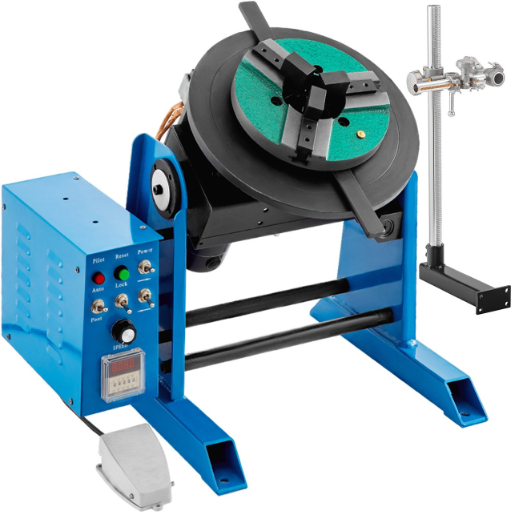
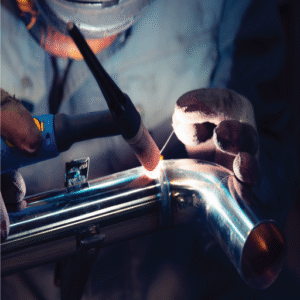
When selecting welding equipment, consider the welding process you intend to use, such as MIG, TIG, or stick welding, depending on the materials and applications. For electric current, use the equipment that matches the specified wattage requirements. Opt for reliable brands that have proven their durability over time. Pick those that are much easier to use and capable of adjustment. Furthermore, consider the budget set aside, but never compromise on safety features or the core of proper performance. Always consider the available skill level and the applications for the welding equipment you select.
Factors to Consider for Gripper Welding Chucks
- Material Compatibility
Ensure that the gripper welding chuck is compatible with the materials you will be welding on. The materials must be gripped with particular strengths and specific designs to give the best surface-level performance in the welding work.
- Grip Strength and Stability
Now, the chuck must provide sufficient grip strength to hold one workpiece firmly in place, preventing it from shifting during welding, which would otherwise hurt accuracy and lead to defects in the final product.
- Adjustability and Flexibility
Seek gripper welding chucks with some adjustability to fit different sizes and shapes of workpieces. This would allow for more versatility in your operations and may also serve as an efficiency aid.
- Durability and Build Quality
Materials for construction and durability are needed to withstand heat and the pressures of welding. The higher the quality of the chuck, the longer its life span, which implies that it will rarely require replacement or repair.
- Ease of Maintenance
According to Chuck, they are easy to clean and maintain. Periodic maintenance is essential to ensure proper performance and minimize wastage of time caused by wear or malfunctioning.
Precision and Locking Mechanisms
We can consider accuracy as the most crucial factor when choosing a chuck for welding. A precision chuck would guarantee as low a runout as possible for fixed holding, ensuring that components are held stably and concentrically during operations. Modern chucks are now designed to incorporate advanced locking devices that give increased safety and performance in holding the workpieces. With the latest data, searches indicate user interest in self-centering chucks and adjustable locking systems, designed to ensure consistent precision while also being simple to use. Such systems reduce human errors, improve workflow efficiency, and provide flexibility for various welding operations.
Evaluating Equipment for Specific Welding Needs
When selecting equipment for specific welding needs, it is essential to align the tools with the complexity and requirements of the task. Data from Google’s search engine indicates a growing interest among users in lightweight, portable welding machines that deliver robust performance across diverse environments. Moreover, the number of queries relating to multifunctional equipment suggests that welders value tools that can work on different metals for various welding methods, such as TIG, MIG, or Stick welding. Consider the thickness of the material, the welding position, and the preferred quality of finish to make the best choice regarding the equipment. When considering these factors, the trending tools may include self-centering chucks and an advanced locking system, which are sure to build precision, flexibility, and efficiency into every project.
Reference Sources
- “Applications of machine learning in friction stir welding: Prediction of joint properties, real-time control and tool failure diagnosis”
- Authors: A. Elsheikh
- Published: May 1, 2023
- Key Findings: This study discusses the application of machine learning techniques in friction stir welding, which can be relevant for optimizing the use of welding chucks and fixtures. The research highlights how predictive models can enhance the quality and efficiency of welding processes.
- Methodology: The study involved developing machine learning models to predict joint properties and diagnose tool failures in real-time during the welding process.
- “An RBF neural network–based parameter tuning for an ADRC regulator of electrode wire feed mechanism: arc welding applications”
- Authors: B. Babes et al.
- Published: March 5, 2024
- Key Findings: This paper presents a method for tuning parameters in welding equipment, which can indirectly relate to the performance of welding chucks by ensuring optimal conditions for welding operations.
- Methodology: The study developed a real-time testing system based on the dSPACE platform to evaluate the performance of the electrode wire feed mechanism in arc welding.
- “Development and validation of finite element model of dissimilar friction crush welding for automotive applications”
- Authors: Ashu Kumar et al.
- Published: October 18, 2024
- Key Findings: This research focuses on the joining of dissimilar materials using friction crush welding, which may involve the use of specialized chucks to hold the materials in place during the welding process.
- Methodology: The study developed a finite element model to simulate the welding process and validate it against experimental data.
- Top Welding Chuck Manufacturers and Supplier in China
Frequently Asked Questions (FAQs)
What is a 3-Jaw Welding Chuck?
A 3-jaw welding chuck is a clamping device used in welding applications to grip and hold cylindrical workpieces securely. The chuck features three jaws that self-center to ensure precise alignment, making it ideal for a wide range of welding projects. These chucks are designed to accommodate different diameters, providing versatility for industrial applications.
How does a Self-Centering Welding Chuck work?
A self-centering welding chuck operates by utilizing three jaws that move simultaneously when the chuck is tightened. This design enables quick and efficient clamping of workpieces, ensuring they are correctly aligned for welding. The self-centering feature is particularly beneficial for achieving high precision in welding applications.
What are the benefits of using Gripper Welding Chucks?
Gripper welding chucks offer several advantages, including enhanced stability and the ability to grip a wide range of workpiece shapes securely. They are designed to withstand the most demanding industrial environments, providing high-performance clamping solutions for welding needs. Additionally, gripper chucks improve efficiency and versatility in welding operations.
What types of Welding Positioners are available?
Welding positioners come in various types, including those designed specifically for 3-jaw chucks. These positioners enable the rotation and tilting of workpieces, enhancing accessibility during welding. Different models cater to specific welding projects, ensuring that the equipment meets the unique requirements of each task.
How do I choose the right Welding Equipment for my project?
Choosing the right welding equipment involves considering factors such as the type of material, size, and shape of the workpiece. It’s essential to select a 3-jaw chuck or a welding positioner that can accommodate the specific diameter and shape of your workpiece. Additionally, evaluating the equipment’s efficiency and versatility can help ensure it meets your welding needs.
What is the difference between External and Internal Welding Chucks?
External welding chucks grip the outside of cylindrical workpieces, while internal welding chucks grip the inside. Depending on your project requirements, you may need to select one over the other. Both types of chucks are designed for quick engagement and secure locking, ensuring that the workpiece remains stable during the welding process.
What is the significance of Lock Ball Pins in Welding Chucks?
Lock ball pins are vital components in welding chucks, providing additional security during operation. They help to lock the jaws in place, preventing any unwanted movement of the workpiece while welding. This feature enhances the safety and precision of the welding process, making it an essential aspect of high-performance welding equipment.
What are 3 Jaw Gripper Chucks used for?
3-jaw gripper chucks are used for various applications in the welding industry, primarily for holding and positioning cylindrical workpieces. Their design enables them to securely grip a wide range of shapes, making them versatile for various projects. Whether you are working with pipes or other components, 3-jaw gripper chucks ensure reliable performance and precision.
Can I use a 12-inch 3-Jaw Chuck for smaller projects?
While a 12-inch 3-jaw chuck is designed for larger workpieces, it can also be used for smaller projects, provided the workpiece fits securely within the chuck’s jaws. However, for optimal precision and efficiency, it is recommended to use a chuck that closely matches the size of your workpiece to ensure proper clamping and alignment during the welding process.