In the world of welding, TIG machines are indispensable tools for the finest precision and versatility. Yet, acquiring a new TIG is a steep investment for many, and hence they tend to opt for secondhand machines. But how do you know whether a particular used TIG welder is worth it, regarding performance, durability, and price? This guide will help equip you with the holistic wisdom needed to make a sound choice. We examine all critical areas—features, specifications, and reliability—as well as the factors that matter when considering pre-owned units. Whether you wish to acquire new skills or simply save money, the guide will steer you towards the TIG welder best suited to your needs.
Introduction to TIG Welding

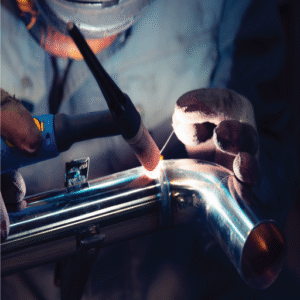
TIG welding, also known technically as Tungsten Inert Gas welding, is a precise process that utilizes a non-consumable tungsten electrode to create a weld. The process is often held in superlatives for its clean welds and superior-quality finish aesthetics. It particularly welds well on thin materials of stainless steel, aluminum, and other non-ferrous metals. TIG welding also provides precise control over the input heat and filler material application, making it a preferred choice for applications that require stringent standards, such as aerospace, automotive, and manufacturing.
The Growing Popularity of TIG Welding
The allure of TIG welding has continued to rise, proving to be an incomparable process in terms of precision, flexibility, and adaptability. Industries such as aerospace and automotive often introduce this technique when the implementation of quality standards exceeds the requirements of safety standards. TIG welding is preferred because it produces defect-free joints, especially in the fragile metals of stainless steel and aluminum, where precision is crucial. The art of TIG welding has evolved as improvements in welder technology have been accompanied by enhanced features of control and energy efficiency, making the use of TIG welding increasingly viable and attractive to manufacturers. Highly moldable to both manual and automated processes makes it highly competitive towards demand in the industrial sector.
Advantages of Buying Used TIG Welders
💰Economic Efficiency
Buying a second-hand TIG welder might save the purchaser substantial money; hence it could become an economical option for businesses or individual operators constrained by budget.
✓Performance-Proven Equipment
Pre-owned TIG welders often come from expert users who have thoroughly tested their reliability and functionality, thereby guaranteeing performance when acquired from a trustworthy seller.
📊Wide Scope
On the used market, many TIG keyboards are available, including older and now-discontinued models, allowing buyers to locate the particular machine that fits their technical requirements.
📈Slower Depreciation
Compared to their new counterparts, which depreciate rapidly, used TIG welders typically have slower depreciation and hold their value much longer, potentially fetching a higher resale price.
⚡Immediate Availability
Usually, second-hand TIG welders offer fast buy-and-deploy options, thereby knocking away the long manufacturing lead times generally associated with custom orders for new equipment.
♻️Sustainability
Buying used equipment promotes environmental sustainability by increasing the machine’s lifespan and reducing waste associated with manufacturing new products.
Why Choose a Used Welding Machine?
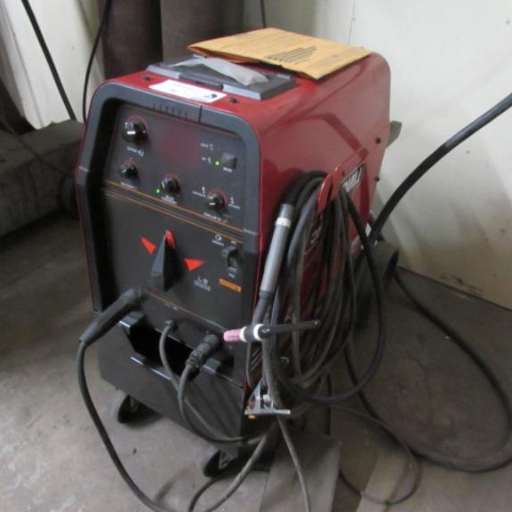
A buying decision faces a cutting set of the wise option of used welding machines from price and performance reliability points of view. Used welding machines require thorough maintenance and operational inspection to conform to industry standards of reliability. In fact, buying used equipment can sometimes facilitate the acquisition of high-end, high-performance models that would otherwise run the budget dry if purchased new.
Used welding machines uphold ecologically sound philosophy, since behind them stands the philosophy of a circular economy that involves extension of the equipment’s lifecycle, thereby never letting it go to disposal or creating another mountain of waste from newly made ones. Most commonly used welding machines carry tried and true technology and are generally reliable, as any defects or malfunctions would have been identified and possibly addressed during their initial use. This presents an assured output reliability and stability especially on applications that really matter in industrial or commercial ones.
From the viewpoint of flexibility or customization of capabilities, used machines may be considered for engineering or alteration at a lower cost compared to outright purchase of a new customized machine. Therefore, from all aspects considered, a used welding machine becomes an economically and operationally sound choice in most industries.
Key Benefits in Detail
💰 Cost Savings
Compared to new equipment, buying used welders can save a significant amount of money. These machines rarely sell for more than a fraction of the list price, even when they remain helpful and reliable, so this price disparity can allow companies to allocate their budget to another aspect of their project. In contrast, lower initial costs for used machinery can quickly pay for themselves, rewarding businesses that place a premium on keeping operating expenses low.
🏆 Access to High-Quality Brands
Used welders make it possible for businesses to buy high-quality brands that would otherwise be prohibitively expensive if purchased new. Machines produced by leading manufacturers, renowned for their sturdiness and performance, can remain fully effective for years. Thus, by acquiring used equipment from quality brands, they can enjoy the best features at a low acquisition cost and excellent serviceability. Consequently, this solution is well-suited to upholding operational standards while maintaining a budget.
🌱 Environmental Benefits of Choosing Used Equipment
Buying used equipment supplies a significant environmental benefit, as it helps curb demand for new manufacturing. The creation of heavy machinery and industrial equipment requires a considerable expenditure of resources, including the use of excessive quantities of raw materials such as metals and high energy consumption. Through the purchase of pre-owned equipment, buyers can mitigate the environmental hazards associated with the extraction, processing, and assembly of raw materials. Another way of looking at it is to consider that increasing the operational life of equipment means keeping it out of landfills. Hence, there is less waste and a reduced ecological impact. This green approach aligns with circular economy principles, where resources are reused or repurposed, reducing the greenhouse gases emitted during production and waste-disposal processes.
Tips for Choosing the Right Welder

- Assess Your Welding Needs: Determine the specific welding materials, their thickness, and the required welding process (e.g., MIG, TIG, Stick). This avoids selecting a welder that is not suitable for your specific requirements.
- Evaluate Power Requirements: Assess what power your workspace can provide. Some welders require 120V standard power, while others require one of the 240V or dual voltages. An electrical supply that matches the welder should be provided to avoid problems.
- Consider Duty Cycle: Duty cycle refers to the amount of time the machine can operate continuously before it needs to be cooled down. For heavy-duty work, the higher the duty cycle, the better the welder, so one can work without interruption.
- Analyze Portability and Size: Will the welder be used in a workshop, or will it need to be portable for field work? A lightweight welding machine with a handle or wheels tilts the scales towards portability, while a heavier one may pack more punch but less convenience.
- Evaluate Safety Features: Look for welders that boast various safety features such as thermal overload protection, automatic shutdown, and a sturdy casing. These will protect against overheating, electrical hazards, and damage to the equipment during operation.
Assessing Individual Welding Needs
Evaluating welding needs on a case-by-case basis takes several steps. First, consider the welding materials: different metals, such as steel, aluminum, and stainless steel, may require specific types of welders, including MIG, TIG, or stick welders. Then, analyze the thickness of the material for welding, as thin metals usually work with low-amperage settings, while thick metals need high amperage. Use rate is essential, too: working for fun and with low use would qualify for a compact, beginner welder. Professionals, however, would be advised to purchase robust, high-performance machines. Also, verify power source compatibility, whether standard outlets or higher voltage systems.
Understanding Project Requirements
First, it is wise to identify the type of materials being used and the types of joints involved in the project before selecting a welder. Different metals, including steel, aluminum, and stainless steel, may require different welding processes, such as MIG welding, TIG welding, or stick welding. Check the thickness of the material, as this directly impacts the power output required for fusion. Project size should also be considered: minor repairs or hobby work may need a versatile and portable welding machine, whereas large jobs would require industrial welders. Lastly, consider the working environment to ensure the selected welder meets all requirements for both indoor and outdoor use, power source compatibility, and adequate ventilation. When these factors are matched with the project needs, optimum efficiency and weld quality will be achieved.
Matching Welder Capabilities with Tasks
When trying to appropriately fit a welder’s capability to task, the evaluation clearly must set the technical specifications of the equipment vis-a-vis the project requirements. GMAW, or MIG welding, on the other hand, is well-suited for high production rates and tasks involving thin to medium-thickness metals due to its high speed and ease of automation. TIG welding, on the other hand, offers the ultimate level of final weld control, making it suitable for complex projects or those demanding a high degree of precision, such as aerospace components or fine artistic metalwork. SMAW, or stick welding, proves to be the best choice in outdoor situations and where portability is essential, especially for structural and heavy-duty field weld repairs.
In the selection process, key variables will be considered such as material type (steel, aluminum, or exotic alloys), joint design, and standards of weld quality. The power output of the welder and duty cycle shall then be on par with the working life and intensity of the project so as not to get into overheating or inefficient operating condition. Through this data-driven approach, welders can ensure both technical and environmental compatibility, thereby achieving optimal output performance and uniformity.
How to Maintain and Care for a Used TIG Welder

🔧 Essential Maintenance Steps
1. Inspect and Clean the Welder Regularly
To achieve optimum working conditions, all welding machines must be checked regularly. Inspect for any signs of wear and tear, mainly in the cables, connectors, or hoses. Cleaning the outside surfaces prevents dirt deposition which can hamper performance and lessen the life of the equipment.
2. Replace Consumable Parts as Needed
Inspect consumables, tungsten electrodes, nozzles, collets, and other components for damage and wear. These parts affect welding quality; hence, they should be replaced as soon as they are damaged or worn out.
3. Check All Cable Connections
Check all cable connections for security and corrosion. A loose or damaged connection will cause instability of the arc and lower welding efficiency.
4. Check Cooling System
For water-cooled TIG welders, inspect the cooling system regularly for leaks and ensure the coolant level is maintained at the required amount. A sound cooling system is essential to prevent overheating, especially during long operations.
5. Ensure Safe Storage of Equipment
After use, store in a clean, dry environment, and away from excessive humidity or temperature changes. Fast, proper protection from the environment would help avoid electrical problems and component degradation.
6. Check Calibration regularly
Calibration must be conducted periodically to ensure that the welder’s equipment is set precisely with its output. Follow the manufacturer’s recommendations for the calibration interval, or consider having a professional technician perform periodic recalibrations.
If these practices are adhered to, the TIG welder will have a greatly extended lifetime and that performance will go on consistently as time goes by.
Best Maintenance Practices
The routine maintenance of a TIG welder entails certain delicate, key practices to ensure optimal working efficiency and prolonged life. Inspect every component, looking out for signs of wear or damage; this includes cables, connectors, and the torch especially. Cleaning the welding machine at regular intervals can prevent the accumulation of dust and dirt. It is also essential to monitor the vents and cooling systems. Occasionally, I also replace consumables, such as tungsten electrodes and gas cups, to stay on schedule, thereby alleviating the inefficiency involved. Checking the gas flow rate and adjusting it accordingly is another crucial step I take to ensure everything goes smoothly. Lastly, I regularly lubricate and calibrate the welder as per manufacturer’s instructions, so that it functions at full capacity.
Importance of Regular Inspections
Health tests for welders should be conducted regularly to guarantee the safety, quality, and longevity of used TIG welders. Cables, connectors, and gas lines may experience wear and tear over time, which can hinder the machine’s functioning or pose a safety hazard. Testing will bring such issues to light, allowing for timely repairs. Regular inspections also help ensure that connections remain tight and that essential components, such as the torch and electrode holder, function properly. When an inspection program is followed, the operator can avert any sudden downtime while their welding process remains consistent. These regular inspections enable operators to meet safety standards, ensuring the process is not compromised.
Extending the Life of Your Welder
Like anything else, a TIG welder is always prone to a short life if not properly maintained or handled. Before working with the machine, thoroughly inspect all its components, for the torch, cables, fittings, and consumables are things that should be closely examined. Any worn-out parts, such as tungsten electrodes or gas cups, should be replaced, as wear and tear are crucial factors to consider, as optimum performance depends on them. On routine cleaning, any staining, dirt, or greasy deposits must be removed that could result in contamination and thereby reduce the weld quality over a specific period.
When left idle, store the welder in a clean, dry, and dust-free location. It will be a dismay to know that even moisture or dust could harm their internal electronics, triggering unproblematic issues or costly repairs. Another critical factor is to consider the cooling system. In general, vast amounts of heat are generated during welding with TIG, and excellent cooling will help keep the temperature down, thereby promoting the longevity of the internal accessories.
When using a pre-owned TIG welder, it is crucial to adhere to the manufacturer’s specified duty cycles. Going beyond duty-cycle limits places too much strain on the unit and, in consequence, leads to premature wear or failure. Always ensure that the shielding gas chosen corresponds to the material being welded; correct amperage and polarity settings must be followed to prevent stressing the equipment. If these simple guidelines are followed, the life of your used TIG welder will be significantly prolonged, thereby maintaining good, consistent performance and output.
How to Evaluate a Used TIG Welder’s Condition Before Purchasing

Fewer instances of a used TIG welder being inspected would likely reveal the external components, including the case and cables, which may show signs of damage, heavy wear, or corrosion. Try welding using the machine; depending on its behavior, you will achieve smooth arc ignition and excellent arc control. The output should generally be maintained. Ensure that all controls function correctly, including amperage, control polarity, and other relevant settings. Check the components installed inside the machine, including the power supply and cooling system, for any issues that may cause overheating or damage to parts. Another step in the quality commissioning assessment will be to check the maintenance records (if any) of the unit to determine if it was regularly maintained and adequately cared for.
Step-by-Step Inspection Checklist
📋 Complete Pre-Purchase Inspection Guide
1. External Components Inspection
- Inspect the welder casing for dents, cracks, or other noticeable signs of wear.
- Look for fraying, severed cables, or any other signs of wear on the wires, connectors, and leads.
- Ensure that the knobs, switches, and control dials are all present and functioning correctly.
2. Power Supply Testing
- Any visible damage to the power cable should be inspected, especially exposed wires or insulation being compromised.
- Ensure the plug and prongs are secure, with no signs of burn or corrosion.
3. Cooling System Testing
- Inspect the fan and vents to remove dust and any debris that may prevent airflow.
- Turn the unit on and ensure the cooling fan spins freely without undue noise.
4. Control Panel Testing
- Ensure that all control settings are functioning correctly: amperage adjustments, pulse controls, and gas flow settings.
- Test the display panel (if any) for readability and correct outputs.
5. Torch and Consumables Check
- Examine the TIG torch for cracks, loose parts, or worn-out hose connectors.
- Check the condition of consumable parts: collets, nozzles, and tungsten electrodes; replace as necessary.
6. Check Cables and Grounding Clamps
- Ensure the welding cable and ground clamp are in good condition, with no exposed wiring or weak connections.
- Ensure the ground clamp outwardly grips the surface to be welded and exhibits minimal wear.
7. Gas System Testing
- Check the gas hose for leaks, cracks, or brittleness, and replace it if necessary.
- Test the regulator and flowmeter for accuracy in gas control.
8. Arc Stability Testing
- Switch on the welder and perform a test weld to observe arc ignition and stability through operation.
- See if arc performance remains steady and smooth under varying amperage levels.
9. Internal Component Inspection
- Open the housing, if permitted, and inspect the internals for signs of overheating, loose connections, or burnt-out components.
- Ensure that all internal wiring is securely in place and that all insulation is intact.
10. Maintenance Record Check
- Request the unit’s maintenance and service history from the seller to determine whether regular upkeep has been maintained.
- Look for any indication of recurring issues in the past or significant repairs.
11. Manufacturer Manual and Testing Standards
- Cross-reference the welder’s condition with the specifications in the manufacturer’s manual.
- Ensure compliance with relevant industry safety and performance standards for operating a welder.
Testing Machine Functionality
Before starting a transaction, the buyer must conduct a comprehensive check and testing process to verify the welder’s operational reliability and ensure it meets the standards. Begin a visual inspection of the machine to check for visible wear and external damage. Examine corrosive damage, paying particular attention to cables, connectors, and the torch assembly. Check for any loose or damaged parts that may cause hazards or compromise performance.
Once everything appears to be in order, the welder can be powered on, and the operator will register events such as the smoothness of startup and the working noises made by the machine, as well as any delays in its startup. When performing controlled welds on various materials, ensure the machine is operating over the entire range of voltage and amperage. Observe all welding processes to provide stable arc conditions. Examine the weld quality closely, noting weld uniformity, weld penetration, and visible defects. Finally, determine whether the cooling system enables proper thermal management in the machine during prolonged welding processes, without any observable overheating.
Furthermore, the High-Frequency Start system, as well as the foot pedal, amperage controls, and pulse settings, should be tested to ensure they function correctly. Check compatibility with commonly used consumables, confirm the use of tungsten electrodes, and verify the filler materials. At the end of all these tests, the observations must be compared against performance specifications of the manufacturer to conclude on the condition of the machine. This process must be undertaken to avoid risks and ensure the equipment meets its operational requirements and safety needs before buying.
Requesting Maintenance Records
A secondhand TIG welder, whether bought, sold, or traded, must always come with a full service history. Solicited should be proof that the machine has been serviced in the past and whether any repairs or part replacements were done. Has the equipment been inspected periodically, or have any major failures been recorded? Of particular importance are records of how often consumables have been replaced and how frequently calibrations have been adjusted, since these most directly affect reliability of performance. Maintenance records offer insight into how the welder has been used and whether that pattern of usage meets your requirements for long-term operation.
Reference Sources
-
Used TIG Welders for Sale – WeldingMart
This site provides insights into leading brands like Lincoln Electric and Miller, offering reliable used TIG welders for various applications. -
The Smart Buyer’s Guide to Purchasing Used Welders – Red-D-Arc Blog
A detailed guide on the advantages of buying used welders through trusted companies and tips for making informed decisions. -
Used TIG Welders & TIG Welding Machines – Westermans
Offers a range of new and used TIG welders from premium brands, along with warranties and customer reviews. -
Used Welders | Metal Machinery – The Equipment Hub
A platform providing a variety of used welders, including TIG machines, with a focus on quality and affordability.
❓ Frequently Asked Questions (FAQs)
What are the advantages of buying used tig welders?
Buying used TIG welders can be a cost-effective option for both amateur welders and professionals. They are sold at discount prices from new ones, allowing one to afford reliable equipment. Most Tig welders are capable of performing various tasks; therefore, one should consider their services for completing weld projects within a reasonable timeframe.
How to choose the right tig welding machine for your needs?
Choosing the right tig welding machine really depends on the kind of welding you do. Consider factors such as the thickness of the materials you’re working with — whether aluminum or mild steel — and the welding power required, among other things. Other factors to consider when it comes to water cooling, duty cycle, and amperage range (for example, the Lincoln Squarewave 275 or Electric Square Wave TIG 355) should be taken into account so that you select a machine that’s suitable for your welding experience and projects.
What should I consider when inspecting used welders for sale?
The best way to consider used welders for sale is to look for any signs of wear and tear that might be in the condition of the equipment. Choose a brand that you know will allow you to weld well. Check for any signs of rust, leakage, or other mechanical issues that could affect its performance. Also, be sure to ask about the history of the machine. How often was it in use? And for what type of welding projects? If it is a reliable brand, such as Miller Tig or Lincoln Electric, it is generally considered a perfect name within the welding industry.
Can aluminum be welded with a DC TIG welder?
Actually, if a used DC Tig welder has the best attributes, it will do an excellent job for aluminum welding. In such cases, the best machine to use would be one that has a high-frequency start and foot pedal capabilities, allowing precise control over welding power. Of course, Miller Tig welders are most famous for aluminum welding due to their ability to produce a smooth bead and weld a wide range of thicknesses.
What is the average price of used tig welders?
The actual price range for second-hand tig welders is from several hundred to a few thousand dollars. These prices vary significantly depending on the model, the machine’s condition, and the accessories included with it. You would generally find these machines for sale from a couple of hundred to several thousand dollars. More expensive models, such as the Miller Syncrowave or Lincoln Electric Square Wave Tig, are generally found, whereas older or less popular models might be a melt-in-one-priced bargain.
Are there any particular upkeep suggestions for used tig welders?
The ways to maintain used tig welders to keep them for a lifetime are pretty simple and involve regular maintenance: make sure to clean the machine of any dust and debris; check consumables constantly, replace tungsten electrodes, and filler rods whenever required. Check cables and connectors for wear and tear periodically, and ensure the welder is stored correctly to prevent any damage. Following these maintenance suggestions will keep your used equipment in working condition!