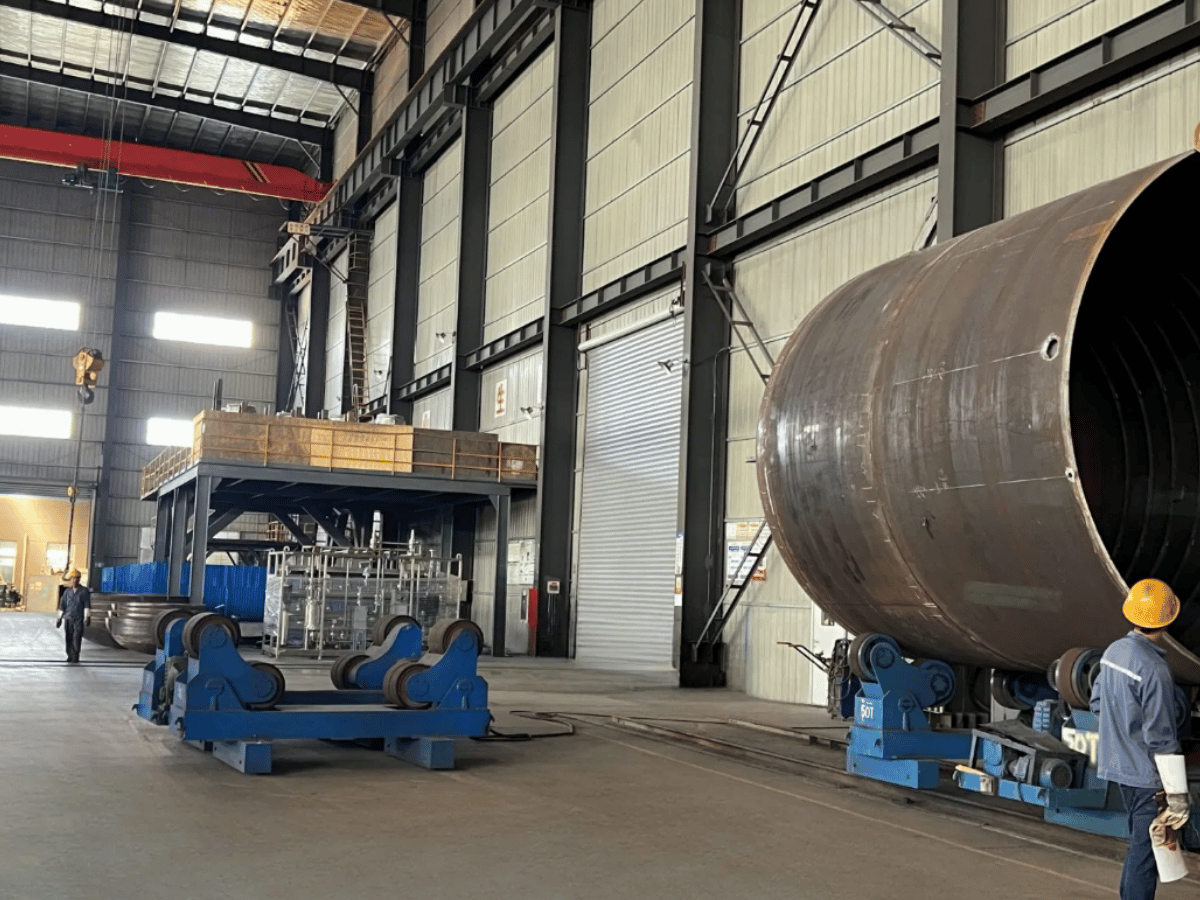
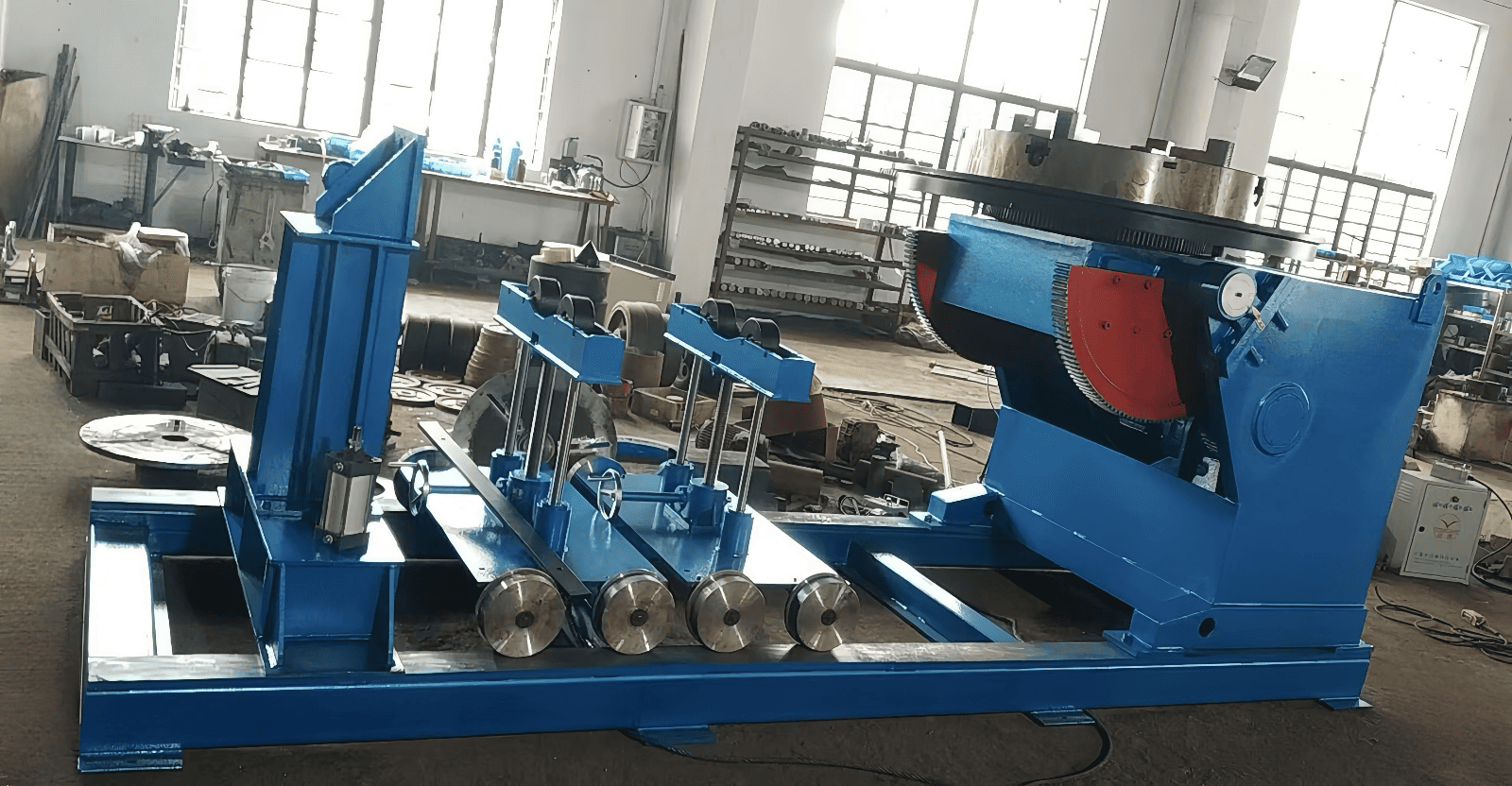
Pipe beveling is a critical part of welding and fabrication, ensuring strong and lasting pipe connections. Properly beveled pipe welds must provide the best possible welding quality and be safe and efficient in industries such as oil and gas, construction, and manufacturing. This article sheds light on the world of pipe beveling, examining various bevel types, their applications, and the architecture in weld preparation. Whether you are a welder, fabricator, or engineer, learning about pipe beveling would assist you in delivering precision and reliability to your projects alike. Let’s go through bevel types and their influence on weld preparation, a skill you must master.
Understanding Pipe Beveling

Allocating a slope to the end of a pipe for proper finish is called pipe beveling. Welding of pipes involves beveling the pipe ends to increase welding strength by creating a larger weld surface for the welding material. Common shapes for bevels are V, J, and U, each suited for a particular working condition. A good bevel ensures accuracy and weld penetration that is good enough to weld with a reduced risk of flaws in construction pipelines or assemblies. Therefore, beveling is a common practice in the construction and manufacturing industries.
What is Pipe Beveling?
Pipe beveling creates an angled edge or slope at the end of the pipe, typically before welding. Such a method ensures cleaner, more durable, and safer welds by permitting proper pulse penetration and correct alignment between the joined pipes. Beveling reduces weld defects and prevents weak bonds, particularly in high-stress or high-pressure conditions. Depending on the material and application, commonly employed beveling angles range from 30° to 45°. Contemporary industries now utilize automated beveling machines, cold-cutting tools, and CNC equipment to speed up and ensure precision in beveling. This operational service is particularly important in the oil and gas, construction, and shipbuilding industries, where operational safety and durability require high-quality pipe connections.
Importance of Bevel in Weld Preparation
Beveling is a crucial step in weld preparation, ensuring strong and high-quality joints in various industrial applications. The beveled edges allow for better penetration of the welding material, resulting in fewer defects and possibly a longer life of the weld. Industry standards indicate that proper beveling can reduce the likelihood of weld failures by nearly 50%, underscoring its practical importance in any safety-critical environment.
Modern beveling methods use CNC machines and automated tools to allow greater levels of accuracy and consistency, particularly for delicate projects. It has been estimated that automated beveling reduces preparation time by approximately 30% compared to manual methods, thereby further enhancing workflow efficiency. The process effectively minimizes weld porosity and reduces the likelihood of weak points, particularly in high-pressure systems such as pipelines, as observed in oil and gas engineering.
The bevel angle, as well as land dimensions and other features, should be carefully calculated depending on the kind of material, its thickness, and the application for which the welding is intended. A bevel angle of 37.5° is typically prescribed for pipe welding according to ASME and API standards. Typically, the right kind of beveling results in greater productivity and reduced material wastage, as fewer corrective measures are required or fewer reworks are needed. In operational safety and reliability-critical industries, the importance cannot be overstated for the proper bevel to achieve effective and lasting welds.
Overview of Bevel Shapes
Bevels come in all shapes and sizes, depending on welding application, material thickness, and joint requirements. The standard bevels are V-shaped, U-shaped, J-shaped, and straight bevels. Each type is classified for a specific function and optimizes weld strength under particular conditions. For instance, simple V-angle bevels are suitable for thin materials, as they require less grinding of the base material. In contrast, U- and J-angle bevels are recommended for thicker materials, as they reduce the volume of weld needed and increase efficiency.
Recent research indicates an increasing interest in bevel angle optimization, particularly in the oil and gas industry, manufacturing, and construction. These Google search trends on queries like “pipe beveling for welding” and “optimal bevel angles” reveal an increasingly acute focus on precision and cost-effectiveness of welding results, with automation and CNC beveling gaining prominence. Such trends underscore the continued importance of bevel shape selection in terms of safety, durability, and precision demanded by the industry.
Bevel Shapes and Their Applications
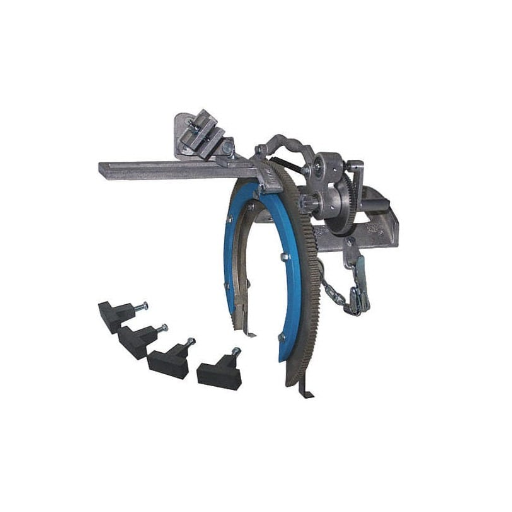
Bevels of different shapes are distinct and chosen according to the requirements of the welding application.
- Single Bevel: The bevel is suitable for welding in thinner materials, allowing welding to be accomplished with less filler metal. It is primarily used in industries where simplicity and speed are essential.
- Double Bevel: This type is primarily used with thicker materials, allowing the joint to be accessible from both sides. This beveling provides better strength and durability, and is therefore used where the joint must withstand high pressure or load.
- J-Bevel: With a curved edge, the J-bevel reduces stress concentration and the amount of filler material needed. It is used when saving cost and ensuring structural integrity are essential considerations.
- U-bevel: Similar to the J-bevel but with a greater curvature, the U-bevel is employed with very thick materials to allow proper penetration and maintain quality. It is suitable when high strength and accuracy are required.
Choosing the bevel shape affects weldability, joint strength, and success, so the selection of the bevel should be tailored to the specific job.
Different Bevel Shapes Explained
Plain bevel, single bevel, double bevel, compound bevel, J-groove, and knife edge.
| Shape | Feature | Cost | Use | Setup | Angle | Material | Strength |
|---|---|---|---|---|---|---|---|
| Plain Bevel | Simple | Low | General | Easy | Fixed | All | Moderate |
| Single Bevel | One-sided | Low | Welding | Easy | Adjustable | Metal | Moderate |
| Double Bevel | Two-sided | Mid | Heavy-duty | Moderate | Adjustable | Metal | High |
| Compound Bevel | Multi-angled | High | Complex welds | Complex | Adjustable | Metal | Very High |
| J-Groove | Curved | High | Critical welds | Complex | Adjustable | Metal | Very High |
| Knife Edge | Sharp | High | Precision | Complex | Acute | Metal | Low |
Choosing the Right Bevel Shape for Welds
The correct selection of bevel shape is necessary for producing strong and dependable welds. Recent industry information has highlighted the importance of material thickness, joint preparation, and the intended use of the weld in making this choice. For example, the V-bevel is recommended for thin materials due to its simpler design and less material removal. On the other hand, the U-bevel is used for extremely thick materials, where its curved profile allows greater penetration without losing strength.
Matching the types of bevels to welding methods, such as TIG or MIG, is emphasized by many professionals, as indicated by Google search trends. For TIG welding, which requires accuracy, a J-bevel is ideal for fitting narrow, clean joints. For MIG welding, which is primarily used in structural work, bevels such as V or X should be used to accommodate greater filler metal. However, a good understanding of what the project is about—whether loads can be placed, stress distributed, or compatible materials used— affords performance rendering and successful completion of the project.
Chamfer vs. Bevel: Key Differences
The distinction between a chamfer and a bevel is obvious, exact, and very polished: chamfers are short cuts done at 45°, while bevels are longer angled cuts whose angles can differ.
| Aspect | Chamfer | Bevel |
|---|---|---|
| Angle | Fixed (45°) | Variable |
| Length | Short | Long |
| Shape | Precise | Sloped |
| Purpose | Safety, alignment | Aesthetic, fit |
| Applications | Corners, joints | Edges, transitions |
| Tools | Chamfer mill | Bevel machine |
| Aesthetics | Minimal | Decorative |
| Material Removed | Less | More |
Beveling Methods and Machinery
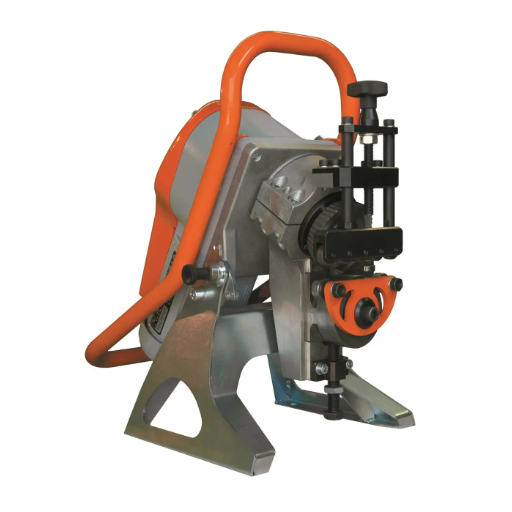
Depending on the type and thickness of the material and the project’s needs, different methods are used to form bevels. These methods generally include manual grinding, flame cutting, plasma cutting, and machining.
- Manual Grinding: Used in more minor works or whatever touch is needed, using handheld grinders to make precise bevels.
- Flame Cutting: It uses a torch to cut and bevel simultaneously and is suitable for thick materials such as steel.
- Plasma Cutting: Maximize accuracy and speed in beveling metal sheets, especially useful for complicated shapes.
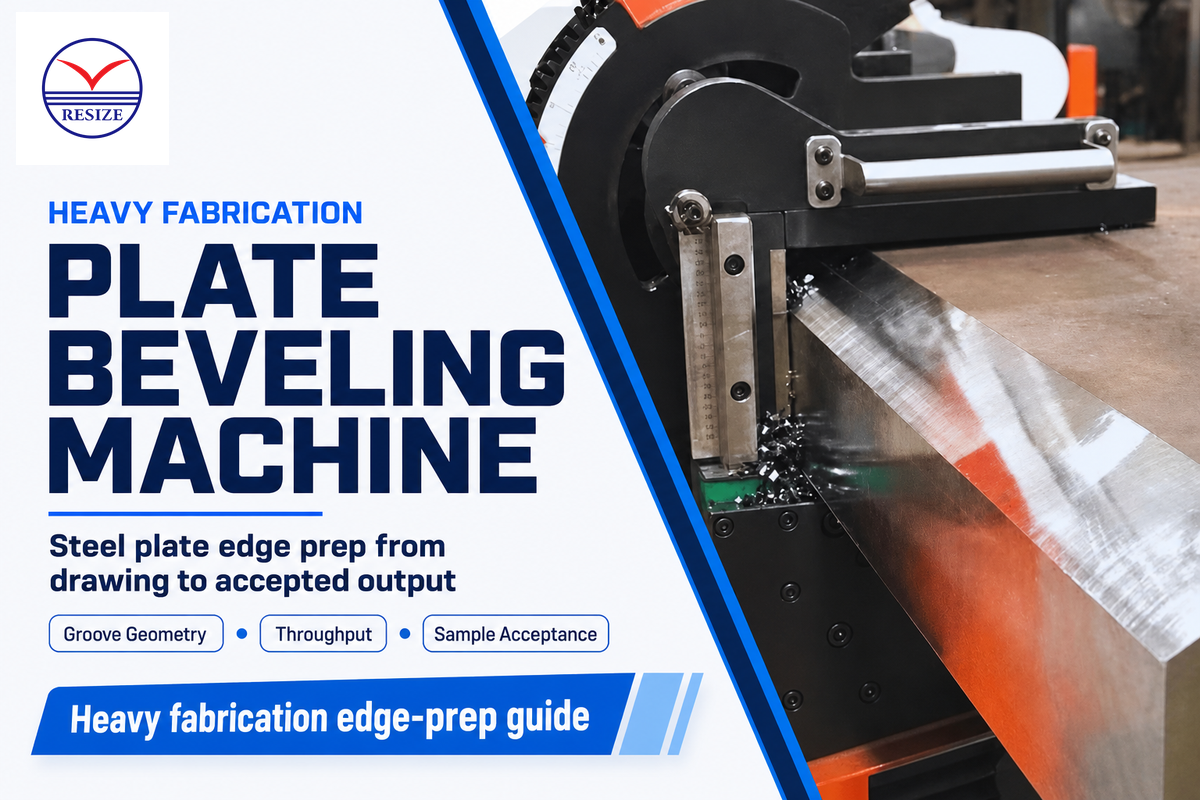
- Machining: Uses a beveling machine for fine bevels that must be very consistent for large-scale projects.
Choosing the correct method and machinery makes for efficient working processes while preserving the integrity of the material.
Overview of Beveling Methods
Combining the latest industry data with insights from Google search engine results yields a star observation of beveling. Precision and speed remain the highest priority in the development of beveling methods. In recent times, CNC beveling machines have experienced a significant rise in popularity, as they are unmatched in terms of accuracy and automation. These CNC beveling machines are suited for industries that aspire to scale up production with standardized quality.
Moreover, hybrid methods that combine plasma cutting with robotic-aided support have been gaining momentum in handling intricate designs. Manufacturers are now adopting AI-based analytics in their beveling processes for predictive maintenance and performance optimization. The bottom line is that modern methods and technologies can significantly enhance beveling efficiency as well as product quality if one keeps abreast with them.
Machines Used for Beveling Pipes
The pipe beveling industry is a precise skill, requiring exact knowledge of how to operate machines for the job with accuracy, efficiency, and versatility for a wide range of pipe sizes and materials. Among the equipment found would be the manual type beveling tool, the stationary beveling machine, and the portable pipe beveler. Manual tools are an option that consumes time and labor, but are cheaper and best suited for smaller jobs or on-site adjustments. Stationary beveling machines, primarily used in industrial settings, are designed for high-volume operations, yielding consistent and accurate results with minimal manual input.
The portable pipe bevelers, on the other hand, offer extra flexibility needed in fieldwork, allowing operators to bevel pipes directly at construction sites or in challenging locations. Modern beveling machines are equipped with several advanced features, including computerized controls and adjustable cutting angles, which simplify the process and ensure high precision of results. Further innovations in automation and artificial intelligence-powered technologies will make these machines efficient and user-friendly enough to meet the varied requirements of fields such as plumbing, oil and gas, and shipbuilding.
Advantages of Automated Beveling
- Enhanced Precision
Since human errors are drastically reduced with the above automated beveling machines, the outputs are consistently accurate. Even complicated beveling may be completed with absolute precision using computerized settings.
- Better Efficiency and Speed
Automation drastically reduces labor time, as beveling is completed faster than with manual methods. For industrial production purposes, this efficiency results in greater output.
- Reduction in Material Waste
Automated beveling constrains scrap material because it allows for precise cuts and leaves less room for error, thus enabling industries to save on costs and reduce the burden of waste.
- Lower Operational Costs
Although the initial investment may be on the higher side, the savings accrued in the long run, concerning labor, materials, and time use, result in lower operating costs and hence outweigh the investment.
- Increased Safety
Decreasing manual handling means fewer accidents and injuries, especially when considering industrial setups that involve sharp tools and heavy materials.
Best Practices for Beveling a Pipe
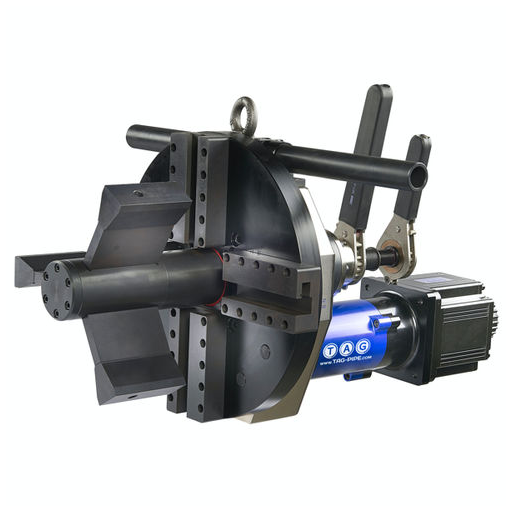
- Select the Right Tools
Whenever possible, select tools and equipment designed specifically for pipe beveling to provide greater precision, time efficiency, and safety. Common examples include hand bevelers and automated beveling machines.
- Clamp the Pipe Properly
Ensure the pipe is securely clamped to prevent movement during beveling. Movement might cause injury and does not allow the bevel to be done evenly.
- Inspect the Pipe
Before starting, inspect the pipe’s surface for damage, rust, or debris. Cleaning and inspection of the pipe helps in getting good results and prevent damage to your tools.
- Observe Angle Recommendations
Perform beveling, keeping in mind the recommended angle for your purpose, which is usually close to 37.5° in welding. Correct angles best prepare the joint.
- Be Careful
Use all necessary protective equipment, including gloves, safety glasses, and hearing protection. Follow the safety rules related to the equipment.
- Perform Quality Checks
Check for consistency, smoothness, and accuracy on the bevel once the process is done. Only a good bevel can ensure proper fitting-up and weld quality.
Common Mistakes to Avoid
- Incorrect Bevel Angle
One standard error is using an incorrect bevel angle, which can lead to poor joint preparation and reduced weld strength. Always check the prescribed angle and do not assume it is correct. Never proceed to work unless you confirm the angle with an authority.
- Skipping Safety Measures
Safety precautions are often overlooked by welders, which can be very dangerous. Equipment must be worn for the protection of the welder. The welder must put on personal protective equipment, i.e., welding gloves, goggles, and so forth, before beveling for safety reasons.
- Over-Beveling and Under-Beveling
If over-beveling is done, the joint will become weakened due to excessive removal of base material; whereas, under-beveling causes improper fit-up and inadequate penetration during welding. An inspection should always be done on the bevel for accuracy, and the bevel should be amended accordingly.
- Using the Wrong Tools
If dull or improper tools are used, the bevel may not become proper, creating a situation in which the bevel has to be reworked or the weld integrity is compromised. Verify that the tools are always suitable for the job and in good condition.
- Not Paying Enough Time to Beveling
Rushing often causes an uneven bevel and skipped checks. Good results will come from taking the time to prepare the material properly, following each step, and performing quality checks.
Avoiding these mistakes will improve efficiency in beveling and give you better welds for structural integrity in the long run.
Maintenance of Beveling Tools
Proper maintenance of beveling tools ensures their longevity, precision, and reliability. Here are five key maintenance considerations to keep your tools in pristine condition:
- Regular Cleaning
The beveling tools must be washed promptly after each job. Any contamination with metal chips or dust may lead to wear and loss of precision.
- Lubrication
Keep moving parts well lubricated to decrease friction and facilitate smooth operation. Lubricate the working surfaces with manufacturer-recommended oils or greases to prevent any damage to the working surfaces.
- Inspection for Wear and Tear
Inspect the tool regularly to detect signs of wear. Dull cutting edges or loose components must be promptly repaired or replaced to maintain efficiency and safety.
- Calibration and Alignment
Calibration and alignment need to be checked regularly to prevent any error in beveling angles. Any misalignment affects the bevel quality and later results in defects in the weld.
- Storing
Beveling tools should be stored in a dry, dust-free environment to prevent them from rusting or sustaining damage. If not in use, keep the tools in cases or covers to protect them from further damage due to physical shock.
Following these maintenance practices will help your beveling tools live long while still offering you high-quality performance consistently.
Reference Sources
- Authors: B. Stringer, Rui Liu, A. F. Aznar, P. Iglesias
- Published: 2016-11-11
- Journal: Materials Science
- Summary: This study investigates the impact of various cutting conditions on the dimensional accuracy and surface roughness of bevel gears produced through traditional milling. The research highlights the importance of adhering to specific standards for cutting speeds and feed rates to achieve optimal surface finishes and dimensional tolerances.
- Methodology: The authors conducted experiments using a standard gear-milling cutter on 1018 cold-rolled steel, measuring total lead error, profile error, and surface finish under different cutting conditions. The results were analyzed to establish correlations between cutting parameters and the quality of the machined surface(Stringer et al., 2016).
- Authors: Ning Ma, W. Xu
- Published: 2015-02-14
- Journal: Advances in Mechanical Engineering
- Summary: This paper discusses the use of electrochemical mechanical finishing (ECMF) to enhance the surface quality and accuracy of spiral bevel gears. The study emphasizes the need for standardized processes in ECMF to ensure consistent results across different manufacturing scenarios.
- Methodology: The authors analyzed the effects of various ECMF parameters on the surface finish and dimensional accuracy of spiral bevel gears, providing insights into how these parameters can be optimized to meet industry standards(Ma & Xu, 2015, pp. 709012–709012).
- Authors: S. Pathak, N. Jain, I. Palani
- Published: 2016-03-03
- Journal: Transactions of the IMF
- Summary: This research focuses on the application of pulsed electrochemical honing to improve the surface quality of bevel gears. The findings highlight the importance of adhering to specific standards for surface finish in gear manufacturing to enhance performance and longevity.
- Methodology: The study employed experimental setups to evaluate the surface quality improvements achieved through pulsed electrochemical honing, comparing the results against established standards for gear surface finishes (Pathak et al., 2016, pp. 64–69).
4. Top Milling and Beveling Machine Manufacturers and Supplier in China
Frequently Asked Questions (FAQs)
What is the process to bevel a pipe?
Beveling a pipe is the process of forming an angle on the end of the pipe, allowing for better welding preparation. The beveling method can vary depending on the thickness of the pipe wall and the desired bevel shape, such as a single j or double v. This preparation ensures that the welding process meets high production requirements and creates strong joints.
What are the different types of pipe bevels?
There are several common bevel shapes used in pipe beveling, including V-shape and J-prep. The choice of bevel shape depends on the type of pipe and the welding requirements. For instance, a double v bevel is often used for heavy-walled pipes, while lighter-walled pipes may require a simpler bevel shape.
How do pipe beveling machines work?
Pipe beveling machines are designed to automate the beveling process, making it more efficient and consistent. These machines can be stationary or portable, and they use various tools for pipe beveling to create precise bevel angles on the edges of the pipe. They can integrate easily with automated production lines to enhance productivity.
What is the right beveling angle for welding?
The right beveling angle typically falls between 30° and 37.5°, depending on the pipe wall thickness and the specific welding requirements. The angle formed at the end of the pipe gives the welder access for the root pass, ensuring a strong joint is created during the welding process.
How is a bevel end prepared for welding?
A bevel end is prepared by removing a small amount of material from the edges of the pipe, creating a surface that is plane perpendicular to the pipe’s surface. This preparation is crucial, as it enables proper penetration during the welding process, thereby enhancing the strength and durability of the joint.
What tools are used for pipe beveling?
Various tools for pipe beveling are available, including mechanical beveling machines and portable beveling tools. These tools are designed to efficiently create the desired bevel shapes, whether for aesthetic purposes or to meet safety requirements. They can also be used for deburring the cut ends of pipes.
Why is beveling important in the welding process?
Beveling is essential in the welding process as it prepares the edges of the pipe for better fusion during welding. It allows for a larger surface area for the welding material and wire to attach, improving joint dimensions and overall strength. Proper bevel preparation also contributes to a safe working environment by reducing the risk of defects.
Can beveling be performed by hand?
Yes, beveling can be prepared by hand, although it may not achieve the same level of precision as machine beveling. Hand beveling is often used for small tasks or when only a minimal amount of material needs to be removed. However, for larger production requirements, machine beveling is recommended to ensure consistency.