Repairing aluminum was always a tough one because of its peculiar nature, but it need not be if you follow the right processes with proper tools in hand. JB Weld Aluminum is your answer for minor fixes to serious repairs. This guide will assist you further with anything from a cracked aluminum frame to a leaking radiator requiring strong, durable bonding. This article will cover the basics of JB Weld aluminum repairs, including step-by-step instructions and expert tips, as well as the reasons why it is widely used by both professionals and home DIYers. Let’s dive into the tricks of flawless aluminum repairs and restore your damaged items with confidence!
Understanding JB Weld and Its Applications
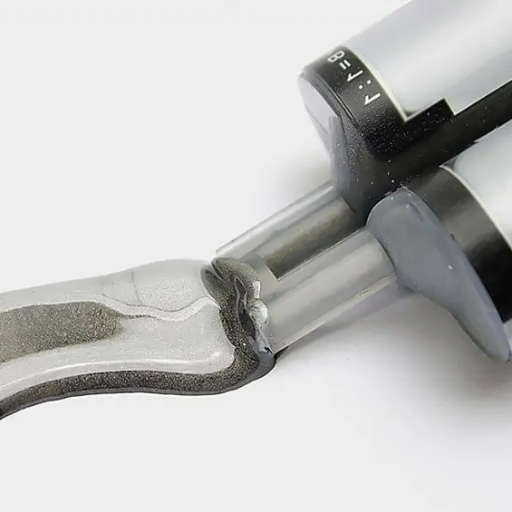
Considered the strongest epoxy with the highest versatility and durability, it is specifically prepared to bind, repair, and fill a wide range of materials, including aluminum, steel, wood, and plastic. When the two components are mixed and applied to a surface, they harden into a solid state with high strength, capable of withstanding extremely high temperatures, pressures, and adverse environmental conditions. In many uses, cracks in aluminum parts are fixed, metal tanks are sealed for leaks, and custom solutions are developed in the automotive industry, plumbing, and various household projects. Easy to apply and reliable in performance, JB Weld is the solution for both professionals and enthusiastic hobbyists.
What is JB Weld?
Among the fine powders in the vast array of two-part epoxy adhesives is perhaps the most famous, due to its tremendous strength and the broad range of applications for repair and bonding. Created first in 1969, the resin and hardener that, upon mixing, form such a strong bond that it can carry on for many materials, including metal, plastic, wood, ceramic, and many more. JB Weld is known for its high-performance resistance to extreme conditions, such as temperatures up to 550°F (287°C) and pressure, thereby making these applications inherently heavy-duty. Such functional characteristics as non-toxic, waterproof, and chemically resistant only add to its credibility. When it comes to automotive repairs, plumbing works, or general household work, this remains the preferred name to create trustworthy and long-lasting bonds.
How JB Weld Works for Aluminum
Specifically tailored for metal surfaces, JB Weld is a proven solution for aluminum edge bonding and repair work. The two-component epoxy forms a strong and lasting bond by chemically curing into a hardened composite when applied to aluminum. Here’s how it works:
The Process:
- Surface Preparation: The Aluminum surface should be ideally cleaned to remain free from oil, dirt, and oxidation. Sandpaper and a wire brush can be used to roughen the surface and improve adhesion.
- Mixing Epoxy: There are two separate components within JB Weld, resin and hardener, which need to be mixed in 1:1 portions. Upon mixing, the curing process begins immediately and therefore should be applied as soon as possible.
- Application: After mixing, epoxy is applied directly to the aluminum surface, filling gaps, cracks, and other imperfections, making it ideal for both general structural repairs and cosmetic fixes.
- Curing: After application, JB Weld needs 4-6 hours for initial setting and about 24 hours for complete hardening. The higher temperature expedites curing, but it must be kept within recommended limits, as higher temperatures may compromise the bond.
Performance on Aluminum:
When applied properly, a correctly executed set of repairs done using JB Weld can offer far more effective and cost-effective results than welding or other methods, thus giving DIY enthusiasts and technicians a competitive edge.
The Benefits of Using JB Weld for Aluminum Repairs
💪 Strong Bonding Strength
JB Weld produces a reliable, sturdy bond that will lead to long-lasting repairs able to withstand stress and pressure.
🔥 Heat and Chemical Resistance
It remains resistant to extreme temperatures and exposure to corrosive chemicals upon curing, thereby delivering expected performances in unrelenting environments.
⚡ Ease of Application
Application is simple so that any DIYer can do it, as well as a professional, thus saving time and effort on repairs.
💰 Cost-Effective Solution
JB Weld offers an affordable alternative to welding and other repair methods that would have increased the repair cost.
🔧 Wide Range of Applications
JB Weld fixes a variety of things, ranging from aluminum sheets to engine parts, with the utmost ease.
Preparing Aluminum for JB Weld Application
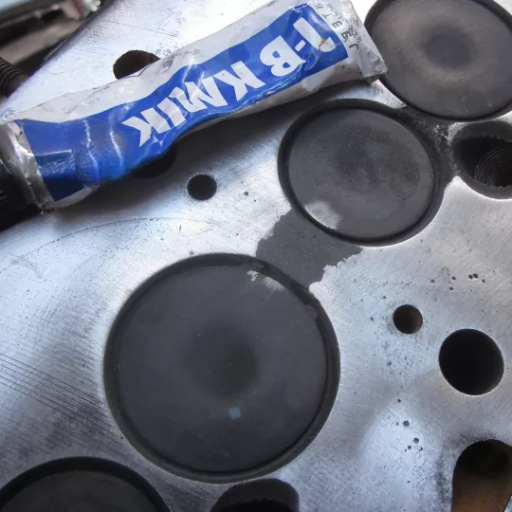
Aluminum preparation for JB Weld: clean the aluminum surface well to remove dirt, grease, oil, and whatever else, maybe a degreaser or just isopropyl alcohol will suffice. Next, roughen the aluminum surface with abrasive paper or wire brush to get good adhesion. After sanding, wipe everything off; for JB Weld application, make sure the surface is dry and free of anything that would contaminate.
Cleaning and Surface Preparation Techniques
Proper cleaning and preparation of the surface ensures a stronger and longer-lasting bond when JB Weld is applied to aluminum. Start with the selection of an appropriate cleaning agent, such as a degreaser or alcohol-isopropyl, to remove contaminants like grease, oil, and dirt. Any contaminants would hinder good adhesion, so thorough cleaning is crucial. Following this, sanding with an abrasive paper of grit 80 to 120 or creating a wire brushing texture on the aluminum surface will ensure the mechanical interlocking of the epoxy. Now, gently wipe off the sanding dust with a lint-free cloth before application. When using JB Weld bonding, ensure the surface is free from all residues and completely dry for optimal results.
Choosing the Right JB Weld Product for Your Repair
Choosing the right JB Weld product depends on the substrates and specifications for your repair. Whenever metal work is involved, such as bonding aluminum or steel, the Original JB Weld two-part epoxy is often the preferred choice, given its high tensile strength and resistance to heat and chemicals. For repairs involving plastics or other non-metal surfaces, JB Weld Plastic Bonder may be the ideal solution, as it is specifically designed for plastic bonding and features short curing times. For very minor fixes that require an instant hold, JB KwikWeld is also suitable, setting in 4-6 minutes and followed by a tough, durable bond. Another option is JB Weld ClearWeld, which works not only where clear finishes are required but also when bonding glass or ceramics. Always check the product specifications and curing time against the repair requirements.
Common Mistakes to Avoid When Preparing Aluminum
⚠️ Critical Mistakes to Avoid:
- Skipping Surface Cleaning: If this step is skipped, oils, greases, or dirt may remain on the surface, and these impurities will subsequently interfere with adhesion or cause weak bonding. Always ensure that the surface is cleaned with either a degreaser or isopropyl alcohol.
- Overlooking Oxide Removal: In just a few minutes, aluminum develops a thin oxide film on its surface, which could harm bonding or coating. Make sure you remove this by sanding, wire brushing, or applying the appropriate chemical etchant.
- Using Wrong Abrasive: The coarser the abrasive, the more it can gouge aluminum surfaces, compromising structural integrity or causing unsightly damage. Prepare to choose abrasives with textures sufficiently fine for aluminum.
- Ignoring Drying Protocol: After any degreasing, coating, or other treatment application, the treated surface must be thoroughly dried to prevent inappropriateness or unevenness of adhesion. After cleaning, ensure that the surface is dry.
- Ignoring Temperature and Humidity Conditions: Extreme temperature or high humidity levels can affect adhesive, coating, or welding processes. Always check if the suitable condition is met for your work.
Step-by-Step Guide to Using JB Weld on Aluminum
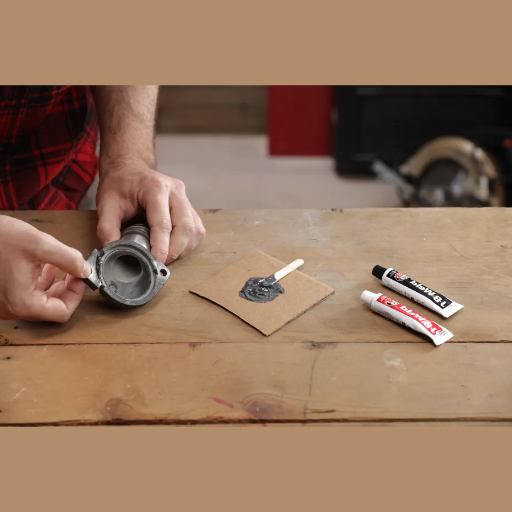
Complete Application Process
1
Clean Thoroughly
Depending upon the nature of contaminants on the aluminum surface, one could clean it using anything from simple soap and water to a degreaser. Ensure the aluminum is thoroughly rinsed and dried, leaving no residue behind.
2
Prepare the Aluminium Surface
The aluminum surface should be sanded with fine-grit sandpaper to achieve a very slight texture, which allows for better adhesion of the JB Weld. Drive any dust away with a cloth.
3
Mixing JB Weld
Squeeze equal parts of epoxy and hardener of JB Weld onto a disposable surface or mixing tray. With a disposable tool, such as a wooden stick, mix thoroughly until the color is uniform.
4
Application of JB Weld
Using a spatula or another applicator tool, apply the JB Weld to the surface of the prepared aluminum. Make sure the adhesive is spread evenly over the entire area.
5
Clamping the Pieces Together
For two aluminum pieces to be joined, they need to be pressed together with clamps holding them firmly in place. This is an important step, as the adhesive will set very quickly, and if anything moves out of alignment at this point, the job will be irreparable.
6
Letting the Epoxy to Set
Have it set for at least 15–24 hours, undisturbed, at room temperature. Never handle or put stress on the joint during the curing time.
7
Bond Check
A thorough check of the binding should be done after curing, once its strength and security are guaranteed. If desired, sand or paint the bonded surface for a refined finish.
Setting and Curing Times: What to Expect
⏰ Timing Guidelines:
The setting and curing times greatly influence the strength and durability of the bond. The initial setting typically takes anywhere between 4 and 6 hours, during which the epoxy becomes hard enough to hold the two surfaces together. Complete curing, however, can take up to 15 hours or even more, depending on the product and environmental factors such as temperature and humidity. Strict adherence to the manufacturer’s instructions regarding curing is necessary, as strong bonding depends on following these instructions. The bonded surfaces should never be disturbed or stressed until the epoxy has been thoroughly cured.
Tips for Achieving Strong and Long-Lasting Aluminum Repairs
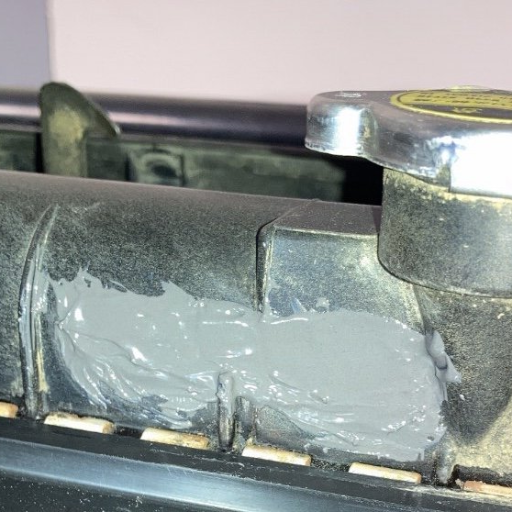
🧽 Clean the Surface Thoroughly
Ensure the aluminum surface is completely clean and free from dirt, grease, oil, and rust. Use a degreaser and scrub the area to allow for maximum adhesion.
🪚 Sand the Surface for a Better Grip
Sand lightly on the aluminum surface, just enough to give it a slightly rough texture. This lets the epoxy or adhesive form a stronger bond due to the increased surface area of adhesion.
🎯 Select the Perfect Adhesive or Epoxy
Select a fine adhesive or epoxy specifically designed for aluminum or metal repairs. Ensure the product meets the specific needs of your repair, such as heat and moisture resistance, or resistance to mechanical stress.
🔬 Mix the Epoxy Carefully
Follow the manufacturer’s instructions carefully when mixing a two-component epoxy. Any deviation would weaken the bond and compromise the durability of the repair.
⏳ Allow Proper Curing Time
Allow the epoxy or adhesive to cure properly in full respect of the manufacturer’s instructions. Any premature stress to the bond would weaken the long-term strength and reliability.
Techniques for Strengthening the Bond
- Surface Preparation: Ensure the surface is clean, dry, and free from grease, oils, and any other materials that may contaminate it. Light sanding will help by creating a rough texture on the surface.
- Mix Properly: In two-part epoxies, resin and hardener must be mixed thoroughly and in the correct ratio for maximum bonding strength.
- Application: Applying glue evenly to the surface is crucial to prevent the formation of weak spots in the joint.
- Use Clamping: Clamp or weigh down the pieces being bonded during curing to maintain pressure on the bond and keep them in alignment.
- Allow Full Cure Time: Remember to respect the curing time recommended by the manufacturer, allowing the bond to develop its maximum strength before use.
Maintaining and Testing Your Repairs
Regular maintenance and testing ensure the prolonged durability of repairs and the sustained integrity of the bond between. The repair area must be inspected regularly for signs of wear, such as cracking, peeling, or weakened adhesion. Any problems identified should be addressed immediately to prevent further damage. Clean the surfaces with gentler cleaning materials to avoid compromising the adhesive. While testing the repair strength, gradually increase the pressure or load to ensure the repaired bond functions well without failure under the loading conditions specified by the repair. Follow the manufacturer’s guidelines for all maintenance and performance checks to give your repair the best chance of success.
Common Use Cases for JB Weld on Aluminum
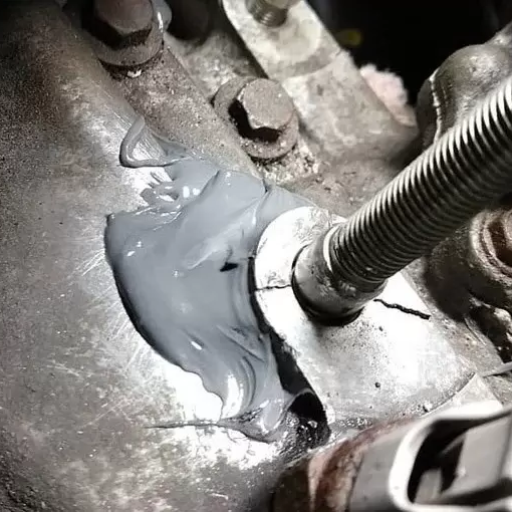
JB Weld is by far the best aluminum repair adhesive for cracks, holes, and leaks on engine parts, radiators, and aluminum housings, among other applications. It also bonds aluminum to other materials used in a project when aluminum welding is not possible. Other areas where JB Weld is applied include patching aluminum pipes, filling stripped threads, and reinforcing aluminum joints. This element, due to its strength and durability, remains a solution for general and household repairs.
Repairing Aluminum Parts in Automotive Applications
🚗 Automotive Repair Process
The surface must be well prepared when repairing aluminum parts in automotive applications. The damaged area must first be degreased of oil, dirt, and debris. Light sanding with fine-grit abrasive paper can help promote adhesion. Apply JB Weld or a similar epoxy interface to the clean surface, ensuring the entire surface is completely coated. Allow the adhesive to cure completely for the time specified by the manufacturer. This method works very well for repairing cracks, leaks, or strengthening components such as the radiator and engine parts, and it supplies a highly durable and reliable repair. When using adhesives, always adhere to the precautions mentioned.
Use JB Weld for Household Aluminum Repairs
JB Weld can repair aluminum household items, including cookware, framing, and outdoor furniture. First, clean the area to be fixed of any dirt, grease, or residue. Next, roughen the surface using fine-grit sandpaper to ensure better adhesion. Mix the JB Weld epoxy as directed, apply it evenly over the damaged area, and make sure the parts stay in place until the adhesive cures completely. After curing, it will form a strong bond, protecting against damage that can occur through routine use. Operate the product continuously, following the instructions for optimal results.
Industrial Applications of JB Weld on Aluminum
Being a versatile compound, JB Weld has strong industrial applications in aluminum repairs due to its bonding strength and resistance to demanding environmental conditions. It finds application in automotive works, for instance, where aluminum components, such as engine blocks, radiators, and oil pans, require quick or on-site repair. Manufacturers also employ the solution to fix machines, bond broken aluminum parts, or fill cracks on equipment. It arrests heating, vibrations, and chemical activities, all of which would negate its use if encountered in any industrial environment. Better ranked than part replacement in options, JB Weld, therefore, assists in minimizing downtime and optimizing efficiency in various fields.
Reference Sources
-
AlphaWeld Blog: Can I Use JB Weld to Repair Aluminium? – This blog discusses the extent and limitations of using JB Weld for aluminum repairs.
-
YouTube Tutorial: How to JB Weld Fix Cracked Cast Aluminum – A video guide demonstrating the process of repairing cracked cast aluminum using JB Weld.
-
AlphaWeld Blog (Alternate Entry): Can I Use JB Weld to Repair Aluminium? – Another detailed discussion on the feasibility of JB Weld for non-structural aluminum repairs.
- Top Welding Positioner Manufacturers and Supplier in China
- Guide for Types of Welding
Frequently Asked Questions (FAQs)
🎯 Conclusion
JB Weld offers an excellent solution for aluminum repairs, providing strong, durable bonds that can withstand extreme conditions. By following proper preparation techniques, application methods, and curing protocols, you can achieve professional-quality repairs for automotive, household, and industrial applications. Remember that surface preparation is key to success, and always allow adequate curing time for optimal bond strength.