Welding sheet metal requires precision, skill, and the appropriate tools to achieve strong, clean, and durable welds. Whether you are an experienced welder or just a beginner, mastering this craft opens countless avenues for designing and repairing nearly every kind of metal project. This blog will discuss the primary techniques, tools, and working methods that each welder must know to weld sheet metals efficiently and safely. We will discuss the unique challenges of working with thin materials, which require special technical considerations in a thin-welding environment. Additionally, we will provide guidance on selecting the appropriate equipment for your purpose and offer key insights to enhance your workmanship. Let us prepare these extra skills and face your next project heroically!
Understanding the Welding Process for Sheet Metal
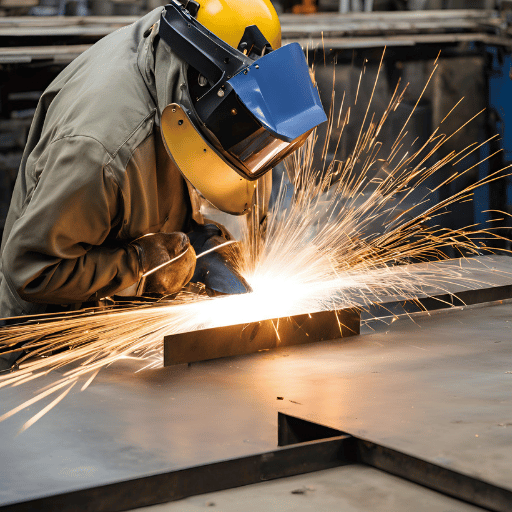
The welding procedure for sheet steel requires meticulous attention and an understanding of its unique characteristics. Preparation of the metal surface involves cleaning it of dirt, rust, grease, and other contaminants to achieve a robust joint. Thin metals require welding techniques specifically designed for thin materials, such as TIG welding for precision or MIG welding for fast welding. The heat setting needs to be on the lighter side to prevent warps or burn-throughs, due to its high sensitivity to heat. Wearing appropriate safety gear is essential to ensure protection, including gloves, a welding helmet, and suitable clothing. With all the necessary preparations and a good welding technique, one can have clean and strong welds on their sheet metal project.
Overview of Sheet Metal Welding
Sheet metal welding is a matter of practice, precision, and equipment to create strong and reliable welds. TIG (Tungsten Inert Gas), which is faster and more controlled, while clean, is one of the standard sheet welding techniques, along with MIG (Metal Inert Gas) welding, which is characterized by fast welds and high efficiency.
Specific welding techniques are preferred depending on the project’s thickness and requirements. Before commencing welding, the surface must be prepared by cleaning the metal of any dirt, oil, or oxidation that may affect the weld quality. Heat settings should then be adjusted to prevent warping or burn-through, as sheet metal deforms quickly when exposed to high temperatures.
Safety is considered paramount; therefore, it is essential to wear welding helmets, gloves, and appropriate clothing when welding. Ventilation is further required to prevent inhaling any fumes that are harmful to one’s health. With the right approach to materials and technique, sheet metal welding can yield an aesthetically pleasing and permanent outcome.
Importance of Proper Techniques
Sheet metal techniques must be accurate for the work to be done precisely, reliably, and safely. When working on sheet metal, even the slightest mistake can lead to losses related to basic human errors, material wastage, structural faults, or visual imperfections. Using proper tools and techniques helps avoid damaging the material, which may become warped or cracked during cutting, bending, or welding. Also, being knowledgeable about new tools and technique enhancements increases efficiency and yields better results. Perfecting these techniques is essential to producing excellent work and, therefore, establishing a safe workplace. Incorrect procedures and shortcuts can lead to accidents. Investing time in learning and applying proper techniques will always yield better results and mitigate risks on any sheet metal tasks.
Factors Affecting the Welding Process
Material Type
The type of material being welded, such as steel, aluminum, or stainless steel, affects the welding methods, the required temperatures, and the filler materials used.
Welding Processes
The method of welding, such as MIG, TIG, or stick welding, affects the strength, precision, and attractiveness of the weld.
Heat Input
The heat applied during welding has to be rigorously regulated to prevent weld deformation, cracking, or weak joints.
Welding Position
Depending on whether the welding is in a flat, horizontal, vertical, or overhead position, it changes the level of difficulty and how to tackle the weld.
Environmental Conditions
Humidity, wind, and ambient temperature can significantly impact the quality of the weld, particularly in outdoor projects. Some precautions might be required for consistency.
MIG and TIG Welding for Thin Sheet Metal
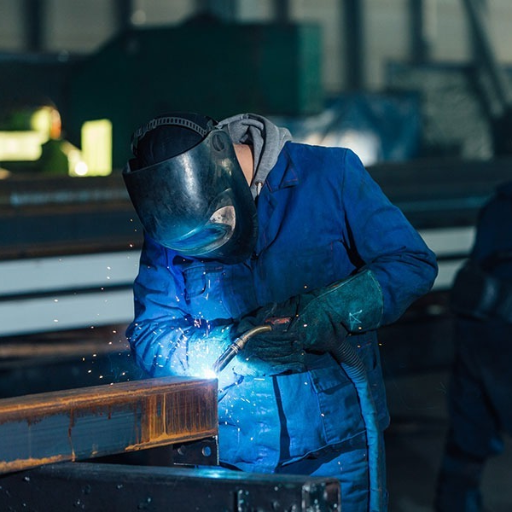
Welding thin sheet metal has its own set of pros and cons for both the MIG and TIG processes, depending on the project’s requirements.
MIG Welding tends to be faster and somewhat easier to learn. Therefore, if one is working on larger jobs or less intricate designs, this method would be the best choice. Almost continuously, a good weld can be achieved in mild steel and aluminum. However, it’s tough to control, and burn-through might occur if one sets too high under heat.
Conversely, TIG Welding offers maximum control and precision, hence it is highly recommended for designing or fine art pieces. Thin materials are ideally suited for this purpose and produce clean, high-quality welds with minimal distortion. This method requires advanced skills and is relatively slow compared to the MIG combination; however, TIG’s flexibility for various positions and metals is essential for very detailed work.
To conclude, MIG is renowned for its speed and efficiency, whereas TIG is recognized for its precision and quality in thin sheet metal applications.
What is MIG Welding?
MIG welding or Metal Inert Gas welding constitutes one of the very few widely used welding processes wherein a continuous, consumable wire electrode is fed through a welding machine. This electrode melts and joins two metals simultaneously, whereas a shield gas, usually argon, carbon dioxide, or a mixture of the two, shields the weld pool from contamination. It is regarded as very simple and fast, making it one of the few that offer high productivity for beginners as well as seasoned welders working on projects. It is used for welding thicker materials and is most typical in industrial welding, such as automotive repair, construction, and manufacturing. This process allows welds to be performed quickly, cleanly, and with little effort, so it is widely employed for big projects or in situations where speed and productivity matter.
Benefits of MIG Welding for Sheet Metal
- ✓
Precision and Control: In the realm of welding, MIG offers the utmost precision and control that is needed when one wants to weld thinner sheet metal without causing damages or distortion to the sheet. - ✓
Speed and Efficiency: The moderate rate at which welds are laid can be maintained so that welds are both solid and beautiful. - ✓
Easy to Operate: It is the easiest of the welding processes to learn and operate, which makes it accessible to the professionals as well as the hobbyists working with sheet metal. - ✓
Less Spatter: The use of MIG welding results in much less spatter compared to the other welding processes, leaving almost spotless joints to be dealt with after welding. - ✓
More Metal: This method can work with almost every metal used in sheet metal fabrication, such as aluminum, stainless steel, and mild steel.
What is TIG Welding?
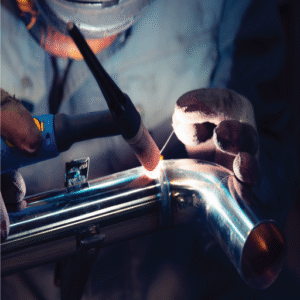
TIG welding, alternatively known as GTA welding, is a high precision welding process that promotes joining by non-consumable tungsten electrode. The inert gas shields the area formed, protecting it against contamination from the atmosphere. Commonly, argon or a mixture of argon and helium is used as the shield gas. Because TIG welding can produce welds with great strength and accuracy, welding engineers use this welding technique for highly critical applications in aerospace, automotive, and artistic fabrication.
This method of welding is particularly well-suited for joining thin materials and non-ferrous metals, such as aluminum, magnesium, and titanium, as well as stainless steel. Though TIG is a more skillful and slower process than most other weldings like the MIG, the level of precise control over the weld pool and filler application is just unmatchable. The new generation of TIG welders supports the use of modern technologies and processes, such as pulsed current and high-frequency starts, to improve performance, increase efficiency, and ease the welding process, demonstrating how this reliable welding technique continues to evolve.
Essential Tools and Equipment for Welding Sheet Metal
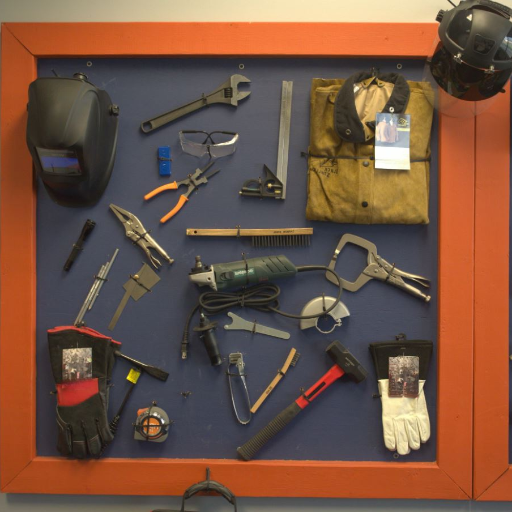
To achieve a perfect weld on sheet metal, any welder requires a comprehensive setup that includes a TIG or MIG welder, a welding helmet with an auto-darkening feature, welding gloves, and protective clothing. Other essential items include clamping devices, metal shears, and a hammer and dolly for shaping the metals. The work surface must be clean, and appropriate filler rods or wires for the metal type are needed for excellent and accurate welds. Proper ventilation systems, along with a fire extinguisher, should always be included on the safety checklist.
Must-Have Tools for MIG and TIG Welding
Safety Equipment
- Welding Helmet with auto-darkening feature
- Heat-resistant welding gloves
- Protective clothing and welding shoes
- Fire extinguisher
Welding Equipment
- MIG or TIG welding machine
- Gas cylinders and regulators
- Filler rod or wire
- Ventilation system
Tools & Accessories
- Clamps for holding metal pieces
- Metal shears
- Hammer and dolly set
- Wire brushes and angle grinder
Workspace Setup
- Clean, sturdy welding table
- Measuring tools (tape measure, ruler)
- Welding pliers
- Proper lighting
Choosing the Right Welding Machine
Identify and select the best welding machine based on several factors, such as the type of welding you wish to practice, the materials with which you intend to work, and your skill set. MIG welding is often recommended for beginners or for light jobs because it is easier to use and more versatile. TIG welders are ideal for achieving precise aiming with thin metals like aluminum or stainless steel. Stick welders are highly durable and suitable for use in outdoor or less controlled environments, particularly for heavy-duty work. Also, consider the power source for your machine: is it 110V, 220V, or dual voltage? What is the duty cycle, i.e., how long it can run continuously? Consider matching the machine capabilities to the requirements of your project to produce high-quality welds efficiently.
Protective Gear and Safety Equipment
Safety is the foremost concern for any welder. A welding helmet with the proper shade must be worn at all times, as the ultraviolet and infrared radiation may cause irreparable damage to the eyes and face. Gloves made of flame-resistant material, as well as a welding jacket, ought to be used for the protection of the hands and body against the heat, sparks, and spatter. Steel-toed boots with an anti-slip sole are best for foot protection and stability. Ear protection must be worn in noisy areas; good ventilation must be established, or a respirator must be worn if fumes are present. As much as possible, safety should be the top priority to minimize risks and ensure productivity.
Safety Tips and Best Practices in Sheet Metal Welding
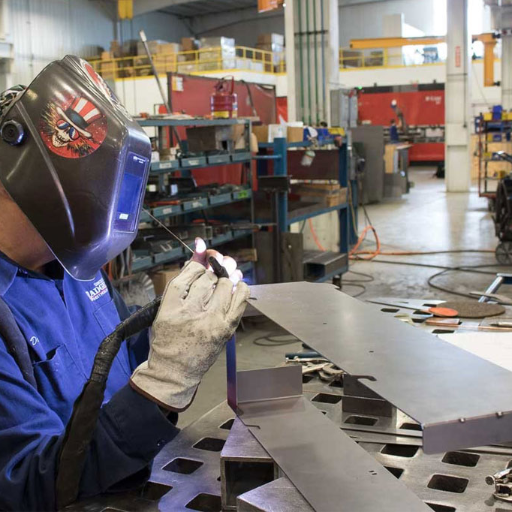
Essential Safety Guidelines
- Wear Proper Personal Protective Equipment (PPE): Always use appropriate PPE, including welding helmets, gloves, jackets, and steel-toed boots, to protect yourself from sparks, heat, and radiation hazards.
- Ensure Proper Ventilation: Work in a well-ventilated room or use a fume extraction system to avoid inhaling welding fumes that can be hazardous.
- Inspect Equipment Regularly: Inspect your welding tools and machinery for any defects or damages before commencing work to ensure their safe and efficient operation.
- Work on a Stable Surface: Ensure the use of a stable and level workbench to hold the sheet metal firmly and prevent any unwanted movement.
- Keep a Fire Extinguisher Nearby: Always keep a fire extinguisher nearby, in case a fire starts due to sparks or heat.
Common Hazards in Welding
Best Practices for a Safe Welding Environment
A welding site can ensure safety when all requisite safety rules are observed and adequate protective measures are taken. Some suggested safety measures for welding would be:
Using Personal Protective Equipment (PPE)
Always wear a welding helmet with the correct shade filter, heat-resistant gloves, a long-sleeved jacket, and protective footwear to shield against heat, spatter, and UV radiation.
Ensure Proper Ventilation
Since fumes generated during welding contain harmful chemicals, the area should be well-ventilated, or some fume extraction systems should be in place so as to prevent respiratory hazards.
Check Equipment Regularly
Regular inspection of welding tools for any damage to cables, connections, and other components should be conducted to prevent malfunctions and electrical hazards.
Keep the Work Area Clean
The workspace should be cleaned of anything combustible or clutter so as to lessen potential fire hazard or accidents.
Practice Correct Procedures: Gas cylinders should be handled with care, use only recommended pressure levels, and follow manufacturer instructions for use of welding equipment.
By following the recommended procedures, welders can significantly contribute to reducing the hazards associated with welding, creating a safer and more effective working environment.
First Aid and Emergency Procedures
While working with sheet metal welding, the first rule to follow is to be prepared for possible emergencies to guarantee the safety of all involved persons. The emergency protocols include:
Burn Treatment
The most common injuries are burns. Cool the area immediately with cold, running water for 15 minutes. Do not apply ice as it may injure the tissue further. Cover the burn with a sterile, non-stick dressing. Seek further medical attention in cases of severe burns.
Eye Injuries
Exposure to intense light and sparks will cause either arc eye or the entrance of foreign debris into the eye. For arc eye, protect the eyes from more exposure and depending on advice, use lubricating eye drops. In cases involving debris, wash the eye out with clean water or saline solution. Do not attempt to remove any embedded objects; seek professional medical assistance.
Cuts and Lacerations
Should a worker get a cut, hold a sterile cloth against the injury to stem bleeding. Once bleeding has been controlled, clean the wound and protect it with a sterile dressing. Have it examined further if it is deep or continues to bleed.
Fume or Gas Exposure
If symptoms resemble fume and gas inhalation, such as dizziness, difficulty breathing, or nausea, take affected workers immediately to the fresh air. Call emergency services if they stop breathing and carry out CPR.
Emergency Shutdown Procedures
Ensure that everyone at work knows how to shut down welding equipment promptly in the event of an emergency. This could avoid further hazards such as fire or electrocution.
Fire Response
Have appropriate fire extinguishers nearby (Class D for combustible metal fires) and train all workers on their use. Should a fire start, evaluate the situation and either extinguish it or evacuate, then call emergency responders if the hazard cannot be safely contained.
Following in writing these protocols and procedures as part of agreed rules of conduct allows effective responses to accidents by workers and supervisors alike, with the resulting minimization of harm and timely medical intervention, where needed.
Challenges in Welding Thin Metal and Solutions
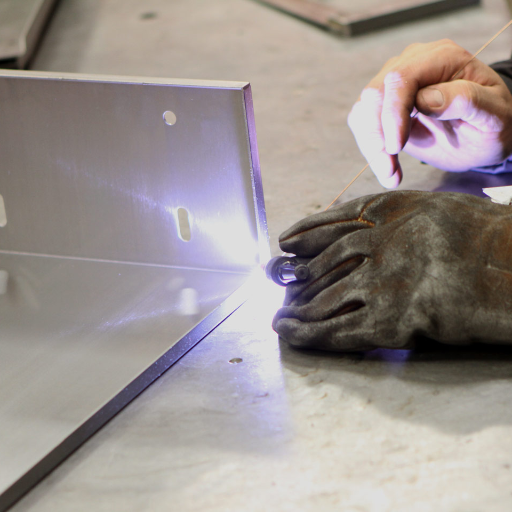
Welding thin metal faces problems such as warping, burn-through, and loss of structural integrity. Because the heat is so intense and the metal is thin, it tends to distort and get damaged. Techniques welders can use to combat these issues include reducing heat input, primarily by lowering the amperage; pulse welding for better control of the heat; and using heat sinks to disperse the heat evenly. Additionally, selecting the correct filler material and achieving a very tight joint fit-up can result in immaculate welds that are remarkably smooth. Preparation must be careful, and practice will help to master the welding of thin metals.
Common Challenges Faced When Welding Thin Sheet Metal
Techniques to Overcome Distortion
Some of my techniques to prevent distortion while welding thin metal include tack welding in strategic places along the joint to minimize movement and allow the material to settle. Welding sequence methods such as backstepping work well for heat distribution and subsequent reduction of distortion. It will actually contribute to overheating if one raises the temperature of the weld. Therefore, one must control heat input by keeping the welding amp low and making thin weld beads. These clamping devices are the easiest way to keep the parts locked together and aligned during welding. Identifying these methods enables me to weld with utmost accuracy and without distortion.
Tips for Achieving Strong Welds
Cleaning the Base Material
Removing any rust, oil, grease, or contaminants will ensure correct weld penetration and reduce the likelihood of defects.
Selection of Correct Filler Material
Use a filler material that corresponds to the base one to create a stronger bond and complement it.
Use Correct Welding Parameters
Welding parameters, such as amperage, voltage, and travel speed, should vary according to the base material and base thickness for optimal welds.
Good Welding Technique
Moving your hand steadily with consistent speed would allow a uniform weld formation, using the proper torch or electrode angle for welding.
Examination of Work
Check for existing cracks, porosity, or any other defects and immediately rectify any such problem to avoid the formation of weak joints.
Frequently Asked Questions (FAQs)
Master Your Welding Skills Today!
With the right techniques, tools, and safety practices, you’re well on your way to creating professional-quality welds on sheet metal. Remember to prioritize safety, practice consistently, and never stop learning new techniques to improve your craft.
Reference Sources
-
Welding Sheet Metal Guide (Updated for 2025) – This guide explores various methods of welding sheet metal and explains what to expect from each.
-
Sheet Metal Welding Methods Explained – Covers MIG, TIG, Spot Welding, and Plasma Arc Welding techniques.
-
The Beginner’s Guide to Welding Sheet Metal – A comprehensive guide for beginners, detailing necessary gear and step-by-step processes.