Welding is a series of iterative motions that require creativity and acumen, which are seminal to many industries, including the automotive, construction, aerospace, and beyond. Simply put, it is joining materials (usually metals or thermoplastics) by applying extreme heat, pressure, or both. However, welding is actually much more than just binding parts together; one needs to know a myriad of techniques, complex fabrication methods, and the characteristics of the materials to retain the structural integrity and precision required. This article aims to provide a comprehensive overview of welding, from its definition to the importance of fabrication, and then elaborate on various welding techniques, including MIG, TIG, arc welding, and others. Whether you are a seasoned welder, an engineering student, or just curious about that ever-changing field, this guide will undoubtedly enhance your understanding of the welding process and its implications in the fabrication of functional and strong products from raw materials.
Introduction to Welding
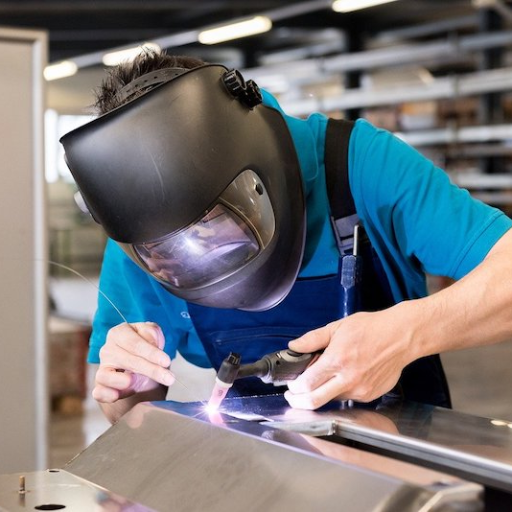
Welding is a fabrication process used to join materials, mostly metals or thermoplastic polymers, through the application of intense heat. Sometimes pressure is also applied. The process basically melts the base material, along with a filler material if used; upon cooling, a strong joint forms between two pieces of material. It is a fascinating process in construction, automotive, aerospace, and manufacturing sectors. This ensures that the product or infrastructure maintains its strength and functionality. Various welding processes depend on the materials present, the welding equipment used, and the specific requirements of the particular application area.
Definition of Welding
Welding is a precise fabrication process that joins materials, primarily metals or thermoplastics, by applying intense heat and, in some cases, pressure to create a solid and lasting bond. Welders employ numerous high-end techniques to meet current needs, with laser beam welding (LBW), friction stir welding (FSW), and gas metal arc welding (GMAW) being just a few examples. Such processes are necessary to improve speed and precision, as well as to weld newly engineered alloys and composites used in areas such as aerospace, automotive, and renewable energy. Research on robotic and automated welding systems highlights their importance in optimizing production cycles, ensuring consistency, and minimizing material waste. Thus, welding is indispensable in the transformation of engineering and industrial applications.
Importance of Welding in Modern Industries
Welding is crucial for constructing and maintaining infrastructure, as well as for manufacturing and technological innovations across various industries. Welding sets the foundation for infrastructure like buildings, bridges, and pipelines and assembles precision parts in aerospace, automotive, and renewable energy sectors. Modern welding technologies, such as laser beam welding, friction stir welding, and ultrasonic welding, meet the demands for high-strength joints, lightweight materials, and durability. On the other hand, welding automation and robotics help streamline production, reduce human error, and improve cost efficiency. These welding processes evolve to meet contemporary engineering needs while minimizing waste and promoting sustainability. That brings the application of welding in industrialization into the limelight.
Overview of Welding Work
The welding work involves joining materials, usually metals or thermoplastics, by applying heat, pressure, or both to create a strong joint. Present-day welding techniques include methods such as MIG (Metal Inert Gas), TIG (Tungsten Inert Gas), and arc welding, each with its own pros and cons depending on the type of material used and the application. Welders prepare, assemble, and weld components to meet technical specifications, ensuring dimensional accuracy and structural integrity. Safety practices, such as wearing the appropriate protective clothing and taking necessary precautions against hazards like intense heat and fumes, play a significant role in welding operations. This is a flourishing industry with ever-brightening prospects, as laser welding, robotic welding, and other technologies are increasingly adopted to meet high-performance requirements across aerospace, construction, and automotive manufacturing.
Significance of Welding Across Industries
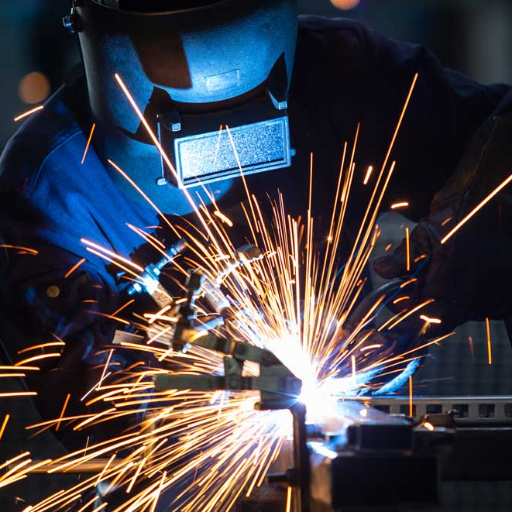
In various industries, welding serves as the backbone upon which the fabrication and repair of essential parts and structures are carried out. The aerospace field involves preparing welds on aircraft parts to ensure they can withstand extreme stress and temperature. Building construction consists in welding the steel framework for bridges and infrastructure, whereas the automotive industry relies on welding for vehicle frames that require reliability and efficiency. Welding activities also play a role in the energy sector, including pipelines, power plants, and renewable energy systems. Hence, it wants welding for precision, structural integrity, and operational efficiency across varying fields.
Welding in Construction
In construction, a weld assembles and strengthens a structure to provide strength and stability. Primarily, welding is used to join steel members for buildings, bridges, and supporting beams. Both arc welding and gas welding are preferred because of the high degree of accuracy they afford. The joints secured using these methods must withstand heavy loading and environmental impacts, as they are essential for the safety and lifespan of construction projects.
Welding in Automotive Manufacturing
In the automotive industry, welding enhances the structural and performance criteria of a modern vehicle. A series of welding methods, including spot welding, laser welding, and friction stir welding, is employed to affix two materials together, which may range from high-strength steel to lightweight aluminum alloys. Spot welding is primarily used in assembling car body panels because the process is fast and precise, enabling assembly lines to achieve rapid production cycles. Laser welding is capable of producing strong and clean welds, hence it is more suitable for joining complex vehicle frame components and joints. Additionally, welding in the automotive industry has evolved with the advancement of automation and robotics, resulting in increased accuracy and reduced production times to an unprecedented level. These developments thus ensured that vehicles meet the various safety requirements while also working in their favor in terms of performance and sustainability.
Welding in Aerospace Applications
Welding in aerospace applications necessitates ultimate precision and reliability. Advanced materials, such as titanium, aluminum, and nickel-based superalloys, are selected for welding in aerospace applications due to their high strength-to-weight ratios and resistance to extreme temperature conditions. Electron beam welding (EBW) and laser welding are two techniques frequently used in this industry to weld with precision and integrity, creating welds with minimal or no heat-affected zone.
The aerospace structures, including aircraft fuselages, engine components, and rocket assemblies, are subjected to enormous stresses and other environmental challenges. To meet the requirements above, NDT methods such as ultrasonic testing, radiography, and dye penetrant inspections are employed to assess weld quality and detect any potential flaws. There evolves an enormous need for automated welding systems, Leonardo said, coupled with robotic controls interfaced with artificial intelligence-driven process controls, offering even greater consistency and reliability through human error avoidance in the current aerospace manufacturing platform.
Types of Welding Processes
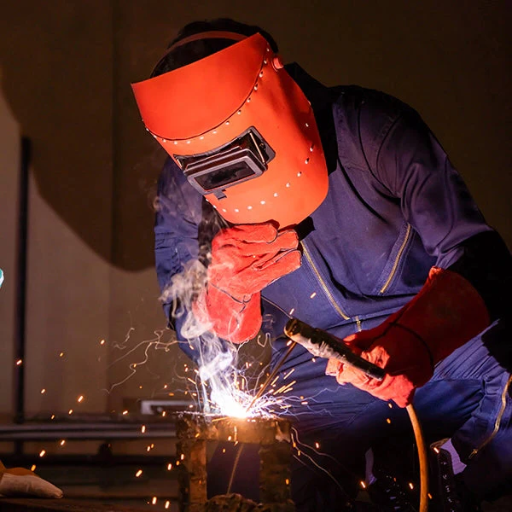
Welding processes include arc welding, gas welding, resistance welding, energy beam welding, and solid-state welding.
| Type | Definition | Key Feature | Uses | Advantages |
|---|---|---|---|---|
| Arc Welding | Uses an electric arc | High heat | Structural steel | Cost-effective |
| Gas Welding | Oxy-fuel gas flame | Portable | Pipe repair | Versatility |
| Resistance Welding | Heat via resistance | Fast process | Automotive industry | Strong bonds |
| Energy Beam Weld | Laser/e-beam focus | Precision | Aerospace/medical | Minimal waste |
| Solid-State Weld | No melting process | Durable bonds | Aircraft components | High strength |
MIG Welding: Applications and Benefits
- The automotive industry: With the speed and efficiency offered by MIG welding, it becomes a top choice for manufacturing and repairing vehicle frames and components.
- Construction: It finds applications in structural elements, such as steel beams and girders, generating welds that are both strong and efficient.
- Manufacturing: In addition to machinery and consumer goods manufacturing industries, MIG welding can ensure consistent welding on a wide range of metals.
- Shipbuilding: Knowledge of steel plate joining and ship structure construction on large-scale projects is utilized.
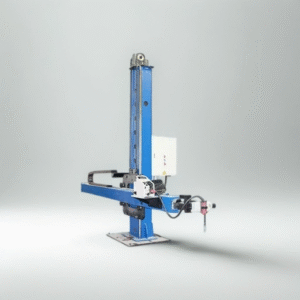
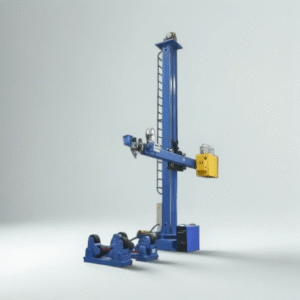
- Robotic Welding Systems: MIG welding plays a crucial role in automated robotic systems, particularly in industries where high levels of precision and repeatability are essential.
TIG Welding: Unique Features and Uses
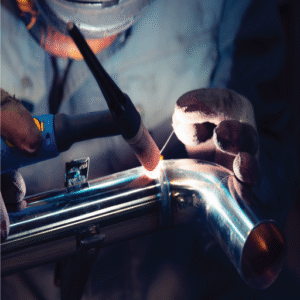
TIG welding, also known as GTAW, is a high-precision welding process that utilizes a non-consumable tungsten electrode to perform the weld. This process creates top-quality welds while minimizing spitting, making it suitable for projects where both appearance and structural integrity are crucial. TIG is commonly used on thin materials, offering reasonable control and precision while welding.
Applications of TIG Welding
- The aerospace industry widely utilizes TIG welding for assembling aircraft components due to its inherent precision and ability to weld lightweight metals, such as aluminum and titanium, with ease.
- Automotive Fabrication: It is used to weld in the manufacture of all types of high-performance vehicles, where weld quality and durability are of utmost importance.
- Pipe & Tube Welding: TIG welding is commonly used for welding pipes and tubes, especially in stainless steel applications where leakproof seals are essential.
- Artistic and Decorative Metalwork: It is used to produce intricate designs and maintain a visually appealing finish.
TIG welding, due to its superior control and flexibility, is considered indispensable in industries that require precise end-profile craftsmanship and high reliability.
Stick Welding: Characteristics and Common Uses
Stick welding is often referred to as Shielded Metal Arc Welding (SMAW). Due to its simplicity and adaptability, the process is widely used. Below are five key features and uses of stick welding.
- Versatility of materials: All types of materials can be welded with SMAW, from steel to cast iron and aluminum, to suit any kind of jobs.
- Suitable for outside use: The flux temporarily shields the molten weld from contamination by reacting with the moisture and carbon dioxide in the air. This allows for good welds to be made even in windy conditions or light rain.
- Structural steel construction: The Stark method is widely used in construction for durable welding to create structural steel frameworks.
- Repair and maintenance: As stick welding is portable, it is ideal for repairing and maintaining equipment, machinery, and infrastructure on rusted or painted surfaces.
- Cost-effective equipment: With less equipment required, and therefore lower-priced capital investment, stick welding is an economical method for many welding projects.
Essential Welding Equipment
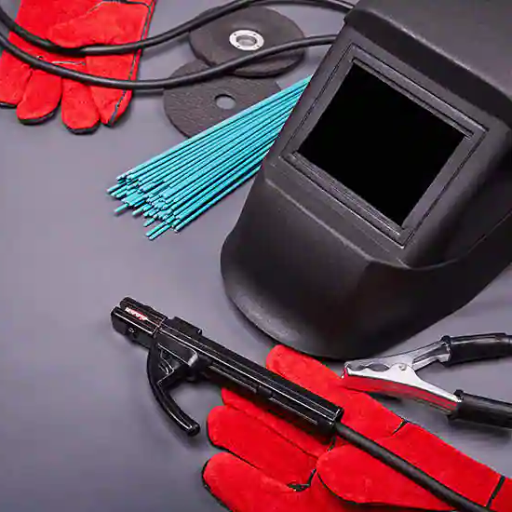
For stick welding, one needs to have the following equipment in place:
Welding Machine
An electric device capable of furnishing the current needed for the electrode in use, whether the current is AC or DC.
Electrodes
Consumable rods coated with a flux that helps to weld by forming an arc and covering the weld from contamination.
Ground Clamp
To complete the electrical circuit, the connection must be securely attached to the workpiece.
Welding Helmet
A welder must use it to protect their eyes and face from harmful UV rays, sparks, and heat. Usually, modern helmets come with the auto-darkening facility.
Protective Clothing
Flame-resistant gloves, jackets, and aprons that protect the welder from burns caused by molten metal and sparks.
Chipping Hammer and Wire Brush
The chipping hammer cleans the slag off the weld, while the wire brush is used for surface preparation during and after welding.
Power Supply and Cables: The cables must be heavy-duty, and the power supply must be reliable given the current the process needs. With these tools working together, a precise, efficient, and safe welding operation is guaranteed.
Welding Machines: Types and Functions
- Shielded Metal Arc Welding (SMAW) Machine: Basically, these welders are utilitarian machines in which the consumable electrode is coated with flux and a strong weld is created. Very versatile, suitable for outdoor and harsh environment working conditions.
- Gas Metal Arc Welding (GMAW) Machine: Call-by-name MIG welders are machines that couple a continuous wire feed with shielding gas to provide a fast weld with minimal cleanup. Specified for thin metals and industrial-type jobs.
- Tungsten Inert Gas (TIG) Welding Machine: TIG welders are used for fine welding and are usually employed for detailed work on materials such as stainless steel and aluminum. The electrode used is a hollow tungsten electrode.
- Flux-Cored Arc Welding (FCAW) Machine: These are classified as with flux and can maintain shielding, performing well in outdoor or windy conditions, which might cause the shielding gas to disperse.
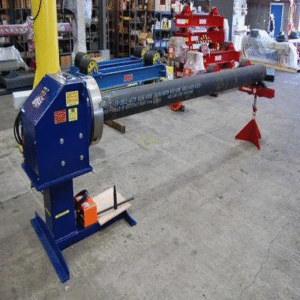
- Submerged Arc Welding (SAW) Machine: This welding equipment is ideal for heavy weld jobs, as it forms a protective layer of flux powder over the weld, resulting in top-grade joints and deep penetration.
Electrodes and Their Role in Welding
Electrodes are a vital component in welding, serving as the medium through which electricity is conducted to form the weld. They can be generally classified into two types: consumable or non-consumable electrodes. Consumable electrodes melt during welding to form the weld bead, as seen in Shielded Metal Arc Welding (SMAW) or Gas Metal Arc Welding (GMAW). These electrodes are often coated with flux to stabilize the arc and protect it from atmospheric contamination, which ensures weld integrity.
Non-consumable electrodes do not melt; instead, they use the arc generated between the electrode and the base metals to melt the latter. Such electrodes are typically manufactured from materials with high melting points, such as tungsten, and are thus able to resist deformation under high temperatures.
The reason for selecting one electrode over another can be based on the base materials, welding positions, required penetration, or environmental or operational conditions. For example, electrodes made of mild steel are used for general applications. In contrast, specialized electrodes, such as electromagnetic stainless steel or aluminum electrodes, are used for welding stainless steel and aluminum, respectively. The correct selection of electrodes, combined with the proper technique, yields a welded joint that possesses strength, quality, and durability.
Protective Gear: Helmets, Gloves, and Safety Equipment
Proper protective gear is kept to maintain safety in welding operations; the hazards of heat, sparks, UV radiation, and toxic fumes are, by nature, preventable. Protective helmets keep the eyes and face away from intense light emissions and flying debris through electric auto-darkening filters with adjustable shades. Modern helmets now come with additional enhancements, including larger viewing areas, improved sensitivity controls, and lightweight designs for enhanced user comfort.
Welding gloves are made with many heat-resistant materials, such as leather, to protect the hands from burns, cuts, and electrical shocks. These gloves also differ in thickness and flexibility, depending on the type of welding—MIG, TIG, or stick—therefore providing welders with the freedom of movement needed for optimal safety and capability.
Ergonomics-wise, flame-resistant jackets, protective boots, and dust masks offer the best safeguard against environmental hazards. Respiratory protection is essential, in particular, when working in confined spaces or with materials that produce harmful fumes. A strict adherence to worker safety standards and the use of certified personal protective equipment (PPE) not only complies with workplace regulations but also reduces the risk of injury during welding tasks.
Safety Precautions in Welding
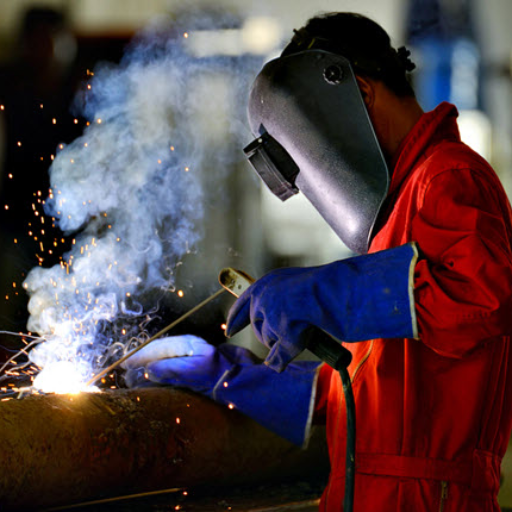
Fitting precautionary measures mentioned below should be implemented to prevent accidents while welding and provide a safe workplace:
⚠️ Essential Safety Measures
- Proper PPE: Wear flame-retardant clothing, rubber gloves, and tinted goggles. Always wear a welding helmet with a shade of at least 10. Shield the workman from sparks, UV rays, and flying bits.
- Ventilation: Perform welding in an open and well-ventilated environment; if not, ensure that an exhaust system is available and functioning correctly.
- Equipment Inspection: Take the time to inspect the tools, cables, attachments, and other equipment to ensure you are not using any with faults.
- Material Handling: Keep flammable materials away from the welding area and store them in a designated, fire-safe location.
- Keep the Work Environment Tidy: Clutter and litter must be avoided in the working area, as they can create undue hazards that may, in the case of a fire, block easy access to extinguishers.
These precautions will help mitigate hazards and maintain a safe environment in welding areas.
Importance of Personal Protective Equipment (PPE)
As a necessity for safety and compliance in hazardous work environments, PPE can be worn for any task involving welding, construction, or the handling of chemicals. PPE forms an interface between the worker and the hazard to lessen exposure to physical, chemical, electrical, and airborne dangers. OSHA indicates that a lack of PPE or improper use of PPE constitutes a significant contributing factor in the incidence of workplace injuries, ranging from minor ones, such as abrasions, to major ones, including burns, fractures, and respiratory ailments.
It commonly consists of gloves, helmets, safety glasses, face shields, respirators, and specialized clothing. Workers are protected against extreme heat, ultraviolet radiation, and molten metal splatter from welding processes through the use of flame-resistant gloves, an auto-darkening welding helmet, and protective aprons. When PPE is used and maintained correctly, it protects the health of the worker. Well-trained workers know when and how to use PPE properly.
The employer is obligated to provide the necessary PPE and foster an environment of safety. Thus, by incorporating PPE into routine operational practices, the risks associated with the workplace are significantly reduced. This not only helps safeguard individual workers but also ensures productivity and compliance.
Ensuring Proper Ventilation During Welding Work
Welding requires adequate ventilation to control exposure to hazardous fumes and gases. Welding processes emit airborne contaminants, including metal fumes and gases, ozone, nitrogen oxides, and other chemicals, which pose significant health hazards if inhaled. To ensure proper ventilation, welders can:
- Local Exhaust Ventilation (LEV) systems may include fume extractors that operate on aerosol-like principles to lift contaminants away at the source and prevent them from spreading into the work environment.
- Natural Ventilation: When possible, conduct welding activities in an open or well-ventilated area to allow fresh air to enter and disperse harmful emissions.
- General Ventilation: Work in conjunction with natural air currents from a mechanical system consisting of fans or blowers to maintain adequate air quality in work areas.
- Monitor Air Quality: Regularly assess the concentration of fumes and gases to ensure that exposure remains within legally acceptable levels.
These steps enable employers and workers to mitigate health risks and maintain a safe welding environment.
Following Workplace Safety Standards
Adherence to workplace safety standards in welding requires a proactive and disciplined approach. I ensure compliance by always wearing any required PPE, such as helmets with adequate filters, flame-resistant clothing, or gloves. I also follow standard procedures for ventilation to control airborne contaminants, ensuring that equipment is maintained in safe working order after an inspection process. Furthermore, I attend safety training sessions to remain conversant with new safety protocols and procedures. I keep this level of diligence to uphold a safe and hazard-free environment for welding.
Reference Sources
- The Manufacturer: Different types of welding and what they are used for – This article provides an overview of welding and its various applications.
- The Crucible: The Different Types of Welding: MIG vs TIG vs Arc & More– A detailed guide on different welding types, including MIG, TIG, and more.
- American Rotary: The 4 Main Types of Welding: What You Need to Know – This source focuses on the four main types of welding and their applications.
- Fractory: Welding – Welding – What Is It? How Does It Work? 12 Types Explained – A comprehensive explanation of welding processes, including 12 different types.
- The Fabricator: Welding Basics and Techniques – A trusted resource for welding professionals, offering insights into welding techniques and industry trends.
Frequently Asked Questions (FAQs)
What does welding mean in the metal fabrication industry?
Welding is a joining process that involves materials (typically metals or thermoplastics), either by heat or pressure, or sometimes both. The welding process creates a weld pool from which the base material is melted and fused as it cools. Welding is utilized in a wide range of industries for constructing structures, manufacturing machinery, and various applications.
What are the different types of welding processes?
Fundamentally, there exist diverse welding processes, including arc welding in its various methods, such as MIG and TIG welding, resistance spot welding, and plasma arc welding. Each type of weld has peculiarities that suit different materials and applications. For example, MIG welding is widely used due to its speed and versatility; TIG welding is used for thin materials where strong welds are required.
What are common types of welding joints?
There exist diverse welding joints, such as butt joints, lap joints, corner joints, T-joint-straight, and T-joint-intersecting. Each weld joint has unique characteristics and considerations for application and strength. Therefore, a welder must learn about these joints to ensure proper alignment and execution of the welding work.
What safety measures should be taken to avoid exposure to welding fumes?
Since welding fumes can be a hazard, safety measures must include ventilation, respiratory protection, and fume extraction. Flux can also be a good way to reduce the formation of hazardous fumes during welding by protecting the weld pool, thereby enabling a safer environment for the welders.
What is fusion welding? How does it differ from other welding methods?
Fusion welding encompasses a wide range of processes that utilize high temperatures sufficient to melt the weld materials at the joint. This differs from solid-state welding methods, such as friction welding, where melting does not occur. Fusion welding is often preferred and practical for both metal welding and plastic welding in applications that require the formation of strong joints.
In what way does the speed affect the weld quality?
Weld quality is highly dependent upon welding speed. A high welding speed does not provide sufficient penetration into the weld area, resulting in a weak bond and weld. An extremely slow welding speed, combined with excessive heat input, can cause distortion and burn-through. A steady welding speed and a suitable heat input are essential to achieve a good weld.