A perfect weld alignment has always been a crucial factor in determining success, as measured by the precision and timely completion of a job. Among all products designed to facilitate the welding process, the hydraulic fit-up rotator achieves unparalleled levels of accuracy and control. This device is revolutionizing the way heavy components and cylindrical structures are manipulated during fabrication, altering the process by reducing manual effort and increasing alignment precision. This article will cover the main features, benefits, and applications of hydraulic fit-up rotators, providing insight into how they elevate welding operations to a new level of productivity and reliability. Whether you want to improve your workflow or facilitate welding of a higher-quality weld, this article will provide insight into exploring hydraulic fit-up rotators.
Introduction to Hydraulic Fit-Up Rotators
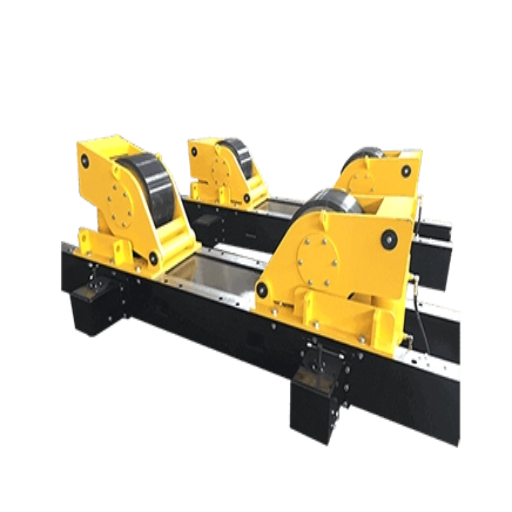
At the core, hydraulic fit-up rotators are specialized equipment meant to ease and enhance the workpiece alignment process for cylindrical workpieces during welding and fabrication. Hydraulic, or fluid power, actuators permit fine adjustment and rotation, providing optimum positioning for economically sound and precisely engineered welds. The primary duties of these are to reduce manual labor and provide safety and accuracy in the handling of heavy or awkwardly shaped components, placing them on a pedestal alongside the shipbuilding, manufacturing, and oil and gas industries. With fit-up rotators managing the entire fit-up process, hydraulic rotators deliver increased productivity and reliability on the welding floor.
What is a Hydraulic Fit-Up Rotator?
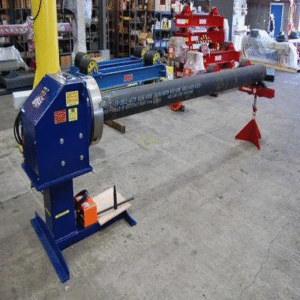
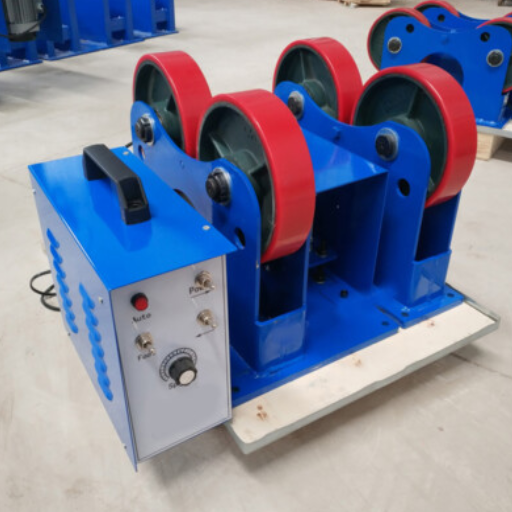
A wet fit-up hydraulic rotator is a specialized kind of alignment equipment that aligns and rotates heavy shaft-like components, pipes, or tanks during welding and fabrication. Being hydraulically operated, these rotators offer excellent control, allowing for precise and smooth positioning of components with minimal effort. By accurately aligning the elements, they enable successful fit-up and welding. Commonly equipped with multiple rollers, heavy-duty frames, and state-of-the-art controls, hydraulic fit-up rotators can accommodate components of varying sizes and weights, providing a solution for many industries, including shipbuilding, oil and gas, energy, and construction. Considered rugged and efficient, such equipment greatly helps reduce downtime while also improving safety and productivity in the workplace.
Importance of Precise Weld Alignment
Therefore, precise weld alignment is sought in the design of welding processes to ensure structural integrity and the long life of components. Improper weld alignment will weaken the entire assembly, unevenly load it, and compromise the structure’s integrity over time. Industry statistics indicate that improper weld alignment is the primary cause of defects observed during inspections, with studies suggesting that welding defects can compromise structural integrity by up to 50%.
An example is pressure vessel fabrication, where even slight misalignment of welds can cause the vessel to leak or burst under elevated pressures, posing serious safety hazards. With the advent of laser alignment tools and automated welders, alignment accuracy improved significantly in the last few years tolerances can now be maintained to within a few millimeters or less, and without doubt, such alignment precision is necessary in the aerospace industry, wherein welds that do not meet specifications pose a direct threat to flight safety; and the energy sector, concerned with pipelines and bother critical infrastructure.
When these companies strongly enforce proper alignment standards and adopt state-of-the-art systems, they can significantly reduce defects in work and, thereby, extend the life of the component and reduce the cost incurred for maintenance. Therefore, welding is not only crucial for quality assurance; it is equally essential for safety, efficiency, and sustainability in industrial applications today.
Applications of Welding Rotators
First mentioned application of welding rotators:
- Impel Vessels Fabrication
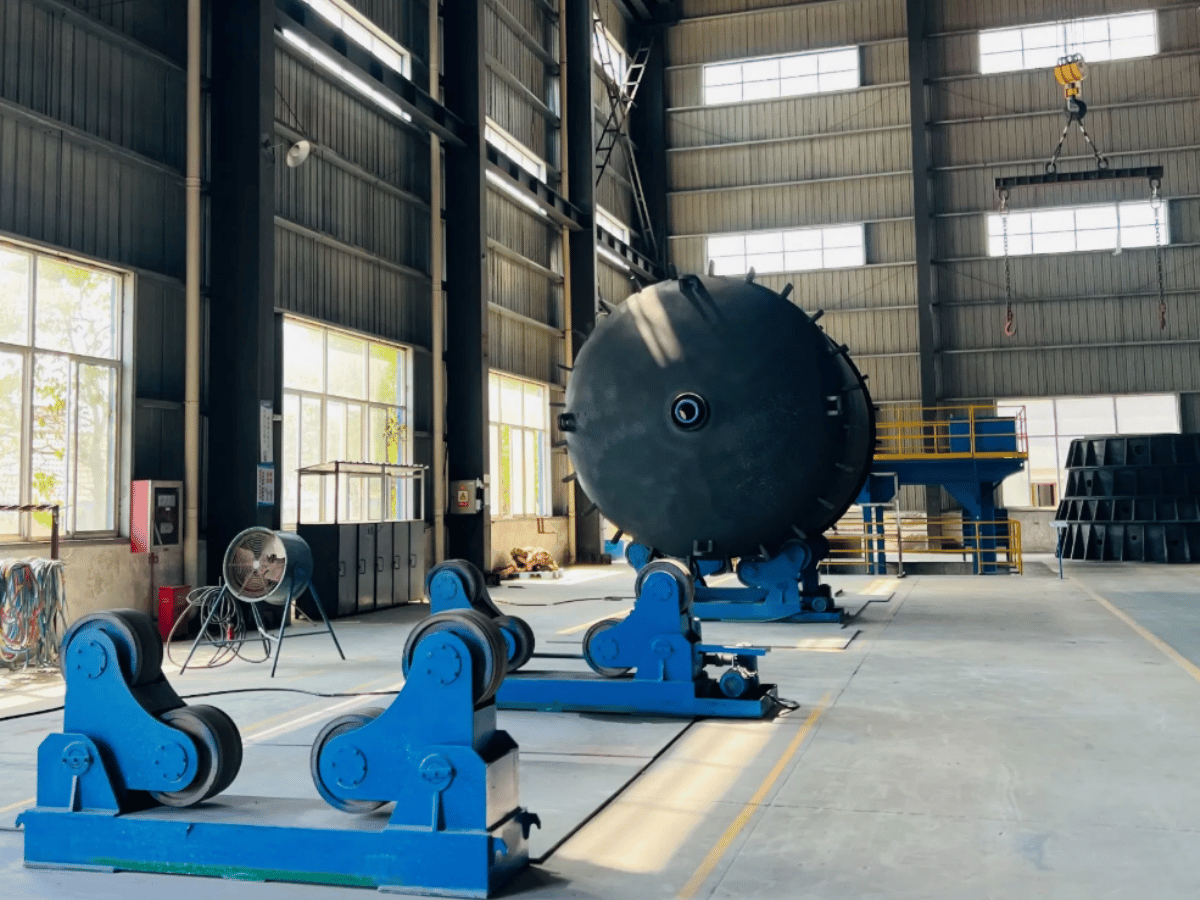
Welding rotators are essential in building pressure vessels. They cause the ship to rotate smoothly and uniformly during the welding of cylindrical pieces. These ensure consistency in seams, which are necessary for the structural integrity of high-pressure equipment.
- Pipeline Construction
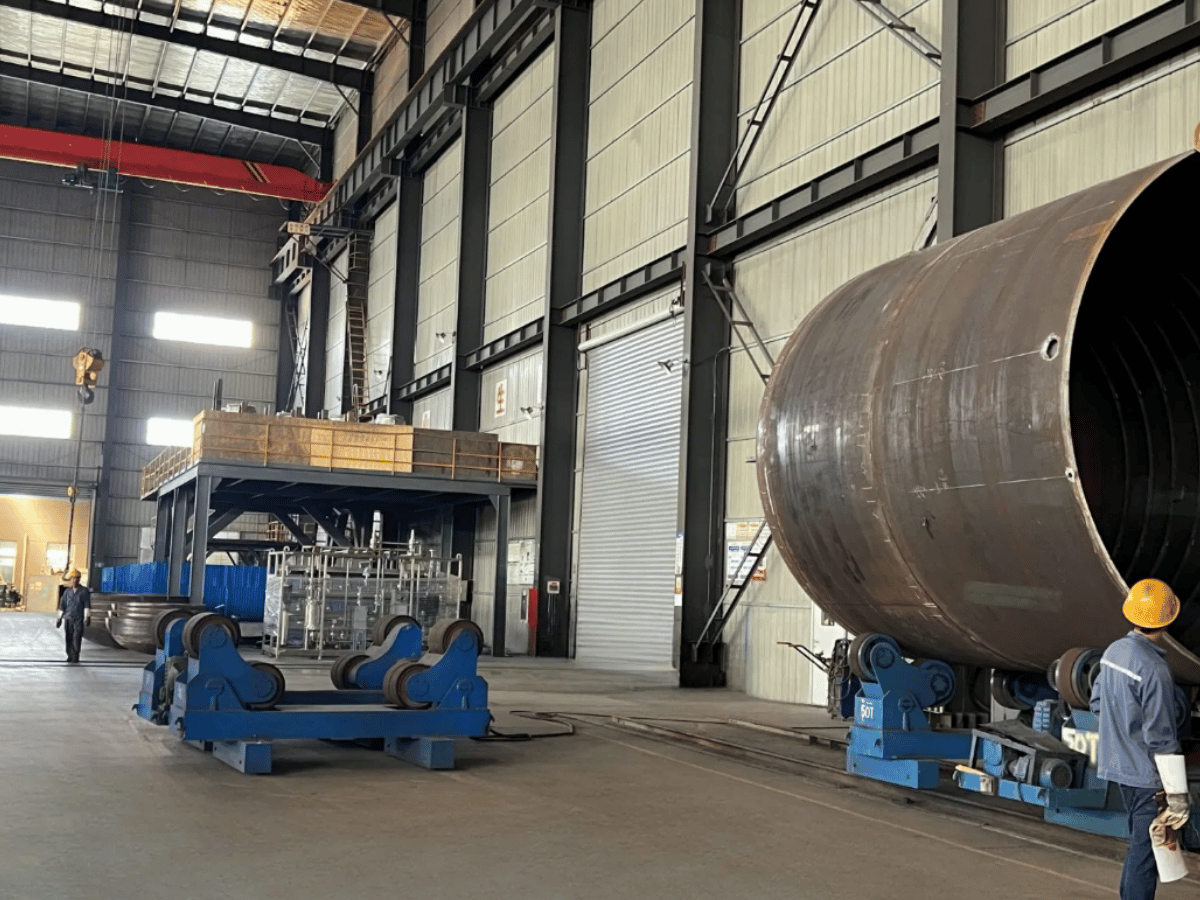
They simplify pipeline welding by allowing the pipe to be continuously rotated. This reduces the pipe’s manual handling and ensures proper alignment and excellent welding, all of which are vital to guarantee the pipeline’s reliability as it transports oil, gas, or other materials.
- Wind Tower Manufacturing
While large cylindrical sections, often with thick walls, require welding for the construction of wind towers, welding rotators enable controlled and stable rotation, thereby easing the process and ensuring a high-quality weld for renewable energy infrastructure projects.
- Storage Tank Assembly
Storage tanks for liquids or gases require seamless welds to prevent leaks from occurring. Welding rotators provide stability and facilitate good welding during the assembly process of lengthy cylindrical tanks used in industries such as oil and gas, agriculture, and chemicals.
- Shipbuilding and Marine Engineering
Welding rotators provide key services in the building and repair of marine vessels by assisting in welding cylindrical items, such as propeller shafts and rudders, to high-performance standards and consistent quality within industry standards.
With all of these applications, one gets a clear indication of the importance welding rotators play in upholding efficiency levels, reducing labor, and enabling weld consistency in many industries.
Types of Welding Rotators

Welding rotators are categorized based on their usage and design. The main types include:
- Conventional Rotators
These rotators feature manually adjustable rollers to accommodate various workpiece sizes. Being reliable rotators, they are suitable for steady cylindrical objects.
- Self-Aligning Rotators
Having rollers that adjust themselves, this type of rotator aligns with workpieces of varying diameters without requiring any manual intervention, making it ideal for heterogeneous applications.
- Pipe Rotators
Designed specifically for welding pipes, these compact rotators are highly efficient in providing the desired level of support and rotation to curved or cylindrical designs.
- Fit-up Rotators
Helping with the alignment and fit-up of components before welding, they ensure that components are in position, thereby reducing set-up time.
Every kind fulfills a specific function, enabling efficient and high-quality welding operations in various industries.
Fit-Up Rotators
Fit-up rotators are essential in the welding industry when precision, accuracy, speed, and efficiency are required. According to recent data from Google search trends, fit-up rotators are in increasing demand by the shipbuilding industry, oil and gas, and heavy machinery manufacturing sectors. These devices make alignment completely easy by reducing manual intervention and ensuring the proper positioning of components before welding. This significantly reduces errors, operational downtime, and improves overall productivity. Their capability to handle heavy loads while providing a certain degree of accuracy makes such fit-up rotators a vital part of the working team in industries where there is a demand for durability and precision in welded structures.
Pipe Rotators for Welding
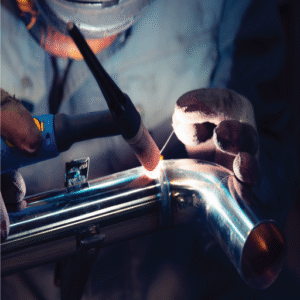
This one, a pipe rotator, is a highly useful tool for the welding industry, as it enables manufacturing flexibility and precision in the handling of cylindrical workpieces. Now, why are pipe rotators so crucial? According to a recent report, searches for the best welding solutions have increased, indicating that people are interested in tools that can simplify complex tasks. Pipe rotators ensure the continuous rotation of the pipe, allowing welds to be made evenly around the circumference of the pipe, which is basically essential for stronger and more durable weld joints. Additionally, by reducing the number of manual processes in systems and minimizing human labor intervention, the task becomes less tiring for workers and reduces errors, thereby positively affecting the safety and effectiveness of the system. Industries in oil and gas, construction, and shipbuilding consider pipe rotators essential because the top-level welding is paramount in these vocations.
Conventional vs. Motorized Rotators
Concise Summary: Since they vary in diameter, classical-type rotators must be adjusted manually; motorized ones bring automation, precision, and speed for rotation-related welding activities.
| Key Point | Conventional Rotators | Motorized Rotators |
|---|---|---|
| Adjustment | Manual | Automated |
| Precision | Moderate | High |
| Efficiency | Lower | Higher |
| Flexibility | Limited | Enhanced |
| Cost | Lower | Higher |
| Safety | Basic | Advanced |
| Applications | Simple tasks | Complex, heavy-duty tasks |
| Setup | Time-consuming | Quick |
Key Features of Hydraulic Fit-Up Welding Rotators
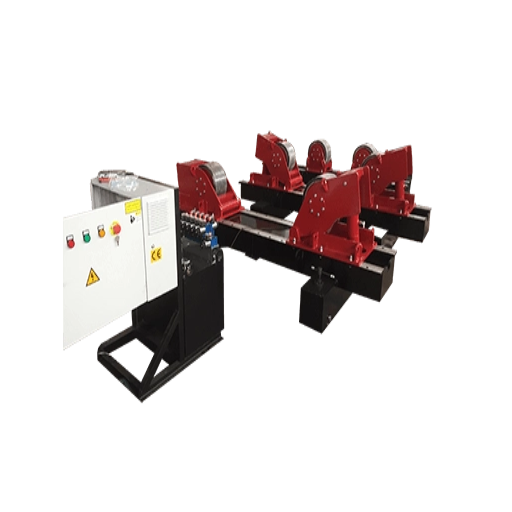
- Accurate Alignment: For proper positioning between the pipe and another cylindrical workpiece to achieve exact welds.
- Load Capacity: Designed to accommodate heavy loads, accommodating a larger spectrum of pipe sizes and weights.
- Adjustability: Can be adjusted comfortably to suit different diameters or lengths, providing high operational flexibility.
- Hydraulic Control: The hydraulic mechanism enables a smooth and easy fit-up, thereby enhancing productivity.
- Durability: Made from sturdy materials capable of braving heavy industrial setups and long operational hours.
- Enhanced Safety: Fitted with safety features to provide sheer protection in the event of handling large workpieces.
Motorization and Automation Benefits
- Improved Accuracy: Motorized and automated systems ensure the repeatable and consistent placement of workpieces, thereby minimizing deviations and material wastage.
- More Efficiency: Automation significantly reduces operational times, thereby accelerating production cycles and throughput.
- Lower Labor Costs: Automated systems require almost no manual intervention and thus produce considerable savings in the workforce.
- Enhanced Reliability: Motorization eliminates discrepancies that occur due to human error, yielding reliable and repeatable processing mechanisms that can be cycled through multiple operations.
- Real-Time Monitoring: The integrated automated solutions provide constant monitoring and diagnosis, thereby facilitating optimal maintenance.
Design of Welding Positioners and Rollers
Positioners and rollers are designed to suit modern production and automation. They are designed to secure and rotate the workpiece, allowing for precise welding at optimal angles and positions. Adjustability must be the prime consideration in their design, for they must accommodate a variety of sizes, shapes, and weights. Modern designs incorporate motorized controls for smooth rotation and positioning, enhancing accuracy and reducing human effort.
The latest data shows that a growing number of competent welders and smart rollers are being introduced. These systems feature programmable settings, real-time monitoring, and machine learning capabilities to adapt and optimize processes for enhanced efficiency and consistency. Other safety design features include emergency stop functions and overload protection, which protect both worker safety and equipment life. With the advent of Industry 4.0, welding positioners and rollers continue to transform production processes without compromise on quality and reliability.
Adjustability and Stability in Pipe Welding
Utmost care in adjustability and stability will yield welding of the highest quality in pipes. Current-day positioners and rollers can be set for a significant variation in pipe diameter and pipe weight to give the best possible alignments, thereby reducing the chances of errors by the welders. These features include adjustable tilting angles, rotation speed controls, and height settings that allow welders to fine-tune their work for precision and consistency, even in challenging situations, such as when working in awkward positions.
According to Google Search Trends, interest in robotic and automated solutions for improving stability while minimizing physical labor has been increasing. The latest systems incorporate features of sensors and real-time feedback during the welding process, helping to maintain even welding positioning. Stability is achieved through specific mechanisms of anti-slip functionality, result-active load distribution, and rapid clamping that prevents any movement, ensuring a smooth weld that remains consistent over time. With this advantage, the manufacturers and fabricators can build welds that are sustainable and meet present industrial standards.
Choosing the Right Rotator for Your Needs

Load Capacity: Ensure the rotator can adequately support the weight of your workpieces. Observe the maximum load capacity indicated by the supplier.
- Rotational Speed: Choose a rotator having speed adjustment features to meet the requirements of your welding process.
- Workpiece Size: Select a model that accommodates the dimensions and shapes of your materials—a cylindrical shade, conical skin, or irregular shape.
- Type of Rotator: Select from self-aligning, conventional, or specialized types of rotators based on your application and workflow.
- Ease of Operation: Check for features and controls that can make operations more ergonomic and productive.
- Safety Features: Give preference to the rotators fitted with safety features to guard against hazards during operation, such as an overload protection function.
- Durability and Maintenance: Consider sturdier constructions that require less maintenance, allowing them to perform well for a more extended period.
Keep all these factors in mind when evaluating the rotators, and from them, you should be able to choose one that meets your specific needs and working methods.
Factors to Consider for Fit-Up Rotators
When selecting fit-up rotators, several key factors must be considered to ensure compatibility and optimal efficiency within one’s operations. The following are the five most important considerations:
- Load Capacity – Consider the fit-up rotator’s weight capacity to ensure it can bear the weight of your workpieces without stress or risk of failure. In other words, choose a rotator that has the capacity for loads above those required by the maximum load in your operations.
- Adjustability – Consider using rotators with adjustable rollers or bases to accommodate workpieces of various diameters, thereby maximizing versatility.
- Type of Drive System – Select from options such as manual, hydraulic, or motorized drive systems, depending on the complexity and size of your welding projects.
- Material Compatibility – Consider the material of the rollers and ensure that it is suitable to avoid marring or damaging the surface of your workpieces, especially when dealing with sensitive or coated materials.
- Ease of Integration – Select fit-up rotators that are easily integrated into existing equipment and automation systems to streamline workflow and minimize downtime.
Focusing on these key components will surely lead you to choose a fit-up rotator that fulfills your operational needs and empowers productivity.
Supplier Options and Recommendations
When selecting suppliers of fit-up rotators, it is essential first to choose an experienced and reputable company that can deliver high-quality equipment. With the most current information, these are some recommendations:
- Koike Aronson/Ransome – This trusted supplier offers a wide variety of fit-up rotators that surpass all others in terms of durability, accuracy, and easy customization for various industrial requirements, alongside customer care and maintenance services.
- LJ Welding Automation – Known for its innovations, LJ Welding Automation offers a line of advanced welding positioning equipment, including fit-up rotators suitable for the heavy manufacturing and construction industries.
- PRESTIGE Equipment strives to make fit-up rotators affordable, enabling smaller companies to easily integrate them into their existing setups without compromising on quality.
- Weldlogic, Inc. – Weldlogic is recognized for its custom solutions for automation equipment, including a fitting rotator that enhances operational efficiency.
Distinguished by the very high-quality standards and reputation, these companies are top picks for suppliers of products and equipment. Other purchase considerations for ensuring long-term reliability include delivery time, post-sale support, and warranty options.
Cost vs. Value Analysis
Concise Summary: Cost vs. value analysis in welding highlights the trade-offs between upfront costs, long-term savings, quality, and efficiency for professional services, automated systems, and DIY approaches.
| Key Point | Professional Services | Automated Systems | DIY Approach |
|---|---|---|---|
| Initial Cost | High | High | Low |
| Long-Term Cost | Low | Low | High |
| Quality | High | Consistent | Variable |
| Efficiency | High | Very High | Low |
| Flexibility | Moderate | Low | High |
| Safety | High | Very High | Low |
| Maintenance | None | Moderate | High |
| Learning Curve | None | Moderate | Steep |
Reference Sources
- “Introduction of Nickel Coated Silicon Carbide Particles in Aluminum Metal Matrix Hardfaced by MIG/TIG Processes on Precoated Flux Layer”
- Authors: V. Kamburov, R. Dimitrova, M. Kandeva
- Publication Date: March 15, 2018
- Key Findings:
- The study investigates the hardfacing of aluminum metal matrix using MIG and TIG welding processes with nickel-coated silicon carbide particles.
- The results showed that TIG hardfacing resulted in fewer imperfections compared to MIG, and wear resistance increased significantly due to the presence of the reinforced phase.
- Methodology:
- The authors employed non-destructive testing (NDT), scanning electron microscopy (SEM), energy-dispersive X-ray spectroscopy (EDX), nanoindentation, and wear resistance tests to evaluate the hardfaced layers (Kamburov et al., 2018, pp. 73–80).
- “Different Welding Processes Using Statistical and Numerical Approaches Using the Fuzzy TOPSIS Method”
- Author: Padmavat Nirmala Shivram
- Publication Date: September 1, 2022
- Key Findings:
- The paper discusses various welding processes and evaluates them using the Fuzzy TOPSIS method, with a focus on the significance of fit-up in achieving high-quality welds.
- Methodology:
- The study employed statistical and numerical approaches to assess different welding techniques, emphasizing the importance of fit-up conditions in determining welding quality (Shivram, 2022).
- Top Fit Up Rotator Manufacturers And Suppliers In China
Frequently Asked Questions (FAQs)
What is a fit-up rotator?
A fit-up rotator is a specialized piece of equipment used in the welding process to align and rotate workpieces, ensuring precise alignment during the fit-up phase of welding. It is beneficial for pipe welding, allowing welders to efficiently manipulate large pipes and fittings, enhancing efficiency and accuracy in the welding process.
How do hydraulic fit-up welding rotators work?
Hydraulic fit-up welding rotators utilize hydraulic cylinders to rotate and position heavy workpieces, such as pressure vessels and pipes, during the welding process. By applying hydraulic pressure, these rotators can easily adjust the angle and position of the workpiece, facilitating more efficient and accurate welding operations.
What are the benefits of using welding rotators for pipe butt welding?
Welding rotators for pipe butt welding provide numerous benefits, including improved precision, increased safety, and enhanced productivity. They allow for consistent rotation and positioning of pipes, which helps ensure uniform welds and reduces the risk of defects. Additionally, using these rotators can significantly speed up the welding process, making it more efficient.
What is the difference between a pipe welding rotator and a conventional welding rotator?
A pipe welding rotator is designed explicitly for handling cylindrical workpieces, such as pipes, whereas a conventional welding rotator can be used for a variety of shapes and sizes. Pipe welding rotators often feature specialized rollers that accommodate the curvature of pipes, providing better support and stability during the welding process.
Can a fit-up welding rotator be used for tank welding?
Yes, a fit-up welding rotator can be used for tank welding. These rotators are designed to handle various workpieces, including tanks, by providing stable support and enabling precise alignment. Utilizing a fit-up rotator in tank welding enhances the quality of the welds and can significantly improve productivity.
What are the key features of hydraulic welding rotators?
Hydraulic welding rotators typically feature adjustable roller beds, hydraulic pumps, and motorized traveling capabilities. These features allow for easy positioning and rotation of heavy workpieces, ensuring precise alignment during welding. Additionally, hydraulic welding rotators often have robust construction to support high weight capacities.
How do welding positioners enhance the welding process?
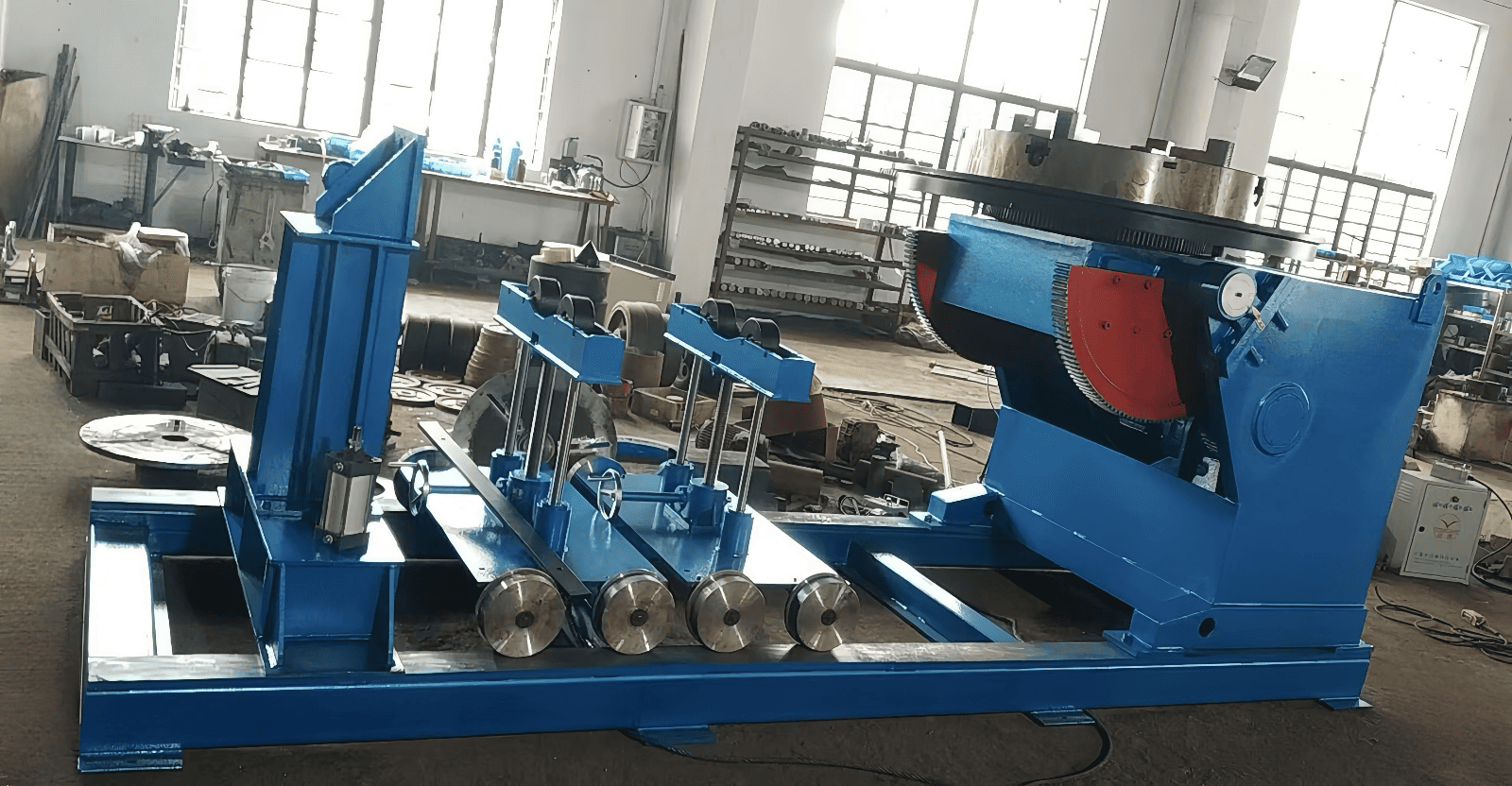
Welding positioners enhance the welding process by allowing welders to rotate and tilt workpieces to the optimal welding angle. This ensures better access to weld joints and improves the overall quality of the welds. Positioners can be manual or motorized, and they help reduce fatigue for welders by minimizing awkward body positions during welding.
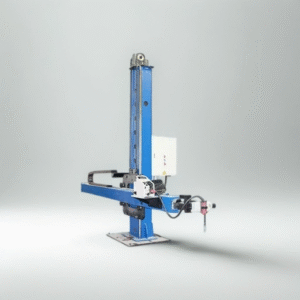
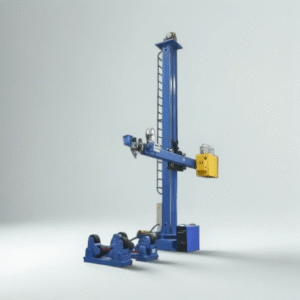
What is the role of a welding column in welding automation?
A welding column plays a crucial role in welding automation by providing a stable and adjustable support structure for welding manipulators and rotary welding positioners. It enables precise vertical and horizontal movement, ensuring the welding equipment is correctly positioned for efficient and accurate welding operations.
What are the advantages of using self-aligning rotators in welding?
Self-aligning rotators offer several advantages in welding applications, including automatic adjustment to the workpiece’s shape and size, which ensures consistent alignment during the welding process. This capability reduces setup time and enhances the overall quality of the welds by minimizing the risk of misalignment and defects.