Working with welding positioners requires skill, exactness, and with high attention to safety. These fundamental apparatuses present in every workshop’s activities are made for holding and turning parts in the course of welding, however, if used incorrectly, accidents or equipment failures can also be encountered. Here is a dedicated blog article to exploring optimal practices for the highly skilled operators and technicians within the domain so that wreckless behaviors can be minimized. Welding rotators or welding positioners are not easy to operate whether you are a beginner or experienced safety efforts help to control the welding process as the manufacturers have designed rotating equipment. Let’s explore the reasons why adhering to these safety recommendations is necessary if you want to protect your team, your property, and at the end even your business for the lack of effort in using the discipline aspect.
Understanding Weld Positioners

Meaning, Importance and Working of welding positioners
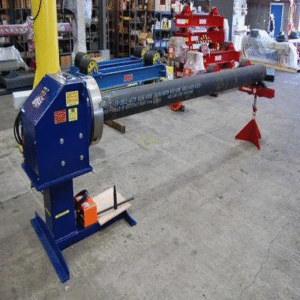
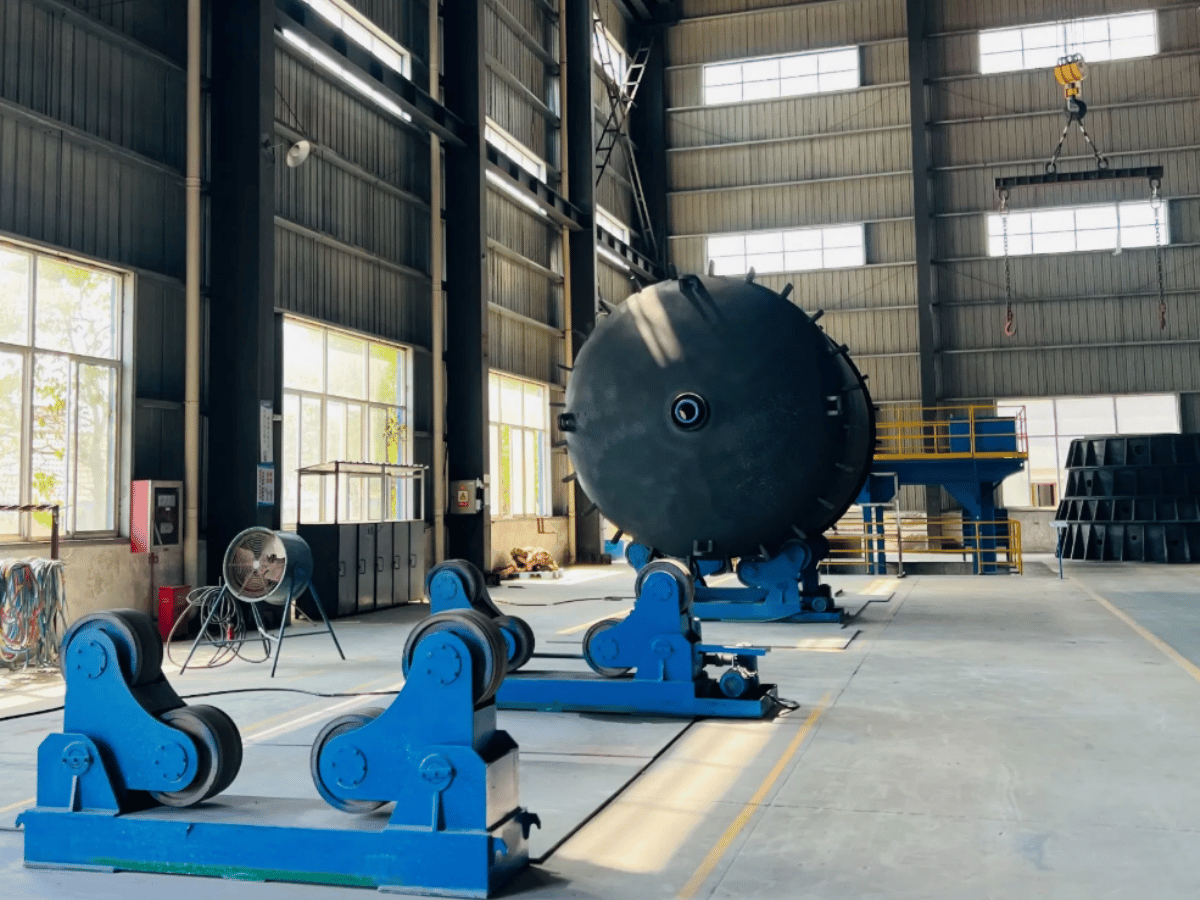
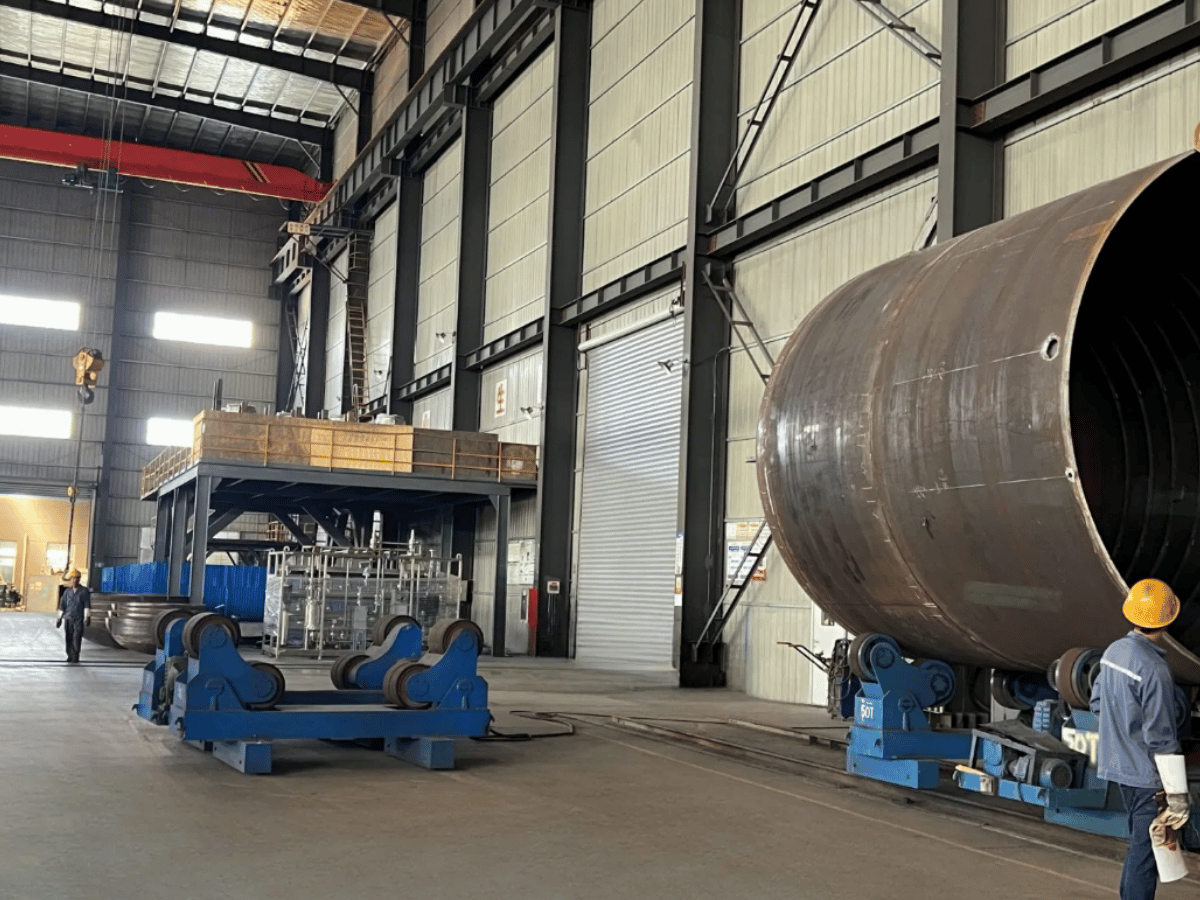
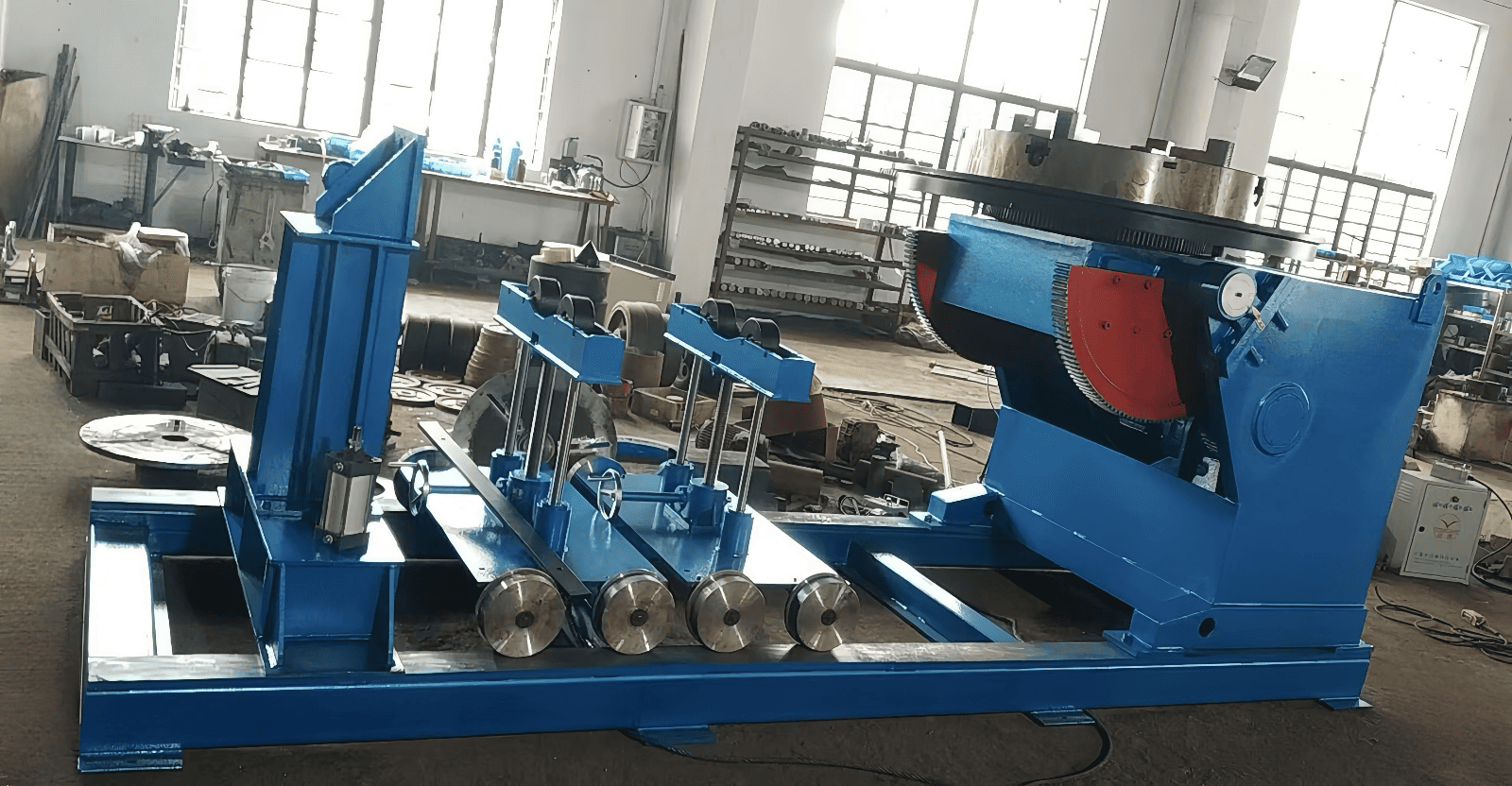
Weld positioners are engineering tools that are constructed to turn or hold materials in a particular orientation to effectively weld them. These gadgets can easily be classified as being very important because they have overt and deliberate purposes which include eliminating the need to weld awkwardly as well as help in welding long seams. Furthermore, both ceiling and truck mounted manipulators really work well for this purpose and they actually increase the ability of the welder to locate his skill. This reduces the costs associated with the above maintenance requirements too as well the manual labor involved. In addition, the objective of any weld positioner is achieved through a conservation of the resources after welding hence the waste does not exist due usin such positioners. This is especially true in store fixture welding and similar applications. Since these weld positioners enhance proficient in an either straight or parallel welding position and further eliminate material waste in the process.
Different Kinds of Welding Bolts and Their Application
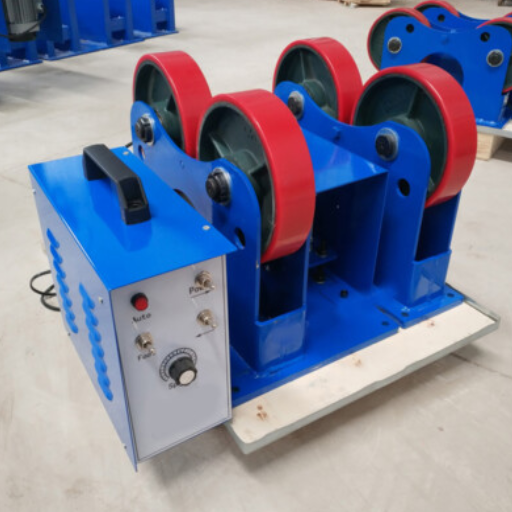
When it is about the welding positions, there are many options, each serving different purposes. As based on the preference of the user, different types are utilized in a variety of industries. The main kinds that exist for such a use are the: rotation itself, the headstock and tailstock, the tables, and all kinds of robots available. They are useful in many fields such as welding fabrication erection construction, at times oil and gas industries up and about, carbide drilling whereas it is very difficult to achieve such alignment and welding at circles.
The Head stock and Tail stock positioners however, are on the flip side, are devices that can handle lengthy or heavy work pieces with two adjustable jacks between them. This allows leverage to be maintained and shields advanced engineering works, especially of a large nature construction from any blunders. This is why some fields for example, avionics and ship building tends to use it a lot more by their labor since parts which necessary to be assembled that are big and all the connections within them have to be very finely aligned that too accurately the time.
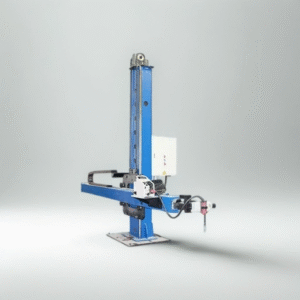
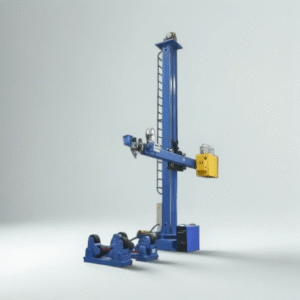
Use of ancillary turntables in welding beefs up its productivity reaching its peak in the assembly line industry where multiple welds and higher volume of production have to be undertaken within a specified period of time. The answer lies in a range of special welding – these are beam welders. Hear this clever prophecy – Beam Welders for those aspiring towards Welding Automation! Among them are the following devices: cutter, rectangular cutter, fusion welder, CNC cutter, multigas cutter. Knob positioners increase both the reach of machinery when it is hot and extends the life of rotary machinery in cast weld gear wheels. Each of these types of turntables possesses certain advantages, which illustrates how vital these machines are to improve performance and accuracy in welding in any project.
Key Features of Positioning Equipment
Equipment, in which the operator might reasonably sit, is very versatile thanks to finding appropriate operation in such branches as the one which concerns the automobile and aircraft production, electronics and heavy machinery. This actually means that the equipment can be successfully applied in the task of accurate placement of small precision components and at the same time in the erection of industrial facilities.
With their use in material handling and positioning of jobs even the costs in control of lead time, the reject-rework rate and the machines/ equipments idle time among other costs may also be reduced therefore no doubt that modern position gives rise to cost controlling that will not only sustain the high output but increase service efficiency.
Safety Considerations for Weld Positioners

Essential Safety Guidelines for Operators
- Control Equipment Condition: Regular checks for wear, tear, and external damage.
- Suitable PPE: Helmets, gloves, goggles, and flame-resistant suits are mandatory.
- Fix the Workpiece: Use high-quality clamps to prevent shifting or falling.
- Observe Load Limits: Never exceed the rated capacity to maintain center of gravity.
- Workspace Hygiene: Keep the area uncluttered and free of flammable materials.
- Mind Moving Parts: Avoid unnecessary handling to prevent pinch/crush injuries.
- Continuous Training: Mastery of specific models and maintenance protocols.
Potential Pitfalls and Associated Dangers of Using Positioning Devices
Failure to adhere to such critical recommendations and principles concerning using positioning devices, such as weld positioners, poses a lot of risks and dangers. A key concern, which is attributable to misuses, procedures, and behavior, among other things, is the issue of injuries from moving machinery and equipment which may include pinching, crushing, entanglement etc. when parts of the human body come in contact with moving parts. These threats are increased when positioning equipment is used in an incorrect way or with the disregard of safety regulations.
One more adverse side effect is the under-load instability that such equipment causes. When a beam fails to fasten itself properly, it could fall off the plan resulting in breakages of the appliances or damaging nearby peoples. Also, there may be risks of the electric current to people when using energised positioners and this happens when the positioners are connected to sources of electricity with the grounding connections faulty or where the electrical wiring is exposed.
Protective Gear and Equipment for Welders
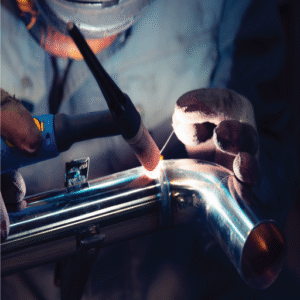
When it comes to the health and safety of welders, it is important to note that, welders usually find themselves working in situations which exhibit features like high temperatures, sparks, dangerous rays and fumes that may enable the use of necessary protective gear. One of the helmets that are used as a welding gear has a dark shade, which helps in preventing any bright light beams from reaching a person’s face/eyes. A number of flame-resistant products such as jackets, gloves, and aprons are designed to avoid physical burns within the skin since many chemical reactions take place causing high temperature. People who weld are advised to consider wearing special footwear since the metal can easily slide under the shoe, shedding off flesh. Also, welding machine vent fumes are very toxic and as such, a respirator is a must as it helps in filtering toxic fumes away from a person’s system. Ear protection is equally important to avoid long-term hearing impairment because of the loud sound associated with welding.
Best Practices for Operating Weld Positioners

Acquiring the Ability to Place a Piece Accurately: How to Use a Welding Positioner
Making Preparations First: Regardless of whether it is horizontal or any other type, there are always several things that I have to perform before switching on for a weld. To start with, I make sure that I position its weld head, if it is vertical then either the top mount or roller is attached, in such a way that it is locked to its frame so that it does not move in any direction – which would shift its axis of rotation.
Fixing the Piece: Securing of the workpiece is also key. The workpiece is fixed to the welding positioner with clamps or other holding and fixturing devices which lock it in position. This eliminates any excessive movements of the workpiece due to oscillations, and protects the welding process itself from any deviations which would result due to the motions.
Changing Settings: The specific welding requirements are used to set the rotation speed, tilt angle, or even the table height. It is also important to add that most of the modern weld positioners have control settings that can be adjusted to improve the process.
How to Protect Workers While Welding
It is difficult to talk about the safety issues at a workplace like welding in the first place without addressing the importance of a clear working area. That is why everything that can be likely to cause a spark must be unlikeable and taken away as the welding process heated up is risky for causing fires. It is of paramount importance that there be proper ventilation so as to avoid the impact of fumes and gases in the respiratory health as this can lead to unforgettable health disorder. Frequent checking to welding equipment ensures any prospective dangers that are likely to compromise safety are prevented. In General, It is common for personnel to don specific equipment such as gloves, helmets with auto-darking lenses, flame retardant clothing, and steel-toed shoes in order to prevent burns, uv radiation or even projectoroscopic lenses and flying objects.
Training Requirements for Weld Positioner Operators
What makes welder positioner operators proficient and safe are the good training offered to them. It is important however that training must begin with a general knowledge of the components of welding positioners and their employment so that the employees can get to know what the equipment is. Quite another thing is practical training when it comes to the proper installation for the object being welded or the workpiece. Progress in welding technology and the emergence of new best practices are constantly being developed and must be applied, thereby ensuring that the performance is not any worse than currently and adapting to any possible changes.
Automated Welding and Weld Positioners

Mixing Automated Equipment with Welding Positioners
Making use of automated equipment together with welding positioners has reinvented the contemporary welding procedures by a far stretch increasing service capability, output, and production. There is no need to worry about the consistency of welds when integrated automated setup is used, even with welders whose efficiency levels are very high. In many cases, this will help save time and enhance quality by offering the same benefits in both manual arc welding and automated arc welding.
Advantages of Automation in Welding Operations
The implications of becoming fabulously successful in steelworks are explicitly thrilling in the contemporary industrial background when the emphasis is on automation. First and foremost, the presence of automation in welding lines virtually guarantees that production will be unceasing and that maintenance downtimes in the system are kept to the minimum levels. These accurate operations facilitate the delivery of tidy welds which comply with the welding requirements and in typical cases conforms to standards of the industry.
Where Is Welding Technology Headed?
The welding domain is on a verge of radical change, majorly due to leaping technological developments and new inventions. One of the major trends noted is the use of artificial intelligence (AI) and machine learning during welding. These two innovations bring on board predictive analytics, which enable for welding systems to look for possible flaws before the error happens and improve performance on their own. Apart from that, it is clear that the modern welding system is greatly dependent on robots. Such an approach in the field not only conserves energy but also adheres to the global commitments of producing eco-friendly manufacturing and processing technologies.
Choosing the Right Weld Positioner

Acquiring the Services of Welding Positioner
Whenever trying to reach out to supplies of weld positioners, it is assumed that the company’s reputation has to be scrutinized at all costs. Some other aspects which would be considered as very important in evaluating appropriate suppliers include experience and their quality rate of performance. When selecting on the best supplier to deal with it is also significant to also focus on the range of weld positioners that the supplier is dealing. If one pays attention to the things mentioned, they will get informed partners in business who will positively influence welding activities, as long as they will want to do that.
Cost and quality often overlook consumer essays
Whereas the cost an individual will incur is a major concern it is most advisable to view some costs as investments than consumption purposes. For example, buying welding equipment that costs more in the beginning may be economical given that it will perform better and reduce any losses due to breakdowns or inefficiencies. Instead of concentrating only on low cost assessment, especially where the cost is not only the fixed cost but the total cost that a business incurs, such businesses will, when competitors are not paying attention, continue to thrive and give remarkable results, that is, efficient results in the long run.
Reference Sources
- Arc Welding Processes: An Electrical Safety Analysis
ieeexplore
Provides an analysis of electrical safety in welding processes, relevant to positioner safety considerations. - Design & Development of Short Benchtop Welding Positioner
dspace.mit.
Explores the design of welding positioners with a focus on safety and ergonomic considerations. - Kinematic Control of a Robot-Positioner System for Arc Welding Application
books.google.
Examines safety measures in robot-positioner systems for arc welding, including safe torch positioning. - Top Welding Positioner Manufacturers and Supplier in China
Frequently Asked Questions (FAQs)
How can you elaborate what are the basic welding positioner safety guidelines for mounting a workpiece?
While undertaking a job, ensure that the workpiece is in place and well secured with a welding clamp or a three-jaw chuck and also confirm that bolt holes and fitting of the workpiece to the positioner are in perfect vertical alignment. It would be good to see the work constantly with the consideration of the Central position of gravity in the workpieces from potential only to prevent either the continuous sloping side or the movement without restraint during the revolving process. Use of a jig or a line of fixtures in the event of this pair of permanently connected weldments, and large assemblies helps to defeat the need of manual repositioning of them and such is where the welded product benefits in the most efficient and safe way. Make sure the holes for the bolts and binding components and the clamp to restrict against the move from side to side are tightened as specifications and the bolt holes will be neither too big not too small and the length and height of the workpiece is centered. Also please ensure the surface alignment is accurate so that the weldment is properly arranged for the said welding operations.
Are welding positioner rotation and axis manipulation methods related ?
In this case, an operator should set the accurate rotational pace taking into account the welding process and material in order to prevent any unnecessary axial forces which could lead to shifting of the workpieces as well En or Hamilton’s equations control extreme loading. Several welding positioners are furnished with a further two or more insertion and tilting possibilities, therefore, when determining speeds and motion sequence, make sure that the speed matches the amount of joints being welded in an equal motion as far as the structural sections are concerned. A very high paced Check the welding quality pulses, as it does not allow molten metal to fill up the joint fully. Neither will the following situations: slow circulation rates expose the joint to high heat even though it is too much for it given the present current through the welding section. Operate only with the recommended open setting; make sure the motor and the drive are appropriate for the equipment and then assess the nonlinear system values too. Make sure that the positioner is performing the programmed motion rates during travel to enhance productivity and quality of the welds.
What safety measures are necessary for correct use of welding positioners?
Before engaging in any maintenance and adjusting activities, one must strictly adhere to the lockout-tagout programs so that the electric drive is locked off and away to prevent unexpected startup of the equipment and ensure the equipment does not move uncontrollably. Establish safe holding zones and fit covers around moving yokes and pallets so that during rotation or tilt the body parts do not bind or no threat to pinching is created. Employ the right protective equipment when performing welding, and make sure that the welding workplaces constitute an exhaust system for welding fumes whereby fumes are controlled to the required levels. Manipulators also reduce the effort of moving parts of weld during operation avoiding manual handling or stresses associated with lifting tasks. Finally, how to handle weld positioners in the best way possible to avoid accidents, is a question that the person in charge of operating them must answer and also, it is particularly significant for welders’ safety.
What are the advantages of using welding positioners to improve the end quality of welds and welding productivity?
An improvement in welding is typically achieved using welding positioners. They ensure the right orientation and monitor action of every inch of the welds which helps to keep the temperatures more accurate going across the welds. Hillgrove Rotary weld Positioner. The introduction of recordable welding supplies prevented time-consuming positions for gluing. He still cannot hide sarcasm in a summary creative document. This assists in carrying out much higher quality welding in a shorter time without performing many manual actions. Most especially in Circumferential welding, this augments speed and enables large complex works to be done within the shortest time possible. Whether completed welds develop any deformations and inwards defects can be affected by use of jigs. Positioners are mainly required because all types of welding are involved from compact welding to large projects where only quality of welding matters.
Which planning and examination efforts are essential for preventing the possible incidents?
Look at all the bolted items such as the mounting holes, bolts, clamps, and the place where they are assambling, and check for signs of deterioration, unevenly tightened clamps or any missing screws, swift replacement of any defective components will be required to avoid any failures during the operations. The electric motor, drive system, and even the brake shall all be inspected to make sure that provision is being implemented properly as much as possible by the use of the lubricants and seals that are in the appropriate time frame as specified by the manufacturer to avoid chances of a burnout or non-consented movement. Ensure that welding equipment is connected and anchored so that proper connection exists for current voltage and that welding prevents application of the current voltage in a manner that will destroy the positioner. Also, operation examination of emergency stop buttons, travel limit switches, and control system shall be executed on a set dates and such maintenance works should be recorded to help smooth run. Positioner maintenance also involves aligning the axes and verifying that the production supports are properly positioned for the workpieces.