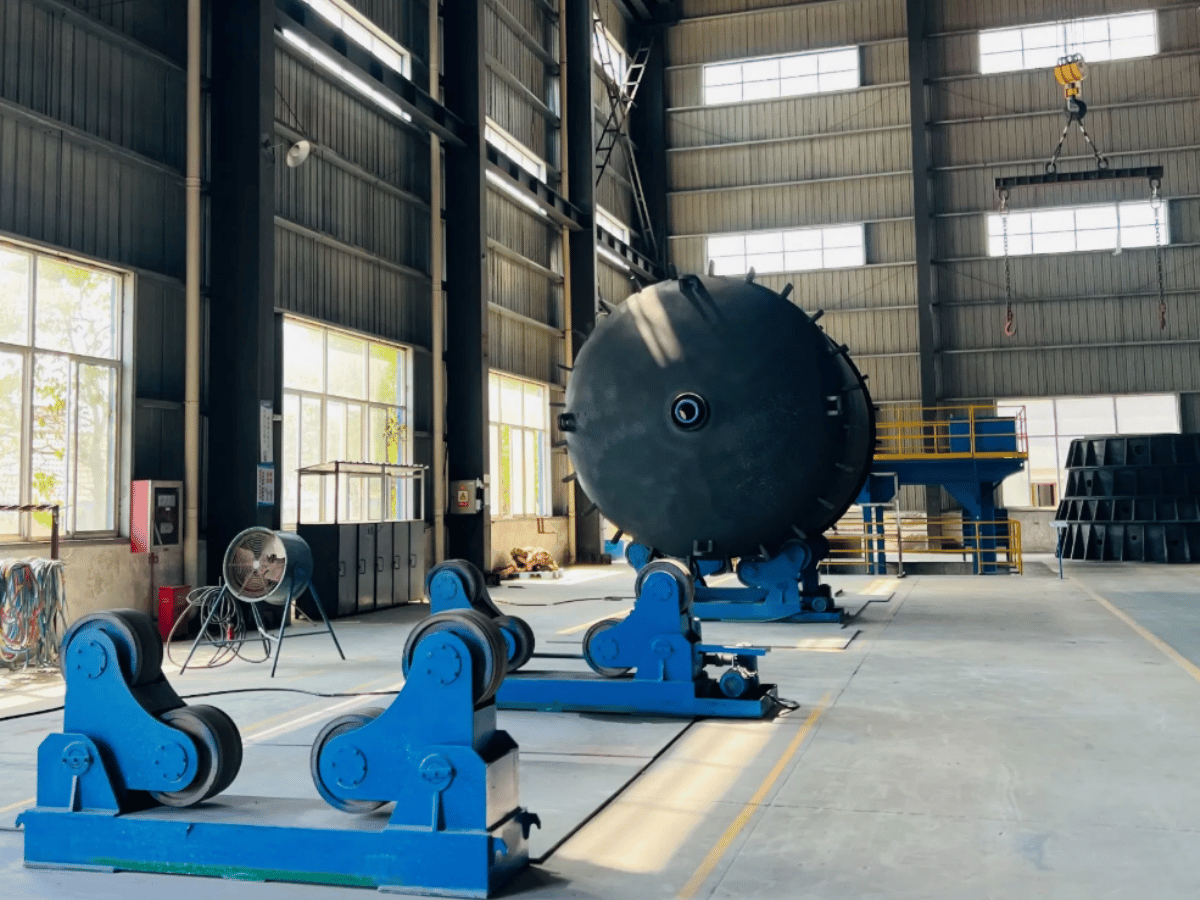
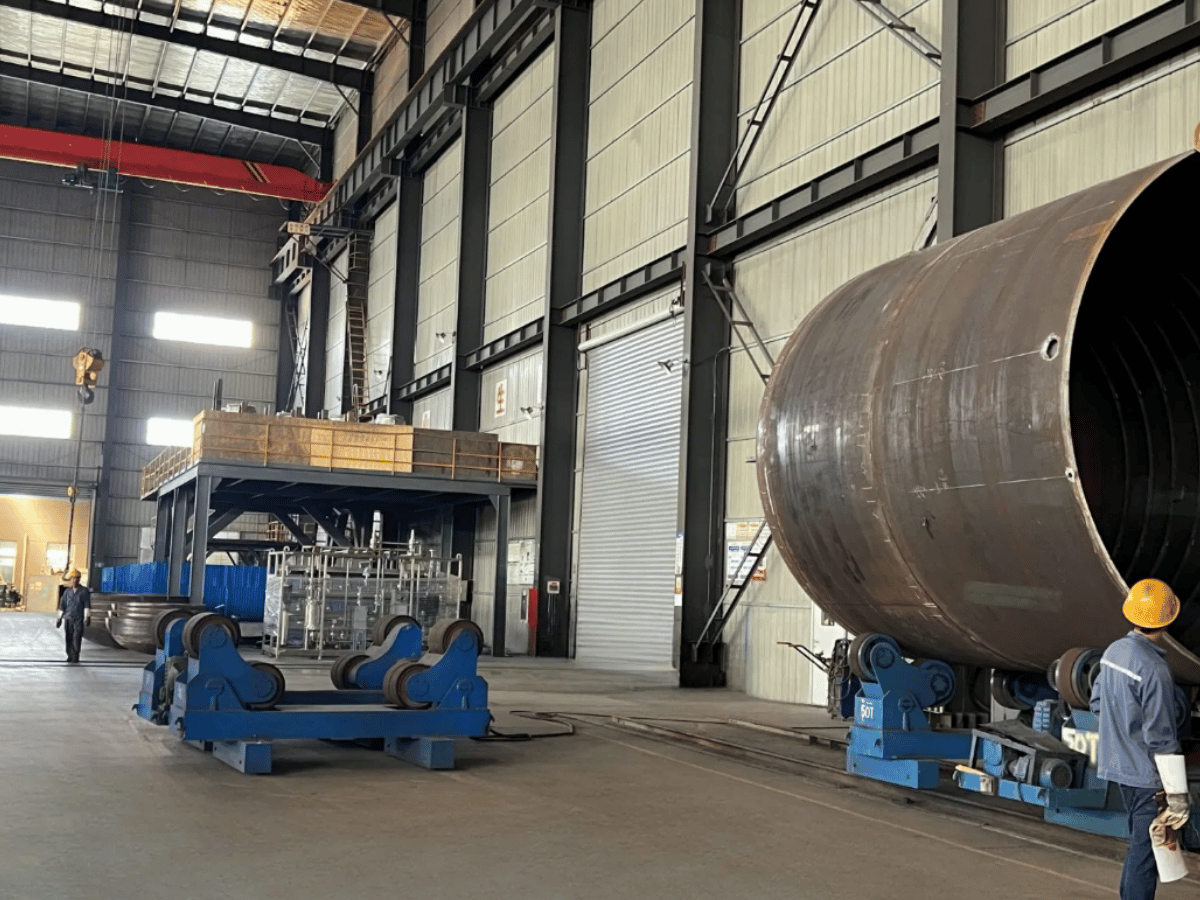
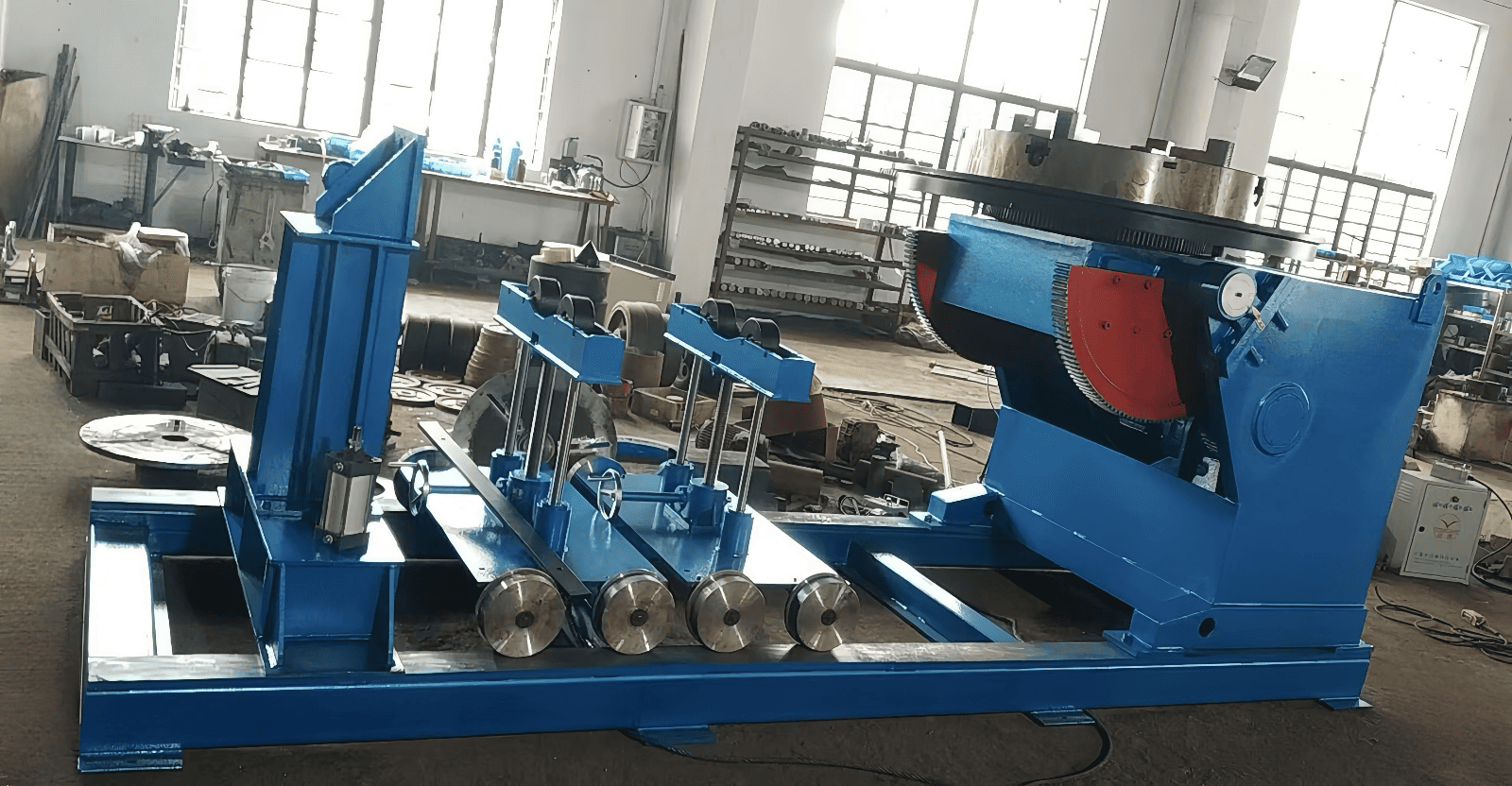
Welding as an art form has made a profound transformation, where in industrial processes, automation has taken the lead role. Pipe rotators and turning rollers are among the most ingenious solutions that inspire the welding industry. With the help of these mighty tools, workflows are being cleared, precision and quality are increasing, and the possibility of welding automation is being demonstrated. If you are a fabrication expert or a manufacturing boss, knowing the role these inventions play in your plant will be very important for you to remain in the market at the top. This article takes a closer look at the fundamentals of pipe rotators and turning rollers by factors like their features, advantages, and their influence on productivity. Prepare to open the door to the information that you need to change your welding methods and get results beyond comparison.
Introduction to Pipe Rotators
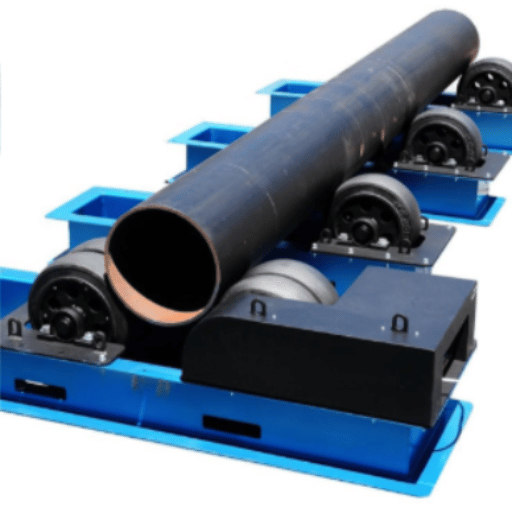
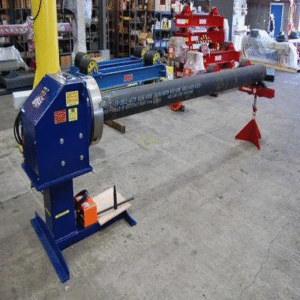
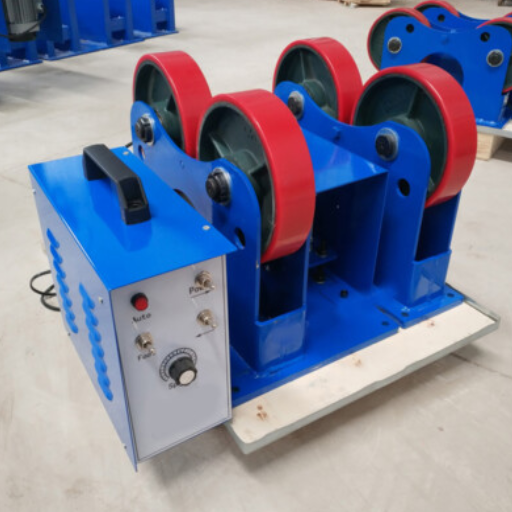
Pipe rotators are professional welding equipment made to turn circular items like pipes or tanks around during the welding or making processes. These machines through consistent and controlled movements make smoother welds, diminish the physical work, and increase accuracy. They are flexible and applicable in numerous sectors which require the efficient handling of big or heavy parts. Operating pipe rotators not only increases productivity but helps attain better quality of welds by cutting down on the differences, thus, making them a must-have in contemporary welding processes.
What is a Pipe Rotator?
One of the mechanical tools that help in welding and fabrication is a pipe rotator which rotates cylindrical items such as pipes or tanks. It guarantees the same movement for the whole part that is being welded, hence, welders will have longer-lasting, better-quality welds as well as less physical work and more productivity.
Importance of Pipe Rotators in Welding
In the welding process pipe rotators are essential, as they provide accuracy, speed and safety. They let pipes turn in a uniform way, so welders can get the same quality of welds with less work and less chance of making mistakes. Welding quality is one of the areas where pipe rotators have made a difference—they control the rotation process, so there is less manual handling, which in turn increases productivity and reduces the possibility of making mistakes. Thus, these machines are indispensable in the welding trade today.
Overview of Welding Automation Solutions
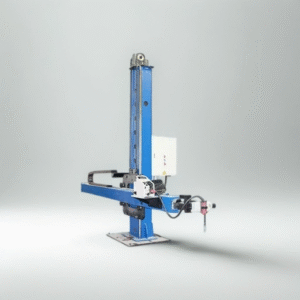
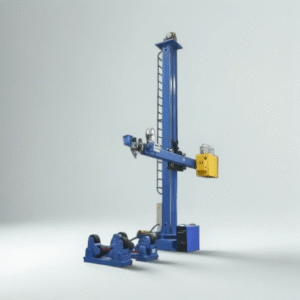
Welding automation solutions consist of an extensive range of tools and technologies that are intended to provide more efficiency, accuracy, and safety in the welding process. The most important solutions are robotic welding systems, automated welding machines, pipe rotators, and positioners. All these innovations lead to less human involvement in the process thus guaranteeing uniformity of welded joints quality and at the same time speeding up production.
Moreover, the advanced systems very often come with quality monitoring tools and software for real-time feedback and data analysis thus assuring optimized performance. The above-mentioned advantages make it easier for companies to gain higher productivity, less downtime, and safer operators which in turn brings about the necessity of these solutions in industries that need precision along with scalability.
Types of Pipe Rotators and Their Applications
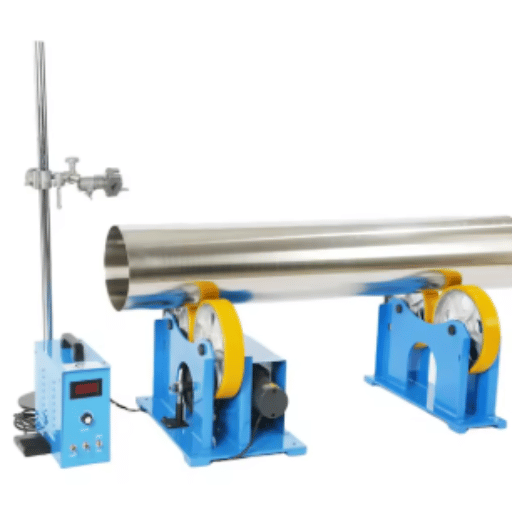
Different pipe rotators exist in a range of varieties, each of them specifically designed to cater to particular overlaps of welding and material handling. The most frequent types are:
1. Conventional Rotators
Conventional Rotators are the rotators that are supported and rotated on pipes of standard sizes by fixed steel or rubber wheels. General welding applications are ideal to be performed using these rotators, and they work most efficiently on uniformly cylindrical objects.
2. Self-Aligning Rotators
Self-Aligning Rotators can be decribed as those which automatically alter their rollers to suit pipes of different diameters. They are very helpful in areas where fast and smooth setups are necessary, for example, heavy-duty welding or manufacturing lines.
3. Adjustable Rotators
Adjustable pipe rotators are the ones that allow either manual or motorized changes in roller spacing. They are quite flexible and are suitable for projects that will deal with different pipe diameters within the same workflow.
4. Fit-up Rotators
Fit-up Rotators are the ones that are specifically designed to bring two separate sections of pipe together for welding. They make the whole process easier and are used to get the exact joint alignment for welds that are seamless.
5. Turning Rolls
Turning Rolls are not exclusively associated with welding, but they are capable of turning heavy structures and providing stabilization. Their use is common in surface finishing or inspections, apart from welding, along with periodic turning rolls.
Industry Impact: The usage of every type of pipe rotator contributes a lot to the enhancement of efficiency and precision of the welding tasks by cutting down on time for setup as well as time for executing the welding process. Their usage is all over the sectors such as oil and gas, construction, and manufacturing, where welds of the best quality are the basic requirement.
Specific Pipe Rotator Categories
Standard Pipe Rotators
The standard pipe rotators which have been made are meant to cater to the cylindrical objects in an efficient way and keep the support and rotation steady during the processes of welding or inspection. They come with predetermined speeds and are made strong, thus making them fit for use in common applications all over different sectors, such as oil and gas, construction, and manufacturing. The use of these rotators results in less time taken for the operations, more accurate welds, and less manual work being done, thus providing the best results with a small amount of effort.
Adjustable Pipe Rotators
Adjustable pipe rotators provide the capability to accommodate different pipe sizes and weights, thus offering versatility. They have adjustable wheel spacing and provide flexibility for different applications and also ensure exact alignment and rotation. These rotators are suitable for projects that need constant size changes, thus they save time and increase productivity. Their flexibility makes them a dependable option for those working in efficiency-driven, quality output and similar industries.
Heavy-Duty Pipe Rotators for Large Diameter Pipes
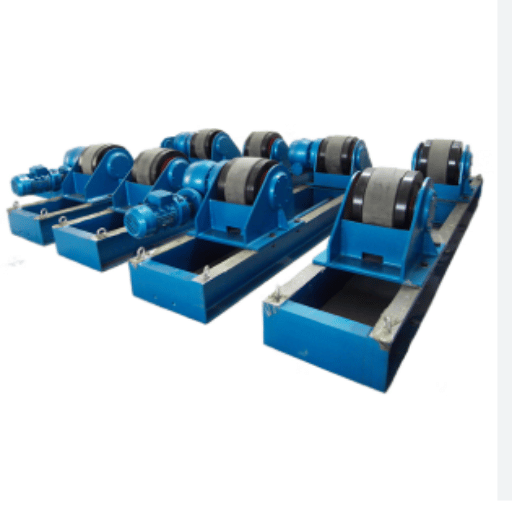
Heavy-duty pipe rotators are made to manage very big pipes and have excellent stability and efficiency. They are made to cope with the enormous weights and most of the time are made up of very strong frames, powerful motors, and very sophisticated control systems to achieve accurate spinning and best performance. These rotators are used in such heavy-duty applications as oil and gas, shipbuilding, and metal fabrication that are both safe and productive.
Key Features of Pipe Rotators
- ⚙️ Load Capacity
This product is capable of dealing with weighing conditions that vary from standard pipe sizes to the heaviest and the largest pipes. - 🔧 Adjustable Rollers
They make it possible to accommodate different pipe sizes and diameters with flexibility. - 🤖 Automation
A variety of models offer professional motorized systems with conventionally even rotation and less hands-on operation. - 🛡️ Enhanced Stability
The unit has been fitted with no-slip prevention and heavy-duty materials features that would allow safe handling of pipes during the operations. - 🎯 Customization Options
The user is given the option of speed controls and the use of accessories which will suit the specific welding or inspection needs. - ✅ Ease of Operation
The efficient operations are guaranteed through the user-friendly controls and low-maintenance designs that will not cause any major complexities.
Load Capacity and Weight Ratings
The utmost performance and safety are guaranteed as the load capacity and weight ratings of these systems are precisely designed by considering different pipe specifications. Every model is verified to carry the whole range of pipe sizes and weights, with comprehensive specifications specified for accurate operational use. Users are guided by these ratings in the selection of the right system corresponding to their explicit needs, thus making sure that the system is of high quality and efficient in operation.
Rotational Speed and Control
The rotational speed is one of the most important factors that influence the efficiency and precision of the mentioned systems. All models come with speed control features that can be adjusted to fit the various sizes and types of pipes, thus providing a smooth and steady workflow. The latest control systems provide a great degree of flexibility, which allows the users to set their machines at the top performance level and at the same time, to minimize the wear and tear of the parts in the process.
Construction and Durability of Pipe Rotators
Pipe rotators are designed and made using high-quality, strong materials, which include alloy steel and heavy-duty composites, thus, guaranteeing their durability even under extreme conditions for a long time. They have a capability of withstanding high stress and heat while being resistant to corrosion and wear, which is at the core of their design. Such durability means less maintenance, thus, higher operational efficiency. All of this makes them a reliable choice of equipment for use in continuous industrial operations.
The Welding Process and Pipe Positioning
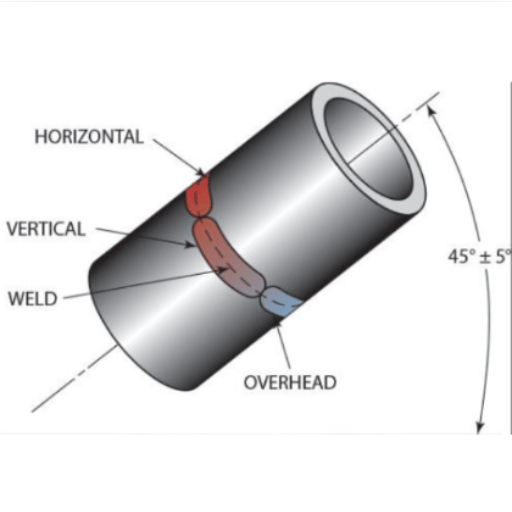
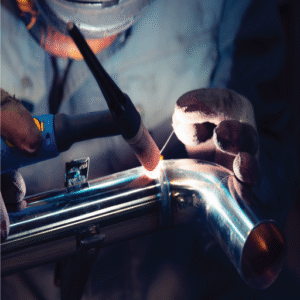
The welding operation needs exact positioning of the pipes to create good quality joints and welds. The role of pipe rotators is that they hold and turn the pipes during welding operations, which makes it possible to have steady and uniform welds around the whole circumference. Alignment is the most important thing to do in preventing defects that can lead to the weld being weak and not lasting as long as intended. Pipe rotators that offer speed control and different positioning options can help make the welding process more efficient and reliable, as well as allow welders to exert less physical effort.
How Pipe Rotators Enhance the Welding Process
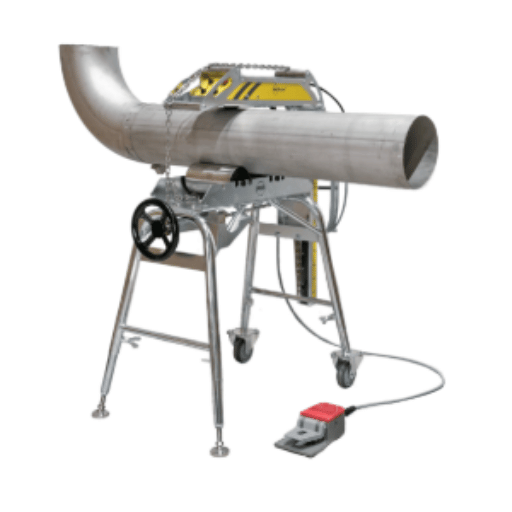
Pipe rotators are important tools in the welding process as they bring about the complete and even rotation of pipes, which results in the accurate and uniform welds. They cut down the manual repositioning to a minimum which in turn lowers the physical strain and increases the efficiency. The adjustable speed controls along with the positioning features that come with the pipe rotators allow the welders to keep accuracy even if the pipe sizes and materials are different thus resulting in high productivity and excellent quality of welds.
Benefits of Using Welding Positioners
Welding positioners provide several important benefits, among which are increased accuracy and easier operation. They allow welders to produce and maintain good quality welds by reducing their tiredness, since workpieces are fixed securely at the best angles. These instruments make the process faster by shortening the time needed for manual alterations and by making the workflow smoother. Moreover, positioners offer safety improvements by holding heavy or oddly-shaped objects in place and thus reducing the chances of accidents happening during welding operations.
Efficiency in Pipe Welding with Rotators
The use of pipe welding rotators results in a remarkable efficiency boost by means of automatic turning of cylindrical pieces, which at the same time, very little human labor is involved ensuring weld quality consistency. They cut the welding time down to half by rotating at a constant speed that is the best for welding, so, the welders only have to pay attention to the accuracy. Furthermore, the rotators provide safe and stable conditions for heavy pipes which, in turn, helps to smoothen the work process and, thus, reduces the time lost in production.
Benefits of Using Pipe Rotators
| Benefit | Description |
|---|---|
| Improved Weld Quality | Pipe rotators guarantee constant rotation, this leads to the formation of uniform welds and the chance of defects is minimized. |
| Enhanced Efficiency | Rotators, through the automation of the rotation process, eliminate the need for manual efforts, thus workers are able to shift their attention to the aspects of precision and speed. |
| Worker Safety | Rotators limit manual lifting of heavy pipes, which in turn minimizes the hazard of accidents or injuries due to straining. |
| Cost Savings | The efficiency that has been achieved and the decrease in error rate result in reduced costs for materials and labor through lesser wastage over time. |
| Versatility | Majority of the pipe rotators can be adjusted and be able to fit various pipe sizes, thus presenting them as a versatile tool for multiple welding applications. |
Improved Welding Quality
Pipe rotators are indispensable tools in the process of welding quality improvement due to their capacity to guarantee rotation and stability during the entire welding operation. Such a continuous movement makes it possible for the welders to produce the seams that are smoother and more exact and, consequently, with a very low number of defects. Besides, through constant positioning, rotators limit the variations in the weld and make the joints stronger and more durable overall.
Increased Productivity
Pipe rotators are a major force in increasing productivity, as they significantly reduce the manual adjustments’ time and effort needed for welding. The workers are then able to perform their jobs with better precision and time consumed has been reduced. The welding does become faster but at the same time, the time needed for repairs is cut down, that in turn means more production in a shorter time.
Safety Considerations in Pipe Welding
⚠️ Critical Safety Requirements
The process of pipe welding, due to the various risks associated with it, considers safety of utmost importance. It is a must for workers to always wear suitable personal protective equipment (PPE) that consists of welding helmets, gloves, and flame-resistant clothing to kids of burns, eyes getting injured and getting exposed to dangerous fumes.
Ventilation that is done properly is a main factor in reducing the inhalation of poisonous gases, while fire safety measures, for instance, having extinguishers accessible at all times, are there to help in reducing the risks. Moreover, it is a requirement that operators take very good care of the equipment and strictly comply with the prescribed protocols in order to avoid accidents caused by either malfunction or human error. These safety practices when being followed will result in a welding environment that is both safe and productive.
Reference Sources
- Market Intelo – Pipe Welding Rotator Market Research Report 2033: The report examines the usefulness of pipe rotators, highlighting the oil and gas industry first.
- Alsafrik Steel – Welding Pipe Rotators: The article gives insights into pipe rotators and their benefits and target markets, and the Middle East and Saudi Arabia are mentioned as the primary ones.
- Senlisweld – Pipe Rotator, Welding Rotator: The document tells how pipe rotators are used in such industries as railroads, shipping and manufacturing.
- Kistler Machine – Overview of Pipe Rotators Features & Applications: The paper covers pipe rotators, their features and applications of welding cylindrical objects.
- Revolution Machine Tools – The RMT Pipe Rotator Advantage: The article tells about the benefits of tiltable pipe rotators with unique clamping roller systems.
Frequently Asked Questions (FAQs)
A pipe rotator is a tool for welding that is meant to turn over objects which have a cylindrical shape like tubes, tanks, and pressure vessels that are used in welding or fabrication operations.
It is considered more accurate welding, less operator tiredness, better safety, and higher production rates as the heavy workpiece rotation is done by the machine.
Pipe rotators are present in such sectors as oil and gas, shipbuilding, construction, manufacturing, and custom metal fabrication.
Types that are commonly seen are conventional, self-aligning, and tiltable rotators, with each type intended for its specific application.
It spins the object on motorized rollers thereby allowing the welders or robotic systems to work on any side of the object without repositioning it manually.