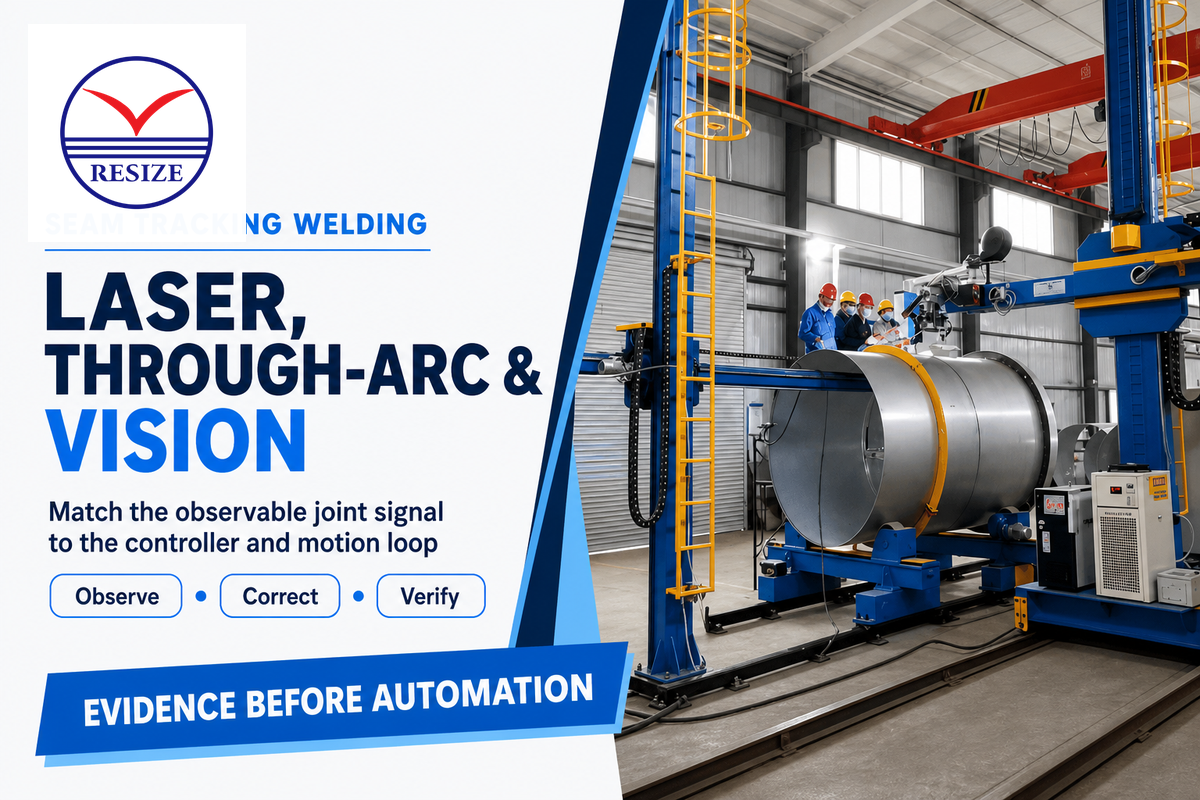
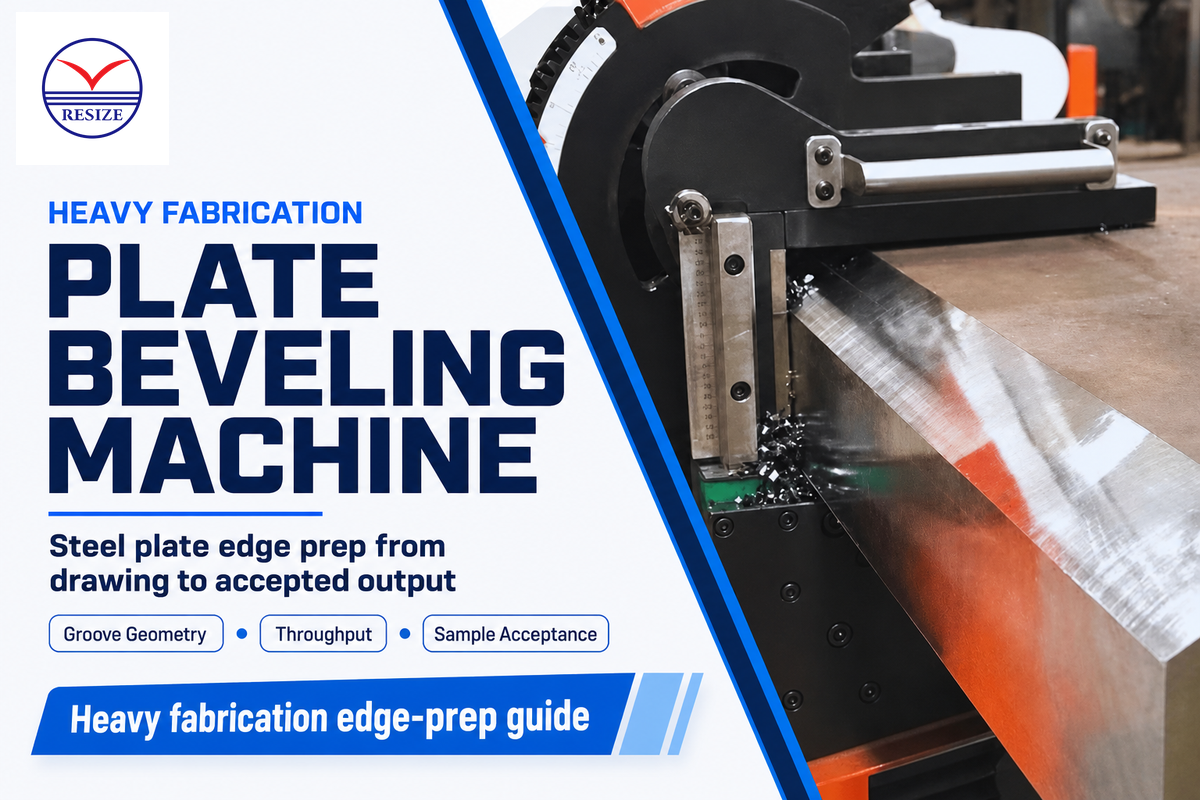
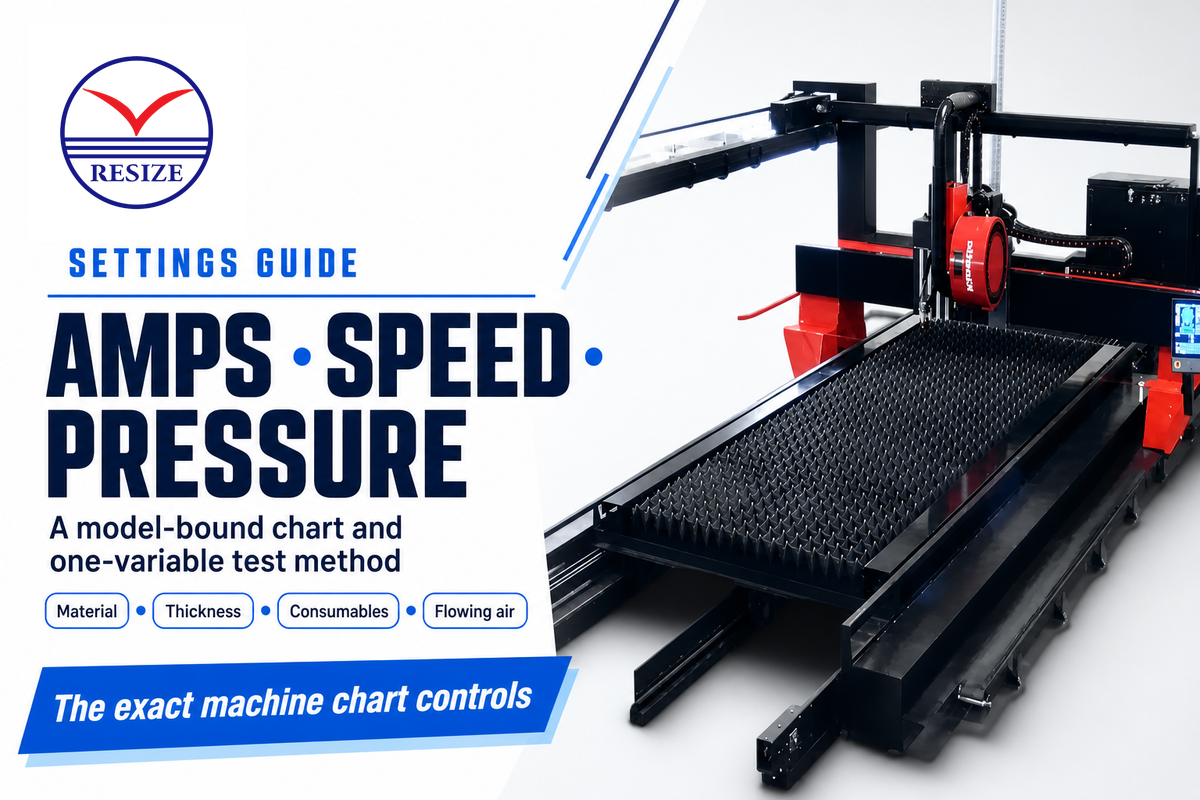
Pipe welding requires precision, efficiency, and adaptability for the versatile demands of its applications. Pipe turning rolls play an essential role in achieving these objectives by providing a robust place for support and reliable pipe rotation under varying conditions. This paper discusses key considerations dealing with weld roller capacity with focus on selecting the correct equipment to ensure optimal welding performance. This information will enable the reader to understand how adjustable pipe turning rolls will promote productivity, produce better welds, and cut down on risks for operation. Ultimately, it will help them make intelligent choices with respect to their welding projects.
Key Takeaway
Selecting the correct load-bearing capacity and roller diameter is the most critical factor in preventing pipe distortion and ensuring uniform weld penetration in cylindrical fabrication.
Introduction to Pipe Turning Rolls
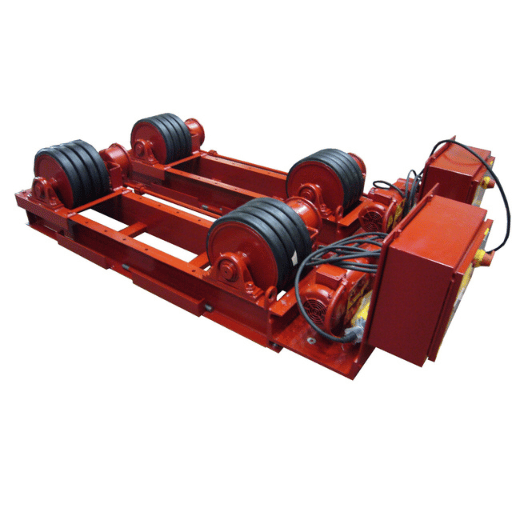
Pipe Turning Rolls are specifically designed to rotate cylindrical objects like pipes, tanks, during welding or fabrication. Continuous and controlled movement creates a smooth welding seam and a minimum level of imperfections. The dexterity of these rolls allows them to cater to different pipe diameters and weights. Hence, pipe turning rolls are incredibly versatile for multiple applications. According to best operating practices, pipe turning rolls result in the improvement of safety, increase in welding efficiency, reduce handling disparities in manual labor, and render these a must-have piece of equipment for projects in need of precision and perfection.
What are Pipe Turning Rolls?
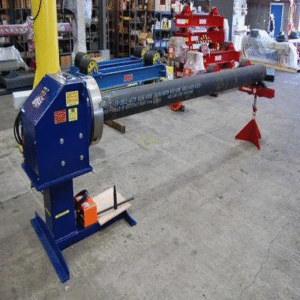
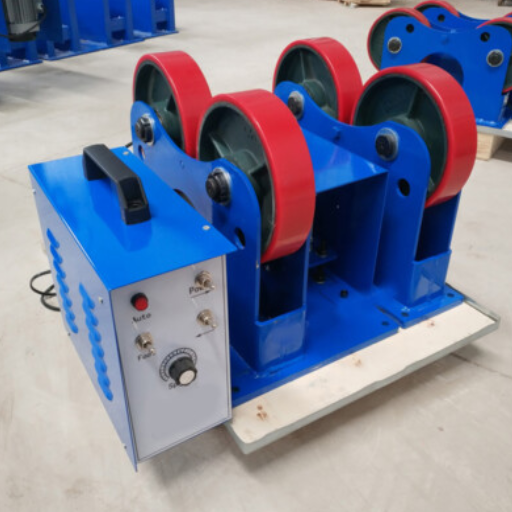
A pipe turning roll represents a machine having a rotative capacity crafted for rolling cylindrically shaped workpieces, such as pipes, tanks, etc., in a welding, coating, or manufacturing operation. Their main function is to guarantee accurate and desirable rotation, so that the heat is evenly distributed and uniform weld predication results. Capable of being customized in order to accommodate different workpiece sizes, and weight, these machines ensure that work takes place with utmost efficiency and safety. For such enterprises that lay emphasis on a high grade of precision and work efficiency while dealing with the handling and fabricating of cylindrical objects, these machines serve as indispensable tools.
Importance of Adjustable Capacity in Welding
Variable capacity in welding operation is essential in dealing with varied workpiece dimensions and weights for operational flexibility and efficiency. This minimizes downtime due to necessary setup changes and eliminates the need for many different, specialized equipment. Meaning, a certain tool, in its several capacities, can hold down or hold in a superior position the exact correct alignment and steadiness required for proper welding. Furthermore, this is very cost-effective remaining within the same machine for various applications, optimizing in their matching the resources and bearing regularly harsh conditions of industry.
Overview of Automation in Welding Processes
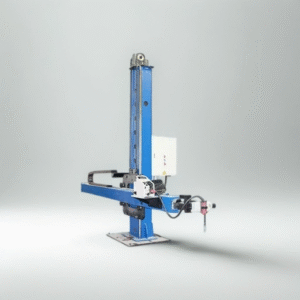
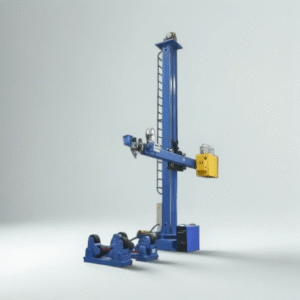
The use of advanced technologies, such as robotic arms, programmable controllers, and real-time monitoring, applies sheer automation to welding processes to optimize the effectiveness and precision of operations. These systems underscore weld quality through minimizing human error, reducing material waste, and increasing throughput. With flexibility in terms of shaping complex geometries and demanding applications, the advantages come with quicker joint completion time, increased safety by minimizing the human exposure to such hazards, and environment adaptability. These automated solutions are engineered to blend with existing workflows—for scalable and solid operations guaranteeing reduced costs in the long run.
Key Specifications of Pipe Rollers
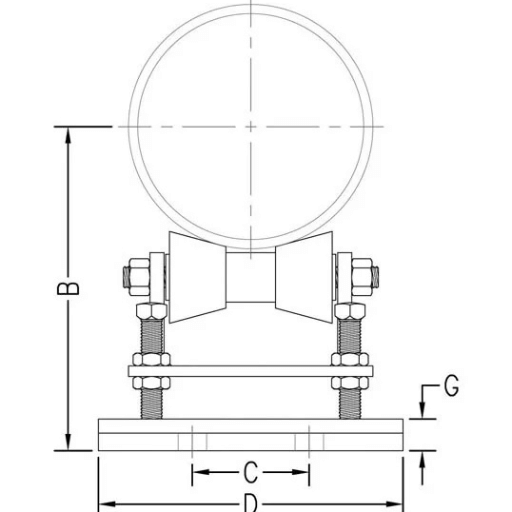
- 1. Load-bearing capacity: Accommodate loads from hundreds to thousands of pounds, adapting to project scale.
- 2. Roller Material: High wear-resistant materials like polyurethane or steel to maximize support.
- 3. Scope of Adjustment: Equipped with adjustable drills to serve wider or narrower pipeline diameters.
- 4. Speed Control: Variable-speed models for aligning welding and rotating speed requirements.
- 5. Power Supply: Electric and hydraulic options available based on site conditions.
- 6. Stability Feature: Safety interlocks and stable bases for personnel protection and alignment maintenance.
Understanding Load Capacity: lb vs ton
⚠️ Important Note
Always verify if your technical documentation uses Short Tons (2,000 lb) or Metric Tons (~2,205 lb). Miscalculation can lead to catastrophic machinery failure and safety risks.
When one speaks of load capacity within industrial settings, knowing the correct conversion between pounds and tons must be clear. The pound (abbreviated lb) is the central unit of weight of the imperial system in the United States and is defined as 0.453592 kilograms. The ton, at least in the industrial setting, may indicate either the short ton (2,000 lb) or the metric ton, which is approximately 2,204.62 lb. Depending on the context, distinction may be needed. One should always be very precise in making these conversions; even a minor error may cause havoc in terms of machinery failure, threats to health and safety, or non-compliance with operational standards. To be extra cautious, always make sure to check the unit of measurement listed on the technical documents.
Diameter Considerations for Pipe Rollers
Proper roller sizing is associated with the pipe’s wall thickness, weight distribution, and type of material used. Roller diameter should be enough to stabilize the pipe without concentrating stress and causing damage to the pipe. For heavier pipes, use larger roll diameters so that reduced surface pressure will provide better stability in weight distribution. Further, the size of these rollers should fall into the category of industry-standard pipes and be specified engineering specifications. Proper roller size allowances are major positives in efficient operation and least gradient of wear on the pipe and roller.
Motorization and Electric Options
Motorized pipe rollers greatly improve pipe handling efficiency and accuracy, especially in scenarios where constant rotation or controlled locomotion is needed. For this reason, electric motors achieve tranquil running, both energy-efficient perks, and offer control of variable speed. Are these options (motorized rollers)? If so, consider the important factors for making the wise decision, i.e., the load capability, rotative torque maintenance, and integration with control systems for many cases. More advanced models usually have a built-in control system, allowing the machines to adjust their speed, direction, or modes even from the farthest point possible, thus making it possible for any good performance in assorted robotic applications.
Benefits of Using Automatic Pipe Turning Rolls
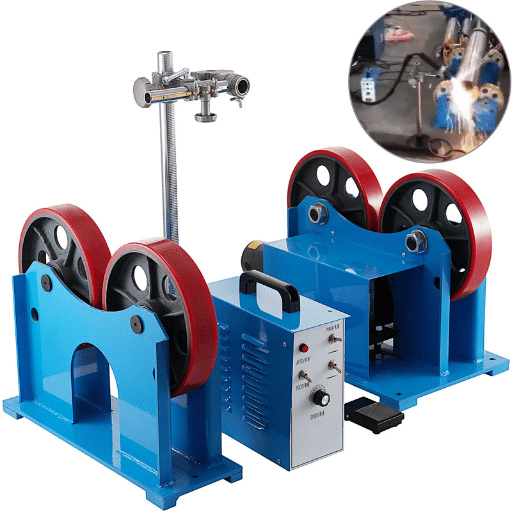
- ✓ Improved Efficiency: Automated rotation reduces manual labor interferences.
- ✓ Enhanced Precision: Uniform layering of beads by reducing rotation imperfections.
- ✓ Operator Protection: Reduced manual handling significantly lowers physical risks.
- ✓ Varying Size: Flexible adjustment protocols for diverse pipe weights and sizes.
- ✓ Time Saving: Slashing operation time through rapid, automatic rotation.
Enhanced Productivity in Pipe Fabrication
Higher productivity is obtained in pipe fabrication through the use of the most advanced technologies which are pipe rotators, automated welding machines, and the systems which regulate precision. In any way, such applications reduce manual functions, upgrade quality, and reduce errors. Output is consistent while production time is reduced, yielding an enhancement in the efficiency of the work involved, besides giving more precision and safety of the worker. Moreover, their ability to cater to pipes of a variety of sizes gives a commendable reason for their utility concerning many industrial needs of modern-day fabrications.
Improved Precision and Quality of Welds
Advanced technologies are used by automated pipe welding systems to deliver better precision and weld quality. These technologies include real-time monitoring, adaptive control systems, and laser-guided alignment. They maintain human error, giving a consistent pattern of weld edge parameters, heat input, speed, and filler wire application leading to steady penetration of the weld and ultimately stronger welding reduces defects typical of welding, such as porosity and misalignment. In addition to allowing highly precise repeatability across all welds, improving the structural integrity, these solutions also warrant compliance with industry standards.
Lightweight Designs for Better Maneuverability
To enhance efficiency and ergonomics in contemporary industrial equipment without compromising structural requirements, light design is the key. By using advanced materials like high-strength alloys, carbon fiber composites, and engineered polymers, manufacturers have the benefit of reducing the weight of a part without having to compromise either the strength or the durability. Lightening the mass supports an improvement in maneuverability, with reduced operator fatigue, lessening of energy consumption in automated or manual operations. Another strong support towards weight designing is that it creates an opportunity for an optimal load distribution and good handling under complex situations, guaranteeing safety and operational precision as well.
Practical Applications of Weld Rollers
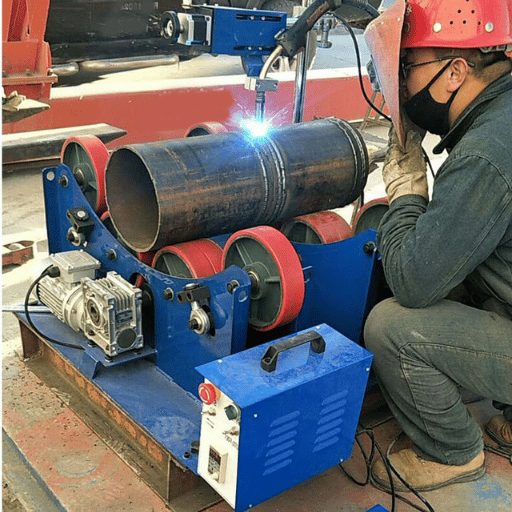
| Application | Key Benefit |
|---|---|
| Pipe Welding | Stable rotation and alignment. |
| Tank Manufacturing | Smooth rotation of huge cylindrical structures. |
| Pipeline Construction | Precise welding of long-distance lines. |
| Repair Shops | Easy inspection and comfortable welding. |
Using Turning Rolls in Tank Fabrication
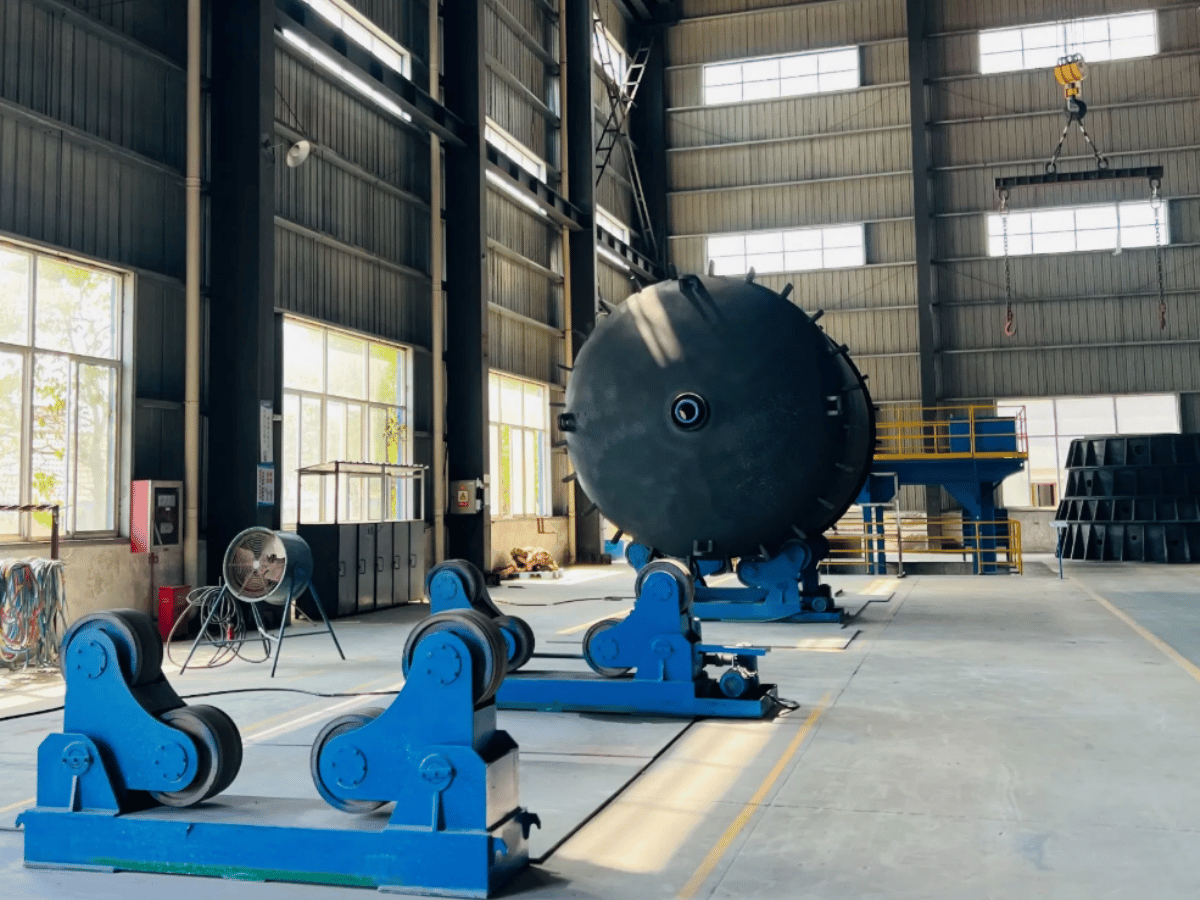
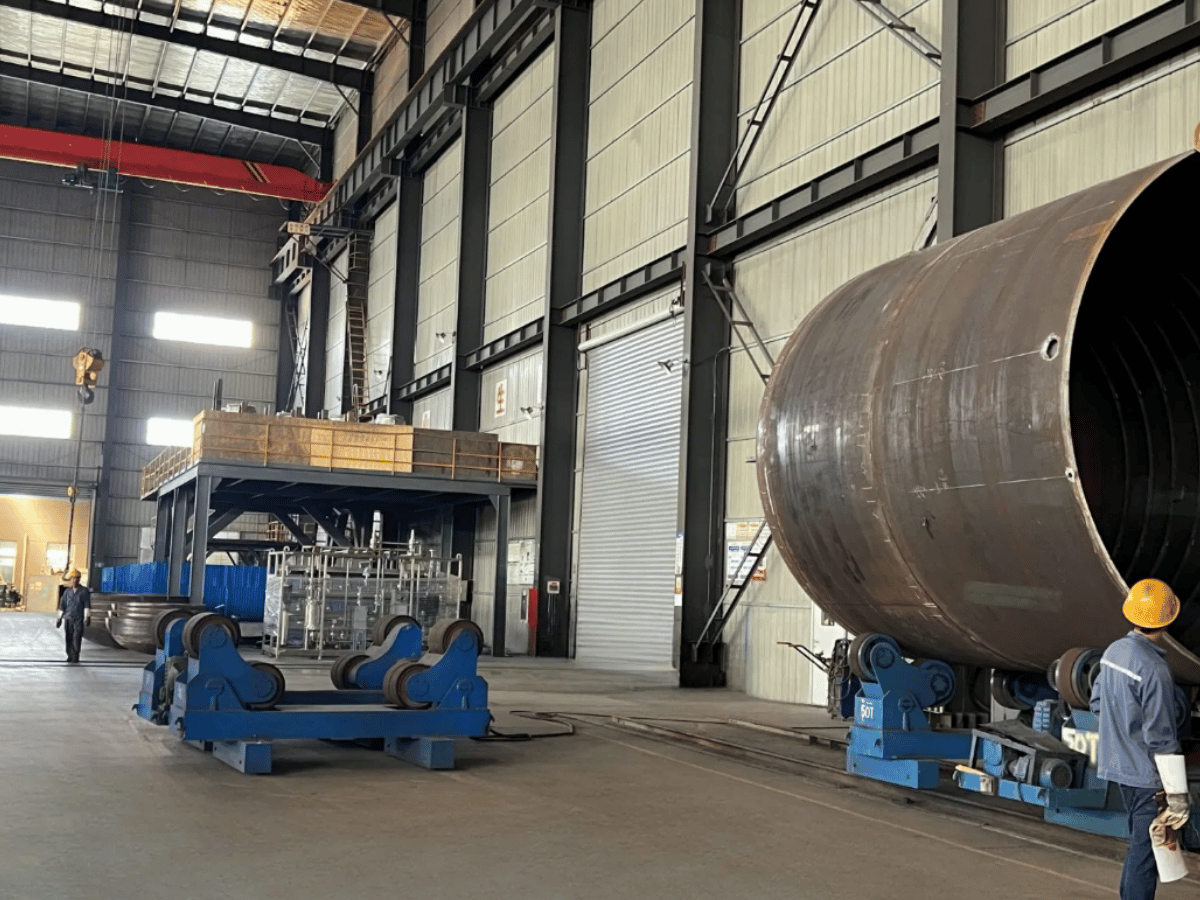
Turning rolls are an essential equipment for fabricating tanks as they help in revolving and aligning large cylindrical tanks during welding and assembling processes. This equipment ensures an even rotation, which ensures uniform weld seams and reduces product defects. By reducing manual handling, turning rolls ensure safety of personnel and help in ensuring rapid work. Mostly used in the field of construction of storage tanks, pressure vessels, and industrial silos, turning rolls are very much necessary for maintaining precision and for meeting up to the strict industrial quality-fabrication demands.
Pipe Welding in Various Shop Settings
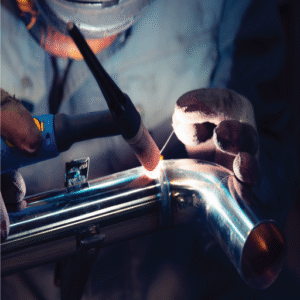
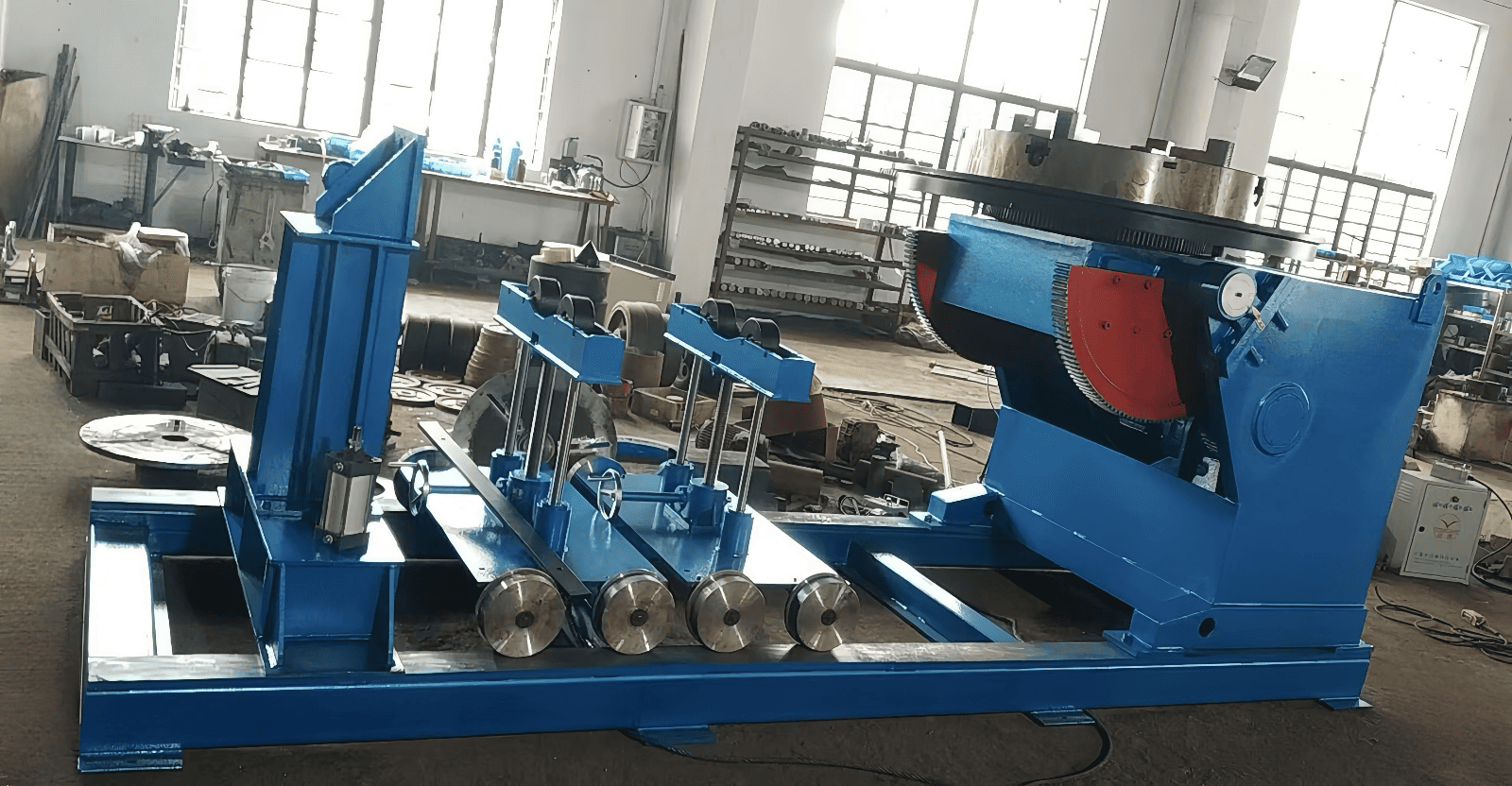
In various shop settings, there is adaptability in handling different machinery, configurations of equipment, and material specifications in pipe welding. The equipment to be used and how the process is to be handled differ with pipe diameter, wall thickness, and type of welding process—TIG, MIG, or SMAW. Fabrication shops may use equipment such as positioners and programmed tools for enhanced precision and productivity, while field welding may rely on hand tools and individual operation due to logistical constraints. Proper welding of pipes in these settings necessitates careful alignment, consistent heat input, and observance of strict inspections protocols to ensure structural integrity and regulatory compliance.
Adjusting Settings for Different Welding Projects
- 1
Material Analysis
Stainless steel requires low heat input to reduce distortion; Aluminum requires AC high-frequency. - 2
Amperage Adjustment
Vary settings based on wall thickness to ensure penetration without burn-through. - 3
Gas Composition
Select appropriate shielding gas to stabilize the arc and ensure weld quality.
Reference Sources
- Proline Global: Pipe rollers for alignment and thermal protection.
- Resize Weld: Welding automation and rotation solutions.
- ESAB: Automatic pipe welding machines for high-quality results.
- Westermans: Choosing pipe rollers for uniform, neat welds.
Frequently Asked Questions (FAQs)
What is an automatic pipe-rolling machine for welding?
It is a machine capable of welding through rotation and positioning, providing precision and productivity.
What are the benefits of automatic pipe-rolling machinery?
It improves accuracy, decreases labor, and nullifies misalignment issues.
Which industries employ pipe rotators?
Oil & gas, construction, shipbuilding, power generation, and heavy equipment manufacturing.
What kind of pipes can be managed through these rollers?
Different specifications of steel, aluminum, and various alloys.
How do rotation machines improve the quality of welding?
By providing consistent rotation to ensure uniform quality and reduce potential defects.