Investing in welding equipment is indeed a huge decision, particularly for professional and amateur welders working in the harsh field of metal fabrication. Refurbished welders offer a more affordable option for purchasing welders, as they perform the same function but cost significantly less than new machines. However, to have a grasp of the used welding machine market, one must have a thorough understanding of their features, quality, and performance factors beforehand, so as not to be caught off guard. This guide aims to equip readers with the necessary knowledge to make informed decisions about purchasing refurbished welders. From evaluating reliability and performance to understanding the advantages of certified refurbished machines, we will discuss all the considerations that go into achieving the best value for your money while also ensuring that the machines are actually efficient in their operation.
Understanding Refurbished Welders
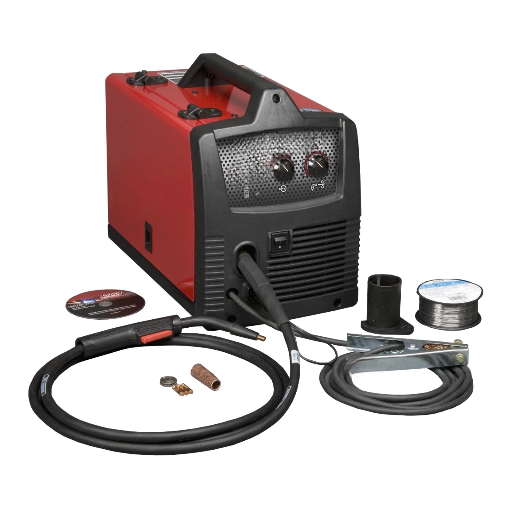
Pre-owned, inspected, repaired, and restored to operational standards by the manufacturer or a certified professional, these are refurbished welders. Being refurbished could imply a thorough testing for both performance and safety specifications. Certified refurbished welder units offer a more affordable option than their new counterparts, while still maintaining reliability after careful testing. When purchasing a refurbished welder, it is essential to determine the type of refurbishment performed, understand the warranty terms, and verify that the welder meets your specific requirements.
What are Refurbished Welders?
The term here refers to used welders that are repaired and serviced to perform almost like new, which entails a thorough inspection, repair, and testing procedure. According to the companies, distributors, or authorized refurbishers, these machines are typically returned to them due to minor defects, cosmetic damage, or trade-ins. They are then refurbished to meet the original performance and safety standards. The refurbishment may involve replacing any worn, damaged, or faulty parts of the welder, recalibrating the equipment, testing it, and conducting a rigorous quality assurance check to ensure the welder is functioning optimally.
💡 Industry Insight: Industry data suggests significant price reductions of 20-50% compared to new welders, while still delivering reliable performance.
The buyer must verify that the welder originates from a certified refurbishment process; therefore, it comes with a warranty and technical specifications confirming its compatibility with user requirements. Authorized dealers and manufacturers widely sell refurbished welders, typically providing detailed information about the refurbishing process to help users gain confidence in the quality of the refurbished product.
The Rise of Refurbished Welding Machines
From an expense and environmental perspective, the increased demand for refurbished welding machines is evident. These machines serve as pragmatic alternatives whenever users demand reliability without the need to pay exorbitantly for brand-new equipment. Refurbished units undergo thorough inspection, repair, and rigorous quality control testing to ensure they meet industry standards. Certified dealers ensure that high levels of trust and transparency are maintained, providing the buyer with all relevant documentation and warranty information. However, the upward trend applies to learner situations, which give some reuse of resources; thus, larger issues related to environmental conservation eventually come into consideration.
Why Choose Refurbished Over New?
Choosing refurbished products offers the first opportunity to realize some savings while maintaining functionality and reliability intact. On average, a study conducted recently concludes with consumer patterns, showing that a refurbished unit sells for quite a steep difference, maybe between 30-50%, thereby opening up further savings to buyers in need. Enjoying refurbished products comes with the confidence that they are usually returned to a near-like-new state, rigorously tested, updated with the latest software, and repaired for any hardware glitches, ensuring the product works optimally for the buyer. Additionally, basking in refurbished units helps reduce the amount of electronics that go to waste, thereby extending the limb of environmentalism. There is a broad acceptance of warranties and certified inspections, which contributes to the perception of refurbishments as a practical and reliable alternative. The synergy of savings, quality assurance, and environmental friendliness makes refurbished products the best choice rather than new.
Benefits of Refurbished Welders
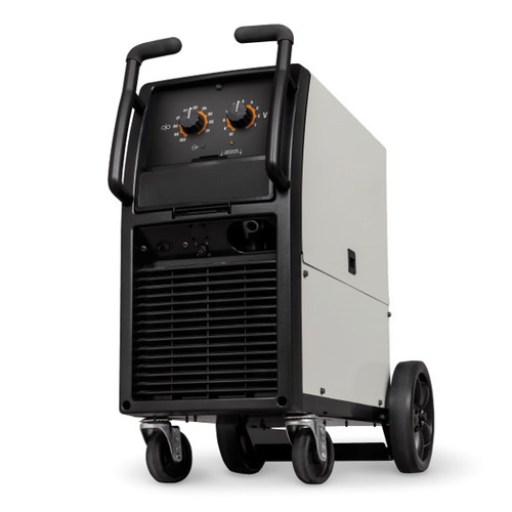
💰 Economical
Used welders are significantly cheaper than brand-new models, offering performance at a fraction of the cost and making them perfect for money-conscious professionals or companies.
✅ Quality Assurance
Such units may be tested and inspected with the assistance of certified technicians to ensure they meet safety and performance standards, thereby operating reliably in parallel with new equipment.
🌱 Environmental Impact Reduction
Buying refurbished welders means less waste because the used equipment is refurbished, thereby extending its life cycle. This is a crucial criterion for maintaining sustainability and minimizing the carbon footprint associated with manufacturing a new machine.
🔧 Choosing a Proven Model
Refurbished machines can be a refurbished established series of models that are no longer in production, allowing the use of trusted and time-tested machinery.
🛡️ Warranty and Support
Your refurbished welding machine will come with a warranty and after-sales support, so you can rest assured knowing that any issues will be professionally addressed.
Cost Savings Compared to New Machines
Refurbished welders offer a significant price savings compared to new machines. Refurbished equipment typically sells for 20-50% less than similar brand-new equipment, depending on the condition and brand. This opportunity enables businesses to stretch their budget further, potentially allowing them to purchase more tools or invest in staff training. Furthermore, standard welding tasks can be well met by a top-grade refurbished machine, which offers the essential functions at a price significantly lower than that of a new machine.
Sustainability in Welding Equipment
Sustainability in welding equipment has become increasingly critical as industries strive to reduce their environmental impact. One of the primary considerations regarding these modern welding instruments is whether they are energy-efficient, meaning they use less power while maintaining higher performance. Using renewable materials during manufacturing, such as recyclable metals and reducing dependence on toxic chemicals, is another approach that supports sustainability objectives. Refurbishing and reusing the welding equipment mentioned above has a significant impact on waste reduction, as it extends the working life of these machines and reduces the need for raw materials. Additionally, advancements in welding technologies, such as hybrid welding processes, are helping to reduce emissions during operation. Going green in welding is just common sense, environmentally, and can hopefully save a welding business operational money down the line.
Reliability from Trusted Sellers
Purchasing welding machines from reputable sellers typically ensures reliability and quality in both performance and durability. Reputable suppliers adhere to strict and time-tested quality standards, offering warranties, technical support, and maintenance services. This, in turn, reduces the likelihood of defects or downtime, thereby enhancing operations. Trusted dealers often certify their products as well, assuring that the industry’s standards of safety and performance have been met. When making a choice, an important step is to ensure a reputable source, thereby maintaining welding results that are consistent and durable.
Refurbished Welders vs. New Machines
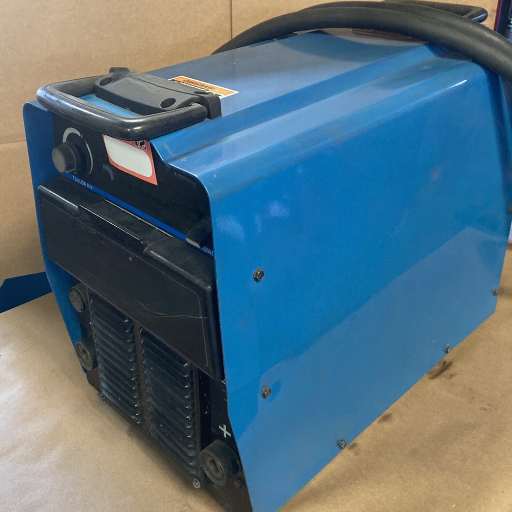
When comparing refurbished welders and new machines, key factors include cost, performance, reliability, warranty, availability, and environmental impact.
Performance Comparison
The comparison of refurbished welders’ performance rests on several key points of consideration. Many refurbished welders rely on the thoroughness of the repair. When machines are refurbished with the finest, quality-tested components, they can provide good working conditions under standard operating procedures. However, inconsistencies may arise depending on wear and tear or the degree of repairs undertaken.
On the contrary, new machines are set for best performance when they leave the factory gates, meeting all specifications provided by the manufacturer. They are energy-efficient, weld better, and operate more reliably than refurbished machines under technical advancements. They offer safety features and enhanced automation that look ahead to new ensuring consistent installation superiority over the reconditioned machines.
So, refurbished welders may stand out as an economical option, depending on the application; they will never be as consistent or reliable as a new machine based on jobs demanding industrially exact uptime.
Longevity and Durability
Regarding longevity and durability, refurbished welders generally have a shorter working life compared to a new one. Refurbished welders can sell for less than new ones because refurbishment rarely restores the wear that has already occurred during the previous service cycle. While refurbished welders operating well under moderate workload conditions can weaken or fail mechanically during extended use, this is especially true in industrial operations.
On the other hand, in durability contrast, new machines use modern materials and engineering techniques to cement durability in demanding conditions. Furthermore, newer welders are designed to withstand high levels of stress over extended operational hours without compromising performance, as per current manufacturing standards. This robustness not only significantly contributes to longevity but also keeps maintenance costs low over time.
📊 Data Insight: Recent data suggests that when companies buy new welders, especially for durability purposes, the welders usually remain in service longer by several years than the refurbishers. Manufacturer warranties on new machines provide added assurance to mitigate risks associated with possible defects.
Therefore, for industrial use where durability and long-term reliability are priorities, new welders present a viable option compared to the refurbishers.
Value for Money Analysis
Price comparisons of refurbished welders and new machines are dependent on several factors. Refurbished welders generally cost less upfront and, therefore, may appear more appealing to companies with limited funds. They can suffice for specific basic tasks, mainly when acquired from reputable suppliers who test and refurbish them correctly.
Conversely, new machines counter the argument that the initial cost is high, offering greater returns in the form of longer life expectancy, improved technology, and warranties to reduce unforeseen expenses. For highly reliable applications or those with heavy usage, new welders offer better returns on investment over time.
Refurbished welders are therefore best suited for price-sensitive, less demanding applications, whereas new machines are the preferred choice for industries that demand optimum performance, longevity, and reliability. While pondering shall depend on budget impositions coupled with particular operational requirements.
Buying Tips for High-Quality Refurbished Welders
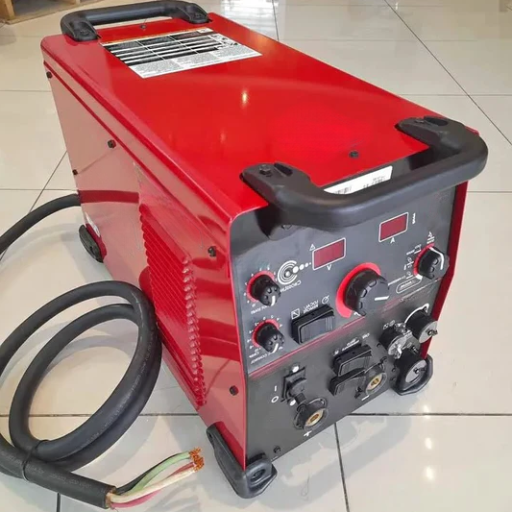
-
1
Learn about the Welder’s History
The day before purchase, ask and note the following information: past use, specifically what projects were completed, repair details, and whether the property has experienced major repairs and maintenance.
-
2
Examine for Wear and Tear
A detailed visual and operational inspection of the machine is needed, depending on various issues it may have, including damaged cables, some worn components, or inconsistent performance.
-
3
Check Refurbishment Process
Refurbishment should be carried out by persons trusted by the manufacturer to adhere to the standards of the trade and, more importantly, utilize top-quality replacement parts and conduct proper testing.
-
4
Check Economic Warranty Coverage
Try to find a refurbished welder accompanied by a warranty, either from the manufacturer or a third party, as protection against unexpected operational failures.
-
5
Match Specifications with Requirements
Perform a cross-check of the machine’s technical specifications, including voltage compatibility, amperage range, and duty cycle, against the application’s requirements.
Checking for Certifications and Warranties
When considering the purchase of a refurbished welder, it is essential to determine whether the equipment has been certified and whether it comes with a warranty to assess its quality and reliability. Where could these certifications come from? Organizations that focus on standards working at an international and local level, with ISO standards and ANSI/OSHA regulations being the most prominent. These certificates indicate that the machine has been built to conform to existing safety and performance standards. Furthermore, keep in mind that the refurbishing was done either by authorized technicians or at an authorized facility as per the governing bodies in the welding community.
Then come the warranties. When investing your money in a newly refurbished machine, warranties play a crucial role in providing further protection. Manufacturer warranties are usually more reliable and benevolent because they ensure your equipment is free from any defects or malfunctions for a specific period. In cases where a manufacturer’s warranty is not available, a third-party warranty can cover at least some risks; however, it is essential to review the terms and conditions, as well as the reputation of the issuing party. Certify that your machine is deemed safe and durable through these certifications and warranties.
Inspecting the Machine’s Condition
To assess the condition of a machine, the first step is to conduct a visual inspection to identify any apparent signs of wear, damage, or corrosion. One must check for leaks, cracks, or unusual wear patterns, especially around moving parts, seals, and joints. Safety guards and panels must be securely in place. Additionally, verify that the major components are functioning correctly. They should work smoothly without any abnormal noises or vibrations from each other. Ensure all controls, indicators, and displays function as intended. A thorough check requires further review of the unit’s maintenance record to determine if it has been regularly maintained in accordance with the manufacturer’s recommendations.
Identifying Trusted Sellers
It is essential to ensure that welders are purchased from reputable and trustworthy sellers, thereby guaranteeing utmost quality and serviceability. Firstly, verify the seller’s certifications and memberships in recognized industry organizations such as the American Welding Society (AWS). A reliable seller should provide documentation regarding the refurbishment process, including inspection, testing, and replacement of parts if necessary. Another important factor is for the seller to offer warranties or guarantees for their equipment, as this ensures the quality of all equipment and demonstrates their confidence in the product’s working performance. Furthermore, check customer reviews and ratings to find out what is being said about the seller regarding their ability to provide dependable products and after-sales support. Finally, give preference to sellers who maintain transparent communication and have clear return policies in place.
Maintenance Tips for Refurbished Welders
🔍 Perform Routine Inspection
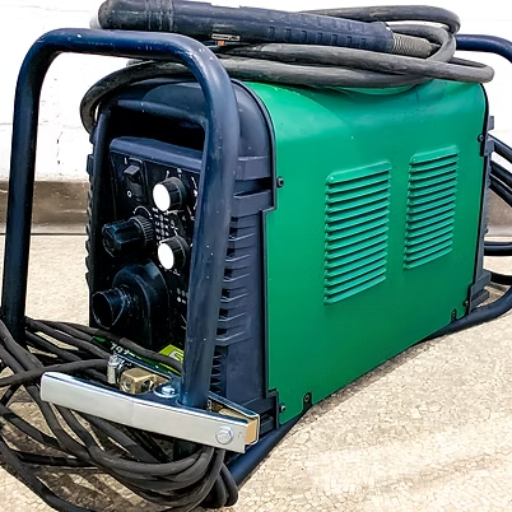
The welding machine should be inspected regularly for any visible signs of damage, wear, or loose connections. Give more attention to the cables, clamps, or electrode holder to ensure they are functioning correctly.
🧹 Clean the Welding Machine Thoroughly
Always remove dust, debris, or slag accumulation after each use. Carry some compressed air to clean the internal components and ensure the unit has proper ventilation.
🔧 Check Consumables Periodically
Consume discarded parts, such as contact tips, nozzles, and liners, once they are deemed worn, so welding can reach its full potential and not be interrupted.
⚡ Check on Electrical Connection and Internal Wiring
Everything in the electrical connection should be tightly secured and free from corrosion Penetrate deeper into an inspection of their power cord to ensure that no section exists that is frayed or exposed and can be a safety hazard.
🛠️ Lubricate Moving Parts
When and if applicable, apply good lubrication to gears, drive rolls, or any other moving parts, as guided by the manufacturer, to reduce unwanted friction and extend the life of these components.
Essential Maintenance Practices
Maintaining refurbished welders requires a systematic approach that promotes optimal performance and safety over time. The following are essential practices adapted to these machines:
- ❄️ Inspect Cooling Systems Regularly – Heat dissipation is crucial for any welding tool to continue functioning for a lengthy period. Check fans, vents, and coolant levels for blockage or leakage. Clean or replace as necessary to prevent overheating.
- ⚖️ Calibration Checks – The welder output settings must be verified with a calibration tool to ensure that the voltage and amperage are as per manufacturer specifications. This ensures a high-quality weld and also the reliability of the machine.
- 🔍 Consumables Monitoring – These must be inspects to check the condition of nozzles, contact tips, and liners. Consumables that have been traversed may cause erratic arc occurrence and poor weld quality, so they must be replaced promptly.
- 🔌 Inspect Ground Connections – Go through the status of these ground clamp and cables. They have to be able to maintain a good ground; otherwise, disruptions in the flow of electricity could lead to welding defects or damage to the equipment.
- 🛡️ Insulation and Electrical Safety Checks – Refurbished welders should be checked for the proper insulation of wiring and components. Loose or broken insulation may cause shorts or safety hazards; replace compromised components immediately.
Those safety and performance checks ensure that operators maximize the efficiency, wear life, and safety of their refurbished welders, thereby reducing operational downtime and improving overall reliability.
Keeping Your Welding Machine in Top Condition
I maintain my welding machine in a good condition by having regular maintenance done on it. I clean the machine of dust and debris, check consumables for wear, and look over electrical connections for corrosion or damage. Then, I lubricate the machine according to the manufacturer’s instructions, replace any necessary parts, and store it in a dry and stable environment. Having a regular maintenance schedule helps me ward off sudden breakdowns and keeps it running at its best.
Long-term Care for Durability
Ensuring that welders are kept in reasonable condition will require systematic and proactive preventive maintenance. Power cables and connectors should be routinely inspected for wear and damage, as inefficient or unsafe connections can form. The welder should be kept clean of dust, slag, and spatter after each use, especially near vents and moving parts, to avoid overheating. Follow the manufacturer’s instructions for replacing consumables, such as electrodes or nozzles, as these may wear out more quickly than usual with refurbished units. Moving parts should be lubricated to ensure they operate smoothly, and safety features should be regularly tested to verify they function as intended. Store the welder in a dry, temperature-controlled environment to protect it against rust and moisture. Finally, have it inspected professionally periodically to catch any hidden problems early on, before they interfere with the welder’s reliable performance.
Reference Sources
-
Lincoln Electric Used/Demo Welders: A selection of used and reconditioned welders from reputable brands like Lincoln Electric and Miller.
-
What to Consider Before Buying Used Welding Machines: A guide on what to look for when purchasing used welding machines.
-
Ultimate Guide to Buying Used Welding Machines: Tips on inspecting and evaluating used welding equipment.
-
5 Best Welding Machines Buying Guide: A comprehensive guide to selecting the right welding machine for your needs.
- Guide for Welders for Sale