Any heavy pipes and cylinders during erection and welding projects require utmost precision and efficiency. Pipe roller welders are indispensable tools mainly designed to ease the erection, capacity rotation of workpieces, and reduced effort on operators. This blog briefly discusses the importance of pipe rollers in modern welding applications, highlighting a few key advantages and ways they can enhance job completion. Whether you are searching for ways to improve workflow efficiency, obtain seamless welds, or stay up with welding technology advances, this will provide you with the necessary insights needed to make informed decisions.
Understanding Pipe Rollers for welding
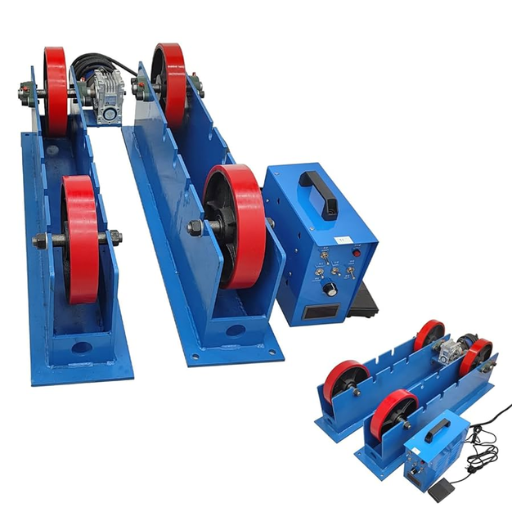
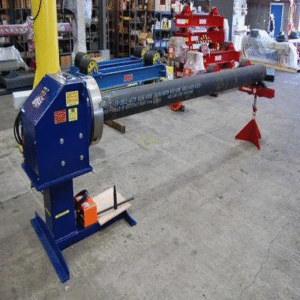
Pipe rollers are among the essential tools in welding for supporting and rotating pipes in any fabrication or repair setup. Their primary function is to allow for perfect alignment and stability, alongside smooth rotational movement, all of which are key factors for achieving good welds. Pipe rollers also minimize manual handling and keep the workpiece stable, thereby reducing the risks involved in weld defects and enhancing safety during operations. Their adjustable nature allows pipe rollers to fit a wide range of pipe sizes, hence making them flexible to use in various projects. They significantly increase the efficiency and accuracy of a welding operation.
What are Pipe Rollers?
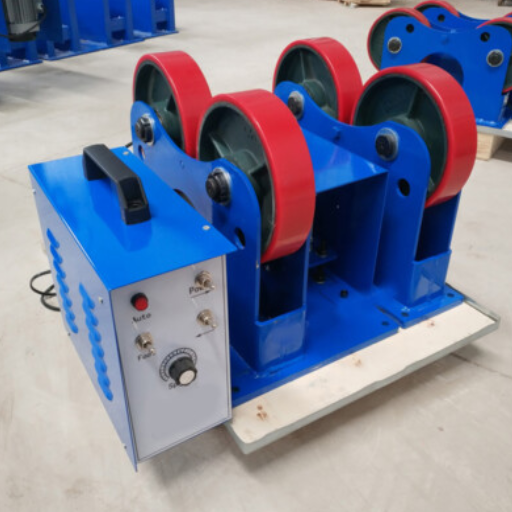
Pipe rollers are mechanical devices that are produced to hold and rotate pipes when they are welded, fabricated, or maintained. Designed for industrial use, they ensure proper alignment and controlled rotational movement, which is crucial for achieving consistent and high-quality welds. Modern pipe rollers utilize cemented carbide or polyurethane and rubberized wheels to prevent surface damage to pipes and are designed to withstand heavy loads. Many of these systems feature motorized operation, allowing for automatic pipe rotation and reducing manual labor. These are flexible devices with adjustable elements that can accommodate a wide range of pipe diameters and are used in various sectors, including oil and gas, construction, and shipbuilding. Recent research indicates that trends in pipe roller designs are shifting toward higher load sustainability, energy efficiency, and interfacing with robotic welding systems—the needs of industries that are evolving.
How Pipe Rollers Facilitate the Welding Process
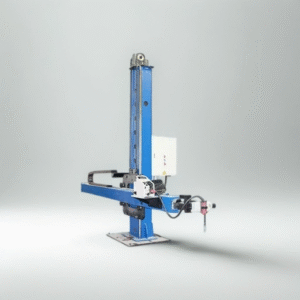
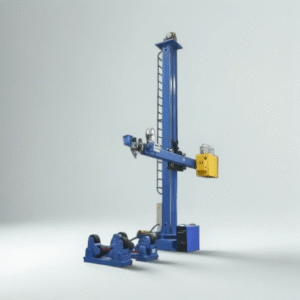
Pipe rollers serve as an essential piece of equipment that enhances the efficiency and precision of welding processes, especially in industrial applications. Offering stable support and controlled movement for pipes, pipe rollers ensure accurate alignment, enabling the achievement of high-quality welds. Modern types of pipe rollers can contain features such as motorized rotation and variable speed control, which aids welders in having a steady welding arc, thereby decreasing lapses that may arise from manual handling. Moreover, the innovations listed in recent data highlight the combination of pipe rollers with robotic welding systems, creating an automated process that reduces downtime. Further advantages arise from safety enhancements resulting from limiting manual intervention and optimizing productivity across large operations, thereby extending the benefits across various industries.
Key Components of Pipe Roller Systems
Roller Beds
These beds provide the basic support and rotation for pipes of any size and weight, holding them in place during welding and inspection.
Drive Units
Motor-gear units drive the rotation of the pipe for which speed can be controlled by the user.
Idler Units
Working alongside drive units, these units hold the pipe’s weight to ensure its smooth movement without slipping.
Control Systems
Modern control panels or remote interfaces ensure precise settings for rotation speed, direction, alignment, and other parameters during operation.
Trunnions
Provide additional support in heavy pipe loading for high-capacity installations.
Frames and Base Structures
Either steady or firm, depending upon environmental conditioning and operational demand.
- Adjustable Rollers: Enables the quick setting to accommodate various pipe diameters, thereby improving the versatility of the system.
- Sensors: These sensors are embedded to enhance safety and functionality, monitoring speed, alignment, and load distribution.
- Anti-Slip Coatings: Ensures no slippage of pipe over the rollers, smooth out operation, and avoid different errors or damage.
- Power Supply Units: Supplies the energy to drive continuous operations of the drive units and the control systems.
Note: Each of these systems plays an equally interdependent role in achieving the efficiency, safety, and adaptability of pipe roller systems in industrial settings.
The Importance of Pipe Rollers in Welding

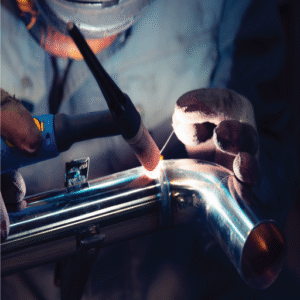
Pipe rollers are essential in welding processes because they enhance precision and efficiency while ensuring safety. They provide stable positioning and free rotation of pipes, enabling welders to produce accurate and consistent welds, even on large or heavy materials. The roller system reduces physical exertion by handling the pipe instead of an operator, thereby minimizing errors and increasing work efficiency. It supports a uniform movement, enhancing weld alignment and reducing bumps, thereby playing a significant role in effective welding operations.
Critical Role of Pipe Rollers
Enhanced Weld Accuracy
Pipe rollers provide for the exact positioning and alignment of the pipes, thus eliminating misalignment to ensure consistent high-quality welds.
Operator Efficiency Enhancement
Because they handle all movement and rotation of the pipes, less manual work is needed by operators, thus improving the work flow and decreasing operator fatigue.
Defect Reduction
Uniform rotation and firm support of the pipes enable precise weld penetration, avoiding defects that may stem from uneven movement or vibration.
Handling Large Loads
They make it easier to handle large or heavy materials, as pipe rollers are designed to take a significant weight, while keeping the materials stable during welding.
Time Optimization
By facilitating pipe handling and alignment, pipe rollers reduce setup and adjustment time. In doing so, they shorten project completion time and increase productivity.
Minimizing Material Handling Issues
During welding projects, pipe rollers are used to minimize material handling problems, particularly in heavy-duty industrial-scale applications. These devices offer smooth rotation and alignment with a high degree of precision, eliminating the need for manual intervention, which can lead to inefficiency and human error. Recent data suggest that when properly utilized, pipe rollers can reduce the time spent on material handling by nearly 40%, allowing pipes to be positioned efficiently and quickly without excessive lifting and repositioning.
This helps maintain the integrity of the materials, as less manual handling is involved, which can be potentially hazardous for workers, thereby contributing to the overall safety of the operators. When paired with automated welding, these pipe rollers enhance the flow of materials, keeping them in alignment and thereby improving the accuracy and quality of the welds. Pipe rollers, with their heavy-duty design and adaptability, address some of the significant challenges of material handling and have thus become indispensable in modern welding.
Significance in Industrial Welding Operations
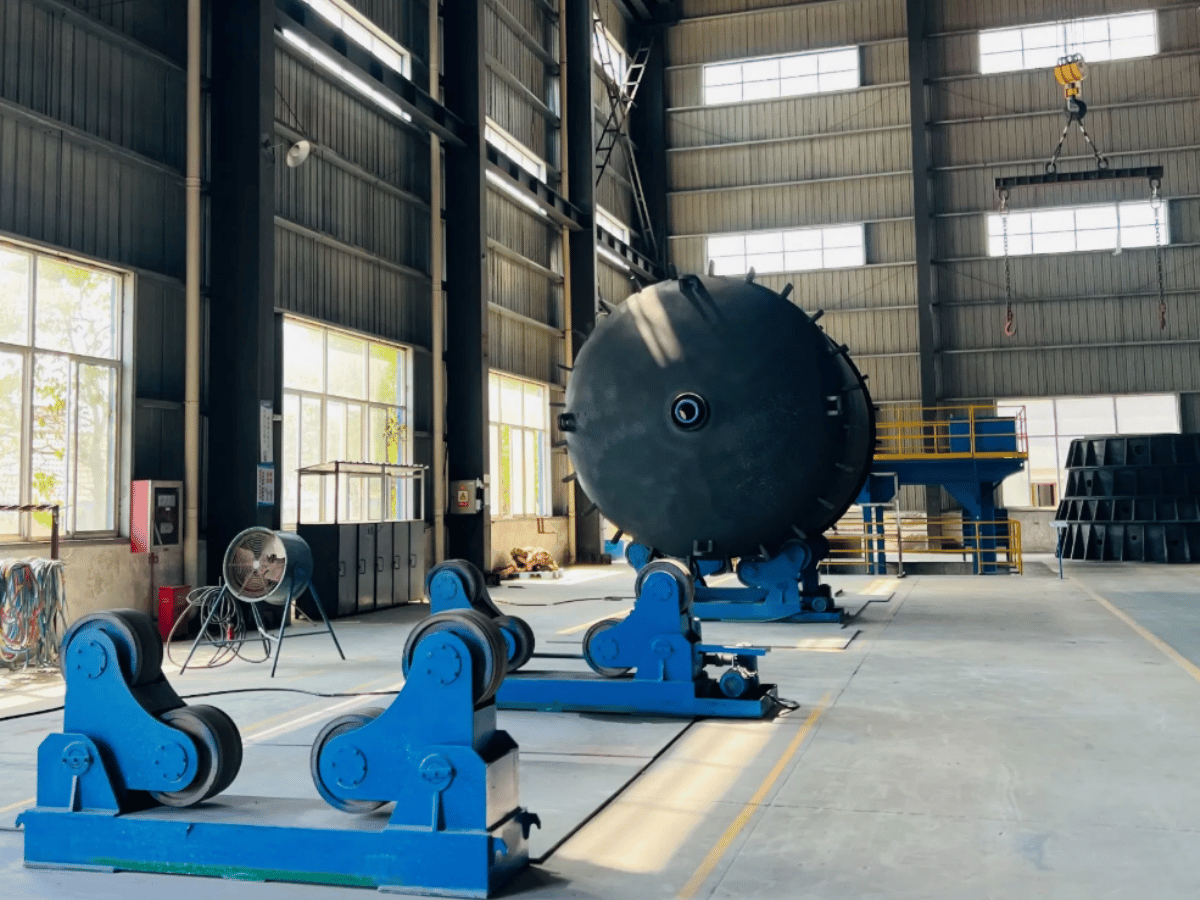
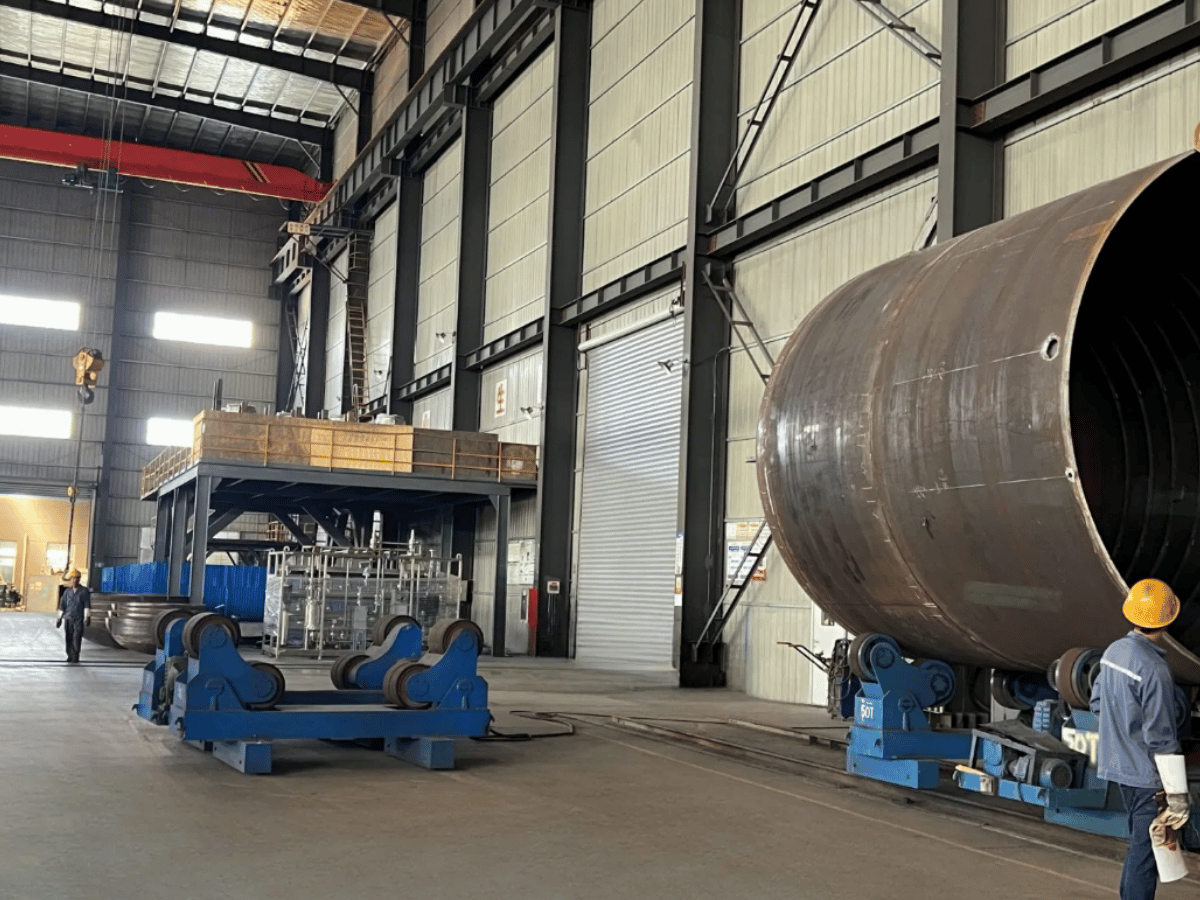
Pipe rollers play a crucial role in optimizing industrial welding processes, particularly those involving large-diameter pipelines and heavy cylindrical structures. Essentially, these rollers enable the controlled rotation of the pipe, allowing welders to access every part of the material with ease, without the need for manual repositioning. Alongside the development of material-handling technology, modern pipe rollers have been equipped with variable speed control and load-balancing systems, which contribute even further to operational precision. The pipe rollers are now even more helpful in complex industrial environments thanks to newer innovations such as automatic height adjustment and compatibility with robotic welding arms.
Pipe rollers are much more than just tools. They help improve safety conditions in the workplace by eliminating the possibility of injury in the manual manipulation of materials and through the secure handling of heavy components. Moreover, data recently released indicate that companies that have implemented automatic pipe rollers coupled with cutting-edge welding technologies have reported significant time reductions in production, as well as decreased material waste, thereby attesting to the value of pipe rollers as a prime asset in joining.
Different Types of Pipe Rollers and Their Applications

Pipe rollers are classified into adjustable, fixed, powered, and idler types, each tailored for specific industrial applications, such as alignment, rotation, and support of pipes during fabrication and welding processes.
Adjustable Rollers and Their Uses
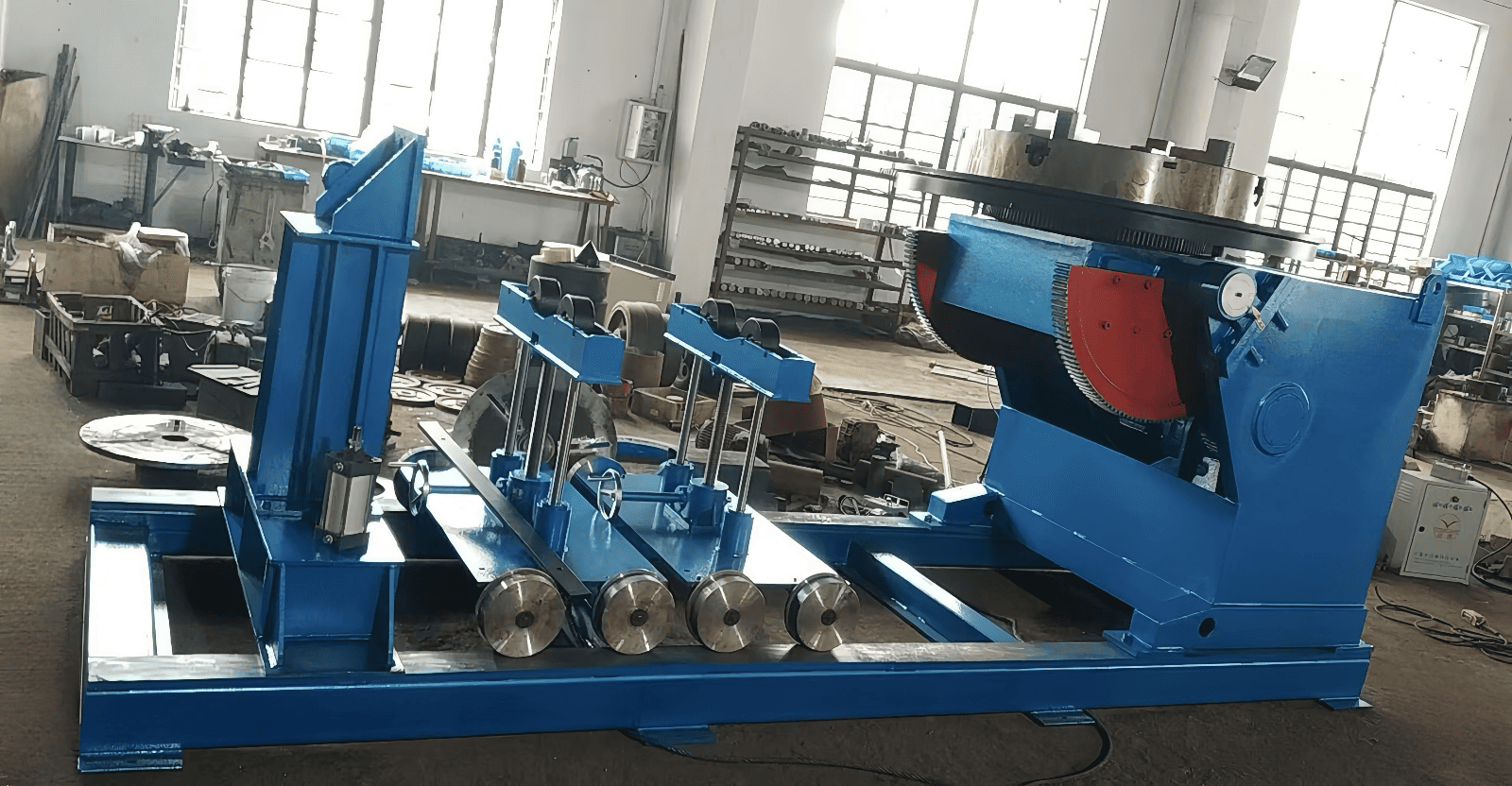
Adjustable rollers play a crucial role in pipe fabrication and welding, as they are versatile enough to accommodate a wide range of pipe sizes and configurations. The rollers provide proper alignment of the pipe and facilitate its handling during cutting, welding, and inspection processes. With an adjustable feature, the operator can adjust the height or width of the rollers to fit pipes of varying diameters, ensuring precision and firm grip.
Adjustable rollers are used in industries such as oil and gas manufacturing, fabrication, and construction, where precise positioning of pipes is necessary. Adjustable rollers maintain precise alignment with the pipe, reducing manual effort and resulting in higher efficiency and better project quality. Due to their broad compatibility, these are indispensable tools when adaptability and consistent work are required.
Idler Rollers: Features and Applications
- Less Frictional Movement: The idler rollers are designed to provide smooth, low-friction movement to the pipes, thereby reducing wear and tear on the pipes and ensuring efficient material handling.
- Robust Construction: Made of durable materials such as steel or specialized polymers, idler rollers can withstand heavy-duty impacts and adverse environmental conditions to assure reliability over the long run.
- Corrosion Resistant: Many idler rollers are coated with corrosion-resistant materials or made from corrosion-resistant materials, making them suitable for hostile environments, including those with high moisture and chemical exposure.
- Size Flexibility: Idler rollers are manufactured in various sizes, allowing for different configurations that enable customers to customize the system according to the pipe diameter of their project.
- Noise-Canceling Characteristics: Due to their complex internal design, real idler rollers help reduce operational noise, enhancing safety and minimizing auditory distractions in day-to-day operations.
Powered Rollers for Enhanced Productivity
Powered rollers are required for applications that demand higher efficiency and precision in control. These rollers utilize an integrated motor to drive pipe movement, ensuring smooth and consistent operations. They are ideal for carrying heavy loads and maintaining a steady pace within rigorous working conditions. Powered rollers are utilized in welding, fabrication, and pipe installation projects, where automated movements reduce manual labor and enhance workflow efficiency. Their heavy construction and capacity for varying speeds make them the best option for increasing productivity in an industrial setup.
How to Choose the Right Pipe Roller for Specific Welding Tasks

The issues arise when selecting a pipe roller: considering size and weight helps determine the capacity and size of the rollers required for a particular project. Secondly, consider the type of welding or fabrication process being employed, as certain operations can necessitate adjustable speeds or more complex positioning capabilities. Thirdly, consider the robustness and materials with which the rollers were built, since the rollers have to resist industrial environmental and operational conditions in the first place. Other features worth having include automated controls and safety stops, which contribute to improving efficiency while ensuring the user’s safety during operation. These considerations, from the bottom up, will improve performance and increase reliability in your welding tasks.
Key Factors to Consider in Selection
Load Capacity
Consider the load capacity of the welding rotator to ascertain that it can carry the workpieces without compromising stability or performance.
Compatibility
Consider a welding rotator that is compatible with the size, shape, and material of the components being welded for smooth integration with your workflow.
Adjustability
Variable-speed controls, adjustable rollers, and positioning mechanisms should be looked for to cater to various project requirements and ensure greater precision.
Durability and Build Quality
Go for strongly built machines employing high materials that can withstand wear, high temperatures, and other stresses while operating in harsh environments.
Safety Features
It is always better to opt for systems that incorporate safety features, such as overload protection or an emergency stop function, which can protect both persons and equipment in the event of an emergency.
Matching Rollers to Welding Environments
Roller selection for welding environments typically involves selecting designs that can withstand specific conditions within a workspace. Among these considerations are temperature tolerances, material compatibility with the welded components, and whether they can handle load requirements without compromising stability. If the working environment contains contaminants such as dust or slag, I will also ensure that the rollers have protective finishes or sealed bearings to preserve performance and lifespan. In that way, I match the roller specifications with environmental and operational demands to assure an efficient, safe, and durable welding process.
Evaluating Mobility and Durability
Selecting the appropriate pipe roller involves evaluating both mobility and durability to optimize performance in industrial and construction settings. Mobility attributes include ease of movement and positioning of the roller during execution. The brand prefers castors/wheels with bearing capacity over wheel construction material, such as polyurethane or steel. Heavy-duty casters with locking means are the best choice for providing mobility and stability to prevent unintentional movements during use.
Durability refers to a roller’s ability to withstand operational stresses and environmental factors over time. Axles and frames devised from high-strength corrosion-resistant materials such as galvanized steel and stainless steel can be used for long-term applications. It is equally important to test the roller for wear resistance, mainly when the operational environment includes abrasive materials or extreme conditions. Hence, pipe rollers chosen should adhere to the load rating and environmental criteria specified by the intended application; this leads to superior operational efficiency, reduced maintenance, and a longer service life of the equipment.
With all these considerations, industry professionals will be able to select pipe rollers that meet the required standards of mobility and durability, thereby ensuring a seamless workflow.
Maintenance Tips for Longevity
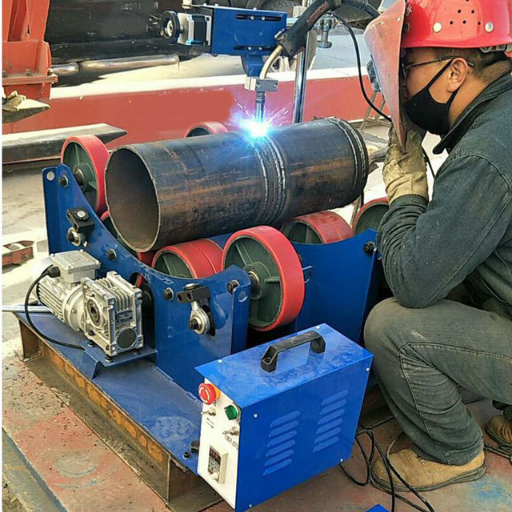
- Routine Inspection: Visual and functional inspections should be conducted routinely to detect signs of wear, corrosion, or misalignment. Minor issues, if addressed promptly, can prevent larger failures.
- Lubrication: Lubricate moving parts, such as bearings and axles, using lubricants recommended by the manufacturer to reduce friction and extend the life of the operation.
- Load Management: Ensure the operation of pipe rollers within the prescribed load capacity to prevent unnecessary stresses on components, which may lead to premature damage or failure.
- Environmental Protection: When storing and operating the pipe rollers, they should be kept in clean and dry environments whenever possible. Pipelines should be protected with coatings or covers to prevent physical degradation when possible.
- Cleaning and Maintenance Schedule: The rollers and all supporting parts should be cleaned regularly to remove all dirt, debris, and welding residues that may impede smooth operation. The cleaning should be performed in accordance with the maintenance schedule provided by the manufacturer to ensure that it follows the recommended optimal guidelines.
Cleaning and Lubrication Best Practices
To ensure the pipe rollers last and perform well in welding, I follow a specific cleaning and lubrication regimen. As part of this cleaning procedure, the first step is to eliminate any accumulation of dirt, welding debris, or contaminants using an appropriate non-abrasive cleaning agent that is suited to the material composition of the rollers. Once cleaned, a high-grade lubricant should be applied that is designed for friction reduction and wear prevention under load. This lubricant should be applied evenly to all moving parts, with particular attention given to bearing areas, as recommended by the manufacturer. Repeating this process regularly will, therefore, keep corrosion at bay, improving efficiency and extending the life of the pipe rollers.
Regular Inspections and Wear Identification
Regular checks are crucial for identifying wear and potential issues in pipe rollers before they impact performance. I check rollers for any surface damage, such as grooves, flattening, or irregular wear, which may be caused by misalignment or overloading. I also check bearings to see if they rotate smoothly and listen for any abnormal noise that might indicate internal damage. One more thing: I verify critical dimensions against manufacturer tolerances to ensure the roller remains in compliance. With these scheduled inspections, I can ascertain potential issues early and address them, thus avoiding downtime and expensive repairs.
Avoiding Common Maintenance Mistakes
⚠️ Common Mistakes to Avoid:
- Neglecting Routine Inspections: The absence of periodic checks to identify any signs of wear, corrosion, or misalignment could lead to more severe damages and operational inefficiencies as time progresses. Conduct regular inspections across all components to identify potential issues, allowing for necessary remedial action to be taken as early as possible.
- Wrong Lubrication: Choose an inappropriate lubricant, or an unacceptable amount, and the bearing wear is accelerated, or the rollers seize. Follow manufacturer recommendations for type, quantity, and timeframe of lubrication.
- Overloading the Rollers: Excessive loading of pipe rollers causes deformation and friction, ultimately leading to premature wear. Calculate your loads accordingly and use pipe rollers of the specified capacity for pipes of the corresponding weights and sizes.
- Ignoring Environmental Conditions: In harsh environments without protection, pipe rollers are exposed to abrasive material, moisture, or extreme temperatures. When any or all are present, protect the pipe rollers with coatings or shields, wherever possible, and consider applying this to your maintenance culture.
- Using Worn or Damaged Components: The use of rollers that are cracked, warped, or excessively worn may jeopardize the safety and accuracy of the welding operations. Any damaged components must be replaced promptly to ensure safe and accurate welding operations.
Reference Sources
-
Automatic Pipe Roller for Welding: Precision & Efficiency – Discusses modern features like variable speed control and programmable logic controllers for pipe rollers.
-
Positioning and Welding – Turning Rolls – Explains the benefits of self-aligning turning rolls for precision and efficiency in welding.
-
Welding Pipe Roller Manufacturer & Supplier – OEM & ODM – Provides insights into manufacturing and productivity benefits of welding pipe rollers.
-
Selecting the Right Pipe Roller: A Complete Buyer’s Guide – Offers a detailed guide on choosing the right pipe roller for welding projects.
Frequently Asked Questions (FAQs)
Ready to Enhance Your Welding Projects?
Invest in quality pipe rollers to improve precision, efficiency, and safety in your welding operations.