When it comes to welding, the correct choice of equipment makes the most significant impact on the work quality and efficiency. Choosing welders for sale can be a mite intimidating. Every welding procedure, such as MIG, TIG, or stick welding, requires a distinct skill set for specific tasks and varying experience levels. This guide aims to simplify your choices. Having considered the factors, we will examine various types of welders, assess them against the requirements, and conduct a cost comparison. By the end of this article, you will be able to confidently choose the welder that will allow you to complete your next project with surgical precision and ease.
Understanding Different Types of Welders

There are three main types of welders to be considered while selecting one:
MIG Welders
Easy for beginners, MIG welders are wire-fed, fast, and easy systems for welding. They work best on thin to medium metals, ranging from steel to stainless steel to aluminum.
TIG Welders
TIG welding offers precision drilling for replication and is suitable for more advanced work. These welders are ideal for working with thin materials and are perfect for projects that require intricate and detailed weld work.
Stick Welders
They are known for their sturdiness and perform well on rough or slippery surfaces. Their discomfort in handling thicker metals makes them suitable for construction and repair use.
Important Note: Choosing a welder depends on the type of material, the complexity of the project, and your welding experience. Keep these factors in mind to avoid any problems during welding.
MIG Welders and Their Applications
Being unusually flexible and easy to use, MIG welders, or Metal Inert Gas welders, are tools that cater to both beginners and professionals. They have a continuous wire feed through the welding gun, allowing them to weld quickly and efficiently. Weld gas is also classified as an inert gas formed during the welding process to protect the weld area from contamination, resulting in clean and high-grade welds.
Mainly, MIG welders are used for automotive repair, metal fabrication, and hobby projects. Since they are welders for various metal types (carbon steel, stainless steel, aluminum), this makes them objects of striking engineering attraction. Additionally, they produce smooth welds that look great, particularly in specific applications, such as those requiring a high-quality finish. Whether on thin materials or an enormous industrial task hogging an almighty presence, MIG welders will corner their own in fine production.
TIG Welders: Precision and Control
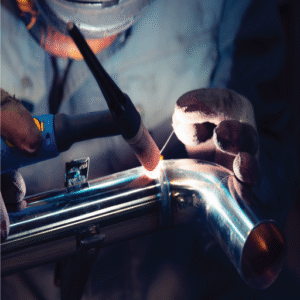
Accuracy and precision are often overlooked when discussing TIG welders, as they are considered the best. Such welders find use in highly technical and custom-made manufacturing projects that require exact detail. Using a non-consumable tungsten electrode, TIG welding produces high-quality welds with no spatter whatsoever. This becomes highly imperative for thin metals such as stainless steel, aluminum, and titanium. The welder enjoys an ingenious amount of control over the heat and filler material, thus allowing the best finish to be achieved with the welds. TIG welders are often preferred for aerospace, automotive, and art fabrication projects where no detail or accuracy is ever compromised. Although TIG welding tends to be more time-consuming and requires higher skills, for such jobs where extreme skill is demanded, usually, the result is well worth all the effort.
Multiprocess Welders: The All-in-One Solution
Multiprocess welders are machines that combine welding techniques within a single unit, providing flexibility to accommodate various project types. These machines typically perform MIG (Metal Inert Gas), TIG, and Stick welding, which are suitable for different materials and applications. Switching between welding methods is a key feature of multiprocess welding devices, providing greater convenience for time and space savings. Multiprocess welders are the preferred choice for versatile use in industrial settings and for garments that require a range of welding processes.
Key Features to Consider When Buying a Welder
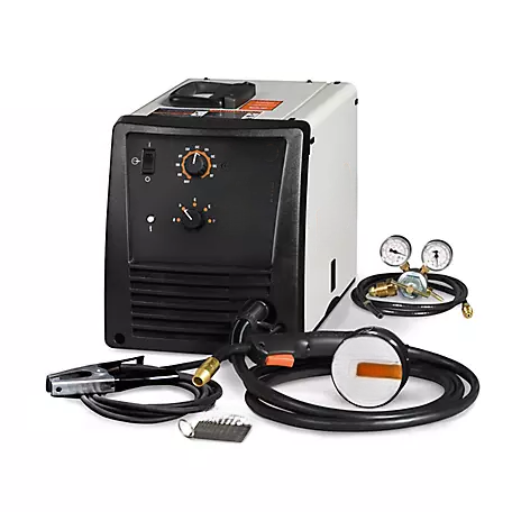
- Power Output and Input Compatibility: The welding capability must match the required power output, which should be compatible with your existing power supply, whether 120V or 240V.
- Welding Processes Supported: Select a welder based on the processes you want to use, which can be MIG, TIG, Stick, or multiprocess.
- Portability and Size: The aim is to check its size and weight, emphasizing its suitability for frequent mobility or a limited workspace.
- Construction Durability: Select a welder made of durable materials to ensure long-term reliability, mainly when used in harsh environments.
- Interface and Easy to Use: Opt for a user-friendly control type that is easy to use, with settings precise enough to be handled by beginners.
Power Output and Its Importance
The power output of a welder is a crucial factor in determining the types of materials and thicknesses that can be effectively welded. Welders with higher power output offer greater versatility, enabling them to work on thicker materials and handle heavy-duty applications. Conversely, lower power welders are often better suited for thinner materials and light-duty applications, due to their energy-efficient nature. Selecting the correct power output for your welding machine is crucial for your specific projects, while also minimizing energy drain. Analyze what you usually need to work on and the thickness of the materials.
Portability: Choosing the Right Welding Machine
Portability is among the critical factors to consider when choosing welding machinery. This consideration is particularly significant for professionals who frequently work on job sites or in various locations. Smaller units are easier for easy transportation and handling, as the operator may have to weld in cramped areas or where it might be inconvenient to weld. Most modern welding machines feature ergonomic designs that facilitate easy handling, including carrying handles and wheels. Another feature is machines that support dual voltages, increasing versatility and adaptability. Having traversed all the aspects of weight, size, and mobility features of welding machines, you can pinpoint a machine that suits your operational needs and performs the best.
Durability: Investing in Quality Welding Equipment
Being durable equipment will allow welders to perform welding jobs over the course of their experience, thereby ensuring cost-effectiveness. High-quality welders are manufactured with strong materials to stand the rigors of heavy use and adverse working conditions. Durability warranties and positive reviews are signs of honesty regarding the durability of arc equipment, as well as extenders of good reputations for generating welders. Communicated periodically, over time, and with reasonable usage, this tool will lengthen the working hours of welders, making it a valued and dependable asset.
Comparing Popular Welder Models

The well-set welder, in this case, is the head-on set for comparison. Therefore, when focusing on aspects such as versatility, ease, and performance, one decides to purchase a welder. The Lincoln Electric K2278-1 can be a suitable choice for beginners, thanks to its compact design and basic operations, making it ideal for lightweight purposes. Versatility is the key charm of the Hobart Handler 210 MVP, featuring adjustable voltage for MIG and flux-core welding. Multimatic 215 is significant for a professional setting, with an awesome multi-process nature for MIG, TIG, and Stick welder, worthy of any kind of complex projects. Therefore, when selecting a welder, each model will meet specific needs. Consider your skill level and applications.
MIG vs. TIG: Which is Best for You?
MIG welding is best suited for beginners and fast projects, while TIG welding excels in precision and high-quality results for professionals.
Pros and Cons of Multiprocess Welders
✓
Pros
- •
Ability to do a variety of welding processes, such as MIG, TIG, and Stick, with a single apparatus. - •
Less costly than buying separate machines for each type of welding. - •
Compact design, ideal for workshops with limited space. - •
Flexibility to meet differing project needs and fewer changes between equipment. - •
Adaptable in a way that makes it suitable for both beginners and professionals alike.
✗
Cons
- •
Relatively high initial acquisition price compared to a single-process welding machine. - •
The setup and operation could be more complicated for beginners. - •
These machines cannot guarantee that a given process can be provided to the same degree of specialization as a dedicated machine. - •
Equipment might wear down quickly due to its multiple purposes. - •
Larger and heavier to carry as compared to single-process counterparts.
Budget-Friendly Options vs. High-End Welders
When comparing budget-friendly options and high-end welders, the key considerations include cost, performance, durability, features, and suitability for various skill levels.
Depending on your needs and budget, the choice between low-priced and high-end welders can vary. Budget welders, for instance, are suitable for amateurs or those who need one occasionally, offering inexpensive options that are portable and require minimal maintenance. On the contrary, high-end welders are suited for professionals who seek excellent performance and durability, along with maximum features, at the highest price point. Helping you determine your priorities based on your skill level, how often you will use it, and the capabilities you require will go a long way in deciding which one fits you best.
Pricing Guide for Welders
Understanding Price Ranges for Different Types
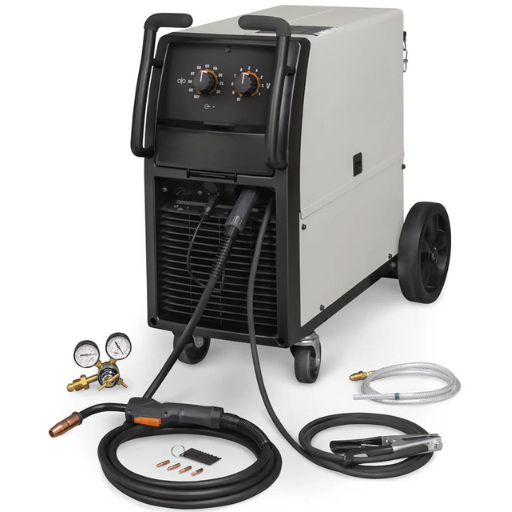
Prices for welders in general vary by type and the specific specifications of the machines. Entry-level MIG welders are considered affordable, ranging from around $200 to $800, making them a reasonable option for hobbyists or minor repairs. TIG welders are extremely precise, offering nice finishes, and, as such, typically range from $500 to $3,500, with professional-grade machines costing significantly more. Inexpensive stick welders, relatively simple in design, range from $150 to $1,000 and are typically suited for heavy-duty vintage tasks. Multi-process welders that combine more welding processes into one unit range from $1,000 to above $5,000. So make sure you strike a balance between feature offerings and price and buy a welder that suits your welding requirements and skill level.
Factors Affecting Welder Prices
- Type of Welder: The specific welding process (MIG, TIG, Stick, or Multi-process) significantly influences the price, with the more sophisticated type being the more expensive.
- Power Output and Duty Cycle: Due to their extended use for demanding tasks, welders with high power output and high duty cycles are generally a bit more expensive.
- Brand and Quality: Generally, well-known brands charge a premium for their products, as they are associated with quality, durability, and excellent performance.
- Additional Features: Welders with extra features, such as digital displays, adjustable settings, or automatic functionality, tend to be priced higher.
- Portability and Build Material: If a welder is lightweight or portable, or if it is constructed with quality materials such as aluminum or stainless steel, expect the price to increase.
What to Expect from Used Welders for Sale
When considering the purchase of used welders, you have several advantages on your side, as well as some key considerations. Used welding machines are often more affordable than new ones, making them a suitable option for individuals with limited resources. If used correctly and well-maintained, they might still offer good performance. A thorough examination should be conducted to assess the condition of these welders, including checking for signs of wear and tear, such as damage to cables and connections. If possible, testing the welder to confirm proper working would be ideal. Further questions should be asked about the machine’s history, such as its prior environment and maintenance records, which would help inform the decision on whether to purchase. Buying from reputable sellers will always give extra assurance.
Safety Considerations in Welding

⚠
Important Safety Notice
When welding, safety should always be the top priority. Always use PPE, including a welding helmet, gloves, and clothing that resist flame, as well as the correct shade of welding helmet. Provide adequate ventilation in the work area to help prevent the inhalation of hazardous fumes and gases. Keep flammable substances far away from any welding effort to avoid a possible fire. Always check your equipment for any damage before use to prevent failure and accidents. Finally, abide by the company`s safety policies and standards so that a safe environment for everybody could be maintained.
Essential Safety Gear: Helmets and Protective Equipment
This item is, in fact, the most essential piece of safety equipment. I emphasize that properly fitting welding helmets should be worn to face and eyes against all intensely bright light and sparks. Then, I look for fire-resistant gloves, steel jackets, and steel-toed boots that will protect my hands from both hot objects and those that can burn. This equipment is the only thing that can keep me safe while working.
Best Practices for Safe Welding Operations
During welding operations, to ensure safety, a clean and disorganized working environment should be avoided. If any flammable materials are present, remove them immediately to eliminate the risk of fire. Always check your equipment before use, ensuring that cables, appliances, and tools are not damaged or malfunctioning. Good ventilation is also necessary, since welding fumes and gases, if inhaled, can be dangerous. Exhausting or extra ventilation should be provided for safe air. Never work alone; having a second person nearby can be helpful during an emergency. Proper training, combined with staying up-to-date on current safety innovations within the welding community, also significantly contributes to maintaining a safe working environment. Once these precautions are met, the chance of injuries and accidents is considerably minimized.
Maintenance Tips for Your Welder

Clean Your Welding Machine Regularly
Dust and debris tend to accumulate in time. Regular cleaning of the outside and inside of a welding machine will ensure continuous good performance and avoid overheating.
Check Cables and Connectors
Check your cables, connectors, and plugs repeatedly for any signs of wear or damage. It is best to replace any frayed or worn-out parts as soon as possible to avoid electrical shock hazards and maintain efficiency.
Check Consumables and Replace Them
Perform regular checks on consumables such as electrodes, nozzles, and contact tips, and replace them as necessary to maintain weld quality and prevent unwanted downtime.
Lubricate Moving Parts
Proper lubrication of all moving parts in the welder should be ensured, as in wire feeding equipment. This prevents friction and wear and tear of your machine.
Test for Gas Leakages
For a welding setup that relies on shielding gas, it is essential to inspect hoses and regulators at regular intervals for any leaks. This ensures a consistent gas flow and prevents wastage or contamination that can compromise weld quality.
Routine Maintenance for Longevity
Routine maintenance is essential for the long-term reliability and efficiency of your welding machine. Among the key steps is keeping the machine clean by regularly removing dust and dirt, as even slight accumulation can cause the machine to overheat or damage a component. Checking electrical connections is another potential weak area that should be reviewed in the early stages of the failure, thereby preventing a major failure from taking place. Experts always recommend the use of high-quality consumables, such as electrodes or filler materials, since these will cause less wear compared to lower-quality alternatives. Cooling system maintenance is also an area deserving attention, as maintaining a suitable temperature significantly reduces internal stress on the machine. These maintenance steps, aligned with the continuous evaluation of the machine condition, will ensure the maximum operational life and reliability of the equipment.
Common Issues and Troubleshooting
Overheating
The cooling system needs to be checked to ensure it is working correctly. Clear any blockage, and check the coolant level to avoid overheating.
Irregular Arc Performance
Inspect the electrodes for wear or damage and replace them as necessary. Ensure all electrical contacts are clean and tight.
Weak Welds
Ensure the filler is suitable for the application, and verify that all welding parameters, such as amperage and voltage, are correctly set.
Machine Does Not Power Up
Verify that the power connections and cables are free from damage and are securely connected. Test the power supplier to see if it truly supplies constant voltage.
Excessive Spatter
Check the welding settings such as voltage and gas flow. Also, assess the wire or electrode being used. Clean the workpiece surface to make sure it is free from contaminants.
Reference Sources
- YesWelder Blog: Top 10 Best Welder Brands – A detailed guide spotlighting top welder brands like Miller, Lincoln, and YesWelder, favored by professionals.
- Harbor Freight Welder Selector Tool – A shopping tool to research and compare different types of welders, including multiprocess options.
- Reddit: Best Online Stores for MIG Welders – A community discussion recommending trusted online stores like Cyberweld and Weldersupply.
- Expedition Portal: Cheapo Welder Reviews – Insights on affordable welding machines with good warranties and customer support.


![Benchtop Welding Positioner Guide: Specs, Types & How to Choose [2026]](https://resizeweld.com/wp-content/uploads/2026/05/0-8.webp)