Beveling, Precision, and efficiency in cutting and weld preparation really suffer if those tools are not selected carefully. A portable beveling machine for plates and pipes represents a new solution that possesses all the qualities that matter-in terms of versatility, sturdiness, and user-friendliness, few tools can offer in a professional’s toolbox across various industries. Whatever the application may be, such as construction, manufacturing, or metal fabrication, the tool is designed to accomplish tasks quickly that would otherwise be complex, thereby improving their working efficiency and achieving the best finish. In this article, we shall discuss the distinguishing features and benefits of portable beveling machines, their application, and how these can augment your engineering work. Stay with us and discover how this technology has transformed welding preparation and beyond.
Understanding the Beveling Machine
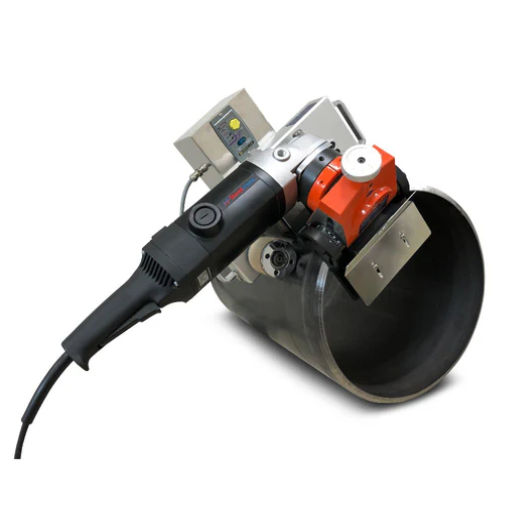
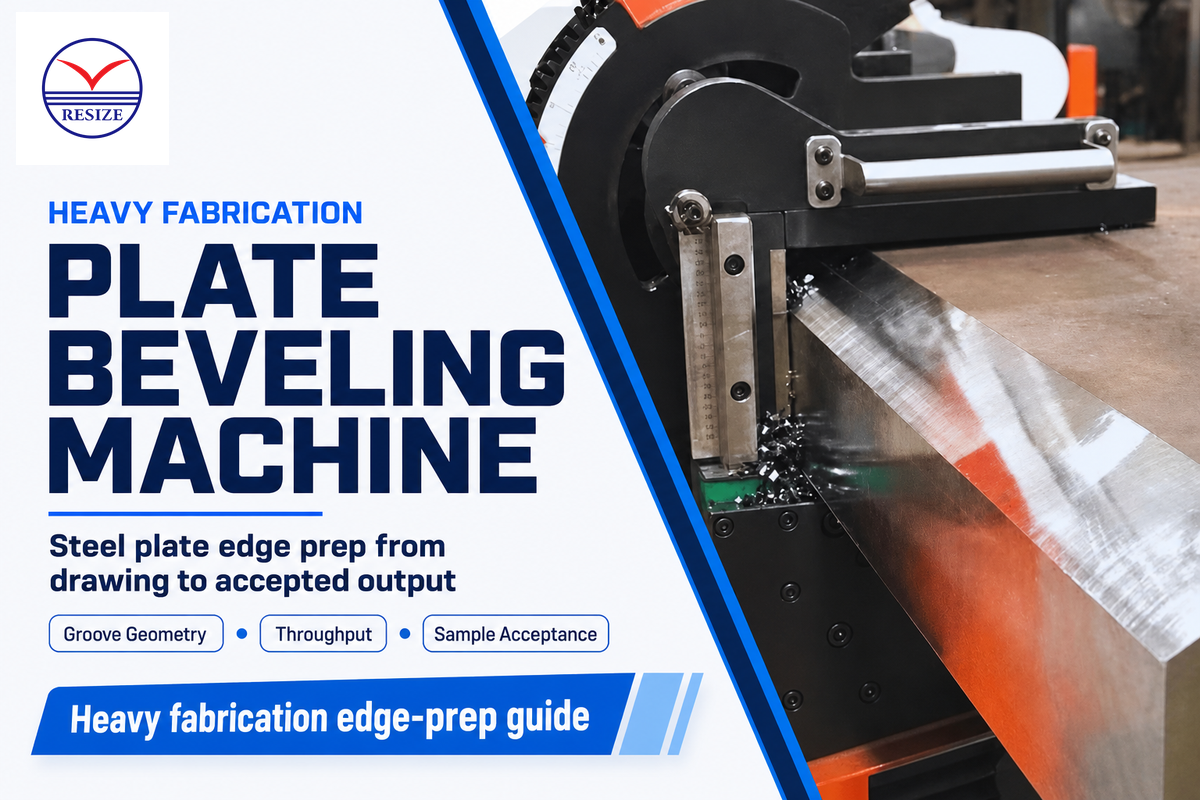
Machines called beveling machines are specialized tools, specially shaped for milling and preparing the edges of materials, such as metal plates or pipes, with a bevel. Welding is a process where this application is essential, as it aids in proper joint alignment, thereby enhancing the strength and quality of the weld. Portable beveling machines are distinguished by their ease of use, allowing operators to achieve precision and consistency across a wide range of applications. They are typically employed by industries involved in construction, shipbuilding, and manufacturing, where weld preparation is a critical operational activity essential to project success.
What is a Beveling Machine?
A beveling machine is a craftsman’s tool used to create a sloping surface or edge, typically at the end of metal pipes, plates, or other materials. This sloping surface is termed a bevel and is extremely important in application areas such as welding, as it facilitates joint preparation to create strong, durable bonds. When used in industrial applications, beveling machines are available in three types: handheld, stationary, and portable. Modern machines are now equipped with various levels of automation, laser guidance, and digital controls, enabling enhanced precision and efficiency. The machine finds application in a wide range of industries, including fabrication, construction, oil and gas, and shipbuilding, where even and parallel beveling of edges is a sine qua non for obtaining good, reliable results.
Types of Beveling Machines
Straight-line, portable-pipe-model, automatic, manual, burr-removing, chamfering, pneumatic, and electric beveling machines.
| Type | Feature | Price | Use | Setup | Angle | Cooling | Portability |
|---|---|---|---|---|---|---|---|
| Straight-line | Precision | Mid | Glass panels | Easy | Auto | Yes | No |
| Portable Pipe | Versatile | High | Field/Shop | Easy | Adjustable | Yes | Yes |
| Automatic | High-speed | High | Industrial | Easy | Fixed | Yes | No |
| Manual | Simple | Low | General | Easy | Fixed | No | Yes |
| Deburring | Chamfering | Varies | Edges | Easy | Fixed | No | Yes |
| Chamfering | Edge finish | Varies | Edges | Easy | Fixed | No | Yes |
| Pneumatic | Lightweight | Mid | Field/Shop | Easy | Adjustable | No | Yes |
| Electric | Powerful | Mid | Field/Shop | Easy | Adjustable | No | Yes |
Advantages of Using a Portable Beveling Machine
- Enhanced Mobility: These portable beveling machines are reasonably lightweight and compact and can be easily transported to different sites. Hence, on-site beveling can be done, effectively saving time and money by avoiding the need to ferry materials to a centralized workshop.
- Cost-Effectiveness: By bringing the machine directly to the job site, transportation costs for heavy materials are significantly reduced. Additionally, portable beveling machines often have lower operating costs compared to larger stationary models.
- Improved Efficiency: Modern portable beveling machines are equipped with advanced features such as adjustable settings and quick-change cutting tools, enabling workers to complete projects more quickly while maintaining precision.
- Ease of Use: These machines are designed with user-friendly interfaces, permitting an operator to start beveling with little or no training. Ergonomic handles and controls that are easy to understand add to this ease of use in working situations.
- Flexibility: These portable beveling machines can be used on materials such as steel, aluminum, or stainless steel. Due to their flexibility, these machines will find applications in multiple industries, including manufacturing, construction, and pipeline erection.
Plate Beveling Considerations
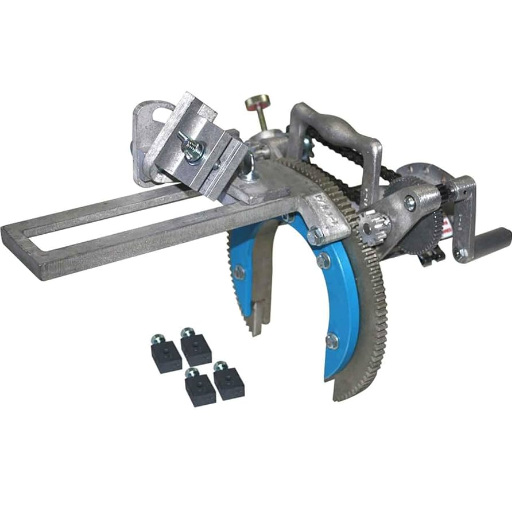
If you have something to prepare and bevel, always keep the following in mind:
- Material Type: Different materials may require specific blades or settings to achieve the best results, whether it is steel, aluminum, or stainless steel.
- Bevel Angle: The bevel angle must conform to the specified requirements. If edge preparation is required for welding, the angles will differ.
- Plate Thickness: The thickness of the plate is an indicator of the type of beveling machine that should be used and the corresponding settings.
- Surface Finish: A clean finish enhances weld quality and eliminates the need for additional grinding or cleanup.
- Machine Compatibility: Ensure you use a beveling machine suitable for the plate size and the projects to be completed, allowing for efficient and consistent work.
If you consider these factors, then your results will automatically be of high grade and well-bevelled.
Beveling Techniques for Plates
The beveling techniques for plates have evolved in tandem with technological advancements and precision engineering, thereby adapting to the trends in engineering methods and precision. According to recent data, the processes involve manual, semi-automatic, and fully automatic methods, each suited for a specific project scope and requirement. In manual beveling, hand tools or portable machines are used; such work is best suited for smaller applications or field adjustments and requires considerable skill and precision. Semi-automatics are track-mounted beveling tools that generate a higher level of consistency with less reliance on manual effort. These are frequently deployed in medium-sized industrial applications.
When discussing large industrial tasks, the most effective options often involve fully automatic machines equipped with the latest CNC technology. The machines guarantee precision and manage intricate bevel angles with negligible human intervention. Additionally, laser beveling and water jet cutting appear to have become the `in thing` for achieving clean finishes with minimal stress. Through the combination of the proper technique, appropriate for project requirements, material thickness, and budget, operators ensure that plate beveling processes reach perfection in performance and accuracy.
Importance of Chamfering in Weld Prep
Materials are chamfered; this process determines the preparation for welding, thereby influencing the strength and durability of the finished weld. When chamfering is done, the material edge becomes beveled. This helps the weld metal penetrate deeply and form a strong bond. For thicker materials, this is especially important because weld integrity could be affected by improper penetration.
The secondary benefits from chamfering practices are the better quality they ensure for a weld. Various industry studies in welding have shown that proper edge preparations for welding, including chamfering, could provide mechanical tensile strength superior by 20-30% to a weld, depending on the material and technique used. In addition, chamfering reduces opportunities for weld defects like pore formation, cracking, and lack of fusion, ensuring that the joining of the materials is trustworthy.
Chamfering of welding joints often brings benefits from an engineering perspective during the welding process due to superior visibility and access, facilitated by uniform heat distribution across the weld joint, and a smoother appearance of the bead. The American Welding Society (AWS) obliges chamfering to comply with welding codes and standards for critical applications, particularly in the fields of construction, shipbuilding, and pipeline fabrication.
In a setting where technology is constantly being upgraded, modern equipment for chamfering would enable precision-type preparation for even complex geometries or tight tolerances. This ensures repeatability, reduces material waste, and ultimately results in an economically mid-way approach. Therefore, incorporating proper chamfering into the weld preparation makes the finished structure mechanically superior, while ensuring safety and longevity in intricate applications.
Factors Influencing Plate Beveling
- Material Type
The type of material of the workpiece being beveled plays an even greater role in determining the beveling method used. For instance, materials such as aluminum are soft and require less force, whereas harder materials like stainless steel necessitate specialized tools and techniques for precision.
- Plate Thickness
Thicker plates are usually beveled differently from thinner sheets. They may need heavier machinery or may only be able to do so by passing multiple times to an acceptable bevel angle and edge quality.
- Bevel Angle Requirements
The required bevel angle is a crucial factor that significantly influences both the tooling and the process. The industries may require a precise set of angles (for example, 30°, 45°, or a custom angle set) depending on their application, while tools must be able to offer such precision consistently.
- Application-Related Requirements
The factors that can influence bevel depth and finishing standards are those linked to the end use of the beveled plate, whether for pipeline welding or structural reinforcement. Every application has its own set of requirements to fulfill for proper performance and safety.
- Equipment and Tooling
Precision, speed, and efficiency are key factors that influence the decision when choosing a beveling machine: manual, half-automatic, or fully automatic. Better cutters and machines also tend to give more accurate cuts and less processing time.
How to Choose the Right Portable Beveling Machine
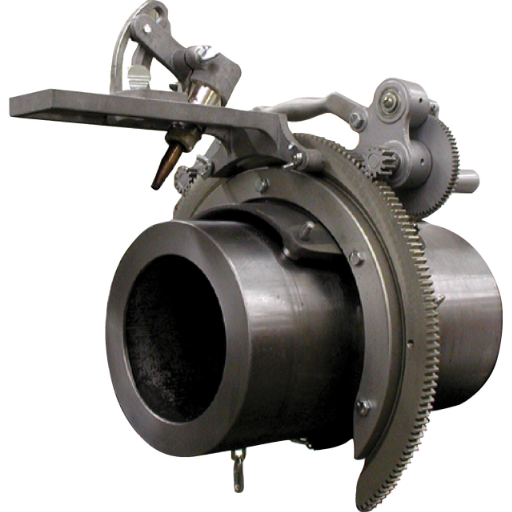
- Material Compatibility
The suitability of the machine for working with various materials, such as steel, aluminum, or other metals, should be checked. Any incompatibility would affect the cleanliness and precision of bevels.
- Bevel Angle Choices
Select a machine with an adjustable bevel angle to match the project’s specified design. Angles must be flexible to accommodate various applications.
- Portability and Weight
If you work at multiple locations, it is best to choose a relatively lightweight machine that is easy to carry around. High portability does not mean low durability.
- Power Source
It could be electric, battery-powered, or pneumatic; whichever suits your working set-up and available power should be selected.
- Ease of Operation
The controls should be simple to use; setup time should be minimal, with easy operation for greater efficiency and reduced training requirements.
- Durability and Build Quality
Choose a heavy-duty machine, built from high-quality materials and able to withstand regular use with dependable performance throughout its lifetime.
By scrutinizing these factors, you can select a portable beveling machine that enhances productivity and provides consistent results.
Key Features to Look For
- Adjustable Bevel Angles
Try to see if the machine offers fine-angle adjustments anywhere from 15 degrees to 45 degrees or beyond. This makes it very flexible for kinds of projects and materials.
- Portable Design
Lighter and smaller machines make for better portability. They can be taken wherever needed and used without sacrificing operational efficiency.
- High Cutting Speed
Such machines, equipped with heavy motors and superior cutters, work faster, ranging from 1 to 8 feet per minute, allowing us to save our precious time in operations.
- Material Compatibility
Ensure the machine can work with various materials, such as steel, aluminum, and stainless steel, making it more versatile in different sectors.
- Safety Mechanisms
Measures such as automatic shut-off, anti-overload features, and ergonomic design will help minimize risks during operation, creating a safer working environment.
Comparing Different Models
ABC, XYZ, DEF, GHI, JKL, AutoCUT 500, SKF 25, EKF 300.3, EKF 450.3, EKF 452.3, EKF 530, EKF 545, EKF 630, EKF 645.
| Model | Feature | Price | Use | Setup | Angle | Cooling | Portability |
|---|---|---|---|---|---|---|---|
| ABC | Precision | Mid | Glass panels | Easy | Auto | Yes | No |
| XYZ | Versatile | Mid | Custom bevels | Easy | Adjustable | Yes | No |
| DEF | Compact | Low | Small-scale | Easy | Adjustable | Yes | Yes |
| GHI | High-end | High | Professional | Easy | Auto | Yes | No |
| JKL | User-friendly | Low | Beginners | Easy | Adjustable | Yes | Yes |
| AutoCUT 500 | Automatic | High | Industrial | Easy | Fixed | Yes | No |
| SKF 25 | Manual | Low | General | Easy | Fixed | No | Yes |
| EKF Series | Chamfering | Varies | Deburring | Easy | Fixed | No | Yes |
Budget Considerations for Beveling Machines
Evaluating beveling machines on a budget entails balancing cost against features, agility, longevity, and long-term value. Entry-level machines start at a price as low as $500 and $1,000 and are generally suitable for light and infrequent use. Mid-level machines are priced between $1,500 and $3,000, offering added features such as higher bevel accuracy, greater compatibility with various materials, and improved power ratings. In the case of premium models, industrial and heavy-duty applications best describe them, whereas some cost more than $ 5,000. In such an environment, they shine with greater automation, faster speeds, and better safety mechanisms.
When selecting the right beveling machine, consider future maintenance costs and the availability of replacement parts, as a lower initial price often translates to increased total ownership costs. User reviews and recommendations from experts in honest sources should guide your choice, ensuring you spend your money on a machine that will serve your existing and future needs with excellent efficiency.
Maintaining Your Beveling Machine
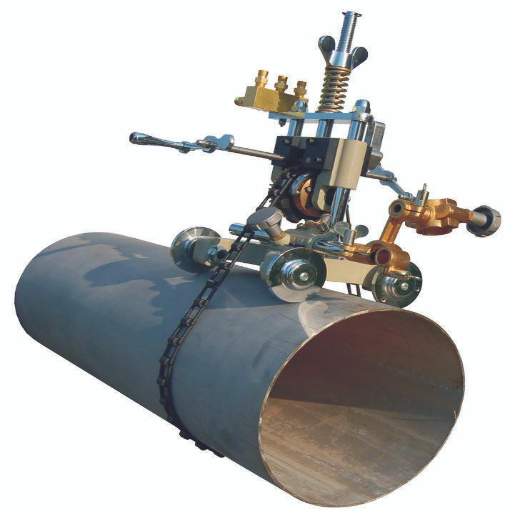
Keep your beveling machine well-maintained to ensure it works efficiently and has a longer lifespan. Here are some of the key steps to be done regularly so that the beveling machine may be well-maintained:
- Regular Cleaning – Clean the machine after each use to remove dust, metal shavings, and other debris. The build-up of any accumulation may affect the machine’s performance.
- Lubrication – Regularly check moving parts to ensure they can be lubricated, thereby reducing wear and providing smooth movement. Use only those lubricants prescribed by the manufacturer.
- Inspection of Parts- Examine blades, gears, and other components for signs of wear or damage. Replace any worn parts immediately to avoid operational issues.
- Manufacturer’s Guidelines – Always follow the maintenance schedule and instructions provided by the manufacturer for timely upkeep.
- Store Properly – While not in use, store the machine in a dry and clean place to prevent rust or other damage caused by moisture or dust.
The machine will have an extended lifespan, as well as perform optimally. Check if these instructions are followed.
Routine Maintenance Tips
- Fluids Were Checked and Replaced Regularly
Check the levels of all fluids, such as oil or coolant, and replace them according to the manufacturer’s schedule. Operating with the correct levels ensures that the machine runs smoothly and does not overheat or wear out prematurely.
- Inspect Belts and Hoses
This involves inspecting belts and hoses for signs of wear, such as cracks and frays. Upon inspection, if damage is detected, replacement should occur immediately; a halt may impede some operation of the machine.
- Clean Filters Regularly
Air and oil filters maintain debris from entering the system. Clean or replace them as blocking may restrict system functioning.
- Lubricate Moving Parts
Adequate lubrication retards friction and hence wear of relatively moving components. Check the points of lubrication and apply the lubricant in the specified amount to ensure smooth operation.
- Test Safety Features
Ensure all safety mechanisms, including emergency stops, alarms, and guards, are operational. Tests should be conducted regularly to ensure that these functions can be activated in the event of an emergency, thereby ensuring the safety of the work environment.
Safety Precautions While Operating
In the realm of machinery, there is one inviolable rule related to safety: accident-induced injuries can be prevented only by following strict safety precautions. Here are the primary preventive measures based on current best practices:
- Wear Protective Gear Appropriately
Ensure you wear the proper personal protective equipment (PPE), such as safety glasses, gloves, a hard hat, or steel-toe boots, depending on the machinery and work environment.
- Check Equipment Before Starting
Make sure to inspect carefully for visible damage or irregularities. Verify that all parts are functioning properly before turning it on.
- Always On the Right Side of the Manufacturer’s Instructions
Only use machinery in the way it is supposed to be used by the manufacturer. Always adhere to the prescribed operating limits and maintenance schedules.
- Keep the Work Area Clean
Keep the workplace free of clutter, loose materials, or anything that might have become an obstruction to slip, trip, and fall hazards.
- In Case of an Emergency
Knowledge of location regarding emergency stops, fire extinguishers, and first-aid kits is essential. Such training is necessary to use their services effectively.
- Conveying Information Effectively
Signaling clearly or using a designated communication system is necessary to coordinate among the team while machinery is being moved in a shared space.
By adhering to these precautions, one can significantly improve safety and operational efficiency, based on the latest information and feedback regarding standards for securing working environments. Being up-to-date with newly launched safety technologies and their improvements likewise helps keep workplaces compliant while being a protective measure for their employees.
Reference Sources
1. Design and Construction of Ethylene Vinyl Acetate Beveling Machine for the Footwear Industry
- Authors: Rafael Díaz-Infante-Ruelas, J. P. Orozco-Muñiz, Araceli Zapatero-Gutiérrez
- Published: 2024-10-21
- Conference: 2024 IEEE International Conference on Engineering Veracruz (ICEV)
- Summary: This paper discusses the development and testing of a beveling machine designed explicitly for the ethylene-vinyl acetate (EVA) layer used in shoe fabrication. The design focuses on the machine’s principal component, the shaft, which was meticulously calculated to support the loads encountered during operation. An ergonomic study was also implemented to enhance worker comfort and efficiency. The potential impact of this machine on the footwear industry is significant, promising improvements in production processes and working conditions.
- Methodology: The study employed design engineering principles, ergonomic assessments, and practical testing of the machine’s performance in a production environment (Díaz-Infante-Ruelas et al., 2024, pp. 1–6).
2. Method for Controlling Golden Finger Beveling Machine
- Author: 张为民
- Published: 2015-01-16
- Summary: This paper presents a method for controlling a specific type of beveling machine known as the golden finger beveling machine. The focus is on enhancing the precision and efficiency of the beveling process through improved control mechanisms.
- Methodology: The study likely involved experimental setups to test the control methods and their effectiveness in achieving the desired beveling outcomes (张为民, 2015).
3. Top Milling and Beveling Machine Manufacturers and Supplier in China
Frequently Asked Questions (FAQs)
What is a pipe beveling machine?
A pipe beveling machine is a specialized tool designed to create precise bevels on the edges of pipes or tubes. This process is essential for end preparation before welding, ensuring strong joints and reducing the risk of defects.
How does a beveling machine work?
The beveling machine operates by rotating a cutting tool, such as a carbide cutting insert, around the circumference of the pipe or tube. This removes material to create a bevel at a specified angle, typically 45 degrees or 90 degrees, depending on the job’s requirements.
What are the benefits of using pipe beveling machines?
Pipe beveling machines produce high-quality bevels, which are essential for effective welding. They ensure the bevel width is consistent and can be adjusted to meet the demands of various projects. Additionally, these machines can operate without thermal distortion, preserving the integrity of the pipe material.
What types of bevelers are available?
There are several types of bevelers available, including manual and automatic machines. Heavy-duty beveling machines are designed for large-scale operations, while lighter models are ideal for smaller tasks. Some machines can perform both pipe cutting and beveling in a single operation, thereby enhancing efficiency.
What materials can a beveling machine process?
Beveling machines can process various materials, including steel pipes, flat plates, and high-strength tubing. The choice of machine may depend on the material’s thickness and the desired beveling specifications.
How do you choose the right pipe beveling machine?
Choosing the right pipe beveling machine involves considering the diameter of the pipes to be beveled, the required bevel type, and the expected production volume. It’s also essential to assess whether you need a machine for external beveling or for creating double-sided bevels.
Can beveling machines be used for deburring?
Yes, beveling machines can also be used for deburring the edges of pipes or plates after they have been cut. This additional functionality helps in providing a clean finish, which is essential for safety and aesthetics in the fabrication industry.
What is the role of carbide inserts in beveling machines?
Carbide cutting inserts play a crucial role in the performance of beveling machines. They are designed to withstand high wear and provide a sharp cutting edge, allowing for efficient material removal and high-quality bevels without frequent replacements.
Are there specific beveling machines for different pipe sizes?
Yes, there are beveling machines specifically designed for various pipe sizes and diameters. It’s essential to select a machine that can accommodate the specific dimensions of the pipes or tubes you are working with to ensure optimal performance.