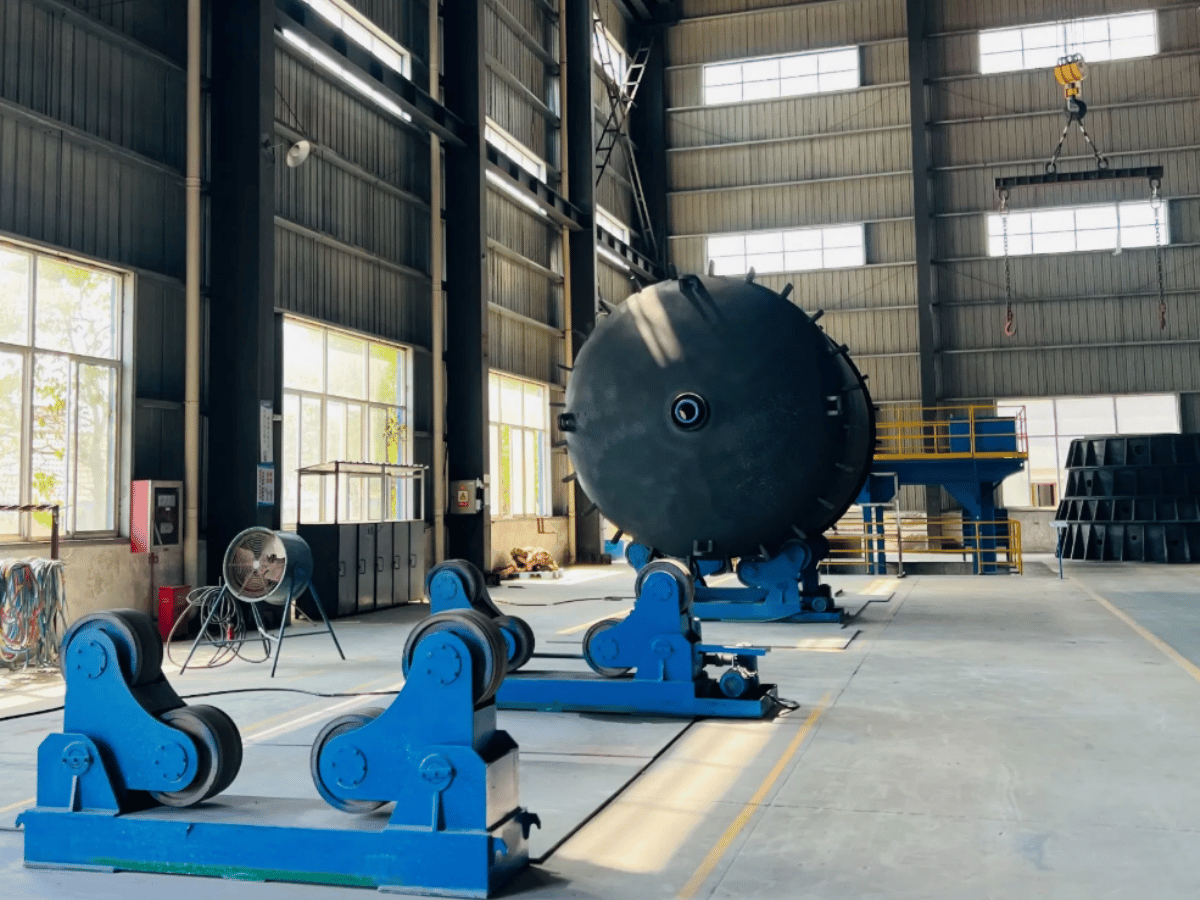
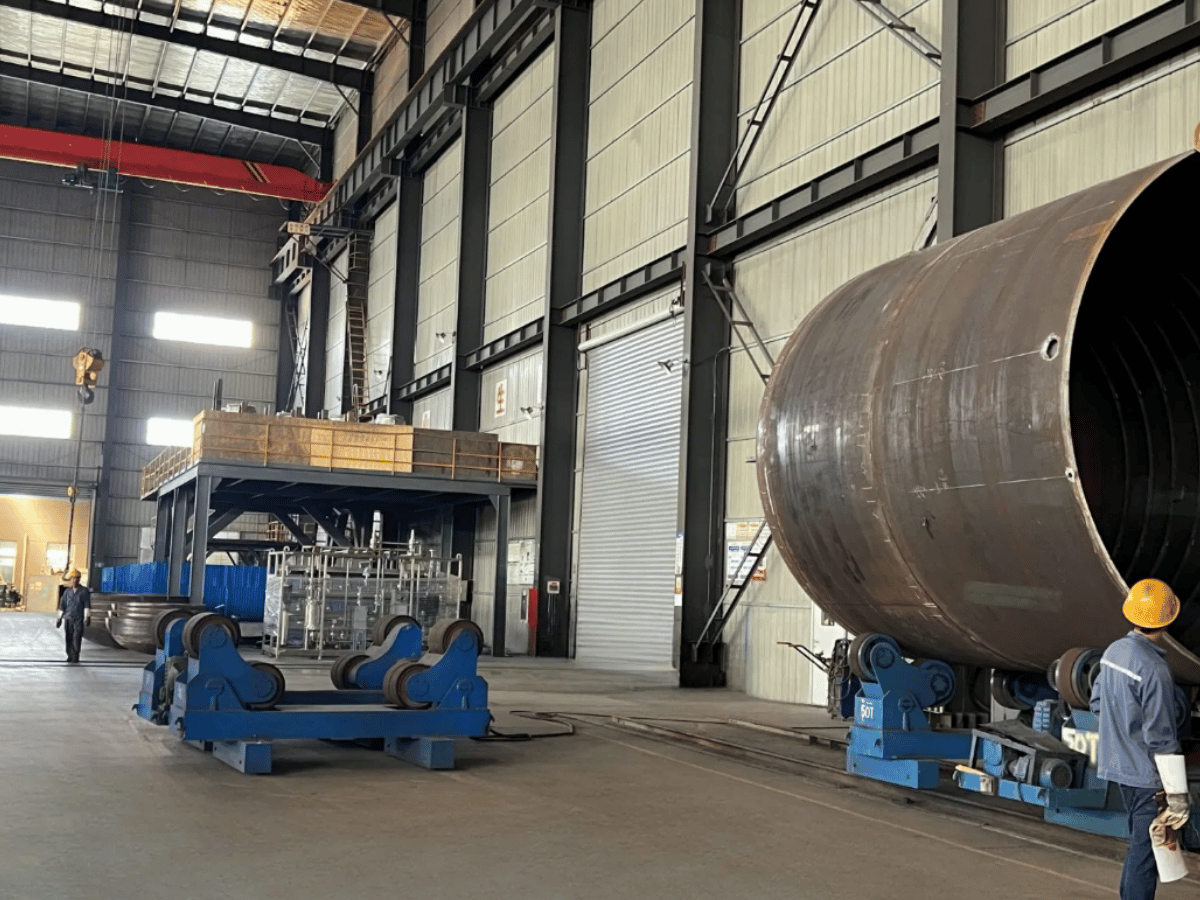
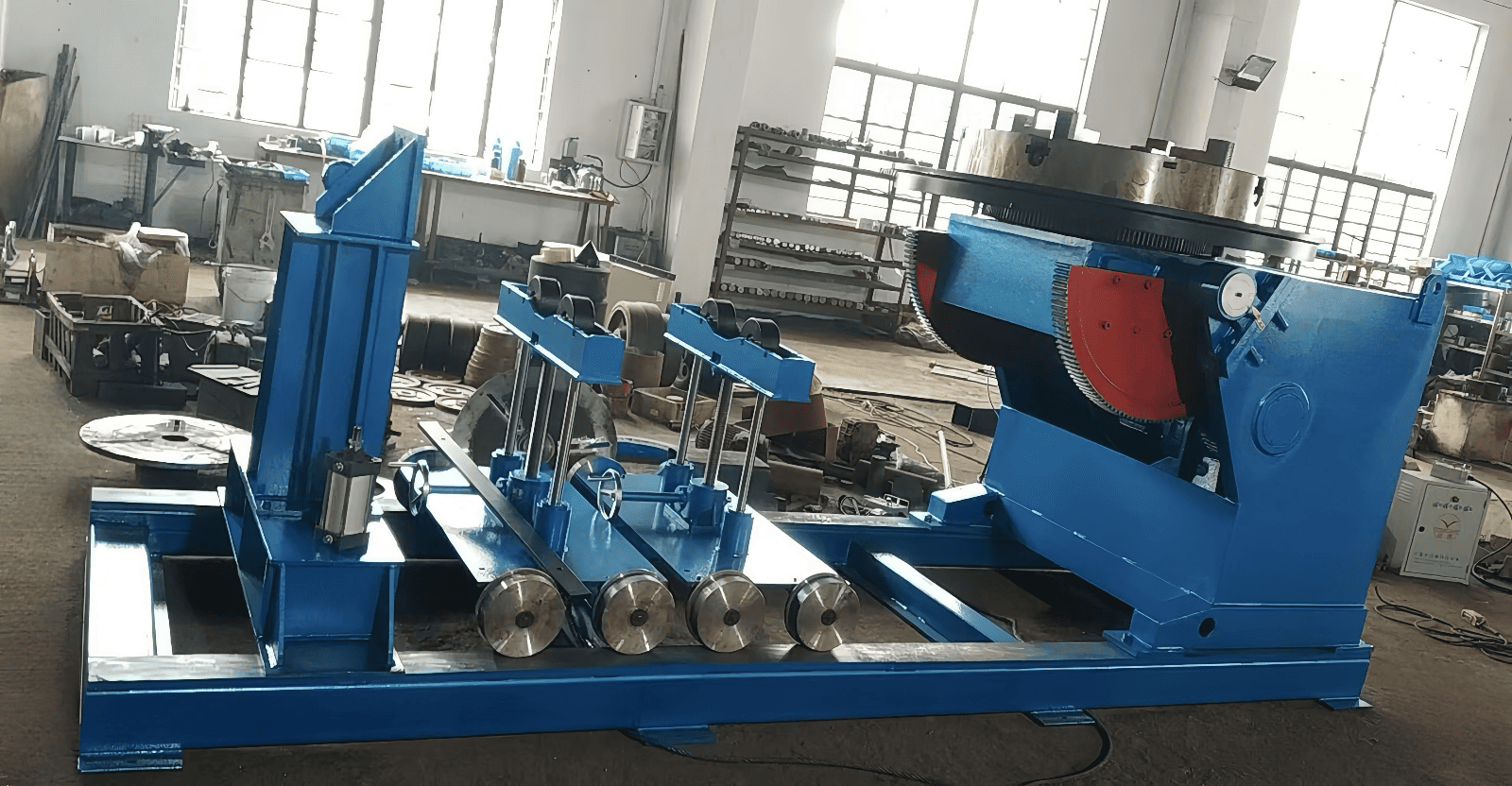
Welding stands as a fundamental process of many industries, requiring therein utmost precision, consistency, and efficiency to yield satisfactory product quality. Experience has shown that difficulties arise in meeting these standards when cylindrical parts, such as pipes or tanks, comprise the workpiece. This means pipe rotators have come up with a solution. These devices are designed to hold and rotate pipes during welding, thereby enabling smoother operations, better welds, and reduced manual work. In this blog, we will take you through the significant advantages of pipe rotators, explaining how they enhance the efficiency and precision of welding, and why they have become indispensable for both welders and industrial operators. Whether you are an expert or novice to welding, this guide will walk you through the critical insights for taking your welding processes to the next level through the use of pipe rotators.
Understanding Pipe Rotators
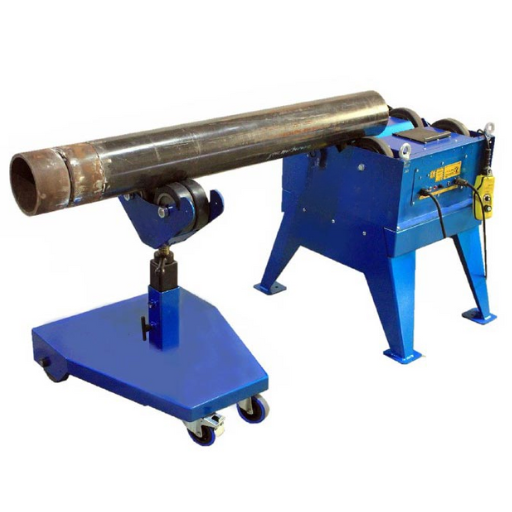
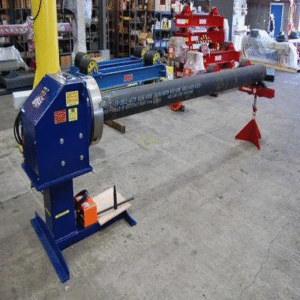
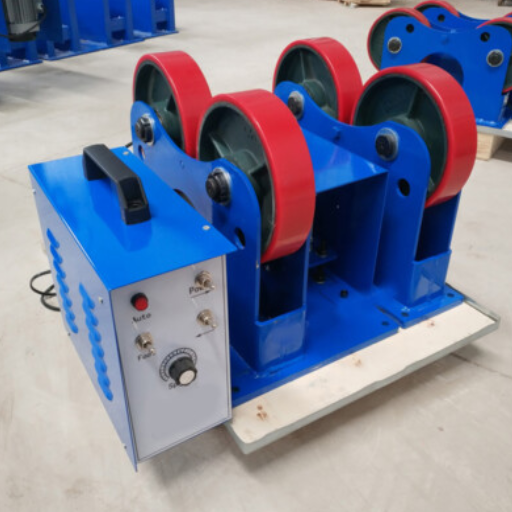
Pipe rotators are specialized equipment designed to rotate cylindrical workpieces, such as pipes or tanks, during welding or fabrication stages. A set of motorized rollers or wheels performs this rotation smoothly and consistently, keeping welders standing steadily and producing uniform welds along the entire workpiece. Pipe rotators eliminate the need for manual rotation of the workpiece, thereby improving efficiency and weld quality. These machines handle large or heavy objects when needed and can be found scattered throughout various industries, including oil and gas, manufacturing, and shipbuilding.
What is a Pipe Rotator?
Pipe rotators are specialized equipment designed to facilitate the welding, cutting, or assembly of cylindrical objects by imparting controlled rotation to them. These rotators consist of motorized rollers or wheels that can firmly grasp and rotate pipes, tanks, or other round workpieces. Under such a rotation, a fixed position can be maintained by welders working to secure consistent weld quality, thus reducing the effort and time required for manual welding. Today, modern pipe rotators are equipped with advanced features, including variable-speed controls and synchronization with automatic welding equipment, which represent a significant step toward enhanced efficiency and precision. They find applications and hence hold paramount importance in industries such as the construction of oil and gas pipelines, the fabrication of pressure vessels, and shipbuilding, where the consistent rotation of heavy or large-diameter objects is required for reasons of safety, accuracy, and productivity.
How Pipe Rotators Function in Welding
Pipe rotators operate by gripping and rotating cylindrical workpieces, such as pipes or tanks, across a range of diameters during welding. These machines are typically designed with adjustable rollers or wheels to accommodate a range of pipe diameters, ensuring proper stabilization. The rotator speed is controlled by variable-frequency drives (VFDs) and synchronized by operators, either through an automated welding system or manual welding processes. The precise speed control enhances weld quality by creating a uniform weld bead and helps prevent defects caused by uneven movement.
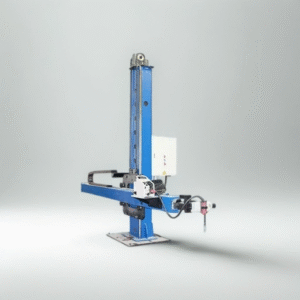
Modern pipe rotators and welding rotators are equipped with load sensors, torque monitors, and alignment guides to achieve greater operational accuracy and precision. This is a blessing for welders because it eliminates the need for manual handling and repositioning of very heavy pipes. Thus, ensuring the exact rotation reduces weld spatter and distortion that would otherwise have been a matter of compromise in adhering to strict engineering standards. By automating pipe handling, pipe rotators introduce a range of benefits, including enhanced safety, increased speed, and improved accuracy, to a broad spectrum of industrial welding applications.
Types of Pipe Rotators Available
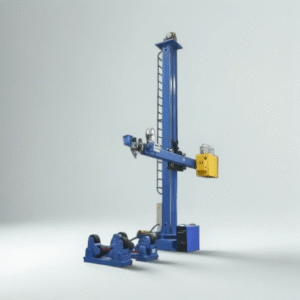
The primary types of pipe rotators available include conventional rotators, self-aligning rotators, anti-drift rotators, adjustable rotators, and turning rolls.
Benefits of Using Welding Rotators

- More Welding Precision – Welding rotators stabilize rotational motion, producing desired precision in welding by holding the workpiece in the best position during welding operations.
- Improved Capacity – Rotators rotate heavy wire works, significantly reducing manual labor and increasing workflow efficiency.
- Better Weld Quality – With the arm moving steadily in tandem with rotation, welding is uniform, and the likelihood of uneven weld lines or weak joints is diminished.
- Reduction in Physical Stress for the Operator – The rotator does most of the heavy lifting and positioning work, so operators exert less physical effort while concentrating on essential weld quality control.
- Being Versatile for Various Applications – With several types of rotators on offer, they handle a wide range of workpiece sizes and shapes, making them suitable for any fabrication, from general to specialized procedures, such as pipe welding.
Improved Efficiency in Pipe Welding
The use of welding rotators enhances the efficiency of pipe welding processes by providing smooth and even rotation to cylindrical workpieces, thereby improving the overall quality of the weld. As a result, the weld can be applied uniformly; the number of opportunities for errors is reduced, and the scope for reworking is minimized. Weld quality is improved because exact alignment can be maintained during welding, thereby reducing manufacturing times. Automated or semi-automated rotators are used as part of the wet production process to reduce manual handling, allowing the welder to focus on quality control, which in turn increases productivity.
Enhanced Precision and Quality of Welds
The use of welding rotators enhances operational precision, thereby increasing operational efficiency and weld quality. Welding rotators rotate the material, allowing welders to maintain consistent speeds and angles during the welding process. Maintaining such consistency minimizes defects such as porosity, lack of fusion, or irregular buildup of weld metal. Industry studies have shown data supporting that facilities using contemporary welding rotators demonstrate increased joint integrity and surface finish, which directly correlates to product reliability and life.
Another step forward in the effectiveness of welding rotators is achieved when they are combined with automated systems. As sensors and programmable controllers view rotational speeds in real-time and adjust them accordingly, human error is minimized, and heat distribution along the weld seam is consistent. The continued advancement of innovations in higher welding quality is evident in today’s manufacturing trends.
Reduction of Labor Costs
Depending on the massive weight or the cumbersome nature of the workpiece, welding manipulations increase labor expenses. Laborers are considerably minimized in conjunction with these machines. Hence, operators reduce official cadres to accomplish official duty by half from the rotators. Additionally, rotators enhance efficiency by reducing setup time and ensuring the consistency of rotational speed, thereby maintaining consistent production times within each cycle. This, therefore, lowers labor dollar outlays incurred relative to the completion of the product.
Applications of Pipe Rotators in Various Industries

Oil and Gas Industry
Pipe rotators find wide applications in welding pipelines and structural elements crucial to exiting, refining, and transporting oil and gas. With its precision, it ensures the formation and quality of welds in high-pressure systems.
Shipbuilding
In the shipbuilding industry, pipe rotators work with significant cylindrical components, welding exhaust systems, and fuel pipelines while speeding up production times and providing durability in marine environments.
Power Generation
Pipe rotators are used in welding boilers, turbines, and other cylindrical components with precision and uniformity, in fossil fuel power plants to renewable energy power generation.
Chemical and Petrochemical Plants
Pipe rotators enable the welding of storage tanks, pressure vessels, and piping systems used in the transportation and storage of hazardous chemicals, ensuring both safety and compliance with Industrial standards.
Automotive Manufacturing
The automotive industry normally uses pipe rotators in the manufacture and welding of exhaust systems, driveshafts, and other cylindrical components to speed up production and ensure product consistency.
Small-Scale Pipe Welding
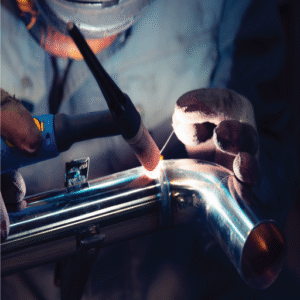
Small-scale pipe welding involves welding pipes with smaller diameters. Such activities find applications in general residential plumbing, HVAC systems, and other special industrial processes. Welding such small pipes requires the highest level of precision and flexibility, especially in cases where space constraints or material variability are present. The TIG method or the MIG method is preferred chiefly for welding these pipes as they offer the weld quality control one demands. With the help of small pipe rotators and advanced welding equipment, welders can maintain a uniform weld and minimize distortion, which is a common problem with small-diameter pipework. The automated, flexible welding systems further help increase weld quality and productivity, especially in the more demanding and space-constrained applications.
Large Industrial Projects
Pipe rotators become a necessity in large projects, as they increase productivity, precision, and safety. They are typically employed in the oil and gas, petrochemical, shipbuilding, and power plant industries, where heavy cylindrical components and large-diameter pipes require careful handling and precise welding. Pipe rotators rotate and support evenly during welding or coating applications to ensure a uniform coating while reducing manual intervention.
On a high level, pipe rotators have variable speed controls, load balancing systems, and automatic alignment mechanisms. All these become very important in projects where tons of heavy materials are involved, where there is always the possibility of materials being placed in the wrong spot or warped. The present pipe rotators can also be fully integrated with robotic welding systems to enhance throughput further or eliminate the chances of errors in performing monotonous tasks. As a result, pipe rotators have become a staple in the fast-paced world of industrial projects, where speed and precision are essential.
Use in Pipeline Construction
Pipe rotators play a crucial role during pipeline construction, where accuracy and efficiency are essential for project success. These devices enable the controlled rotation of pipes during welding and assembly, ensuring everything remains uniform and aligned. By holding the pipe firmly in position, welders can locate circumferential welds that are generally flawless. This enables the reduction of defects, such as misalignment and partial penetration, within the pipe itself. Modern pipe rotators feature variable speed settings and heavy-duty load-bearing capabilities, allowing operators to accommodate pipes of varying diameters and weights. In conjunction with automated welding systems, this enhances productivity by reducing tedious manual operations while ensuring precision at all times. Such combinations of assisted automation and mechanical capabilities are poised to save time and ensure quality in any pipeline construction job, particularly when laying long pipes across demanding terrains.
Selecting the Right Pipe Rotator

Several factors should be considered when selecting pipe rotators to ensure optimal performance and maximum compatibility with individual project requirements. Consider load capacity in terms of the particular diameter, weight, and material of the pipes. Next, consider the adjustability of the variable speed controls or other realigning mechanisms that can accommodate different pipe sizes and provide precise rotation. Additionally, allow for integration with automation welding systems to expedite welding operations and improve the repeatability of welds. Finally, high weightage should be assigned to durability and reliability; hence, models should be chosen from materials of the highest quality that can bear heavy-duty use and the rigors of difficult locations.
Key Considerations: Load Capacity and Adjustability
Choosing a pipe rotator revolves around what load it can carry and how much adjustability it offers to the user. Load capacity means the weight a rotator can have without compromising its working efficiency or the integrity of its structure. One of the primary accidental hazards that can arise from equipment being loaded beyond its rated capacity is the risk of mechanical failure, which can lead to work disruption. When evaluating load capacity, both static and dynamic load ratings need to be considered, as they describe an application’s performance under stationary and in-motion conditions, respectively.
Adjustability ensures that the equipment can accommodate a range of pipe sizes and diameters. The more modular or adjustable a component or roller is, the more flexible it can be, requiring fewer job changes or less downtime. Enacting a rotator with the right balance of huge load capacity and adjustability will ultimately help to streamline the workflow, reduce wear and tear, and improve the overall reliability of the operation.
Compatibility with Existing Welding Equipment
Selecting an appropriate rotator is likely the first step in ensuring compatibility with welding equipment. Power requirements to control system interface and ratings in respect of speed and capacity are factors of compatibility, and then it must support welding processes, whether manual, semi-automatic or fully-automatic. In addition, the rotator must accept coordinates from the exact standards recognized in the industry, so that installation can be as straightforward as possible, thereby avoiding many technical difficulties. Full compatibility means fewer breakdowns, efficient work flow, and a solid performance into the far future.
Features to Look For in a Pipe Rotator
- Load Capacity – The load capacity of any rotational pipe must be suitable for your particular operation. This would imply considering the weight of the pipes and any other equipment that may be used during the task.
- Adjustable Speed Rotation – A rotator with the ability to vary its rotational speed is necessary for differing welding or cutting requirements and with manual settings to enhance the precision of the operation and to accommodate a wide variety of applications.
- Durability and Material Build – The construction of the rotator should essentially consist of high-quality materials capable of standing longer use in harsh industrial environments. Investigate materials that resist wear, corrosion, and gouging in extreme temperature conditions.
- Automation and Control Features – State-of-the-art pipe rotators can feature an automated system or programmable control, including remote operation and other advanced capabilities. These systems enhance repeatability, reduce manual effort, and increase the overall operational efficiency.
- Versatility of Pipe Dimensions – Select a rotator that supports a broad range of pipe diameters and lengths. Such versatile equipment can accommodate the demands of various projects, removing the need for multiple devices.
Innovations in Pipe Rotator Technology

On the other hand, recent developments in pipe rotator technology have focused on accuracy, efficiency, and adaptability. Innovations such as automated synchronization systems ensure that rotational motion is optimally consistent, thereby reducing welding defects and material wastage. Now, with the integration of sensor technology, rotational parameters can be monitored in real-time, which improves quality control and operational reliability. Additionally, modular designs have proven more adaptable, as operators can adjust for various pipe sizes without lengthy downtimes. Hence, these advancements increase productivity while decreasing operating costs in industrial environments.
Advancements in Automation for Welding Rotators
Automation has almost doubled the efficiency and precision of industrial manipulations for welding processes. Innovations involved included programmable control systems that either maintained rotation speed and alignment or provided a better weld finish. Also, real-time monitors have established early detection to lessen the incidence of defects requiring reworks. There are adaptive features that adjust their responses to varying pipe sizes and materials, resulting in shorter setup times for the machine. That said, these advanced improvements streamline operations, thereby enhancing productivity, lowering costs, and maintaining quality standards.
The Role of Smart Technologies in Welding
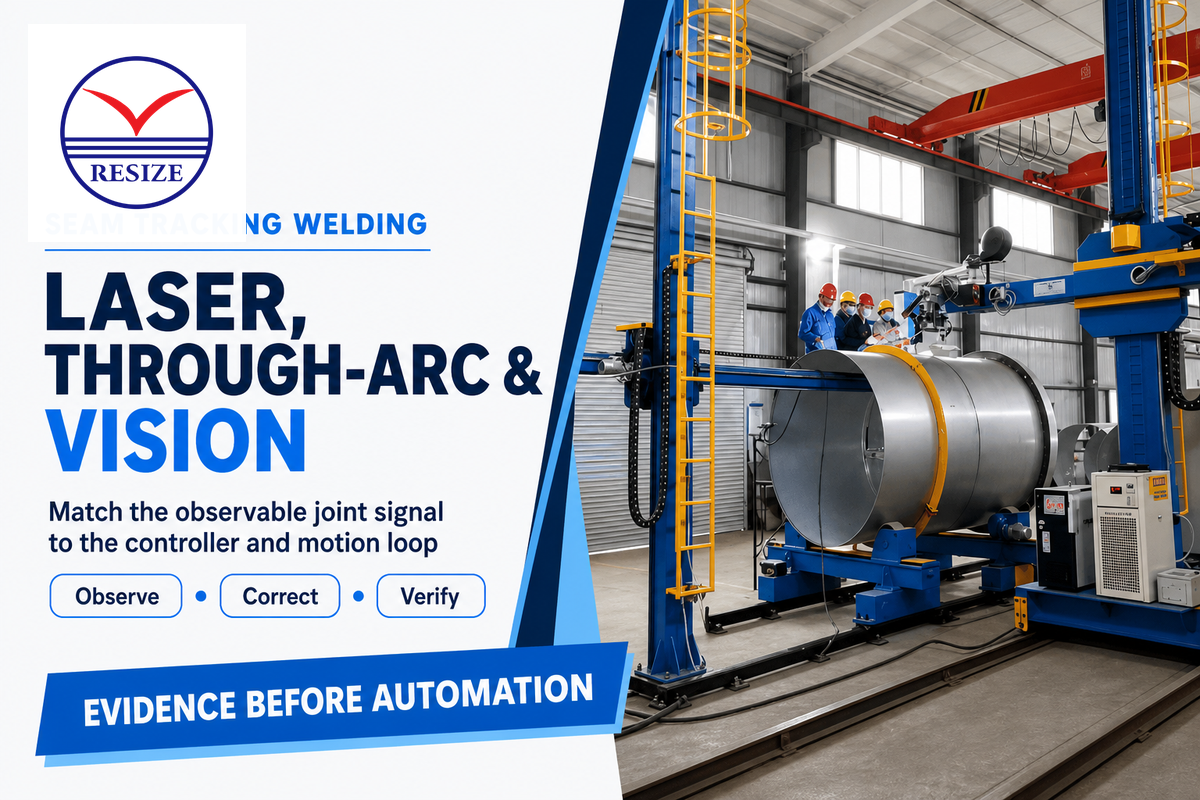
- Automated Seam Tracking: Utilizing imaginative vision and laser systems, welding tools are accurately aligned on the joint location and tracked in real-time with utmost precision.
- Predictive Maintenance: By utilizing integrated sensors and data analytics, equipment performance can be monitored, and maintenance needs can be accurately forecasted, thereby ensuring minimal downtime in operations and reducing unexpected failures.
- Advanced Programming Interface: Through a user-friendly interface and the Programmable Logic Controller (PLC), operators can easily modify welding parameters for a wide array of materials and applications.
- Internet of-Things Integration: Through connected devices, one can monitor and control changes in welding remotely, correlating with optimizing performance and ensuring uniform quality.
- AI for Weld Quality Assessment: Using AI, welding systems are analyzed in real-time, identifying faults and proposing corrective measures to minimize waste, ensuring an optimal level of weld quality.
Future Trends in Pipe Welding Equipment
The pipe welding industry is poised for rapid transformation as it undergoes significant changes in response to emerging technologies and automation. Collaborative welding robots are trending nowadays; the cobots provide welding functions and safety while working alongside human operators. They increase productivity by combining advanced sensors and controls that adapt to real-time conditions.
AR-augmented realities are another development in training and operations to mention. Augmented reality systems can assist welders by projecting virtual guides or real-time feedback over the physical workspace, thereby minimizing weld errors, reducing learning time, and shortening project execution time. Likewise, the introduction of advanced materials into welding consumables offers longer-life consumables in harsher operating environments.
On the other hand, predictive analytics has completely changed the paradigm in the data-centric approach by monitoring welding systems, studying performance metrics, and predicting maintenance requirements. Such predictive maintenance ensures that downtime is minimized and maximizes efficiency. Using cloud computing, manufacturers can also standardize processes across several sites to guarantee consistency and quality control.
The above trends mark the emergence of the intelligent-integrated paradigm, which results in improving pipe welding in terms of efficiency, precision, and sustainability.
Reference Sources
-
Westermans Blog: When to Use Pipe Rollers for the Best Welding Results – Discusses the advantages of pipe rotators, including increased safety, accuracy, and productivity.
-
Senlisweld: Applications of Welding Rotators – Explains how welding rotators improve consistency and reduce defects in welds.
-
Welding Rotator China: Pipe Rotators That Will Make Your Life Easier – Highlights the efficiency, quality improvement, and handling benefits of pipe rotators.
-
Westermans: Welding Rotators for Pipes & Tanks – Provides insights into the safety and industrial applications of welding rotators.
Frequently Asked Questions (FAQs)
What is the use of pipe rotators in welding?
Pipe rotators provide precise control and stability during the welding of cylindrical vessels or large diameter pipes. They allow the workpiece to be rotated so that it can be better accessed and welded with improved quality. Their use is crucial in heat exchangers, wind towers, and other industrial structure applications.
How do welding positioners improve the welding process?
Welding positioners enhance the welding process by adjusting the position of the workpiece conveniently for the welder to achieve easy fit-up and minimal strain for the welder and hence more productivity. They can be adjusted as required to accommodate a variety of welding types, such as welding with MIG or TIG.
Can pipe rotators rotate heavy offset loads?
Indeed, pipe rotators can rotate heavy offset loads with efficiency. These are built for heavy-duty tasks, and stable rotation renders them suitable for large diameter pipe welding and other structures.
What is the purpose of a control box in pipe rotators?
The control box permits operators to set the speed, direction, and rotation position of the workpiece. Thus it offers a very precise level of control over the welding process and often allows footswitch operation for the welder, giving them their full focus on the welding activity.
What materials are pipe rotators usually made of?
Pipe rotators are frequently made with durable materials like polyurethane wheels and strong steel frames to ensure longevity and reliability. These materials help the rotators bear heavy loads and are resistant to the rigors of a welding environment.
What do I want to consider in a welding rotator?
Consider welding rotators that are fully adjustable, with variable speeds, large-diameter-pipe-handling capabilities, and self-alignment. Also, ensure the compatibility of the machine with different welding processes and that it is rugged enough to take the weight of cylindrical vessels that are heavy.