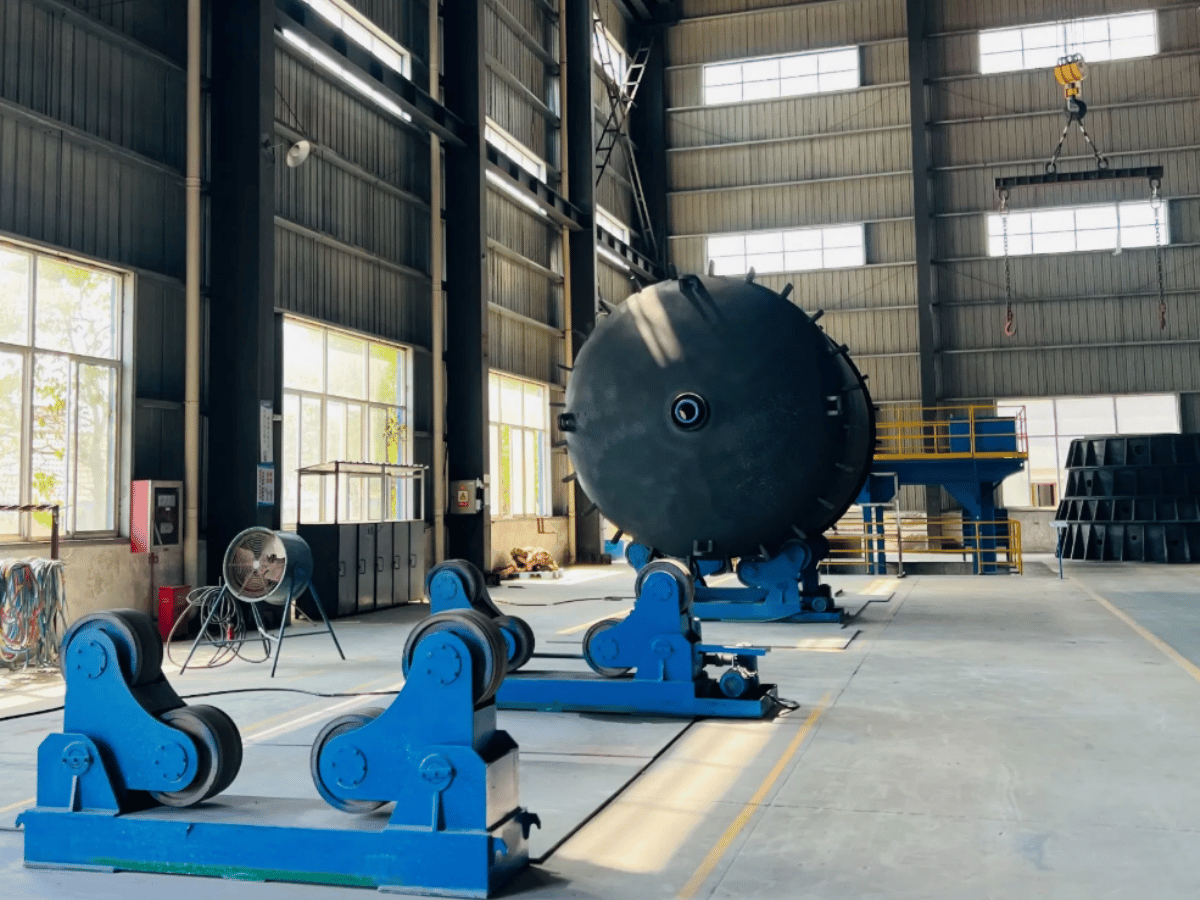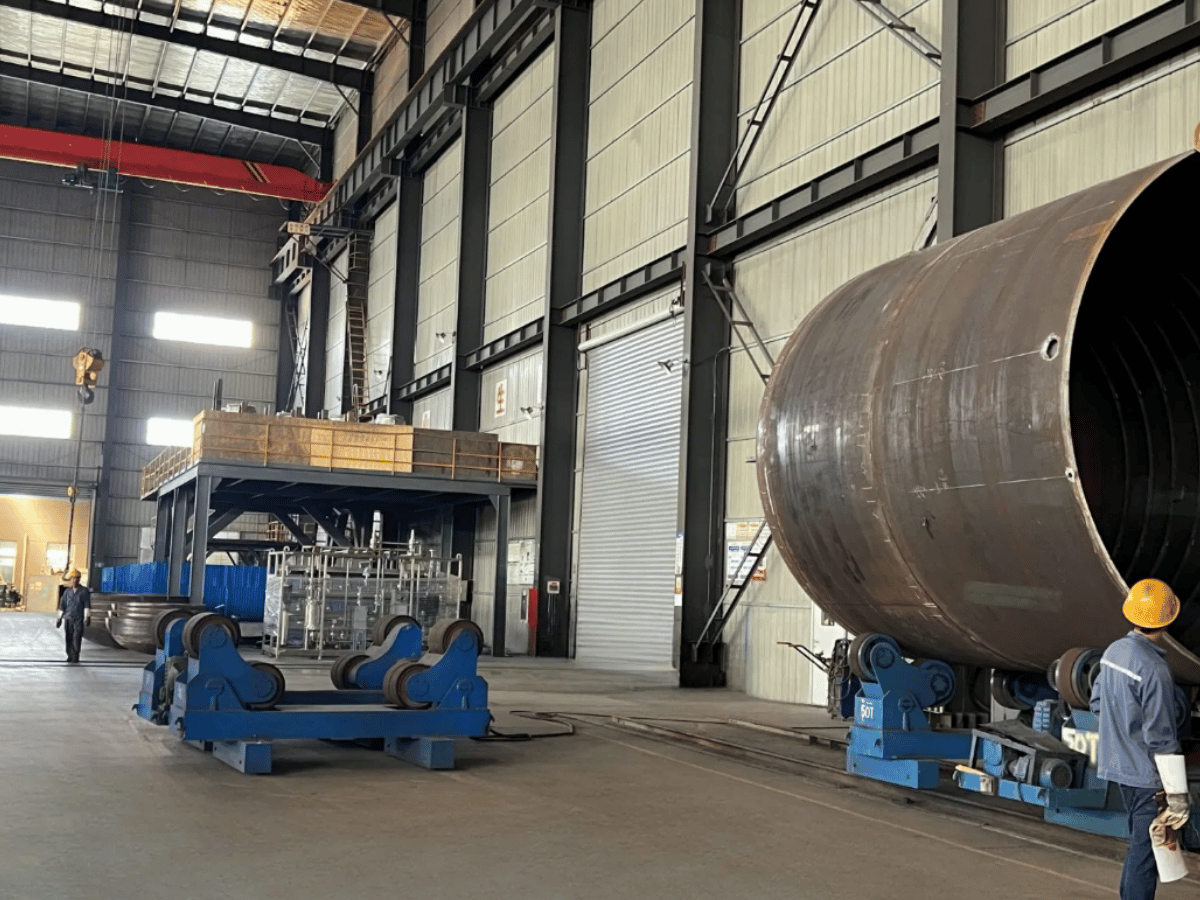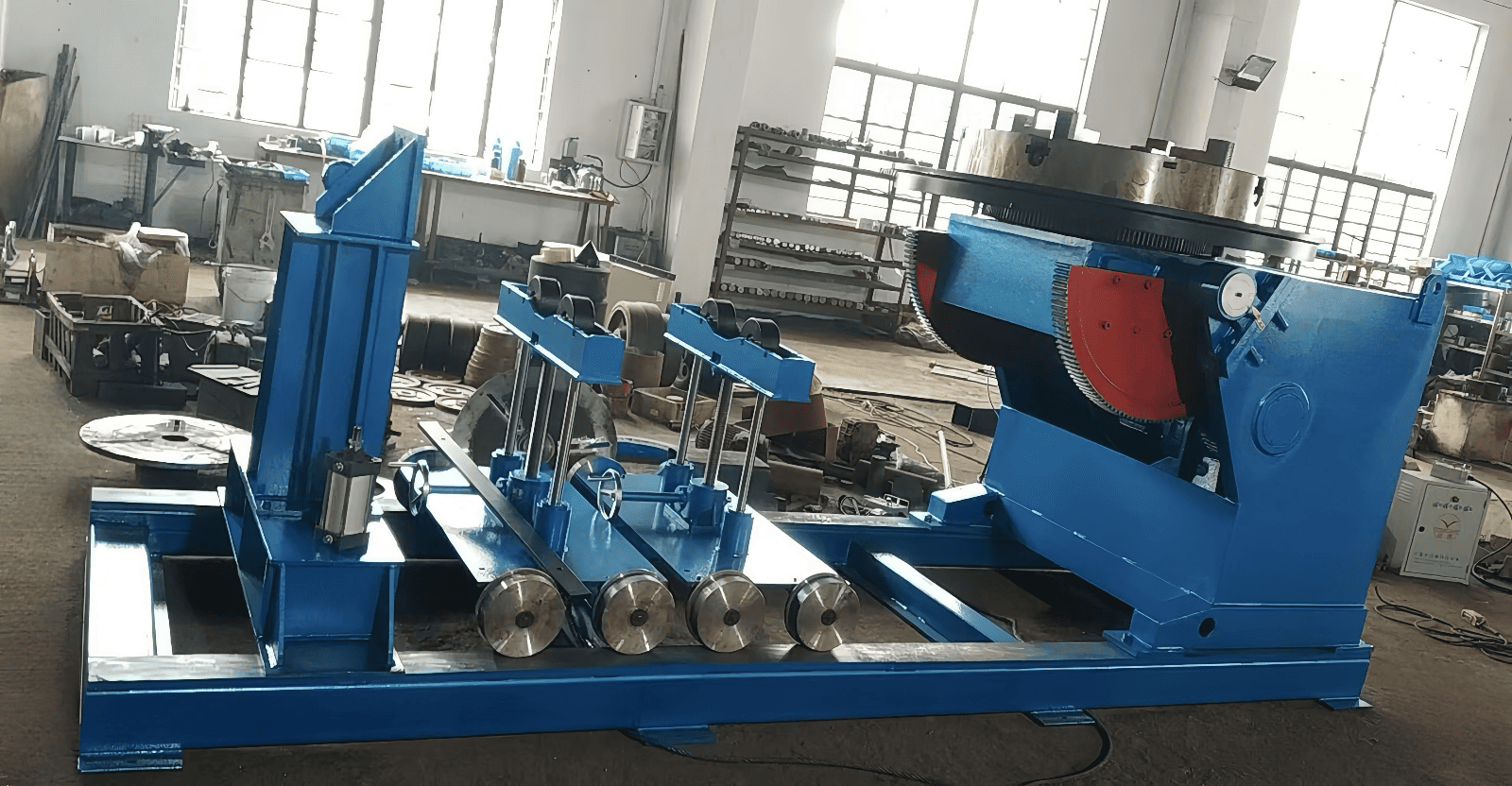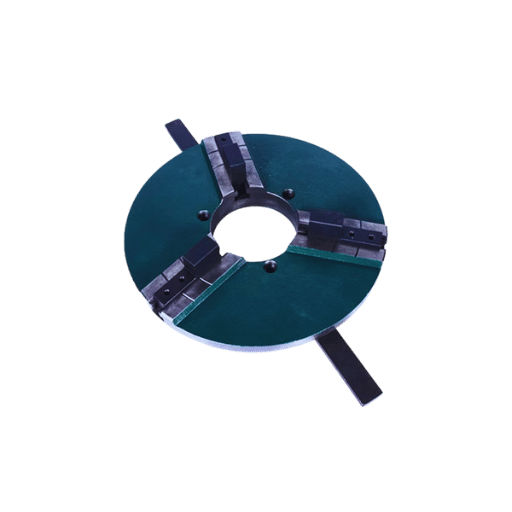
Welding is an important process for almost all industries, and there are many aspects that must be considered to attain the desired outcome. One such tool that plays a considerably important role in welding is the Welding Positioner Chuck. Whether you have just entered the welding industry or are an experienced welder, understanding the purpose of these chucks and positioners, as well as their application in work, can increase your productivity, quality of welds, and also enhance safety. This article explains what welding positioner chucks are, their functions, advantages, and tips for picking the right welding positioner chucks for your needs. At the end of the day, you will understand how to apply these tools to accomplish complex welding works faster and in order to follow reasonable levels of performance.
Understanding Welding Positioner Chucks
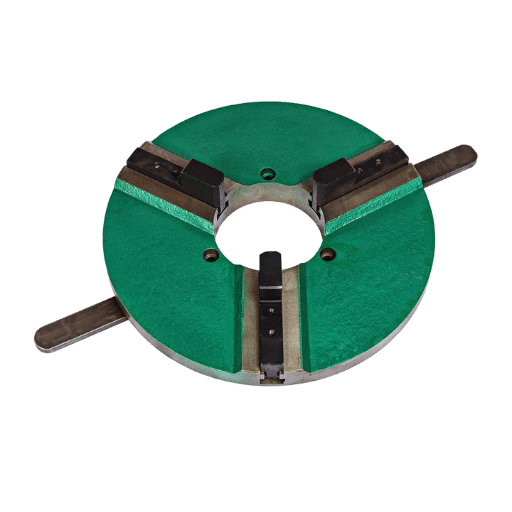
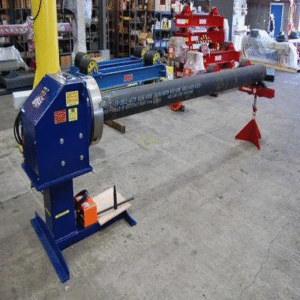
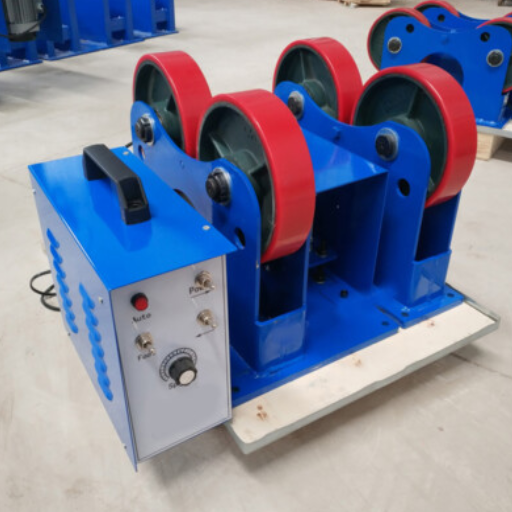
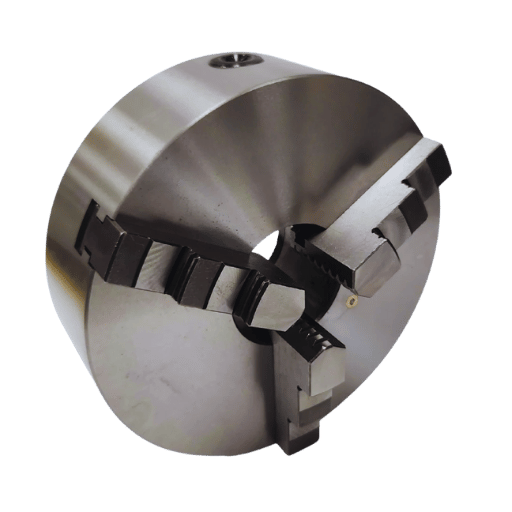
A Welding Positioner Chuck is a special device for holding and positioning the workpiece during welding. They are effective tools that help with maintaining alignment and reaching complex angles by securing them properly after holding the material. Commonly, these devices work in tandem with positioners – parts that allow for different angle workpiece rotation, minimizing human interference and increasing weld consistency. Their significance can be viewed through efficiency, safety, and precision in such applications where the demand for good-quality welds is high.
What is a Welding Positioner Chuck?
A welding positioner tool, known as a welding positioner chuck, is employed to grip a workpiece and turn it or rotate it during welding. It strives to promote productivity, effectiveness, and safety by holding the workpiece at one orientation, while at the same time allowing a rotation (turning) in any other way. In this manner, it allows quality welds, eliminates excess lifting, and offers better control over the preparation of it when its access is limited. It is very difficult to exclude welding positioner chucks from processes where precision and repetition are defined as priorities.
Types of Welding Chucks: 3-Jaw vs 4-Jaw
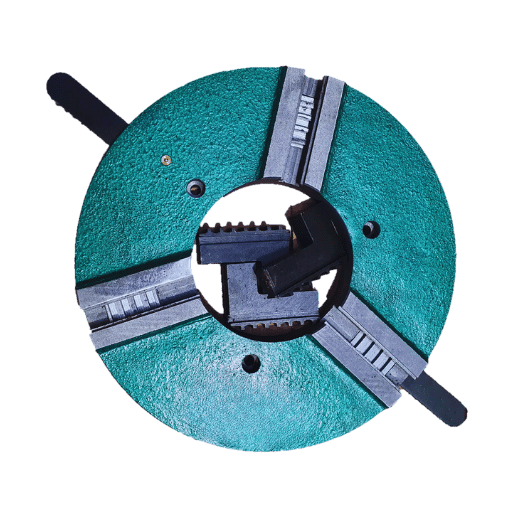
- 3-Jaw Welding Positioner Chuck: This chuck consists of three jaws that are self-centering in the sense that all three jaws are bearings that are shiftable. This makes using round and symmetrical-shaped workpieces an effective option as the workpiece is automatically in the centre and well clamped. It finds wide application. It is multipurpose as it provides for ease and speed in use.
- 4-Jaw Welding Positioner Chuck: In a 4-jaw chuck for holding workpieces for welding, four jaws are independent. As such, it is possible to adjust each jaw independently, which makes it very suitable for holding non-round or uneven-shaped objects like squares. The use of a four-jaw chuck entails additional positioning actions, but renders the technique of handling scopes of welding work extremely flexible.
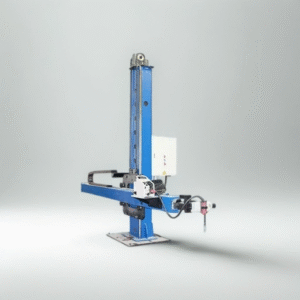
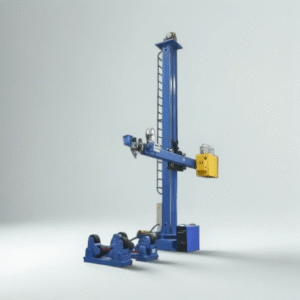
Key Components of a Welding Positioner
- Rotary Table: This is the base portion of the welding positioner. It provides motion to the surface in the form of rotations as they are useful especially in welding processes for precision welding at different locations.
- Tilt Mechanism: This part is the adjustment to the level of the chuck, essential for wider weld workpieces; it positions the weld workpiece.
- Control Panel: It allows the user to perform such operations as controlling the speed of rotation, tilt angle, etc. In some cases, the control panel may support programming of the operational sequence.
- Motor and Drive System: These designs provide the setting motion and tilt motion. Here comes the torque and speed required to maneuver and hold the chuck of the workpiece, which is rigid.
- Clamping System: This component holds the workpiece in its position so that even when the workpiece is being welded, its position does not change. This segment may be composed of chucks, clamps, or other fittings, primarily depending on the task to be carried out.
- Base Frame: A strong and yet durable frame holds the welding positioner in its place and minimizes vibrations during the welding process, keeping it in firm contact with the workpiece.
- Workpiece Support Arms (optional): Appropriate for larger and non-symmetrical shapes, support arms are also provided for internal support so as to hold down work pieces which would otherwise flex or buckle during working.
- Safety Features: The elements, such as the emergency stop button, overload sensors, and interlocks, should be incorporated into the system such that they are able to protect both the user and the system from possible danger.
These components play an integral part in helping the welding positioner achieve its purpose of assisting in making joints in an efficient and quality way.
Benefits of Using a Welding Positioner Chuck
Improved Precision in Welding
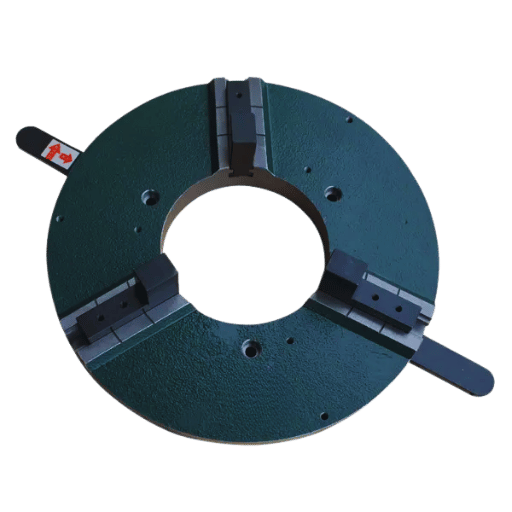
Enhanced precision and safety are achievable using Welding Positioner Chuck fixtures. These products grip the workpiece securely limiting its movement during the weld.nbsp;. This is because the same condition will guarantee the user of the weld side the same results or amount. Wisin, additionally, the angular position of the appropriate ling effect focused can be changed through the positioners combined with the chucks, also posing work pieces in which they are welded. These and similar corrections ensure that welding processes are more accurate and take less time to perform.
Enhanced Efficiency and Productivity
With a welding positioner chuck, workers handle and place workpieces with ease, which helps in increasing efficiency. This cuts down on the set-up time and encourages the operator to pay attention to the actual welding. Apart from this, the feature also increases accuracy, which in turn reduces redoing of work, hence improving the process and saving time. All these advantages translate into a higher production rate without compromising the quality delivered.
Versatility in Various Applications
Welding chucks have been created to suit the wants of various industrial and manufacturing needs. It can be utilized for the following applications:
- Automotive Manufacturing – This involves the accurate positioning of metal parts for the efficient body and fender assembly and repair.
- Aerospace Engineering – It supports the joining of complex and high-load-bearing parts to form various structures in aircraft.
- Metal Fabrication – It is used to facilitate the working of any form of combination of metals.
- Construction Industry – Aids in building or enhancing structures and supporting construction materials like steel.
- Shipbuilding – For instance, it allows precise welding of the larger parts of the metallic ship, which are essential for the ship’s structural function.
Choosing the Right Welding Positioner Chuck
Specifications to Consider
- Load Capacity – Which size workpiece can be placed onto the Welding Positioner Chuck without significantly affecting safety and function.
- Grip Range – What Different Compound Vices can the chuck safely weld, both in securing the workpiece and clamping.
- Material Compatibility – Determine if the chuck can accommodate the materials for welding without the risk of slipping or destroying the surface.
- Rotational Accuracy – Use chucks that enable accurate control within set parameters so that the created welds and gaps smoothly match the pre-determined scheme.
- Durability and Maintenance – Go for a chunk that is made from strong materials and has low maintenance problems, as it will last for a long time.
Self-Centering vs Non-Self-Centering Chucks
For straightforward symmetrical workpieces, self-centering chucks are also the fastest to use, but where precision and complex shapes are involved, non-self-centering chucks are used.
|
Parameter |
Self-Centering |
Non-Self-Centering |
|---|---|---|
|
Speed |
Fast |
Slow |
|
Precision |
Moderate |
High |
|
Versatility |
Low |
High |
|
Setup |
Easy |
Complex |
|
Workpiece |
Symmetrical |
Irregular |
|
Adjustment |
Automatic |
Manual |
|
Use Case |
Repetitive |
Custom |
|
Cost |
Lower |
Higher |
Manufacturer Recommendations and Warranty Insights
Consideration of manufacturer guidelines is also a key factor in choosing an appropriate welding chuck, so as to fit exactly the user’s equipment and applications. Manufacturers give specifications in clear outlines describing the materials used, sizes made, and other aspects of the chucks. This helps achieve high performance and limits breakdowns. Other than that, take time to think over the terms presented in a warranty, especially with respect to defects in materials and workmanship. In most cases, manufacturers provide warranties for a limited period of one to three years. Keeping up with maintenance is a common item on all warranties, and often, they include a major condition, which will play a role in the maintenance of the equipment. If there is any further confusion, one should never hesitate to contact the manufacturer to inquire about further details.
Latest Trends and Advancements in Welding Positioners
Innovations in Chuck Technology
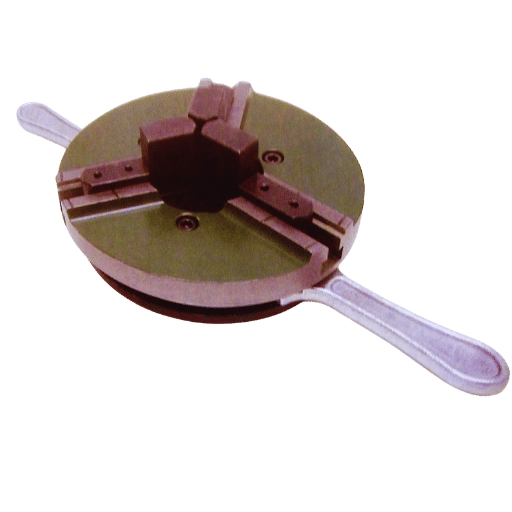
With the recent developments in Improving Precision, Efficiency, and Versatility of Welding Positioners, the Emphasis is on the Enhancement of the Chuck. And self-centering chucks are the most common in modern-day designs, simplifying initial setups as workpieces can be automatically aligned, saving time for manual work. Moreover, Easy-change mechanisms are provided to avoid wasting time changing parts, which improves efficiency. Further Enhanced Material Composition and Improvement of Gripping Mechanisms, with such Innovations, the Inevitable Increase in the Workpiece Sizes and Shapes is securely catered for. All these improvements aim to improve the work done and, at the same time, deliver accurate welds.
Industry Expert Insights on Future Developments
Going forward, I am confident that there will be more automation and intelligent systems in welding applications in the years to come. This approach will provide a higher level of accuracy, elimination of errors, and flexibility to make the processes industry-focused. In addition, the continued improvement in materials discipline may enable the invention of alloys that are lighter and stronger, hence the varieties of ways they are used can be broadened. Technology will play a very significant role in looking green, and conserving energy will become the norm.
Real-World Applications of Modern Welding Positioners
- Cars and Transport – Car frames and other parts are built with the help of these series welding positioners, which provide excellent accuracy for assembling and also minimise the risk of manual lifting.
- Aircraft and spacecraft – Devices like these are useful in the process of making structures of relevance for aircraft and spacecraft, maintaining safety and workability requirements.
- Transportation of Pipeline – In welding, especially when joining rolls of steel for oil, gas, and water pipes, the use of a welding positioner chuck is common as it provides much-needed uniformity for any extended welds.
- Boats – Utilising positioners helps in the support of welding large and complex components, including ship hulls, decks, in order to improve the efficiency of work in this very demanding field.
- Construction Equipment – Helps to build machines by holding heavy and complex parts in place to prevent movement during welding operations, they also prevents misalignment of parts along joints.
Practical Tips for Utilizing Welding Positioner Chucks
Best Practices for Setup and Operation
- Choosing the Right Chuck – Make sure that the size and design of the welding positioner chuck suit the workpiece as intended, since any unfit placement will cause excessive movement of the equipment.
- Workpiece Alignment Skills – Proper alignment of the workpiece within the chuck is necessary; the handle would otherwise be mispositioned, and the compiled results may end up having unwanted welding defects.
- Carrying out Plant Maintenance Practices Regularly – Engage in periodical checks and take preventive measures on engaging the positioner chuck to ensure none of the joints, or especially constructive parts like jaws, clamps, are worn out or broken.
- Load Carrying Capacity – Never exceed the load carrying limits of the positioner to avoid stressing the equipment or creating any dangers associated with overloading.
- Training of the Operator – Conduct proper training of the operators on how to use the welding positioner chuck functions, along with the safety considerations to assure effectiveness and safety at all times.
Maintenance Tips for Longevity
- Regular Cleanings – Always remember to clean the Welding Positioner Chuck after every use so that all the debris, dust, or welding spatter is removed and the apparatus can be used properly.
- Regular Lubrication – Any moving components of the jig, such as bearings or hinges, should be only sprayed with a lubricant to reduce the effort employed and to allow for these parts to move freely.
- Checking for Wear and Tear – It is good practice as well to observe if any breaking or wearing is developing, especially on the vital elements such as clamps, gears, rotation devices, etc., if worn out, such elements should be replaced sooner rather than later.
- Secure All Loose Pieces – Regularly check and tighten bolts, screws, and other similar components to avoid deterioration of the structure and ensure proper functioning of the appliance.
- Ensure All Electrical Connections Are Intact – Since wires connect the chucks, you have to inspect the wires for any strengths or weaknesses as well as the possible damage that can cause wire erosion or breakage.
- Adhere To The Manufacturer’s Instructions – Follow the manufacturer’s maintenance schedule provided in the manual so as to carry out the proper servicing of the equipment and sustain its use.
Common Challenges and Solutions
- Misalignment of Jaw – With time, long periods of use can result in a displacement in the chuck jaws, making them bite into the workpieces at different surfaces. Solution: Inspect the jaws at intervals and adjust their positions when required so that they remain well aligned at all times.
- Increased Wear of Parts – Heavy-duty tasks or insufficient lubrication may result in the quick deterioration of chuck parts. Solution: Have a very strict lubrication ritual and promptly have the worn-out parts replaced for continued good performance.
- Reduction of Clamping Force – Accumulated matter, trash, and problems with mechanics can result in loss of chuck clamping force and hence instability of the workpiece. Solution: Class should be included in this short problem statement, but I am ready to look for number one solutions, which involve routine cleaning to remove foreign materials, checking for mechanical matters, and attending to such problems as changing bad parts or fixing issues.
Frequently Asked Questions (FAQs)
Q: What is a welding positioner chuck?
A: Welding positioner chuck is a tool that is used for the purpose of being able to use precise rotation while conducting welding against work pieces. It is an important addition in the welding industry and even enhances the performance as it allows the welder to perform welding in varying angles and positions.
Q: What does a self-centering welding chuck do?
A: A self-centering welding chuck is able to change its grip to hold the workpiece, helping in centering the workpiece at the time of welding. This particular aspect is particularly necessary when one requires uniform welding results in multiple places.
Q: When it comes to a 4 Jaws Gripper and a 3 Jaws Gripper, What Are They?
A: The Three Jaw Gripper is focused on being more beneficial in favoring the round-shaped rectangular work pieces way more effectively, whereas the Four Jaw Gripper allows for the rectifying holding of such parts. These two can work with C Clamps as semiautomatic welding; these are welding machines that aid in manual and automatic welding, depending on the job’s needs.
Q: Can a Welding Positioner Chuck be subject to Cutting Applying?
A: The moderate/heavy capacity of the Welding positioner Chuck can include cutting as well as welding. It ensures accurate positioning and controlled movement of the workpiece during both processes of welding and cutting.
Q: What about wear and tear? How do welding positioners compare with other types of equipment systems?
A: Welding positioners both have Industrial standing as well as Local standing. The structural materials are also of importance, high-end quality being the most favourable. The top-performing welding position manufacturer always provides a rating for their welding positions on the basis of the long-term durability of their design.
Q: Why would I want to use a rotary welding positioner?
A: Vertical welding rotators offer multiple advantages, such as the ability to rotate the workpiece continuously during the welding operation. This enables reaching and covering more contact points, making the welding activity neat and aligned.
Q: What is the purpose of a spin lock device regarding the shortcomings with positioner chucks?
A: The function of the spin lock in such devices as positioner chucks is to lock the plates and avoid any sudden movement while the equipment is in use. This particular aspect is crucial in ensuring accuracy and preventing injury in many welding operations.