The method used to make cuts plays a significant role in determining the efficiency and cost-effectiveness of the technique, particularly in the manufacturing environment. The goal of this article is to help readers understand the advantages and disadvantages of laser cutting, plasma cutting, and waterjet cutting, as well as the reasons for selecting one method over the other, considering the material involved, the accuracy required, and the project budget. When it comes to cutting metal and plastic, or cutting different materials in general, many factors must be taken into consideration to identify the best method for use. This article presents a critical analysis of these three forms of cutting technologies to help you select an appropriate one for your operational domain. Follow this article for more insights on the exact differentiating factors between these three methods, the relative benefits which can be deduced from them, and the conditions where each is best suited.
Introduction to Cutting Methods
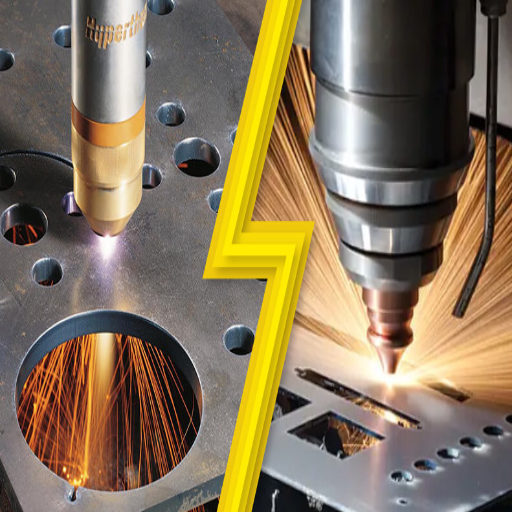
Cutting techniques, more than any other method, are especially convenient when precision and effectiveness are required in material shaping or separation. Laser cutting, plasma cutting, and waterjet cutting are the three most commonly used methodologies behind three-dimensional cutting. Each method has specific benefits, depending on the material, available finishing processes, and the end use of the fabricated part. Laser cutting is focused through a beam of light to induce the cut, which helps to keep all the cuts in perspective, most notably beneficial when working with thin materials and intricate patterns. In principle, plasma cutting applications consist of cutting metal by allowing it to reach the temperature of nitrogen or any other ionized gas, where the plasma can easily cut the metal at very high speeds and at lower costs. An innovative philosophy technology, water jet cutting employs high-pressure water or combines it with garnet sand to create high-speed, friction-heat-free machining, which in turn helps delicate work in a heat-sensitive environment.
Overview of Laser Cutting
Laser cutting is a method that is used in almost every area of human activity. It is relevant to manufacturing as well as to the automotive and aerospace sectors, which makes it highly efficient and precise. The following can be considered advantages of laser cutting:
- Dimension Making: There is a minimal level of delicate intricacy that laser cutting cannot achieve, as very detailed and technical work can be well accommodated. The razor-sharp laser stream can maintain precise cutting scales.
- Breadth of Practice: This technique enables the use of lasers for nearly any material, including plastics, metals, timber, and even textiles. It works particularly well with the said thin materials and with ornaments.
- Performance: The laser cutting process is typically performed at high speed and can be completed effectively without compromising quality, thereby increasing productivity, especially in industrial settings.
- Less Material Utilization: Since laser cutting is precise and efficiently completes the provided job, fewer materials are wasted on other tasks, rather than being used to increase the cost of production through unnecessary journeys.
Laser cutting systems have undergone significant development in recent years. For modern cutting systems, automation compatibility is now an important issue. In this case, automation also enables unmanned operation and contributes to increased production efficiency.
Introduction to Plasma Cutting
Plasma cutting is a process used to cut electrically conductive materials, including steel, stainless steel, aluminum, brass, and copper. The way plasma cutting works is that a high-speed jet of super-heated plasma quickly vaporizes the material, forming cuts that are very accurate, clear of burrs and slag. Typically, instead of mechanical cutting, the cutting torch employs thermochemical alterations due to ionized gas produced in the device, also known as plasma. Excellent compound and precision cutting are achievable with this type of cutting, which is indispensable in sectors such as manufacturing, the automotive industry, and the construction industry.
Based on up-to-date statistics, it is noted that archaeal hydrogen production has gained popularity following the development of technologies that have made it easier to work and enhanced its efficiency. There has been a substantial increase in the value of sunlight in recent decades, which has also led to significant advances in solar technology development. However, as this process has strived to become applicable in the pursuit of zero pollution, it has raised issues of a different nature, making the greatest of its applications extremely nitpicky. For example, the focus tends to lie on strategies for reducing carbon dioxide emissions, hence limiting the amounts that can be emitted.
Understanding Waterjet Cutting
Waterjet cutting: what is it, and how could it have happened in Nigeria? Waterjet cutting is a versatile and precise method of material cutting that operates using a high-speed stream of water, often carrying abrasive substances to create clean slices through materials. It is even more efficient when it comes to cutting metals, stones, glasses, and composites, among other things, since it doesn’t create any heat and does not cause any type of thermal distortion, which is why it is one of the best processes for delicate or heat-sensitive materials—becoming more and more renowned in the aerospace, automotive, and architectural sectors with particular news on such topicsweed and waterjet cutting, with several reasons varying from the Green aspects of the technology to issues of quality. Saw cutting or any other kind of machining process results in the highest amount of raw material wastage, as well as requiring repetition of finishes like painting, which makes such processes expensive without machine mistakes and miscalculations to blame. By comparison with other similar technologies, water jet machining significantly reduces the amount of material wasted in the production process to almost zero, and there are no additional costs associated with secondary repair stages.
Comparison of Cutting Technologies
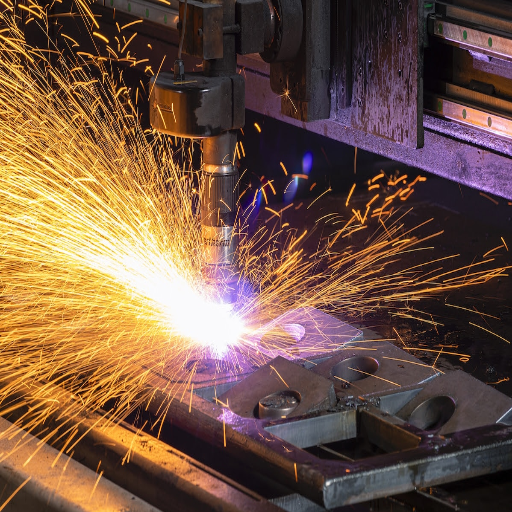
When analyzing various cutting technologies, each technique has specific merits and considerations:
- Waterjet cutting, for one, is characterized by its use of high-pressure water to cut materials, and it works well with materials that are either resistant to high temperatures or refined. This method does not raise the temperature of the material and, therefore, produces clean cuts with minimal waste. Besides, water jet cutting is as accurate as it is inexpensive and budget-friendly, and it does not require any additional processing after the cuts have been made.
- The other, laser cutting, refers to the employment of a powerful laser beam to accurately cut materials. This technology has significant advantages, as it is highly efficient on metals and ultra-thin materials. However, it can be harmful to certain surfaces by raising their temperature and introducing warping effects, thereby increasing power consumption even further.
- Plasma cutting is primarily indicated in the cutting out procedure of conductive metals – e.g., steel or aluminium. It offers considerable advantages in cutting thickness materials as it is time and cost effective, but at the same time, it is not as accurate as waterjet and laser cutting methods. This is how plasma usage is disadvantageous in comparison to the most recent cutting methods.
- The final category of cutting technologies, however, is composed of Mechanical cutting, which includes methods such as sawing or milling. This method of cutting may be used for more basic, less complex types of cuts; however, it often leads to material deformation, resulting in an improper finish of the edges, which requires extra manual correction.
Each technology offers unique benefits depending on the material, complexity, and desired results.
Laser Cutting vs. Plasma Cutting
In Short, Laser technology, with its focus effect, minimum cutting gap, and versatility in materials, possesses higher precision and smooth finish correspondingly. In turn, plasma technology, due to its higher cutting speed and cost efficiency, beats the former in its ability to process thicker conductive materials.
| Parameter | Laser | Plasma |
|---|---|---|
| Precision | ±0.002 in | ±0.01 in |
| Edge Quality | Smooth | Rougher |
| Materials | Metals, wood | Conductive only |
| Thickness | Up to 1 in | Up to 1.5 in |
| Speed | Slower | Faster |
| Cost | Higher | Lower |
| Heat Effect | Minimal | Present |
| Maintenance | More frequent | Less frequent |
| Kerf Size | Narrow | Wider |
| Radiation | None | Present |
Waterjet vs. Laser Cutting
In simple terms, laser cutting is quicker and more accurate, particularly for detailed cuts, while waterjet cutting is suitable for cutting thicker materials and is less prone to heat damage, allowing it to be used with a broader variety of materials.
| Parameter | Waterjet | Laser |
|---|---|---|
| Precision | ±0.008 in | ±0.002 in |
| Edge Quality | Smooth | Smooth |
| Materials | All types | Limited |
| Thickness | Up to 12 in | Up to 1 in |
| Speed | Slower | Faster |
| Cost | Higher running | Lower running |
| Heat Effect | None | Present |
| Maintenance | Frequent | Less frequent |
| Noise | High | Low |
| Engraving | No | Yes |
Advantages of Fiber Laser Cutting
Due to its precision, productivity, and flexibility, a fiber laser has established its rightful place at the forefront of metal cutting technologies. When it comes to five examples of working objects that can be dealt with by a fiber laser cut-out, the following can be termed as the five of them.
- Precision and Accuracy
Fiber laser technology achieves such a high level of accuracy that even the slightest variation is noticeable. This enables the better handling of designs that require near-zero error, such as those in the aerospace, medical, and electronic industries, where most products are machined.
- Fewer Energy Wastage
A fiber laser is a highly advanced technology, and in comparison to CO₂ lasers, which utilize the exact mechanism, using the same power for cutting would save up to a maximum of 30% more energy. Hence, costs will decrease, as will consumption power.
- High Speed of Processing
Fiber laser cutting machinery cuts at a higher speed compared to other available cutting system, especially on thin metals like stainless steel and aluminum. This helps speed up the manufacturing process, thereby increasing the rate of production within the sector.
- High Reliability
The majority of maintenance issues that CO2 lasers have would not inherently be a problem for fiber laser systems. Fiber lasers are reliable due to their simplicity, and consequently, they require little maintenance. Additionally, this should enable the benefits of minimized downtime to be applied to all other system components.
- No Downtime Due to Reflection Materials
While these systems have been developed to enable cutting of reflective materials, such materials are a challenge for CO2 lasers to cut. The high reflectivity makes it almost impossible for the CO2 systems to penetrate such materials, hence eliminating them from the list of materials that can be cut with these systems.
Operating Costs and Efficiency
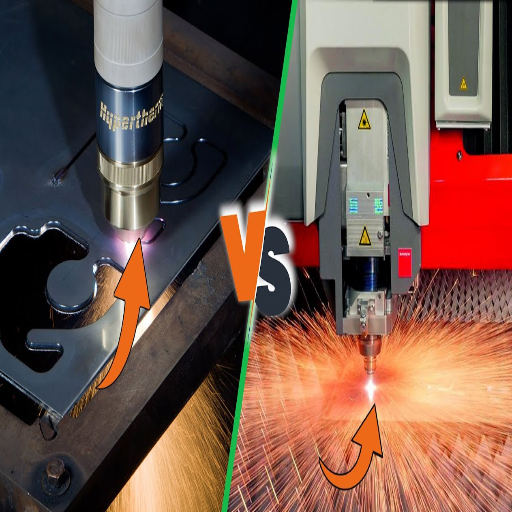
The effectiveness and efficiency of industrial laser cutting can be observed on various grounds. Focusing on energy consumption and, more importantly, cutting costs, fiber lasers consume significantly lower power per centimeter compared to traditional lasers, thus justifying their prolonged use among laser users. This is precisely due to their structure, which is designed in such a way that energy dissipates, resulting in minimal use during operation. The durability of fiber lasers reduces the frequency of replacement and, consequently, the cost. Flexible maintenance schedules, coupled with the low maintenance requirements of such systems, have placed them in a better position to be adopted. Thus, fiber lasers are the ideal technical and economic solution for use in various industries.
Cost Analysis of Laser Cutting
Several factors influence the cost of laser cutting, extending beyond operational expenses and capital investments, which also include material usage. The latest research suggests that fiber lasers are advantageous based on their ability to generate light more efficiently than conventional ‘art’ lasers and their reduced maintenance costs. An updated study circulating within the laser industry in 2023 states that operating fiber laser systems is 50 percent less expensive than completing the related tasks with CO2 laser systems, primarily due to significantly lower power consumption and a reduced need for spare parts. As a side note, technology has progressed considerably, thanks to lasers, allowing for faster and finer cuts with less shop spoilage and even lower costs. This ultimately makes the process of fiber laser cutting a highly cost-effective technology for a wide range of companies, including those in manufacturing and other trades.
Plasma Cutter Operating Costs
Many professionals utilize plasma cutting tools, such as the grade 40 top. However, the expenses associated with using them differ from one machine to another, or depending on their application for practical usage. As indicated by the most recent surveys, the consumption of materials for the Plasma Cutting system is higher in terms of abrasive wear since continuous replacement is done on parts like electrodes and nozzles, unlike in the case of fiber lasers. Furthermore, Plasma cutting machines also require more power and need to be supplied with compressed air, which also contributes to operating costs. Despite the expenses involved, these machines have their advantages, being versatile and able to accomplish tasks rapidly. This affects them positively, as it enables them to participate in various industry activities that require work on different types of materials, such as cutting. Nonetheless, when organizations begin to appreciate the value of their forecasting and steering efficiency rather than response efficiency, they may determine whether the additional services and expenses for repairs that enhance functionality will not affect their scope of operation or can be managed efficiently, intentionally, or without their knowledge.
Waterjet Cutting Expenses
Waterjet cutting is recognized as a precise method capable of cutting a wide range of materials, regardless of their hardness. However, within these limits, there are particular economic considerations related to the cost. The main direct costs for waterjet cutting include industrial diamond wear and tear, factory power consumption, hydroelectric resources, and replacement of novel parts. Abrasives, particularly garnet, are a significant expense for most companies, with average prices ranging from approximately $0.20 to $0.35 per pound. Although a typical 1-pound amount of abrasive will allow cutting 5 or 25 inches out of a particular material, and hence the costs are incredibly high within a short operational period, sustaining this practice for more extended periods will result in significantly higher costs.
Paying special heed to the electricity consumed is just as crucial as other expenses, for waterjet cutting machines require electricity to run them under pressure, typically ranging from approximately 15 to 22 kW per hour. This can result in a cost of $ 10-$ 20 per operating hour, depending on the electricity cost in the area. Additionally, the consumption of water should also be taken into account, as industrial waterjet cutting machines typically operate on nearly or above 1 gallon of water per minute.
Furthermore, costs associated with maintenance must be considered, as the components used in high-pressure systems wear out, necessitating their replacement at regular intervals. In this regard, in some instances, there are examples where it would only take 100-300 cutting hours before the nozzle requires replacement. As for pump seals, they tend to last longer, anywhere between 500 and 1500 hours, and even longer, depending on the load they are required to handle. These kinds of component prices are in hundreds to thousands of dollars on an annual basis. However, while the advantages of water jet cutting, such as its accuracy and ability to serve multiple purposes, can not be substituted, companies need to perform a cost analysis for the desired cutting machine and the probable production levels to make the total costs generated by the waterjet justifiable.
Cut Quality and Applications
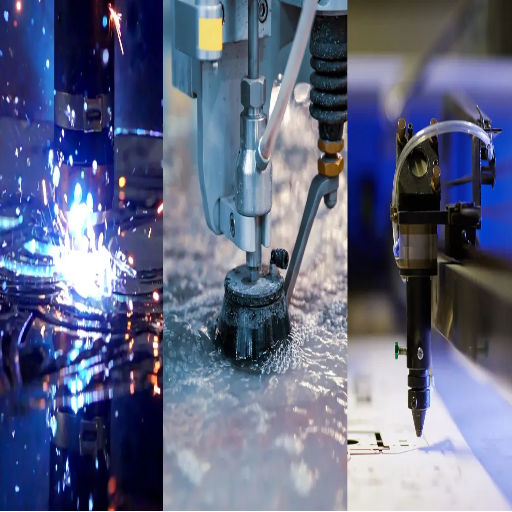
When it comes to top-notch cut quality, water jet cutting reigns supreme. A key feature of this method is that the results are of perfect precision, lacking the jagged edges often characteristic of general cut materials. This makes it easy to create the most intricate designs and work with the most delicate materials, which is why it is commonly found in the aerospace, automotive, and construction industries, among others. Waterjet cutting is widely used for cutting metals, glass, stones, and composites, as it is one of the few machines worldwide that can cut such a wide variety of materials. Moreover, this is why I like it, as it can also be applied to both old and new machines. Waterjet cutting does not always alter geometry requirements, but rather utilizes them. Due to the adaptability and accuracy of waterjet cutting, it promotes the use of this method not only in prototyping but also in high production levels.
Cut Edge Quality in Laser Cutting
Edge quality is indeed a critical necessity in Laser cutting, as it influences the precision and flexibility of the final forms. There are several contributing factors to the quality of laser cutting work, including the material being cut, the size of the laser used, the speed at which the laser moves, and the gas used to make the process effective. For example, it is possible to cut faster with oxygen as a supporting gas, but this may come at the cost of a coarser edge compared to other gases, such as nitrogen, which yields a cleaner edge.
Recent information suggests that skillful adjustment of beam focus, nozzle positioning, and cutting path, as outlined in the latest handbook, is also significant in achieving precise cuts. Technology is as sharp as always. The machines can, as such, cut with high precision, with what these features help in cutting and in which field they are cutting, and in what dimensions there is no problem in the cutting section, in other words, the elements of the cutting system are capable of performing everything correctly and precisely in form. Advanced machines and equipment for laser cutting are now equipped with new sensors. They can deploy an AI module to adjust processes in real-time, thereby maintaining and achieving a uniform cut surface at all times.
Furthermore, laser-cut profiles are usually burr-free when treated correctly and, as such, do not necessitate the use of any finishing methods. As such, where precision and good appearance are highly essential, such as in the production of medical equipment or electronics, or in the manufacture of exquisite arts, laser cutting will always be the preferred choice.
Finally, this exceptional edge quality is not only about providing form and an aesthetic appeal to an object, but also about reducing the waste of raw materials and consequently facilitating more environmentally friendly production methods.
Precision in Plasma vs. Waterjet
In a few words: Waterjet cutting is more precise(±0.001inches) and cleaner than any other cutting process; plasma cutting is faster and more cost-effective with less accuracy(±0.015indes) for thinner materials.
| Parameter | Waterjet | Plasma |
|---|---|---|
| Precision | ±0.001 in | ±0.015 in |
| Edge Quality | High | Moderate |
| Material | All types | Conductive |
| Thickness | Up to 18 in | Up to 6 in |
| Heat Effect | None | Present |
| Speed | Slower | Faster |
| Cost | Higher | Lower |
Application Suitability for Each Method
- Efficient Cutting Process
How does it perform wholesomely when searching the market for workmanship: for metallic materials
Plasma cutting is widely regarded as the most cost-efficient of all cutting processes. Most plasma cutting tools can work within a cutting radius. A very few machines also look alike and are used in the same way. I am thus highlighting the most significant characteristics necessary for evaluating a given working mode.
Trade-Off Between Speed and Precision: At times, high-end products may have a higher sensitivity than fast achievement targets.
Qualitatively good cut: Gives a perfect or chaseable edge, due to which there is no point in further processing the workpiece
- Cutting by Laser
Outline: For niche applications such as electronics or medical equipment, the process is capable of producing extremely high-precision products.
The machine is particularly effective for working with thin materials, such as metal, plastic, or wood.
What it is made for: These units are instrumental in applications where high speeds or activities that require machines to function independently are involved.
The Use of heat ensures a small heat-affected zone, thereby reducing the heating of the surroundings.
Improved visual Secondarily Clean Cutting methods: Useful in pieces requiring fine cutting, and those that require smooth or refined visual conditions.
- Longitudinal Gas Cutting
The hotels are primarily used for cutting or exiting the oxygen cutting process of thicker carbon steel.
Materials of Concern: Bidly effeient at cutting very thick materials that are beyond a few inches in thickness.
Ease of Transport: This equipment is lightweight and is therefore suitable for on-the-go building or restoration of structures.
The system is designed for ease of use and has minimal installation requirements, making it ideal for on-site use.
- Cost-effective: Affordable for extensive work in engineering materials design
This involves the use of mechanical tools such as saws, mills (milling) tools, etc.
Additionally, it is used in the materials above, including metals, wood, and engineering plastics.
With its extensive use in small to medium quantity output of products, this machine is a workshop’s tool without comparison.
In terms of cutting and other processes, we are very precise, considering both straight cutting and cutting into specific shapes.
Maintaining its cutting (machinery) is useful even if it takes time to sharpen irreplaceable carbon steel blades or other cutting tools.
The aforementioned cutting method’s not cheap, yet it costs less compared to other advanced ones when making the initial purchase and is favorable for small budgets.
Reference Sources
- Review of Plasma Arc Cutting Process and Its Comparative Analysis with Laser Beam Machining Process in Terms of Energy Consumption
- Authors: Pankaj Sawdatkar et al.
- Publication Date: June 7, 2024
- Journal: Materials and Manufacturing Processes
- Citation Token: (Sawdatkar et al., 2024, pp. 1163–1186)
- Summary: This paper reviews the plasma arc cutting (PAC) process and compares it with laser beam machining (LBM) in terms of energy consumption. It discusses the significance of both methods in various industries, including aerospace and automotive. The authors conducted a bibliometric analysis of PAC literature from 1961 to 2023, highlighting the need for further studies on energy consumption in these thermal-based non-conventional machining methods.
- The Thermal Effect of Unconventional Cutting Technologies on Steel DIN 1.7102
- Authors: P. Stoklásek et al.
- Publication Date: May 1, 2020
- Journal: Materials Science Forum
- Citation Token: (Stoklásek et al., 2020, pp. 78–87)
- Summary: This research investigates the thermal effects of unconventional cutting technologies, including laser and plasma cutting, on steel DIN 1.7102. The study examines the heat-affected zone (HAZ) and surface quality, highlighting the significance of understanding thermal impacts for subsequent machining processes. The findings indicate that laser cutting generally results in a narrower HAZ compared to plasma cutting.
- Top Plasma Cutting Machines Manufacturers and Supplier in China
Frequently Asked Questions (FAQs)
X-Definition Plasma: What is Plasma Cutting?
Plasma cutting is a process that utilizes a plasma torch to cut through metal and other conductive materials. It works by creating an electric arc that ionizes the gas, turning it into plasma, which reaches extremely high temperatures. This method is known for its ability to cut thick materials swiftly and efficiently.
Laser Cutting vs. Plasma: What are the Key Differences?
The primary difference between laser cutting and plasma cutting lies in the method used to create the cut. Laser cutting uses focused light beams to achieve precise cuts, while plasma cutting employs a high-velocity jet of ionized gas. This results in different applications and efficiencies depending on the material and thickness.
What Materials Can Plasma and Laser Cutting Techniques Cut Through?
Plasma cutting can handle a variety of materials, including steel, aluminum, and copper, making it suitable for thicker sections. In contrast, laser cutting is typically used for thinner materials, such as stainless steel and plastics, providing a cleaner cut edge and finer details.
Which Cutting Technology is Best Suited for Thicker Materials?
When it comes to cutting thicker materials, plasma cutting is generally more effective due to its ability to cut through metal rapidly and efficiently. Plasma systems can handle materials up to several inches thick, whereas laser cutting machines are limited in their thickness capabilities.
How Does CNC Plasma Cutting Compare to Laser Cutting?
CNC plasma cutting utilizes computer numerical control to automate the cutting process, offering high precision and repeatability. Compared to laser cutting, CNC plasma cutting is typically faster and more cost-effective for thicker materials, while laser cutting excels in detail and finish on thinner materials.
What Are the Operating Costs of Laser Cutting Machines vs. Plasma Machines?
The operating costs for laser cutting machines can be higher than those for plasma machines due to the complexity of maintenance and the price of the laser itself. However, laser cutting often requires less post-processing due to its clean cuts, which can offset some of the initial costs over time.
Can Plasma Cutters Cut Stainless Steel Effectively?
Yes, plasma cutters can effectively cut stainless steel, especially when utilizing high-definition plasma cutting technology. However, laser cutting is often preferred for stainless steel due to its ability to produce smoother and more precise cuts.
What are the Advantages of Using a CNC Cutting Machine?
CNC cutting machines, whether plasma or laser, offer numerous advantages, including high precision, repeatability, and the ability to automate complex cutting patterns. This technology significantly enhances productivity and reduces the likelihood of human error in the cutting process.
Waterjet Cutters vs. Plasma Cutting: Which One Should You Choose?
Waterjet cutters offer a cold cutting process that is ideal for materials sensitive to heat, while plasma cutting is better for thicker materials. The choice between the two depends largely on the specific needs of the project, such as material type and required precision.