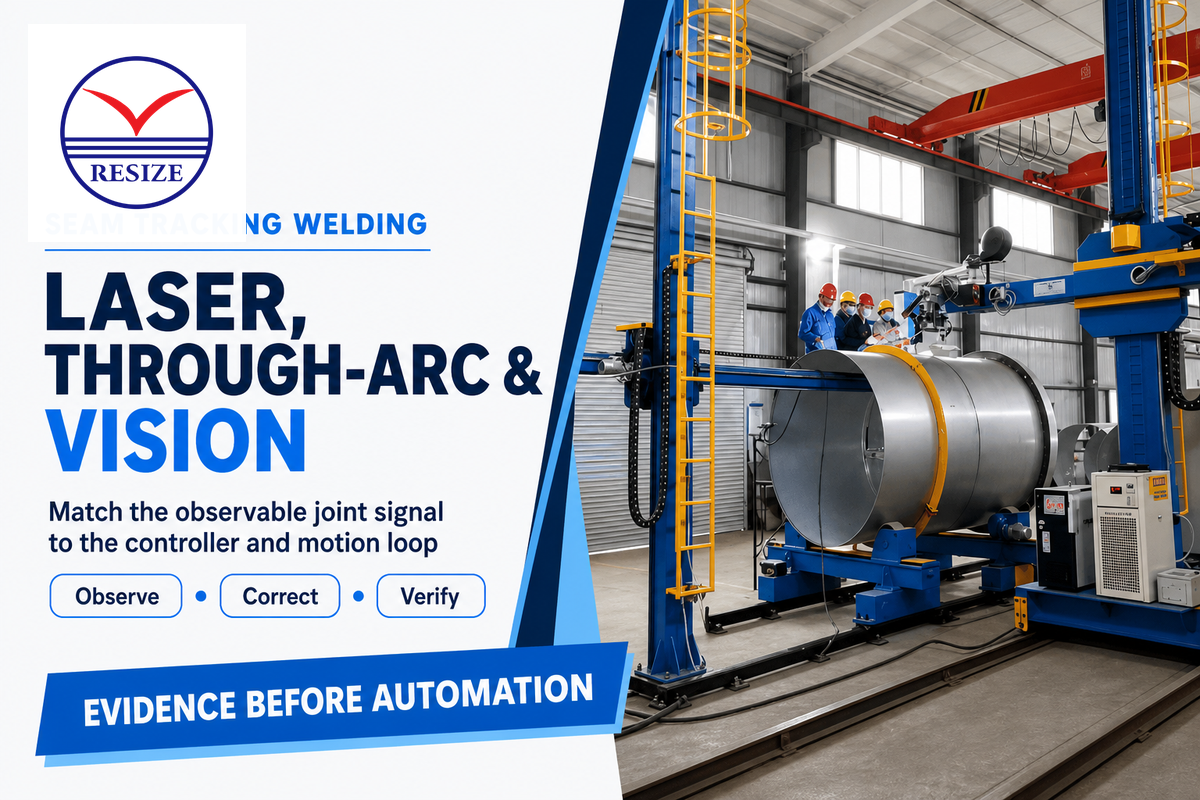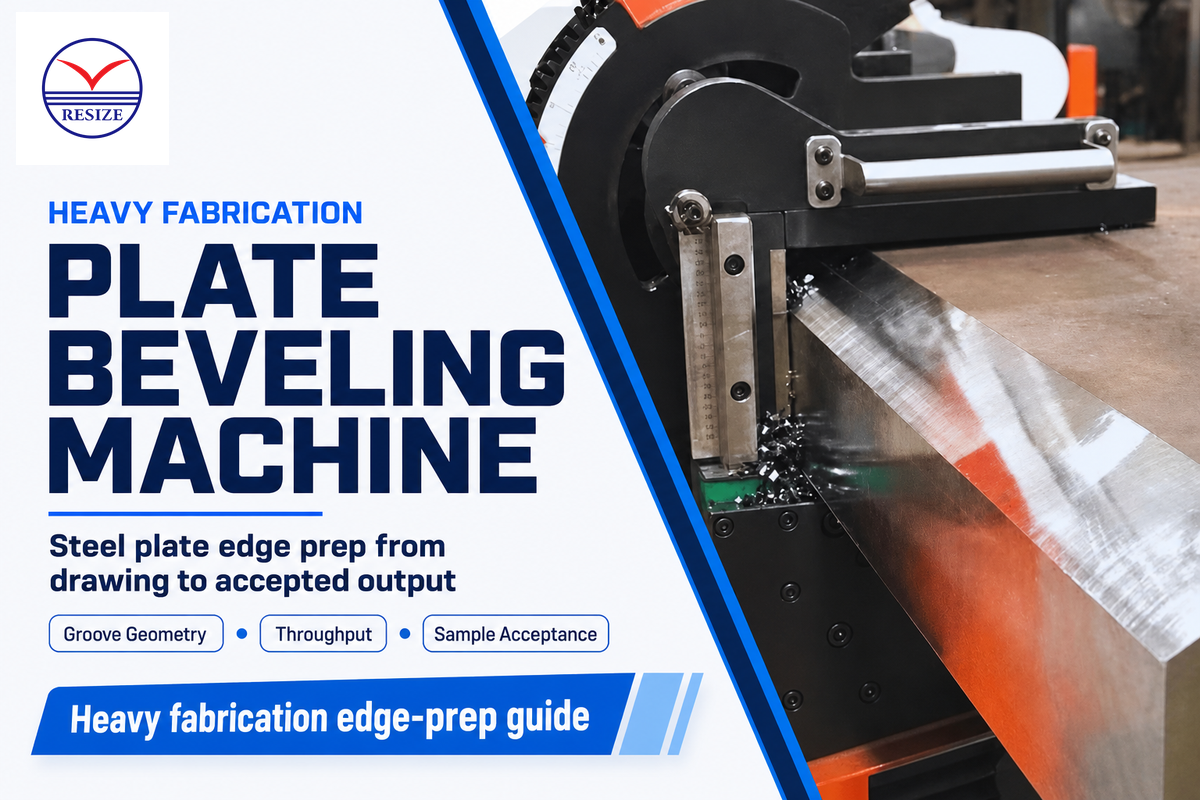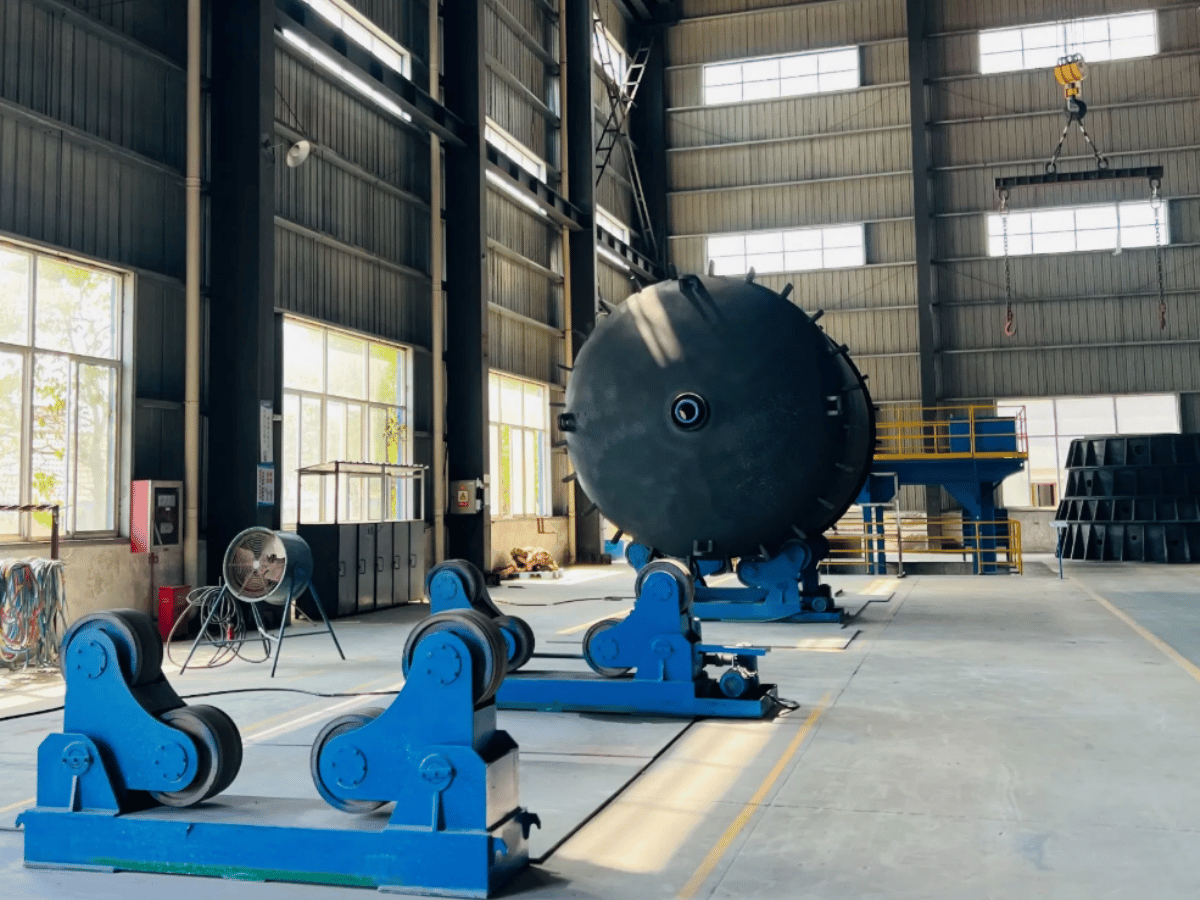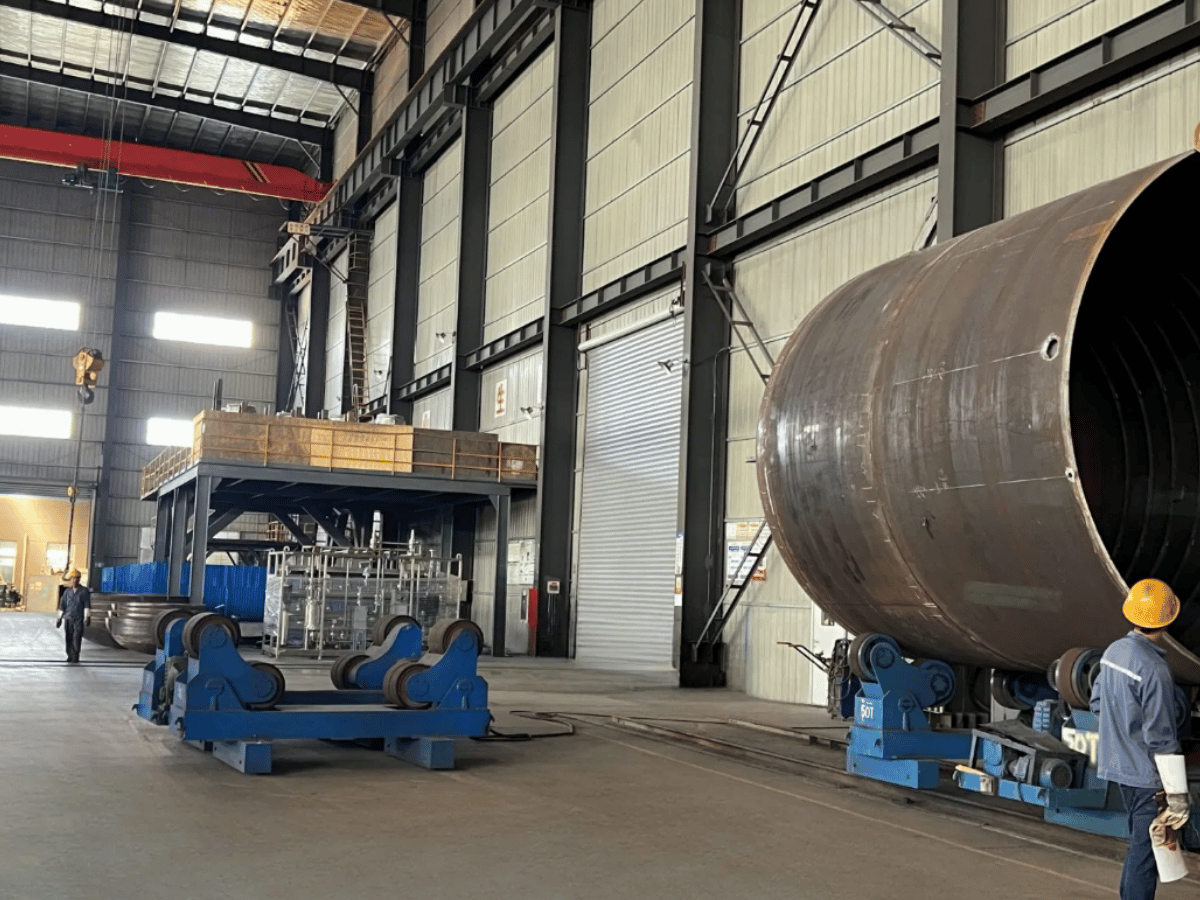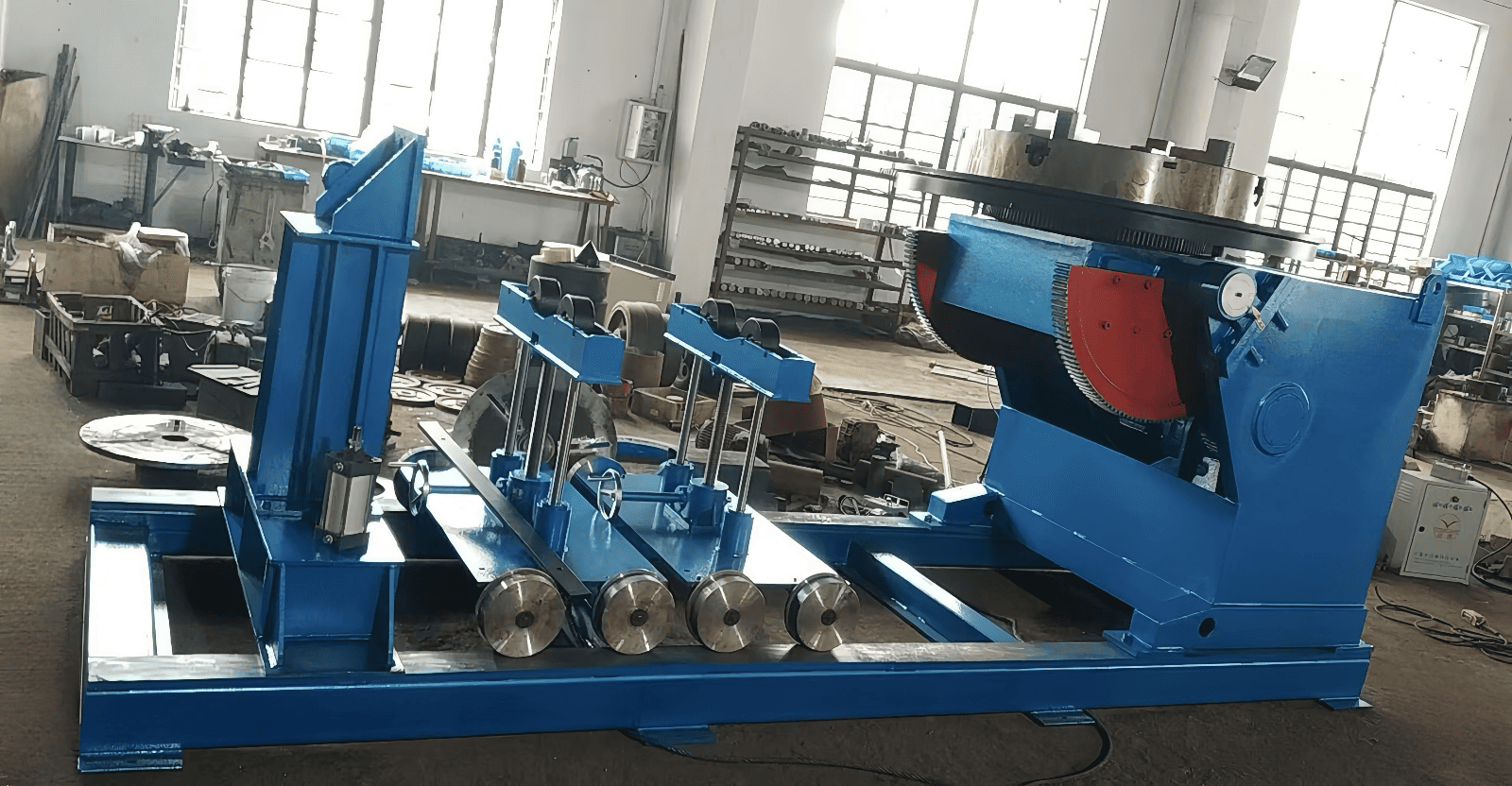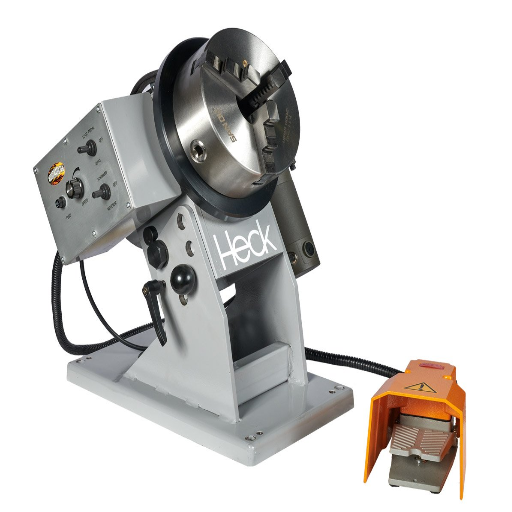
Achieving precision in welding is not just an art, but a combination of tools and techniques. For welders seeking to maximize efficiency and gain a scrub-free experience, welding positioners with hydraulic chucks are the optimal choice. Married to the precision and flexibility of TIG welding, this setup gives a whole new perspective to complex assignments. This guide will provide in-depth details about the advantages and operation of welding positioners, with a particular focus on how hydraulic chucks and TIG welding can enhance your approach. Whether you are an experienced technician or have just started welding, be prepared to learn how these alterations will elevate your welding to an entirely new level.
Introduction to Welding Positioners
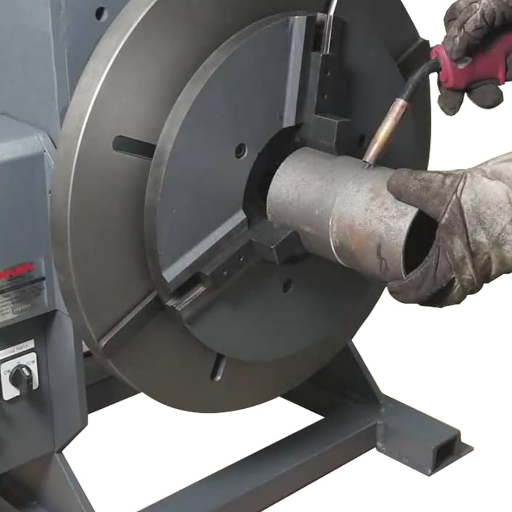
It is a holding and rotating device designed for the welding procedure to hold and rotate a workpiece, ensuring precision and consistency in any operation that requires an optimal working angle. Since welding positioners allow the workpiece to be turned to the ideal working angle, this minimizes the loading and unloading of the workpiece, thereby increasing weld quality. They are the last resort when it comes to precision and accuracy, especially for complicated welding tasks or repetitive operations. Besides being ergonomically favorable by minimizing strain on the welder, positioners allow for steadier welding and, therefore, enhance safety. Welding positioners, due to their flexibility, can be used on all projects, from small-scale to industrial types of work.
What is a Welding Positioner?
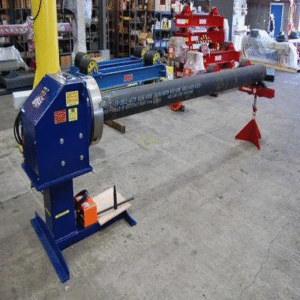
A welding positioner is a mechanical device designed to hold and manipulate a workpiece securely during the welding process. It keeps the material at the optimal angle, making it easier for welders to access hard-to-reach locations and create precise welds. Such a tool comes in handy when making welds that require consistency, especially in complex or repetitive jobs. Welding positioners, featuring rotating tables and/or tilting configurations, streamline the handling process of parts, thereby enhancing productivity and reducing operator fatigue. Nowadays, welding positioners are available in various sizes and configurations, suitable for handling everything from small parts to large industrial structures. The industries involved, like automotive, aerospace, construction, and oil and gas, depend primarily on accuracy and efficiency.
Importance of Positioning in Welding
Proper positioning is essential in welding to achieve high-quality welds and ensure the safety of the welder. Positioning, therefore, significantly affects the accuracy, strength, and integrity of the weld joint. Improper positioning may increase the defect rate by up to 30% during welding, resulting in additional rework time and costs. Positioning tools, such as welding positioners, clamps, or jigs, hold the parts securely at the required angle, easing the deposition of smooth weld beads and achieving uniform penetration.
The AWS report further underscored the benefits of good positioning, stating it can improve weld productivity by 25% and reduce welder fatigue by about 40%. This becomes particularly critical in sectors such as aerospace and construction, where the welding of complex structures requires exact dimensions and a minimal margin of error.
Because in an ergonomic setting, repetitive stress is kept at bay, the risk of developing injury is minimized for welders, who will now enjoy a safer and better working environment. Further gains in speed and consistency can be unlocked by automating or semi-automating the positioning system. Technological advances have enabled robotic welding positioners to handle heavier loads and accommodate more complex designs, thereby opening the door to innovation and scaling in the welding industry.
Overview of Hydraulic Welding and Its Benefits
Hydraulic welding indeed stands out as an exceedingly selective welding process in which hydraulic pressure manipulates or positions materials. This method provides precise alignment of heavy-duty materials or components, resulting in accurate and high-quality welds. Another significant advantage of hydraulic welding is its ability to reduce manual labor, resulting in a decrease in production time and offering better workplace safety conditions.
Recent information indicates that hydraulic welding equipment is experiencing an increase in demand for applications such as construction, shipbuilding, and automotive manufacturing, primarily due to its ultimate versatility and speed. Hydraulic systems enable a producer to increase production capacity while maintaining quality and performing tasks with more complex scopes. The systems are so durable and reliable that they incur lower maintenance costs and have longer lifespans, making them a good investment for industrial applications. This growth, however, encourages the trend of recognizing hydraulic welding as a tool that fosters innovation and increased efficiency across various sectors.
Types of Welding Positioners
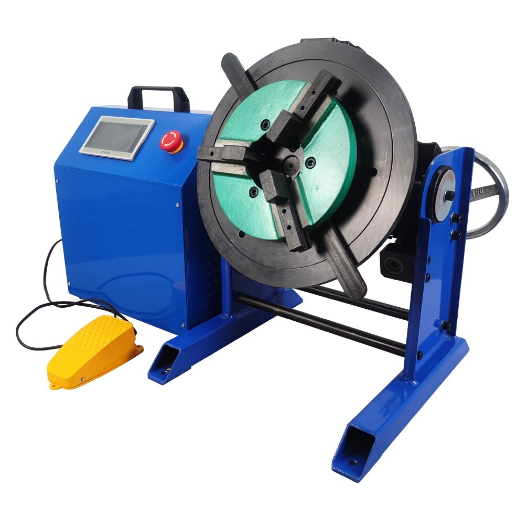
Types of Welding Positioners: Rotary Table, Headstock-Tailstock, H-Frame, Ferris Wheel, 2-Axis, 3-Axis, Skyhook, Horizontal Turntable, Gear Tilt, Pipe Turning, Benchtop.
| Type | Key Features | Usage |
|---|---|---|
| Rotary Table | Rotates workpiece | Small parts |
| Headstock Tailstock | Horizontal rotation | Long items |
| H-Frame | Dual zones | Continuous welding |
| Ferris Wheel | Dual zones, rotation | Prep & weld zones |
| 2-Axis | Tilt & rotate | Versatile tasks |
| 3-Axis | Lift, tilt, rotate | Complex tasks |
| Skyhook | Advanced tilting | Heavy/awkward parts |
| Horizontal Turntable | Single-plane rotation | Heavy objects |
| Gear Tilt | Tilt precision | Robotic welding |
| Pipe Turning | Rotates pipes | Cylindrical parts |
| Benchtop | Compact, portable | Small projects |
Rotary Welding Positioners
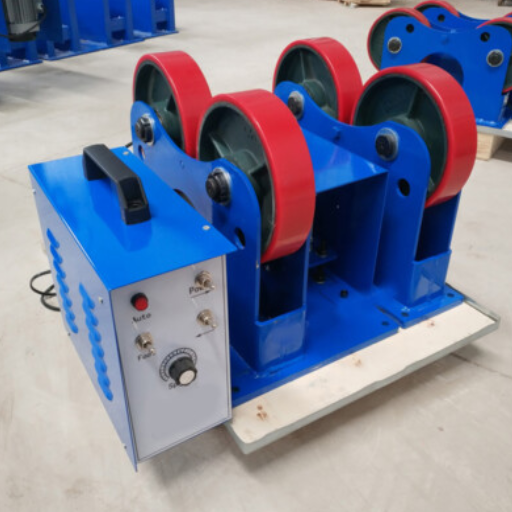
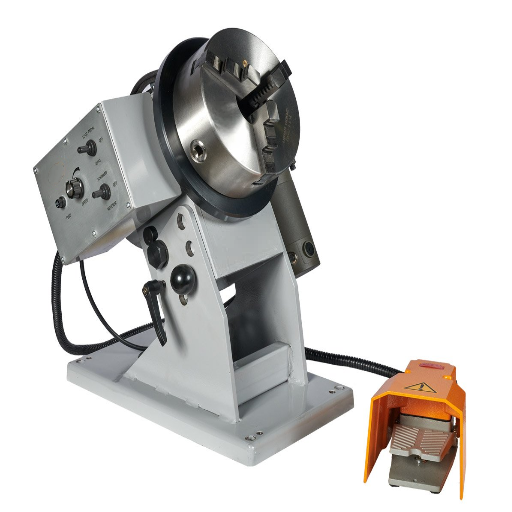
Rotary welding positioners are precision equipment that hold and rotate the workpiece, enabling welders to weld with ease and utmost quality in a circumferential manner. Hence, Rotary Welding Positioners in specific sectors, such as the automotive, aerospace, and oil & gas industries, demand high accuracy and productivity, according to the latest data provided by Google Search Engine. Rotary positioners mechanically rotate the workpiece, eliminating most weld defects and minimizing fatigue for the operator while improving the repeatability of the weld. Contemporary versions feature various enhancements, including variable speed control, tilt mechanisms, and foot pedal operation. Undeniably, a wise move for expediting work while simultaneously advancing the integrity of the weld would be to purchase the finest quality rotary welding positioner.
3-Axis Welding Positioners
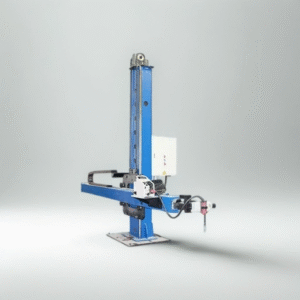
Even with the benefits of unparalleled accuracy and versatility, 3-axis welding positioners can accomplish rotation, tilting, and elevating movements for optimal weld positioning. These devices become crucial to frameworks where accessing various angles in stable positions is required. The latest data available through Google’s search engine suggests that 3-axis positioners have extensive applications in the aerospace, automotive, and heavy engineering industries. They minimize stress among welders while maximizing productivity and weld quality by holding the workpiece firmly and presenting the most ergonomic angles possible to the welder. This, of course, cultivates productivity but also nurtures stringent quality standards in contemporary manufacturing.
Multi-Axis Welding Positioners
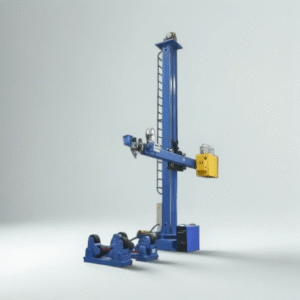
When thinking about applications of multi-axis welding positioners, one might ask: “Why are these positioners so important in modern manufacturing environments?” The answer lies in their power to greatly enhance efficiency and precision in many industries. The multi-axis welding positioners enable users to rotate and tilt workpieces with multiple degrees of freedom, thereby achieving the optimal orientation for challenging welding tasks. According to the most recent information available from Google, these are essential in the shipbuilding, renewable energy, and railcar-building industries. They allow welders to easily reach difficult angles and prevent work from being lost due to hours spent repositioning manually, while also providing a safer work environment for the operators. The robotic integration of these positioners further assures that the weld quality remains consistent, keeping pace with the highly competitive standards of modern manufacturing.
Precision and Efficiency in TIG Welding
TIG welding is the term used for precision and clean welds, making it a darling for projects in which quality matters. This method provides welders with very close control over the welding process, enabling them to perform well on thin materials and in detailed applications. Using a non-consumable tungsten electrode, the TIG weld produces less waste and achieves higher accuracy. Therefore, this method enjoys popularity in the aerospace and automotive industries where the need for productivity and into-the-second welds without defects is essential.
What is TIG Welding?
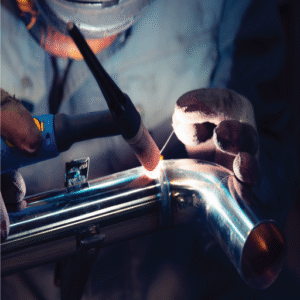
Reputed for its precision, TIG welding utilizes a tungsten electrode to create the weld. More correctly called Gas Tungsten Arc Welding (GTAW), the tungsten electrode is used to arc against the workpiece. An inert gas is allowed to flow over the weld region to prevent contamination and oxidation. Welding with TIG affords the welder exceptional control over the weld, greatly assisting in joining thin materials or in making delicate designs. TIG welding is a versatile process that works well with all types of metals, including exotic and everyday materials such as aluminum, stainless steel, brass, and titanium, among others. It is also widely demanded by industries in the creation of excellent and clean welds with pleasing aesthetics that require practically no post-weld cleaning.
Advantages of TIG Welding Techniques
- Precision and Control: Due to its precision and control capabilities, TIG welding produces clean joints and is well-suited for finer assembly purposes that require attention to detail.
- Versatility: It can be applied to many metals, namely stainless steel, aluminum, magnesium, brass, copper, and titanium. Such versatility allows it to be applicable in multiple industries, from aerospace to automotive.
- High-Quality Welds: TIG produces stronger welds with fewer defects, such as porosity or spatter; this, in turn, ensures top-quality finished products, even in critical applications.
- Less Post-Weld Cleanup: Thanks to its extreme precision, TIG welding typically requires minimal cleaning after welding. That means the finish is spotless, and no waste or extra processing is needed.
- It is Not Mandatory to Use Filler (Optional): TIG welding differs from other techniques in that it can be performed without any filler material when the base metals are in direct contact with each other; hence, this makes the process more cost-effective and time-efficient.
Achieving Precision with TIG Welding
TIG welding requires a set of skills, the right tools, and concentration on every detail to ensure precision. The use of a non-consumable tungsten electrode is essential for maintaining an arc of consistent characteristics. Therefore, regardless of the circumstances, clean welds must be produced, and precision must be achieved. Another aspect to consider is the heat input; doing so reduces distortion and allows for even greater accuracy. Pulse welding is another fine example to mention here. Analysis of recent data trends from Google’s search engine indicates that users often search for optimizing TIG welding parameters, such as amperage and flow of shielding gases, to achieve a higher degree of precision. Cleaning the base materials in preparation and ensuring proper electrode geometry are vital to prevent contamination and ensure high-quality weld results. By working on all these aspects, welders achieve unmatched precision, which is why the TIG welding process is preferred by industries that require excellent and dependable welds.
Conclusion: The Future of Welding Positioners
The evolution of welding positioners will primarily focus on advancing automation and precision to meet the changing demands of the industry. Innovations that incorporate robotics and innovative features will foster improved productivity, reduced errors, increased safety, and other benefits. Simultaneously, as the continued development of adaptive and intuitive designs progresses, these products will also remain crucial tools in ensuring high-quality welds for many more applications. These come in handy for making workflows easier and, most importantly, cutting operational costs, thus underscoring their importance even further in modern manufacturing.
Emerging Technologies in Welding
As cutting-edge technologies emerge, welding is undergoing significant transformations. One of the key advancements is in automated welding techniques, where robotics and AI have been used to develop precision on a larger scale and efficient execution. These systems adjust welding parameters autonomously, significantly reducing human error and material wastage. Similarly, AR and VR training systems are transforming workforce development by providing welders with immersive and cheap training environments.
Another innovative development is an advanced monitoring system that, through IoT connectivity, tracks performance metrics and machine health remotely. Through predictive analytics, these systems can warn about hazards ahead of time, hence preventing downtime. Moreover, with advancements in laser welding and hybrid welding technologies, far wider applications are enabled, as processes are now faster, cleaner, and less prone to heat distortion. Hence, by installing these technologies, manufacturers are meeting the demands of modern efficiency while simultaneously creating opportunities for a more sustainable and safer welding practice in the manufacturing industry.
Increasing Versatility in Welding Applications
Welding technologies have been developed to be more versatile, enabling manufacturing to meet specific requirements across various industries. The following are five advances opting in such directions that contribute to this newfound versatility:
- Multi-Material Welding: These innovations enable the welding of previously incompatible materials, such as aluminum and steel, thereby promoting the use of lightweight materials in the automotive and aerospace industries.
- Robotic Welding System: These automated welding setups ensure precision and consistency, making them ideal for geometries that exhibit complexity and repetitive tasks, particularly in mass production processes.
- Portable Welding Systems: These portable welding machines are designed for remote applications or field operations, enhancing the construction and repair industries, where mobility is crucial.
- Additive Manufacturing Integration: Welding, when combined with 3D printing, accelerates the prototyping and repair operations of complex components, particularly in aerospace and medical device manufacturing.
- Advanced Power Sources: The advent of power sources gives greater control over welding parameters and conditions, thereby advancing quality and adaptability. Good examples of such power sources are inverter-based ones.
Final Thoughts on Choosing the Right Welding Positioner
Selecting the correct welding positioner is crucial for enhancing efficiency, safety, and quality in any welding operation. According to recent information obtained from the search engine formerly known as Google, many users frequently seek to understand how to integrate positioning features into specific project requirements. The key lies in the type of positioner, i.e., whether it is a tilt-rotate, turntable, or headstock-tailstock, versus the size and weight of the workpieces. Rotation speed, load capacity, and interface with automation systems are other critical factors. Likewise, it is essential to ensure that the positioner supports the weld angle and orientation needed to minimize defects and operator strain. By purchasing a positioner tailored to each business’s specific needs, productivity can be enhanced, and consistently high-quality welds can be assured.
Reference Sources
- “Influence of the Welding Process on the Mechanical Characteristics and Fracture of the S700MC High Strength Steel under Various Types of Loading”
- Authors: T. Szymczak et al.
- Published: November 1, 2020
- Key Findings: This study examines the mechanical properties of high-strength S700MC steel in welding joints, with a focus on how various welding processes impact tensile characteristics and fracture toughness. The research emphasizes the significance of welding parameters in achieving the desired mechanical properties.
- Methodology: Mechanical tests were conducted to assess tensile characteristics, impact resistance, and fracture toughness in various regions of the weld joint.
- Citation: (Szymczak et al., 2020)
- “The influence of prandtl number on flow characteristics of the fume from GMAW welding”
- Authors: Luthfi Luthfi
- Published: December 31, 2023
- Key Findings: This study examines the flow characteristics of fumes generated during Gas Metal Arc Welding (GMAW) and their potential impact on the working environment. Understanding fume behavior is essential for ensuring safety and efficiency in welding operations.
- Methodology: Numerical simulations using Computational Fluid Dynamics (CFD) were employed to analyze the fume flow characteristics based on varying Prandtl numbers.
- Citation: (Luthfi, 2023)
- “Experimental and Simulation Study on Welding Characteristics and Parameters of Gas Metal Arc Welding for Q345qD Thick-Plate Steel”
- Authors: Hui Zhang et al.
- Published: August 30, 2023
- Key Findings: This research focuses on optimizing welding parameters for GMAW processes to improve the quality of welded joints in thick-plate steel applications. The study emphasizes the importance of precise control over welding parameters.
- Methodology: The study involved thermal–elastic–plastic simulation analysis and experimental verification to determine optimal welding parameters.
- Top Welding Chuck Manufacturers and Supplier in China
Frequently Asked Questions (FAQs)
What is a welding chuck, and how does it work?
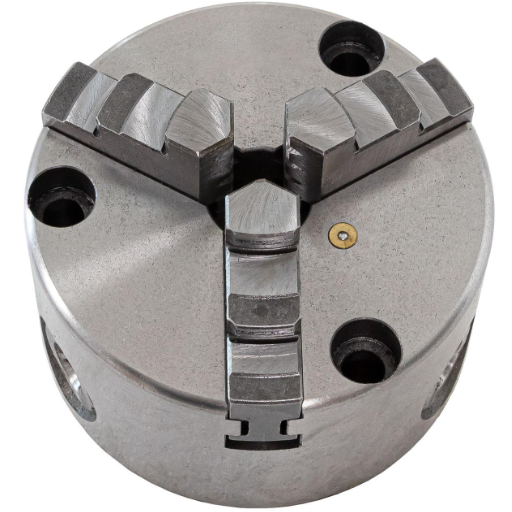
A welding chuck is a device used to hold workpieces securely in place during the welding process. It is designed to accurately align the workpiece, enabling the welder to achieve high precision and improved weld quality. By clamping the workpiece, welding chucks ensure that the welded joints are consistent and meet the required specifications.
How does a welding positioner enhance precision welding?
A welding positioner is designed to rotate and tilt the workpiece, providing the welder with easy access to different angles. This versatility enables precise control during the welding process, which is crucial for achieving high-quality welds. The positioner ensures that the weld area is accessible, reducing the risk of atmospheric contamination and enhancing the overall quality of the welds.
What are the different types of welding chucks available?
There are several types of welding chucks available, including hydraulic welding chucks, manual chucks, and pneumatic chucks. Each type offers distinct features tailored to specific welding jobs and projects. Hydraulic chucks are renowned for their ease of use and ability to accommodate a wide range of welding materials, while manual chucks offer a reliable option for smaller welding tasks.
What benefits do high-quality welding chucks offer?
High-quality welding chucks offer numerous benefits, including enhanced weld quality, increased durability, and the ability to handle a wide range of welding applications. They are designed to withstand the rigors of welding while maintaining precision and efficiency, ensuring that the welder can achieve consistent results across different welding projects.
What is the ultimate guide to selecting the correct welding positioner?
The ultimate guide to selecting the correct welding positioner includes considering factors such as the type of welding being performed, the size and weight of the workpiece, and the specific welding techniques used. A good positioner should offer versatility, allowing it to adapt to various welding jobs while providing reliable support for the welder.
How do welding techniques affect the choice of a welding chuck?
Different welding techniques, such as TIG, MIG, or arc welding, may require specific types of welding chucks to achieve optimal results. The chosen chuck must be compatible with the welding method to ensure proper clamping and alignment of the workpiece. Understanding the nuances of each technique can help in selecting the most effective welding chuck for the job.
Can welding chucks be used for multi-axis welding?
Yes, welding chucks can be utilized in multi-axis welding applications. Multi-axis welding positioners enable complex welding tasks that require the workpiece to be manipulated in multiple directions. This capability enhances the precision of the welds and is particularly beneficial for intricate welding projects that require high levels of accuracy.
What should I consider when using a rotary welding positioner?
When using a rotary welding positioner, it is crucial to consider the workpiece’s center of gravity, the chuck size, and the rotation speed. Proper setup ensures stability and balance during the welding process, thereby reducing the risk of accidents and ensuring high precision in the produced welds.