Welding methods and technologies have played a significant role in transforming the entire manufacturing industry by opening up new avenues of precision, consistency, and efficiency in the various fabrication processes. But at the very center, the weld positioner, which is a very important tool made to raise welding quality, at the same time lessening manual input and guaranteeing high-quality output, is what this whole progress is around. It does not matter if you are investigating 3-axis positioners for delicate projects, robotic systems for automatic operations, or other adaptable ways; knowing their operation and advantages is the fundamentals of enhancing your welding processes. This tutorial does open up every single detail that you need to know about weld positioners, and it gives you knowledge about their classifications, useful areas, and the ways they can change your workflow dramatically. Moreover, after going through this article, you will possess the understanding that is required to select the most suitable positioner for your requirements and consequently, release new levels of productivity.
Understanding Welding Positioners
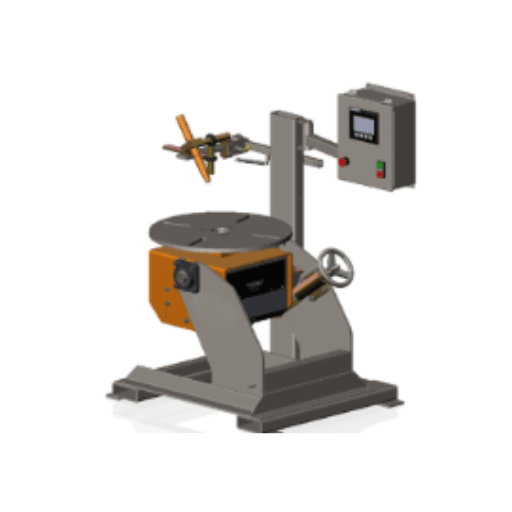
Welding positioners are equipment that can firmly grip and turn over the pieces being welded, making it possible for the operators to do their job fast and with the same quality every time. Usually when the workpiece is placed at the best angles, the welder does not get tired so fast, the work is done with higher accuracy, and productivity is increased. The tools can be of great help in the case of such scenarios as difficult projects, heavy materials, or repetitive work since they give the operator more control and precision during the welding operation.
What is a Welding Positioner?
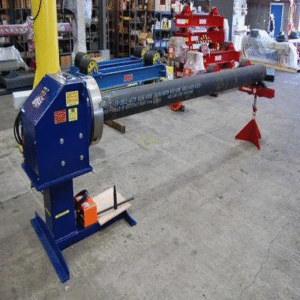
Welding positioner is a mechanical device that is used to secure and move the workpiece during the welding process. The device changes the position of the material to make sure that the best welding angles are created, thus making the process more accurate, reducing the personnel’s tiredness, and ultimately increasing output.
Types of Welding Positioners
Main Positioner Categories
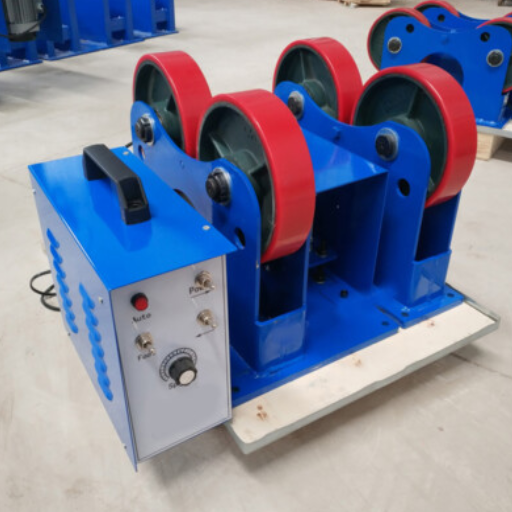
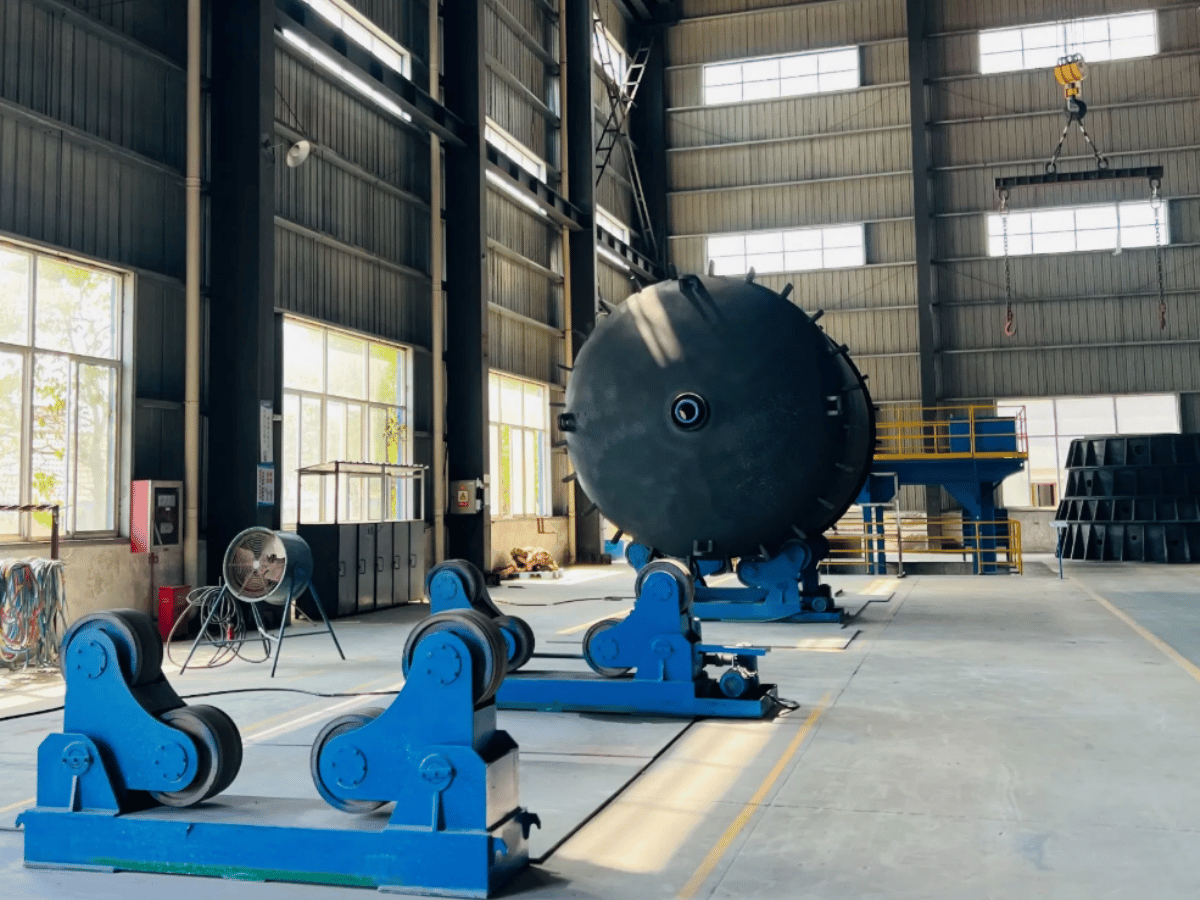
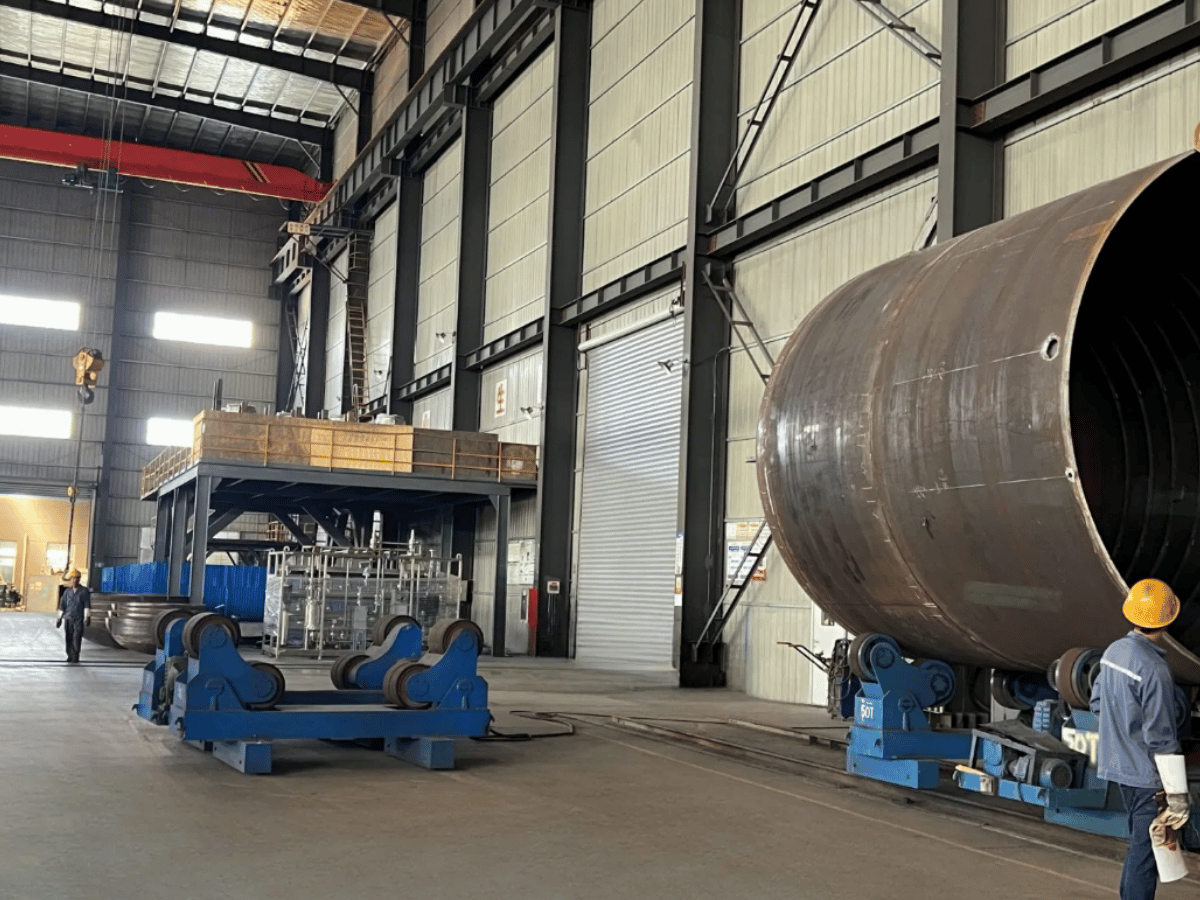
- Rotary Welding Positioners: The equipment rotates the workpiece on either a horizontal or a vertical axis, it is perfect for cylindrical materials such as pipes and tanks.
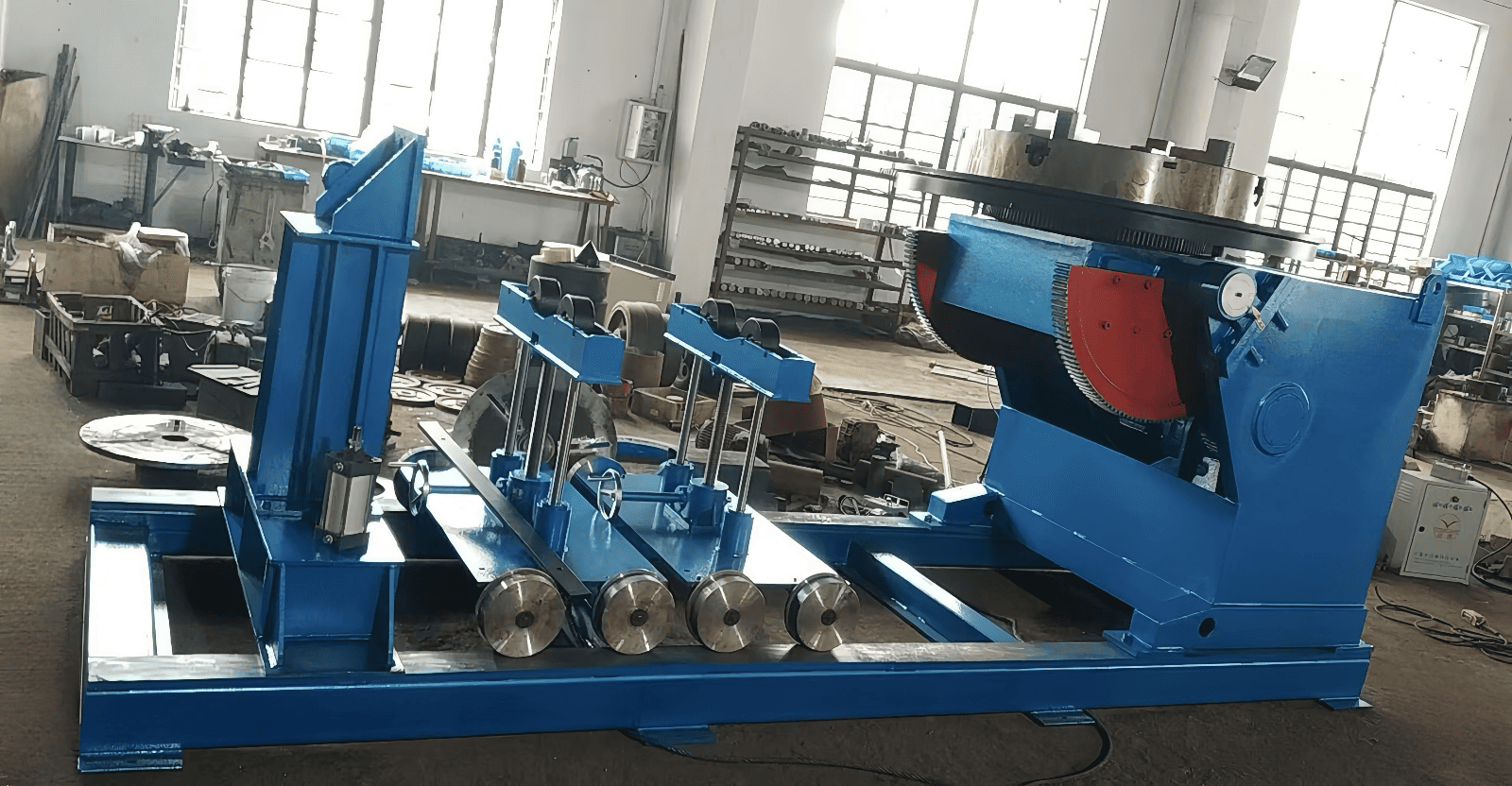
- Tilt and Turn Positioners: Users can take advantage of both the tilting and the rotating functions, thus gaining better control and in-depth access to difficult angles.
- Headstock and Tailstock Positioners: Hold and turn the long workpieces in the space between the two fixed points, which is the usual practice for shafts or beams.
- Benchtop Positioners: They are small, easy to carry, and made for welding projects that are either small-scale or detailed.
- Manipulator Positioners: The equipment supplies either automatic or programmable motion for welding that is uniform and repetitive.
The different types of positioners all serve different functions but still are all the same in that they help increase efficiency and precision.
How Welding Positioners Work
Welding positioners make sure that workpieces are held firmly and rotated at the same time so that the welder can position and access the weld precisely. The welding positioners, which include rotating tables, tilting arms, or automated controls, use adjustable mechanisms to bring the weld joint to the best angle, which reduces the fatigue of the operator and increases the consistency of the weld. The welding positioners are thus able to maintain steady positioning as well as movement, which means they can contribute to increased efficiency, accuracy, and quality of the weld in various applications.
3 Axis Welding Positioners

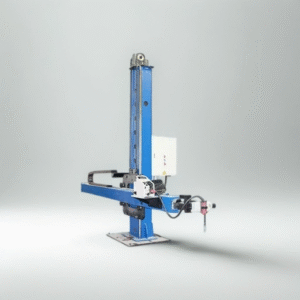
3 Axis welding positioners are modern instruments that have the ability to rotate and tilt a workpiece in three different ways, thus providing the highest level of flexibility and accuracy during the welding operation. Welders can position the workpiece just right for the delicate welds, which in turn increases the accuracy and decreases the probability of mistakes. By allowing complete control over the workpiece’s orientation, they make sure that the weld quality is the same for all the materials used, especially for intricate shapes or large parts. Their ability to adapt to various situations makes them a must-have tool for the sectors of aerospace, automotive, and manufacturing.
Features of 3 Axis Positioners
⚙️ Multi-Axis Control
Guarantees accurate placement and rotation for difficult welding tasks.
💪 High Load Capacity
Built to support heavy parts in different sectors.
🔄 Enhanced Flexibility
Makes it possible to move in several directions, thus facilitating intricate welds.
🎯 Improved Accuracy
Reduces mistakes by ensuring the workpiece is perfectly aligned.
👤 User-Friendly
Comes with easy-to-understand controls for seamless and productive usage.
🛠️ Durable Construction
Made to survive tough industrial conditions.
Benefits of Using 3 Axis Welding Positioners
Applications of 3 Axis Positioners in Various Industries
3 axes positioners are very widely used in such industries as automotive, aerospace, heavy machinery, and energy. In the automotive sector, they make welding operations more efficient and accurate by introducing the automated welding of parts. The aerospace industry uses them for the assembly of complex structures, thus guaranteeing proper alignment and minimizing the risk of mistakes made by operators. Heavy machine production takes advantage of the positioners’ capacity to manage large and complicated components effortlessly. In addition, the energy production sector is where they are most instrumental in the manufacturing of turbines, pipeline, and other energy system components, where the production quality and longevity requirements are very high.
Robotic Welding Positioners
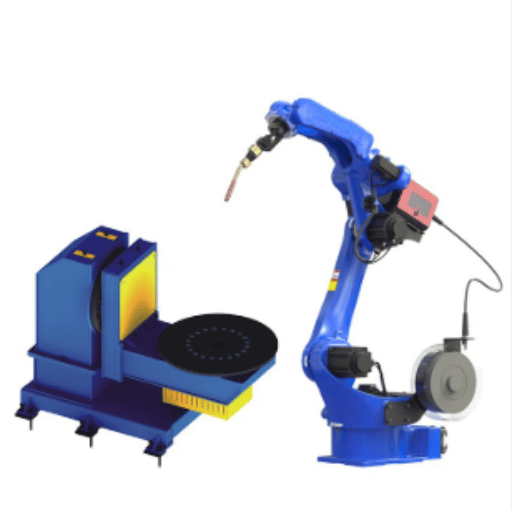
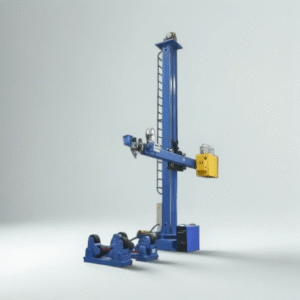
Robotic welding positioners are sophisticated devices that aim to connect the dots between automation and accuracy in welding. They are made to work alongside robotic arms and have the ability to move the workpiece with great precision, allowing for the best welding angles and positions. Besides, these positioners make productivity higher as they bring down the cycle times and the need for human operators, and at the same time, they ensure that the weld quality is uniform during the whole process of repetitive tasks. Automotive manufacturing, heavy machinery production, and high-volume fabrication projects are some of the sectors in which these devices are used most commonly, as they require a high level of precision and automation.
Integration of Robotic Welding with Positioners
Positioners harmoniously mesh with robotic welding as they coordinate the movement of the robot arm and the workpiece. The coordination of these activities creates a good setup for the welding, perfect angles for the welding and good handling of the complex geometries. The control of the advanced software synchronizes the robot with the positioner, thereby guaranteeing quality welds and cutting down on the time taken for the cycle. Such melding of technology is a must in the sectors demanding very high accuracy and productivity, like car making and the production of large equipment.
Advantages of Using Robotic Positioners
🤖 Key Advantages of Robotic Positioners
- ✓
High Precision: They maintain their high level of precision throughout the entire process by accurately positioning the workpiece and moving it, thereby preventing any inconsistency in weld quality. - ✓
Increased Productivity: These devices are significant in the area of productivity as they are responsible for cutting down the cycle times drastically and the easy handling of complicated geometries. - ✓
Enhanced Safety: They help keep the workers safe as they carry out the work in a hazardous place. - ✓
Seamless Integration: Their smart software controls make it easy to connect with the robotic systems and thus ensure the best performance. - ✓
Reliability: All in all, robotic positioners are indispensable in the quest for perfect precision, maximum efficiency, and high reliability in automated manufacturing workflows.
Examples of Robotic Welding Applications
Robotic welding is a process that is now common in many industrial sectors to increase both the amount produced and the quality of the output. The main areas where robotic welding is applied are automobile production for the joining of vehicle frames, aerospace manufacturing for the accurate melting of light materials, and shipbuilding for the protection of huge metal areas. Besides, in construction, robots are regularly utilized for the manufacture of steel parts; in electronics, the same is done through joining with the help of robots of tiny items, like battery packs and sensors. These applications are clear indicators of the adaptability and cost-effectiveness of robotic welding systems in different production areas.
Technical Considerations for Choosing the Right Welding Positioner
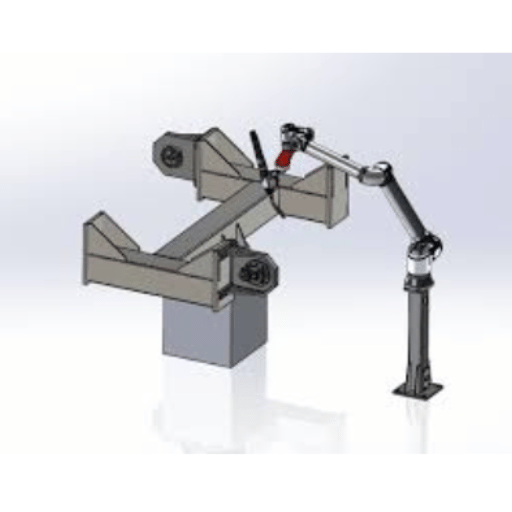
Choosing the correct welding positioner necessitates evaluating various key factors to guarantee performance and compatibility with your robotic welding system:
📋 Essential Selection Criteria
1. Load Capacity
The positioner must be able to support not only the weight of the weldments but also the fixtures and any other equipment, so check for maximum load.
2. Size and Shape of Workpieces
Pick a positioner that will fit your workpieces and allow for their complete rotation or tilting as needed by considering their dimensions and shapes.
3. Compatibility with Robotic Systems
Make sure that the positioner connects perfectly with your robotic welding gear, encompassing control systems and the synchronization of movements.
4. Precision and Range of Motion
Identify the necessary positional accuracy and the degree of motion to make sure that the positioner is able to provide the required flexibility and the precision needed for the welding operations.
5. Durability and Build Quality
Select a positioner that is made from quality materials which are specially made to be in tough welding conditions, thus ensuring consistent performance over time.
If you keep these factors in mind, then you can pick a welding positioner that will improve productivity, provide high-quality welding, and be able to meet the requirements of your particular welding applications.
Load Capacity and Stability
The load capacity and stability are essential considerations for the performance and safety of welding operations. Select a positioner that not only supports the heaviest parts plus fixtures but also has stability as a key characteristic throughout the process. Take a close look at the center of gravity and make sure that the positioner has been built in such a way that it cannot tip over or become unbalanced, even when it is loaded to capacity. Giving priority to these factors leads to trouble-free operation and uniform welding quality as outcomes.
Rotation Speed and Control
The rotation speed and control of a welding positioner are indeed factors that are crucial for precision and consistency to be achieved. Always choose a positioner with speed setting that can be adjusted to the different requirements of welding tasks and materials. Quality of welds must be kept up particularly for circular or complicated parts, so the device must be able to rotate the workpiece smoothly and in a controlled manner. Moreover, high-tech control systems with programmable options can increase project efficiency and adaptability even more than manual control.
Compatibility with Welding Techniques
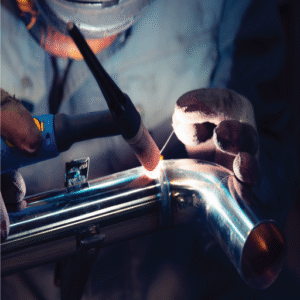
A welding positioner should provide versatility so that a wide variety of welding techniques such as MIG, TIG, and stick welding can be supported. It should be able to provide different angles and positions in order to guarantee accuracy and access no matter the method used. If required, make sure to have automated welding systems compatibility, as this can significantly increase productivity for repetitive or high-volume works.
Reference Sources
- Assembly Magazine – Multi-Axis Weld Positioning Systems: It is an article that talks about multi-axis welding positioners’ design and their performance for industrial automation.
- IRCO Automation – Smart Three-Axis Positioners: It shows the use of 3-axis positioners for heavy and complex weldments, including pipe welding.
- EVS International – Benefits of Robotic Positioners: It is an article that examines the advantages of incorporating robotic positioners which include; efficiency, precision, and safety.
- MWES – Easy-Arc Welding Positioners: An article that explains the features and versatility of automated positioners with 1 to 3-axis swing.
- Sideros Engineering – 3 Axis Welding Positioners: The article presents the ROTOLIFT 3-axis welding positioner which was made to be safe and ergonomic for use in welding and assembly.
Frequently Asked Questions (FAQs)
What are the advantages of a 3-axis welding positioner?
The main advantages are among others welding precision, safety, ergonomics, and productivity.
What types of industries that take advantage of 3-axis welding positioners?
Automotive, aerospace, marine construction, and heavy machinery manufacturing are the industries that use these types of positioners.
In what way does a 3-axis welding positioner promote safety?
It makes the handling of large workpieces less manual, hence the possibility of injuries is lowered, and a safer working environment is provided.
Can 3-axis welding positioners be integrated with robotic systems?
Yes, they are widely used in combination with robotic welding systems to improve the level of automation and accuracy.
What is the difference between a 2-axis and 3-axis welding positioner?
A 2-axis positioner typically offers rotation and tilt in two directions, while a 3-axis positioner adds an additional axis of movement, providing greater flexibility and access to complex angles. The extra axis allows for more precise positioning and better weld quality, especially for intricate or irregularly shaped workpieces.
Transform Your Welding Operations Today
Welding positioners represent a critical investment in quality, efficiency, and safety for any fabrication operation. Whether you’re considering a basic rotary positioner for pipe welding or a sophisticated 3-axis robotic system for complex assemblies, understanding your specific needs and matching them with the right equipment will deliver significant returns in productivity and weld quality. Take the time to evaluate your requirements, consult with experts, and choose a positioner that will grow with your business needs.