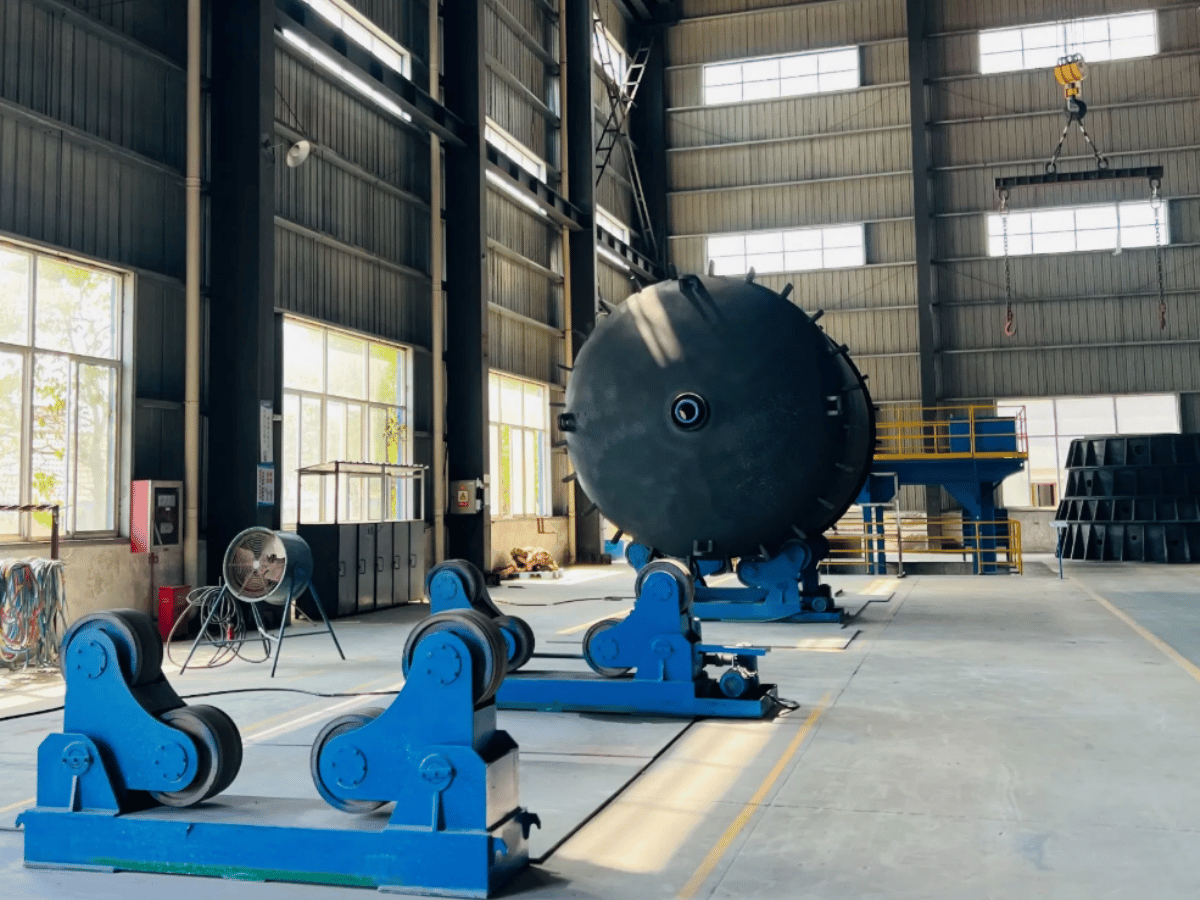
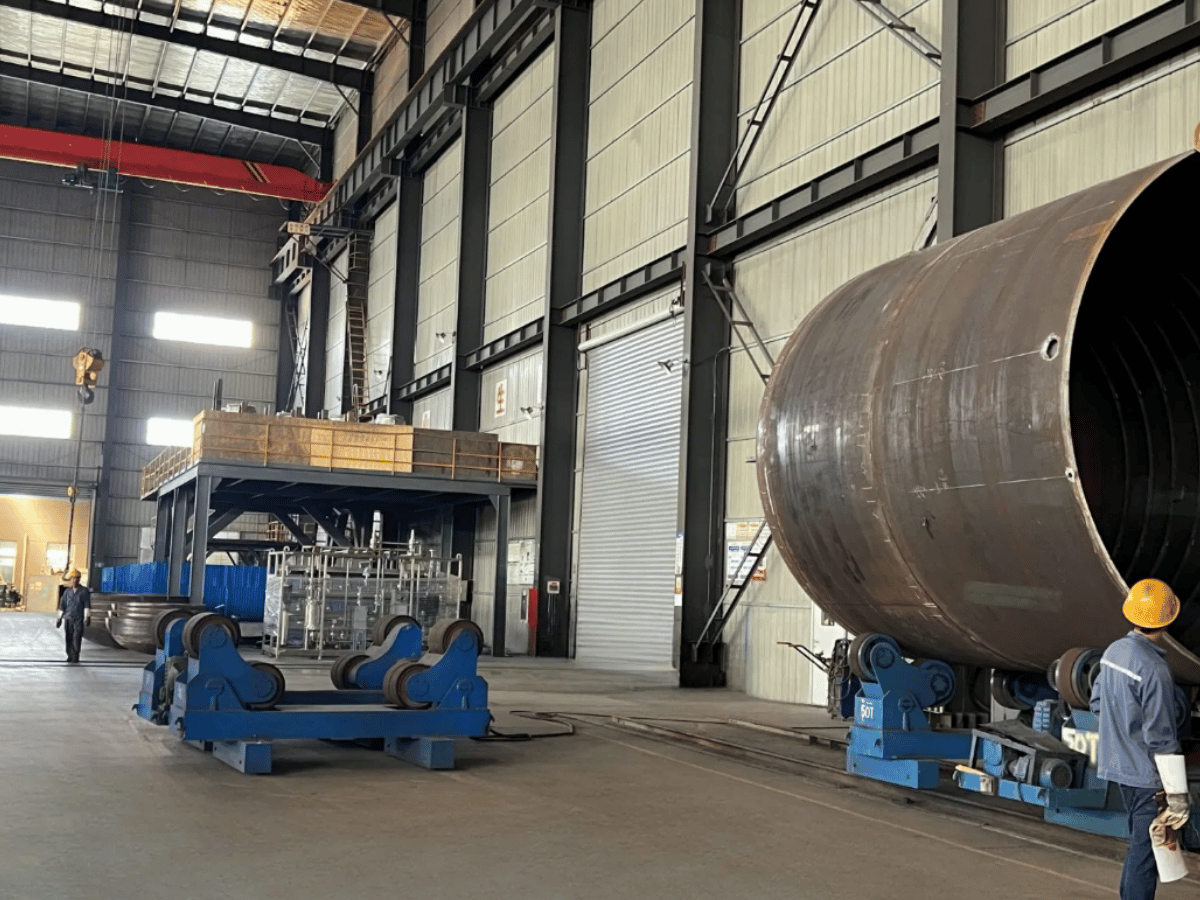
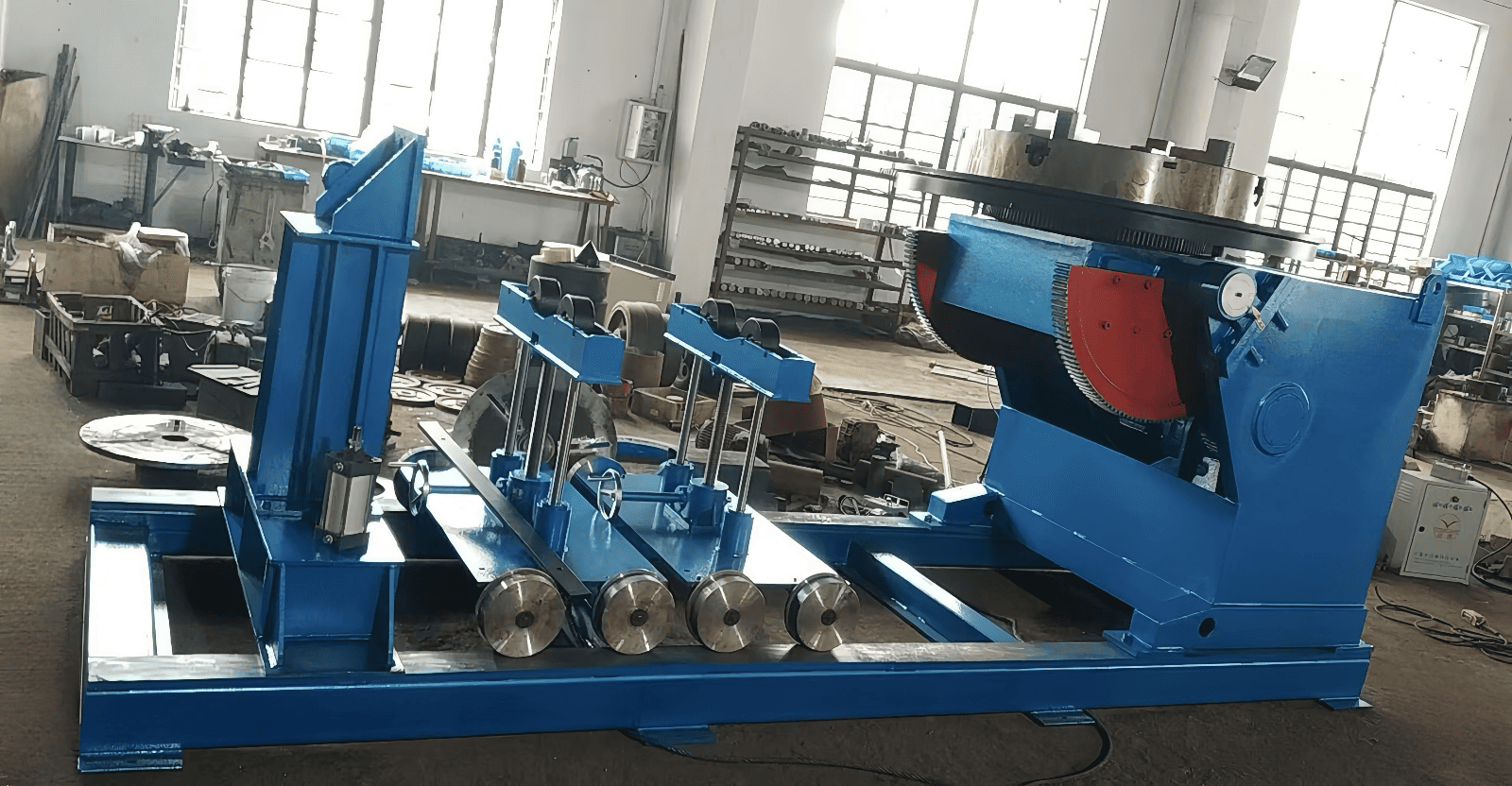
Welding large or heavy pipes can be a very difficult challenge, even for the most skilled workers. In such cases, the right equipment is essential because precision, consistency, and efficiency will often require more than just skill alone. Pipe welding rotators come in here as a revolutionizing factor in the process. These instruments make the whole pipe handling operation more manageable by turning the workpiece around. This gives welders the opportunity of producing stunning results while at the same time lowering their physical strain and cutting down the setup time. This article will highlight the main advantages of welding rotators, how their usage contributes to the increase of productivity and accuracy, and what important considerations to keep in mind when introducing them into your business. If you belong to a small welding crew or you are in charge of large fabrication projects, this guide will show you the way to pipe welding with the aid of rotators.
Introduction to Pipe Welding Rotators
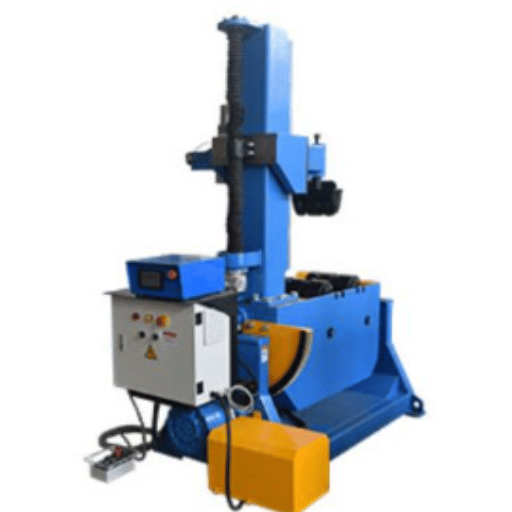
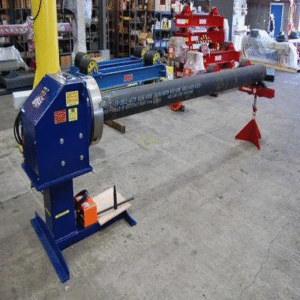
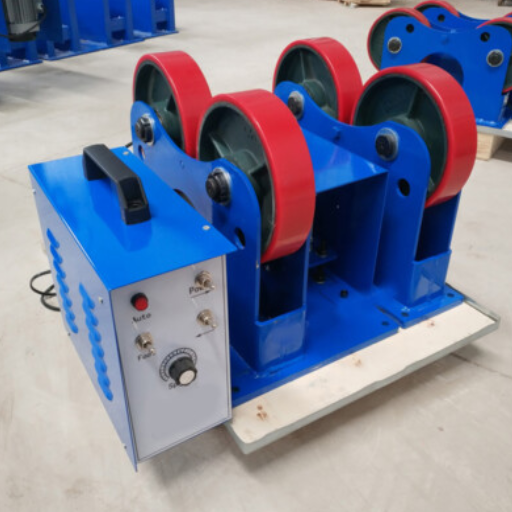
Pipe welding rotators are specialized equipment specifically created to rotate pipes and cylindrical items while the welding operation is in progress. As a result of the steady and controlled rotation, the welding is uniform, and the errors that manual handling could cause are minimized. The effectiveness of these machines in welding is due to the fact that they improve precision, speed up the process, and tire the operator less, thus they are very important tools in both small and big factories. Welding rotators with adjustable speed and load capacities can handle different sizes and types of pipes which gives them versatility and efficiency in different welding processes.
What is a Pipe Welding Rotator?
A pipe welding rotator is a unique and advanced device that is capable of rotating cylindrical workpieces like pipes or tanks during the welding processes. It guarantees uniform and controlled motion which makes it possible for the welders to apply perfectly even welds with higher precision and efficiency. It is a great way of reducing manual handling and at the same time providing safety, decreasing errors, and boosting productivity across the board, especially in the tough industrial environments where such a machine is usually applied.
Purpose of Using a Pipe Welding Rotator
The main aim of employing a pipe welding rotator is to guarantee the regular and exact turning of the pipes or other cylindrical pieces of work during the welding operation. This movement under control results in identical welds, lowers the need for manual corrections, and increases the total welding speed and accuracy. Furthermore, it contributes to safety by lessening the physical stress on workers and lowering the chances of defects resulting from the application of irregular or uneven welds.
Overview of the Welding Process Involving Rotators
The welding process with rotators starts with the pipe or cylindrical workpiece being firmly mounted on the rotator. Steady and continuous rotation powered by the rotator permits the welder to lay down uniformly welds all around the entire circumference. The rotation is very often automated for accuracy, thereby cutting the risk of mistakes down to nothing and also ensuring the uniformity of the heat distribution. The operator keeps track of the rotation speed and the welding parameters throughout the entire process in order to ensure the quality. By cutting down on manual adjustments, rotators not only boost productivity but also guarantee the production of welds that are reliable and of high quality.
Benefits of Pipe Welding Rotators
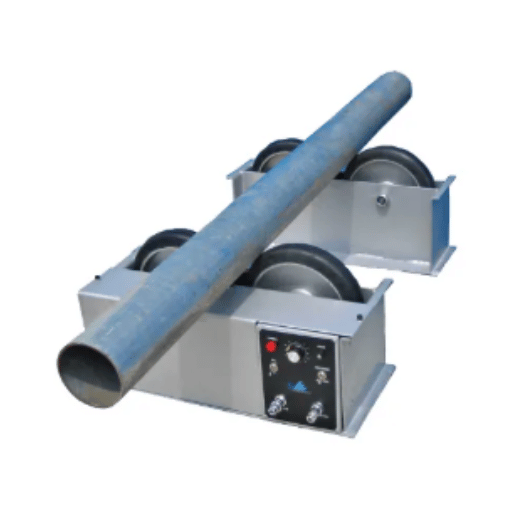
1. Enhanced Welding Precision
Pipe welding rotators make the workpiece stable and this leads to smooth rotation and a weld quality that is consistent throughout the joint.
2. Improved Efficiency
The rotators cut down on manual handling by automating the rotation process which in turn results in faster production and time-savings.
3. Versatility
They can handle a wide variety of pipe sizes and materials, and this makes them fit for many different welding applications.
4. Operator Safety
The lowered manual intervention also means that the risk of injury is reduced thus providing a safer work atmosphere.
5. Cost-Effectiveness
The errors and downtimes are reduced thus leading to a decrease in material waste and overall production costs.
Enhanced Efficiency in Welding
Automated tools and equipment such as welding rotators contribute significantly to the enhancement of welding efficiency. These tools facilitate the movement of materials and operators lessening their involvement, and consequently ensure that the weld quality is uniform and that the time taken to produce is reduced. Automation further provides the benefit of accuracy and error reduction which in turn gives rise to less rework and less waste of materials. The developments have therefore created a process that is safer, faster, and less expensive for the company which in turn enables the crew to finish their projects more resourcefully and still the quality is not compromised.
Improved Weld Quality
The use of automated tools, like welding rotators, plays a vital role in improving the quality of weld by supplying the same speed and accuracy during the entire welding process. This process cuts down on the mistakes made by humans, allows for even welds, and lessens the occurrence of defects, thus establishing a new level of dependability and longevity in the end product.
Safety Considerations for Welders
⚠️ Critical Safety Requirements
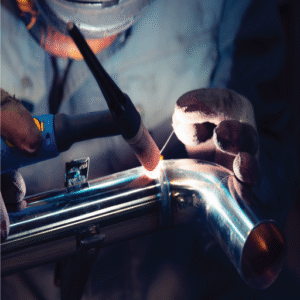
Welding is a really dangerous process that can cause serious injury to workers like burns, eye damage, or inhalation of toxic fumes. Therefore, the use of personal protective equipment (PPE) should be the regular of welders; the fully covered ones are there comprising fire-resistant clothing, gloves, the right filter shade on welding helmets and safety boots. Properly ventilated areas or fume extraction systems are very important to keep the exposure of workers minimized to hazardous gases. Besides, workers can be trained on equipment operation and safety protocols which will create a safe environment and accidents will be reduced through the regular inspection of tools to maintain them in an excellent working condition. Moreover, the creation of a well-organized, uncluttered workspace can contribute to safety by eliminating the risks of slipping or equipment malfunction.
Key Components of a Pipe Welding Rotator
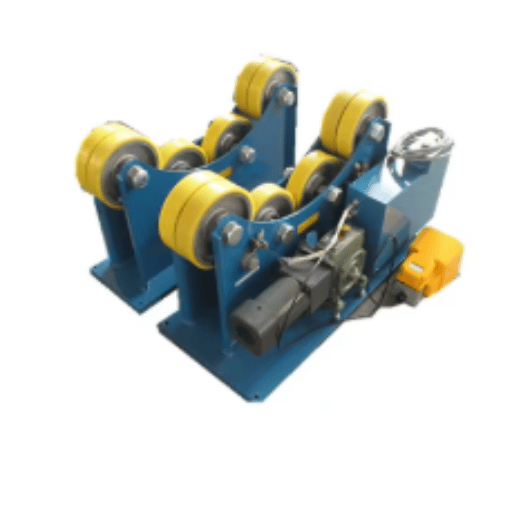
Understanding the Roller Mechanism
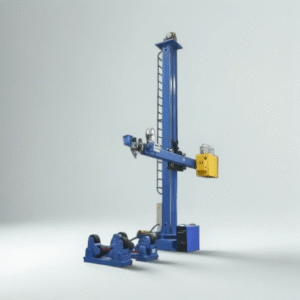
A welding rotator utilizes a roller mechanism which can both hold with great firmness and rotate cylindrical workpieces, all the while keeping the parts in perfect position during the welding process. The roller mechanism usually incorporates driving rollers with power and idler rollers, which are coupled to rotate the pipe effortlessly. The adjustable settings can also be used to match the different sizes of pipes, thus the mechanism is both flexible and accurate. This mechanism is vital for the production of quality welds and also for the increase of the work output.
Self-Aligning Features Explained
Self-aligning welding rotators are used to automatically move the rollers so that they fit the diameter of the workpiece. This process requires no manual adjustments which results in a reduction of setup time and perfect alignment. The system operates by means of a combination of pivoting arms and synchronized rollers that change their position according to the workpiece during loading. This functionality improves operational efficiency, lowers the likelihood of mistakes, and is perfect for the processing of workpieces with different dimensions.
Control Systems and Adjustability
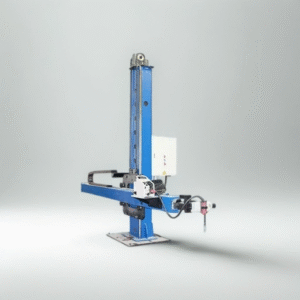
Modern welding rotators are provided with sophisticated control systems that enable very accurate rotation speed, direction, and torque adjustments. A lot of these systems have user-friendly interfaces so the operators could easily modify the settings according to the needs of the specific workpiece. This not only guarantees proper handling, better welding quality, and more suitability for different projects but also increases the total operational efficiency.
Types of Pipe Rotators
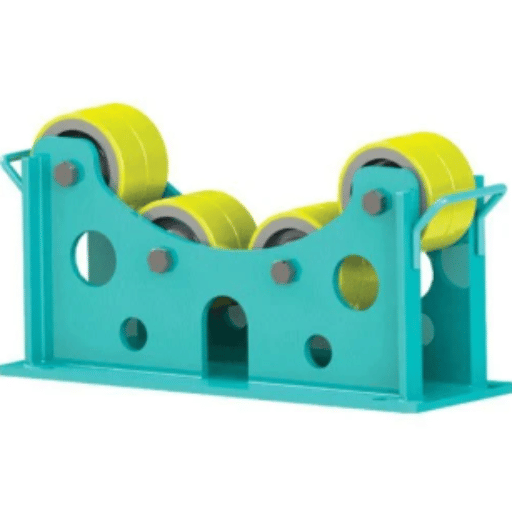
1. Self-Aligning Rotators
The rollers are automatically adjusted by these machines to the pipe’s alignment and they can therefore accommodate different diameters without human intervention. They are the best choice for quick and easy setup and handling.
2. Conventional Rotators
These are equipped with manually adjustable rollers and are therefore suitable for pipes with fixed or similar diameters. They provide a combination of simplicity and dependability for performing basic operations.
3. Fit-Up Rotators
These devices are meant to hold pipes in perfect alignment during welding and therefore, they guarantee proper joint preparation and help in reducing alignment errors.
4. Turning Rolls
These machines are used for the smooth and controlled rotation of cylindrical pieces and they are very versatile and can be found in many different industries, not only welding.
5. Anti-Drift Rotators
These rotators use state-of-the-art technology to eliminate any axial movement, thus making them the best choice for long or heavy pipes that require stability and precision.
Different Types of Rotators serve their specific purposes depending on project needs, thus improving the efficiency and accuracy of industrial processes.
Standard Pipe Rotators
Standard pipe rotators are made capable of effortlessly managing huge pipe shafts and generally come as the default choice for welding and fabrication applications of most kinds. They contain fixed speed or variable speed options providing the most effective and perfect pipe rotation and alignment during the whole process. These rotators are economically good, easy to use, and fit for the project that needs stable and reliable performance in different industrial areas.
Heavy-Duty Pipe Rotators
Heavy-duty pipe rotators are designed specifically to manage pipes that are larger and heavier, being used in difficult industrial situations. Their solid build and higher load capacities guarantee their stability and accuracy despite the very hard conditions under which they often work. These rotators frequently incorporate the latest technology, for instance, electric control, speed variation, and better grip systems, which together make them perfect for big projects that require great strength and uninterrupted performance as the main features.
Self-Adjusting Rotators
Self-adjusting rotators are unique instruments which can handle different pipe sizes without having to change them manually. These rotators are equipped with automatic alignment systems that are responsible for simplifying the process as a whole and increasing productivity in the welding and fabrication sectors. Their versatility allows them to be used in operations where the pipe size changes frequently and thus, they contribute to the overall smooth running of the project and higher output.
📚 Reference Sources
- Market Intelo – Pipe Welding Rotator Market Research Report 2033: Points out that the growing demand for automated welding solutions is spread across various industries like oil, gas, and construction.
- Data Intelo – Pipe Welding Rotator Market Research Report 2033: Points out that the application of pipe welding rotators is in heavy structural welding, the making of bridges, and the building of big structures.
- LJ Welding – Welding Automation: Pipe Turning Positioners: Pipes are rotated for efficient welding is one of the points made to highlight the applications of pipe welding rotators in oil, gas, construction, and mining industries.