Welding is a very important ability that is required in various industries like construction and auto repair. Nonetheless, the selection of the right welding method may be quite difficult due to the large number of welding methods available. MIG, TIG, Stick, and Flux Core welding have their own specific pros, difficulties, and optimal use cases which makes the choice a very critical factor in not only the productivity but also the quality of the work done. If you are a professional or simply a novice in welding, knowing the differences among these methods can guide you to a choice that is best for your circumstance. We will do a detailed analysis in this blog regarding the key features, merits, and uses of each welding method thereby making you capable of choosing the most appropriate welding method for your coming project.
Understanding Welding Techniques
Welding techniques vary quite a lot and this is mainly due to each technique being suited for different materials and applications. The leading three methods are:
1. MIG Welding (Metal Inert Gas Welding)
MIG welding is the fastest and most user-friendly technique. It is perfect for the inexperienced and at the same time is the technique for joining thin materials like aluminum and mild steel. The process involves the use of a wire electrode that is continuously fed and shielding gas to weld metals.
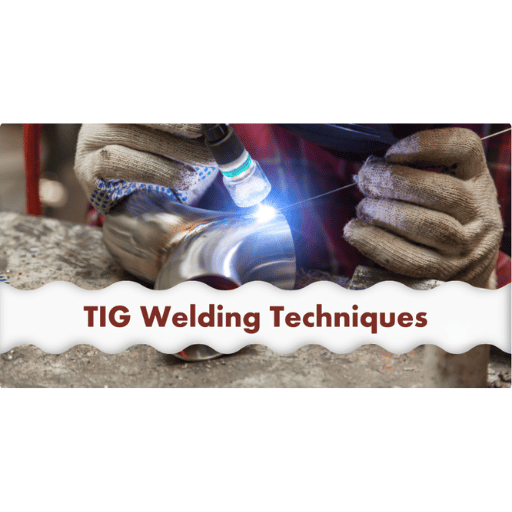
2. TIG Welding (Tungsten Inert Gas Welding)
While TIG welding is not the fastest, it is the most quality giving method besides being the most precise one and hence it is suitable for delicate tasks and stainless steel. It is common in industries that demand high-quality finish and often takes more skill and time compared to other methods; hence, the use of a non-consumable tungsten electrode is required.
3. Stick Welding (Shielded Metal Arc Welding)
Stick welding is extremely adaptable and strong, thus it can be used for heavy metals and outdoors even in very bad conditions. A consumable electrode covered with flux is used to protect the weld area in this process.
Important Note: Every technique has its own unique advantages, and the one you pick must match your project requirements taking into account material type, needed precision, and environmental conditions among others.
What is MIG Welding?
MIG Welding, otherwise known as Metal Inert Gas Welding, is a procedure that involves the use of a continuous wire as an electrode that is sent through a welding gun, which generates an electric arc to fuse the metals together. The weld area is protected from any contamination by the use of gas, which is generally inert or semi-inert. This method is favored for its rapidity, simplicity, and capability of producing clean and high-quality welds, which makes it suitable for both industrial and DIY applications.
What is TIG Welding?
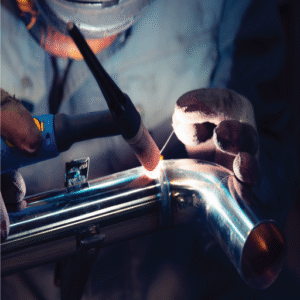
TIG Welding, which stands for Tungsten Inert Gas Welding, is an accurate welding method that employs a non-consumable tungsten electrode to generate the weld. A shielding gas, which is usually argon, safeguards the weld region from contamination, thereby guaranteeing a clean and high-quality output. Such a technique is very adaptable since it can perform fine tasks on different kinds of metals and it is also the reason for producing nice, strong, and visually appealing welds that are especially liked in the aerospace and automotive industries.
What is Stick Welding?
Stick Welding, or Shielded Metal Arc Welding (SMAW), is a process that employs a flux-coated consumable electrode for the purpose of welding. An electric current flows through the electrode, thus providing enough heat for the melting of both the electrode and the material to be welded. The melting of the flux coating results in the formation of gas and slag, which act as a barrier against the contamination of the weld by the surrounding air. This technique, because of its ease of use, mobility, and versatility with different metals and outdoor applications, remains very much in use.
MIG vs TIG vs Stick: Key Differences
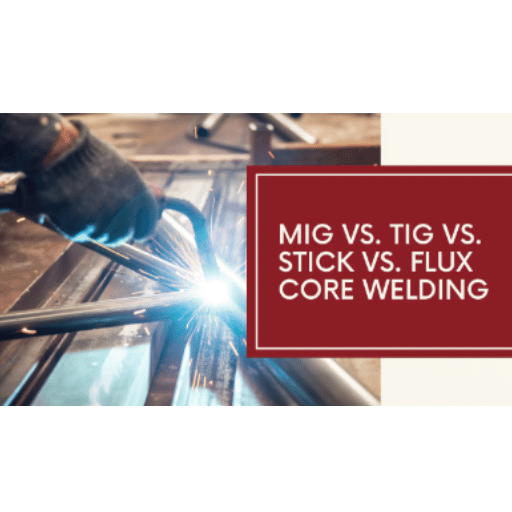
MIG, TIG, and Stick welding are distinct mainly in their versatility, operator skill, and the level of difficulty involved in using the process:
MIG Welding
Being the fastest and most productive method, MIG welding is the only choice for huge projects and thick materials. It is a very simple and straightforward process, which certainly adds to its popularity in both new and experienced operators in the industry.
TIG Welding
The method gives the least amount of error and is mostly applied to fragile or very thin materials. It is the most common area for artistic or automotive welding and is also the most skilled and time-consuming to work with.
Stick Welding
By far the most versatile and durable, Stick welding is the process mainly used for outside projects and quite heavy, dirty, or rusted metals. It has a clean surface requirement that is very low, and it can even cope with a very rough environment.
Key Insight: All three methods have their own advantages and are suitable for different projects; thus, the choice relies on the type of material, the amount of precision needed, and the working conditions.
Welding Process Overview
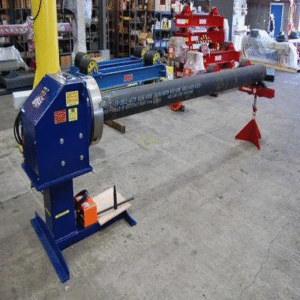
Welding is a technique for joining materials, usually metals or thermoplastics, through the application of high temperature, melting the parts, and then cooling them to create a strong bond. The whole operation often consists of preparation (cleaning and positioning of the materials), choosing the right welding method (e.g., MIG, TIG, Stick), and having the proper tools/immediate setup for exact application. The choice of method and tools is influenced by the type of material, the surrounding conditions, and the intended result.
Welding Equipment Comparison
In the process of welding equipment comparison, it is very important to take into consideration functionalities, material compatibility, ease of use, and price among others. MIG welding machines are the most versatile easy to use by beginners and they are very good for working with thin and medium thick materials, on the other hand, TIG welders deliver superior precision and cleanliness but are usually used for thin metal only. Stick welding is considered a rough process but it is still effective in outdoor or poorly controlled environments and works well with thick metal. Moreover, multi-process machines allow a combination of different welding techniques thus they are able to meet the various project needs. Based on your needs, budget, and the main types of metal to be welded, you can make the right decision.
Common Applications for Each Technique
Exploring Flux and Flux Core Welding
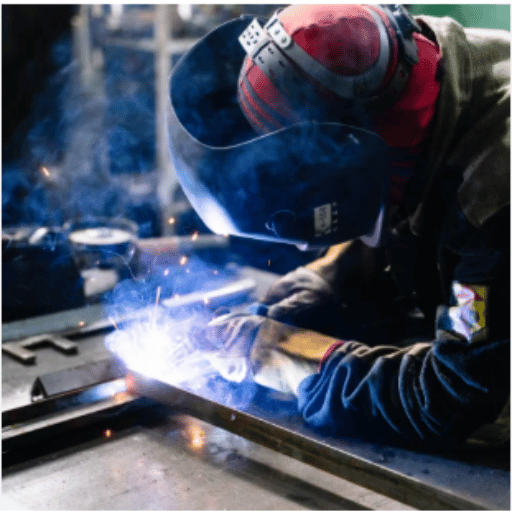
The two welding methods, namely Flux and Flux Core, rely on the application of a flux-filled wire or rod to keep the weld area free of contamination. In fact, the latter techniques create a protective slag or gas during the welding process thereby not needing any external shielding gas at all. Thus, they are proving particularly effective in outdoor projects or places where wind can disrupt the shielding gases.
Also, the use of Flux Core welding is synonymous with high productivity and excellent deposition rate, thus making it ideal for thick materials and heavy-duty applications. The technique has found its way into construction, shipbuilding, and industrial manufacturing. Conversely, the use of the traditional Flux welding method, which is frequently connected to stick welding, is characterized by its flexibility and user-friendliness, even if the material to be welded is rusty or dirty.
Summary: All in all, both methods facilitate welding under difficult conditions yet it is paramount to comprehend the specific project requirements before making a selection for the right technique.
What is Flux Core Welding?
Flux Core Welding is an electrode – a hollow tubular wire filled with flux that is either automatically or semi-automatically – welding process. This flux produces gas which both occludes the weld pool and protects it from impurities, thus allowing the welder to perform his job with ease. It is heavily used in steel structure erection and it provides easy penetration, high productivity and it can be operated in the wind and out of the rain without needing an external gas shield. Its flexibility and productivity are the main reasons for usage in building, repair, and industrial work.
Advantages of Flux Core Welding
⚡ High Welding Speed
Flux core welding is an amazing technique that can be used for large scale projects which are speedy because of the fast deposition rates it permits.
💪 Strong Penetration
It offers excellent penetration that makes it even more appropriate for thick materials and heavy-duty applications.
🌬️ Wind Resistance
This process is still able to work outdoor or windy conditions where no external shielding gas is required, unlike the other methods.
🔧 Versatility
The process is applicable to a wide range of industrial, construction, and repair activities.
👍 Ease of Use
It is semi-automatic nature makes it user-friendly even for intermediate skilled welders to operate.
✨ Minimal Prep
Flux core welding can even work with dirty or contaminated surfaces which means the extensive preparation of materials is cut down.
When to Use Flux Core vs MIG or Stick
Selecting flux core, MIG or stick welding is depending upon the particular project requirements and working conditions:
✓ Flux Core Welding
Perfect for the outdoors and areas where rust or dirt cannot be avoided, as its gasless feature and the ability to work over contaminants prove excellent. It is also ideal for heavy materials and large-scale production because of its good penetration and speed.
✓ MIG Welding
Best in controlled indoor areas where clean and accurate welding is crucial, especially for thin materials. It is clean finish but involves the use of shielding gas and exacting surface preparation.
✓ Stick Welding
Best in rugged conditions and for rapid repairs on thick materials. Its machinery is highly portable and adaptable, but it might not be as accurate or fast as flux core or MIG welding.
Important: The right process selection guarantees the efficiency and quality of the outputs depending on the needs of the project.
Comparative Analysis: MIG, TIG, and Stick Welding
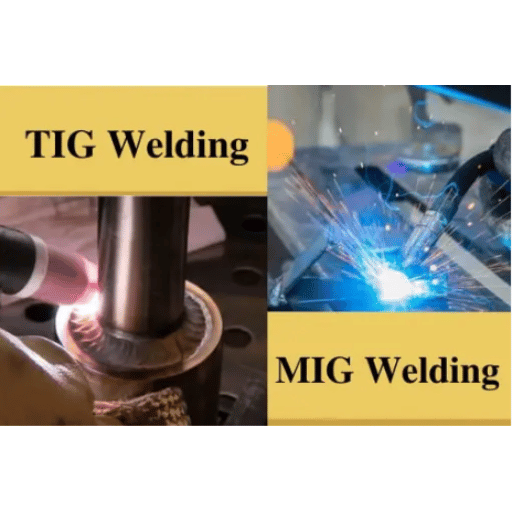
MIG, TIG, and Stick welding process comparison, each method has specific applications with strengths:
Key Takeaway: Each process has its benefits according to the project’s requirements, where MIG is the fastest, TIG offers the finest quality, and Stick is the most durable and versatile. Knowing the specific needs like the type of material and the work’s environment is crucial for choosing the correct method.
Cost and Accessibility
MIG welding is almost always the most economical and easy accessible method when cost and accessibility are considered, thus it attracts beginners and suits large-scale works. TIG welding, on the other hand, presents a major drawback of a high initial cost due to the use of advanced tools and high level of skill requirements but at the same time it delivers a flawless and very high-quality result. Stick welding machine is cheap and easily accessible and it is ideal for outdoor projects and severe conditions but the downside is that it takes a longer time to learn. Therefore, it is very important to assess carefully the factors of budget, skill level, and project needs in picking the right method.
Skill Level Required
The required skill levels differ a lot by the welding process used. MIG welding is the process which is most suitable for beginners, thus it is a perfect choice for someone who is just starting to learn welding. On the other hand, TIG welding requires expert skills and a lot of practice before one can really master the precision and the technique. Stick welding is somewhere in the middle, requiring an average level of skill but offering a somewhat steeper learning curve when compared to MIG welding. It is important to take into account your level of expertise and your readiness to learn new skills when making the decision about which method to use.
MIG Welding
Beginner-Friendly
Perfect for those just starting to learn welding
Stick Welding
Intermediate Level
Requires average skill with steeper learning curve
TIG Welding
Expert Level
Requires expert skills and extensive practice
Quality of Welds Produced
The quality of welds is mainly determined by the method used and the skill of the welder. MIG welding is a process that gives the welder clean and consistent welds, making it a choice for non-detailed work and for beginner welders. On the other hand, TIG welding yields the highest quality welds with great accuracy, thus it is the process of choice for projects needing minute detail or working with thin materials. Stick welding, although versatile and good for thicker materials or outdoor use, often ends up not so polished compared to MIG or TIG that it will need some more cleaning up afterward.
Reference Sources
- Baker’s Gas – MIG vs. TIG vs. Stick Welding: Which One Should You Use?: It describes the differences in MIG, TIG, and Stick welding with a special emphasis on their use in different situations and the type of user they are suitable for.
- Schaumburg Specialties – MIG vs. TIG vs. Stick Welding: What’s the Difference?: The article presents comparative points regarding the three welding processes in regard to cost, user-friendliness, and quality of production.
- Quora – If you could only afford one type of welder, which would it be?: Concludes with the strengths and weaknesses of each welding type considering the user’s expertise and project requirements.
Frequently Asked Questions (FAQs)
What distinguishes MIG, TIG, and Stick welding from one another?
MIG welding is a very quick and simple process that is perfect for beginners. TIG welding can be intricate and is mainly used for precision work, while Stick welding is very tough and is good for outdoors and heavy-duty situations.
What kind of materials are possible to weld with MIG, TIG, and Stick processes?
MIG: Steel, aluminum, and stainless steel.
TIG: A broad spectrum of metals, including ultrathin materials.
Stick: Steel, cast iron, and other kinds of heavy-duty metals.
What are the benefits of using TIG welding?
TIG welding gives high precision, very clean welds, and works well for thin or delicate materials.
What are the limitations of MIG welding?
MIG welding uses a shielding gas which limits its application outdoors where the wind is strong.
Is it possible to use Stick welding for all kinds of projects?
Stick welding is adaptable but might not be the best choice for thin materials or projects that require an aesthetically pleasing finish.
Ready to Start Your Welding Journey?
Choose the welding method that best fits your project needs, skill level, and working conditions. Whether you prioritize speed with MIG, precision with TIG, versatility with Stick, or outdoor capability with Flux Core, understanding these differences will help you achieve professional-quality results every time.