Welding is one of the most skilled professions. It is essential in various fields such as building and manufacturing. However, the job can be very challenging at times even though it is pretty rewarding. Thus, considering the profession or simply being interested in it, it is necessary to know the downside of the job. The present article will discuss the negative sides of welding, highlighting the physical requirements, health dangers, and difficulties welders endure. This post aims to provide a comprehensive view of these negatives, offering valuable insights for anyone weighing the pros and cons of this trade.
Introduction to Welding
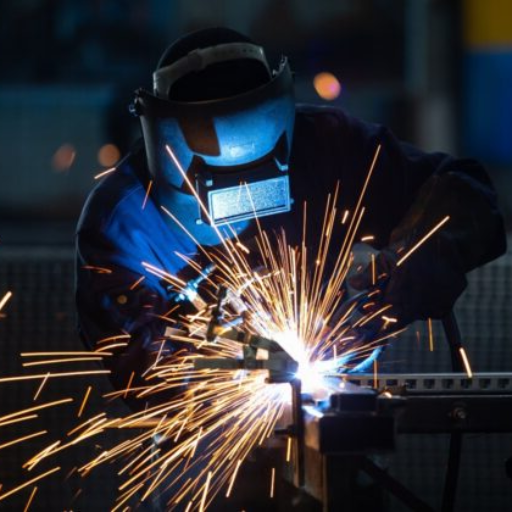
Welding is a fabrication process that connects different materials, most often metals or thermoplastics, by melting the parts together with high heat and allowing them to cool, thereby forming a strong bond. Due to its dependability and strength, it has widespread application in the construction, manufacturing, and automotive repair industries. Although welding methods differ, the process remains crucial for the production and maintenance of buildings, vehicles, and devices, as well as for the industry in general.
What is Welding?
Welding is a technique where two or more materials, mainly metals or thermoplastics, are fused using high temperatures, pressure, or both. The materials at the joining point are melted, and when they are cooled, a strong and durable bond is created. Welding is a very flexible and valuable skill necessary in many sectors, including construction, aerospace, automotive, and energy industries. Modern welding technology, like laser and ultrasonic welding, has made it possible to get precise and efficient results even in complicated applications. Moreover, the welding techniques such as MIG, TIG, and arc welding are tailored to meet the requirements of different materials and structures. This essential trade is continually changing with the help of innovations that, in turn, guarantee its essential role in the creation and maintenance of infrastructure worldwide.
Overview of Welding Methods
Welding is a collection of techniques that are specially engineered for different applications and materials. Among the three major welding processes, the following are the most widely known:
MIG Welding (Metal Inert Gas)
The method is also known as Gas Metal Arc Welding (GMAW), and it employs a wire electrode that is brought through a welding gun. The melting of the wire and the joining of the parts are done simultaneously. Its fast operating speed, ease of learning, and ability to weld many metals make it the most favored method.
TIG Welding (Tungsten Inert Gas)
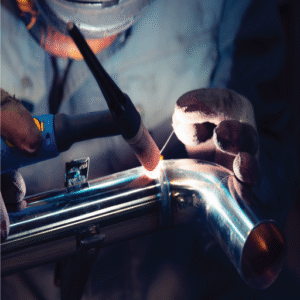
The process is also called Gas Tungsten Arc Welding (GTAW), and it allows the welder to be very precise, especially when using a tungsten electrode. It is common in fine work and thin materials such as stainless steel and aluminum.
Arc Welding (Shielded Metal Arc Welding)
This technique, also known as stick welding, uses an electrode covered with flux that melts to create a protective gas shield around the welded part. It is a versatile, low-cost and efficient method suitable for outdoor or less controlled environments.
The welding techniques offer various benefits and continue to be used in many sectors and applications because these benefits are pretty significant.
Importance of Understanding Pros and Cons
It is vital to understand the advantages and disadvantages of various welding methods to choose the most suitable one for a particular project. Each welding technique, be it MIG, TIG, or Arc welding, has its own set of advantages and disadvantages that can significantly determine the work’s quality, price, and speed. For example, MIG welding is best at quickness and metal thickness but might not work well at all outdoors. TIG welding, conversely, gives neatness but takes more practice and time. If people and businesses consider these factors carefully, they can achieve the best results, reduce the risk of problems, ensure safety, and effectively meet project requirements.
Disadvantages of Welding
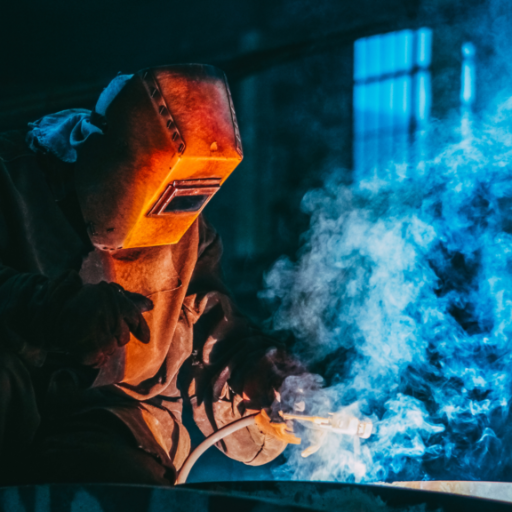
Indeed, welding is a necessary procedure in many industries, as it enables the creation of metal structures that inspire innovations and thereby drive progress. However, despite the positive aspects of a stronghold in manufacturing, construction, and repairs, it still has some drawbacks. It is essential to be aware of the cons of welding, whether you are a professional or a hobbyist, as this will help you understand the difficulties and dangers associated with this method. The following blog post brings to light an overlooked side of welding, including safety issues and financial implications, and offering you a detailed picture of what to weigh in on before proceeding with your next welding project. Being aware of these barriers can motivate sagacious decision-making and heighten the success of the project overall.
Physical Risks and Health Concerns
Welding is a primary procedure that is not only very much needed in the various fields but also brings along some significant physical risks and health issues, which are very much to be considered. Direct and prolonged exposure to the welding arc’s light can result in a very unpleasant condition called “arc eye,” which inflames the cornea. Aside from that, welders are commonly working with the hazardous fumes and gases generated from the welding operation and these can bring about respiratory problems or even leading to long-term lung damage. One more thing that heat-related injuries, especially burns, is a common risk as a result of the high-temperature tools and molten metal being used. To prevent these situations, it is essential to apply safety measures like personal protective equipment (PPE), including welding helmets, gloves, and respiratory masks. Furthermore, being safety-minded welders will not be jeopardizing their productivity.
Exposure to Fumes and Chemicals
Exposure to welding fumes and chemicals is considered a major health hazard for workers. Among the components of these fume emissions are dangerous materials such as manganese, lead, and other heavy metals, which can cause a variety of health problems including those of the nervous, respiratory, or even the whole body systems. Furthermore, the utilization of cleaning agents, solvents, and coatings might give off chemical vapors, which adds up the risks. Good ventilation conditions are very important in reducing exposure, and together with the respiratory protection use and safety rules strict observance, welder safety and health in the long run will be assured.
Potential for Burns and Injuries
Welding is a process that comes with a very high risk of burns and injuries, as it entails very hot materials, ultra-violet rays, and molten metal. Just a second of the heated substances or sparks together with the skin can be very painful. Besides, the ultraviolet and infrared rays produced by a welding process can burn the skin and cause “welder’s flash,” which is eye pain from exposure if the appropriate protective gear is not worn. All these dangers require welders to engage in strict safety measures, such as using fire-retardant garments, gloves, welding masks with the correct filters, and maintaining a clean, organized, and safe work area. These preventive measures can greatly minimize the severity of burns and other injuries associated with them.
Career in Welding: Challenges and Drawbacks

Welding, although a rewarding profession, has its difficulties and disadvantages. Workers usually have to deal with the physical strain of their work, long hours in dangerous places, and the risk of being injured by heat, sparks, and fumes. Besides, welders might get tired because of the hard work and the long hours. The work requires accuracy and concentration, which can be tiring mentally, and the constant need for safety compliance can also be a source of stress. All these difficulties make it necessary for welders to have great skill, estamina, and awareness.
Job Environment and Safety Issues
Welders usually work in a variety of places, such as narrow spaces, outside, and in factories. Each of these locations presents different safety problems. Workers can get hurt or sick due to hot temperatures, ultraviolet rays, and toxic gases if no protection is provided. Among the safety practices to prevent injuries are the use of personal protective equipment, availability of fresh air, and following the standard operating procedures. It is the responsibility of both the companies and the employees to implement strict safety training and frequent maintenance of the tools to keep the workplace safe and up to standard.
Long Hours and Physical Demands
Welding workers are usually engaged in physically strenuous activities for long periods, which may result in exhaustion, stress, and even health issues over the long term. They are often subjected to awkward working postures, such as bending, kneeling, or working overhead, which may lead to the development of musculoskeletal disorders in the long run. Mental and physical exhaustion from long shifts and repetitive work is significant, and welders must maintain superb focus and endurance to ensure the quality and safety of the work. Proper time management, ergonomics, and breaks are necessary to lessen these difficulties and to contribute to the well-being of the employees.
Job Stability and Market Fluctuations
The welding industry is subject to demand cycles that are constantly changing depending on the economic climate, these factors include infrastructure, manufacturing, and global trade policies. Generally, during the upturn of the economy, the demand for qualified welders also increases, contributing to the growth of job opportunities and rising wages. Nevertheless, the markets may suffer from changing conditions, which could involve scenarios such as the building or manufacturing industry slowing down, leading to reduced job openings or even layoffs. It is a good idea for welders to continually educate themselves and learn new technologies to remain essential and better fit for the competitive job market. Furthermore, the sectors such as renewable energy and advanced manufacturing are coming up with new opportunities, thus offering the skilled workers in the welding trade the potential of growth and long-term job stability.
Specific Welding Processes and Their Cons
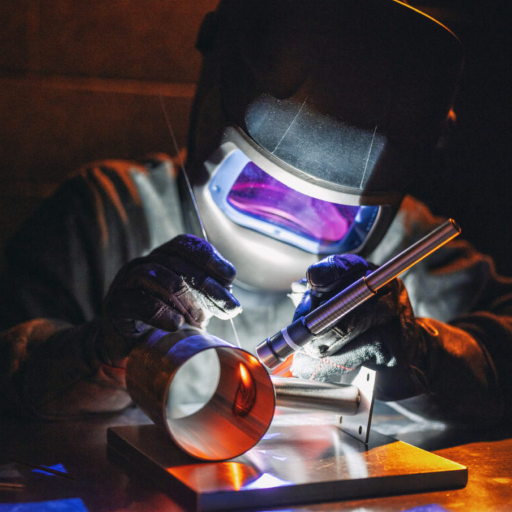
Disadvantages of MIG Welding
- ●
Higher Equipment Costs: Compared to other welding techniques, MIG welding is more expensive to set up initially due to its requirement of power source, shielding gas, and a continuous wire feed. - ●
Limited Portability: The usage of shielding gas makes it impossible to use MIG welding outdoors or in windy areas since the gas would be blown away, leading to poor quality weld. - ●
Less Suitable for Thick Materials: Very thick materials are not suitable for MIG welding because the insufficient penetration results in a weak weld. - ●
Surface Preparation Required: The metal surface must be properly cleaned as the presence of dirt, rust, or oil can disrupt the welding process and compromise the quality of the weld.
Challenges with Arc Welding
- ●
Difficulties with Thin Metals: Arc welding can be tough with thin metals because high heat output is likely to burn through the material. - ●
Skilled Technique Needed: Beginners face difficulties in handling electrodes and maintaining a consistent arc length, which requires a lot of practice and skill. - ●
Chipping Off Slag: Arc welding, unlike some other welding methods, produces slag that must be removed to reveal the final weld, adding an extra step to the process. - ●
Limited Set-ups: Arc welding might be more difficult when working in very inclined or non-convenient positions since the molten metal and slag are affected by gravity. - ●
High Smoke and Fumes: Arc welding produces a large amount of smoke and fumes, necessitating proper ventilation and safety measures to protect the welder’s health.
Cons of Flux-Cored Arc Welding (FCAW)
- ●
Higher Equipment Costs: When it comes to welding, flux-cored arc welding equipment is usually very pricey and thus may not be affordable for small-scale operations or even hobbyists. - ●
Excess Spatter: FCAW is known to create a large amount of spatter, which can consequently increase post-weld cleanup and time-consuming efforts. - ●
Sensitivity to Wind: The use of FCAW outdoors is possible but strong winds can still interfere with the shielding; especially in the case of gas-shielded FCAW, leading to weld defects. - ●
Limited Material Thickness: On the thinner materials, the performance of FCAW is considerably lower and may result in burn-through or distortion. - ●
Skill Requirement: A good-quality weld with FCAW is usually associated with the need for higher skill and experience taking into account the proper control of heat and feeding speed.
Mitigating the Disadvantages of Welding
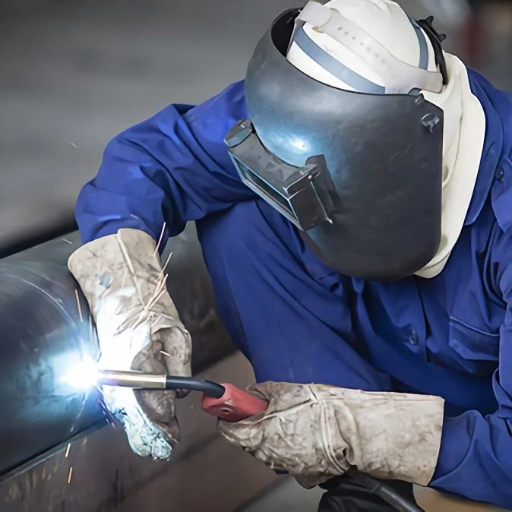
There are various ways to alleviate the downsides of welding. For instance, in cases of wind sensitivity, windshields or self-shielded FCAW can be used to ensure proper shielding. For the problems posed by thin materials, meticulous parameter adjustment through current and heat input reduction can help avoid burning through or warping. Training and practice are essential for improving skills and experience, leading to better control over the welding process and ensuring higher quality results. Besides, an appropriate selection of welding method and equipment for the particular application can eliminate a large number of potential difficulties.
Safety Training and Equipment
Proper safety training and correct equipment usage are significant factors to lead welding operations. All-inclusive safety training programs need to properly include the use of personal protective equipment (PPE), such as welding helmets, gloves, flame-resistant clothing, and safety glasses, which protect against sparks, heat, and ultraviolet radiation. The workers should be made aware of the importance of maintaining a clean and well-organized workspace to reduce fire hazards and accidents. Moreover, being conversant with the latest industry standards and safety protocols will always result in heightened awareness about potential risks and the appropriate measures to take in such cases. Welding professionals can significantly improve safety and productivity by combining regular training with reliable, well-maintained equipment.
Health Monitoring and Regulations
Health monitoring practices are critical in the welding sector to safeguard the employees from health hazards like lung problems, ear damage, and contact with toxic substances. Annually, these health checks make it possible to discover medical conditions caused by long-term exposure to the fumes of welding, noise, and bright light earlier. Agencies like OSHA, responsible for occupational safety, have established rules requiring that air quality be monitored, proper ventilation be provided, and PPE be supplied to workers. Compliance with these regulations not only leads to a safer workplace but also enhances the health of welding workers in the long run.
Choosing the Right Welding Method
The method of welding chosen is influenced by several factors such as the material type, weld strength, and the welding environment’s conditions. The standard techniques MIG (Metal Inert Gas), TIG (Tungsten Inert Gas), and Stick welding have their respective advantages. MIG welding is usually the selection made due to its high speed and low cost, thus making it perfect for large or industrial projects where the amount of weld is more important than the quality. TIG, in contrast, gives excellent control hence the ability to work on thinner materials or projects that require a perfect finish. Stick welding is a highly adaptable option because it can be performed in various weather conditions and used on rusted or dirty surfaces. The decision of the welder is based on evaluating the project requirements and properties of the materials which will lead to a successful and long-lasting weld.
Reference Sources
-
“Two methods suitable for welding titanium are plasma welding and laser welding”
- Key Findings: This study compares plasma welding and laser welding for titanium, highlighting their respective advantages and disadvantages. It also discusses the challenges of joining dental alloys using these methods.
- Methodology: The research involves a comparative analysis of welding techniques, focusing on their application in dental alloy joining.
- Published: Within the last 5 years.
- Read the paper
-
“Application of machine learning for recognizing surface welding defects in video sequences”
- Key Findings: This paper explores the use of machine learning to identify surface defects in tungsten inert gas welding. It emphasizes the challenges of defect detection and the role of machine vision in improving accuracy.
- Methodology: The study uses video sequences of welding processes and applies machine learning algorithms to detect and classify defects.
- Published: Within the last 5 years.
- Read the paper
-
“Defects identification of the high frequency inductive welding”
- Key Findings: This research identifies defects in high-frequency inductive welding, focusing on how the ferrite impeder affects the chemical and mechanical properties of welds. It critiques existing welding theories and practices.
- Methodology: The study involves experimental analysis of welds using high-frequency inductive welding and evaluates the impact of ferrite impeder.
- Published: Within the last 5 years.
- Read the paper
- Top Welding Positioner Manufacturers and Supplier in China
- Guide for Types of Welding
Frequently Asked Questions (FAQs)
What are the main disadvantages of welding?
The major drawbacks of welding consist of the expensive equipment required initially, the huge training needed as a basic requirement and the health risks to some degree, which are the fumes and heat exposure at different levels. Besides, welders may have a hard time with the working conditions, especially when it comes to outdoors or underwater.
What are the cons of being a welder?
The downside of being a welder can be the physical demanding nature of the work, exposure to dangerous materials, and the need for working in a non-standard schedule. Welders are generally in various locations that require going through different conditions, and if the right safety measures are not in place the situation can even become dangerous. There is also the challenge of having to constantly learn about the latest methods and technologies in welding as a downside.
What type of welding has the most challenges?
In the field of welding, underwater welding is considered to be the most challenging. The method calls for great training and specialized equipment because of the dangers tied to working in water, the harsh environment and underwater conditions. Besides, the welding operation can be made more difficult by the heat and pressure.
What are the advantages and disadvantages of gas metal arc welding?
Gas metal arc welding (GMAW) has many pros like quicker welding process, easy adaptability to different positions and. On the other hand, it has some cons like the shielding gas that is needed during the process which can get blown away outdoors due to wind and the less thickness of metals that can be welded compared to other methods.
How do health and safety regulations apply to welding jobs?
Health and safety regulations play a crucial role in welding jobs, as they are designed to protect workers from hazards that cannot be avoided by other means. Employers are obliged to provide safety gears and training so that the welders can carry out their work in a safe and effective manner.
What are the benefits and challenges of rig welding?
Rig welding comes with considerable advantages, for example, high salary and involvement in major projects. The downside is, however, it also entails long shifts in secluded places and very strict safety procedures to be followed, which is meant to both prevent accidents and ensure the integrity of weld joints.