Welding is an extremely careful and demanding procedure that uses the right tools, expert hands, and precise movements to get quality results. The application of various shielding gases is among the many factors that lead to excellent welding, but the one that tops them is gas. The most important factor that the use of args plays is the key to the different welding processes as it provides the main advantages that can not only improve the speed but also the quality of the weld. There comes the question of why argon is so widely used by welders and what is going on in the background during the welding process? The present discussion highlights the significant part argon plays as a shielding gas, points out its distinctive characteristics, its pros in certain welding methods, and its reasons to still be a must-have in welding practices of today. Whether you are an experienced user, or just someone who wants to know more about the science behind welding, the guide will unveil the great part of argon gas by providing insightful information.
Understanding Argon Gas
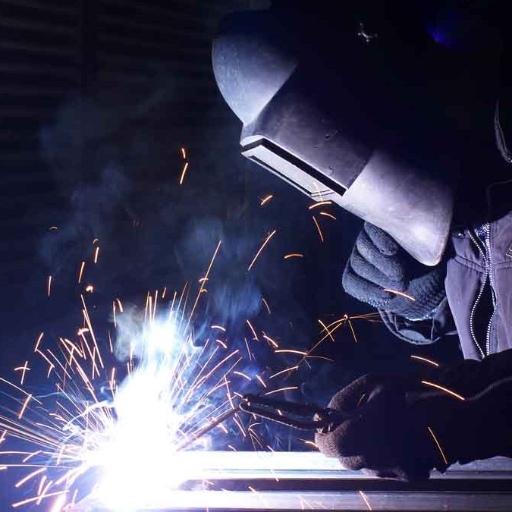
Argon gas, a noble gas, plays a crucial role in welding as it is used as a gas shield during the process. The primary purpose of using argon is to isolate the welded area from atmospheric gases, including oxygen, nitrogen, and water vapor, which can lead to defects such as porosity or weak bonds in the weld. Argon is a good choice because it is inert, meaning it does not react with the liquid metal, thus providing a stable and controlled environment for welding. Moreover, it gives very good arc starting and keeps the arc’s stability, hence making it suitable for high precision work and for different welding techniques, including TIG and MIG welding.
The Role of Argon in Welding
Argon is essential in delivering quality welding and flaw-free welding. An inert atmosphere formed by argon prevents oxidation and contamination of the weld pool, which is particularly important for reactive metals like aluminum and titanium. Using argon, a cleaner and smoother weld with less spatter and great precision is achieved. Argon’s low ionization potential allows for a stable and easy-to-maintain arc even at lower voltages. This not only results in better quality welds but also in lower material waste and rework costs, thus, argon becomes a cost-effective option for industrial and precision welding applications.
How Argon Compares to Other Gases
Argon compares to other gases like helium, carbon dioxide, oxygen, nitrogen, and hydrogen based on stability, shielding capabilities, cost, and specific applications in welding.
| Parameter | Argon | Helium | CO₂ | Oxygen | Nitrogen | Hydrogen |
|---|---|---|---|---|---|---|
| Stability | High | High | Low | Low | Moderate | Low |
| Shielding | Excellent | Good | Moderate | Poor | Poor | Poor |
| Cost | Moderate | High | Low | Low | Low | Moderate |
| Ionization | Low | Very Low | High | High | Moderate | High |
| Applications | Precise | Heat-Int. | Mixed Gas | Cutting | Assistive | Reactive |
Why Use Argon in Welding?
Argon, the noble gas, is one of the most accepted gas for welding because of its outstanding shielding capabilities, thus preventing the weld pool from being contaminated by the atmosphere. The great stability of argon results in a steady and a reliable arc, which makes it good for welding that is high precision and of high quality particularly in TIG (Tungsten Inert Gas) and MIG (Metal Inert Gas) welding. Argon is also a good choice for not only having the surface of the weld to be visually appealing and less dirty but also for providing the occurrence of welds with very little spatter. Moreover, the low ionization potential of argon contributes to sustaining a constant energy flow during the welding process thus improving efficiency and lowering the rate of defects. Although argon is moderately priced compared to other gases its advantages make it a cost-effective option for different welding operations.
Applications of Argon in Welding
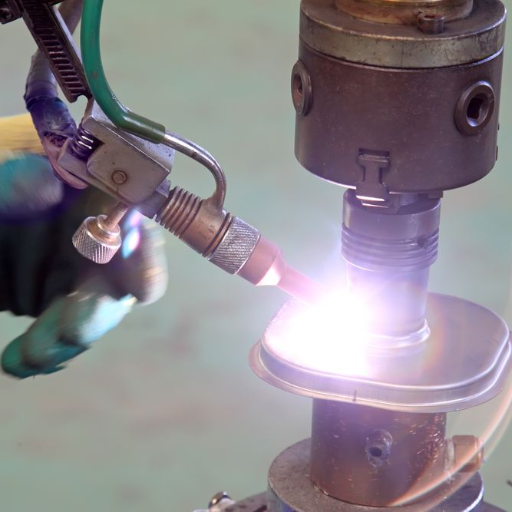
Owing to its inert qualities that neither add nor take away anything from the weld, Argon is amongst the common gases in welding processes like TIG and MIG. It is perfect for fusing non-ferrous metals such as aluminum, magnesium, and copper. Steel and stainless steel welding primarily use Argon mixed with other gases, resulting in precise cutting, fewer defects, and smooth finishes. Its capacity to maintain stable arcs and enhance the appearance of the weld has led to it being a favorite in industries such as aerospace, automotive, and manufacturing.
Argon in MIG Welding
Argon is very important in MIG (‘Metal Inert Gas’) welding processes as it enhances the quality and efficiency of the process. Being a shielding gas, argon offers a stable and controlled atmosphere that covers the weld from contaminants in the air such as oxygen and nitrogen. Consequently, the possibility of porosity is minimized and clean and defect-free welds are guaranteed. Moreover, the low ionization potential of argon facilitates smooth arc starting and consistent heat transfer which results in precise welding with very little spatter. In addition, when combined with gases like carbon dioxide or helium, argon not only increases penetration but also enhances the overall weld strength, making it a very versatile option across all industries. Its wide applicability and consistent performance underscore the significance of argon in contemporary welding practices.
Benefits of Argon Welding Techniques
- ✓ Produces clean and defect-free welds as a result of eliminating oxidation and porosity.
- ✓ Provides smooth arc initiation, and stable heat transfer for exact welding control.
- ✓ Less spatter occurs, thus cleaner and more efficient welding process is the outcome.
- ✓ When mixed with gases such as helium or carbon dioxide, the weld penetration and strength are increased.
- ✓ Has the quality of versatility which means it can be used in many different types of materials and industries.
Argon-Oxygen Mixtures in Welding
Argon-oxygen mixtures have dominated the market for welding, credited with increased performance and higher-quality welds. Around 1-5% of oxygen is typically mixed with argon to achieve two goals: arc stabilization and improved weld edge wetting. Consequently, the defects are fewer, and the welds are of better quality, more even and smoother. The mixture is most useful in the welding of stainless and carbon steels, where it improves penetration and bead appearance. Yet, the oxygen content still needs to be monitored quite closely to prevent oxidation or unintentional changes in weld material properties.
Benefits of Using Argon Gas in Welding

- Stable Arc Performance: The stable arc provided by argon enables flawless control of the welding process and ensures uniform quality of the welds produced.
- Reduced Weld Spatter: The use of argon gas during welding not only helps minimize spatter but also enhances the cleanliness and efficiency of the process.
- Improved Weld Appearance: The use of argon gas makes welds smoother and hence aesthetics become better with the increase in bead quality.
- Versatility Across Metals: Its application range encompasses a variety of metals, including aluminum, stainless steel, and titanium.
- Protection Against Contamination: Argon functions as a shielding gas, thus safeguarding the weld pool against contaminations from the surrounding gases such as nitrogen and oxygen.
Enhanced Weld Quality with Argon
Argon is considered as a prime gas for welding due to its ability to improve the quality of the welds hence it is highly preferred by the professional welders as well as in industrial applications. Its non-reactive nature is the reason for that, it keeps the welds pure by not allowing any kind of chemical reaction to occur. Argon defeats the defects of porosity and oxidation and with that, it offers a weld that is purer and stronger. This is especially important in the areas of aerospace, automotive, and construction industries where accuracy and strength are the main concerns. Furthermore, the application of argon along with modern welding methods not only enhances the quality of the weld but also saves a lot of time and labor thus meeting the requirements of complicated manufacturing setups.
Minimizing Contamination Risks
The use of argon gas in welding significantly reduces the risk of contamination during the welding process. The inert characteristics of argon prevent any reaction with other gases, such as oxygen and nitrogen, which can alter the weld quality. Argon creates a vacuum-like environment around the weld, which helps in purifying the weld area and thus a finer, cleaner, and stronger finish is produced. This benefit is imperative for critical applications where the effectiveness of the weld determines the safety and dependability of the process, for example, in the aerospace, medical, and pipeline industries. Besides, argon’s property of reducing spattering and oxidation does even more good for the weld in terms of its quality and lifespan.
Cost-Effectiveness of Argon Gas
Argon gas is regarded as a cost-effective option in the welding process, as it produces high-quality welds with minimal waste. The initial price of argon may be higher than that of some other gases; however, its potential to reduce defects and rework has a positive impact on total production costs. The use of argon leads to less material loss due to its cleaning and highly accurate welds thereby saving time and money, hence industries that require reliable and long-lasting welds consider it an economical option. Moreover, the gas’s extensive availability serves as a factor that keeps costs and access points reasonable for numerous uses.
Welding Methods Using Argon

1. TIG Welding (Gas Tungsten Arc Welding)
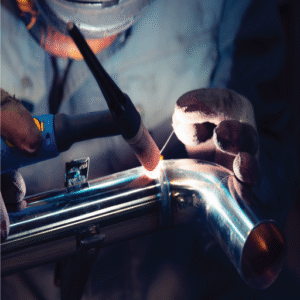
TIG welding is one of the most widely used welding processes, utilizing argon as a shielding gas. Argon produces a stable arc and keeps the tungsten electrode as well as the weld pool free from atmospheric contamination, thus, the welding is very accurate and of high quality. The process is very suitable for welding thin metals and non-ferrous metals, e.g. aluminum and magnesium.
2. MIG Welding (Gas Metal Arc Welding)
MIG welding also employs argon as a shielding gas but very often in combination with carbon dioxide. The argon assists in producing a smooth, stable arc and in reducing spatter, thus, making the process appropriate for welding of non-ferrous metals and light steel.
3. Plasma Arc Welding
Welding with plasma arc is one more method that is supported by argon, the gas which is both the shielding gas and the plasma-forming one in this case. This technical choice is ideal for exact welding, such as in the aerospace and electronics sectors.
MIG vs. TIG Welding: The Role of Argon
Argon has a decisive impact on the efficiency and quality of welds when MIG (Metal Inert Gas) and TIG (Tungsten Inert Gas) welding are compared. In MIG welding, the gas of choice is usually a mixture of argon and other gases like carbon dioxide or oxygen to get all the benefits of argon, thus stabilizing the arc, reducing spatter, and increasing the transfer of the metal, so it is the best welding method for aluminum, stainless steel, and thin materials. On the contrary, TIG welding is based almost exclusively on pure argon as the main shielding gas due to its inert quality, which prevents the metal from oxidizing and allows for immaculate, clean welds suitable for fragile metals and intricate work. Although MIG welding can be done much faster and is more practical for large-scale works, TIG welding gives a granting precision that is unmatched for delicate applications. Ultimately, the selection of the welding technique depends on the material, intricacy, and the required finish, with argon being an essential contributor in both cases.
Other Welding Processes Utilizing Argon
Due to its stability and protective properties, Argon is a gas which is commonly used in welding processes besides the TIG above and MIG welding. Among such methods is plasma arc welding, where argon is used as a shielding gas to produce precision and high-quality finishes, making it suitable for applications in the aerospace and electronics sectors. Another process in which argon is used is gas tungsten arc welding (GTAW), also known as TIG welding, where argon provides a contamination-free weld. Additionally, argon is essential in gas metal arc welding (GMAW) when combined with other gases, such as CO2 or oxygen, allowing for better control of the arc and reducing the amount of spatter produced during welding. The methods mentioned above are a few of the many ways in which argon shows its versatility across a wide range of specialized and industrial applications.
Choosing the Right Argon Mixture
When selecting argon gas mixtures for welding, it is essential to consider both the material being welded and the outcome of the welding process. In the case of welding steel, using argon with a small amount of carbon dioxide (for example, a mixture of 90% argon and 10% CO2) will result in better penetration and arc stability. On the other hand, pure argon is generally considered the best for titanium and other non-ferrous metals as it guarantees a clean and stable arc. If further penetration or arc constriction is desired, it is recommended to add helium to the mixture as a solution. Continuously evaluate the welding application and seek the manufacturer’s guidance to determine the optimal gas composition for the job.
Safety Considerations for Welders Using Argon

Ventilation must be arranged appropriately while using argon for welding in order to avoid the gathering of inert gas that can take away oxygen and create risk of suffocation. In addition, it is essential always to wear the correct personal protective equipment (PPE), such as gloves, helmets, and goggles, to protect against burns, UV radiation, and sparks. Additionally, keep the equipment in good condition and regularly inspect the gas lines for leaks to prevent unnecessary exposure to dangers. Moreover, It is essential to follow all safety practices and those of the manufacturer to ensure a safe work area.
Handling and Storage of Argon Gas
Argon gas is a substance that, being noble, theoretically poses no safety hazard or reaction problem; nevertheless, this does not mean that its use, storage, and handling do not come with dangers. Thus, its cylinders must be stored vertically in a cool, dry, and well-ventilated area. These cylinders should also be kept out of direct sunlight, heat, and any combustibles. The use of cylinder stands or chains is also recommended to keep the cylinders from falling over. Properly rated cylinder carts should be used to handle cylinders, while dragging or rolling is prohibited.
Moreover, it is essential to stay vigilant by keeping valve caps tightly screwed on whenever the cylinder is not in use, as these are the primary points through which the vacuum can be easily lost or come into contact with the outside atmosphere. Additionally to that state, proper labeling should be done with cylinders to avoid any mix-up among gases. Furthermore, only fittings and regulators that are approved for use with argon should be used for connecting or operating the argon gas systems in order to prevent leaks or unintended chemical activities. Following these practices not only allows the user to work with argon gas safely but also creates and sustains a secure and efficient working environment.
Health Risks Associated with Argon
Argon, an inert gas, is a chemically non-reactive substance but still considered a health risk under certain situations. The most significant hazard connected with argon is asphyxia. Being heavier than air, argon, when contained in small spaces, can drive out oxygen, thus rendering the area inhospitable for breathing. This situation is most dramatic in areas with little or no airflow. Dizziness, increased breathing rate, disorientation, and unconsciousness are the effects of an oxygen shortage, which can strike quickly and unexpectedly. Therefore, to reduce these dangers, it is crucial to have proper airflow and oxygen detection devices in place whenever argon is used.
Best Practices for Safe Welding with Argon
In the process of welding with argon, I have made safety my top priority by ensuring proper ventilation throughout the entire area to prevent oxygen displacement. I place oxygen monitors in confined or enclosed spaces to detect any sudden changes in the atmosphere. Personal protective equipment i.e. gloves, safety glasses, and welding helmets is a must to keep me safe from burns, bright light and heat. Moreover, I regularly inspect welding tools for leaks or damage and adhere to the manufacturer’s guidelines for argon cylinder handling. Such precautions not only protect me but also contribute to a more productive welding environment.
Reference Sources
-
Universal Technical Institute (UTI) – How Is Argon Used in Welding?: This article explains how argon is used as a shielding gas to protect the weld pool from contamination.
-
Sparc USA – What is Argon & Why is It Used for Welding?: Discusses the benefits of argon in producing cleaner and stronger welds, along with its application in welding setups.
-
Tulsa Welding School (TWS) – What is Argon Welding & How Is It Used?: Provides insights into how argon protects welds from contamination by gases like oxygen and nitrogen.
Frequently Asked Questions (FAQs)
What is argon gas used for in welding?
Argon gas is primarily used as an inert gas to shield molten metal during various welding processes. It acts as a barrier that protects the weld pool from the atmosphere; therefore, the weld is clean and strong. The majority of welders like argon from the start due to the fact that it does not only prevent the weld area from oxidation but also keeps it free from contamination.
How do welders use argon in welding techniques?
Welders apply argon as gas shield during TIG (Tungsten Inert Gas) welding as well as MIG (Metal Inert Gas) welding. Through the provision of protective atmosphere, argon facilitates the welding arc being better controlled and thus lessening the occurrence of defects in the weld, and particularly so when working with metals like aluminum and stainless steel.
What are the benefits of argon gas in welding?
Argon gas brings a number of advantages such as its inert character which implies that it does not associate chemically with other elements throughout the welding procedure. Consequently, fewer impurities hence cleaner welds are obtained. Also, argon being heavier than air creates a situation where it is harder for contaminants to penetrate thus giving a better jobs’ quality. In addition, it is non-hazardous which makes it a preferred option by many welders.
Can argon be mixed with other gases for welding?
Certainly, argon can be blended with other gases like carbon dioxide to improve specific welding processes. A case in point is the mixture of argon and 25% carbon dioxide which is a frequently used gas mix in MIG welding because it not only improves arc stability and penetration but also gives some of the protective advantages of argon.
What are the various applications of argon in the welding industry?
Argon has numerous applications in the welding industry, as it is used in TIG welding, MIG welding, and even plasma cutting. The ability of argon to protect the weld pool makes it possible to get results of high-quality across various metals and thicknesses, thus it is versatile for different methods of welding.
What should welders learn about argon welding?
Welders using argon in welding must know the proper gas mixtures and their affect on various materials. The ability to control the argon flow rate and being acquainted with the traits of argon welding can dramatically increase the quality of welds.