Welding is one of the various crucial industrial processes in numerous fields, ranging from automobile repair to the erection of significant buildings. Among the different welding techniques available, MIG and TIG welding processes are perhaps the most common, with each method having distinct advantages and applications. A seasoned welder or an inquisitive beginner should find our guide to be a comprehensive comparison of the two approaches, providing a valuable resource for their needs. Investigating those prominent differences will help you gain sufficient knowledge about the various types of tools, working methods, and applications, enabling you to make well-informed decisions for an actual welding project.
Understanding the Basics of Welding
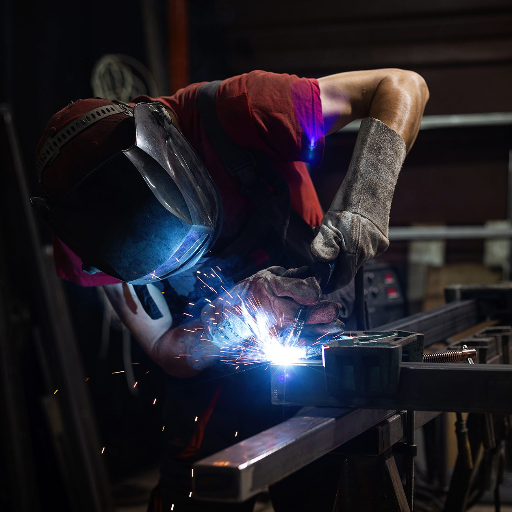
This should have been an excellent topic. Welding is the process of uniting two separate pieces of metal by applying heat and pressure to form a strong bond. Typically, this term refers to the construction, manufacturing, and repair industries. The welding requires the right materials, techniques, tools, and safety equipment. Regarding methods, major welding procedures include MIG welding, which emphasizes ease and speed of operation, and TIG welding, which stresses precision and control. The workpieces should be carefully prepared, and welding should be carried out in accordance with safety guidelines to ensure a successful and durable welding outcome.
What is Welding?
Welding is a fabrication process in which two or more materials, either metallic or thermoplastic in nature, are permanently joined, typically through the application of heat, pressure, or both. Welding automatically creates the joint as it melts the base materials and filler materials, which then solidify upon cooling. Modern-day welding encompasses various techniques, including MIG, TIG, and arc welding, as well as laser welding, which offer alternative methods for different applications, tailored to specific materials and precision requirements. In recent developments, automated and robotic welding have become essential in welding industry applications, maintaining consistency in speed and quality while reducing human error. Safety is of foremost importance in welding. With proper training, the use of suitable protective equipment, and adherence to safety standards, welders can be prevented from being injured, and the results are reliable.
Importance of Welding in Industries
Welding forms the cornerstone of strong joints, which develop compatibility and firmness. It is an essential operation for the manufacture of vehicles, construction of buildings and bridges, as well as for the maintenance of critical infrastructure. The reliability and adaptability of welding methods ensure that complicated structures can withstand enormous pressure and environmental pressure. Additionally, advancements in welding technology enable more efficient and precise industrial operations, leading to safer and more sustainable production methods.
Overview of Different Welding Techniques
Welding techniques differ anesthetically because of the variety of materials to be welded, in addition to applications and industries that provide jobs. The three popular methods of welding are as follows:
Shielded Metal Arc Welding (SMAW): Also known as stick welding, it uses a consumable electrode coated with flux to create the weld. It is an inexpensive process and relatively versatile, typically used in construction and repair work.
Gas Metal Arc Welding (GMAW): This type of welding is commonly referred to as MIG welding.xxx This process involves a continuous wire electrode and a shielding gas, rendering the fast welding of metals of thin to medium thickness an easy job.
Gas Tungsten Arc Welding (GTAW): It is commonly referred to as TIG welding in industrial and commercial applications. It utilizes an exclusive tungsten electrode, providing the best welding quality with utmost precision, particularly for stainless steel and non-ferrous metals in industrial sectors such as aerospace and automotive.
In short, these methods emphasize welding versatility in response to varying industrial needs, where strength, efficiency, and precision are of paramount importance.
MIG Welding Explained
What is MIG Welding?
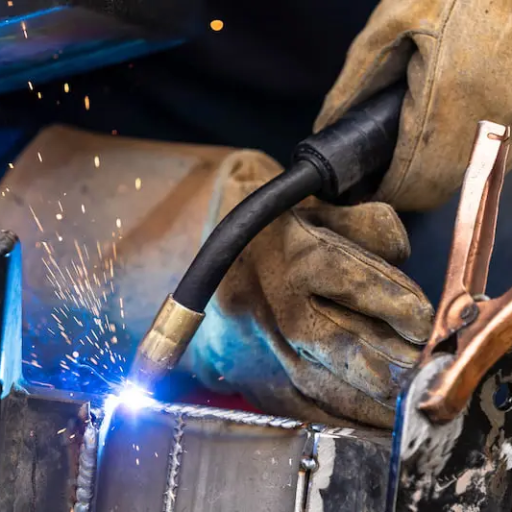
Metal Inert Gas welding is a popular process that uses a continuous wire electrode fed through a welding gun, with shielding gas protecting the weld pool from contamination. Hence, another name Gas Metal Arc Welding(GMAW) can be used. Due to its speed and simplicity, welders with varying levels of experience, from those just starting out to those with ten years of experience, find this welding technique advantageous. This shielding gas is usually composed of argon and carbon dioxide; it serves in protecting the weld from oxidation, and thus produces the strongest weld in the cleanest environment. Due to its ability to weld materials with high quality and speed, MIG welding is widely used in construction, automotive repair, and manufacturing. With the rising development in MIG welding machines and techniques, it has since become the best option for high-speed production as well as project versatility.
The MIG Welding Process
The welding process entails continuously feeding a wire electrode. This wire melts and bonds two materials together. Setup of the MIG welder entails setting proper parameters of voltage, wire feed speed, and shielding gas flow rate. The welder causes the arc to strike between the wire electrode and the workpiece, allowing the intense heat to melt both the electrode and the base material. Meanwhile, the shielding gas, typically composed of argon and carbon dioxide, is released to prevent contamination from entering the weld pool.
To achieve maximum output, the wire and shielding gas must be selected correctly according to the material being welded. The preparation of the workpieces should include anything that may affect the weld, such as dirt, grease, or rust. MIG welding is easy to learn, making it a favorite among many professionals and hobbyists. The ability to produce clean welds with minimal spattering has made it ideal for applications ranging from thin-sheet metals to heavy structural work.
Applications of MIG Welding
- The automotive industry repairs and manufactures vehicle bodies.
- Steel framework for buildings and infrastructure.
- Storage tanks and pressure vessels.
- Metal sculptures and artistic projects.
- Heavy equipment and machinery maintenance and repair.
TIG Welding Explained
What is TIG Welding?
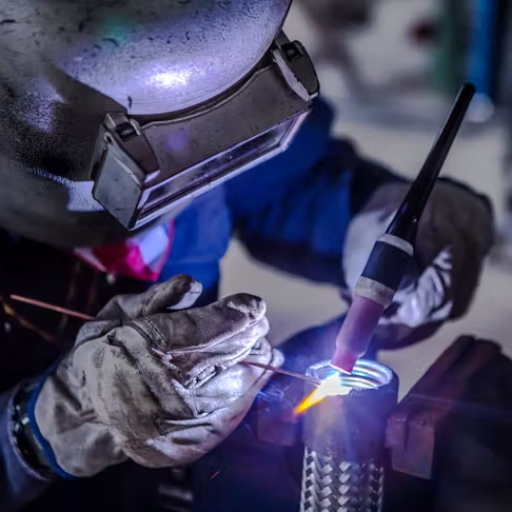
TIG stands for Tungsten Inert Gas welding or Gas Tungsten Arc Welding. It is a precise and versatile welding process using a non-consumable tungsten electrode. An inert gas, usually argon or helium, shields the weld area from atmosphere contamination. TIG welding is all about control: They obtain a very clean, spotless weld with exquisite aesthetics. The process is best for thin metals such as aluminum, magnesium, copper, and stainless steel, which are all non-ferrous. It finds application in the aerospace, automotive, and art fabrication industries, as it produces welds that are strong, durable, and highly precise, with minimal distortion. It is a very skilled and accurate welding process; however, it is pretty slow compared to a MIG weld.
The TIG Welding Process
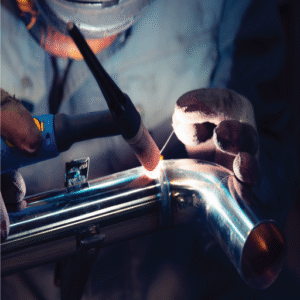
TIG welding is a process in which a non-consumable tungsten electrode is used to create a weld. The area to be welded is protected against atmospheric contamination by an inert shielding gas, with argon or helium being the usual choices. It is a clean process that offers excellent control over heat input, which is crucial when welding thin metals and for detailed work. Filler welding is done if required, and the operator works with a steady hand as the process demands much more skill and precision.
The procedure begins with sharpening the tungsten electrode to a pointed, conical tip to focus the arc most effectively. A torch is then positioned at a working distance close to the weld, while the welding current is switched on. The operator controls the heat and movement of the torch. If to be used, the filler material is placed by hand into the molten weld pool being carefully coordinated between the torch and the filler rod. It is excellent for producing clean, high-quality welds with very few weld defects, making it the best choice when the project requires a finished product with strong structural integrity.
Applications of TIG Welding
- The aerospace industry welds aluminum and magnesium components with precision.
- The automotive industry requires welding that demands polishing and durability for exhaust and chassis systems.
- Medical device manufacturing, where cleanliness and accuracy are demanded in stainless steel and other alloys.
- Art and sculpture for welds that must be aesthetically pleasing to metal artworks.
- Pipeline and pressure vessel construction that demands the highest degree of weld quality and has zero tolerance for defects.
MIG vs TIG Welding: Key Differences
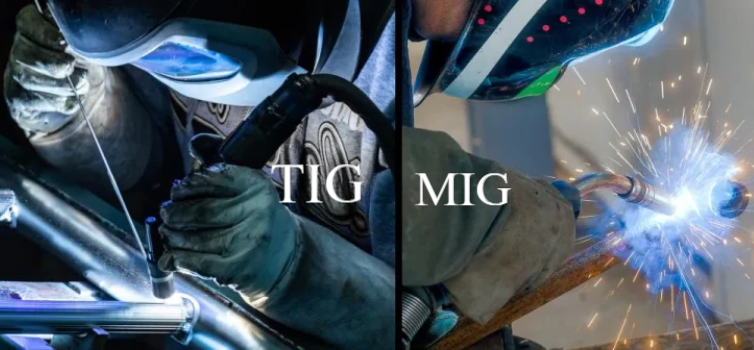
MIG welding is faster, easier to learn, and better for thicker metals, while TIG welding offers higher precision and better quality for thin and delicate materials.
| Parameter | MIG Welding | TIG Welding |
|---|---|---|
| Speed | Fast | Slow |
| Skill required | Low | High |
| Metal type | Thick | Thin |
| Precision | Low | High |
| Aesthetics | Moderate | Excellent |
| Cost | Lower | Higher |
| Process | Automatic | Manual |
| Best for | Large work | Fine work |
Welding Techniques Comparison
While selecting an appropriate welding process in between MIG and TIG welding, consideration should be given to what great capabilities you would want the process to provide for the application chosen. MIG welding is ideally suited for jobs that require speed and efficiency, particularly for working with thicker metals and on large-scale projects. Being a semi-automatic welding operation, it is generally considered easy to learn and work with and thus widely adopted by beginners in industrial applications. The process might tend to give a weld that is less precise and aesthetically pleasing.
Conversely, TIG welding is well-suited for tasks that require utmost precision, control, and aesthetic welding in intricate and delicate areas. Because it is slow and requires more skill to perform, TIG welding allows for fine detail and an excellent fit for complex designs and thinner metals. TIG welding, indeed, would also allow for welds on other materials, such as aluminum and stainless steel, as well as smaller parts, with excellent weld quality and strength.
Material Suitability for MIG and TIG
Thus, MIG welding serves better for thicker materials, as mild, stainless steels, or aluminum. Its rapid deposition rate and extreme ease of use make it excellent for massive production, fabrication, or even repair processes.
On the other hand, TIG processes work better for thinner and more delicate materials, such as aluminum, stainless steel, and magnesium. It is the choice when utmost precision, clean welds, and structural integrity are needed: in automotive, aerospace, and artistic applications.
Each process has its own strengths, depending on the type of material, its thickness, and whether a high-quality finish is desired.
Cost and Equipment Considerations
When comparing MIG and TIG welding in terms of costs and equipment, several key aspects must be considered. Generally, the costs associated with MIG welding are more cost-effective in terms of equipment and consumables. MIG welders tend to be less costly, easier to set up, and use wire electrodes that are readily available and relatively inexpensive. Indeed, such characteristics make MIG welding perfectly suitable for beginners or in high-output situations where speed is a factor.
In comparison, the TIG welding setup is initially more expensive due to the complexity of the machines and the requirement for additional components, such as a foot pedal and a high-quality tungsten electrode. The use of argon or an argon-helium mixture as a shielding gas for TIG welding does increase operational costs compared to MIG. Meanwhile, welds form precise finishes or look good with TIG welding, an option ideally suited for exceptional handiwork that prioritizes quality over price.
In any case, even operational costs differ. Labor costs tend to be lower with MIG welding, as it is a faster process; however, TIG welding, being a slower process, is more costly when it comes to labor-intensive projects. Budgetary restrictions, material requirements, quality of welds, or efficiency should dictate the choice between MIG and TIG.
Choosing the Right Welder
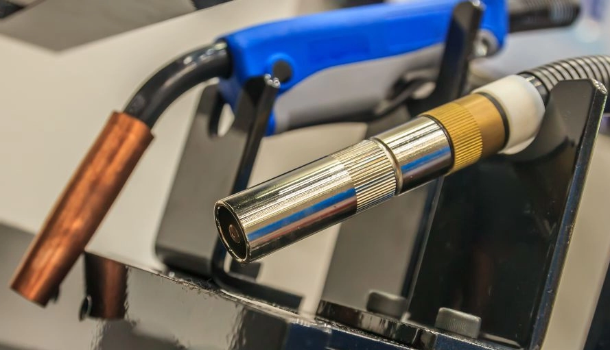
You should consider the type of materials to be worked with, the level of precision required, and your budget. For the fast and cost-effective welding of work on thick materials, a MIG welder is sufficient, whereas a TIG welder is the better choice for some intricate jobs that require high-quality finishes. In brief, a welder must be matched with the project’s requirements.
When to Use MIG Welding
Being faster and more effective, MIG welding is ideal for projects that require speed. It comes into play when welding thicker materials, such as steel, aluminum, and stainless steel, where the forces from the welds need to be strong and resilient. Quickly welded MIG welds lend themselves well in a high-productivity environment such as in automotive repairs, construction, or manufacturing, for example. Being simple to operate, another strong candidate for beginners is someone who aims to perform simple tasks with no further need for advanced welding skills. With the ability to weld various metals, the technique is versatile, suitable for both heavy industrial jobs and light repairs, and is used extensively.
When to Use TIG Welding
If a project requires precision, control, and excellent welds, TIG welding is the ideal choice. It works well for thinner materials such as aluminum and stainless steel, as well as for detailed work with complex designs or delicate components. This technique is particularly beneficial in the aerospace and automotive sectors, where weld quality is of utmost importance. TIG welding is considered slow and highly skill-dependent compared to other welding methods, but because the welds produced are clean and aesthetically pleasing, it remains the preferred choice when appearance and accuracy are most important.
Factors Influencing Your Choice
Material Type – The type of material being welded plays a strong role in influencing the welding process to be used. Specific methods are most effective with certain materials, such as TIG welding for aluminum and MIG welding for steel.
Weld Strength Requirements – Based on the required strength and durability of the final product, a specific welding technique would be chosen. Precision- and strength-oriented jobs are likely to require TIG welding.
Budget and Cost Effectiveness – A project determines the welding process by considering the cost of equipment and labor, and some processes may be regarded as cheaper for a given project.
Skill Level of the Welder – From an expert’s point of view, the choice of welding technique impacts the welder’s skill requirement. TIG welding requires a steady hand and extensive training.
Production Speed – Depending on the available welding time, the most suitable welding methods will be selected. For example, MIG welding is fast; TIG welding is slow.
Reference Sources
-
MIG vs TIG Welding (What is the Difference between Them?) – A detailed explanation of the differences between MIG and TIG welding from TWI Global.
-
MIG vs TIG Welding – Main Differences Explained – A comprehensive guide from Fractory that highlights the key differences between the two welding techniques.
-
MIG vs TIG Welding: The Main Differences – WeldGuru provides an in-depth comparison of MIG and TIG welding processes.
- Guide for Types of Welding
Frequently Asked Questions (FAQs)
What is the ultimate difference between a MIG and TIG type of welding?
The difference is weld-process-based. MIG welding is characterized by the creation of a welding arc with a consumable wire electrode provided by a MIG gun. In contrast, TIG welding uses non-consumable tungsten electrodes with a TIG torch. These processes lead to differing product quality, penetration, and applications suited with each method.
What makes the MIG process different from the TIG process?
In the MIG process, the wire electrode is fed continuously through the gun to be melted by the arc and to the weld puddle. Unlike the TIG process, it requires the manual feeding of filler material into the weld puddle, allowing for more control but demanding more skill and practice.
Which welding is easier to learn: MIG or TIG?
Generally, MIG welding has proved easier to learn than TIG welding. Due to its simple operation and faster welding speeds, beginners often find MIG welding more accessible. TIG welding demands finesse and will take some time to develop leveling the arc and weld pouch control.
What are the general welding applications of MIG and TIG?
MIG welding is well-suited for welding thick materials and high-speed production, making it ideal for automotive and manufacturing applications. TIG welding is used on thin materials that require high precision, such as in aerospace and artistic metalwork.
Does TIG welding utilize an electric arc, like MIG welding?
Yes, both utilize an electric arc to make a weld. How the arc is used, however, is what makes the difference, with MIG welding using a consumable electrode, whereas TIG uses a non-consumable tungsten electrode.
What type of equipment is required for each MIG and TIG welding process?
For MIG welding, a MIG welder is used, consisting of a MIG gun and a supply of a consumable wire electrode. For TIG welding, a TIG machine, a TIG torch, and a non-consumable tungsten electrode are required. Both types of welders are equipped with accessories tailored to their specific welding process.