Welding in itself offers anything from construction possibilities to a warranty to an automobile. Joining metals together for durable, working, and often extraordinary types of crafts is both an art and a science. Whether it is processes or equipment in welding, there is a vast list, and surely it is a mind-boggling question: which one to select for welding. To be in the best circumstances, welders should be familiar with the different types of welders and their applications, whether they are professionals who weld for a living or eager beginners who wish to pursue it seriously. This article is going to be your guide through the diversified world of welding, some of the more common processes, and equipment to help you make an informed decision on these essential welding tools, and which ones are suitable for your project. So, prepare yourselves for a spark of knowledge to enrich your welding skills further!
Introduction to Welding
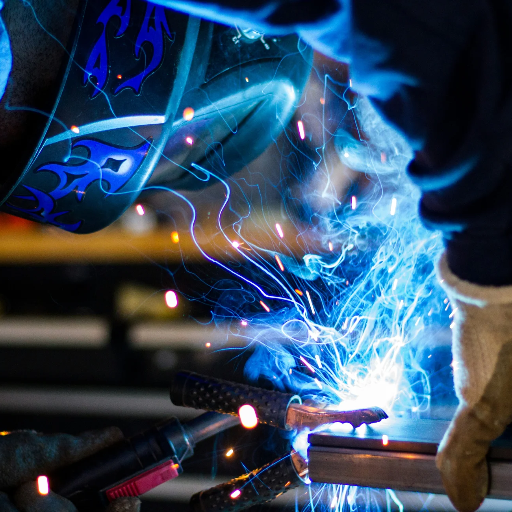
Welding is a method of joining two or more pieces of metal by heat, pressure, or both to form a strong bond. It is widely applicable in industries such as construction, manufacturing, and automobile repair. The main types of welding are MIG (Metal Inert Gas), TIG (Tungsten Inert Gas), and stick welding, each for particular materials and projects. Choosing the correct method and equipment is crucial for welders to achieve durable and precise results that meet their intended purpose.
What is Welding?
Given its complex definitions, welding is a fabrication process that joins two or more materials, primarily metals or thermoplastics, by melting the parts together with high heat, pressure, or both, and allowing them to cool, resulting in a seamless bond. Welding is a vital technique in various industries, including construction, aerospace, automotive, and manufacturing, as it enables the creation of strong, permanent joints. Modern welding systems, such as MIG, TIG, and stick, have been specialized for specific sectors, on which welders can depend for versatility and precision. Due to advanced technologies, such as robotic automation and laser-based systems, welding remains a vital component of contemporary engineering and production, delivering efficiency, safety, and high-quality results.
Importance of Different Types of Welding
Welding is an essential part of modern manufacturing and construction since all welding types serve different purposes in various industries. For example, automotive repairs and fabrication utilize the speed and versatility of MIG welding to join thin or thick metal materials efficiently. TIG welding is precise and clean, therefore highly regarded for aerospace applications and advanced projects with high tolerances. Stick welding is preferred for outdoor and industrial applications, as it performs well in challenging environmental conditions, such as on rusty or dirty surfaces. Hence, each method must suit a particular project to ensure that engineering solutions are both strong and durable, yet versatile. The right welding type, when coupled with specific project requirements, will maximize efficiency, lower production costs, and contribute to building safer and more reliable systems and products.
Overview of Welding Machines
Welding machines are a critical set of tools that weld metals by applying heat and pressure to the metals being joined. They come in various forms tailored to specific uses and materials. Common ones include the MIG (Metal Inert Gas) welder, the TIG (Tungsten Inert Gas) welder, and stick (Shielded Metal Arc) welders.
MIG welders are essentially easy to use and also versatile, requiring faster workflows or simpler applications to thin metals. TIG welders require high control and precision, typical for detailed work on thin materials or exotic materials like stainless steel. Stick welders are rugged and versatile, suitable for outdoor or industrial work, and excel with thick materials and less-clean surfaces. Welding machines nowadays come equipped with some of the latest technological advances, adjustable settings, digital displays, and safety enhancements for enhanced efficacy and convenience.
The 4 Main Types of Welding
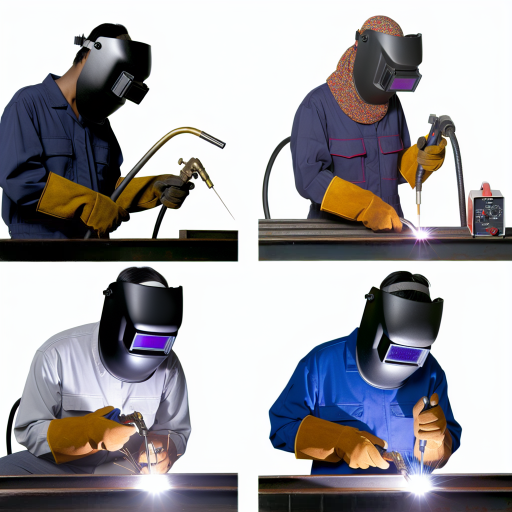
There are 4 common types of welding:
- MIG Welding (Metal Inert Gas) – This method, also known as Gas Metal Arc Welding (GMAW), is a versatile and easy-to-learn technique, making it an excellent choice for beginners in welding and for projects that require speed.
- TIG Welding (Tungsten Inert Gas) – This method offers fine control and precision, making it suitable for thin materials and intricate jobs, and is commonly used in the aerospace and automotive industries.
- Stick Welding (Shielded Metal Arc Welding) – Considered a rugged and portable option, it excels in outdoor and heavy-duty tasks where the materials are thicker and less clean.
- Flux-Cored Arc Welding (FCAW) – It’s similar to MIG welding, but uses a flux-cored wire; it’s more suitable for heavy industrial welding and outdoor work where shielding gas is either unavailable or minimal.
Stick Welding (SMAW)
Welding with a stick electrode or through Shielded Metal Arc Welding (SMAW) is a versatile and dependable welding method. It uses a consumable electrode coated with flux to accomplish welding. The coating liberates a shield gas during welding, which shields the weld area from contamination. This process is suitable for outside use or larger pieces and has a solid impact on materials that are thicker or more contaminated, such as rust or paint. Since it is portable and operates effectively in challenging environments, it is widely used in the construction, repair, and heavy-duty sectors.
Gas Metal Arc Welding (GMAW)
The Gas Metal Arc Welding (GMAW), also commonly known as MIG welding, is a type of welding. This is an arc-welding procedure in which a continuous wire-shaped electrode is fed through the welding gun, generating an intense arc, assisted by a shielding gas to improve weld quality. The chief praises for this method are its volume, ease of use, versatility, and expedited welds; hence, beginners and working welders can really produce high-value weld jobs with this machine. It welds well with many metals, such as steel, aluminum, and stainless steel, and is highly used in automotive, building, and manufacturing processes, as well as fabrication. Weld control is exact with GMAW, making it suitable for small-scale and fast production. However, when welding is held outdoors, significant issues may arise, as wind or drafts can displace the shielding gas.
Gas Tungsten Arc Welding (GTAW)
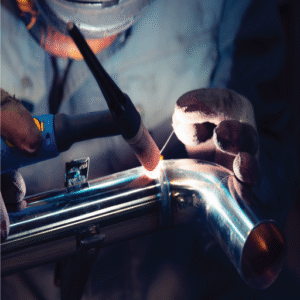
Gas Tungsten Arc Welding (GTAW), also known as TIG welding, is perhaps the most precise and versatile welding technique, necessary for producing high-quality welds free of contaminants. A non-consumable tungsten electrode welds a workpiece; meanwhile, an inert shielding gas, primarily argon, protects the weld from contamination by water vapor, air, or other impurities. The welding process is employed for welding as well as repairing thin plates of stainless steel, aluminum, and magnesium in addition to other non-ferrous metals. This method requires more skill than most other welding processes. Still, extraordinary results can be achieved because it affords significant control over the weld bead, plus, of course, very little spatter. This strong and aesthetically pleasing weld, produced by the GTAW process in contrast to other welding processes, is primarily applied in the aerospace, automotive, and critical piping industries.
Flux-Cored Arc Welding (FCAW)
Flux-Cored Arc Welding (FCAW) is a highly flexible welding method that utilizes a continuously fed wire-type electrode with a flux core. The flux slowly releases a gaseous shield during welding to protect the weld pool from atmospheric contamination. It is the fastest method; hence, it is used with thick materials. Depending on the nature of the work, FCAW can be performed with or without an external source of shielding gas. Widely used in construction, shipbuilding, and heavy equipment manufacturing, it has a high deposition rate and can create robust welds.
Understanding the Different Types of Welders
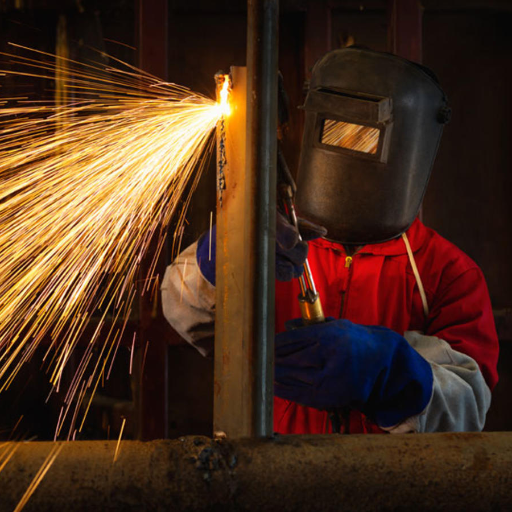
There are several different types of welders for various tasks and materials. Some of the most commonly found types include MIG welders, which are versatile and easy to use; TIG welders, preferred for their precision and high-quality outcomes; Stick welders, suitable for outdoor or dirty environments; and Flux-Cored welders, the heavy-duty options with high deposition rates. The type of welder to select depends on the materials, project requirements, and your intended outcome.
Characteristics of Each Welder Type
MIG Welders
These welders are known for being easy to work with and very versatile. They are considered the welders for beginners since they offer a semi-automatic welding procedure. MIG welders are well-suited for welding materials ranging from thin to medium thickness, such as aluminum, stainless steel, and mild steel. From large projects, they are most efficient in terms of capacity because they are a continuous feed type of wire electrode.
TIG Welders
TIG welders, also known as Tungsten Inert Gas welders, are highly valued for their precision and ability to produce high-quality welds. These are suitable for delicate and intricate tasks in the automotive and aerospace industries. TIG welders generate no spatter, making them ideal for projects that require clean, professional finishing. However, they need more skill to wield and operate, and they work more slowly than MIG welders.
Stick Welders
Stick welders, also known as SMAW welding systems, are most suitable for abrasive outdoor applications and welding dirty or rusty materials. This ability makes them essential in construction and repair. Additionally, stick welders are somewhat less expensive and work well with a wide range of metals; however, such welding procedures generate more spatter and require more thorough cleanup.
Flux-Cored Welders
Flux-cored welders are the welders for massive welders, characterized by their high deposition. Essentially, they are MIG welding without a shielding gas, which serves the same purpose in both outdoor and windy situations. They weld thick compositions with deep penetrations at faster speeds.
By understanding the characteristics of each type of welder, you will be better equipped to determine what is needed for your project. The general choice will vary based on material type, needed precision, and working conditions.
Choosing the Right Welder for Your Project
Answering the age-old question of “Which welder is the best for me?” begins with the critical appraisal of the significant factors of one’s project. Foremost among these considerations is the material on which one is working: welders suit some particular metals better than others. For example, a TIG welder is well-suited for thin, precise work on stainless steel or aluminum, while MIG welders or flux-core welders excel with thicker and more structural materials, such as carbon steel.
Considering the work environment, flux-core welding is suitable for outdoor applications that do not require shielding gas. Therefore, if working in a windy outdoor environment, flux-core welding is likely the best option. Additionally, it is likely best to opt for the clean and efficient results offered by MIG welding in a controlled indoor setup.
Lastly, consider the welder’s proficiency and the project’s requirements. The more straightforward and versatile nature of MIG welding might serve beginners better, while an experienced welder may prefer TIG for the fine detailing of his work. With all these factors, one will be able to make a confident decision on a welder that fits the project requirements and his expertise level.
Common Applications for Each Welding Type
Understanding the typical applications of a welding process is essential for selecting the correct method for a specific project.
- MIG Welding: Known for its simplicity and versatility, MIG welding is widely used in automotive repair, construction, and home DIY projects. It can weld thicker metals like steel, aluminum, and stainless, and is very fast and efficient-widely used in production.
- TIG Welding: The welding process favored for precision is TIG, typically used by those performing detailed work in areas such as aerospace, automotive restoration, and the fabrication of art and sculpture. It is suitable for thin or delicate stainless steels and non-ferrous metals, as this method provides greater control over weld quality.
- Stick Welding: This process is highly versatile and suitable for outdoor environments or when working with materials that may be dirty or rusty. This welding method is applied in construction, repairs, and industrial work, where it demands durability and can be used to treat a wide range of metals and conditions.
If you understand these applications, you can choose the most suitable welding type for your project parameters and working environment.
Benefits of Different Types of Welding
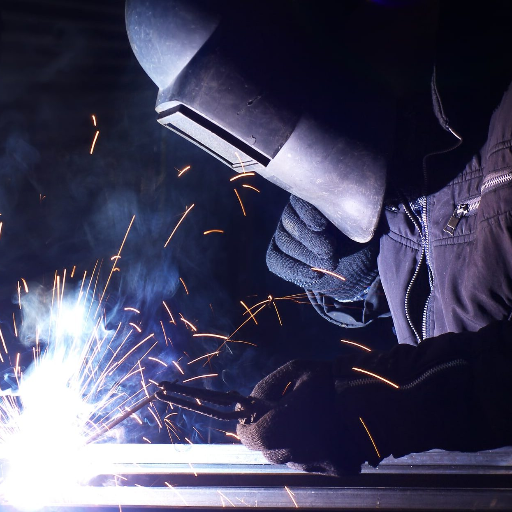
Each welding type offers a set of advantages that cater to specific needs. Because MIG welding is fast and easy to use, it is preferred for projects that are either the initial steps in welding or those with high production volumes. TIG welding is precise and therefore better suited for detailed or high-quality work, especially with thin materials. However, stick welding is the most versatile and can be done under more extreme outdoor conditions or on materials with a rusty surface. By understanding these strengths, you will be able to weigh in and choose the one that best suits your project’s needs.
Efficiency and Speed
Often considered the fastest welding process in terms of efficiency and speed, particularly for large projects, is MIG welding, which utilizes a continuous wire feed and lends itself to ease of automation. The attractiveness of such a system lies in the fact that speed is crucial. TIG welding is slower, but it is more precise and produces better-quality welds. It requires more time and skills to weld thin or delicate materials, but it improves the quality of a weld. Stick welding offers a balanced approach, as it maintains reliable performance principles even in outdoor or less controlled conditions. Hence, it depends on how quickly a project needs to be completed, the quality required, and the need for application versatility.
Cost-Effectiveness
There are cost-effectiveness factors to consider when determining welding methods, including equipment, consumables, and output efficiency. For volumetric productions, MIG welding is a cost-effective option due to its rapid speed and minimal cleanup; however, it can be pretty expensive to purchase. TIG welding would be costlier due to its slower working speed and the need for a skilled workforce, which includes labor costs; however, it does provide better accuracy on large jobs. Stick welding is often considered undesirable because it requires less equipment; in fact, it is the cheapest solution for outdoor work and can also be used for small projects. Choosing the most reasonably priced method is a balancing act between the upfront costs and the long-term benefits that must be returned to meet the requirements of a specific project.
Versatility in Welding Processes
When evaluating the versatility of welding processes, several factors are considered, including material compatibility, environmental conditions, and project scale. When a cleaner weld is required on a variety of metals, including aluminum, stainless steel, or mild steel, MIG welding is the ideal process. It is the preferred method in automotive and industrial applications. In extreme outdoor conditions, where wind disrupts the shielding gases, stick welding is a viable option. TIG welding is simply the most precise in the hands of an experienced man, especially for thinner materials. It can fabricate anything with ease across a wide range of non-ferrous materials. While one process may offer particular advantages over others, the varied strengths allow professionals to choose the best-suited type of welding to accommodate diverse project and environmental demands. This adaptability emphasizes the importance of achieving optimal performance with suitable welding techniques across diverse applications.
Factors to Consider When Selecting a Welding Process
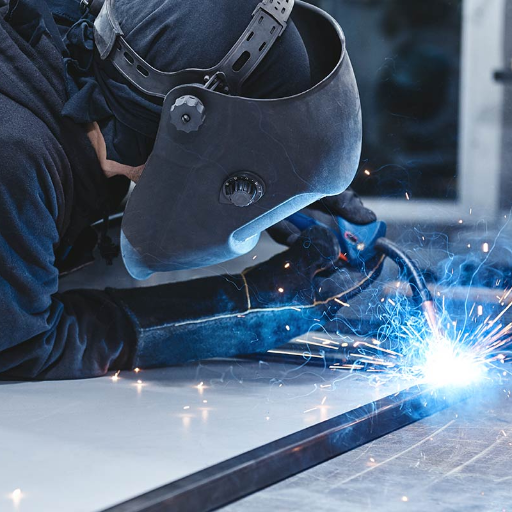
Target Audiences: Hobbyists vs. Professionals
For Hobbyists
Having an in-depth grasp of the user and their needs will help design the perfect type of welding setup. For casual users and hobbyists, ease of use and practicality should be essential factors to consider. These welders, being generally simple and requiring little technical knowledge, are usually very good. MIG and flux core welders are typically excellent. The work potential that these kinds of welders offer is vast, ranging from minor home repairs to creative metal works—that is, welding for pleasure.
For Professionals
On the other hand, professionals might stand for precision, durability, and performance. TIG welders are often preferred among those who deal with exact work and welds that require precision, such as in the automotive or aerospace industries. Due to the stick-welding processes inherent in outdoor or remote situations, it is often the people involved in industrial repairs or large commercial construction.
Ultimately, the choice depends heavily on usage, frequency, and, of course, the budget. Professionals are willing to acquire advanced equipment with large power capacities, whereas hobbyists typically purchase portable, inexpensive equipment suitable for casual use.
Tailoring Your Welding Method to Your Project Needs
Choosing a welding method is primarily determined by the type of material being welded, the job location, and the desired quality of the weld. TIG is the most accurate and clean method for metals with thin sections, such as stainless steel and aluminum. MIG is suitable for fast feed and welding of thicker metals or large-scale projects. Outdoor projects with little or no control of the conditions require stick welding for its dependable qualities. Assess your specific expediting needs, and consider factors such as portability, level of skill, or budget to determine which method is best suited for you.
Frequently Asked Questions (FAQs)
Reference Sources
- Different types of welding and what they are used for – A comprehensive overview of various welding types like MIG, TIG, Stick, and more.
- The Different Types of Welding: MIG vs TIG vs Arc & More – A guide comparing different welding methods, including their ease of use and applications.
- Choosing a Welding Power Source – Insights into selecting the right welding power source for different needs.
- Top Welding Positioner Manufacturers and Supplier in China
- Guide for Types of Welding
Ready to start your welding journey? Choose the right equipment and technique for your specific needs, and remember that practice makes perfect in the art of welding!