Shielded Metal Arc Welding, or SMAW for short, is an age-old welding technique that remains the most popular due to its simplicity, versatility, and reliability. Even if you are not an expert welder, knowing about SMAW is critical for understanding how it has been used in different industries. But first, let’s decipher the term SMAW and discuss why it is the preferred method for metal joining in various cases. In this article, we will thoroughly cover the components, procedure, and advantages of using Shielded Metal Arc Welding, presenting it as an academic discourse. We will be covering the entire history from its genesis to contemporary manufacturing. The technical aspects of SMAW will involve networking with you to explore the world of welding, its power, and its significance.
Understanding SMAW
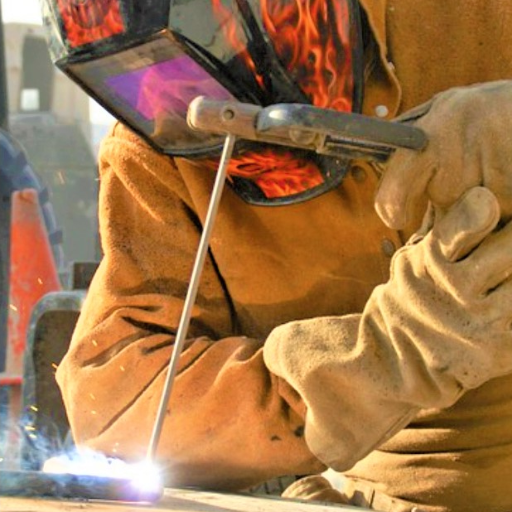
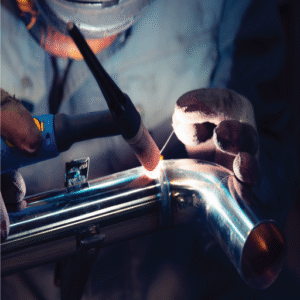
Shielded Metal Arc Welding (SMAW) or stick welding is one of the most common welding techniques used for metal joining. The basic principle of this method involves forming an electric arc between a coated electrode and the workpiece, which melts the exposed areas and the electrode, thus creating a joint that is later cooled. A protective gas and slag are generated by the coating of the electrode and they together protect the weld from any contamination. SMAW is popular for being straightforward, versatile, and practical throughout the industries of construction, manufacturing, and repair work among others.
History of Shielded Metal Arc Welding
Shielded Metal Arc Welding (SMAW) was first developed in the late 19th century and has since come to be recognized as the most widely used welding process. The technique was created through the invention of the coated electrode by Nikolay Slavyanov and later by Charles L. Coffin, who patented methods for improving electrodes in the early 1900s. By the 1920s, the process had won the commercial battle and coatings for electrodes made SMAW a process with good financial returns from the industry for its reliability and efficiency. The mid-20th century saw the consistent power sources and the introduction of standardized electrodes, which further popularized the method. SMAW became a critical tool in specific industries such as shipbuilding and infrastructure during World War II, and it still stands as a trusted welding process for its adaptability and cost-effectiveness.
Basic Principles of the SMAW Process
The process of Shielded Metal Arc Welding (SMAW), commonly known as stick welding, is based on the simple concept of developing an electric arc between a melting electrode and the workpiece. A tremendous amount of heat is produced by the arc, which in turn melts both the electrode and the parent metal, resulting in a strong joint after solidification. The flux material that coats the electrode burns away during the process, producing a gas shield and slag coating that protect the weld from contamination. This gas shield ensures that the weld is clean and strong, with no impurities from the atmosphere. The ease of setup and adaptability of this method make it suitable for a wide range of applications, especially in places where the ability to move and change is essential.
The SMAW Welding Process
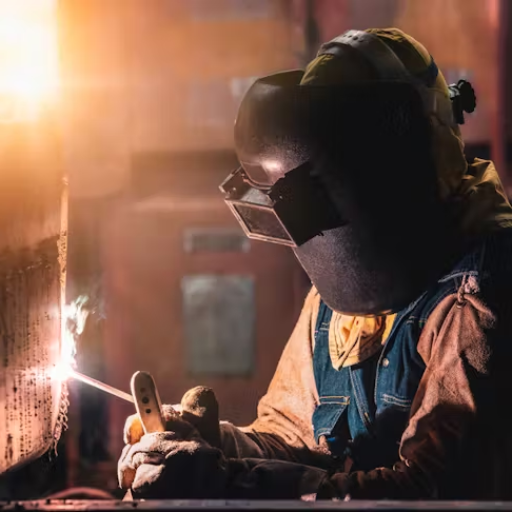
SMAW, or Shielded Metal Arc Welding, is a very popular welding process because of its versatile and straightforward application treatments. Due to its low equipment requirement, it is easy to carry around and thus suitable for on-site applications. The process works well with different types of materials and various thicknesses, such as steel, stainless steel, and cast iron. Furthermore, it can be done in any position — flat, vertical, or overhead —which definitely increases its adaptability. Such features make SMAW a dependable option for both routine and complicated welding tasks.
Overview of the Welding Method
Shielded Metal Arc Welding (SMAW), or stick welding as it is popularly known, is among the most preferred welding methods because of its easy-to-use and adaptable nature. The operation involves creating an electric arc between the consumable electrode coated with flux and the base material, which melts and fuses the metals. It can be used for a wide range of materials, such as steel, cast iron, and stainless steel, and it works well even in outdoor conditions or on uneven or rusty surfaces. SMAW is a process that uses very little equipment and can be applied in many different positions which directly contributes to its being an efficient and non-costly choice for maintenance, repair, and industrial work. Its adaptability and dependability are the factors that still make it a giant in the welding industry.
Components of the SMAW Process
The major constituents of the Shielded Metal Arc Welding (SMAW) method consist of:
Power Source
The system supplies the required welding electric current that can be either alternating current (AC) or direct current (DC), based on the application.
Electrode Holder
The electrode holder securely holds the electrode and allows the welder to position the arc on the workpiece.
Electrode
A metal rod with a coating that liquefies during welding, giving the weld area both filler material and protection from dirt.
Ground Clamp
Links the workpiece to the welding circuit, assuring the electrical circuit is complete.
Workpiece
The metallic parts which undergo fusion and are welded together by the welding method.
The individual functions mentioned above are indispensable for SMAW, the workhorse, to perform efficiently and successfully.
How the Arc Welding Process Works
The arc welding procedure is initiated by the formation of an electric arc between the electrode and the metal piece. This is done by making a connection through the welding circuit, which consists of the power supply, the electrode holder, the ground clamp, and the workpiece. A high-voltage current generates an arc when the tip of the electrode touches the metal surface and is then pulled away a little bit. The arc produces such extreme heat that it causes the metal of the workpiece and the electrode to melt.
The melting of the electrode takes place and at the same time, it provides filler material which together with the molten metal from the workpiece forms the weld. At the same time, the electrode coating gets vaporized and this process in turn produces shielding gas that protects the molten weld pool from oxidation and contamination due to the surrounding atmosphere. The fusion of the materials results in a robust connection of the two metal parts. Control of the arc by the operator and accuracy of movements are indispensable for a clean and strong weld. The process is popular because of its effectiveness, flexibility, and capability to apply on a variety of metals and thicknesses.
Essential Equipment for SMAW

For the professional execution of Shielded Metal Arc Welding (SMAW), it is necessary to have equipment such as a welding power supply, electrode holder, welding electrodes, grounding clamp, and safety gear, including a welding helmet, gloves, and fire-retardant clothing. The equipment involved is essential for the safety, accuracy, and quality of the welds produced.
Types of Electrodes Used in SMAW
E6010
This electrode is renowned for its deep penetration and fast-freezing slag properties, making it ideal for welding in all positions and commonly used for pipe welding and repair.
E6011
This electrode has almost the same characteristics as E6010 but can work with both AC and DC power supplies, making it versatile for different applications.
E6013
This electrode is characterized by light to medium penetration and a smooth arc, making it frequently used for thin metals and general-purpose applications.
E7018
A low-hydrogen electrode that provides excellent toughness and resistance to cracking; consequently, it is suitable for structural welding and applications demanding high strength.
E7024
This electrode is meant for flat and horizontal position welding; it gives a high deposition rate and is used for the heavy and thick metal sections.
Power Sources for SMAW Welding
SMAW welding, also known as Shielded Metal Arc Welding, is a welding technique that relies on constant current (CC) power sources to deliver a continuous current, which is necessary for a stable arc. These power sources can be of three types: alternating current (AC), direct current (DC), or a combination of both (AC/DC). AC power sources are usually cost-effective and suitable for applications where controlling arc blow is essential. Meanwhile, DC power sources provide better control over the arc, making them favored for delicate tasks, and offer a broader choice of electrode types. The decision of which power source to use is based on factors such as welding needs, material thickness, and the specific electrode being used.
Protective Gear and Safety Equipment
Without the proper protective gear and safety equipment, welding can be a dangerous activity. Welders’ skin can be burned and shocked by molten metal and sparks, so they must wear fire-resistant clothing for protection. A welding helmet with a shade of filter lens that is just right for the user’s eyes is essential for protecting the eyes and face from light, radiation, and heat. Besides, safety gloves made with strong, heat-resistant materials are an absolute necessity for protecting hands against fires and electrical shocks.
Proper ventilation is a key factor in preventing the inhalation of toxic fumes and gases generated during welding operations. Welders may also use respiratory protection equipment such as fume extractors or respirators in areas where the ventilation is poor. Besides PPE, cleanliness in the workspace and following safety standards are essential to reduce risks and create a safe welding environment. By combining these measures with the observance of industry guidelines, welders can easily eliminate potential risks and focus entirely on producing good-quality work.
Welding Parameters in SMAW
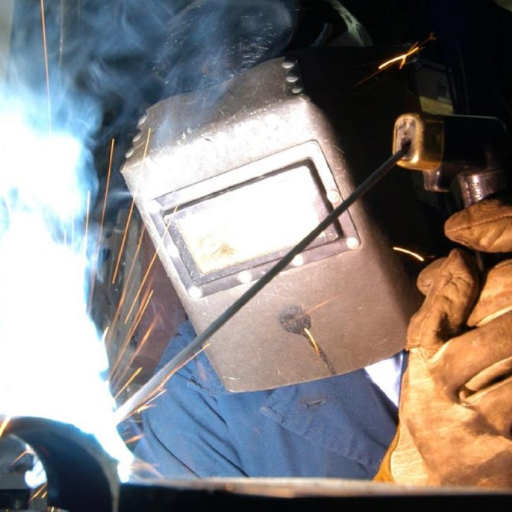
Shielded Metal Arc Welding (SMAW) is influenced by several crucial parameters, which are as follows:
If welders manage these parameters skillfully, they can produce welds of excellent quality that are fit for a wide range of applications.
Understanding Welding Current and Voltage
The welding current and voltage are the main factors that determine the weld quality and strength. Current is the electric charge flow through the welding circuit, which is usually measured in amperes. It also controls heat generation, as higher currents result in more heat, thus enabling the operator to penetrate the material more deeply. Voltage, on the contrary, is the measure of electrical potential or pressure in the circuit, which affects the arc stability and the shape of the weld bead.
Correctly adjusting the current and voltage leads to a high-quality weld every time. A high current can easily overheat the weld area and cause the material to scratch or get burned. A low current, on the other hand, can result in a weak joint due to lack of melting of the base metal. The same applies to voltage; low voltage not only causes an unstable arc but also results in a poor weld, as it requires skill and patience, unlike high voltage. The time taken to learn and master the arc is the most critical part of making strong and reliable welds.
Travel Speed and its Impact on Weld Quality
The speed at which the welder travels is an essential factor that determines the quality of the weld, because it has a direct influence on the penetration, bead shape, and weld strength. If the welder moves too fast, the weld will not melt through properly, and consequently, the joint will be weak, with undercuts or poor fusion at the joint. On the other hand, if the welder moves too slowly, there will be too much heat input to the weld area, and this may result in burn-through, distortion, or a huge weld bead. Finding the correct welding speed is vital to achieving the best possible joint integrity and even, uniform welds. By closely monitoring and adjusting the travel speed according to the material, thickness, and welding process, operators can guarantee consistent and high-quality results.
Adjusting Heat Input for Different Metals
When considering heat input for various metals, my primary focus is on understanding the specific characteristics of the material I am dealing with. For example, aluminum and similar metals require lower heat input due to their excellent thermal conductivity, while thick carbon steel may need more heat to achieve proper penetration. I constantly coordinate the heat input with the metal’s thickness and kind, thus preventing defects such as warping or lack of fusion from occurring. Plus, by meticulously calibrating my welding equipment and making minor adjustments when necessary, I ensure that the results are accurate and consistent for different metals.
Applications of SMAW
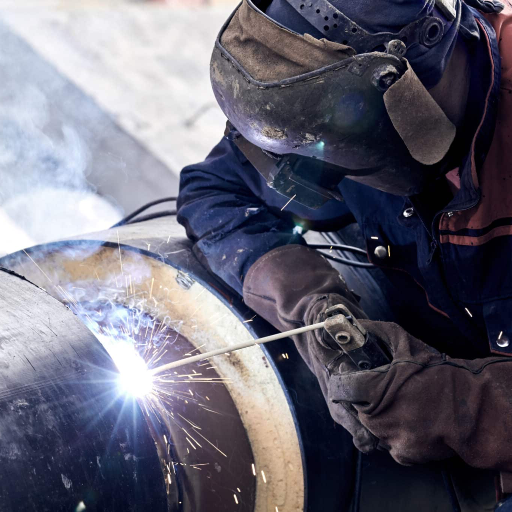
The use of Shielded Metal Arc Welding (SMAW) is wide ranging in different industries owing to its flexibility and ease of use. In the building sector, this process is often applied to facilitate the welding of a structure, in shipbuilding, and repair of machinery and equipment. Additionally, it is the method of choice for pipeline welding, manufacturing and metal fabrication projects as it is effective on different metals and in various environmental conditions including outdoors and remote locations.
Industries Utilizing SMAW
🏗️ Construction Industry
The welding of structural components and reinforcing steel in buildings and infrastructure is the application of this Industry.
🚢 Shipbuilding
The welding process is essential for building and repairing ships that need strong and durable joints in various marine conditions.
🛢️ Oil and Gas Industry
The use of this process is extensive in welding and maintaining pipelines, especially in outdoor and isolated areas.
🏭 Manufacturing
The production and assemblage of machinery, tools, and industrial equipment is where this process is used.
🚗 Automotive Industry
The process is used for performing repairs, assembly, and metal fabrication in vehicle manufacturing and maintenance.
Common Uses of Shielded Metal Arc Welding
- Construction – Essential for the structural welding of buildings, bridges, and infrastructure projects.
- Agriculture Equipment – Employed in the repair and fabrication of tools, machines, and storage facilities related to farming.
- Railway Industry – Widespread in the maintenance of rail tracks and the manufacturing of railway elements.
- Mining Operations – The preferred choice for carrying out welding in the maintenance and repair of mining equipment.
- Art and Sculpture – A must-have for metal artists when creating and mending sculptors or decorative metalwork.
Advantages of SMAW in Various Applications
✓ Versatility
SMAW is capable of being applied to different metals such as steel, cast iron, and stainless steel so it can be used in various industries.
✓ Portability
The tools needed for SMAW are not very heavy and can easily be transported, hence making it possible to do repairs and fabrications on-site.
✓ Cost-Effective
The cost of welding equipment and consumables for SMAW is low, thus making the overall project costs lower, compared to other welding methods.
✓ Simplicity
The whole process is easy and quick, requiring very little setup time and being suitable for welders with different skill levels.
✓ Efficiency
SMAW enables the creation of strong and durable welds, often done without external shielding gas, thus facilitating operation in varying working conditions.
Reference Sources
-
The development of a curriculum for a course in manipulative skills for shielded metal arc welding – This academic project outlines a curriculum for training students in SMAW, providing a structured approach to the topic.
-
A review paper on optimization of shielded metal arc welding parameters for welding of (Ms) Sa-516 Gr. 70 plate by using Taguchi approach – This paper discusses the optimization of SMAW parameters, offering insights into its practical applications and technical details.
-
Investigation of the effect of pulsing shielding gas in arc welding – While focused on gas metal arc welding (GMAW), this study provides comparative insights that may be relevant to SMAW.
- Top Welding Positioner Manufacturers and Supplier in China
- Guide for Types of Welding
Frequently Asked Questions (FAQs)
❓ What does the term SMAW mean in welding?
The term SMAW represents Shielded Metal Arc Welding, a process that is in high demand. It is an electric arc welding method in which a consumable metal electrode coated with flux serves as the connecting link between the base metal and the electrode. Due to this method, SMAW is also known as manual metal arc welding.
❓ What is the operation of the SMAW welding procedure?
The process of SMAW involves generating an electric arc between a metallic stick electrode and the workpiece. The melting of the electrode and base material due to the generated heat results in the formation of a weld pool. The arc continues, the flux coating disintegrates, and the resulting upward dissipating gas serves as the protective shielding of the weld.
❓ What sectors or industries commonly use the SMAW technique?
SMAW is one of the most widely employed methods in different industries for applications including, but not limited to, construction, shipbuilding, and among others, repair work. Its versatility allows it to be used even in less-than-ideal conditions such as over-the-head or positional welding, thus making it possible to work on a wide variety of jobs.
❓ What are the SMAW electrodes made of and why are they important?
The SMAW electrodes are made of metals that are meant to be fused with the tree metals, coated with flux. They play a vital role in the SMAW process by supplying the necessary filler metal for joining two parts and creating a protective gas atmosphere around the weld, free of atmospheric contaminants during welding.
❓ What is the comparison of SMAW among the different welding techniques?
In comparison to other welding techniques like TIG and MIG, SMAW has been done since the earliest times. However, it is still often selected because of its simplicity and ease of carrying, requiring only a small amount of equipment. Besides this, it has been known to have slower welding speed and more spatter generation as compared with other methods.
❓ What is the complete list of the SMAW equipment?
Get yourself a welding machine, welding cables, and SMAW electrodes to set up an SMAW process. The power source for the operation is a stick welder which supplies current in the right amount needed to keep an arc stable throughout the welding process.
❓ Is it possible to do SMAW on different metals?
Absolutely! SMAW is a process that can join metals of different types, such as carbon steel, stainless steel, and even cast iron. The selection of the electrode and the welding technique might differ according to the kind of base metal to ensure strong and lasting welds.