Welding is pivotal in construction, manufacturing, and numerous other fields; however, creating effective, durable, and perfect joints in welding requires one thing—flux. If you are asking the question, What does flux do in welding, or why you hear many mentioning it, then you are in the same boat with many others. This paper examines the application of flux in welding, breaking down its meaning, process, and purpose, as well as the various types of fluxes available. As a novice or an expert in welding, factor in the use of flux in welding, so that you can perfect your skills and build durable structures. Brace for an anatomical take on the uses and reasoning of this crucial component of any welding process.
The Role of Flux in Welding

Welding involves fumes, gases, slags, and the application of flux. The latter is critical to the process, as it protects the molten weld puddle from the negative influx of air. Heated flux releases a shielding gas and a protective coating, known as slag, to prevent oxygen, nitrogen, and other gases from contaminating the weld. Without contamination, it significantly reduces the likelihood of the two pieces deteriorating as they are exposed to the elements. However, the flux can have certain other practical advantages: stabilizing the arc and improving the weld. Consequently, welders need to understand the role of flux in welding, enabling them to perform their work effectively.
What is Flux?
The use of flux in welding is essential for various types of welding operations, as its primary task is to protect the molten weld pool and ensure high-quality bonding. To answer the question ‘what does flux do in welding’, in layman’s terms, it can be stated that flux is a so-called ‘sandwich’ covering the weld area. The covering mentioned includes a gas shield that expels oxygen and nitrogen, as well as a slag layer that covers the pool during the solidification stage, preventing it from being exposed to the atmosphere. Additionally, flux also helps in transmitting the arc, making it easier for welders to control and resulting in fewer rectification costs. Apart from the changes in metallurgy, it was also found that specially designed fluxes, working with particular materials and processes, have been developed to improve the performance and applications of such processes in the construction, automotive, and even aerospace industries.
Purpose of Flux in Welding
- Contaminating the molten metal by atmospheric gases is avoided.
- This helps stabilize the arc and provides much control over the welding process.
- The impurities, such as oxides and dirt, present on the metal surface are cleaned.
- This property enhances the strength and durability of welded joints.
- This allows for easier slag removal after welding is complete, resulting in a smooth finish.
How Flux Works During the Welding Process
When welding, flux is a vital consumable that promotes adequate weld penetration and limits the formation of defects. At the moment of striking the arc, the energy output from the welding arc makes the flux melt and break down. It is due to the gases liberated during this breakdown that effectively protect the weld metal from the nasty effects of the atmosphere, such as oxygen and nitrogen. Additionally, it helps clean metal surfaces of unwanted substances, resulting in a slag that flows on the surface of the weld. The slag serves in the same capacity, insulating it during the cooling and solidification of the weld. This solidified slag is then chipped, easily scraped, or wire-brushed to remove it readily. It enhances arc control, thereby improving the accuracy and precision of the welds made, due to the fluid nature of the molten metal. All these features complement why the usage of flux cannot be overlooked when high-quality and sound welds are desired in any area of application.
Types of Flux Used in Welding
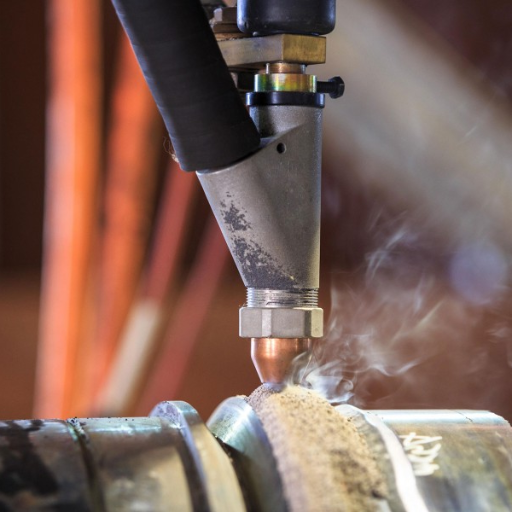
There exist various types of flux utilized in welding, suitable for different kinds of applications and techniques, as follows.
SMAW Flux
Incorporated in an electrode coating, forms a slag that is protective and maintains the stability of the arc.
SAW Flux
It is a granular material spread over a weld to protect the welding area from contamination.
FCAW Flux
It involves a tubular slag filled with shield and weld pool stabilizing material.
Brazing and Soldering Flux
These help facilitate the oxidation of the base metal and, consequently, the feeding of the filler material.
Every member of a flux family is specifically designed to take into account the necessary regard for various welding methods, ensuring the joints are very durable and tight.
Different Types of Flux
The main types of flux include solid, liquid, paste, rosin, water-soluble, no-clean, SMAW, GMAW, FCAW, and soldering.
This concise differentiation offers a clear understanding of flux types, applications, and primary characteristics.
Flux for Arc Welding
To protect the weld area from being contaminated by the atmosphere, flux in arc welding serves an essential purpose. It protects the weld by providing a gaseous shield and a layer of slag over the weld, preventing oxidation and thereby enhancing the weld’s quality. Some of the commonly used fluxes in arc welding include SMAW flux (used in stick welding) and FCAW flux (used in flux-cored arc welding), which vary according to each welding program. Using any type of filler is done given different circumstances, taking into account the aspects of welded structures or specific projects. A well-selected kind of flux, on the other hand, while decreasing the likelihood of defects, enhances the quality of the weld joints.
Flux-Cored Welding: Advantages and Applications
Flux-cored arc welding is a beneficial and efficient welding process used in both industrial and construction applications. One is the speed of deposition, making it suitable for a wide range of materials and heavy-duty jobs. Another advantage is offered only by some self-shielding types of flux-cored wires: no shielding gas is required so that welds may be laid down successfully even outdoors or when there is too much wind for a gas shielding. Otherwise, in every case, FCAW welds near or through materials with weld quality and penetration, which is quite apt for structural and other critical applications.
The application of this welding method is due to its high reliability under any given condition and its rapid execution, even in shipbuilding, bridge construction, and pipeline installations. It has a well-deserved reputation in repair and maintenance contexts because it performs well on even the most challenging surfaces, including those that are dirty, rusty, or painted. With the emergence of new technology and several flux-cored wire types available on the market, the welding process continues to gain popularity as the preferred choice among more experienced individuals and welding enthusiasts faced with demanding projects.
Chemical Composition of Welding Flux
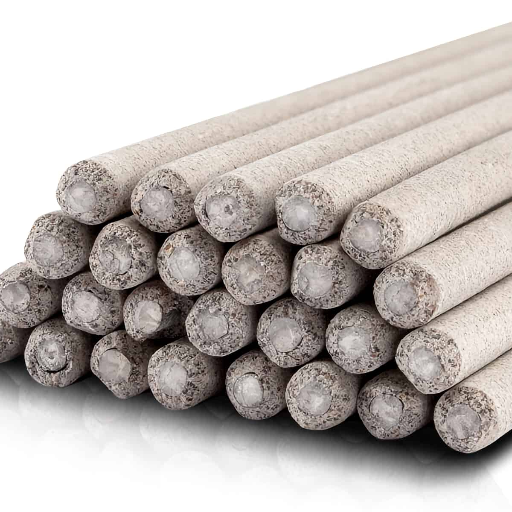
The combination of different materials in the flux for welding may include minerals, metals, and other chemicals that play a significant role in protecting the weld pool and improving the welding process. They may also comprise silicon dioxide, manganese oxide, calcium fluoride, and aluminium silicates. The elements, on the other hand, secure the arc and additionally protect the molten pool from the contamination that may occur from the air. As a result, the weld can exhibit unique mechanical or chemical characteristics. However, the claim about this composition is valid, as the composition varies depending on the type and target of the flux.
Key Components of Welding Flux
Silicon Dioxide (SiO₂)
Helps maintain the arc and create a slag that flows over the weld.
Manganese Oxide (MnO)
Improves the weld by removing oxygen from the melted metal as well as increasing its strength.
Calcium Fluoride (CaF₂)
Used in shielding, as it prevents damage to the molten pool from external impurities.
Aluminum Silicates
Favours the formation of slag and covering layers of liquid melt, among other functions.
The appropriate addition of such materials ensures the easy application of the weld without any impurities entering it, resulting in a positive impact on the desired outcome.
How Composition Affects Welding Quality
The material’s varying composition is vital because it affects the final weld of any given fabrication. The temperature, penetration, and strength are all necessary components that are affected by the proportions of the filler metals and the base metal. For example, these oxides help achieve uniform weld beads by stabilizing the arc weld. In contrast, elements such as silicon and manganese reduce the concentration of contaminants, thereby lessening the chances of porosities or cracks in the weld. Inappropriate or unbalanced compositions result in flaws such as undercut, the presence of slag, or a lack of fusion, which reduce the mechanical performance of the weldments. Since the final application and material properties are known, manufacturers can leverage the composition to minimize variations in output and achieve the required quality within the set standards.
Safety Considerations with Flux Chemicals
⚠️
Important Safety Guidelines
- Appropriate Airflow – Ensure there is sufficient air in the room while working to minimize the release of hazardous gases that may occur during welding or brazing procedures.
- Put on Safety Gear – Always wear the necessary PPE (personal protective equipment) for the specific task at hand, including masks, goggles, and gloves, to protect against burns and chemicals.
- Effectively Secure and Store – It is recommended that flux chemicals be confined in airtight, labeled containers placed in a temperature-controlled, dry area, away from any type of heat, sparking, or moisture.
- Refrain from Skin Contact – Avoid allowing flux substances to come into contact with the skin whenever possible, as they may have irritant properties or cause the skin to become sensitized. When done, be sure to wash your hands.
- Use Manufacturer Recommendations – Never engage in any exercises, procedures, or practices without first consulting the safety data sheets (SDS) provided by the manufacturers, which contain all necessary precautions, usage instructions, and disposal information.
Impact of Flux on Welding Quality
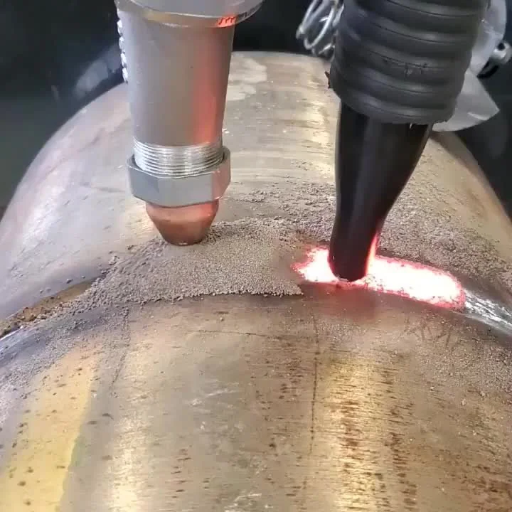
Welding is not complete without the use of flux, which is one of the most popular welding techniques. But what does flux do in welding? To answer that, it prevents the weld pool from being contaminated by air and inhibits the formation of oxides and other elements that can weaken the weld structure. With the help of flux, the process of combining the two base materials is improved to ensure strong, durable bonds. The components are formulated to ensure even heat distribution, which facilitates the formation of slag and rapid cooling of the weld. This is achieved by adding a protective coating layer, resulting in a better-polished weld. In conclusion, the flux chosen plays a crucial role in determining the quality and beauty of the weld.
How Flux Influences Weld Strength and Durability
In welding, flux helps with maintaining the arc, strengthening, and long-lasting, flawless welded seams, that’s what does flux do in welding. Studies have shown that well-selected welding flux can increase welding efficiency by up to 30% by reducing weaknesses such as porosity or the inclusion of solids that weaken the structural integrity of a joint. Accordingly, flux rich in fluorides or calcium has a good undercut tendency, which ultimately facilitates better cleaning and, hence, more effective welding.
Besides, the function and purpose of flux also include thermal stability, which ensures that heat is well distributed during welding. So, when the heat is evenly distributed, the possibility of experiencing thermal stress cracking is minimized, allowing for deeper penetration required to achieve firm connections. The International Welding Institute outlined in its 2023 report that incorporating modern flux varieties, such as flux-cored wires, may increase the toughness of the weld by up to 25% in areas subject to substantial stress, compared to conventional approaches.
Let’s get to the point by stating what flux does in welding, and examining the advantages of corrosion resistance. Components such as structural members fabricated by welding often require a longer service life, given modern advancements. One of these includes present-day fluxes that contain, for example, titanium oxide, which prevents the weld from being affected by adverse effects in heated regions. However, there is a benefit that makes flux positive for heavy apparatus production, structural frameworks, and many more. Leading reputable sources in the industry explain the reason behind most welds protecting breaches of strength and integrating certain types of flux with the base metals, thereby raising optimal beneficial levels.
Common Challenges with Flux Usage
Porosity Issues
Porosity can reduce the strength of the welded joint when there is an improper amount of flux or when inappropriate impurities are included.
Slag Inclusion
This is a defect that can occur when the slag is supposed to be cleaned between each weld pass, but is not.
Moisture Absorption
This occurs when some fluxes can absorb atmospheric moisture, resulting in a high hydrogen content as well as possible weld cracks.
Splatters of Flux
When too much or the wrong kind of Flux is used, splatters can occur, making the surface irregular and requiring more cleaning.
Compatibility Issues
Additional problems arise when the wrong weld process is employed for a given base metal. The wrong weld process means the flux selected is not appropriate and hence the weld processes do not form bonds.
Solutions to Flux-Related Welding Issues
✅
Proven Solutions
- Proper Storage Conditions – To minimize moisture absorption, flux should be stored in a dry environment and at a controlled temperature. Airtight containers and moisture-resistant packaging can help maintain the quality of the flux.
- Appropriate Application – The application of the correct quantity of flux, as specified by the welding process or material specifications, should be met. Flux overuse must be avoided to diminish spattering by following the manufacturer’s instructions.
- Match Flux and Base Metal – Choose flux specifically suitable for the base metal and welding type in use. Conducting compatibility tests will lead to improved bonding and weld performance.
- General Maintenance and Cleaning – After welding, flux residues must be removed immediately to avert surface contamination and defects. Utilize the correct tools and methods to clean and smooth weld surfaces effectively.
- Utilize Advanced Fluxes – Modern fluxes have been engineered to minimize unwanted effects, including spattering or low hydrogen absorption. Having a good upgrade in welding technology really pays to enhance efficiency and quality in welding.
These practices will address issues common to flux-involved welding and also enhance the overall welding outcome.
Choosing the Right Flux for Your Welding Needs
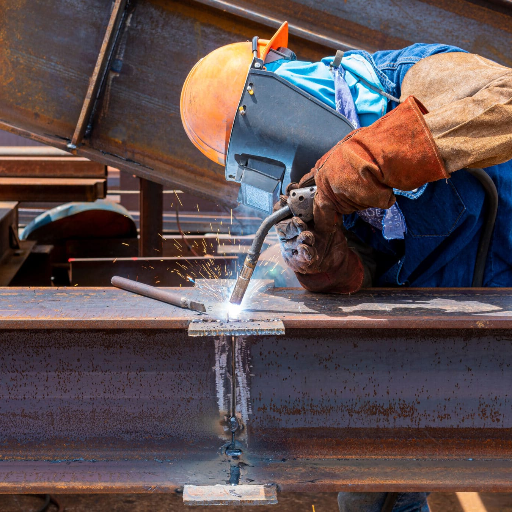
Choosing the correct type of flux for your welding process depends on the specific requirements of your project. You must consider the type of material, welding method, and the properties you aim to achieve with the weld. Acidic fluxes guarantee good penetration, whereas alkaline ones are preferred where high toughness and resistance to cracking are required. Be sure to assess the compatibility of flux with your base metal and its resistance to certain impurities, such as hydrogen. Also, consider the manufacturer’s recommendations and test on a small scale to ensure the flux yields the best results for your application.
Factors to Consider When Selecting Flux
Type of Welding Process
Ensure that the fluxes used are compatible with the welding process employed, e.g., SMAW, FCAW, or submerged arc welding.
Base Metal Type
The chemical composition and properties of the base metal must be considered to ensure that the flux promotes good bonding and prevents defects.
Depth of Penetration and Weld Profile
One should select the flux that provides the correct penetration depth and produces the weld profile suitable for the application.
Resistance to Impurities
Test the flux’s ability to reduce the impurities, such as hydrogen, sulfur, or phosphorus, present in the weld.
Operating Conditions
The environmental and operating factors, including temperature, humidity, and welding position, must be considered when selecting a flux that performs well under those conditions.
Best Practices for Using Flux in Welding
Flux welding requires that the pieces be thoroughly cleaned to prevent dirt, grease, or rust from interfering with the welding process. Flux materials are stored in a controlled environment to avoid contamination by moisture, which can significantly hinder their effectiveness. Following the manufacturer’s instructions for handling and application is essential to maintain consistently high weld quality. Regular maintenance of equipment and monitoring of weld parameters are also my practices to ensure top performance.
Recommendations for Specific Welding Applications
🏗️
Structural Welding
When performing structural welding, it is advisable to use electrodes with low hydrogen content to prevent cracking and ensure weld strength. The preheating and post-weld heat treatments must be carefully observed, particularly with thicker materials and with alloys.
🔧
Pipe Welding
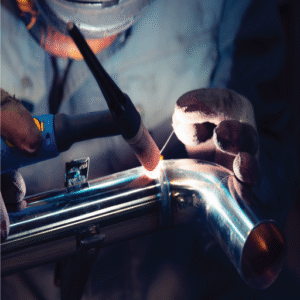
Consider joint preparation and alignment to ensure complete penetration, allowing for successful welds. Use TIG or MIG welding for better control, especially when dealing with high-pressure or high-temperature applications.
🚗
Automotive Welding
Use materials such as mild steel or aluminum compatible with the vehicle body, and employ MIG welding for its speed and efficiency. Ensure that the surfaces to be welded are clean and free from rust or paint.
✈️
Aerospace Welding
TIG welding must be applied for utmost precision on lightweight materials like titanium and aluminum. Maintain stringent quality standards and inspect the welds for integrity.
🌊
Underwater Welding
Use special equipment designed to function underwater. Stick welding with waterproof electrodes is typically the preferred technique for maintaining stability and safety in a submerged environment.
When applied appropriately to the application, both techniques and equipment can deliver reliable, good-quality welds across multiple industries.
Reference Sources
- Erie Institute of Technology – What Is Flux in Welding? Its Purpose & Function
- Xometry – Flux Welding: Definition, How It Works, Types, and How To
- Arc Captain – What is Flux in Welding & What Does It Do?
- Top Welding Positioner Manufacturers and Supplier in China
- Guide for Types of Welding