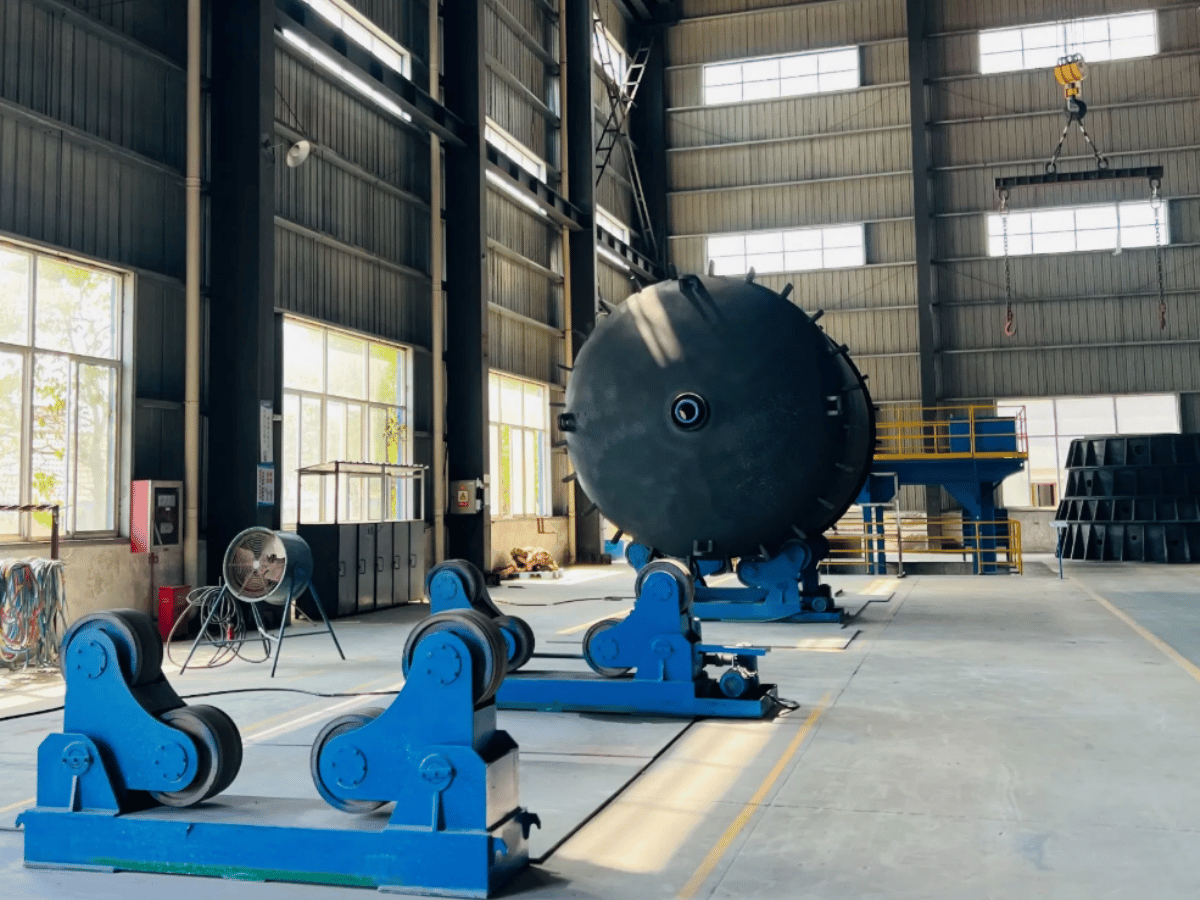
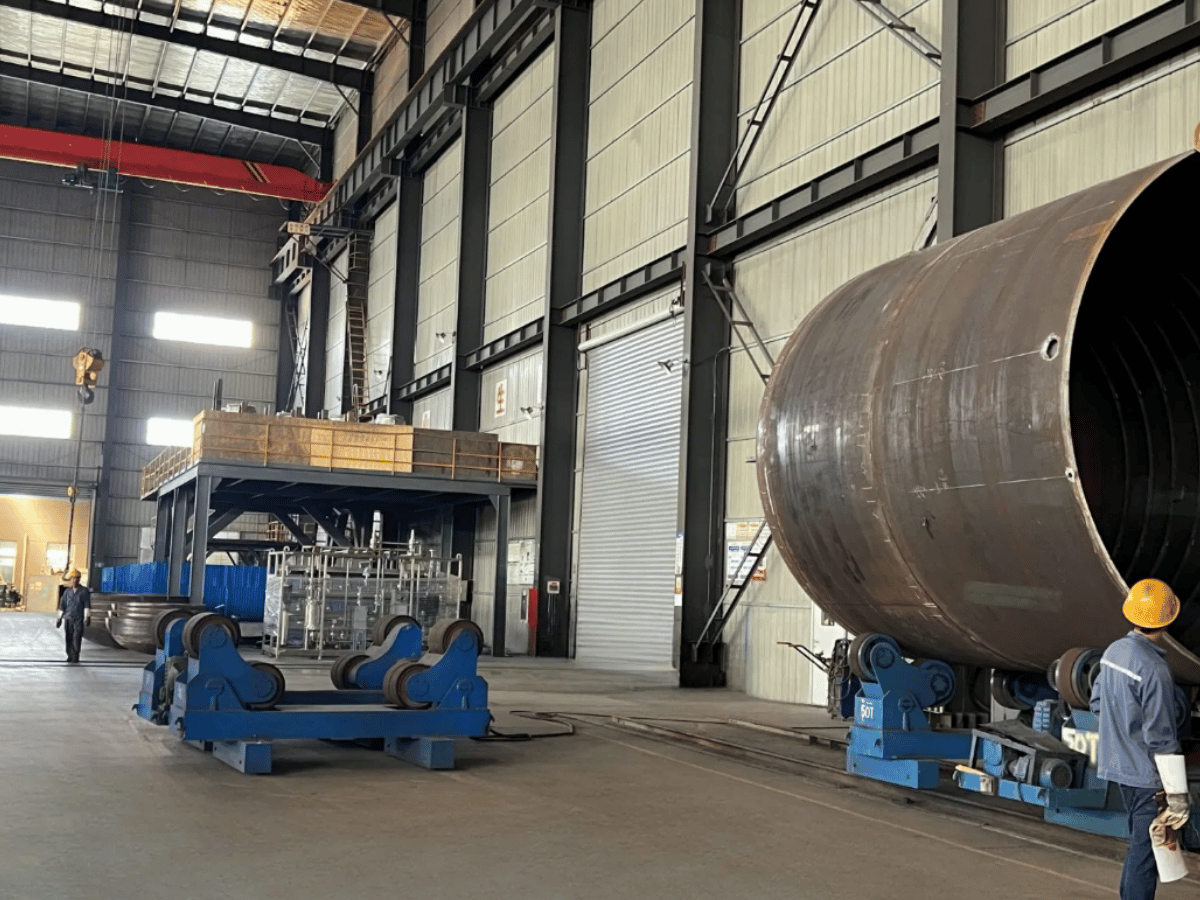
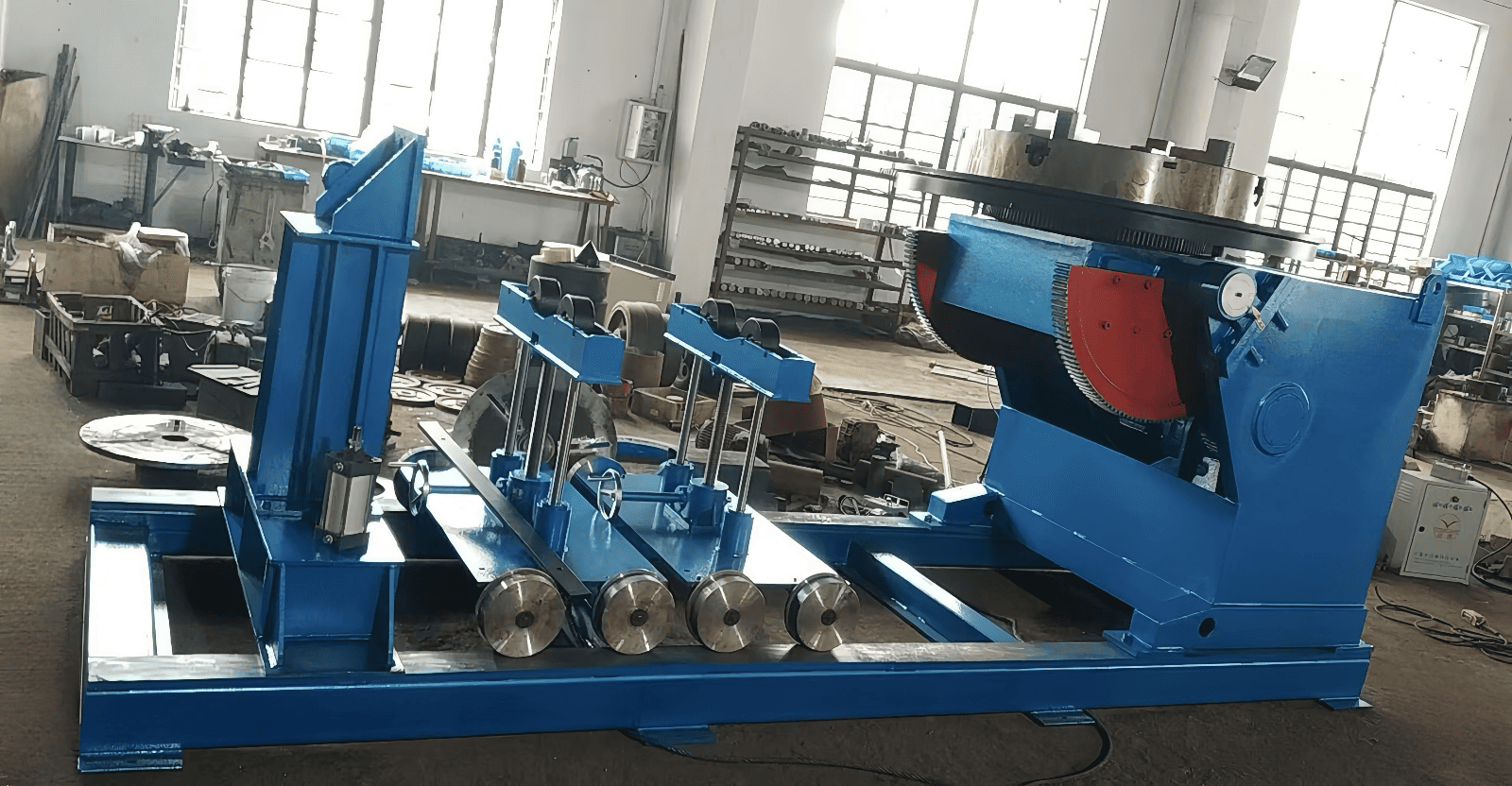
Pipe bevelling finds broader utilization in welding and pipeline construction, yet it demands utmost exactness, safety, and consistency. Essentially, the actual job at stake here is executed through a highly specialized tool called the pipe beveling machine. This machine creates a smooth and consistent flow among all sizes and types of pipe. This article details the various functions, requirements, and applications for the Pipe Beveling Machine, aiming to clarify its operations, manipulation, and relevance in achieving superior joint quality and project reliability.
Whether you are a seasoned trade veteran seeking to optimize your workflow or a decision-maker choosing the right equipment for the job, this comprehensive guide will resolve confusion through practical examples and provide expert insights into the principles on which this essential tool operates.
Key Takeaway
A pipe beveling machine is critical for precision welding preparation, ensuring structural integrity and safety across high-stakes industries like oil, gas, and aerospace.
Introduction to Beveling Machines
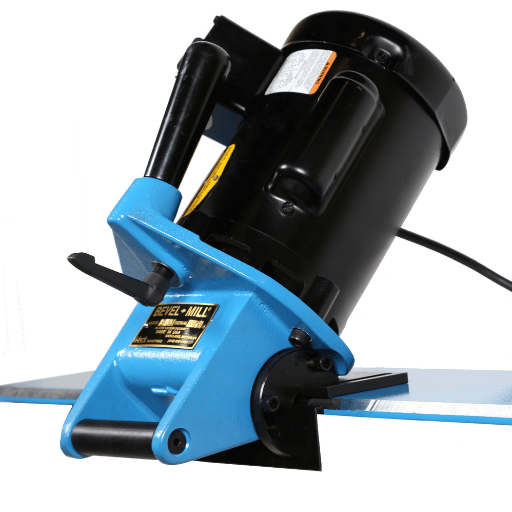
A beveling machine is a special tool designed to apply an inclined edge—the bevel—on the ends of pipes or other workpieces. This edge is more than just a border separating one item from another; it facilitates attachment, often by welding, by promoting an exact alignment of the two workpieces on either side of the bevel.
The machines operate with precision to ensure a constant bevel angle and a smooth finish, avoiding the need for manual corrections. Streamlining the beveling process enhances the overall effectiveness of welding compared to traditional manual operations, resulting in improved efficiency, weld quality, and product reliability.
What is a Beveling Machine?
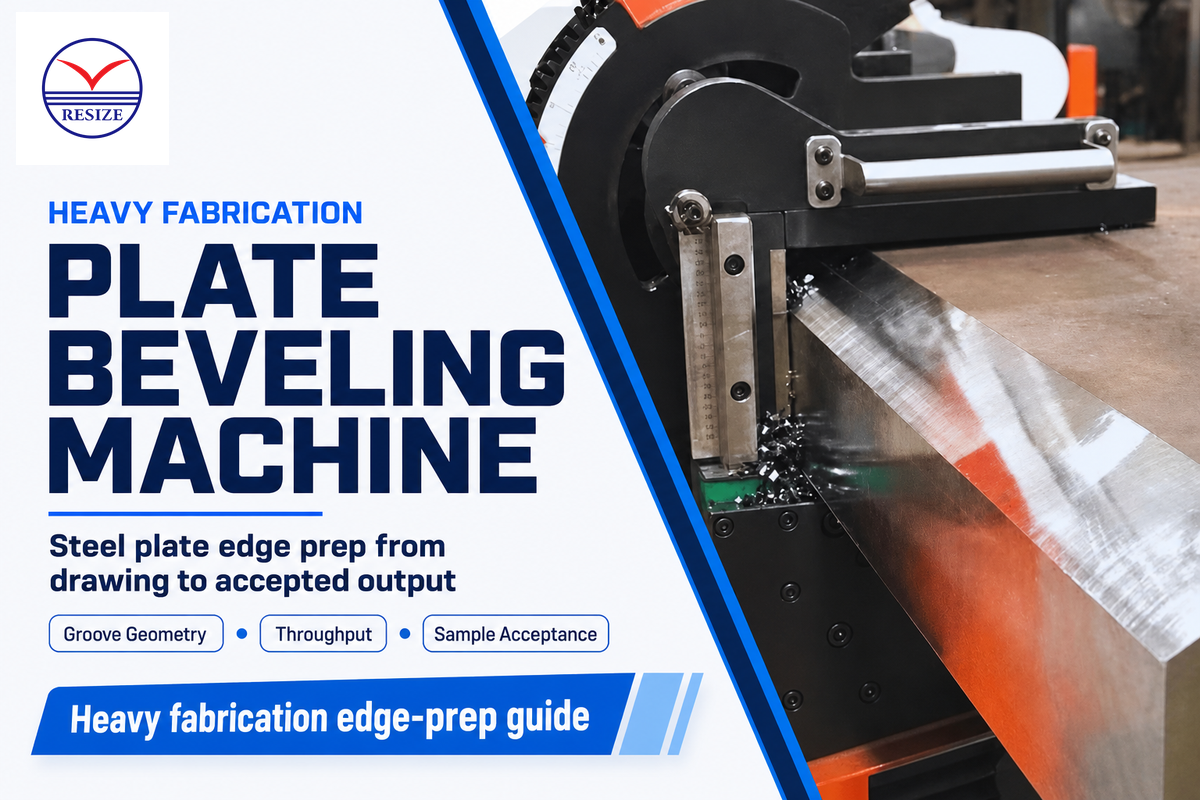
A beveling machine is industrial equipment specifically designed to bevel the edges of materials like pipes, plates, and other workpieces. It is highly specific in its operation, cutting or grinding at an exact predetermined angle. This is crucial to prepare the part for welding, assembling, or aesthetic finishing.
Beveling machines are typically represented by different types, including manual, automated, and portable models. The main objective of this method is to secure dependable and precise bevels, solidifying the integrity and efficacy of the subsequent joining process.
Importance of Beveling in Various Industries
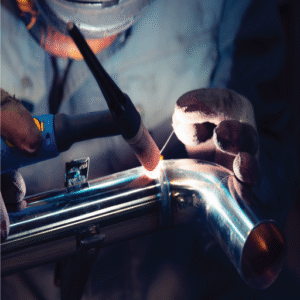
Beveling significantly enhances the quality, safety, and efficiency of production and assembly processes across many industries. In welding, precise beveling results in satisfactory joint preparation, increasing the strength and reliability of the welds while reducing the risk of flaws.
Structure and infrastructure depend heavily on beveling to prepare steel beams and plates for strong connections. In pipe fitting, beveling is required for proper fit-up and sealing, especially in high-pressure piping. Additional benefits extend to the aerospace and automobile industries for aligning the weight and strength of assemblies, which is vital for safety and performance. In any application, beveling aids in increasing working efficiency, conserving materials, and ensuring conformity with industry standards.
Overview of Pipe Beveling Machines
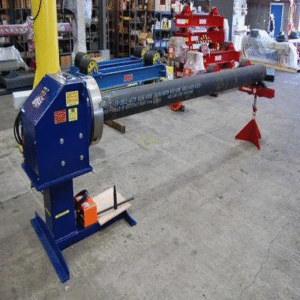
Pipe beveling machines are specialized devices that process pipe ends for welding or joining by providing a beveled edge. There is machinery designed to accommodate a wide range of pipe diameters and materials through various pipe profiling models. They assist in producing the specific right-angle that a particular welding job requires from the pipe surface.
Pipe-cutting machines produce these cuts accurately using cutting tools like carbide or steel blades. Users can choose between different features and settings. The high degree of accuracy achieved by these machines influences the final quality of the welding. In industries such as oil and gas, construction, and advanced manufacturing, the demand for these machines has increased. High-speed, versatile machines save time and provide a safety advantage while meeting quality demands in harsh industrial settings.
Key Components of Pipe Beveling Machines
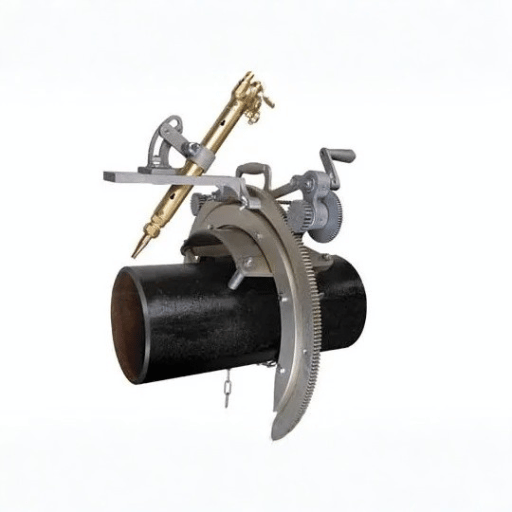
- 1.
Cutting Head: Responsible for creating the edge according to design parameters and bevel angles. - 2.
Blade/Cutting Tool: High-strength tools composed of tungsten carbide or high-speed steel to resist repeated usage. - 3.
Clamping System: Secures the pipe firmly in place to ensure it does not move during operation. - 4.
Motor: Supplies power for both the cutting and turning phases, ensuring consistency. - 5.
Control Panel: Allows operators to set parameters like speed, circumference, and bevel angle. - 6.
Feed Mechanism: Moves the tool along the circumference to ensure a uniform cut.
The latest technological inventions in this industry enhance the reliability, productivity, and efficiency of modern pipe beveling compared to older mechanical methods.
Cutting Head
The cutting head is the fundamental component of any pipe bevel machine, ensuring that material removal is performed accurately and efficiently. Built for durability and versatility, it accepts different tools conducive to various materials and pipe specifications. This design optimizes performance by remaining stable at controllable speeds, even under difficult conditions. Furthermore, the head can adapt to different cutting parameters, making it an important feature for achieving customized bevels.
Motor Functionality
Consistent torque and operational efficiency are vital for achieving exact cutting performance. Operating at variable speeds, the motor provides high reliability and permits adjustment to different materials and thicknesses. This ensures consistent power delivery and reduced mechanical wear, leading to a long lifespan for the equipment and minimizing downtime in demanding industrial environments.
Clamping Mechanism and Adjustment Tools
The clamping mechanism is precision-engineered to allow maximum stability. High-strength, corrosion-resistant metals maintain rigidity under heavy workloads, eliminating vibrations. Allen-wrench-adjustable devices enable fine-tuning of clamping pressure and positioning for specific production runs. This allows operators to carry out swift adjustments during ongoing jobs, enhancing safety, cutting quality, and shop efficiency.
How Pipe Beveling Machines Function
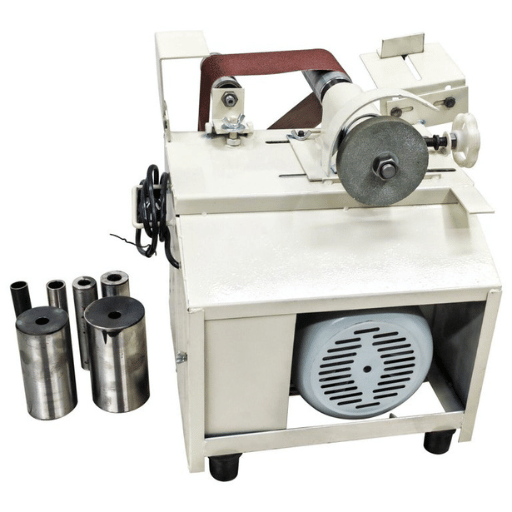
The working principle of beveling machines involves fitting pipes and removing material from around the edge to create bevels. The process starts with the clamping mechanism holding the pipe stable. The drive motor then rotates the cutting head at a determined speed to cut material evenly. The feed mechanism pushes the cutting bed along the conduit’s circumference to maintain a consistent bevel for welding or processing.
Step-by-Step Breakdown of Operation
- 1
Pipe Securing
The pipe is securely clamped in a precision clamp to prevent movement and inaccuracies. - 2
Cutting Head Activation
The motor starts rotating the cutting head at an assigned rate to begin the bevel. - 3
Material Removal
Tough cutting tools remove material evenly up to the desired bevel angle. - 4
Feed Mechanism Movement
The feed mechanism advances to maintain a uniform beveled edge. - 5
Completion and Inspection
The pipe is inspected for adherence to welding or downstream requirements.
Securing the Material
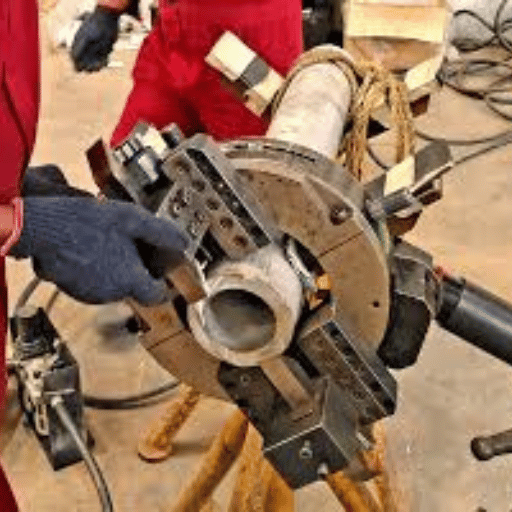
When using a bevel cutting machine, it is vital that the material is stable for precision and safety. Hydraulic clamps or adjustable vices are deployed to grip the pipe tightly, preventing movement or vibration. These clamps are adjustable to fit different pipe sizes while ensuring a tight grip. Proper tool alignment reduces the risk of defects and ensures the bevel conforms to industry standards.
Achieving a Smooth, Angled Edge
The combination of exact clamping and the right tools produces an elegant angled end. One should ensure tools are set for the correct angle and speed, testing alignment before cutting. Constant stability and tool engagement result in meeting industry-relevant specifications.
Applications of Pipe Beveling Machines
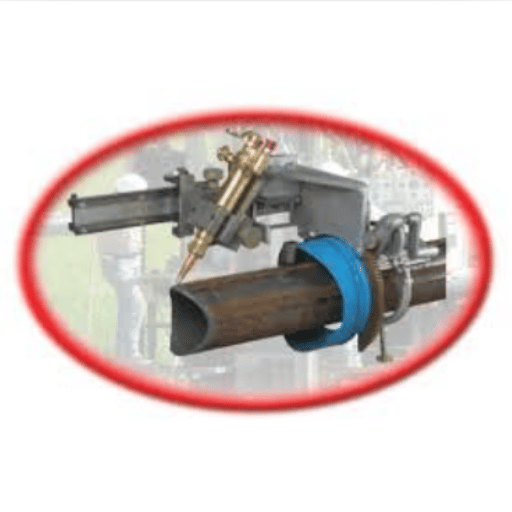
🛠️
Common Applications
- Welding Preparation: Provides clean surfaces for high-quality welds.
- Oil and Gas: Prepares pipes for unyielding joints in high-pressure environments.
- Power Generation: Used in thermal, nuclear, and renewable energy piping.
- Shipbuilding: Facilitates complex piping for fluid transport.
- Water Treatment: Ensures accuracy for water flow and filtration systems.
The versatile use of these machines across industries improves productivity, accuracy, and safety.
Industries Utilizing Beveling Machines
In the Oil and Gas sector, beveling equipment allows for proper cutting and weld preparation, essential for high-pressure pipelines and offshore structures. The Construction industry uses it extensively for creating contours around steel components in complex assemblies like bridges and buildings. In Aerospace, it is essential for building piping systems for fuel distribution and hydraulics. General Manufacturing relies on the precision of beveling machinery for components requiring tight tolerances. These machines increase productivity, ensure compliance with safety standards, and guarantee high performance.
Benefits in Construction and Manufacturing
Beveling machines optimize the preparation of materials for welding and assembly. They improve joint integrity by providing consistent edges, allowing for full weld penetration. This is crucial for projects complying with strict safety criteria. Additionally, the equipment increases speed, saves manual labor, and decreases preparation time, resulting in cost savings and earlier project completion. Their ability to handle various materials makes them indispensable in industrial conditions.
Impact on Safety and Precision
Automation boosts safety and precision in industrial processes. It reduces human exposure to danger, limiting workplace accidents and potential damage. Since highly programmable precision machines work with high accuracy, they guarantee an unequaled level of quality and alignment with specifications. The combination of safety and precision represents a breakthrough in maintaining effective workflow.
Maintenance Tips for Beveling Machines
| Maintenance Task | Benefit |
|---|---|
| Regular Cleaning | Prevents clogging and ensures smooth operation. |
| Lubrication | Mitigates wear and tear; prolongs machine life. |
| Tool Inspection | Maintains precision and efficiency. |
| Alignment Checks | Prevents operational inaccuracies. |
Regular Cleaning and Inspection
Your beveling machine must undergo regular maintenance for best and safe operation. Systematically clean parts to remove accumulated dust, dirt, and metal shavings. Check all major components like blades, driving gears, and the coolant system. Oiling movable components minimizes wear. Following manufacturer instructions helps avoid escalating problems and maintains efficiency in industrial applications.
Proper Lubrication of Moving Parts
Proper lubrication is a critical practice that minimizes friction and reduces wear. Use lubricants recommended by manufacturers that match operating conditions such as temperature and load capacity. Schedule lubrication at prescribed intervals to ensure total coverage and prevent uneven wear. Monitor quality and levels regularly to avoid contamination that could decrease efficiency.
Extending the Lifespan of Your Machine
To achieve an extended equipment lifetime, closely observe the manufacturer’s maintenance schedule. Adopt proactive steps like timely replacement of worn components and using top-quality consumables. Ensure the equipment operates within load and environmental limits. Effective cleaning and early discovery of potential problems greatly improve durability and mitigate the probability of failure.
Reference Sources
- ✓
LinkedIn Article: Market targets for beveling machine suppliers and manufacturers. - ✓
Strategic Market Research: CNC-compatible machines in aerospace and shipbuilding. - ✓
Saar USA: Evolution and improvements in pipe-beveling efficiency and safety.
Frequently Asked Questions (FAQs)
What is a beveling machine?
A tool used to cut or form a beveled edge in materials like metal pipes or plates for welding or assembly.
What types of beveling machines exist?
Common types include manual, automatic, CNC, and portable beveling machines.
What industries usually use beveling machines?
Construction, shipyards, aerospace, oil and gas, and metal fabrication.
What are some materials that can be beveled?
Steel, aluminum, stainless steel, and various other metals.
What are the advantages of using such a machine?
Better welding quality, enhanced safety, and optimized production with reduced material loss.