MIG welding is a distinct method that is often the most preferred in the industry due to its versatility and wide application. Whether you’re a skilled welder or a hobbyist, it is essential to know the pros and cons of MIG welding to achieve the best results in your projects. In this blog post, we will explore the critical points of MIG welding, examine why it is a good choice for many people, and reveal some of the drawbacks of the process. At the end of the post, you will have a clear understanding of the strengths and weaknesses of MIG welding, as well as how to choose the proper method for your specific needs.
Understanding Mig Welding
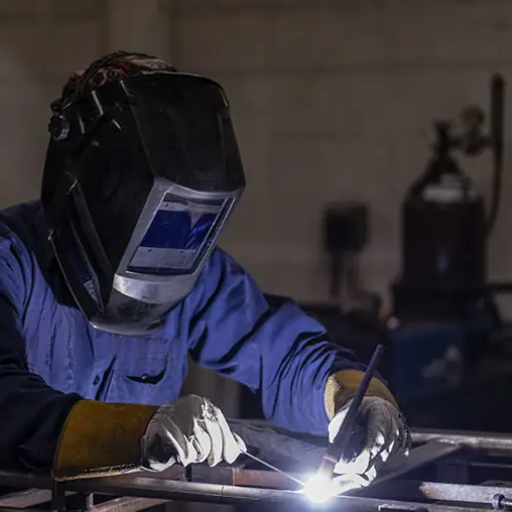
MIG soldering, sometimes referred to as Metal Inert Gas welding, is a procedure that utilizes a constant wire electrode and a protective gas to bind metals together. The electrode melts in the process of welding and thus forms the weld joint, while the gas that shields the weld area from contamination. This technique is extremely popular due to its user-friendliness, speed, and the strong, clean welds it produces. It is most suitable for thin to medium-thickness metals like steel, stainless steel, and aluminum. On the downside, the method is susceptible to environmental conditions. It thus requires a stable indoor fume, as draft or wind may disrupt the gas and therefore compromise the quality of the weld.
What is Mig Welding?
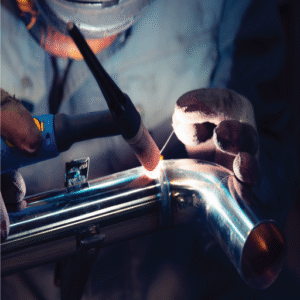
MIG welding, or Metal Inert Gas welding, is a standard process where the wire electrode is continuously fed through a welding gun into the weld pool, fusing the two base metals. A shielding gas is used during the process, usually an inert gas like argon or a blend of argon and carbon dioxide, that keeps the weld from being affected by oxygen and other gases. Among its different names, MIG welding is also referred to as Gas Metal Arc Welding (GMAW) and is famous for its wide application, speed, and strong, clean welds. It has broad applications across various types of metals, including steel, stainless steel, and aluminum, and is considered the best for the automotive industry, construction, and manufacturing sectors. Despite its being a noob-friendly and highly productive method, MIG welding does need certain specific environmental conditions, like lack of wind or drafts, in order to keep the shielding gas intact and obtain high-quality welds.
The Welding Process Explained
Welding is a process in which two materials, most commonly metals or thermoplastics, are joined by a high-heat melting method followed by a cooling process, allowing for the creation of a strong connection. Sometimes, the process involves using a filler material to reinforce the joint. Welding’s varieties are many, but the fundamental steps remain the same, starting with cleaning and arranging the materials correctly. After that, the welding machine is set up with the correct parameters for the material and job type.
The welder produces an electric arc or uses another heat source to liquefy not only the workpieces but also the filler material during welding. The weld area is generally protected from air contaminants, which would typically result in a dirtier finish, by shielding gas or flux. The cooled joint undergoes strength and quality inspection, often using visual inspection or testing methods, such as X-rays or ultrasonic testing. Even though the details may differ based on the type of welding—MIG, TIG, or stick, for example—the main ideas still hold, thus making welding a necessary method in all industries.
Comparison with Other Welding Techniques
MIG welding, TIG welding, stick welding, flux-cored welding, and laser welding are widely compared based on factors such as versatility, ease of use, cost, precision, and material compatibility.
| Parameter | MIG | TIG | Stick | Flux-Cored | Laser |
|---|---|---|---|---|---|
| Ease of Use | Easy | Hard | Moderate | Easy | Hard |
| Cost | Moderate | High | Low | Moderate | Very High |
| Versatility | High | High | Moderate | High | High |
| Precision | Moderate | Very High | Low | Low | Very High |
| Materials | Broad | Broad | Limited | Limited | Broad |
Advantages of Mig Welding
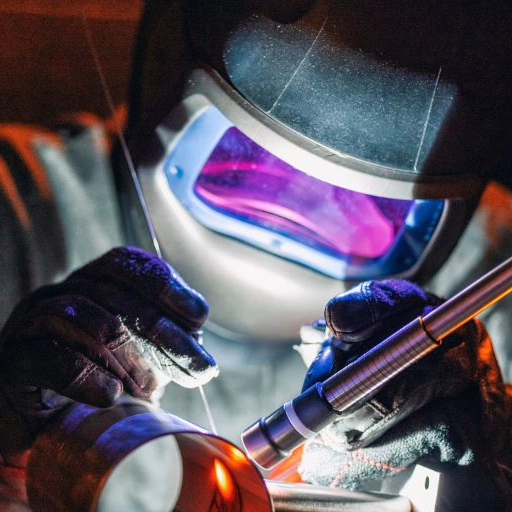
- Ease of Use – Learning MIG welding is not an issue at all, so it is suitable for both beginners and professionals. The straightforward process lessens the learning curve significantly.
- High Welding Speed – The continuous wire feed contributes to quicker welding speeds, thus increasing efficiency and productivity.
- Versatility – The MIG welding process is extensive in terms of the materials it can work with, including aluminum, steel, and even stainless steel, making it very adaptable.
- Cleaner Welds – Very little spatter is produced, and the clean-up is less than with other welding techniques, resulting in cleaner and more aesthetically pleasing welds.
- Wide Application Range – MIG welding can fuse materials from very thin to super thick, making it applicable in almost any area at the overlap of the automotive, construction, and manufacturing industries.
Speed and Efficiency
MIG welding is recognized as one of the fastest welding methods, thus remarkably enhancing productivity in industries and trades. The functioning of its wire feed system ensures continuous welding, reducing downtime and guaranteeing consistent weld quality. In contrast to conventional methods, MIG welding customers and operators require fewer manual adjustments, making their activity quicker. The combination of speed and accuracy is a key factor in selecting projects that require high output and assured results.
Ease of Use for Beginners
MIG welding is considered an easy method for novices because of its simple process and low setup requirements. The method primarily relies on a single trigger for welding control, which poses little challenge to the learning curve of new workers. Moreover, using shielding gas reduces the effort required to remove difficult flux coatings, making it possible to achieve a clean and uniform finish with less skill. With the proper instruction and safety procedures, newcomers can soon learn to make strong welds.
Versatility in Metal Types
A significant benefit of welding techniques like MIG welding is their ability to work with various metals. Regardless of the metal type, whether it be steel, aluminum, or stainless steel, the process’s flexibility allows for joining materials with different thicknesses. The MIG process, which uses precise heat control, is one of the advantages of aluminum welding, while in steel welding, the use of high-strength materials gives easy joining. The versatility of the process is why the automotive, construction, and other industries prefer it, and why hobbyists use it for their varied projects. Performance that is reliable and customized to the properties of each metal can be improved by choosing the right wire electrodes and shield gases.
Disadvantages of Mig Welding
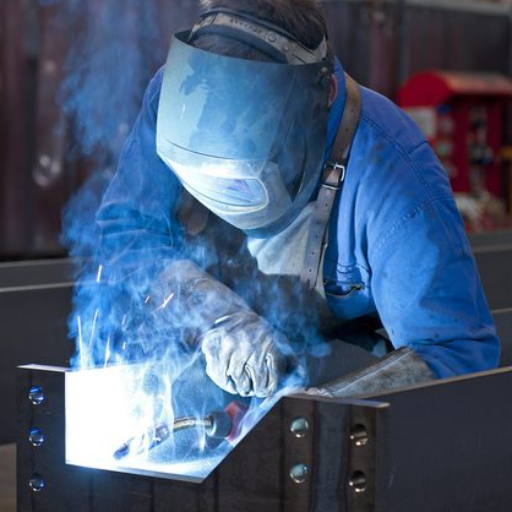
- High Initial Cost: The cost of MIG welding machines and their accessories can be pretty high, especially for beginners or small-scale operations.
- Limited Portability: MIG welding is not as portable as other methods, such as stick welding, due to the size of the equipment and the requirement of a consistent power source.
- Sensitivity to External Conditions: MIG welding is highly dependent on the environment, as wind or drafts can blow away the shielding gas and thus lower the quality of the weld.
- Difficulty with Thick Materials: Using the MIG process for very thick materials can be challenging and often requires several passes, which again leads to inefficiencies.
- Maintenance Requirements: Maintaining MIG welding machines and their parts is necessary to ensure performance, but this can increase operational costs over time.
Initial Equipment Costs
The initial expense for MIG welding equipment can be pretty hefty, as it includes the welding machine, a gas cylinder, and consumables like wire and tips. Usually, top-notch entry-level MIG welding machines cost between $300 and $1,000, depending on the features and capabilities they come with. Furthermore, buying the necessary safety equipment, such as helmets, gloves, and protective clothing, can increase the total cost by $100 to $300. If you are looking for professional setups, the amounts can go even higher, often exceeding $2,000. However, it is always advisable to weigh the cost against the required features and durability when choosing equipment.
Limitations in Outdoor Use
Welding outdoors is, of course, possible but the difficulties and restrictions that come along with it are considerable and unavoidable. The wind and rain, as the primary environmental factors, have the most negative impact on weld quality. The use of high winds can disrupt the shielding gases applied in MIG and TIG processes, leading to contamination and weaker welds. Furthermore, if there is moisture or rainfall, it can create safety hazards because welding equipment usually operates on electrical currents, which may be dangerous when wet. Extreme temperatures can also change material properties and the welder’s physical comfort, thus making the situation less efficient and less accurate. All these factors necessitate careful planning and the use of protective enclosures or portable welding tents during outdoor welding projects. When these limitations are well understood, one can prepare better and thus perform better when the going gets tough.
Quality Concerns with Thin Metals
Welding of thin metals causes unique problems because they are easily deformed, burned through, and distorted by heat. It is essential to maintain the right mix of temperature and technique to avoid compromising the metal’s structural integrity. Moreover, improper filler metal, or wrong settings can lead to weak welds, cracks, or rough surfaces. To manage these issues, modern technology such as pulsed welding and careful adjustments of amperage and travel speed are used. With these methods, there is a lot of control which reduces heat input and thus a stronger, more accurate weld. Using these techniques helps overcome quality issues when dealing with thin metals.
Choosing the Right Mig Welding Equipment
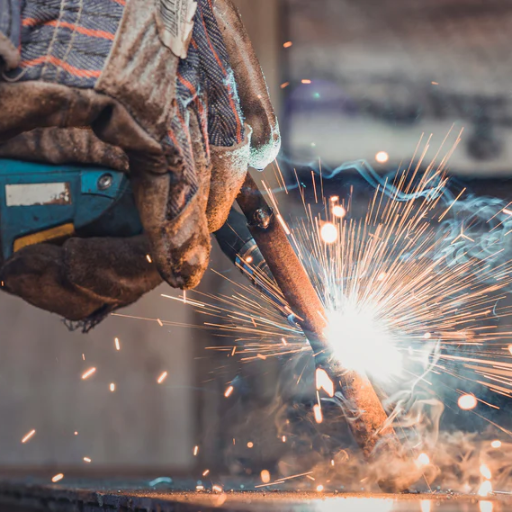
In selecting the most suitable MIG welding equipment, one should take into account factors such as the kind of material, its thickness, and the particular welding operation. It’s better to choose a welder that has adjustable settings so that one can easily adapt the amperage and wire feed speed to different situations. High duty cycle welders should be the first choice for users who need a machine capable of continuous operation and it is essential to check if the welding gas will be suitable. Besides, one should consider weight, necessary power, and which brand one can trust to make a well-founded equipment decision.
Essential Welding Equipment for Mig Welding
In order to carry out MIG welding efficiently, the following tools and equipment must be at hand:
- MIG Welder: A dependable MIG welding machine equipped with adjustable parameters for amperage and wire feed speed.
- Shielding Gas: Usually a combination of argon and CO2, essential for keeping the weld area safe from contamination.
- Welding Wire: Choose the appropriate type and size based on the material to be welded.
- Welding Helmet: Auto-darkening helmets are mostly preferred for safety and visibility.
- Gloves and Protective Gear: Welder’s gloves that can withstand heat and flame-retardant clothing for safety.
- Regulator and Flow Meter: Used for exact monitoring and control of gas flow.
- Ground Clamp: Helps to create a strong connection for the electricity to flow.
- Wire Brush or Grinder: To remove any dirt or oxidation from the metal surface before welding.
Even with a minimal setup of equipment, it will be able to handle most MIG welding tasks safely and effectively.
Factors to Consider When Selecting a Mig Welder
- Power and Amperage Range: Select the welder that provides the appropriate power output and amperage range for the materials you will be welding and their thickness. Thicker metals require higher power.
- Input Power Requirements: Verify that the welder is suitable for your power supply. It could be a standard 120V outlet or a more powerful 240V setup.
- Wire-Feed Speed Control: A welding machine with variable wire-feed speed should be among your choices as this allows better control over the welding process and consequently, the weld quality.
- Portability and Weight: The size and weight of the welder need to be considered, especially if you need a machine that can be easily transferred from one workstation to another or to different job sites.
- Duty Cycle: The duty cycle rating should be checked and it should be indicated that the welder can work for very long periods without being switched off for cooling down, particularly when welding continuously.
Understanding Different Mig Welding Models
When considering different MIG welding models, it is essential to examine their unique characteristics and applications to determine which one is most suitable for you. Basic MIG welders are designed for general use, are user-friendly for beginners, and feature simple controls ideal for light-duty projects. On the contrary, advanced models come with more features like digital displays, pulse welding modes, and different wire sizes for performing exact welding tasks similar to those in professional workshops. Some models support only certain materials like aluminum or stainless steel, which makes them great for specialized areas where metalworking is done. Understanding the differences between these models will not only benefit you but also make it easier to choose the right one, whether you are involved in complex fabrications or straightforward repairs.
Comparing Mig Welding with Other Welding Methods
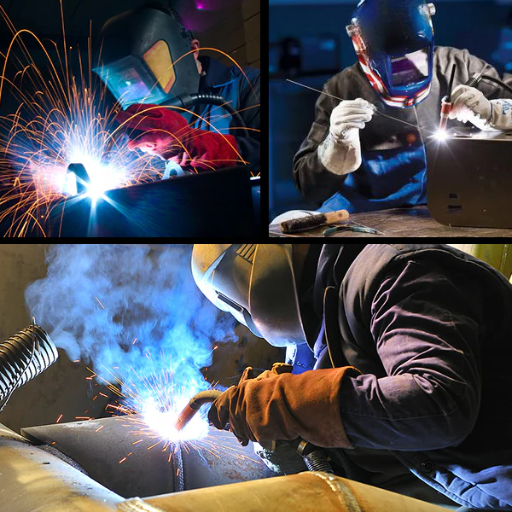
Mig welding can be compared to Stick welding, TIG welding, Flux-core welding, and Laser welding.
|
Parameter |
Mig Welding |
Stick Welding |
TIG Welding |
Flux-core |
Laser |
|---|---|---|---|---|---|
|
Difficulty |
Easy |
Moderate |
Hard |
Moderate |
Hard |
|
Speed |
Fast |
Slow |
Slow |
Fast |
Fast |
|
Cost |
Moderate |
Low |
High |
Moderate |
Very High |
|
Portability |
Low |
High |
Moderate |
High |
Low |
|
Material Suit |
Versatile |
Basic |
Versatile |
Thick |
Precision |
|
Precision |
Moderate |
Low |
High |
Moderate |
Very High |
|
Setup Time |
Low |
Low |
High |
Low |
High |
|
Environment |
Indoor |
Outdoor |
Indoor |
Outdoor |
Indoor |
Note: This table highlights the core parameters and differences across standard welding methods to aid in selecting the most suitable technique for specific project needs.
Mig Welding vs. Stick Welding
Mig welding offers ease of use, precision, and speed, making it ideal for indoor projects and thinner materials. In contrast, stick welding is versatile, practical outdoors, and suited for thicker or rusty materials.
| Parameter | Mig Welding | Stick Welding |
|---|---|---|
| Ease of Use | High | Moderate |
| Precision | High | Moderate |
| Speed | Fast | Moderate |
| Portability | Moderate | High |
| Material Suit | Thin | Thick/Rusty |
| Environment | Indoor | Outdoor |
| Setup Time | Low | Moderate |
| Cost | Higher | Lower |
Mig Welding vs. Gas Tungsten Arc Welding
Mig Welding is faster, easier, and better for thicker materials, while Gas Tungsten Arc Welding (TIG Welding) offers unmatched precision, durability, and is ideal for intricate, thin metals.
| Parameter | Mig Welding | TIG Welding |
|---|---|---|
| Ease of Use | High | Low |
| Precision | Moderate | High |
| Speed | Fast | Slow |
| Portability | Moderate | Low |
| Material Suit | Thick | Thin |
| Environment | Indoor | Indoor |
| Setup Time | Low | High |
| Cost | Moderate | High |
When to Use Each Welding Technique
I prefer MIG welding in situations where quickness and convenience are of utmost importance, mainly for heavy materials and simpler jobs. This is the technique I usually opt for when projects require a good amount of output and precision simultaneously. In contrast, I apply TIG welding when precision and durability are the most critical factors, particularly in the case of delicate or thin metal joining. The process is time-consuming and requires skill, but it is the best way to produce high-quality, intricate welds.
Reference Sources
-
Marshall University: What Is MIG Welding? A Beginner’s Guide to the Basics
This source provides a detailed overview of MIG welding, including its advantages and disadvantages. -
Goodwin University: 4 Essential Welding Processes and Procedures
This article discusses various welding processes, including MIG welding, and highlights its pros and cons. -
Unicah University: Mig Welding Questions And Answers (PDF)
This document outlines the advantages and disadvantages of MIG welding, focusing on aspects like speed, ease of learning, and limitations. - Top Welding Positioner Manufacturers and Supplier in China
- Guide for Types of Welding
Frequently Asked Questions (FAQs)
What are the advantages of MIG welding as a welding technique?
MIG welding, which stands for gas metal arc welding (GMAW), has various advantages that include speed and efficiency among others. The feeding of wire continuously allows for quicker welding as compared to the other methods which makes it perfect for home welding projects as well as industrial use. Moreover, MIG welding is able to deliver welds of very high quality because of the use of shielding gas that protects the weld puddle from contamination which is the leading cause of poor quality.
What are the disadvantages of MIG welding?
MIG welding has its pros, but like every good thing, it also has cons. Among the negatives, a significant one is the price tag due to the need for shielding gas and special equipment. Poor welds resulting from disrupted shielding gas, which affects the MIG process, are less effective in windy conditions. Moreover, burning the metal with high heat input can also distort thin metals.
How does the MIG welding process work?
The MIG welding process consists of feeding a continuously fed wire electrode through a MIG torch into the weld puddle. A strong bond is formed when an electric arc melts the wire and the base metal. The use of either inert gas or shielding gas isolates the molten puddle from atmospheric contamination, thus improving the quality of the weld.
Is MIG welding suitable for all types of metal?
MIG welding is very flexible and can be used on different metals like mild steel, stainless steel, and aluminum. But it is necessary to properly choose the electrode wire and shielding gas for the variety of alloys being welded so that the loss of alloying elements is avoided and also the compatibility is ensured.
Can MIG welding be used for vertical or overhead welding?
The process of MIG welding can be made suitable for vertical or overhead welding, but it may require employing certain techniques and settings. The welder must have a good control over the fluency of the welding puddle so as to avoid sagging or dripping, and he might have to make alterations to the welding current for the purpose of getting a better melt in these positions.
How do MIG welding supplies differ from those used in other welding methods?
MIG welding supplies also contain some special kinds of equipment such as MIG torch, electrode wire, and gas cylinders for shielding. Stick welding is one of the methods that uses coated electrodes, while MIG welding uses a continuous wire feed and gas to protect the arc. This makes the equipment more complicated but eventually leads to better quality welding and faster results.
What are the typical MIG welding uses in industrial applications?
MIG welding finds common usage in applications such as automotive, manufacturing, construction, and repair work in industry. The speed and efficiency of the process make it a preferred method for high-quality welds in production lines, and its versatility allows it to be used for a broad range of materials and thicknesses.
Thank you for reading this comprehensive guide on MIG welding. We hope this article has provided you with valuable insights into the advantages and disadvantages of this versatile welding method. Whether you’re a beginner or an experienced welder, understanding these key aspects will help you make informed decisions for your welding projects.