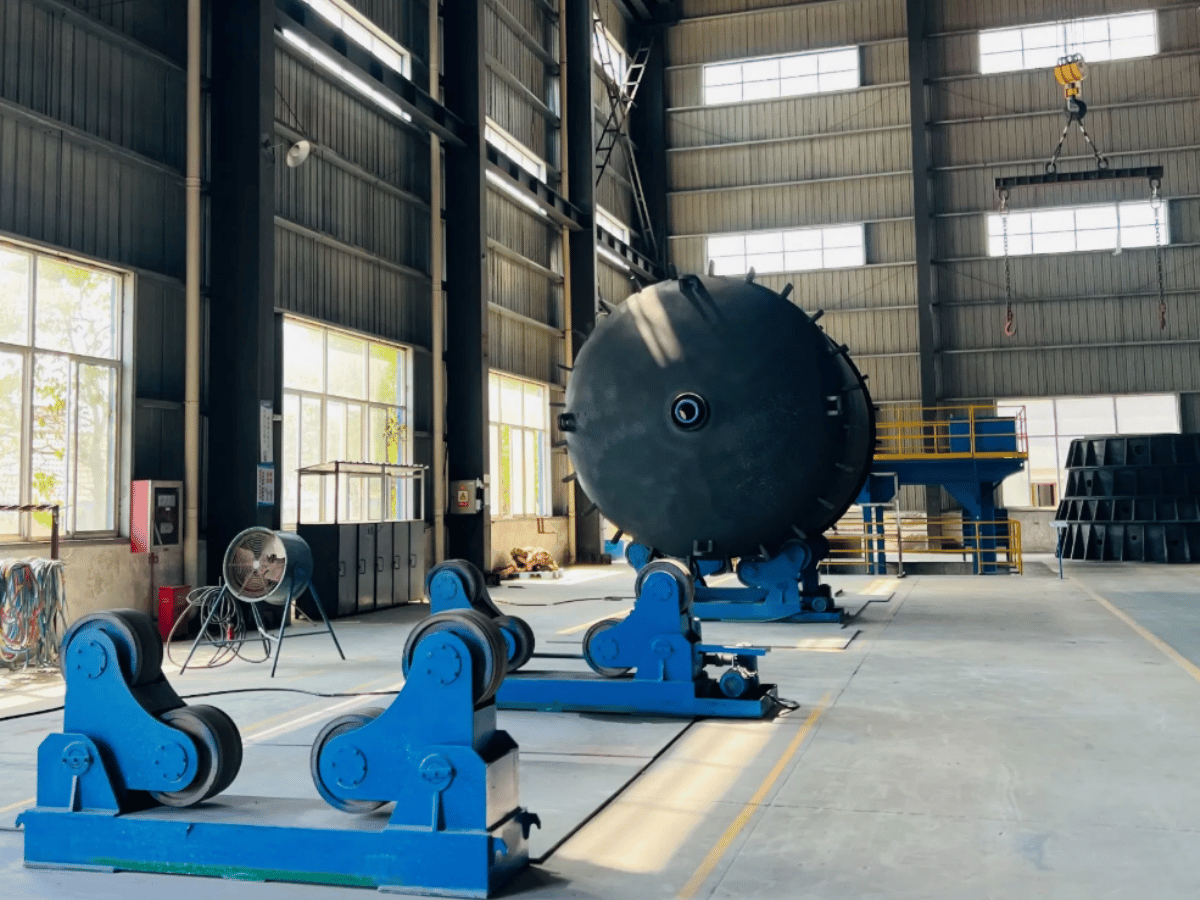
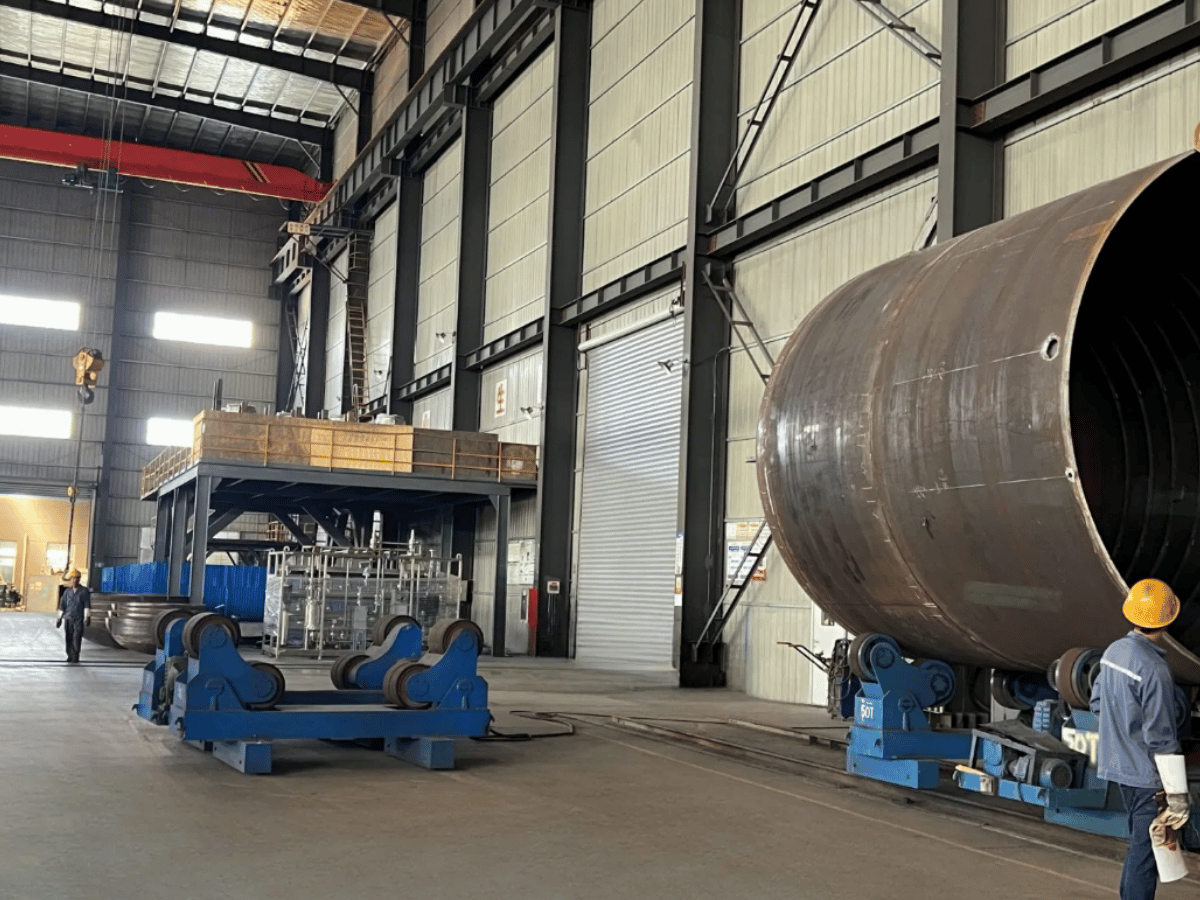
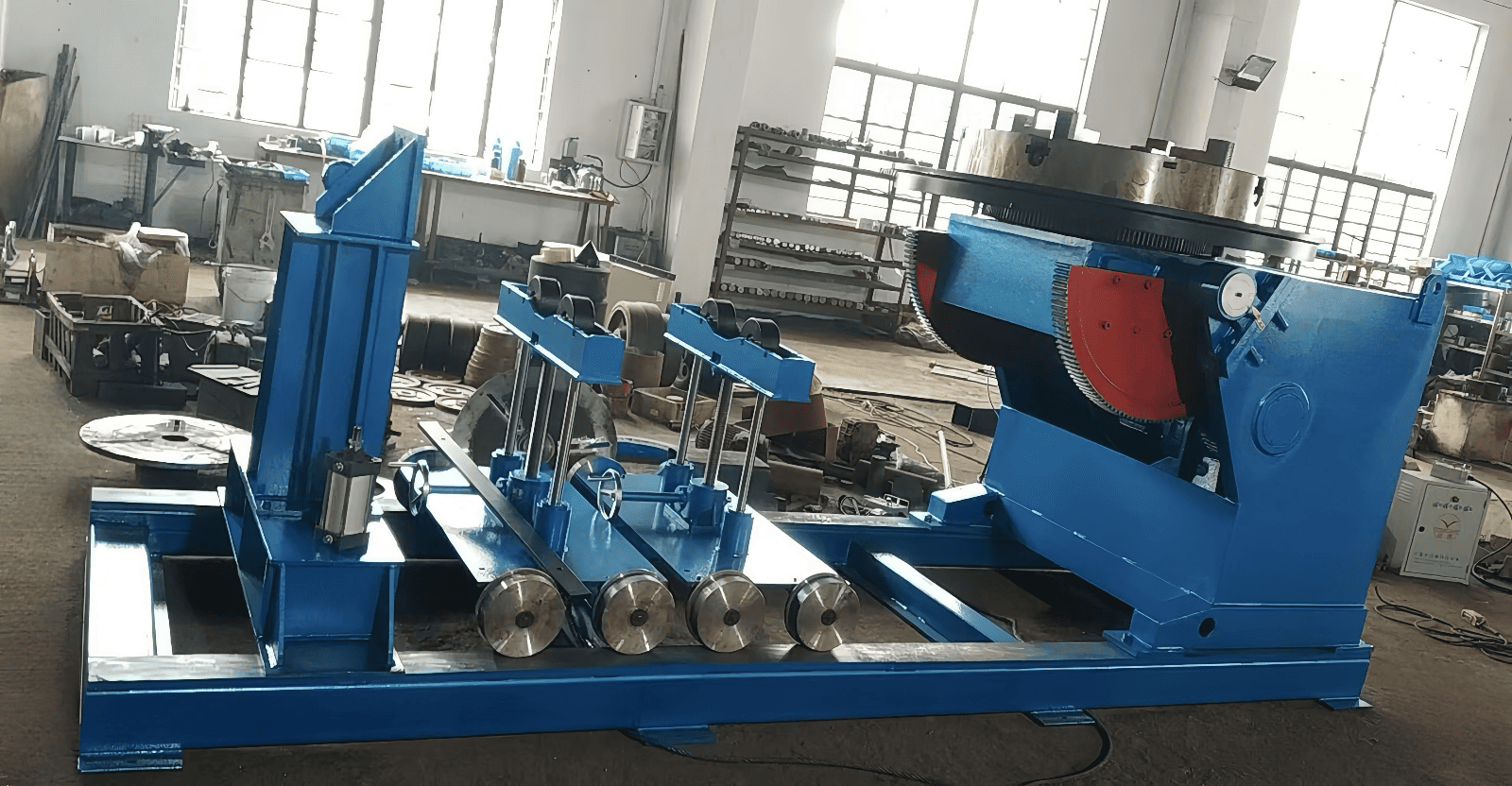
Pipe rotators and turning rolls are transformative tools in industrial welding, providing automated, controlled rotation of cylindrical workpieces. By eliminating manual handling, these systems significantly improve weld precision, operator safety, and overall production throughput across heavy industries.
The essence of industrial welding systems should be efficiency, precision, and safety. Pipe rotators, namely turning rolls and welding rotators, are the hallmark of revolutionizing these processes with a great solution in handling cylindrical workpieces during welding. While smoothing welding workflows, these crucial tools also ensure that welds are steady and consistent. Such pipe rotators, as this article aims to describe, play a pivotal role in modern industrial applications. The article examines the basics of pipe rotator mechanisms and also explains the benefits of such equipment, which comes in various configurations intended to cater to varied operators. Whether someone is a veteran welder or just pondering matters in need of high welding techniques to be refined, this comprehensive guide will do great service by offering rewarding outputs for productive purposes.
Understanding Pipe Rotators in Welding
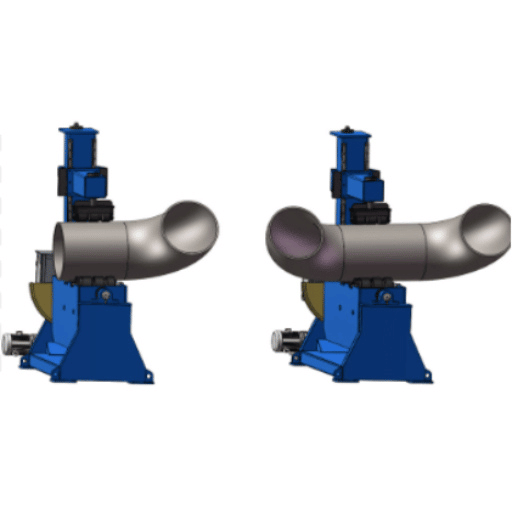
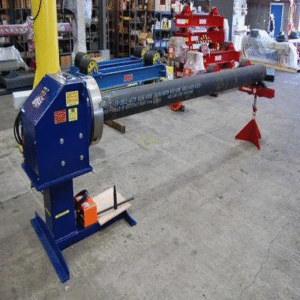
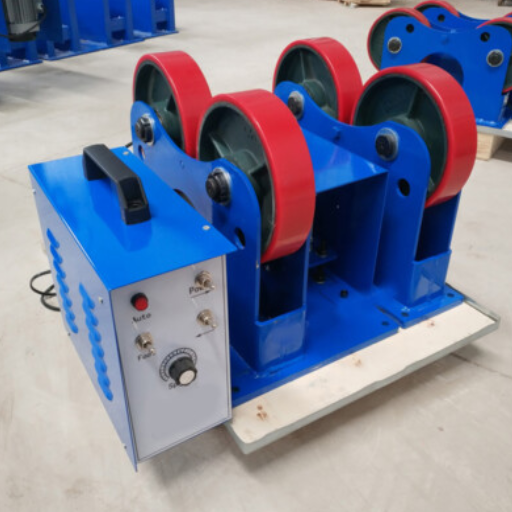
Pipe rotators are mechanical devices designed to be used in the rotation of cylindrical elements such as pipes while undergoing fabrication or welding procedures. By utilizing motor-driven rollers—or in some cases even powered manually—they offer the steady flow needed in rotation. This device is employed with the main objective of improving efficiency and exactness by providing overall steady movement, with a plan to eliminate the need for manual handling. This, in turn, benefits the welding process by eliminating incorrect welds and improving operator safety. Pipe rotators are customized to meet different sizes or weights, making them indispensable to the oil & gas, shipbuilding, and manufacturing industries.
What is a Pipe Rotator?
A pipe welding rotator is an automated device used in the rotation of cylindrical objects during welding, constructing, or inspecting activities. During welding, this controlled and uniform rotation reduces manual input, ensures a proper appearance for the weld, and maintains uniformity. During this rotation, adjustments can be made to facilitate specific diameters and weights. Welding pipe rotators have various options that streamline an operation, ensure heightened output, and foster a safe environment for heavy-duty fabrication and quality welds.
Importance of Pipe Rotation in Welding
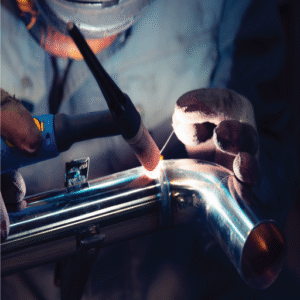
For consistent weld quality and better operational effectiveness, pipe rotation is vital. Rotating the tubes allows for consistent heat distribution and precision placement of the welding material, which reduces the chances of defects like holes or unfused areas. It curtails rework and fatigue while enhancing productivity, particularly when working with large and heavy loads. Among industries where this process is of greater importance are those where precision is strictly required, such as oil and gas, shipbuilding, and chemical processing, where the reliability and integrity of welded components play an important role.
How Pipe Rotators Enhance Welding Efficiency
Pipe rotators ensure better quality of welding by enabling uniform and controlled rotation of the pipes during the welding process. By automatic handling, downtime is minimized, and the probability of human error is therefore lowered. Pipe rotators improve deposition rates and allow for continuous welding, thereby maximizing productivity. They are indispensable in sectors such as steel, nuclear, gas, automobile, and other heavy industries that demand high tolerance and strict structural integrity.
Types of Pipe Rotators
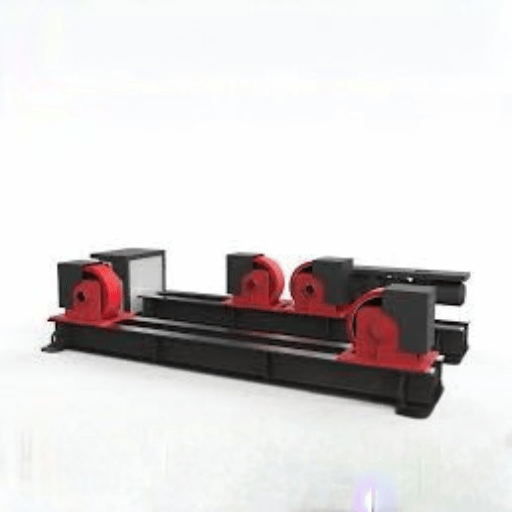
Different kinds of pipe rotator types serve specific operational needs to boost welding process potential and performance:
- 1.
Conventional Rotators: A combination of fixed and adjustable rolls permitting various-sized pipes to be contained. - 2.
Self-Aligning Rotators: Automatically adjust roller angles to accommodate different pipe diameters without manual setting. - 3.
Anti-Drift Rotators: Specifically intended to prevent any axial slippage of the workpiece during rotation. - 4.
Fit-Up Rotators: Designed to hold and align pipeline sections in a straight line for precise fit-up. - 5.
Tilt Rotators: Allow for angular adjustments to reach places typically difficult to access.
Conventional Pipe Rotators
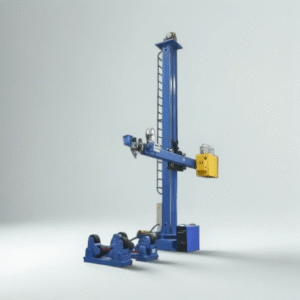
Industrial welding uses rotators to move cylindrical parts so that welding may be applied uniformly on all sides with precision. Generally, rotators comprise “drive” and “idler” rollers designed to support the element strongly while moving. This system brings consistency in repetitive uni-channel jobs, mostly in welding consistently sized pipes. As a result, conventional rotators increase operational efficacy based on significant improvements in safety, quality control, and investment across a wide range of industries.
Self-Aligning Pipe Rotators
Self-aligning pipe rotators automatically adjust their roller angles to accommodate varying pipe diameters without needing manual adjustment. This functionality was achieved through the development of advanced synchronization mechanisms to maintain consistent revolution and alignment within the welding process. The application of self-aligning pipe rotators to pipes of different sizes gives them versatility and the highest degree of precision. Ensuring savings in setup time and more stability, these units augment productivity, minimize operational downtime, and provide high-quality welds in heavy-duty industrial applications.
Comparison of Different Models
In assessing the suitability of pipe rotators for specific applications, several parameters come to the fore. Key parameters include load capacity, rotational speed ranges, and compatibility with pipes of varying diameters. High-capacity models are best suited for heavy industrial purposes, while smaller ones, being more agile, are mostly used for precision tasks where they require more maneuverability. In addition, the more advanced models are characterized by remote control systems and digital interfaces, which greatly aid rotary operation in terms of accuracy and functionality.
Benefits of Using Pipe Welding Rotators
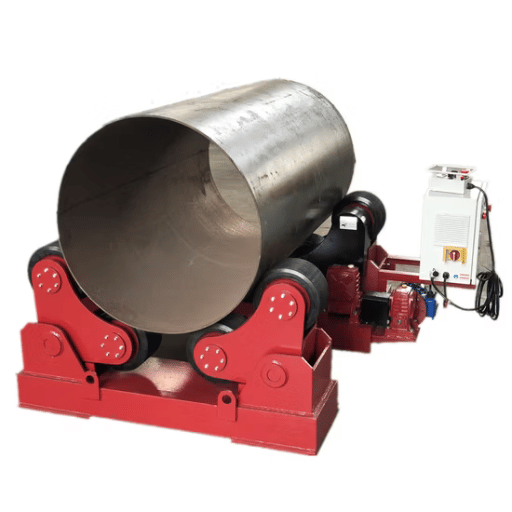
Continuous rotation for uniform weld penetration and reduced operator strain.
- ✓
Enhanced Welding Efficiency: Offers a continuous rotation method, bypassing the need for manual adjustments. - ✓
Enhanced Safety: Reduces manual handling of heavy workpieces, minimizing the risk of casualties. - ✓
Higher Quality Welds: Ensures smooth operation and uniform penetration to prevent defects like “cold lapping.” - ✓
Reduced Operator Fatigue: Eliminates the physical strain of manually repositioning heavy pipes.
Improved Precision in Welding Processes
The implementation of advanced technologies like pipe rotators and automated welding systems has considerably amplified the precision observed during welding. These ensure the constant alignment and rotation of pipes, reducing the chances of weld defects arising from misalignment or uneven heat distribution. The capability for making live welding parameter adjustments through real-time monitoring helps ensure tight tolerances. Accuracy at such levels is highly significant in industries where structural integrity and safety must not be compromised, including oil and gas, aerospace, and construction.
Enhanced Operator Safety
Advanced safety considerations in modern welding systems are ensured by automated shutdowns, detection surveillance, real-time hazard evaluation, and ergonomic design. An automated shutdown stops the machine in case of abnormalities like loss of gas pressure or thermal overload. The advent of real-time hazard detection allows sensors to signal danger, letting the operator deal immediately with issues. Moreover, tools are ergonomically designed to minimize stress on the human body, keeping health issues from repetitive motion at bay. The sum of this is an environment conducive to safer work while maintaining operating efficiency.
Increased Productivity in Heavy Industrial Settings
Heavy-industrial work becomes more productive by integrating modern automation techniques, precision engineering, and effective workflow management. Automation technologies, including robotic assemblies and process control, eliminate human errors and accelerate production cycle times. Precision engineering further ensures that tools stay in favor with their fullest performance to decrease the intervals of disturbance brought on by breakdowns. An optimized order-driven workflow design, backed by data-driven decision-making, ensures coordination between different departments. In aggregate, these innovations enhance productivity and ensure scalability in demand-intense industrial settings.
Selecting the Right Pipe Rotator
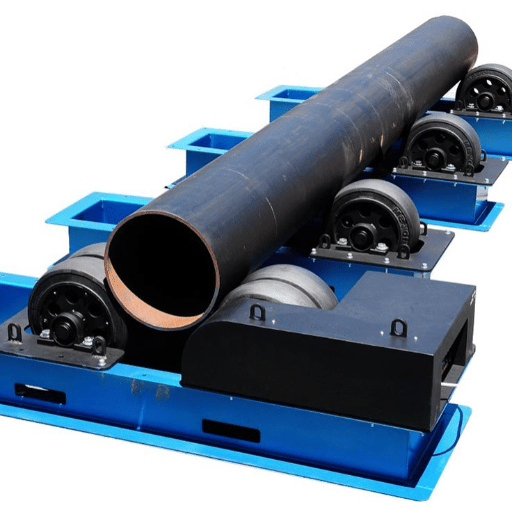
An adequate pipe rotator must fulfill certain critical criteria to warrant elevated performance and project efficiency:
- 1
Load Capacity
Ensure the maximum load the rotator can withstand complies with the weight of the pipe. Overloading leads to machinery damage and safety risks. - 2
Pipe Diameter Range
Consider the adjustability of the rotator to accommodate various pipe sizes and the articulation of the rollers. - 3
Control Options
Variable speed controls and remote control aspects are instrumental in affording the operator increased precision and ease of handling.
Factors to Consider Based on Project Requirements
The selection of welding rotators should be guided by specific project peculiarities. Size, shape, and weight of the items determine the required load capacity. You must also take into account the expected weld types; rotational speed and adjustability should allow for precise welding with ease. Where projects entail frequent turning, high-mobility or modular designs may be convenient. Ensure they comply with industry standards and integrate smoothly with current equipment to maintain a efficient workflow.
Load Capacities and Diameter Considerations
Welding roll capacity must ensure the rotator can hold the maximum weight of the workpiece with required stability. Overloading can result in rotator failure and poor joint quality. The range of supported diameters should be wide and adjustable as needed. It is recommended to choose equipment that can carry substantially more weight than the anticipated usage to ensure durability and reliability under operational stress.
Choosing Between Manual and Automated Options
| System Type | Best For | Key Advantage |
|---|---|---|
| Manual Systems | Low-volume / High-variability | Lower initial cost & specific control |
| Automated Systems | High-volume manufacturing | Scalability, speed, & reduced error |
Pipe Rotator Applications in Industry
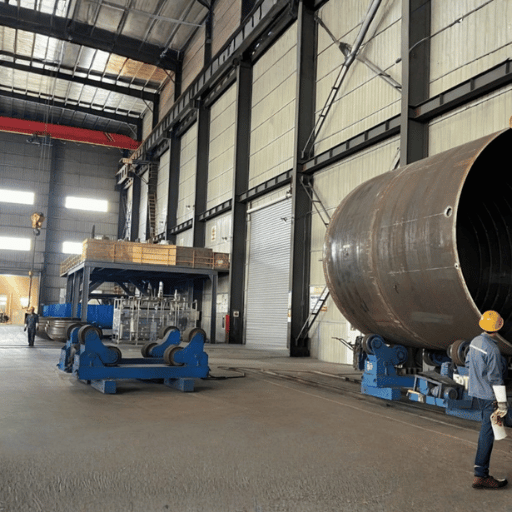
Pipe rotators are hugely applicable in every sector to aid efficiency and accuracy. They help oil and gas masses in welding pipelines and storage tanks, and assist construction in handling rigorous operations. They are put to constant use in shipbuilding, pressure vessel construction, and even in the renewable energy sector for assembling wind turbine towers. Pipe rotators minimize manual labor and improve weld quality through consistent rotation, simplifying the production process.
Use Cases in Various Industrial Settings
Pipe rotators hold importance where long cylindrical workpieces require precise handling. In pipeline construction, rotators ensure consistent welding by sustaining a confident flow rate with even rotation, nullifying irregular weld seams. Shipbuilding uses pipe rollers to economize the manufacture of large pipes and pressure vessels. Pressure vessel welding benefits from carrying heavier loads while aligning them for a strong weld. In renewable energy, rotators are critical for wind turbine tower fabrication where precision is vital for structural stability. These applications alleviate chances of error and enhance workplace safety.
Integration with Welding Systems and Automation
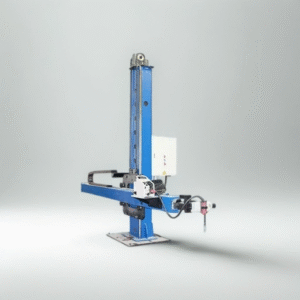
Pipe rotators have become essential to improve the efficiency of welding automation by integrating precision and making operations fluid. Automation synchronizes with the systems to ensure unwavering rotation, producing a uniform weld seam. This integration offers less human influence and fewer defects. Newer systems have advanced programs that can be altered for material-specific and parameter-specific adjustments. These facilities enhance productivity and keep companies within industry specifications, adding importance to pipe rotators in automated processes.
Future Trends in Pipe Welding Technology
Future pipe welding technology will be characterized by adaptive automation, intelligent features, and green technology. Adaptive solutions employing AI, Machine Learning, and real-time monitoring will extend precision and efficiency. Integration of IoT-savvy systems will monitor equipment performance, forecasting failures before they manifest. By reducing downtime with predictive mechanisms, maintenance will increase environmental awareness. Additionally, the industry is pursuing eco-friendly welding approaches in line with environmental norms. These technologies are expected to alter industry standards toward safer and more sustainable pipe welding.
Reference Sources
- Al Safrik Steel: Welding Pipe Rotators – Advantages and uses in the Saudi Arabian market.
- Senlisweld: Pipes Rotator, Welding Rotator – Applications in railroads, shipping, and manufacturing.
- MISA Manufacturing: Major Welding Rotator Manufacturers – Insights for purchasing managers and plant engineers.
Frequently Asked Questions (FAQs)
What is a Pipe Rotator?
A Pipe Rotator is a device that rotates cylindrical objects, for example pipes, while welding, coating, or manufacturing them in assembly processes.
What is the use of a pipe rotator?
The pipe rotator offers advantages ranging from precision in welding to increased safety; from handling heavy cylindrical objects with ease to reducing the need for manual labor.
Which industries use pipe rotators?
Primary sectors benefiting from pipe rotators include oil and gas, shipbuilding, construction, manufacturing, and railways.
What types of pipe rotators are available?
Commonly available types include self-aligning rotators, conventional rotators, and adjustable rotators designed for specific pipe sizes.
How do pipe rotators work?
Motorized rollers rotate the pipe at a controlled speed, enabling a perfect welding or coating for the workpiece.