Precision and efficiency are essential when it comes to tank construction since a slight misalignment can lead to safety hazards and questions about structural integrity. The hydraulic fit-up rotator has become one of the most useful tools in welding, providing a guaranteed level of accuracy in alignment. Its foundation is flexibility, enabling it to handle the alignment limitations of massive cylindrical structures with significantly less labor, minimum downtime, and high-quality results. This article delves into how hydraulic fit-up rotators operate, their design features, and their large contribution to modern-day fabrication welding operations. This guide provides practical knowledge for optimizing welding processes—an essential factor in maintaining a competitive edge, whether your goal is to expedite manufacturing or improve weld quality.
Key Takeaway
Hydraulic fit-up rotators are indispensable for modern fabrication, offering the precision needed to ensure structural integrity while significantly reducing manual labor and setup times.
Introduction to Fit-Up Rotators
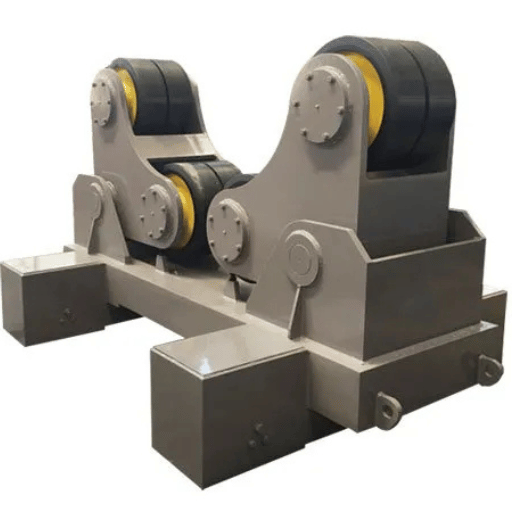
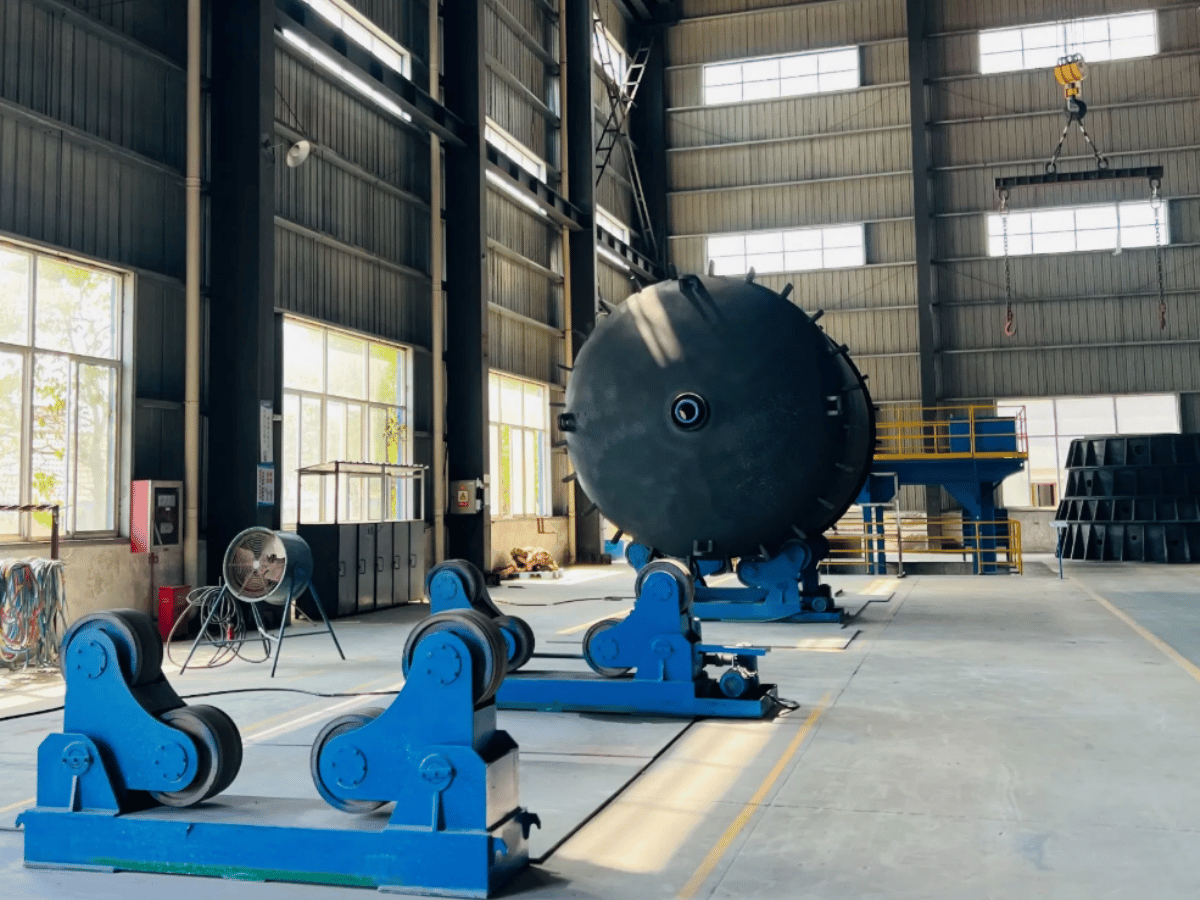
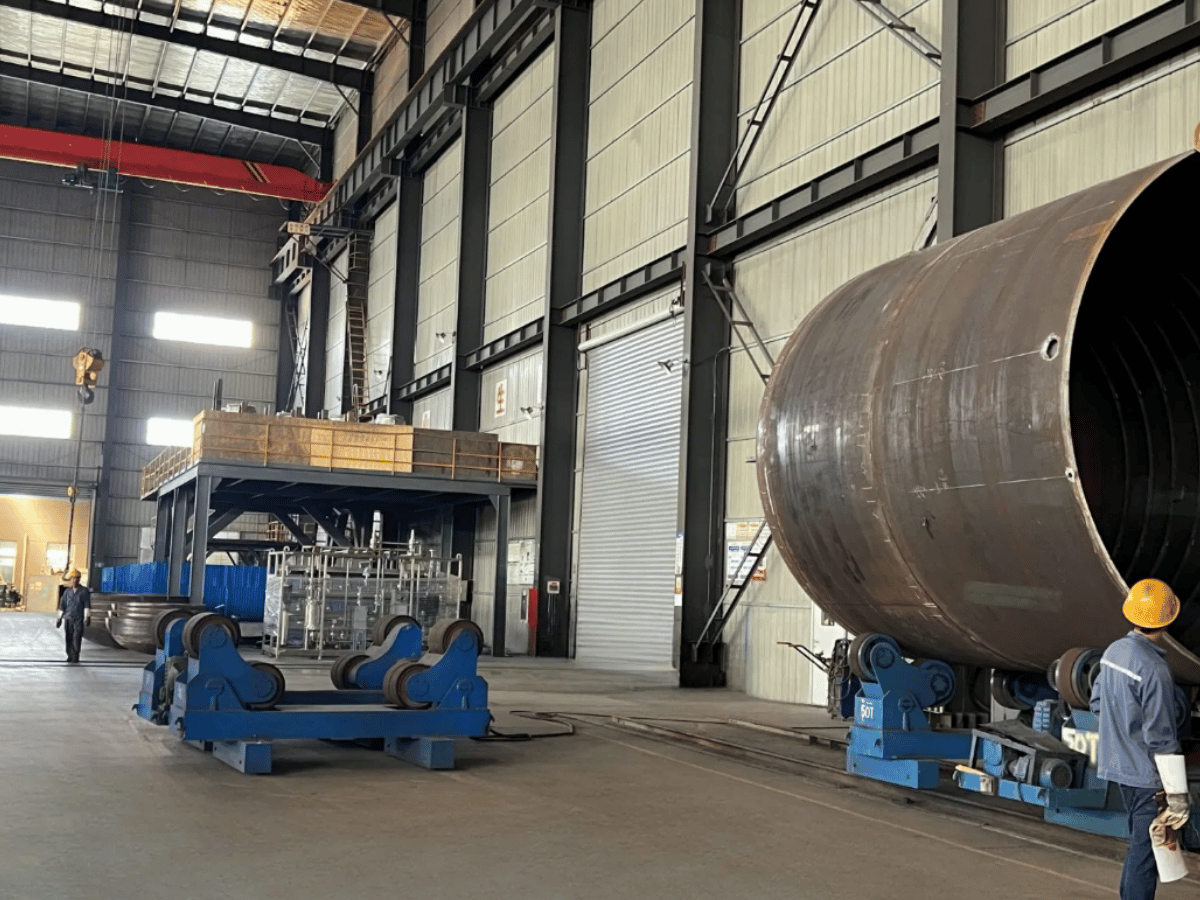
Fit-up rotators are specialized apparatuses used in the welding and fabrication industry to align and position cylindrical or non-circular components with perfect accuracy. The synchronized movement and supporting rails ensure that components align perfectly, reducing the effort and time otherwise spent on manual alignments. They are increasingly necessary in industries like shipbuilding, construction, and pressure vessel manufacturing, where exact alignment is vital for weld quality and structural integrity. Fit-up rotators increase working efficiency while contributing to more consistent and reliable welding processes.
What is a Fit-Up Rotator?
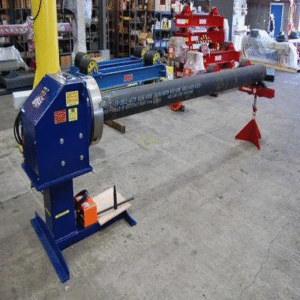
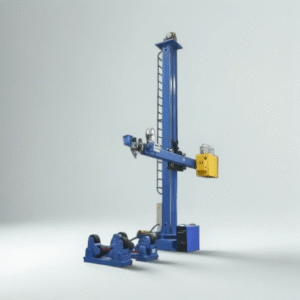
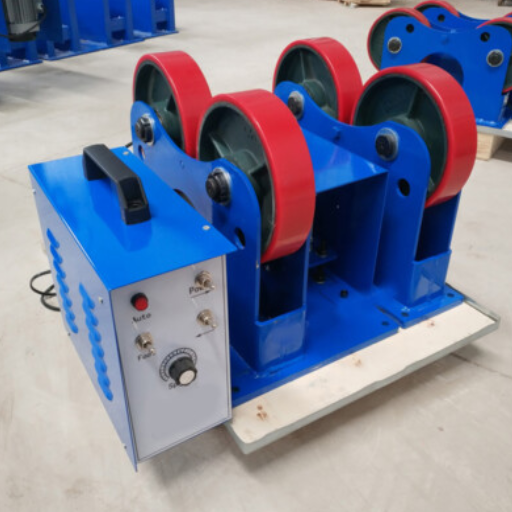
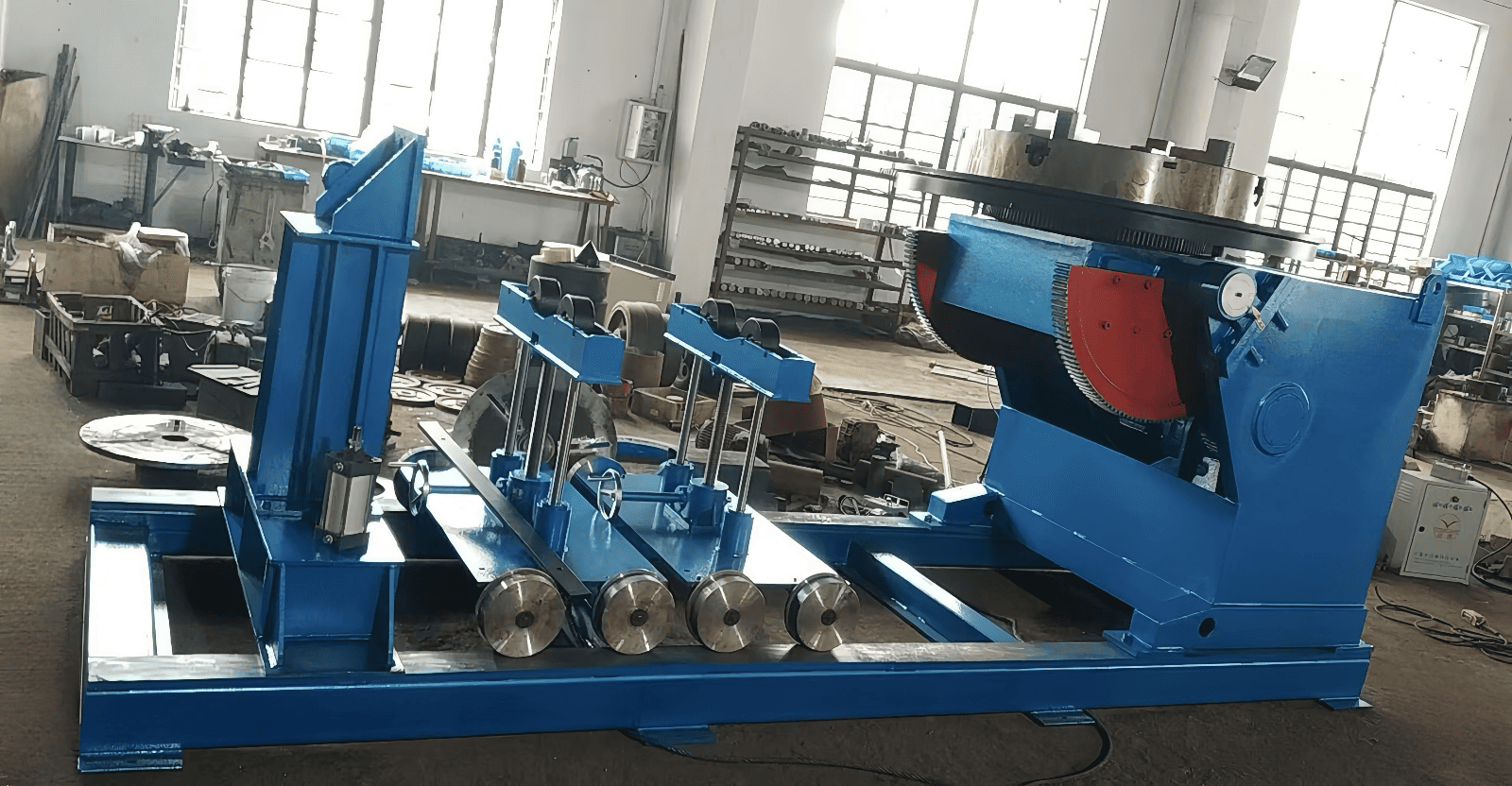
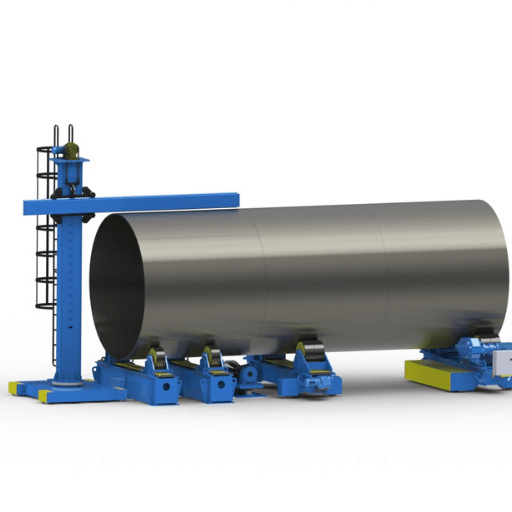
A pipe fit-up rotator is a specialized tool designed for the precision alignment and positioning of cylindrical workpieces, such as pipes and tanks, during welding or fabrication. It comprises adjustable vertical or lateral rollers that help maintain proper alignment. To accommodate varying diameters, shapes, and weights, fit-up rotators ensure the impeccable alignment of components. This is crucial for enhancing welding quality and cutting down on setup lead time. Often considered a “weld square,” the fit-up rotator is a must-have where quality and efficiency are priorities, as it replaces significant manual effort with a streamlined workflow.
Importance of Precision in Fit-Up Welding
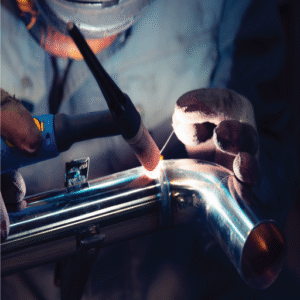
The precision of a welding fit-up is of great consequence because it directly reflects the integrity of the structures and the overall quality of the weld. Proper alignment is crucial to maintain even heat distribution during the welding process, preventing problems like distortion, lack of fusion, or misalignment. This is especially critical in industries such as aerospace, oil and gas, and heavy machinery, where slight deviations can lead to operational failure or safety hazards. Precision instruments like fit-up rotators ensure weld accuracy and accelerate work while meeting stringent industry norms.
Overview of Hydraulic Mechanisms
Hydraulic systems depend on the principles of fluid mechanics, allowing for the transfer of energy and the completion of work by applying pressure to incompressible liquids. These systems are composed of devices such as transmission pumps, control valves, actuators, and hydraulic fluid. Hydraulic pumps convert mechanical energy into fluid energy, which is then managed by control valves to fine-tune the setup. To create movement, actuators (including hydraulic motors or cylinders) convert the energy stored in the pressurized fluid back into mechanical energy, enabling activities like lifting, pressing, or rotating. These systems are robust, reliable, and provide the massive force indispensable for heavy industrial manufacturing.
💡
Pro Tip
Always ensure the hydraulic fluid levels are checked weekly; even a small drop in pressure can affect the micron-level precision required for high-pressure vessel alignment.
Benefits of Using Hydraulic Fit-Up Rotators
- ✓
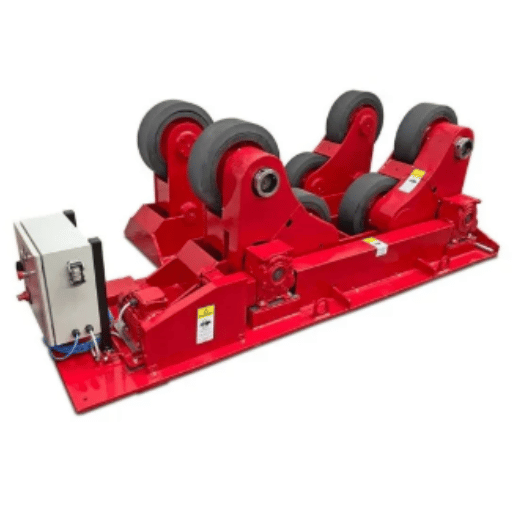
Enhanced Precision: Precise adjustments ensure accurate positioning, contributing to high-quality welds and added structural strength. - ✓
Enhanced Efficiency: These rotators minimize setup time and operational delays through automated alignment adjustments. - ✓
Versatile Adjustment: Hydraulic mechanisms provide controlled movement to accommodate a range of pipe or vessel diameters with minimal manual intervention. - ✓
Operator Safety: Minimizing manual adjustments reduces the operational risks to employees during heavy handling. - ✓
Consistency and Reliability: Static hydraulic pressure maintains settings, providing repeatable performance across multiple jobs.
Enhanced Alignment for Welding Processes
By providing exceptional accuracy, repeatability, and safety, hydraulics play a critical role in the advancing field of welding alignment technologies. The capacity to mount and dismount functionally open combs—suited to any diameter and geometry—creates essential versatility. Furthermore, their reliability decreases downtime and operational inefficiencies. In industries focused on environmental standards and scalable accuracy, hydraulic-based systems set the benchmark for alignment precision.
Effortless Operation and Automation
Hydraulic alignment systems offer precision while turning complex operations into simple tasks by eliminating heavy human intervention. These systems check for errors and ensure consistency. With features such as programmable controls for setting operational parameters, real-time monitoring, and quick fault detection, even complex setups are managed with ease. This mix of user-friendliness and automation makes hydraulic alignment a core component of modern welding setups.
Cost-Effectiveness and Time Efficiency
Hydraulic alignment tools are fundamentally beneficial for cost and time efficiency. By simplifying the setup and alignment processes, these tools reduce material waste and rework. They also shorten project timelines by avoiding the delays associated with manual alignment. Furthermore, they reduce the need for a large number of highly skilled individuals for basic positioning, allowing operators to concentrate on higher-value tasks. Ultimately, these techniques improve resource allocation, delivering products on time and within budget.
Applications of Fit-Up Rotators in Various Industries
| Industry | Primary Application |
|---|---|
| Shipbuilding | Aligning large hull and deck sections for assembly. |
| Oil and Gas | Manufacturing pipelines and pressure vessel fabrication. |
| Power Generation | Preparing boilers, turbines, and heavy-duty industrial goods. |
| Construction | Handling large mooring components, beams, and girders. |
| Aerospace | Assembling fuselage sections and large aerospace structures. |
Oil and Gas Sector
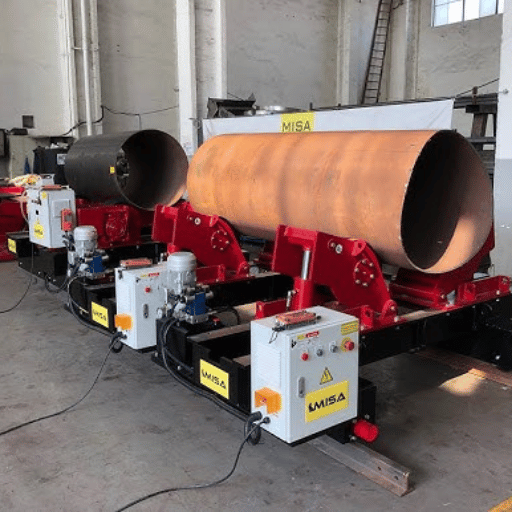
Fit-up rollers are vital in the oil and gas sector for manufacturing pipelines, pressure valves, and storage tanks. Their alignment precision streamlines welding and assembly, ensuring structural integrity while meeting strict safety and compliance standards. By automating these sensitive activities, fit-up rotators mitigate mistakes, reduce production times, and increase operational efficiency in this heavily regulated industry.
Construction Industry
Fit-up rollers perform a vital function in construction by ensuring proper alignment and welding connections between heavy cylindrical elements, such as pipelines or support columns. Reduced human interference increases precision and facilitates quick project turnaround while adhering to the essential safety and quality parameters of modern construction projects.
Manufacturing and Production
For cylindrical workpieces like pressure vessels, tanks, and industrial drums, fit-up rotators are indispensable. These machines expedite controlled rotation and alignment, complementing automated or semi-automated welding techniques. This significantly reduces downtime and ensures steadfast weld quality in industries like aerospace, automotive, and energy. By negating direct manual handling, rotators make work more productive while improving safety standards on the shop floor.
Choosing the Best Fit-Up Rotator
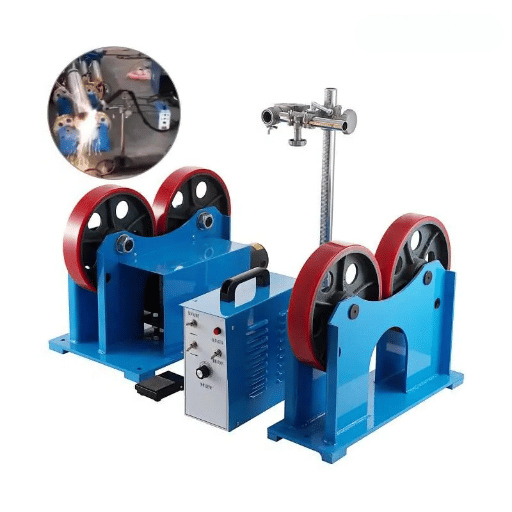
When selecting a fit-up rotator, consider the specifics of your project. Verify the size, weight dimensions, and material of the workpiece to avoid operational pitfalls. Check the Load Capacity and adjustability to ensure operational needs are met. For industries with precise alignment requirements, look for advanced control systems and high positional accuracy. Assess maintenance requirements, durability, and long-term costs. Always buy from a known brand to ensure reliability and compliance with industry standards.
Factors to Consider: Load Capacity and Diameter Range
To evaluate load capacity, accurately calculate the maximum weight of the work to be supported, including tools, jigs, and fixtures. Overloading leads to mechanical failure, increased wear, and diminished safety. Conversely, the range of diameters must align with the dimensions of the workpieces. An undersized rotator restricts operations, while oversized capacity may unnecessarily increase costs. Balancing these considerations enhances performance and extends machine life.
Understanding Control Systems and Customization Options
Modern control systems use Programmable Logic Controllers (PLCs) interfaced with sensors and user-friendly displays. These allow operators full control over speed, load customization, and balance. Customization features, such as tailor-made weight capacities and automatic motions, satisfy specific operational constraints. Acquiring the right control module is beneficial for plant efficiency, precision, and security.
Identifying Reliable Suppliers
To secure a trustworthy supplier, evaluate their track record regarding delivery times and adherence to specifications. Check for certifications and industry standards. Evaluate their manufacturing capabilities and quality control processes to ensure they can meet technical demands at scale. Finally, consider financial stability and communication policies to ensure a strong, long-term collaborative partnership.
Expert Tips for Effective Use of Fit-Up Rotators
- 1
Ensure Proper Alignment
Make sure workpieces are properly aligned on the rotator before starting to prevent misalignment during welding. - 2
Adjust Speed Precisely
Use speed control to set the rotary speed correctly for consistent welding quality. - 3
Regular Maintenance
Perform routine checks and lubrication to extend the work-life of the equipment. - 4
Load Appropriately
Do not exceed weight limits to prevent equipment damage or operator injury. - 5
Use Proper Accessories
Equip the rotator with compatible rollers or clamps for enhanced stability.
Best Practices for Fit-Up Welding
- ✓
Accurate Alignment: Precise alignment is required for uniform welds and structural strength. - ✓
Material Preparation: Surfaces must be cleaned of oil, rust, and debris for defect-free welds. - ✓
Dimension Verification: Verify gaps and angles per specifications before starting. - ✓
Environmental Control: Maintain an environment free from humidity or drafts that interfere with weld quality. - ✓
Periodic Inspections: Inspect during the process to ensure work remains on track.
Maintenance and Care for Hydraulic Rotators
Timely maintenance results in peak performance and an extended lifetime. Periodic assessment of seals, bearings, and hydraulic connections helps detect wear that could affect performance. Routine lubrication with manufacturer-recommended grease is best practice to prevent friction. Keep hydraulic lines clear of contaminants like dirt or dust. Follow the manufacturer’s instructions, including the use of original parts, to ensure lasting system reliability and minimize downtime.
⚠️ Important Note: Common Mistakes to Avoid
Neglecting Maintenance: Overlooking checkups accelerates wear.
Non-Compatible Parts: Using unauthorized parts can damage the system.
Improper Lubrication: Failing to use the right grease increases friction.
Ignoring Warning Signs: Unusual sounds or vibrations indicate a need for immediate repair.
Overloading: Operating above capacity leads to early system failure.
Reference Sources
- Global Info Research: Fit Up Rotator Market 2025 – Market segments and growth opportunities.
- Senlisweld: Manufacturer & Supplier of Fit-Up Rotators – Applications in pressure vessels and wind turbines.
- LinkedIn: Fit-Up Rotator Market Analysis – Trends, technology, and future growth.
Frequently Asked Questions (FAQs)
What is a fit-up rotator?
A tool used to align and rotate pipes, tanks, and vessels for accurate welding and assembly.
Which industries utilize fit-up rotators?
Manufacturing, oil and gas, renewable energy, and construction.
What are some advantages of using a fit-up rotator?
Better precision, less labor cost, enhanced safety, and increased efficiency.
What kinds of fit-up rotators are available for purchase?
They are subcategorized by load capacity: light, medium, and heavy.
How do fit-up rotators help to improve weld quality?
They ensure consistent alignment and continuous rotation, reducing defects.