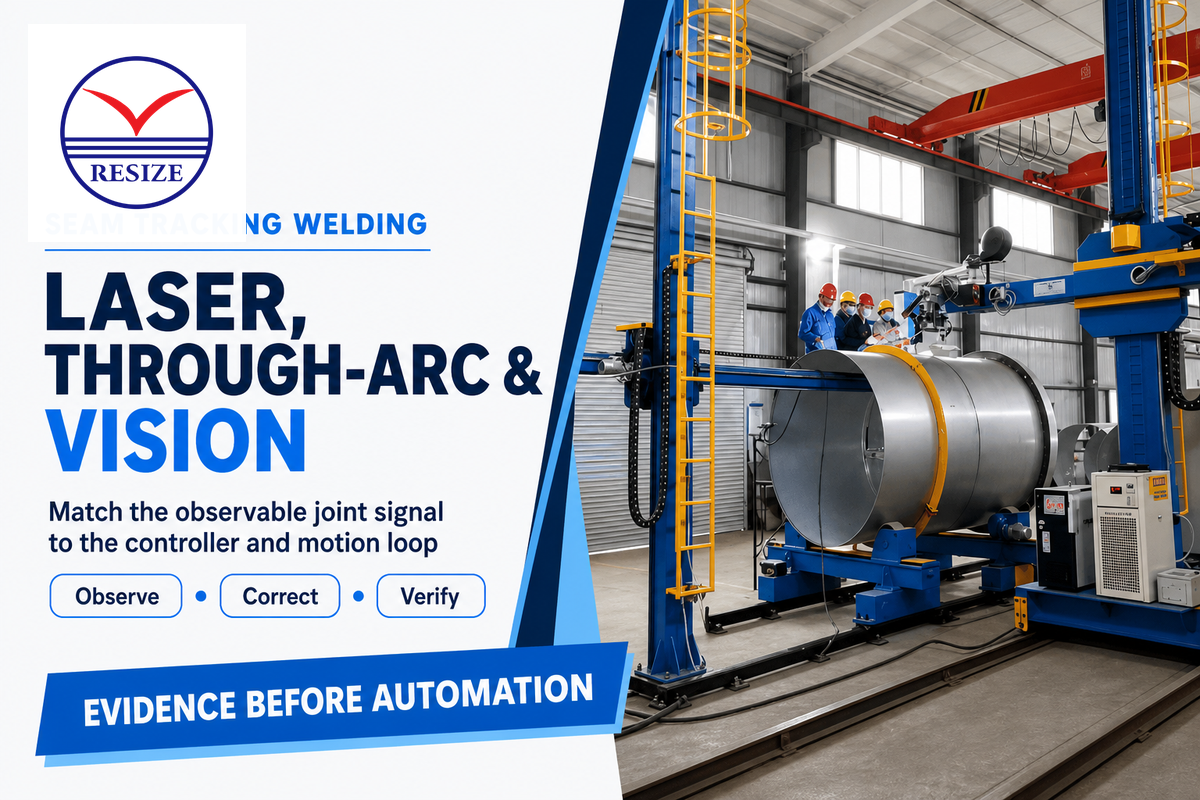
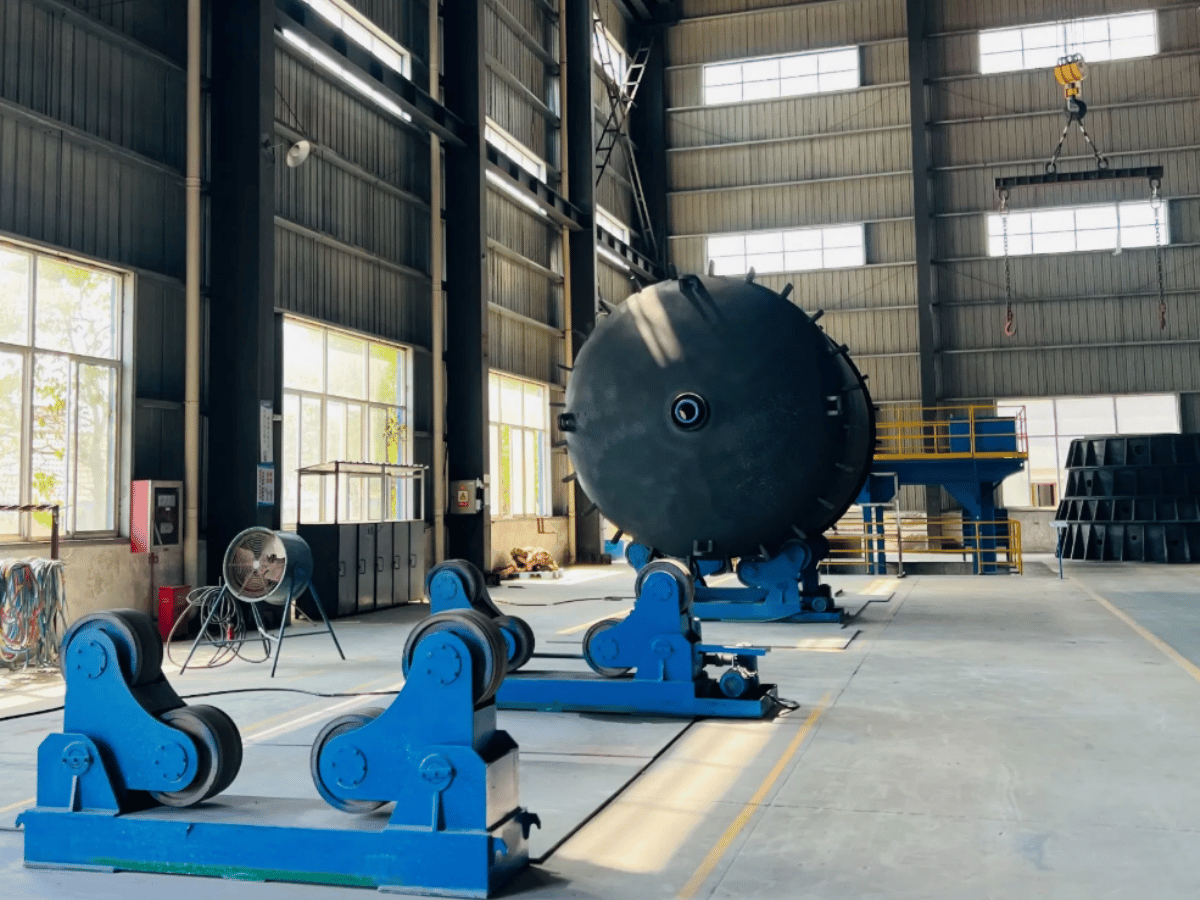
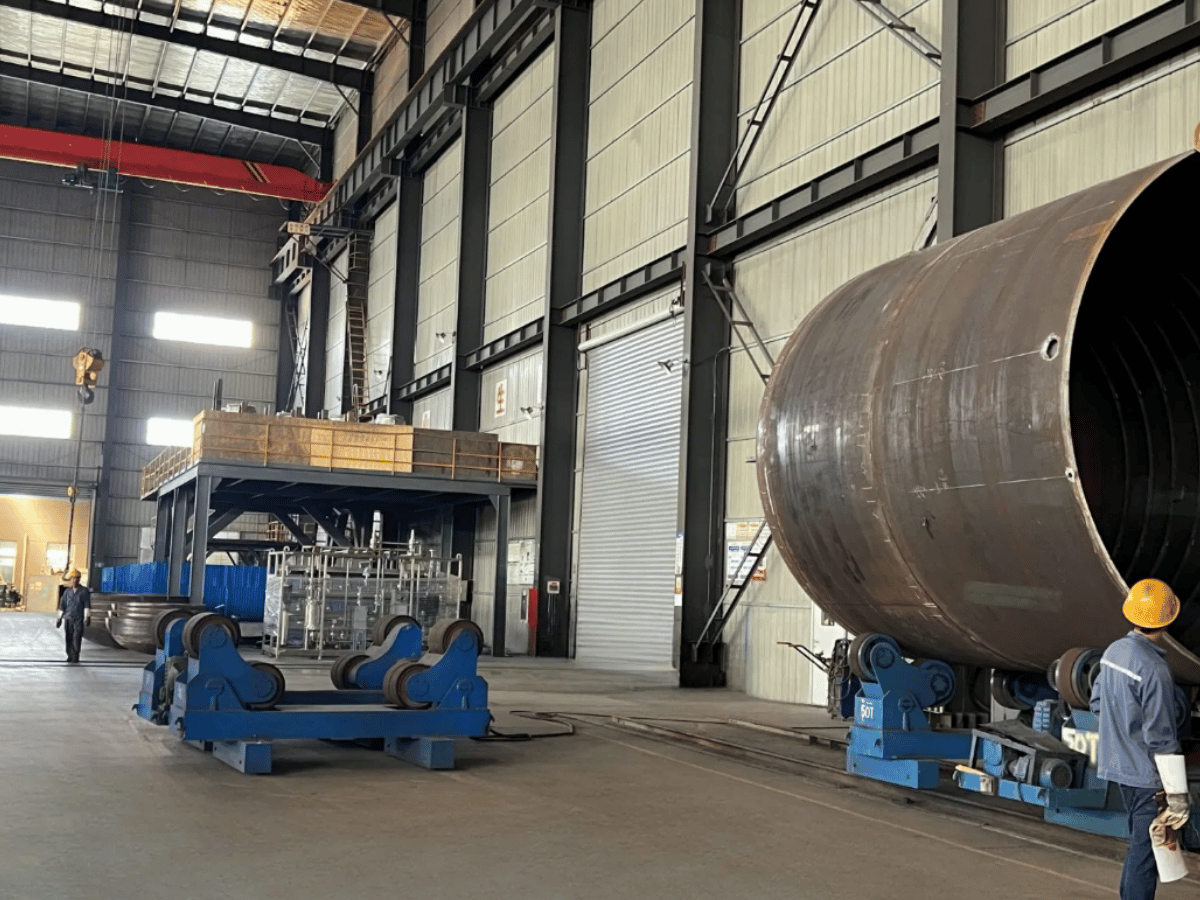
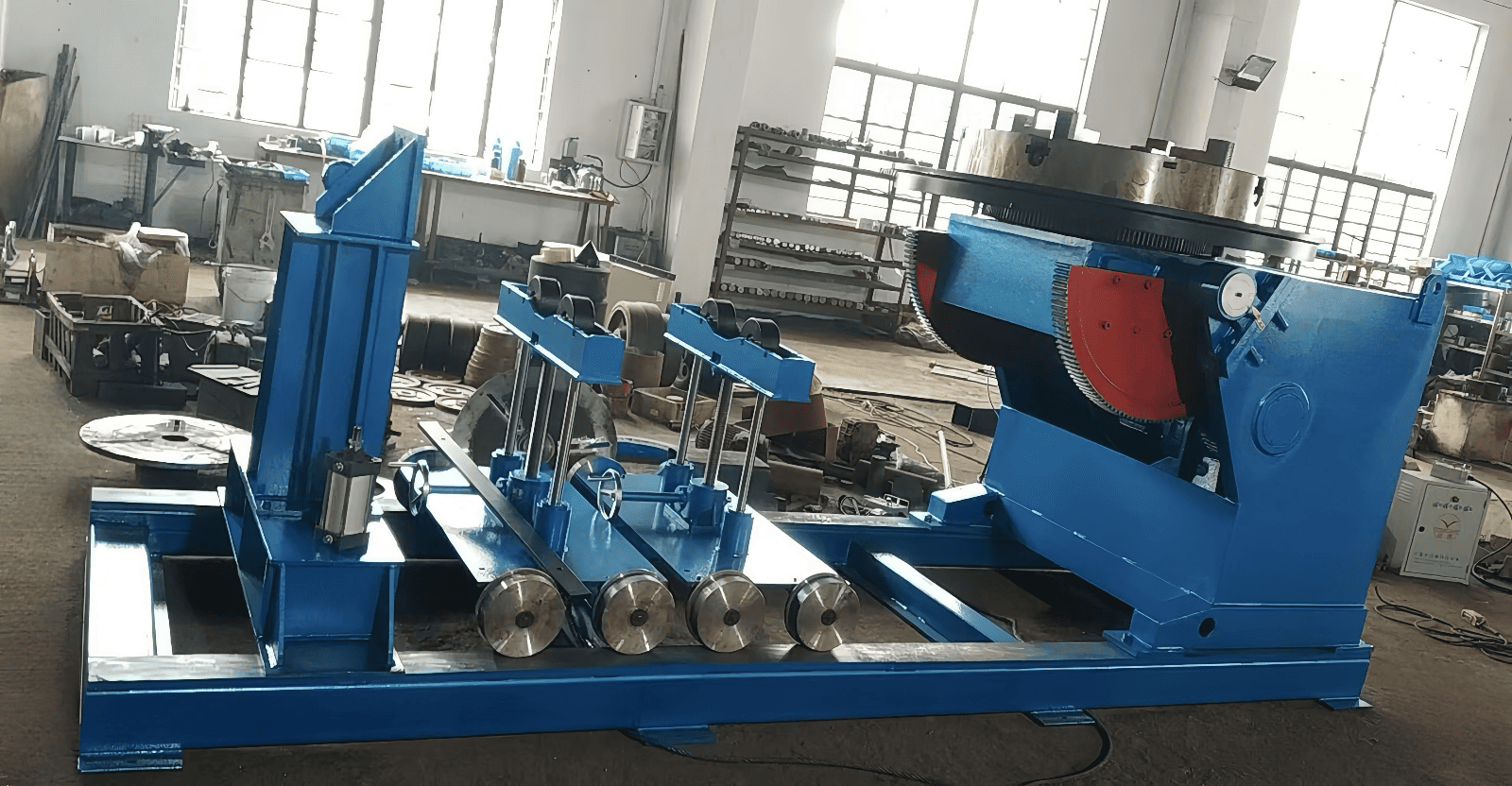
Welding rotators are an important factor in making heavy-duty welding projects more efficient and precise, especially in industries such as pipe production, wind tower construction, and turbine assembly. These modern tools not only facilitate but also improve the welding process by rotating and positioning large cylindrical workpieces in a safe and secure manner. In this way, they provide better access, consistency in weld quality, and less manual intervention. If you are trying to speed up your production, get welds of the highest quality, or cope with intricate fabrication requirements, it is crucial to know the capabilities and the applications of weld rotators. The present article presents and discusses the main benefits, features, and use cases of weld rotators, thus providing the reader with the necessary knowledge to enhance their welding operations.
Introduction to Welding Rotators
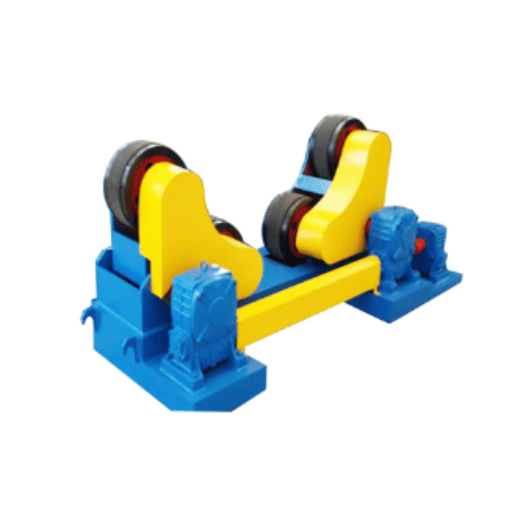
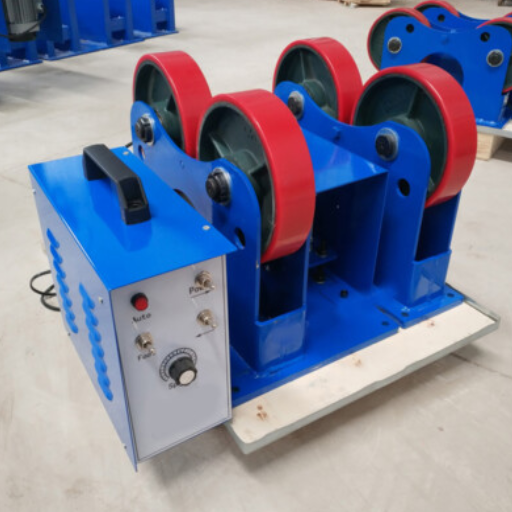
Welding rotators are multifunctional machines that serve to help the welding operation of cylindrical and substantial metal parts as they are being rotated and held by them throughout the process. They are capable of increasing the precision of the weld, minimizing the fatigue of the operators, and speeding up the work process to a great extent by giving the workpieces a steady and constant positioning. These devices are extremely useful in the manufacturing, shipbuilding, and oil and gas industries, among others, where large-scale fabrication is a common practice. Welding rotators have made it possible to achieve the highest level of welding perfection and consistency in quality by their contribution to the automation of the component rotation, thus turning them into a necessary tool for obtaining uniform and reliable results in complex welding tasks.
Understanding Welding Rotators and Their Importance
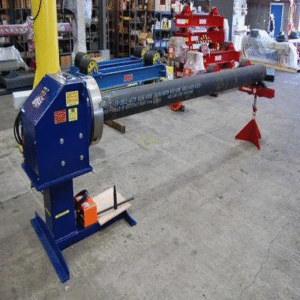
Welding rotators are essential to the process of moving large and round objects in welding operations. Their main function is to increase the speed of the rotation of workpieces, which in turn ensures that the quality of the weld is consistent and the mistakes are minimized.
Key Benefits:
- Precision improvement in welding operations
- Labour reduction and operator fatigue minimization
- Workflow optimization across multiple sectors
- Enhanced reliability in manufacturing and shipbuilding
Applications in Pipe and Turbine Welding
Welding rotators are crucial in welding pipes and turbines by allowing the steady rotation of cylindrical parts, which results in uniform and accurate welds. They assist the welders in keeping the same speed and angle, thus minimizing defects at the same time and increasing productivity. Therefore, they are necessary for energy and construction sectors, where pipes and turbines require high-quality welding standards.
Overview of Welding Equipment Types
The Welding Process and Its Efficiency
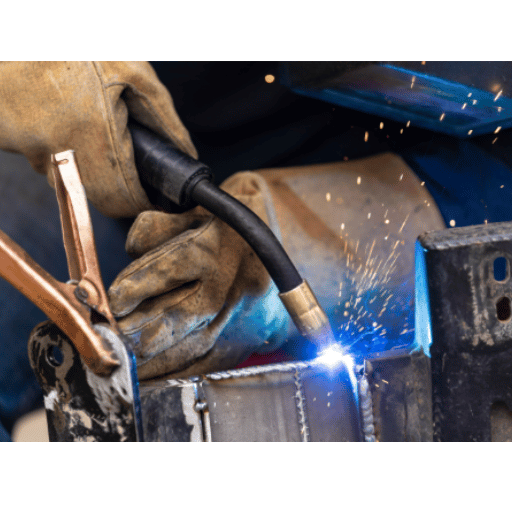
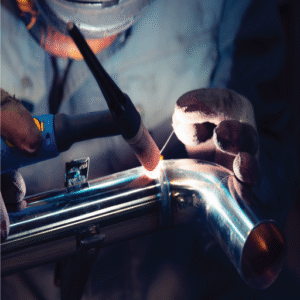
The welding process is undoubted to be a very efficient one as it creates strong and long-lasting bonds between materials and at the same time very little waste is done. The use of heat and/or pressure melts the components together at a molecular level, thus the finished product has no problem with durability. The use of automatic welding machines and state-of-the-art processes like TIG and MIG has further raised the bar for welding efficiency by providing better accuracy, fewer mistakes, and shorter lead times. These improvements lead to greater output but also help quality and affordability in different sectors of the economy.
Key Components of the Welding Process
⚡ Welding Power Supply
Delivers the needed energy for creating and maintaining the welding arc.
🔌 Electrodes
Create the arc and facilitate fusion between materials.
🛡️ Shielding Gases
Protect the joint from atmospheric contamination during welding.
🔩 Filler Materials
Added to enhance joint strength and structural integrity.
🦺 Protective Gear
Helmets, gloves, and safety equipment keep welders safe during operations.
Factors Affecting Weld Quality
Weld quality is determined by a number of important factors. Understanding and controlling these variables is essential for achieving optimal results:
⚙️ Welding Parameters
Correct choice and adjustment of voltage, current, and travel speed are fundamental to obtain uniform and strong welds.
🔧 Material Selection
Primary metals and filler materials must be compatible to avoid creating defects in the final weld.
🌤️ Environmental Conditions
Moisture, wind, and temperature can alter the effectiveness of shielding gas, impacting weld quality significantly.
👷 Operator Skill
Precision and technique used by the welder are major determinants of the final result quality.
🛠️ Equipment Maintenance
Consistent equipment maintenance eliminates the chance of sporadic problems that may weaken the weld.
Improving Welding Efficiency with Automation
Automation of welding processes has significant advantages that can be translated into higher output, lower defects, and more uniform production quality. Welding robots and check-up devices are some of the examples of automated systems that provide accuracy and repeatability along with reduced consumption of materials.
Benefits of Automated Welding Systems:
- ✓ Higher Production Output – Increased speed and consistency in welding operations
- ✓ Reduced Defect Rates – Minimized human error through precision control
- ✓ Better Resource Utilization – Reduced material waste and optimized workflows
- ✓ Real-Time Diagnostics – Integration of monitoring systems for immediate problem detection
- ✓ Lower Overall Costs – Reduced downtime and maintenance requirements
Types of Welding Rotators
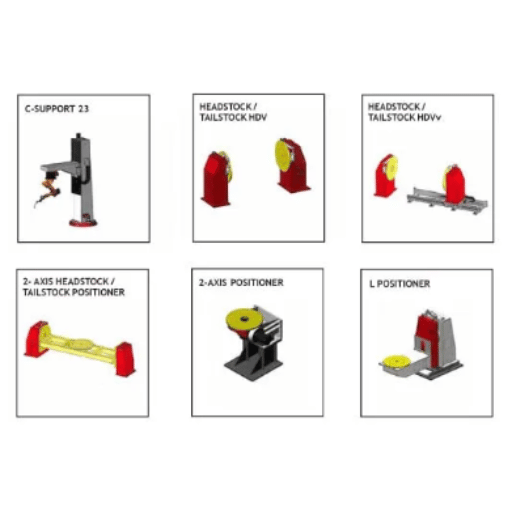
Welding rotators are classed according to their use and the type of work they do. Understanding the different types helps in selecting the right equipment for specific applications:
- 1
Self-Aligning Rotators
These automatically change their alignment to suit the different diameters of the workpiece; therefore, they perfectly fit cylindrical objects that have varying sizes.
- 2
Conventional Rotators
These are characterized by the manual alteration required to align different workpiece diameters but they provide great stability for uniform objects at the same time.
- 3
Turning Rolls
They are made to rotate heavy cylindrical items, like pipes or tanks, ensuring smooth welding by keeping the rotation steady.
- 4
Fit-Up Rotators
These are mainly used in the assembly process where they not only provide the precise alignment and positioning of the components for seamless welding but also save time.
💡 Important Note: All these categories are indispensable to the welding process in terms of making it more efficient, less labor-intensive, and producing uniform results.
Pipe Rotators: Features and Uses
Pipe rotators play a crucial role during welding operations and are equipped with features such as adjustable speed controls, high load capacities, and compatibility with different pipe diameters. These machines increase precision through the means of constant rotation, less human interaction, and better quality of the welds.
Welding Positioners: Enhancing Accessibility
The welding positioners increase the accessibility by letting the operators change the position of the workpiece into the best one for welding. This makes it easier for the workers, and also improved the quality of weld and then it was still consistent, even for the complex projects. Their ergonomic design has the effect of lessening down the time that the machines is not in use, of increasing the efficiency, and of providing support for greater accuracy in the welding tasks done in different industries.
Welding Manipulators: Ensuring Precision
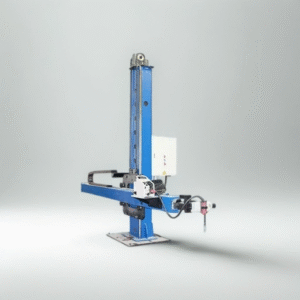
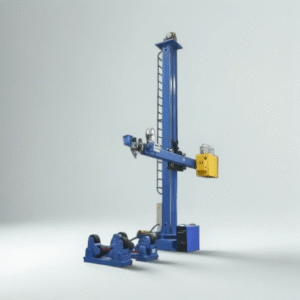
Welding manipulators are designed to let welding operations to be controlled with great precision and maintained constantly. High-quality welds are made possible through their accurate positioning and smooth movement of the welding torch or head across different applications.
Key Advantages:
- Particularly beneficial for heavy or delicate parts
- Eliminates need for extensive manual interference
- Reduces errors and defects significantly
- Increases production efficiency across applications
Welding Applications in Wind Turbines
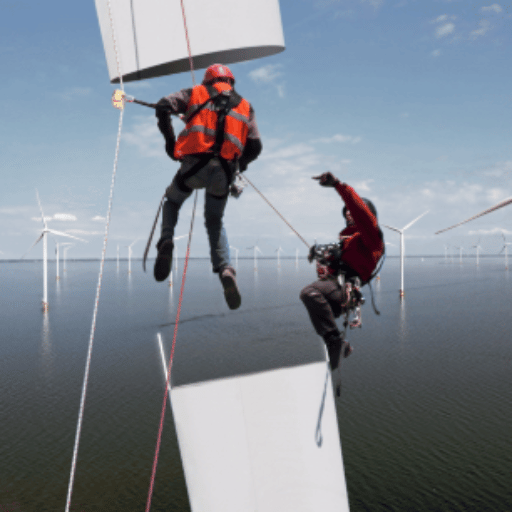
Welding has a major impact on the wind turbine building and also the time when they are not working. Some important applications are mentioned below:
🗼 Tower Fabrication
The welded segments of wind turbine towers guarantee that the structure is strong enough and that it can survive even the worst environmental conditions consisting of strong winds and sudden temperature changes.
⚙️ Blade Attachment
Welding is one of the ways that it is done to connect critical components such as hubs and flanges, thus allowing the blades to be attached securely to the turbine.
🔧 Nacelle Assembly
The nacelle, which contains the turbine’s core machinery, depends on welding to attach frameworks and supports that will be the protection of the internal components.
🔨 Maintenance and Repairs
The continued welding repairs that are being done to fix the wear and tear and cracks will prolong the operational life of the turbines and at the same time their energy production efficiency.
Note: These applications demonstrate the role of welding in the lifetime and reliability of the wind turbines, thus supporting the non-stop production of green energy.
Importance of Weld Quality in Wind Turbine Fabrication
Welding quality is determining in the making of wind turbines as it has a direct influence on the strength of the construction, safety and power. Bad welding can result in breaking apart in extremely stressed situations which are created by wind loads, thus reducing the effectiveness of the turbine and its life-span.
Benefits of High-Quality Welds:
- Enhanced structural strength and integrity
- Reduced frequency of repairs and maintenance
- More reliable and consistent energy production
- Extended operational lifespan of turbines
- Improved safety under extreme stress conditions
Welding Techniques for Wind Tower Construction
Wind tower construction employs different welding techniques that ensure both durability and precision. Understanding these methods helps in selecting the appropriate technique for specific construction requirements:
Submerged Arc Welding (SAW)
Description: The most commonly selected technique due to its capability of producing high-quality, uniform welds at a faster rate.
Ideal For: Massive cylindrical parts of wind towers requiring consistent, high-penetration welds.
Flux-Cored Arc Welding (FCAW)
Description: Chosen for its flexibility in applications, especially effective with thicker steel plates.
Ideal For: Joints requiring superior penetration and strength in thick materials.
Gas Metal Arc Welding (GMAW/MIG)
Description: Used for granting welding productivity with contamination-free welds and minimal slag.
Ideal For: Applications requiring clean, efficient welds with excellent productivity rates.
⚡ Performance Impact: These techniques, if used rightly, will go a long way in reinforcing the wind towers and prolonging their lifetime while meeting the demanding requirements of renewable energy infrastructure.
Automation in Wind Turbine Welding
Automation is turning out to be a chief factor that promotes efficiency, precision, and consistency in wind turbine welding processes. The use of automated systems, like robotic welders and CNC machines, guarantees the same weld quality and at the same time largely eliminates human error.
Advanced Automation Technologies:
🤖 Robotic Welders
Provide consistent quality and precision across repetitive tasks.
⚙️ CNC Machines
Enable precise control and complex weld patterns.
📊 Real-Time Monitoring
Continuous quality checks throughout the welding process.
🧠 AI-Powered Systems
Intelligent quality assurance and defect detection.
Result: These advanced technologies not only reduce production time but also increase the structural reliability of wind turbine components, thereby keeping up with the stringent requirements of contemporary renewable energy infrastructure.
Reference Sources
- SENLISWELD – Wind Turbine Welding, Wind Tower Welding Automation: The company brings valuable knowledge of welding machines, such as welding rotators, to the production of wind turbines.
- SENLISWELD – Applications of Welding Rotators: The article describes the indispensable role of welding rotators in a variety of industries, such as nuclear power, storage silos, and heavy manufacturing.
- Welding Rotator China – The History of Welding Rotator: Traces back the use of welding rotators to Europe, particularly in steam turbine manufacturing and atomic power plant applications.
Frequently Asked Questions (FAQs)
What is a turbine welding rotator?
Turbine welding rotator is a type of machine which is intended mainly for the welding of the turbine parts and to rotate and set the latter in the right position.
What are the benefits of using a welding rotator for turbines?
Increased welding accuracy, less manual work, more safety and consequently more output in the production of turbines are the main benefits of the use of a welding rotator.
What industries use turbine welding rotators?
Wind energy, nuclear, and fossil-fuel electric power plant industries together with heavy machinery manufacturing make use of these specialized devices.
How does a welding rotator work?
Welders or robotic systems are working simultaneously and continuously on the same spot, thus getting the perfect weld and the rotator is helping with its motor-driven rolls for rotating the cylindrical pieces.
What types of welding rotators are available?
There are standard rotators, there are ones with self-aligning features and also, the bespoke rotators are available, that are made specifically for the turbine parts.
Transform Your Welding Operations Today
With comprehensive knowledge of welding rotators and their applications across pipe, wind tower, and turbine welding, you’re now equipped to make strategic decisions that enhance productivity, quality, and safety. Invest in the right welding rotator solution to optimize your fabrication processes and achieve superior results in your heavy-duty welding projects.