Turning rolls play a larger-than-life role in streamlining the welding processes to attain precision and efficiency. They facilitate the handling and rotation of heavy pipes and other cylindrical workpieces automatically, fostering smooth operations and constant high quality welds. If you are involved in heavy fabrication, the oil and gas industry, or infrastructure, knowing the capabilities of weld turning roll equipment is important to improving productivity and workplace safety. This article focuses on understanding what kind of automation, power supply, and support is available from weld turning rolls for upgrading conventional welding operations.
Understanding Turning Rolls
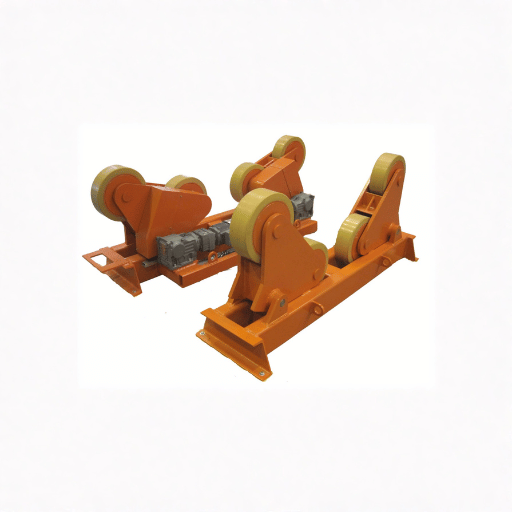
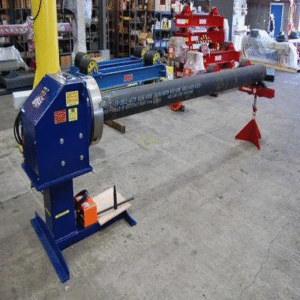
Conventional fields involve roller arrangements that rotate tubes or tanks during welding, painting, inspection, or similar types of operation. An uninterrupted motion and constant orientation of the work piece are achieved by turning rolls. This certainly assists in the quality stabilization of welds. A turning roll would include the drive and support rollers for conveying big load capacities together. In other words, these devices substitute nearly all manual work in the field, give a determinant scale of measurement, and therefore guarantee the operator’s safety to an extent. This makes them essential for high-quality products in laborious environments.
Definition of Turning Rolls
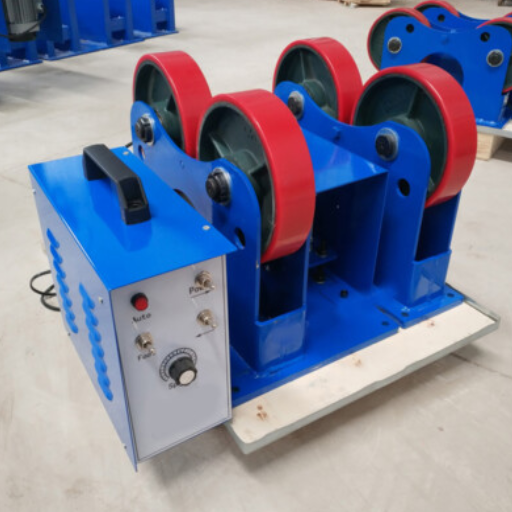
Turning rolls are special-purpose mechanical devices designed to rotate cylindrical workpieces, such as pipes, tanks, or pressure vessels, during welding or fabrication processes. They utilize powered drive units and adjustable idler units for ensuring controlled, stable movement and accurate alignment. These systems are crucial in creating uniform weld quality, decreasing the level of human interference by the operator, and enhancing productivity in industrial applications.
Importance in Welding Processes
Rotating rolls play a vital role in welding-related processes as they make it possible to have an extremely accurate control over the process, ensuring that the finished cylindrical shape is produced with uniformity. Thus, by means of maintaining a consistent rotational speed as well as maintaining center-axis alignment throughout the life of the products being fabricated on this equipment, very high-quality welding is possible on items that can normally prove challenging, especially large-diameter workpieces. They add cost and efficiency to the process by reducing, for example, manual handling and setup times and minimizing HSE issues in a given process by keeping the workpiece as stable as possible. The integration of these machines is crucial to attaining production results which are reliable and repeatable.
How Turning Rolls Enhance Efficiency
Turning rolls facilitate the automatic rotation and positioning of workpieces of cylindrical shape to ensure accurate alignment and welding. Heavy loads are handled easily and the speed can also be adjusted thus reducing downtime and manual labor, and creating a coherent workflow. High-performance production enhancement means more work for the workforce with better supervision and improved quality standards in an industrial setup.
Types of Weld Pipe Turning Rolls

The pipe aligned, turning rolls are again flaws such as the characteristics and specific applications. The basic types are:
1. Conventional Turning Rolls
Those rolls have frames that move to adapt to the variation in diameter of the pipe used, allowing for broad use because of straightforward and reliable applications for normal welding.
2. Self-Aligning Turning Rolls
These cannot only adjust the diameter of the workpiece automatically but also deliver fast setup time. Ideal for continuous presetting alterations in the workpiece long hands.
3. Tilting Turning Rolls
Capable of rotating the pipe at different angles to offer greater positional control for complex welding.
4. Fit-Up Turning Rolls
Fit-up turning rolls are tailored to serve in the perfect alignment and joining of twin unrelated sections of piping. They are necessary for keeping the weld correct during assembly together.
Each have been designed, each has an advanced requirement that is required for it to perform its best and with maximum efficiency yet in varying casesubjective welding environment.
Self-Aligning Turning Rolls
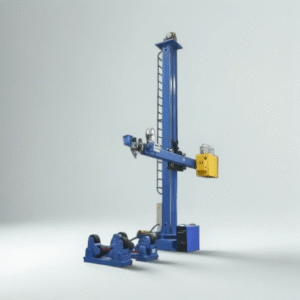
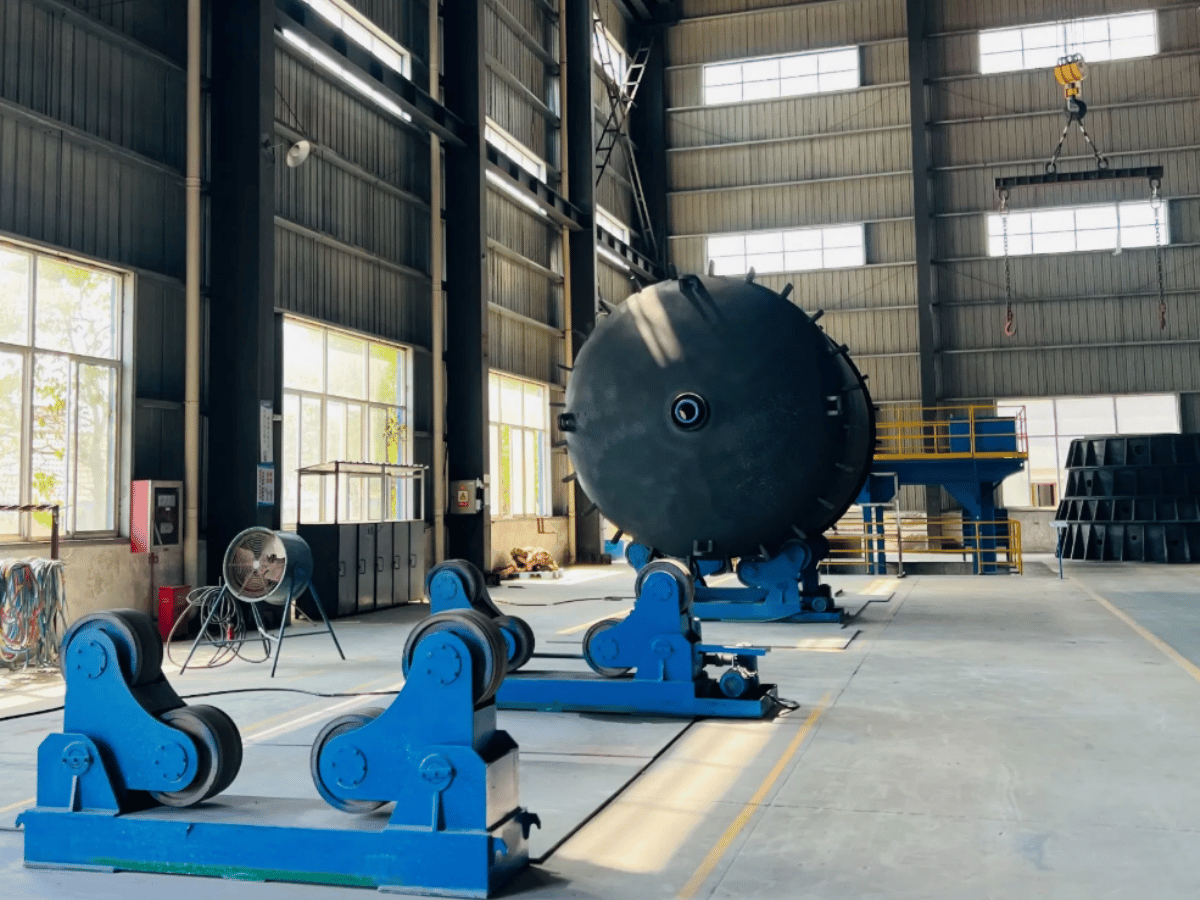
Self aligning turning rolls are industrial welding tools that automatically adjust the rollers to fit different pipe diameters and / or work pieces, without the need for manual roller adjustments that lead to downtime and thereby increase efficiency during operation. Self aligning turning rolls ensure very constant turning and concise alignment of the work piece, creating uniform and consistent welds, while maintaining the highest performances when precision is an issue. These applications suit oil and gas, pressure vessel manufacture, and shipbuilding, among high-end industries mainly known for their heavy-duty character, in which great accuracy and high reliability in operation are expected.
Adjustable Turning Rolls
Adjustable turning rolls are working gear specialized in on-the-go adjustments for cylindrical workpieces of varied diameters, and their performance can both be manually operated and power-driven. This flexibility greatly lessens the unease that would arise should security be enforced when handling various flux things of ostensibly befallen nature, without having to cater multiple equipment sizes, a common request in welding and fabrication processes. Adjustable turning rolls, used in industries such as wind tower manufacturing, oil pipeline construction, pressure vessel flooring, clutch perfect rotation, reduce misalignment risks, and thus work even more capaciously. Heavy-duty construction along with simple operation, claims the importance of dependable turning rolls in precision and reliability.
Fit-Up Models for Pipe Welding
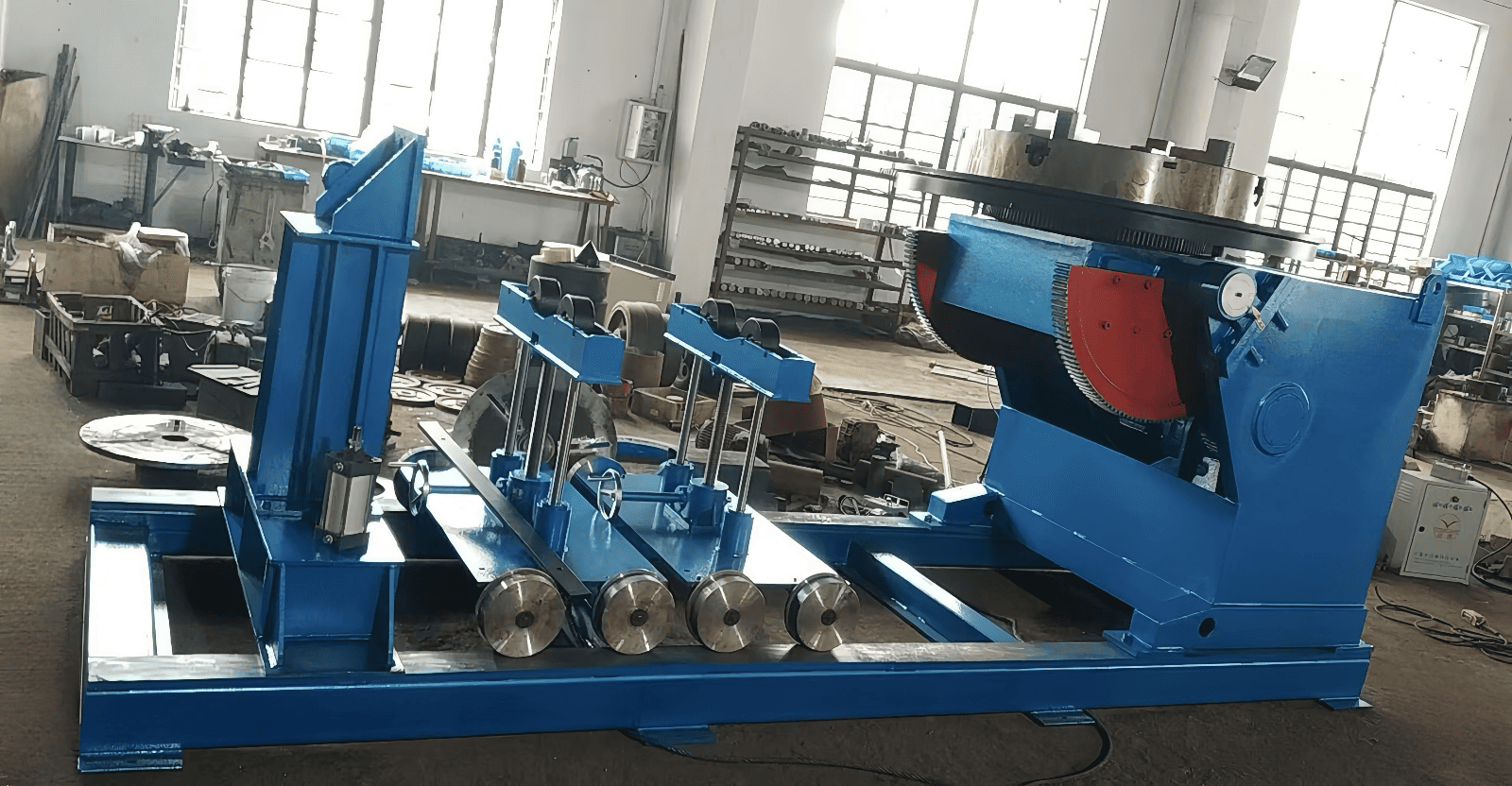
Fit-up model is intentionally fabricated for pipe welding joint alignment and holding systems wherein the pipe parts are kept square during the welding process and yet the fewest mistakes are possible due to the accuracy upholding. Generally, these systems are designed with height-adjustable stands, self-centering tools, and designs which allow them easily to be used with different diameters and lengths of pipe. The great utility of fit-up models is to continually achieve alignment of the pipe accordingly and hence to reduce welding defects by improving joint quality, as well as hence ensuring higher productivity. Tighter tolerances in industries that demand high accuracy during welding processes, such as the oil and gas industry, shipbuilding industry, and power generation-associated industry, signify functionally related aspects in terms of the essentials to improved productivity through durability and accuracy.
Key Features of Turning Roll Sets
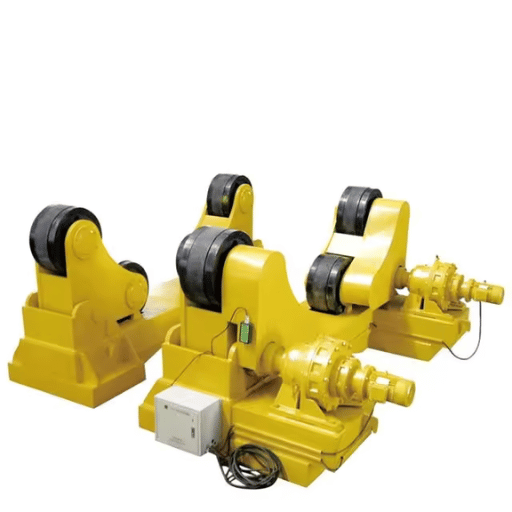
| Feature | Description |
|---|---|
| Carrying Capacity | Can hold any variable load, be it small-diameter tubes or heavy pieces of industrial equipment, thereby making it versatile to use for several purposes. |
| Adjustable Speed | Each of these models has several speed controls who help to set up the speed for each particular welding or assembly operation with precision. |
| Self-centering Rollers | These types of rollers are self-centering; that is, they adjust automatically with the pipe diameter, thereby saving setup time and promoting productivity. |
| Long-lasting Structure | Hearted with high-strength materials providing lasting durable use and wear resistance. |
| Stepped Stability | Most probably built with rubber better or steel wheels/rollers, thereby enhancing stability during worktime, keeping vibration to a minimum. |
| Remote Control | There are plenty of easy-to-use remote-control features that enhance safety and ease, particularly in standrestricted or forbidden-areas. |
In this regard, turning-roll sets, be it any scenario, are a protective necessity for any activity of welding and assembly-building with ultimate direction, efficiency, and safety.
Technical Specifications & Performance
Load Capacity and Specifications (lb)
Turning rolls are found in several load-carrying capacities to serve diverse applications in industrial factories. Normally, the model ranges from 1,000 to beyond 1,000,000 pounds in terms of payload requirements. Loading distribution is carefully calculated based on the size, weight, and material of the rotating workpiece for fine resolution. Models of high capacity are incorporated as they are bolstered with reinforced steel frames, motors, and power systems. So they are accessible for capable duress applications; operation is smooth and flawless because downtime is practically nonexistent. While choosing a turning roll, it will be important to ascertain the upper limit in terms of load. Accompanying the load rating, much importance is also the speed at which the equipment turns and how long it operates without facing any hindrance.
Power and Automation Features
Modern turning rolls are equipped with advanced power and automation features to optimize operational performance and efficiency. Variable speed controls allow for precise adjustments to match project requirements, thereby producing consistent and high-quality outputs for operation. Automation capabilities, which use programmable logic controllers (PLCs) and integrated remote monitoring systems to remove worker dependency from the forefront of materials handling while allowing for real-time monitoring of performance, make paper handling easier, faster and less errorprone.
In the same vein, these turning rolls boast safety essentials in terms of such safety aspects as overload protection and automatic shutdown features to improve availability and operator safety. All these factors combined make the turning rolls perform well in highly demanding industrial applications while maintaining exceptional productivity standards.
Support Structures and Stability
Support structures and stability are essential considerations to yield a safe and efficient operational performance of a turning roll within industries. Base and frame construction are usually made from high-grade material such as reinforced steel and alloy composites intended to give it strong support as well as resistance to the operational stress. The engineered designs are essential to stability and stress-bearing capacity and generally provide for even distribution which is a decisive factor for this machines weight. They are also equipped with antislip features. In addition, this usually requires adjustable leveling and vibration mounting systems to enhance the machine’s performance capabilities and prevent occurrences of misalignment. These features result in making a perfect equilibrium, thereby enhancing the life of the equipment and maintaining its operational accuracy.
Industrial Applications of Turning Rolls
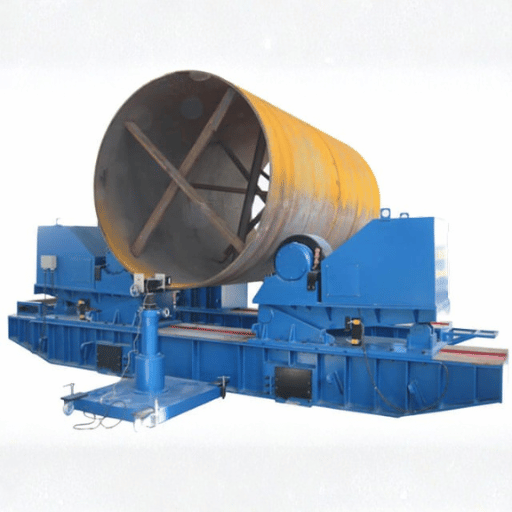
Turning rolls are indispensable within industries whose foremost need lies in the handling of long, cylindrical, or rounded pieces. Traditionally, they are used in:
Welding Operations
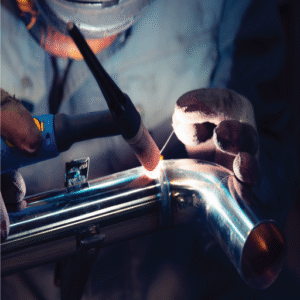
Turning rolls help the work rotate evenly, thus enabling precise welding of pipes, tanks, and these welded pressure vessels.
Pipe Manufacturing
They give support and help in the assembling, final inspection, and coating of petrol and gas pipeline.
Heavy Machinery Fabrication
Rolling pipe tools are employed in this field in the manufacture of boilers, towers of a wind turbine, heavy cylindrical tanks, and various other heavy machinery.
Aerospace and Automotive
They are used for accurate assembly and the finishing of surfaces for cylindrical parts within these precision-driven industries.
These examples depict how versatile and important window-moment turning rolls stand in several practical domains.
Applications in Steel Fabrication
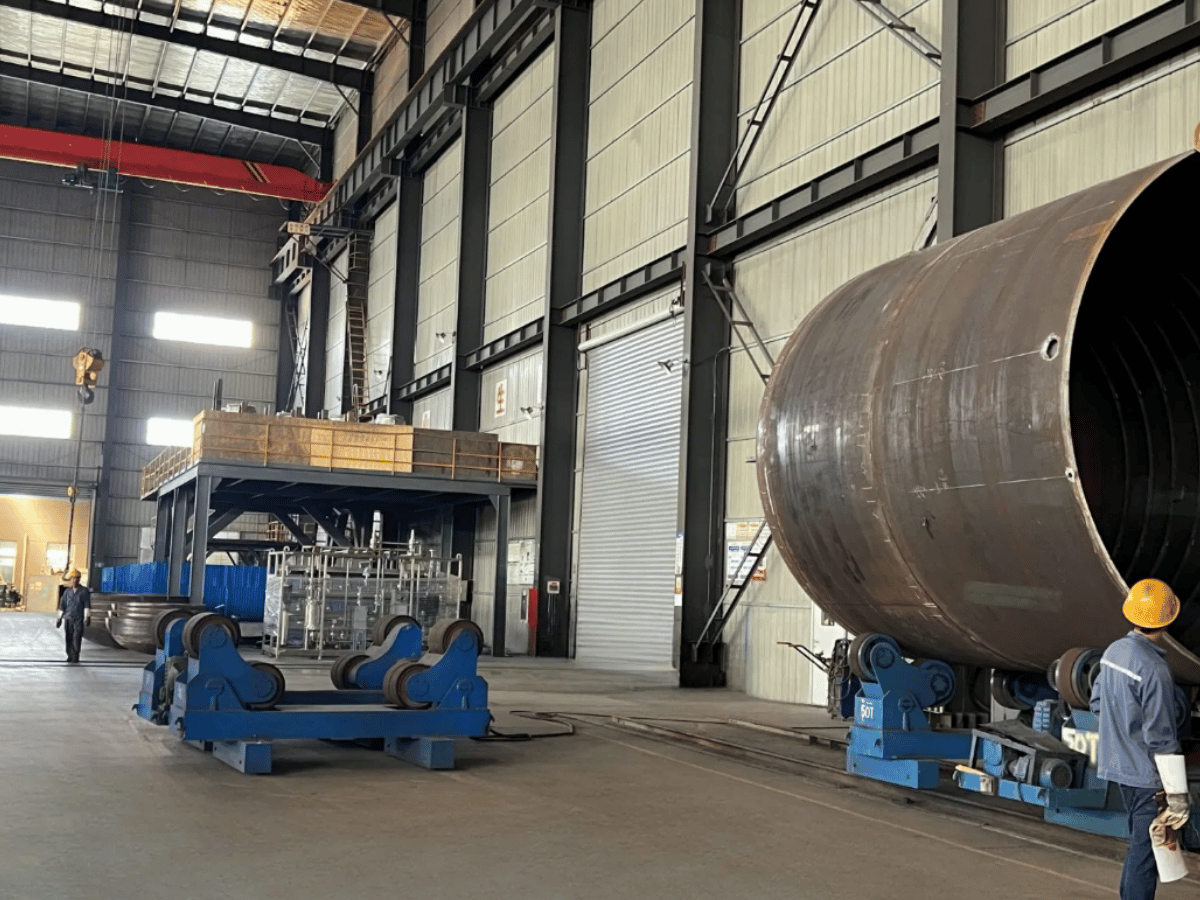
Turning rolls ensure the smooth rolling of the cylindrical components during manufacturing, welding, inspection, and surface treatment, playing an important role in steel fabrication. These devices offer precise control and enhanced safety while manufacturing pressure vessels, structural steel pipes, and storage tanks. They certainly raise operational problems when they have avoided or eliminated manual handling, provide consistent surface finishings, and adhere to the high-quality standards set for the steel fabrication world.
Use in Pipe Manufacturing
Pipe rollers are the core components in the production of pipes and provide uniform rotation during different processes—welding, polishing, and inspection. Their unique capacity to manage varying pipe diameters and weights with accurate speed check secures consistent quality of weld, reduces deformation risks, and ultimately increases the overall efficiency of this process. This dependability is essential to satisfy standards in this field and to produce high-integrity pipes for usage in areas such as oil and gas, construction, and water transport.
Role in Heavy Equipment Welding
Pipe rollers play an essential role in heavy machinery welding by allowing smooth rotations of their large, cumbersome pieces, providing a consistent weld bite depending on the participants’ orientation. Precision-engineered design meets the heavy requirements for construction equipment, thus securing an adequately aligned position under which welding may continue throughout short periods with good possibilities. This provides for high weld strength, fast operations that do not tire the worker, and output improvement. In conclusion, these roles are essential for the construction of industrial machines and infrastructure.
Benefits of Using a Turning Roll Set
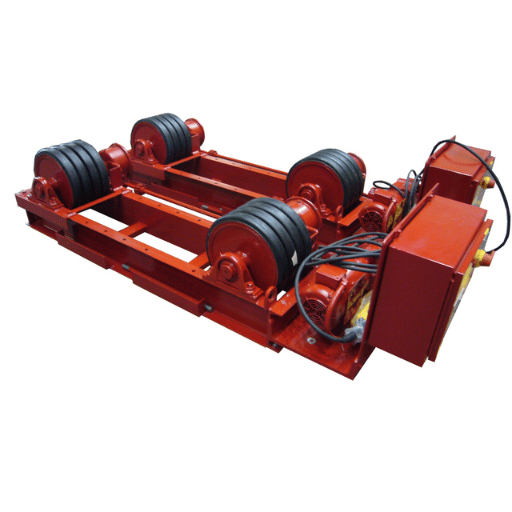
| Benefit | Impact |
|---|---|
| Enhanced Efficiency | These turning rolls ensure consistency in rotating processes, thus permitting welding, polishing, or coating operations to go on uninterruptedly. |
| Greater Precision | The holding keeps the cylindrical surface in steady order so that the tolerances are never beyond spec. |
| Reduced Labor | If the turning rolls automatically rotate the objects, the human worker is freed from merely rotating the piece, reducing labor content of the human worker. |
| Versatility | With capacity adaptable to many applications from welding to painting to inspection, and for use in piping and tanks and similar circular structures. |
| Improvement in Safety | Increased holding helping engineering prevents slippage, thereby preventing accidents (blowout of a vice) due to instability or handling errors. |
Improved Positioning and Rotation
Turning rolls integration plays an essential role in offering precision and control of position and rotation of cylindrical workpieces. The adjustable rollers are controlled again by the synchronized motorized devices to keep the rotating speed constant and precise, so that any welding and coating processes can rely on perfect alignments. With several refined features, standard setups often come in for variable-speed control and load capacities, providing the user with a truly flexible handling setup that fits all weights and sizes. This technology ultimately improves the machine’s performance, ensures better end results in terms of accuracy, and cuts down on possible errors in industrial applications.
Enhanced Productivity and Efficiency
Integrating these gadgets into industrial workflows will drastically boost productivity and precision. Variable speed control ensures adaptability to a broad scope of materials as well as processes; whatever the task, load capacity should minimize the downtime and inconvenience from limits of a piece of equipment. Also, improved accuracy reduces wastage while streamlining production cycles, ensuring predictably high quality and an optimum, cost-effective work environment. It is therefore important that such technologies have become a modern facet of manufacturing and engineering that not only belong but are very necessary at the same time.
Cost-Effectiveness in Operations
Cost-effectiveness in operations is achieved through the integration of precision technologies and automation that reduce resource usage and operational inefficiencies. By optimizing workflows, minimizing waste, and enhancing consistency in production quality, companies can realize considerable cost savings while maintaining high standards. These advancements do not only allow for reduction in production costs but also improve scalability and adaptability leading to a competitive edge in fast-changing markets.
Reference Sources
- Reports and Data – Turning Rolls Market
Offers a perspective about market size, growth, and varied applications of turning rolls in various industries. - Growth Market Reports – Welding Positioner Turntable Market Research Report
It deals with the prevailing market trends, growth path, and applications of welding positioners and turning rolls. - The Fabricator – Marketing for Metal Fabricators: Don’t Pitch, Educate
The renditions provide an account of this discussed culture and how it forms perceived strategies.
Frequently Asked Questions (FAQs)
What is a welding turning roll?
Welding turning roll is a device used for the rotation of cylindrical or heavy components during welding, which provides transcript quality and significant decrease in the manual effort.
What are the common types of welding turning rolls?
Common types include self-aligning turning rolls, conventional turning rolls, and adjustable turning rolls, designed for specific applications.
What industries use welding turning rolls?
Oil and gas, shipbuilding, aerospace, construction, heavy machinery, and related industries use welding turning rolls very often.
What are the benefits of employing welding turning rolls?
The advantages of the welding turning rolls are improved weld quality, higher productivity, reduction in manual labor, and increased safety.
What is the working principle of self-aligning turning rolls?
Self-aligning turning rolls automatically adjust to the workpiece diameter when they come to an end, ensuring correct alignment.