From construction to oil and gas, pipe welding is an essential process that requires precision, efficiency, and consistency to deliver high-grade output. To meet these standards, rotators and welding positioners have emerged to redefine the perspective of welders who undertake large, complex projects. This guide delves into the realms of rotators and positioners to explore how they streamline workflow, increase the accuracy of welds, and provide safety and security in difficult applications. Whether you are a seasoned practitioner or new to pipe welding, you will learn how to exploit the benefits of these indispensable tools.
Understanding the Basics of Pipe Welding
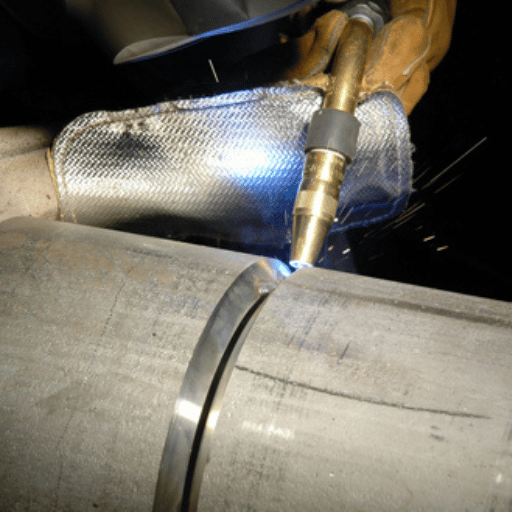
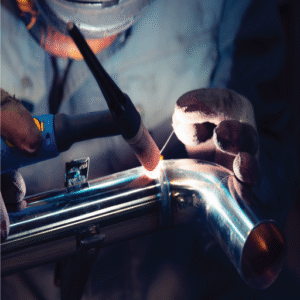
Pipe welding is a specialized welding process used to join metal pipes to form continuous flow systems for the transmission of fluids or gases. Methods like Tungsten Inert Gas (TIG), Shielded Metal Arc Welding (SMAW), and Metal Inert Gas (MIG) welding are frequently employed as pipe welding procedures, all selected based upon the material and application particular to the job. Accurate pipe alignment is essential before welding to achieve strong and leak-proof joints. Through detailed surface preparation—which includes cleaning the surface and beveling the ends for proper bonding that would ensure optimum fit-up—perfect joints can be fabricated. With adherence to safety standards and best practices, pipe welding operations assure users of the best possible fabrication results in the oil and gas, construction, and manufacturing industries.
What is Pipe Welding?
Pipe welding is an advanced welding technique mainly used for joining sections of pipe to create watertight, continuous, and strong connections. Techniques such as Shielded Metal Arc Welding (SMAW), Gas Tungsten Arc Welding (GTAW), or Metal Inert Gas (MIG) are suitable depending on the pipe material, thickness, and requirements. This process has a major impact on substantial structures in the oil and gas, petrochemical, and power generation sectors where precise weld quality and attention to rigid industry standards are indispensable.
Importance of Welding in Pipe Fabrication
Welding is crucial in pipeline fabrication as it ensures the structural integrity and reliability of piping systems used in critical applications. The value of welding lies in creating defect-free, high-strength joints that endure harsh pressure, temperature, and chemical conditions. Advanced techniques involving GTAW or SMAW, combined with strict adherence to industry codes like ASME or API, confirm the necessary safety and performance of welds and reduce the risk of system failure over time.
Overview of the Welding Process
Welding is a controlled technique in which heat and pressure are applied for joining metallic or thermoplastic materials. The normal process begins with preparing the base materials through proper cleaning and surface alignment. Depending on the welding method used—whether GTAW (Gas Tungsten Arc Welding), SMAW (Shielded Metal Arc Welding), or another approach—appropriate filler material or electrodes are employed to achieve desired bond strength. An electrical arc, gas flame, or laser generates the heat that melts the metal, which then solidifies upon cooling to form a sound joint. Careful control of welding parameters like temperature, speed, and shielding gas composition ensures the final product is free from defects and meets industry-based standards such as ASME or AWS regulations.
Welding Rotators: Types and Specifications
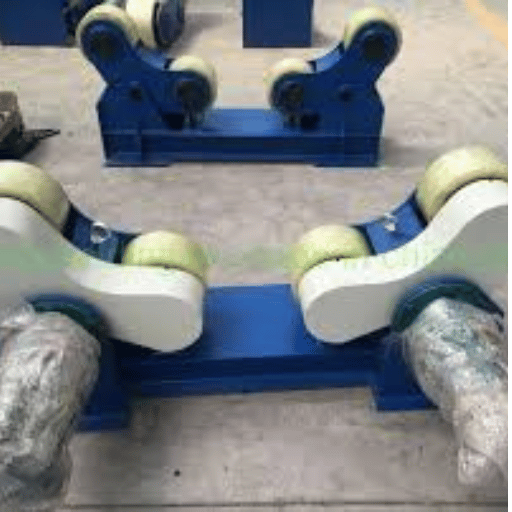
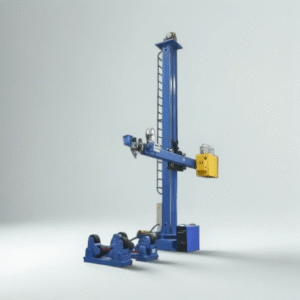
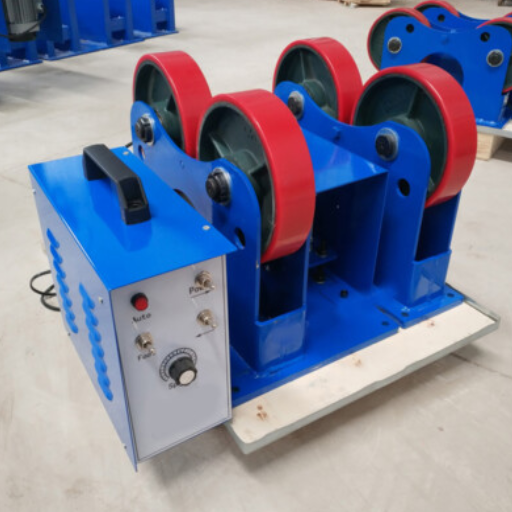
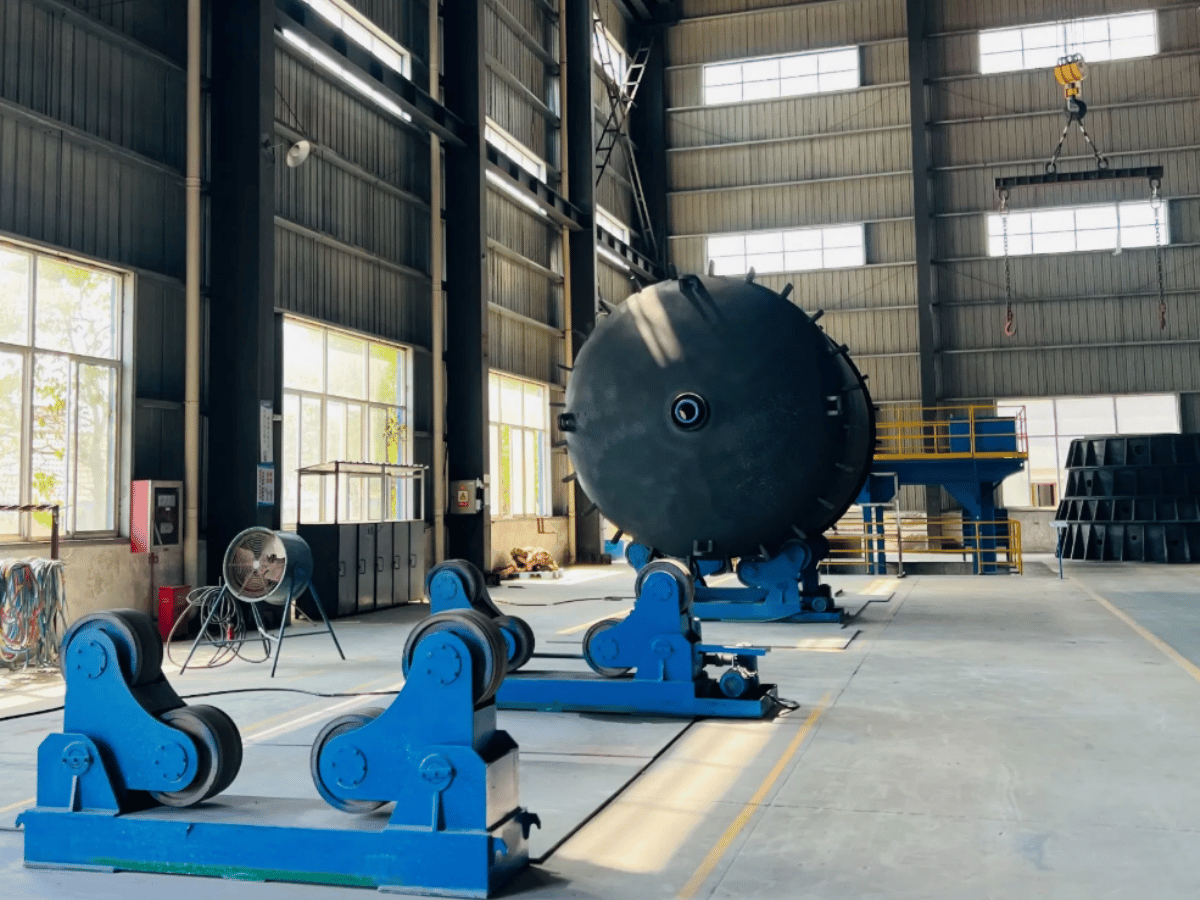
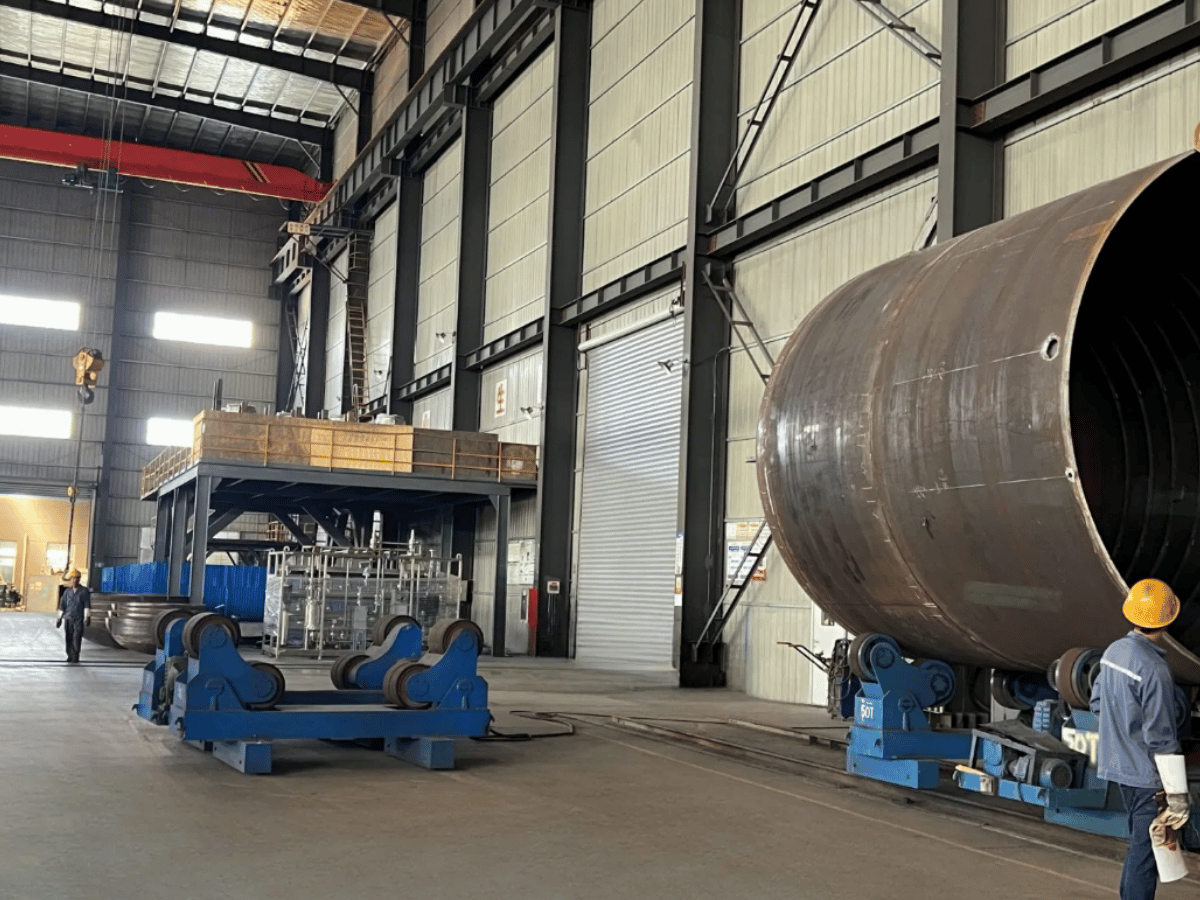
Welding rotators are supportive and rotating mechanisms that handle cylindrical workpieces during external diameter welding operations. They contribute significantly to efficiency, weld quality, and reduced operator fatigue. Among the various designs available, the following are the primary types:
Key Rotator Categories
1. Conventional Rotators
Adjustable rollers are the main feature of conventional rotators, allowing them to accommodate different pipe diameters. These are invariably appropriate for applications where rotators work consistently at particular diameters or where dimensional variations are minimal.
2. Self-Aligning Rotators
Self-aligning rotators feature tables capable of automatically adjusting to the workpiece diameter. Besides eliminating nonproductive setup time, this design maintains consistency in positioning throughout the welding process.
3. Turning Rolls
Turning rolls, suitable for larger and heavier workpieces, offer exceptional sturdiness and are employed for proper job rotation in demanding industrial environments.
When choosing welding rotators, various specifications should be taken into account, including load capability, roller diameter, rotation speed range, and compatibility with workpiece dimensions. When configured correctly, rotators play an important role in increasing welding precision and productivity.
Types of Welding Rotators
Several types of welding rotators are available, each designed for specific applications based on functionality:
Self-Aligning Rotators
Automatically fine-position the rollers to accommodate workpiece diameter changes, eliminating manual adjustment and ensuring consistent operation.
Conventional Rotators
Serve general-purpose welding tasks with manual roller adjustment for different workpiece diameters to maintain a uniform welding process.
Pipe Rotators
Well-designed for cylindrical jobs such as pipes and tubes, smoothly rotating and supporting them for rigid and repeatable welding.
Fit-Up Rotators
Specifically useful for correctly aligning two workpiece sections before final welding, essential for precise joint alignment.
Most industries prefer specific types of rotators to ensure that production based on workload volume, material quality, and production objectives maintains the natural balance between cost and quality.
Key Technical Specifications of Welding Rotators
| Specification | Description |
|---|---|
| Weight Capacity | Welding rotators have gross load capacities ranging from several tons to over 1,000 tons, addressing individual industrial necessities. Appropriate selection helps maintain structural safety and efficient machine operation. |
| Rotation Speed | Variable rotation speeds ranging from 0.1 to 5 RPM allow quick adjustments for different welding tasks, ensuring optimal results across various materials and applications. |
| Drive System | Drive systems—either AC, DC, or servo motors fitted with gear and chain drive mechanisms—guarantee smooth and consistent rotation under the heaviest load circumstances. |
| Diameter Adjustability | Auto-setting adjustments for varying workpiece diameters through adjustable rollers or modular setups make rotating facilities valuable resources in almost any application environment. |
| Roller Material | Roller constructions may incorporate polyurethane or steel, both thoughtfully chosen to accommodate workpiece weight, material, and expected temperature to avoid damage and enhance durability. |
| Control System | Current rotators are constructed with control systems that allow remote or digital manipulations, ensuring extremely precise fine adjustment, optional speed-matching functions, and automation capabilities when connected to welding devices. |
With these specifications, engineers and operators can ensure that rigorous welding task demands are upheld while addressing productivity and safety concerns effectively.
Features of Pipe Rotators
Pipe rotators are designed to promote operational efficiency in various welding and fabrication processes. Key features include:
- Adjustable Drive and Idler Units:
Flexible configurations enable the pipe rotator to accommodate various pipe diameters and lengths, ensuring practical load capacity and making them workable in numerous applications. - Load Capacity:
High-capacity models handle heavy pipes and tanks while maintaining stability and accuracy even with substantial weight loads. - Variable Speed Control:
Integrated systems allow fine adjustment of rotation speed to produce consistent weld beads and accommodate a wide variety of welding techniques. - Self-Aligning Mechanisms:
Many rotators feature self-alignment capabilities with minimal setup interference and manual intervention, enhancing accuracy and productivity. - Durable Materials:
Pipe rotators integrate heavy-duty components offering protection against wear, corrosion, and high temperatures, supporting demanding long-term use. - Automation Integration:
Pipe rotators can be paired with robotic welding systems, combining workflows, improving accuracy, and optimizing repeatability.
Overall, pipe rotators are key assets in industrial welding operations, offering efficiency, safety, and quality improvements.
Welding Positioners and Their Applications
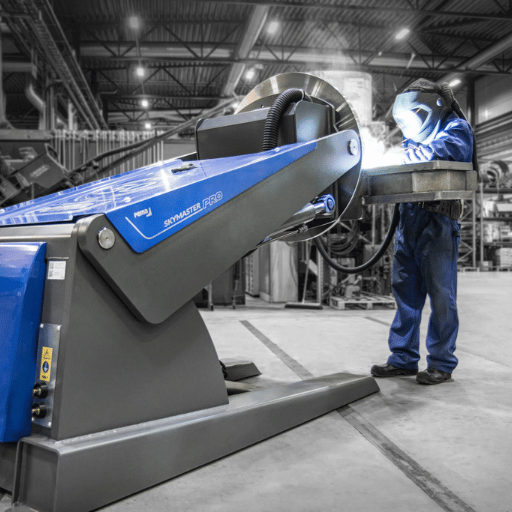
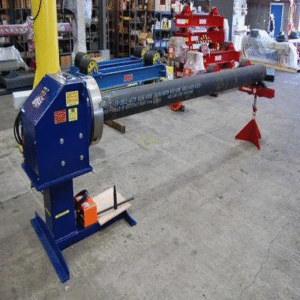
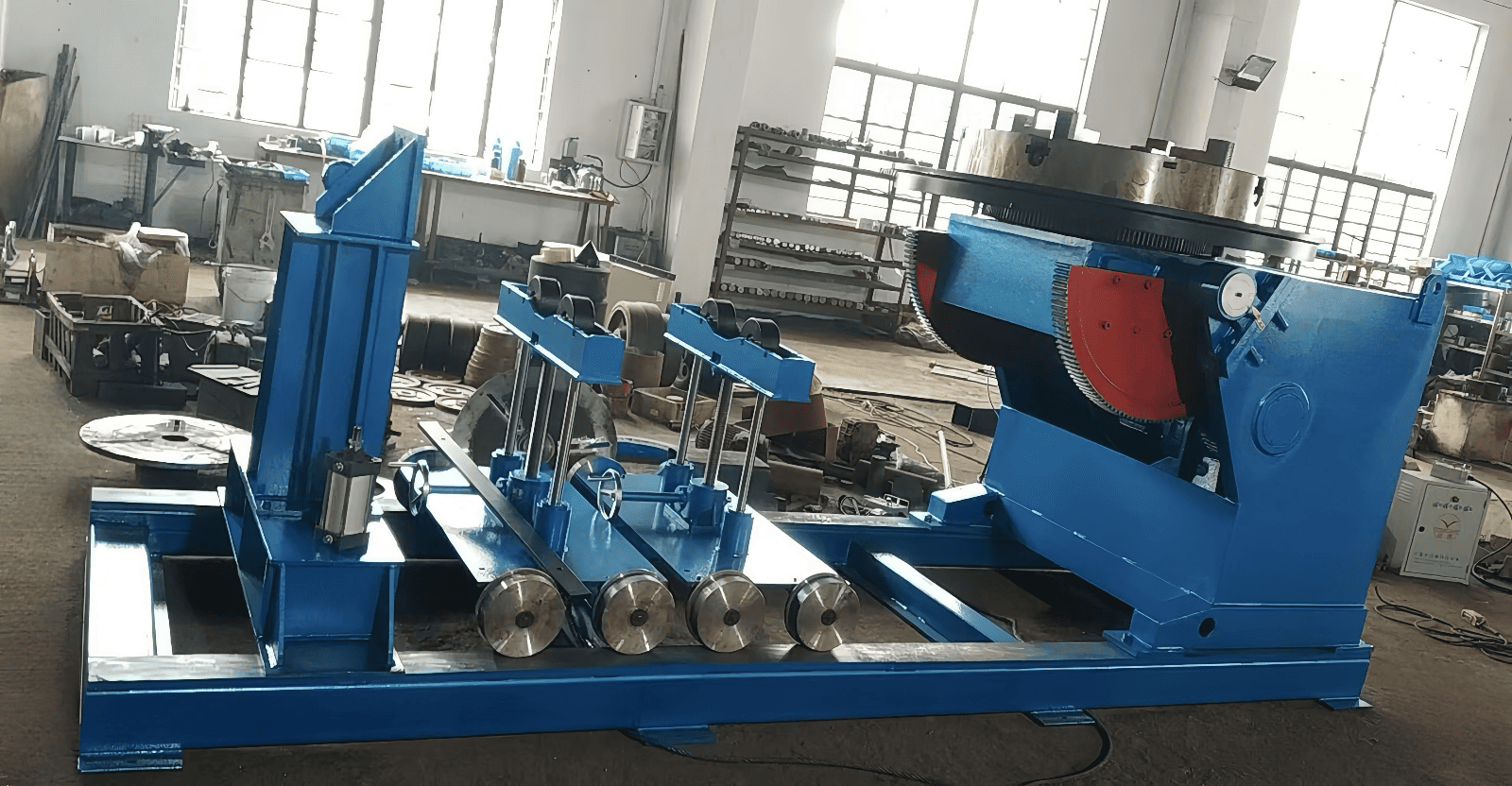
Welding positioners are pieces of equipment designed to hold and rotate workpieces to allow for optimal positioning and repeatability during the welding process. These are essential tools for improving weld performance, reducing fatigue, and enhancing efficiency. They serve critical roles in different applications:
Pipe and Tube Welding
Positioners are indispensable for turning pipes and enabling welders to work on circumferential welds efficiently.
Heavy Fabrications
Positioners support unwieldy parts like beams, plates, and complex assemblies during welding operations.
Automotive and Aerospace Industries
Precision welding is conducted for critical components such as frames, gears, and engine parts with strict quality control.
Pressure Vessels and Tanks
Positioners render welding feasible for enormous containers while reducing mishap risks through controlled turning.
Positioners increase effectiveness by allowing more direct access and control, thereby improving overall productivity and weld reliability.
What are Welding Positioners?
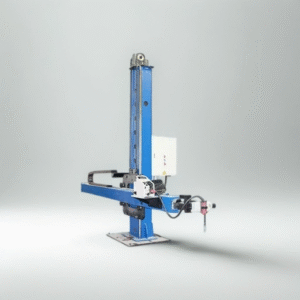
A weld positioner is a mechanical unit used to handle, rotate, and maneuver workpieces during welding. By maintaining articulation, welding inputs benefit from proper workpiece alignment in preferred positions. Welding positioners also improve setup stability and ergonomics, providing greater controlled movement and proper positioning that positively impacts weld quality while reducing operator fatigue. Such supporting rotator units are particularly important in heavy and complicated situations, proving key in manufacturing operations by boosting productivity and cutting downtime.
Applications of Welding Positioners in Industry
Welding positioners are instrumental in automotive, aerospace, construction, and oil industries, facilitating the fabrication of cylindrical components such as pipes, tanks, and structural steel framing, as well as assembling heavy machinery parts. Through precise rotation and position settings, welding positioners uphold consistent weld quality and low downtime, which benefits workflow in demanding industrial businesses. Their capacity to accommodate different sizes and weights of workpieces further demonstrates their versatility in various manufacturing environments.
Choosing the Right Welding Positioner for Your Project
When choosing a welding positioner suitable for your project, numerous factors need meticulous analysis to ensure optimal performance and efficiency. The weight and dimensions of the workpiece are of primary importance, as these determine the load capacity and size of positioner needed. Consider the required speed, intensity, and motion capabilities such as tilting and rotation angles, as these factors directly affect welding type compatibility. Evaluate the positioner’s compatibility with your existing equipment—whether you’re using MIG, TIG, or arc welding processes. For more complicated applications requiring high repeatability and accuracy, advanced features such as programmed control and auto-syncing with robotic welding systems may become convenient. Through various designs and operational configurations, positioners can work concurrently to improve productivity, weld quality, and subsequently relieve stress on operators.
Choosing the Right Welding Rotator
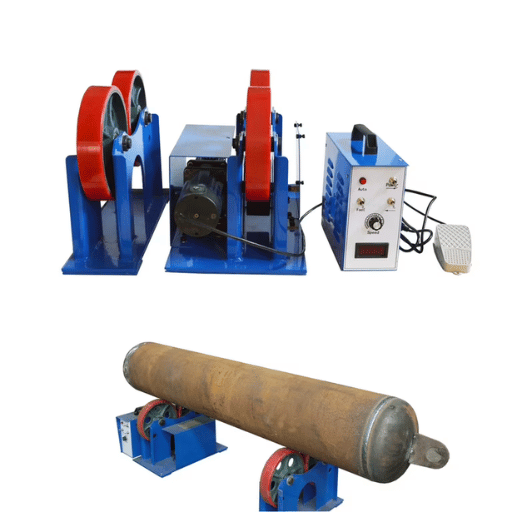
When purchasing a welding rotator, certain principal factors should be considered to secure optimum performance and compatibility with project requirements:
1. Load Capacity
The working weight of the workpiece must be carefully evaluated. A rotating-rollover machine’s load capacity should never be less than the workpiece weight to maintain the requisite safety level and operational efficiency for the job.
2. Diameter Range of Workpieces
Ensure the welding rotator can actually support the diameters of components your workshop will handle. A rotator that can be adjusted to accommodate varying sizes is the ideal solution.
3. Rotation Speed
Opt for a rotator with speed settings suitable for your welding process. Varied rotation speed options are crucial to ensure consistent, high-quality welds.
4. Type of Rotator
Assess whether the job can best accept a self-aligning rotator or a conventional one. Self-aligning types are equipped to handle cylindrical workpieces with varying dimensions, while conventional rotators are created for consistent sizes.
5. Durability and Build Quality
Examine the materials used in construction and the design of the welding rotator for long-term durability, especially if the machine will be used in industrial environments where severe stress and strain are applied.
The welding rotator warrants judicious study of these aspects to ensure compatibility with particular project needs, thereby enhancing productivity, accuracy, and safety.
Factors to Consider When Choosing a Welding Rotator
When selecting a welding rotator, pay heed to the following critical considerations:
- Load Rating: Ensure the apparatus can handle your largest workpiece safely without diminishing performance.
- Adjustability and Roller Type: With the rigors of welding operations, ensure rollers can cope with varying diameters and reduce slippage during rotation.
- Drive System Reliability: Different drive systems are available; ensure reliable performance with variable speed control settings that best suit your precision welding needs.
- Automation System Compatibility: The rotator should be compatible with automation systems, providing a well-orchestrated workflow that enhances workplace efficiency.
- Material Durability: Material selection may determine equipment longevity, as components must endure harsh conditions and constant usage in industrial environments.
How Welding Rotators Enhance Efficiency
While rotating workpieces, rotators maximize productivity by maintaining a certain degree of consistent rotation. As a result, weld quality is optimized, which reduces errors to a minimum and ensures operators are not overworked. When handling heavy workpieces that need precise positioning, accurate roll angle adjustment minimizes the need for repositioning and workmanship errors, allowing for the formation of smooth, consistent welds. Welding rotators provide efficiency features plus advanced functions where speed control and synchronization with welding processes are embraced for fine-tuning metalworking operations, thus reducing downtime, increasing overall output, and ensuring reproducibility in welding work. Consequently, welding rotators remain an absolute necessity in any modern fabrication facility.
Comparison of Available Welding Rotators
| Rotator Type | Key Features | Best Application |
|---|---|---|
| Conventional Rotators | Manual adjustment for uniform diameter workpieces | Process conditions with consistent pipe diameters |
| Self-Aligning Rotators | Automatic diameter adaptation with minimal setup | Diverse industrial use with varying workpiece sizes |
| Heavy-Duty Rotators | Enhanced load capacity with advanced controls | Large or very heavy workpiece handling |
| Precision Rotators | Optimal speed regulation and monitoring systems | High-volume production operations requiring tight tolerances |
The prominent considerations regarding welding rotators focus on aspects of loading capacity, adaptability to divergent workpiece diameters, and the availability of useful features such as self-aligning equipment or variable-speed functions. Ultimately, the actual choice of welding mechanism shall largely rely on individual fabricators’ industrial requirements, ensuring both productivity and safety.
Reference Sources
Zhouxiang Group – Best Guide for Welding Rotators
This paper discusses how welding rotator machines add capacity, deliver superior welding quality, and reduce the need for highly skilled labor in rotating heavy pieces consistently.
SUCC Welding – The Ultimate Guide to Self-Aligning Welding Rotators
Discusses the use of self-aligning welding rotators to achieve better productivity while improving performance during welding operations.
Resize Weld – Self-Aligning Welding Rotators Guide
Provides an interesting assortment of different kinds of welding rotators, including applications and how to decide among the best options for particular needs.