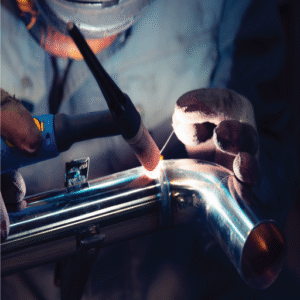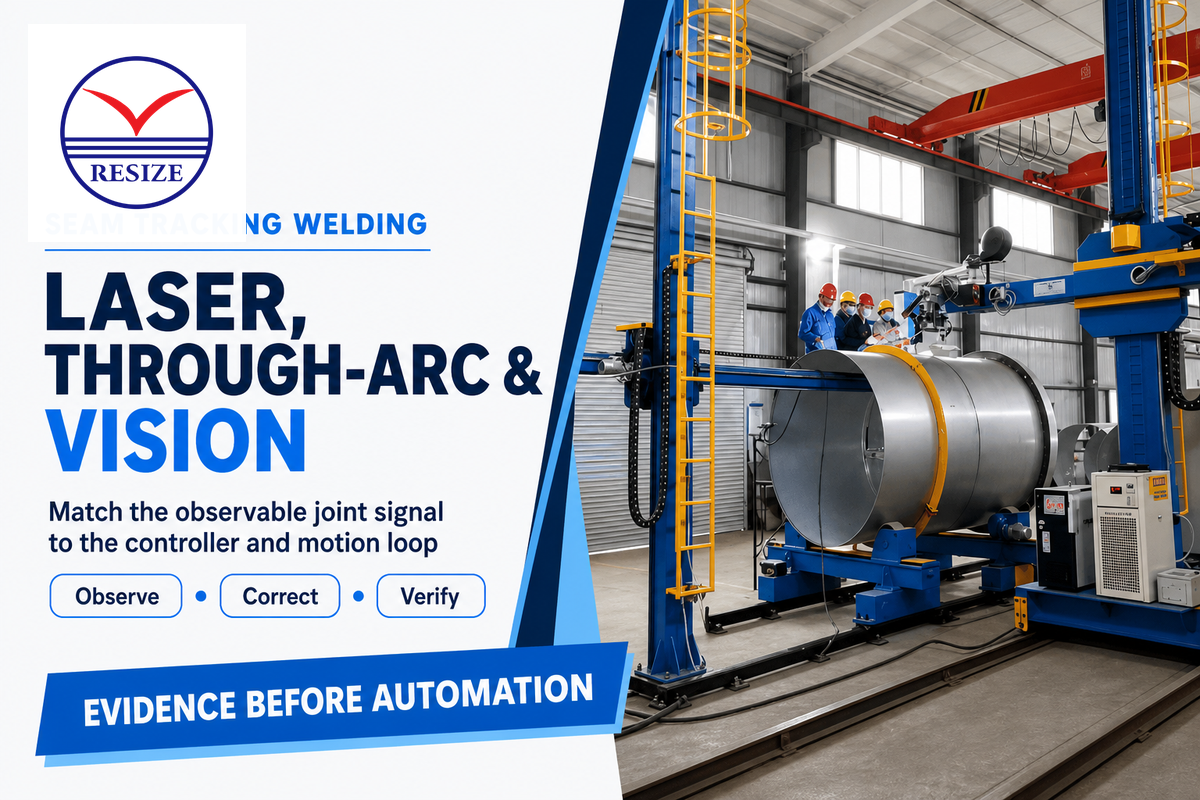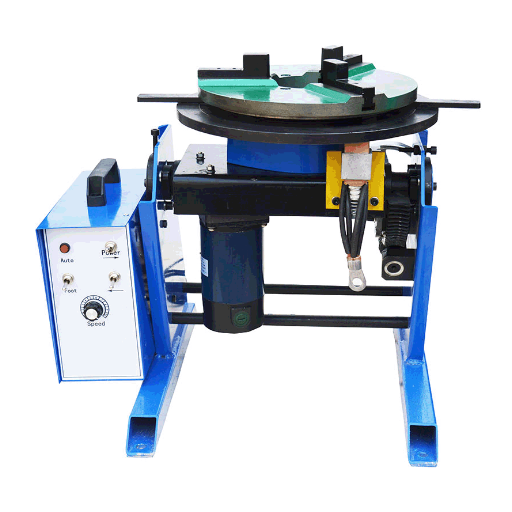
Welding cylindrical pipes and other rounded workpieces requires special equipment because the process becomes difficult and consumes too much labor without it. That’s where weld positioners and turning rolls come into play. The essential tools make welding operations accurate and efficient and safe through their ability to control the rotation and positioning of cylindrical objects. Every welder and fabrication shop manager must learn how these solutions improve their operational processes and produce better welding results. The article examines how weld positioners and turning rolls improve pipe welding operations by providing information about their advantages and uses and their essential role in contemporary welding practices.
Introduction to Welding Equipment
Importance of Welding in Fabrication
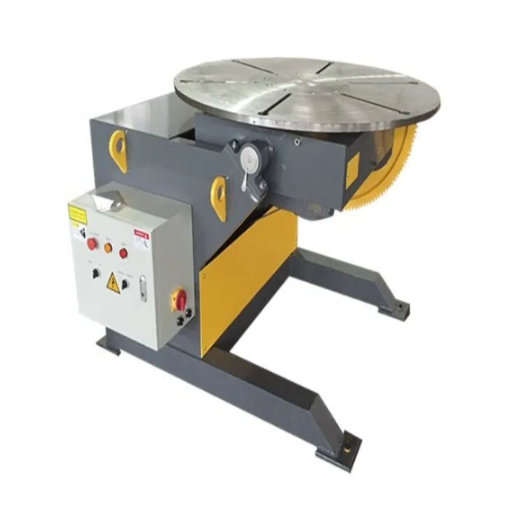
Welding serves as a fundamental method which fabricators use to build their projects into solid permanent parts which withstand multiple industrial applications. The process establishes metal connections to safeguard building components which architects and manufacturers and shipbuilders need for their work. Complex structures and machinery components require welding for their complete assembly because it provides essential joining methods which enable efficient construction work.
The welding process provides a critical function for fabrication because it produces permanent connections which withstand extreme stress and various environmental conditions. The process creates building components which need to withstand time without failing which apply to construction and vehicle and industrial machinery use. Fabricators depend on welding methods to produce accurate results which fulfill their required quality benchmarks.
Welding equipment and technology improvements lead to higher fabrication productivity through increased operational efficiency. Automated systems which include weld positioners and turning rolls produce dependable welds at high quality standards while decreasing the need for manual work. The new technologies increase production speed while decreasing mistakes which helps companies handle their rising customer needs without increasing their expenses.
Overview of Welding Positioners and Turning Rolls
Modern fabrication processes require welding positioners and turning rolls as essential tools which create enhancement benefits through improved operational efficiency and enhanced precision and increased worker safety. Welding positioners create stable workpiece control through their ability to hold and rotate workpieces which allows welders to position materials according to their optimal welding configuration. The process decreases worker physical demands while it cuts down welding errors and produces constant high-quality output throughout the manufacturing process. Positioners decrease manual handling requirements which results in decreased workplace injuries for workers.
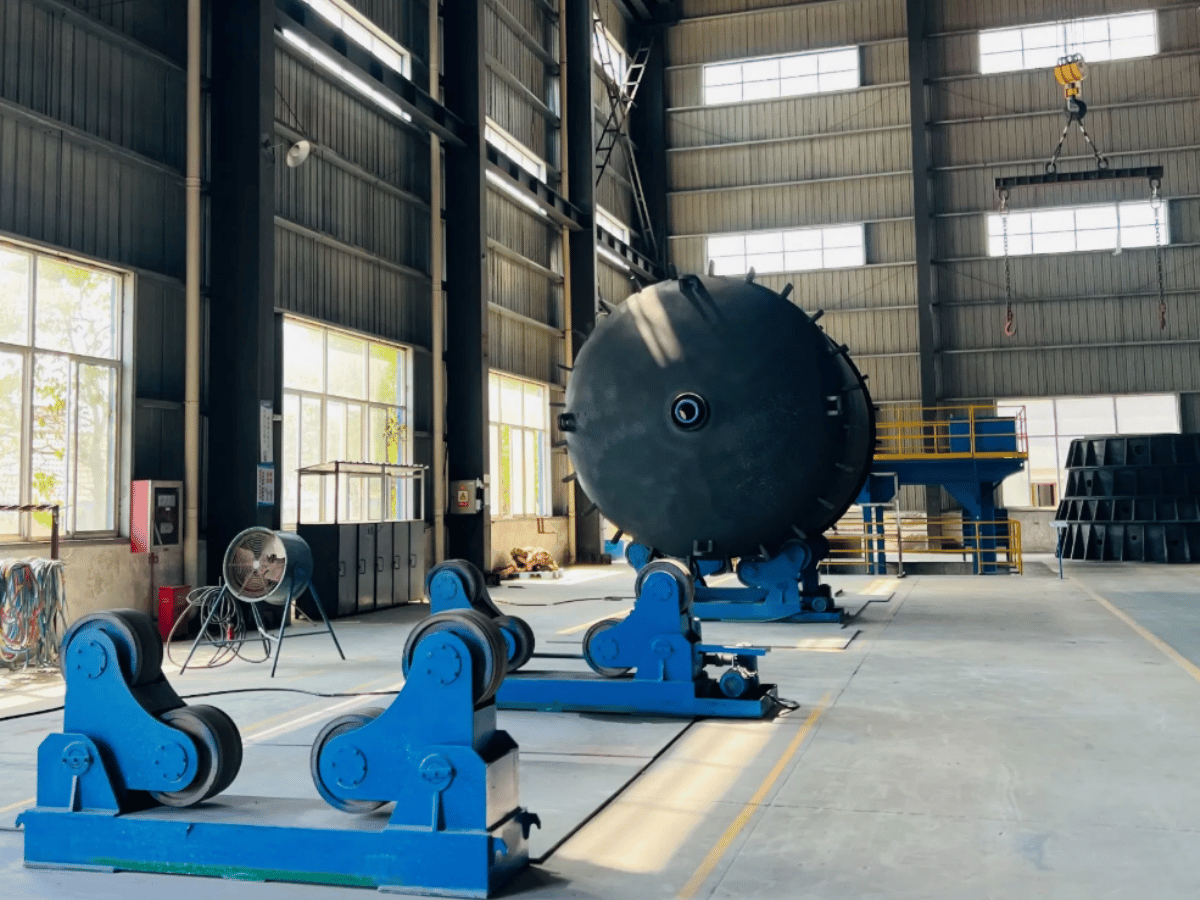
Turning rolls serve the function of rotating cylindrical workpieces which include pipes and tanks. The systems create balanced weight distribution across the workpiece which leads to smooth and continuous workpiece rotation. The system allows for uniform welding between parts which need extensive and accurate welding. The adjustable nature of turning rolls enables them to handle different manufacturing needs through their capability to support multiple weight and dimension requirements.
Key Takeaway
The synergy between positioners and turning rolls allows shops to achieve higher production targets by automating heavy material handling and improving arc consistency.
The two instruments work together to decrease production duration while decreasing labor expenses. The system enables companies to achieve production capacity targets through automated operations which improve welding precision while decreasing production losses and operational mistakes. The new developments create efficient work processes which enable businesses to deliver high-quality products without using extra resources.
Understanding Welding Positioners
What is a Welding Positioner?
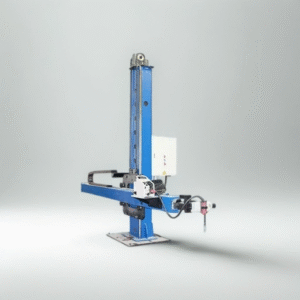
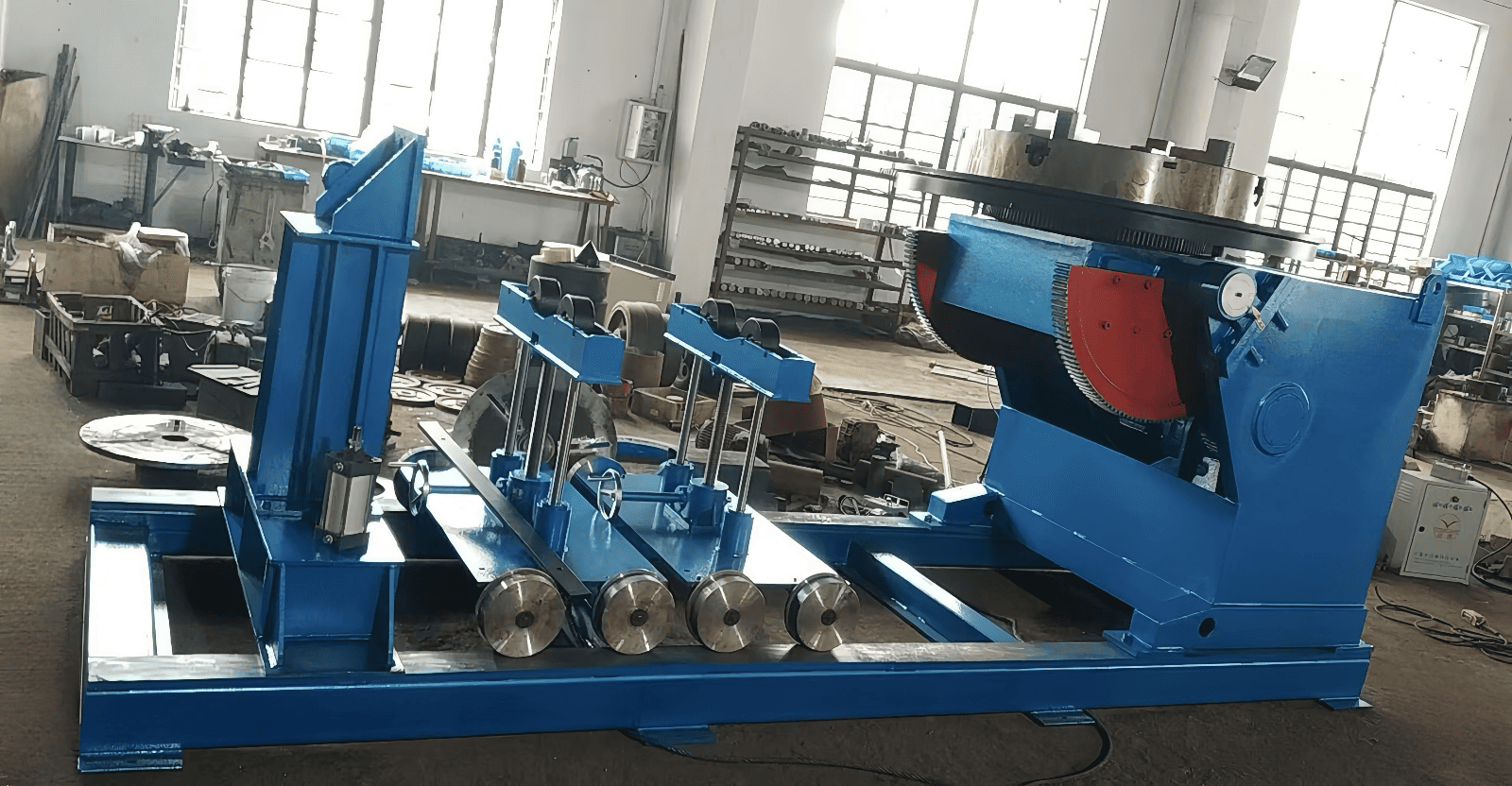
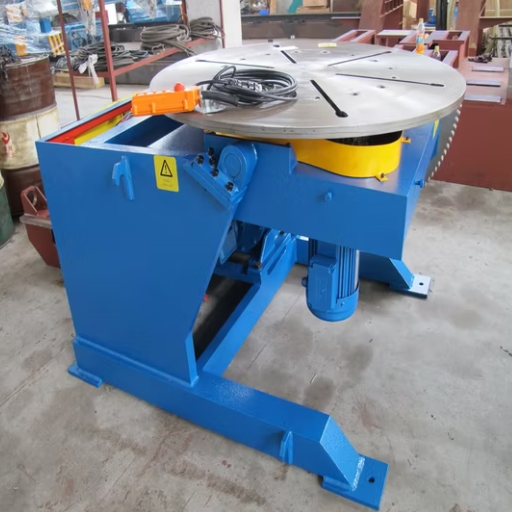
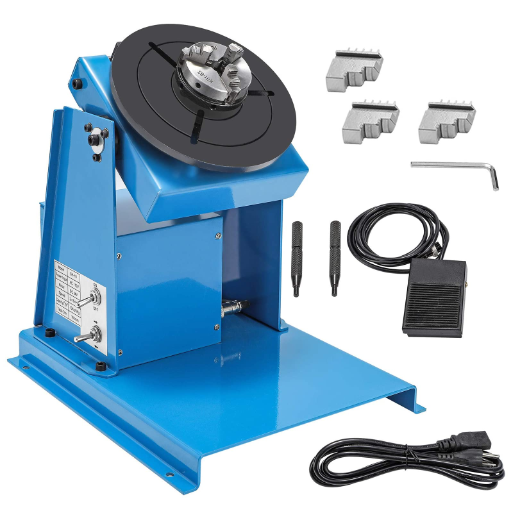
A welding positioner is a device which holds workpieces and rotates them to improve the efficiency and accuracy of welding work. The equipment permits workpiece rotation together with tilt movement and all-angle positioning which helps welders to execute their tasks with total accuracy. This method produces superior welds while decreasing operator workload.
The primary purpose of a welding positioner enables the welder to reach an ergonomic welding position which establishes the most suitable working angle for robotic welding equipment. The system helps welders to perform their tasks more efficiently by reducing their need to work from dangerous or uncomfortable positions which lead to increased fatigue and errors. Positioners assist welders with difficult angles while providing better access to complex workpieces which enables them to complete their welding tasks faster.
Welding positioners find applications across multiple industries which include construction manufacturing automotive and shipbuilding because these sectors require production of high-quality consistent welds. The tools enable companies to automate or simplify their workpiece positioning process which results in time savings and decreased labor expenses while helping them achieve accurate results during extensive production operations. A welding positioner implementation in a workshop or production facility leads to improved operational efficiency which produces consistent results from welding activities.
Functions of a Welding Positioner
The welding positioner operates by securing and rotating workpieces which allows welders and automatic systems to achieve precise access to all necessary welding angles. The process removes the requirement for workers to move objects manually because this process consumes time and leads to unpredictable results. The system provides precise positioning during the entire welding operation which enables welders to produce high-quality results with minimal effort.
The primary function of a welding positioner works to increase production output through its ability to decrease both setup time and material movement time. The device allows workers to maintain a steady rhythm, focusing solely on the welding process rather than stopping to adjust the workpiece repeatedly. The system improves productivity within large-scale production environments because it delivers consistent results which companies need to achieve their output targets.
The welding positioners create safer working environments through their ability to operate. The system provides workpiece security which decreases the requirement for workers to lift heavy items or operate in dangerous positions. The system creates safer workplaces because of its ergonomic design which helps to decrease worker accidents and protect employee health.
Benefits of Using a Welding Positioner
💡
Pro Tip
Using a positioner allows the welder to always weld in the “downhand” or flat position, which significantly improves penetration and bead aesthetics.
Welding positioners help workers achieve better productivity results because they provide the ability to position workpieces at optimal welding angles. The system enables operators to work more efficiently because it eliminates the need for manual adjustments and allows welders to finish their work at a faster rate while maintaining all quality standards. Positioners provide welding operators with a stable welding angle which enables them to achieve better accuracy and produce consistent results.
Welding positioners provide another crucial advantage because they enhance protection measures within work environments. The system minimizes worker requirements to manually transport or lift heavy items which decreases the possibility of work-related injuries. The system enables workers to maintain proper body positioning while working which helps prevent repetitive strain injuries and supports long-term worker health maintenance.
Welding positioners enable businesses to reduce their expenses through two main advantages which include better work efficiency and lower material waste. The creation of accurate welds results in less work that needs to be fixed which decreases the amount of time required for both rework and repairs. The system enables organizations to distribute their workforce effectively because it lets employees concentrate on essential activities. Welding positioners provide industrial environments with multiple advantages that make them a valuable investment for better productivity and workplace safety.
Exploring Turning Rolls
What are Turning Rolls?
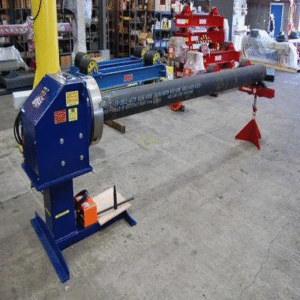
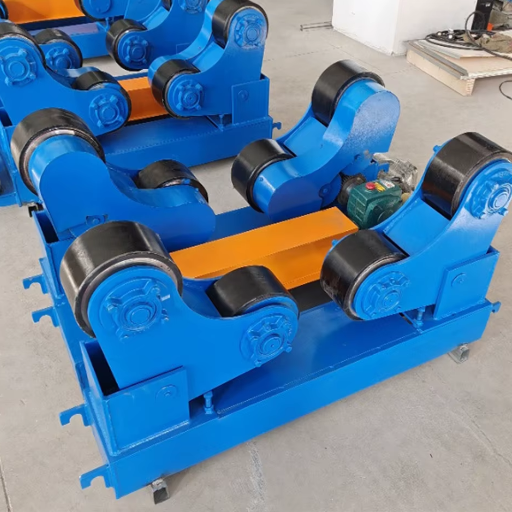
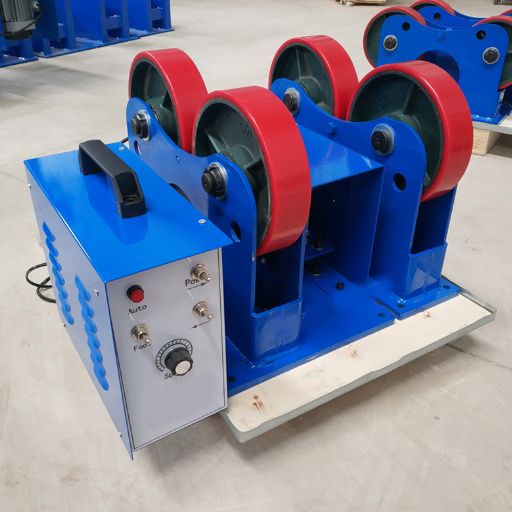
Turning rolls act as industrial equipment which enables the welding and assembly and inspection processes through their support of cylindrical objects which include pipes and tanks and pressure vessels. These tools control the rotation of heavy workpieces which have irregular shapes to provide better access for workers and increase fabrication accuracy. The use of turning rolls enables operators to stabilize objects while maintaining their rotational motion which results in improved operational efficiency and product quality.
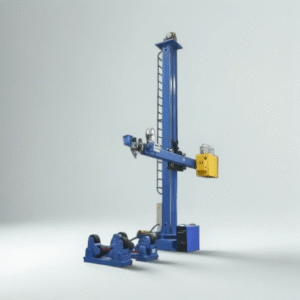
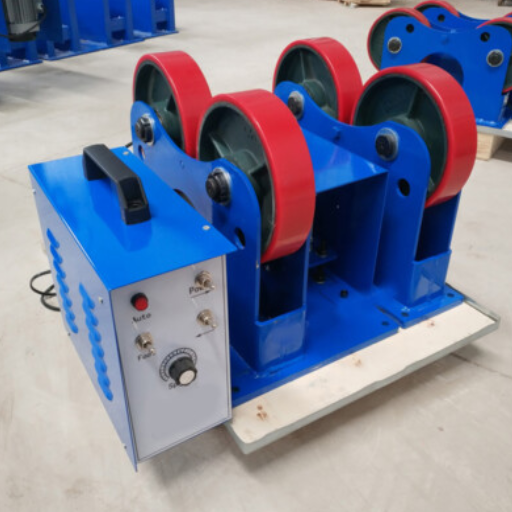
A turning roll system consists of two main components which include a driver roll that creates rotational force and idler rolls which hold the workpiece during its spinning motion. The adjustable configuration of these rolls accommodates varying sizes and weights of cylindrical objects, offering flexibility for diverse industrial applications. Turning rolls include variable speed controls which enable users to make precise adjustments and load capacity options which allow them to select their required operational needs.
Turning rolls provide operators with their main benefit because they boost work efficiency while creating safer work environments. The equipment reduces the manual effort required to handle large workpieces which results in lower workplace injury risks. The tools produce consistent rotation which leads to higher-quality welds by distributing materials evenly while decreasing potential defects. Turning rolls create vital industrial project efficiencies which help maintain safety standards in manufacturing and construction and energy industries.
Functions of Turning Rolls in Welding
Turning rolls serve a crucial function in welding because they allow operators to rotate and position cylindrical workpieces which include pipes and tanks and vessels. The equipment provides support to welding workpieces because it maintains continuous movement which enables welders to execute their work with higher accuracy and faster productivity. The system maintains controlled movement which results in steady welding output while it minimizes the chances of welding mistakes.
Turning rolls serve their primary function because they boost production output for companies. The system uses automated rotation to handle large workpieces which reduces the physical demands on operators while decreasing the duration needed to move equipment between locations. The system increases welding efficiency by creating consistent material distribution which forms the basis for producing superior welds.
The use of turning rolls at work sites leads to better workplace safety standards. The system provides better safety because it handles heavy materials automatically which eliminates the need for people to lift them manually. The system achieves consistent rotation through turning rolls which helps prevent welding defects that would otherwise damage the structural integrity of welded components. Industries such as manufacturing and construction and energy use turning rolls because they function as essential equipment.
Advantages of Turning Rolls
Turning rolls provide multiple advantages which improve industrial operations through better efficiency and enhanced safety and improved product quality. The system allows operators to handle heavy workpieces without needing to perform extensive manual work. The automatic rotation system of turning rolls enables workers to handle large components while their physical demands decrease and their workplace safety improves.
The system delivers precision and consistency which benefits both welding and fabrication execution. Turning rolls deliver stable and consistent rotation which enables safe welding and coating of both cylindrical and irregularly shaped objects. The process enhances structural integrity which results in improved product quality while decreasing repair needs and resource expenditure.
Turning rolls enable businesses to run their operations efficiently because they eliminate the need for workpiece adjustments during continuous production cycles. The system enables faster production rates while it decreases equipment downtime and increases overall operational efficiency. Industries which include construction and pipeline production as well as energy sectors depend on turning rolls because these machines provide reliable operation in challenging conditions.
Head-to-Head Comparison: Welding Positioners vs Turning Rolls
| Feature | Welding Positioner | Turning Rolls |
|---|---|---|
| Primary Movement | Tilt & Rotate (multi-axis) | Rotation only (single-axis) |
| Ideal Workpiece | Complex, asymmetrical parts | Cylindrical pipes and tanks |
| Automation Fit | High (Robotic integration) | High (Longitudinal welds) |
Core Differences in Functionality
Welding positioners and turning rolls differ primarily in how they handle workpieces during welding and fabrication processes. Welding positioners enable users to tilt and rotate workpieces while maintaining exact control over every aspect of workpiece movement. The system works best for welding operations which need access to multiple sides of small complex components that need to be welded together. turning rolls function as specialized equipment which enables pipe and tank operators to execute circular workpiece handling throughout their welding operations.
The two systems show distinct operational differences through their common use cases. Welding positioners serve various industries including aerospace and automotive manufacturing which require detailed welding work that needs to be repeated multiple times. The system maintains accurate welding results because it can adapt to different positions which need to be used for complex projects. The system operates best when applied to large tubular components which need to be processed. The system operates best when used in pipeline construction and energy sector operations which require companies to weld and complete work on large cylindrical components with dependable results.
The two systems differ in their ability to achieve automated operations. Welding positioners operate as automated systems through their ability to connect with robotic welding systems which rely on precise control and programmed operations. The system provides high stability and operational reliability through its design which limits movement while handling heavy loads throughout extended operational periods. The two machines serve important functions in manufacturing processes yet their different uses enable companies to select which solution best meets their production requirements.
Productivity and Efficiency in Welding Processes
The success of manufacturing operations depends on two essential factors which are productivity and efficiency of welding processes. High productivity ensures that output levels meet demand, while efficiency minimizes waste in terms of time, materials, and energy. Manufacturers use robotic welding systems and advanced manual welding techniques as their primary method to achieve optimal productivity and efficiency because these technologies create efficient workflows which decrease operational errors.
Robotic welding systems are especially efficient because they use precise consistent operation methods which lead to shorter production times and better product quality. The systems perform repetitive tasks with extremely high precision which enables human workers to dedicate their time to more difficult tasks that require advanced problem-solving skills. The implementation of automation in welding processes results in decreased material usage and reduced operational expenses because the system reduces both operational mistakes and needed rework.
The practice of manual welding remains necessary for specialized applications which need both precision work and adaptable operations. Expert welders possess the ability to tackle specific problems while creating complex patterns which machines cannot achieve. The combination of robotic systems with manual skills enables companies to find an optimal productivity level which helps them produce high-quality products that fulfill both standard production needs and custom orders.
Typical Applications in Industry
Industrial operations use welding positioners and turning rolls as essential equipment although each tool serves a separate industrial function. Welding positioners are primarily used to hold and rotate workpieces during the welding process. The system enables operators to maintain correct welding positions while their body fatigue decreases, which results in improved welding accuracy and work efficiency. These tools find applications in industries that handle heavy or irregularly shaped materials, including pipelines and pressure vessels and structural components.
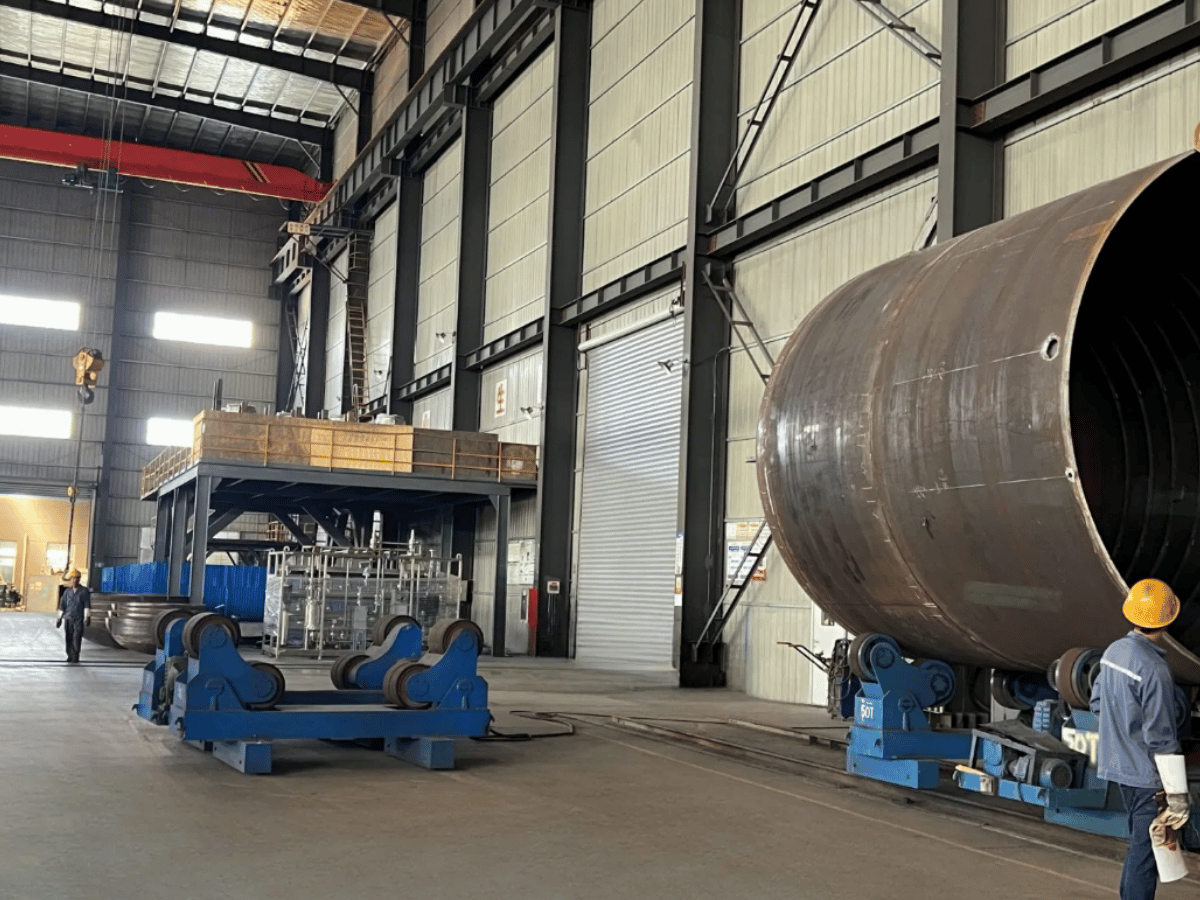
Turning rolls, on the other hand, are specifically designed for cylindrical objects like tanks, pipes, or drums. The system enables operators to support and rotate cylindrical workpieces, which results in consistent welding of circular joints. The equipment experiences heavy usage in oil and gas operations and manufacturing processes and shipbuilding activities, which involve the production of large cylindrical parts.
Although both tools increase work efficiency and produce high-quality welds, their separate functions enable them to work together instead of replacing one another. Welding positioners provide manufacturers with flexible workholding capabilities that enable them to handle multiple workpiece shapes, while turning rolls offer manufacturers an effective solution for moving substantial cylindrical materials. The selection process for equipment requires understanding the specific needs of the project or manufacturing operation.
Choosing the Right Equipment for Your Needs
Factors to Consider When Selecting Welding Equipment
The first step in choosing proper welding equipment requires knowledge of the welding process needed for specific work tasks. Certain welding processes enable operators to use MIG welding and TIG welding and stick welding to complete distinct material and application requirements. The most suitable welding process and equipment selection needs assessment of the materials to be welded their thicknesses and the complexity of the welding work to be done.
The essential factor requires evaluation of equipment compatibility with both your work environment and available electrical power. Some welding equipment requires specific voltage or amperage levels to operate at maximum efficiency. The power source in your operation needs to match the equipment specifications to prevent potential operational problems. The equipment needs evaluation based on its dimensions and weight for the workspace requirements and project mobility needs.
The evaluation requires assessment of equipment durability and safety features. Welding operations require reliable equipment because only trustworthy equipment delivers extended operational performance through demanding work conditions. The operation becomes safer when users implement features which include thermal overload protection and automated shut-off systems. Equipment selection needs alignment with these factors which leads to successful results and more efficient welding operations.
Types of Welding Positioners and Turning Rolls
Welding positioners and turning rolls serve as essential equipment which enables workers to support their workpieces while welding and fabricating. The tools provide material handling through their optimal positioning capabilities which boost operational efficiency and precise work execution while enhancing safety during operation of heavy duty equipment. The key types include:
- ✓
Tilt and Turn Positioners: Multi-angle rotation for complex joint access. - ✓
Headstock and Tailstock Positioners: Designed for long beams or pipes. - ✓
Pipe Turning Rolls: Manual adjustments for specific diameters. - ✓
Self-Aligning Turning Rolls: Automatic adjustment for varying sizes.
Tilt and turn positioners enable operators to reposition workpieces throughout multiple rotational angles which they use to create welding joints. These welds become accessible through these systems which provide better access to remote welding locations. Headstock and tailstock positioners, on the other hand, are designed to hold and rotate long or cylindrical objects which makes them suitable for pipes or beams.
Turning rolls include two types which are pipe turning rolls and self-aligning turning rolls that enable users to rotate round objects so they achieve complete welding coverage. Pipe turning rolls require users to make manual adjustments according to the specific diameter of their workpieces while self-aligning rolls automatically adjust themselves making them more convenient for varying sizes. The tools provide solutions for multiple welding requirements which maintain operational accuracy and security while making work processes more efficient.
Tips for Selecting the Right Welding Positioner or Turning Roll
The weight and dimensions of your workpieces must be considered when you select a welding positioner or turning roll for your project. The equipment must be able to operate under its load capacity limits according to safety standards because equipment breakdown will occur without proper operational limits. You must check the machine weight rating and match it with your project needs to make the right equipment choice.
The adjustment mechanism type represents another essential element to consider. Self-aligning turning rolls offer optimal performance for projects because they automatically adapt to workpiece dimensions which include different diameter sizes. The fixed workpiece size of a project makes manual adjustable systems more appropriate than self-aligning systems. The selection between these two systems requires assessment of your regular work procedures together with the complete set of materials you handle.
The next step requires you to assess whether the welding positioner or turning roll matches your particular welding requirements. The work performance and welding output quality depend on both rotation speed and tilt capabilities of the equipment. The equipment selection process will require you to give priority to systems which combine easy operation with dependable safety mechanisms for maintaining operational workflow and protecting staff members. The best decision for your requirements will emerge from you evaluating both usability and functional capabilities.
Frequently Asked Questions (FAQ)
Q: What is the difference between Welding Positioner vs Turning Rolls?
A: The main difference is that Welding Positioners rotate and tilt workpieces for specific angles, while Turning Rolls (rotators) provide support and rotation for long/heavy cylindrical components like pipes and tanks with limited tilt.
Q: How do welding positioners and rotators affect weld quality?
A: They provide consistent conditions and constant speeds, which leads to superior arc stability and uniform bead distribution across long cylindrical or complex projects.
Q: Which is better for automated welding: a rotator or a rotary welding positioner?
A: Rotary positioners are better for high-precision, programmable robot tasks. Rotators are essential for turning bulky, heavy objects at a fixed height for high-efficiency longitudinal or circular welds.
Q: Can welding positioners reduce operator fatigue and improve productivity?
A: Yes, by eliminating the need to manually lift heavy pipes and allowing welders to work in an ergonomic position, fatigue is reduced and concentration on the weld itself is increased.
Q: Are turning rolls better for long cylindrical and heavy or awkward workpieces?
A: Turning rolls are specifically designed for long cylindrical objects. For “awkward” non-cylindrical shapes that need tilting, a combination of rotators and positioners is often required.
Q: How should I decide when choosing a welding positioner for specific welding projects?
A: Evaluate your tilting needs, workpiece weight, and required rotation speed. Use positioners for precise access and rotators for fixed-height heavy cylindrical rotation.
Q: Can combining a positioner and turning rolls improve weld consistency?
A: Yes. This combination allows for smooth rotation of lengthy objects while maintaining the ability to tilt for complex angles, ensuring total system dependability.
References
-
Design & Development of Short Benchtop Welding Positioner
Link to source
This research focuses on the design and development of benchtop welding positioners and their components. -
Standardized Design of Three-axis Positioner for Robot Welding System
Link to source
This paper highlights the importance of three-axis positioners in robot welding systems and their efficiency. -
Comparative Analysis of Rotation Welding Positioners Based on Friction Forces
Link to source
This analysis compares rotation welding positioners, including turning rolls, based on friction forces and workpiece driving mechanisms.
Final Note
Investing in the right rotation and positioning equipment is not just about speed—it’s about creating a safer, more ergonomic environment that naturally produces higher-quality, repeatable results.