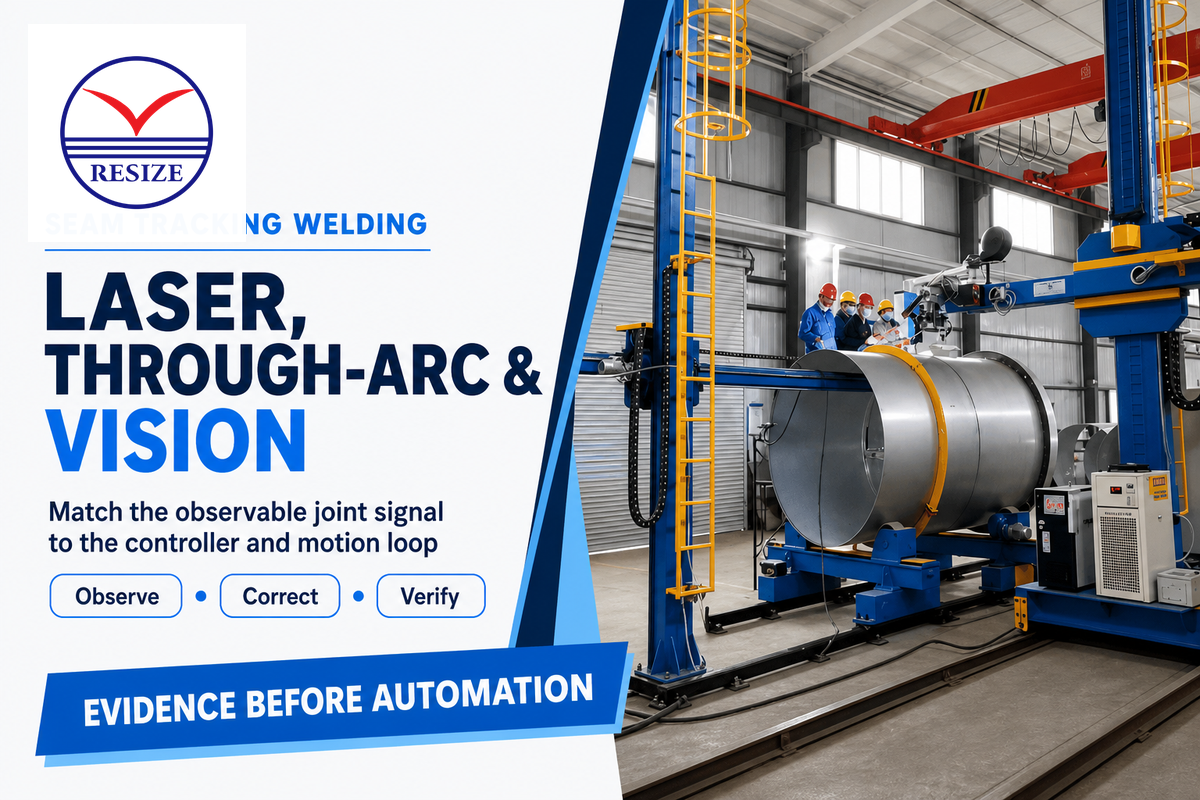
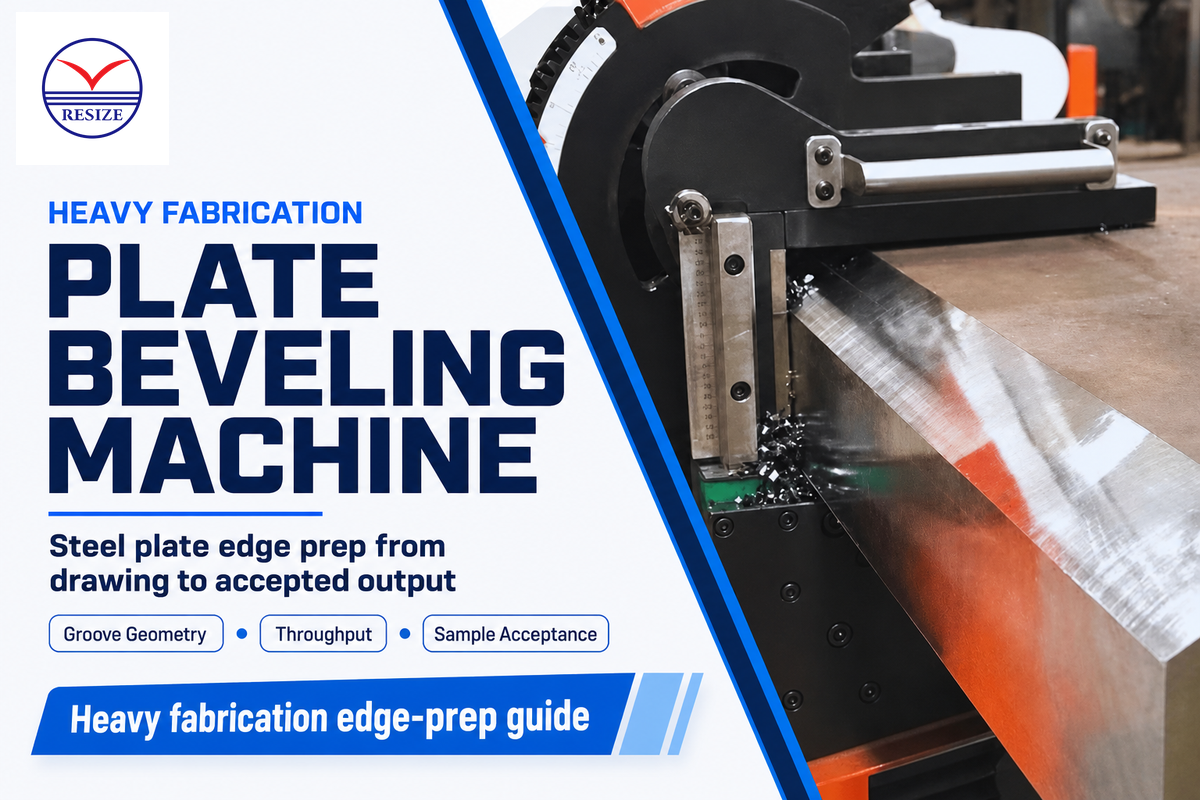
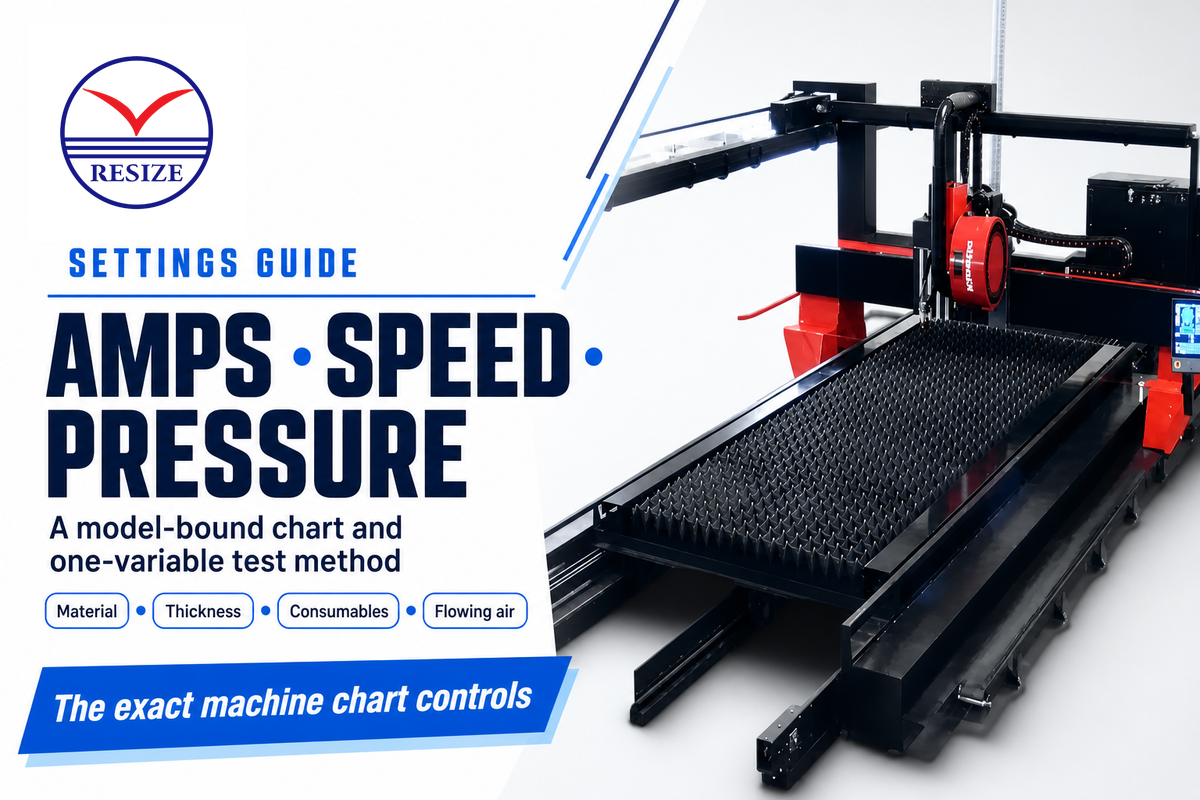
Specialized equipment is tremendously important to the very specific and efficient welding of tanks and vessels. Turning rolls, also known as tank turning rolls or vessel rollers, are crucial for ensuring uniformity, stability, and perfection in welding operations. These machines support and rotate heavy cylindrical workpieces, which not only enhances the welding process but also improves the safety of industrial workers and the overall productivity of the operations. This article points to the functions of turning rolls in industrial applications, the technology involved, and main aspects to help you in choosing the right equipment for your applications. Whether your main goal is to achieve high-quality welding or that you would like to optimize your production line, this guide assists you by equipping you with sufficient information that will enable you to make careful decisions.
Understanding Turning Rolls
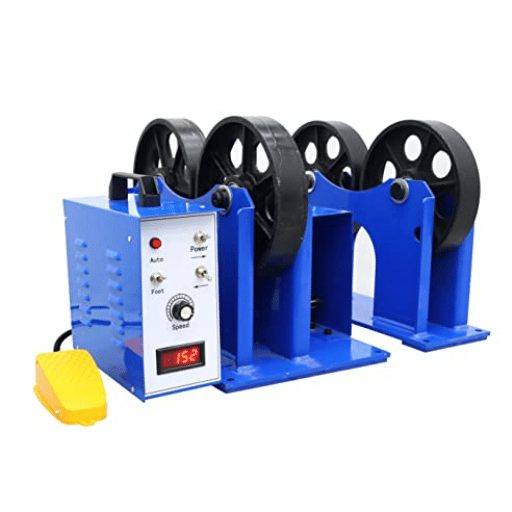
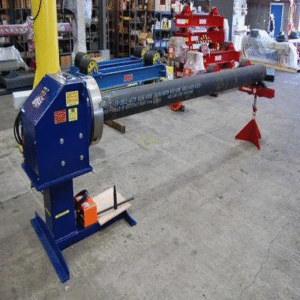
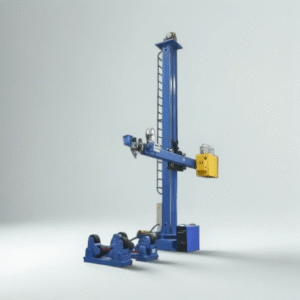
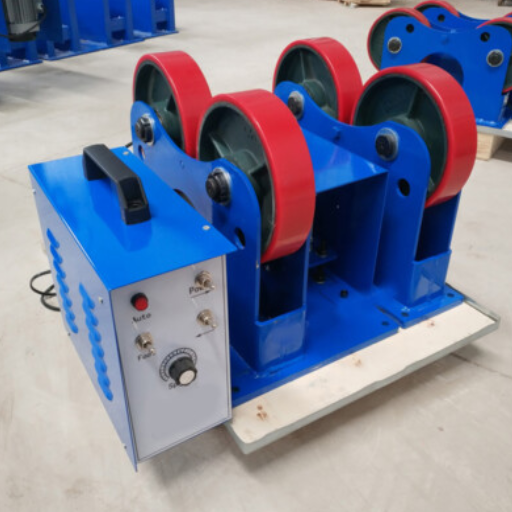
Turning rolls are specialized tools to support and turn cylindrical workpieces during welding, coating, or fabrication work. Typically, a driven and an idler roller work together to keep an object like pipe, tank, or pressure vessel securely. A functional rotary device such as turning rolls greatly improves the consistency of weld applications or coatings, thus reducing the associated defects. They can also be set to meet different height and weight capabilities, making these tools an invaluable resource for any industrial workflow.
Definition and Functionality of Turning Rolls
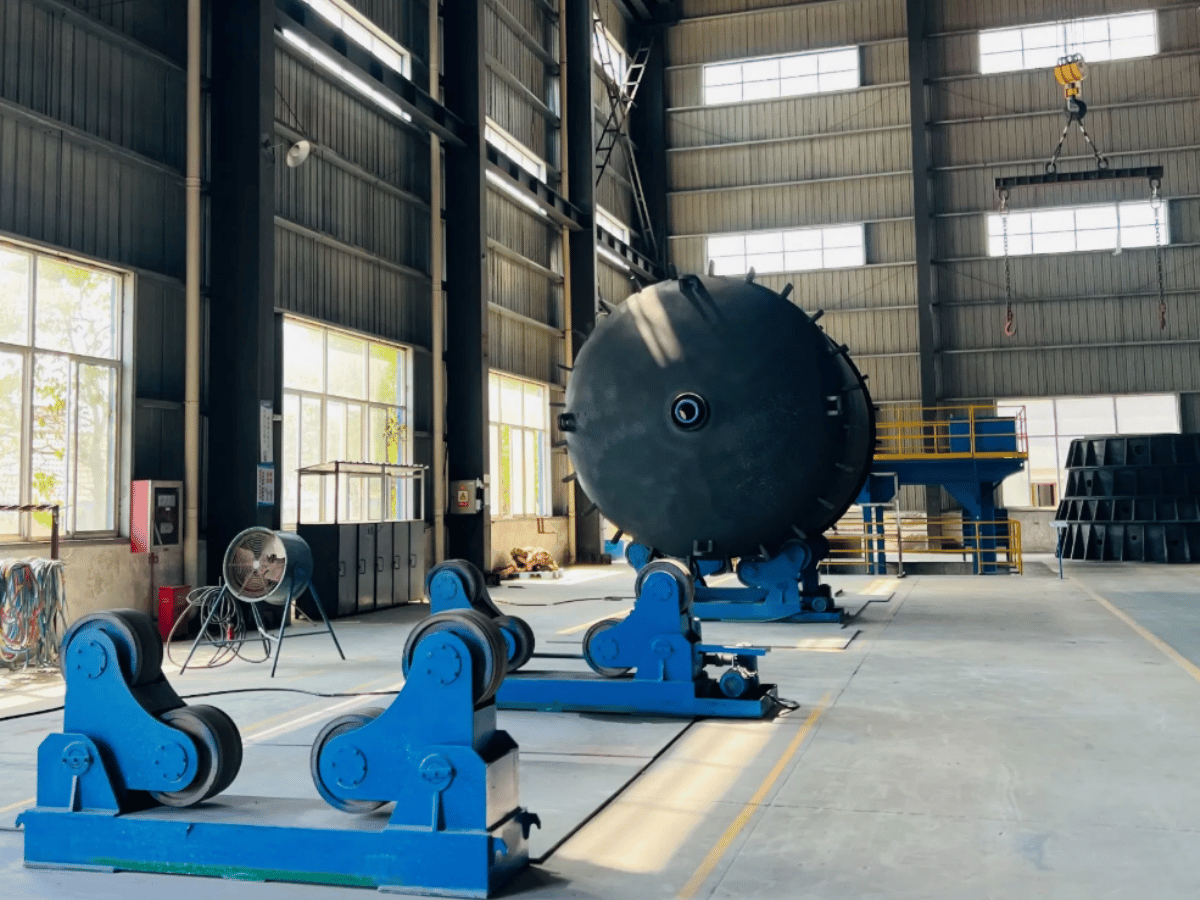
Turning rolls are incredibly important machinery designed for holding and rotating cylindrical items to facilitate their fabrication or finish work. Such rolls essentially stabilize the objects as they rotate tanks, pipes or pressure vessels with precision. The automated rotation applied by the said rolls ensures consistent welding, coating, or inspection of surface, finally contributing to better quality control by engendering fewer surface defects. All rollers are incorporated with capabilities that can be adjusted. This allows for speed control and manual adaptation to roller configuration to allow presentation in some sort on different kinds of jobs. This allows operators the flexibility of handling pieces of various sizes and weights, so boosting production at both shops and assembly.
Types of Tank Turning Rolls
According to their mode of operation and application, the turning rolls of the tank are categorized into different types. The prominent categories among them include the conventional types of the turning rolls, the self-aligning turning rolls and specialized turning rolls.
Conventional Turning Rolls
The conventional turning rolls generally require manual adjustment according to the varying size of the workpiece being processed. It provides precision handling on repetitive operations.
Self-Aligning Turning Rolls
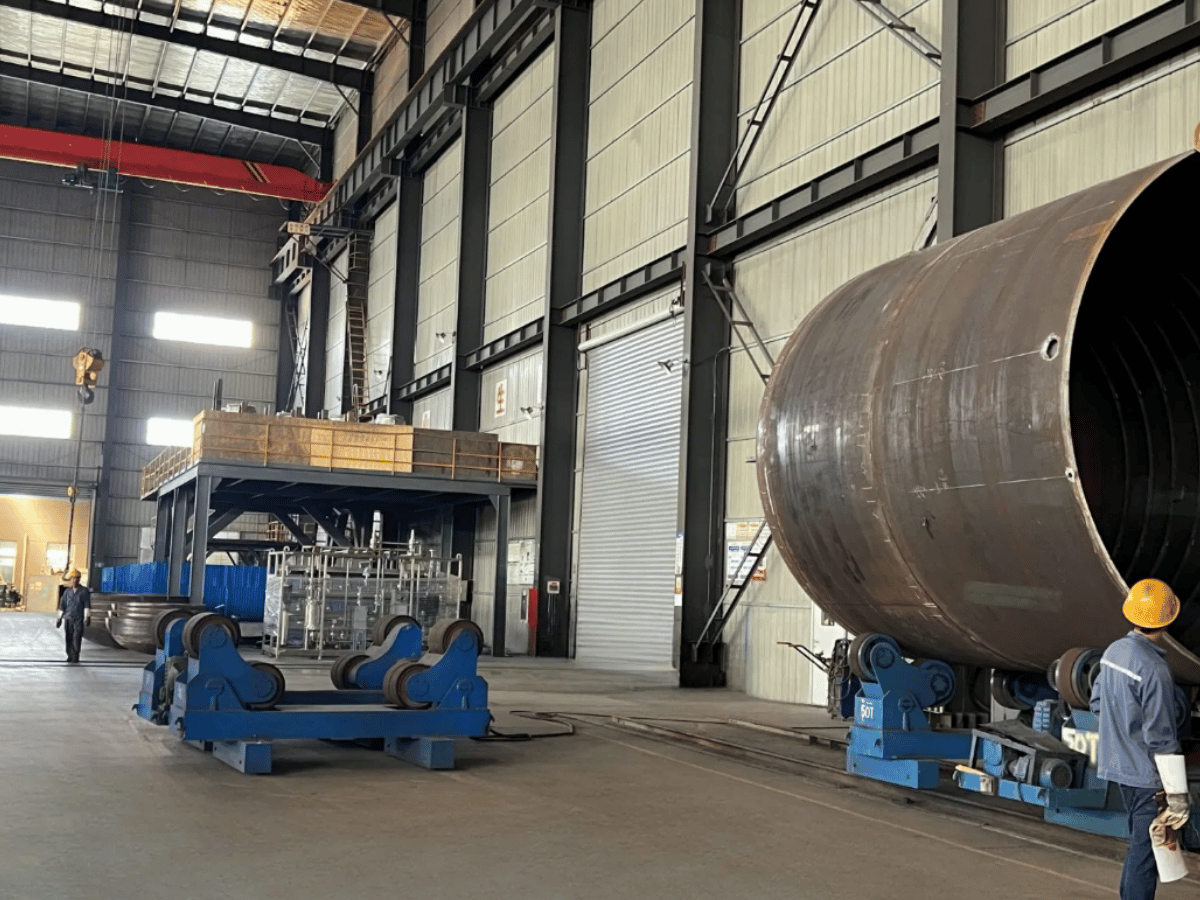
The self-aligning turning rolls are adjustable to the diameter of the workpiece that needs to be fed into the turning rolls, which reduces operational downtime and drastically simplifies the setup process.
Specialized Turning Rolls
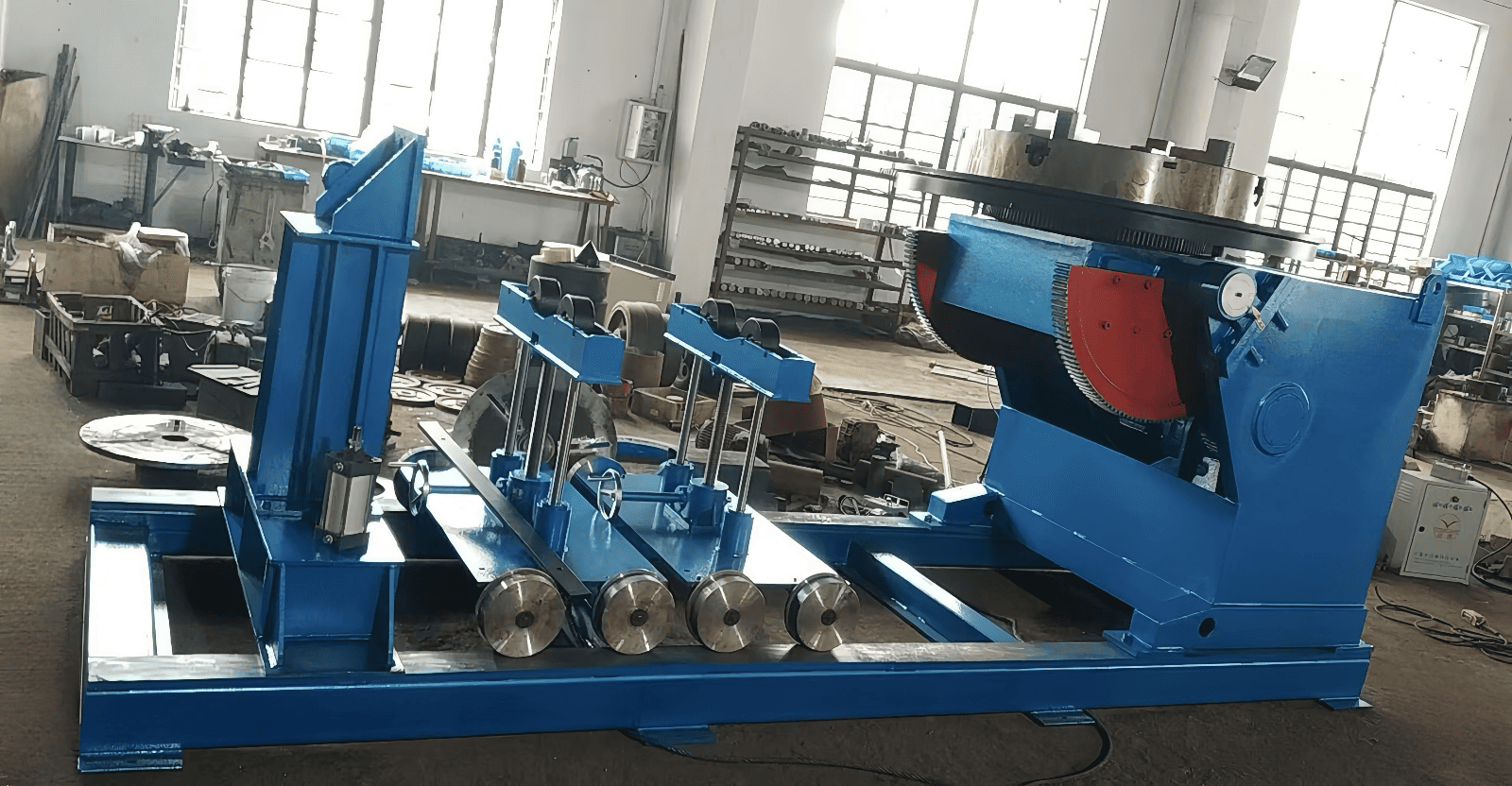
So far as the specialized turning rolls meant for heavy-duty, irregularly shaped objects are concerned, they have been enhanced with top-end features like roller configurations to house specific individual capacities, noting that it greatly suits contemporary industrial applications.
This diversity gives manufacturers the utmost degree of ability to select the solution that best meets their operating need.
Key Components: Rubber Wheels and Rollers
Industrial machinery makes ample use of rubber wheels and rollers. This is because such components are witness to hardness, flexibility, and silent operation. Another unique feature of these kinds of wheels and rollers is that they must have the power of automatic development of grip for firm stability in wielding, processing, and handling material in their place-providing instantaneous stopping ability without slipping. The wear resistance of the rubber wheel can be further enhanced and improved with the addition of certain reinforcements in their composition. These are major reasons for the possible custom creation of harder or softer types of rollers or wheels in distinctive sizes and shapes. Hence, they could meet any application-use, including the capacity of load and fitness into special operational needs.
Applications of Tank Turning Rolls

Cylindrical turning rolls are majorly used in industries requiring precision handling of cylindrical work pieces. Common applications are case weldings, coatings, and inspections of storage tanks, pressure vessels, and pipelines. These rolls are absolutely necessary for manufacturing sectors such as oil and gas, chemical processing, energy production, and water treatment. By providing reliable turning, they enable efficient, uniform, high-quality processes, thereby enhancing productivity and reducing errors.
Welding Applications in Tanks and Vessels
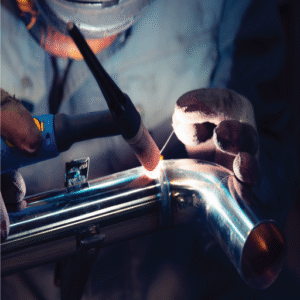
Welding in tanks and vessels is vital for ensuring structural performance, leak prevention, and long-term durability under very harsh operational conditions. The process usually involves advanced techniques, such as SAW, GTAW, and FCAW welding, to obtain precise and repeatable joints. Correcting the application of these welding methods ensures compliance with strict industry standards, such as ASME and API; considering aspects such as metal thickness, weld position, and heat input. This amount of accuracy and experienced workmanship is needed by industries that need a high-pressure, corrosion-resistant solution, such as petrochemicals, energy, and potable water supply systems.
Use Cases in Pipe Fabrication
Fabrication of pipes plays a crucial role in the industries that need good tube systems that are reliable and long-lasting. For instance, the fabricated pipe is required in the petrochemical sector to transport crude oil, natural gas, and refined products under high-pressure situations. The energy industry gives entirely made pipes for steam lines, thermal energy transfer, and cooling systems. Similarly, custom-pipe fabrication can benefit water storage and water treatment facilities for corrosion-resistant and precision-aligned piping for water transportation and filtration processes. Each of these applications must be engineered to provide safety, order, and long-term functionality per stringent engineering standards.
Automation in Welding: Benefits of Turning Rolls
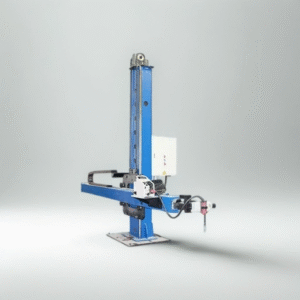
The rotation bands play a great role in the automation of welding or cutting processes, especially with cylindrical or irregularly shaped workpieces. They give precision to work by rotating it in a certain manner and at an even speed, thus making every welding pass consistent and almost eliminating human error. Turning bands also increase operator safety since manual loading of heavy parts would almost be impossible, due to the safety cases, and that further reduces work hazards. Today’s turning rolls come with advanced designs that allow for integration with automated welding systems, and these guarantee more precision, greater productivity, lower downtimes, and uphold the realization of automation in diverse welding lines like manufacturing, oil and gas, heavy machinery fabrication, and many more.
Choosing the Right Tank Turning Rolls
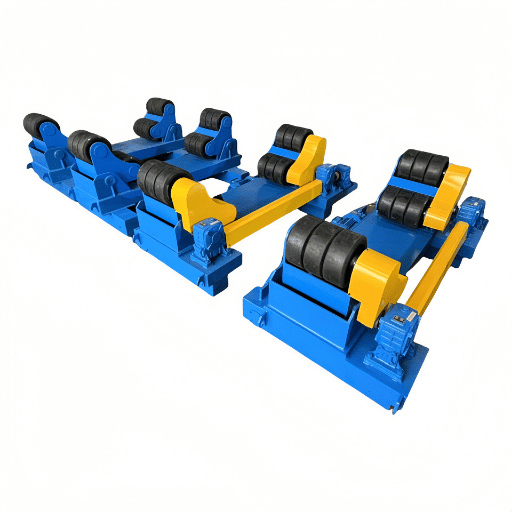
The tank turning rolls that one selects in welding and fabricating procedures are crucial to efficiency, safety and precise positioning/applications. These are the important considerations:
1. Load Capacity
Assure that the turning rolls are compliant to support loads of the tanks, vessels, or pipes, thereby averting breakdowns during operation, adding the equipment with the maximum capacity and some kind of extra material or welding fixtures.
2. Adjustability
Choose a rotating or adjustable turning rolls in terms of diameter for a broader applications base; in that way, project of various specifications is within reach without needing any additional equipment.
3. Drive System
Choose between the two on the basis of the size of the project. Powered turning rolls are excellent for handling large or closely-tolerance projects as a function of reasonable speed control and minimal manual effort.
4. Material Compatibility
Careful selection of wheels that have the material performance quality to ensure that they deliver solid results in the field in accordance with the wheels’ design specification, such models as rubber-lined wheels for delicate surfaces and steel wheels for heavy loads.
5. Durability and Build Quality
Durable materials and solid construction within wheels further fuse steadfastness with aptitude for streamlined downtime.
A thorough consideration of these factors would surely help improve production, and a thoroughly operating operation is wealth for now and in the future.
Factors to Consider: Capacity and Precision
When evaluating capacity, it is important that the roll be rated for the maximum load demands of the application, taking into account both static and dynamic forces. Overloading rolls may compromise performance and provoke premature wear or a catastrophic failure. Accuracy is also a very important thing needed in applications where precision tolerances need to be kept. High-precision rolls lower inconsistency during operation, help with adjusting the alignment between roll and other equipment, and ensure even results. The best possible option for meeting this very high standard could both be components manufactured with high-accuracy manufacturing techniques like CNC or laser-guided accuracy. These are fundamental to maintain efficiency and reliability leading to maximum performance.
Comparison of Leading Brands: Koike, Pandjiris, and Webb
Every brand has its own strong point, thereby giving the opportunity to accept on the basis of specific need, scalability, and accuracy.
Rent or Purchase: Making an Informed Decision
Whether to buy or rent equipment to handle operations depends on many elements in the scope of potential use frequency, budget constraints, and long-term operational purposes. Renting is cost-efficient for short-term projects or testing equipment for a specific application where you get the benefit of use without having to extend debt to make a large investment. With consistent needs for equipment and a limited option of ownership, businesses should consider buying. This offers clear ownership, tax advantages, and the ability to customize equipment. An in-depth cost-benefit analysis in which depreciation, service costs, and project timelines are all considered is required as a means for weighing operations initiatives against financial strategies to help make an informed decision.
Maintenance and Longevity of Turning Rolls

It is important to maintain regular care to ensure the continuous functioning of turning rolls. Such best practices include the regular checkup of moving parts such as the rollers, bearings, and gear mechanisms for wear and tear. According to manufacturers’ recommendations, lubricating moving parts reduces wear and tear of key parts. Besides lubrication, regular cleaning should be done to remove dirt from around the rollers. This procedure reduces crippling problems from affecting the function of the rollers. Subsequently, the turning rolls’ balance will be determined when one does an alignment inspection. Follow the protocols and routines for maintenance, which reduce downtimes, maintenance cost, and increase turning rolls’ life. Always see the manufacturer’s manual for maintenance programs as well as instructions to prevent breakdowns.
Essential Maintenance Protocols
For proper working and long life of turning rolls, experts recommend that following key maintenance protocols should be carried out:
- 1. Lubrication Management
Periodically inspect and lubricate all moving parts following the guidelines of the manufacturer to stop wear and obtain the most efficient service. - 2. Component Inspection
Regularly check for any signs indicating that belts, gears, bearings, or the roller need replacement and act quickly. - 3. Electrical System Assessment
Regularly inspecting to make sure electrical connections, motors, and control systems fault-free. Immediate solution should be done to prevent downtime from occurring. - 4. Cleaning and Debris Removal
Scheduling difficult cleaning duties to take place often, making sure surfaces and mechanisms are not contaminated with dust, dirt, or any sorts of rubble would be most helpful. - 5. Alignment Check
Conduct a routine hence, reconfirmation from time to time of your thin unbalanced flow roller helping in the minimization of extra tension alongside the clear guarantee of the operational precision.
A business can significantly decrease the time its equipment spends out of operation and be sure of efficient and reliable output, which can only occur if the exacting manufacturer guidelines are scrupulously followed.
Maximizing Operational Efficiency
Real-time performance monitoring, proactive maintenance, and industry best practices contribute to maintaining operational efficiencies. A piece of equipment meticulously examined on a routine basis will make it easier to find the root cause of an escalating issue. Machine calibration is precise, thus ensuring consistent output quality. The smart use of predictive analytics and automation further enhances efficacy by motivating a process for eliminating idle and manual errors. The best-intentioned strategy is that which follows a careful, data-driven approach to ensure maximum uptime and production savings.
Common Issues and Troubleshooting Tips
1. Equipment Malfunctions
Issue: The larger blame for incensed equipment may be due to the wear and tear or non-maintenance.
Solution: Hence, reasonable inspections should be organized to detect the points of wear highlighted by sounds, vibrations, and erratic performance. Whatsoever such complaints are; repair the worn out parts of the equipment at once, as per the manufacturer’s laid down timetable on maintenance.
2. Calibration Errors
Issue: As calibration drifts; so will the outcome derived.
Solution: Observe that calibration is done in accordance with the specified procedures using calibrated devices. Installing an automated infrastructure of a detection system can detect deviations in real-time, without the need for any human intervention.
3. System Downtime
Issue: Prolonged downtime could originate either because of an inadequate system design or because of unexpected breakdowns.
Solution: Establish a predictive maintenance program that relies on sensor data to forecast potential breakdowns before they manifest themselves. The Technical Maintenance staff should keep an inventory of critical spare parts to cut down the repair time to a minimum.
4. Manual Errors
Issue: This is important in ensuring that operational efficiency is not adversely affected by human error.
Solution: Structured training programs will be put in place, and automation should be made a part in the work process where customization is required.
By addressing these common issues systematically, organizations can enhance overall operational dependability and maintain peak performance.
Reference Sources
Doc Profits Machine – The Best of Tank Turning Rolls: Features, Benefits, and Areas of Operations
Explains the brings for the applications of tank turning rolls in the industries requiring fast and efficient rotation and positioning of very large cylindrical objects.
Source
Senlisweld – Tank Turning Rolls Manufacturer & Supplier
Is into the business of making different configurations of custom tank-turning rolls with varied application in specific industries.
Source
The Fabricator – Tank Rolls Come in Several Types Adapted for Multiple Operations
Talks about the types of tank rolls used in positioning (rotation) of other circular parts like tanks, pressure vessels, fuel barrels, etc.
Source
Frequently Asked Questions (FAQs)
What are tank turning rolls?
Tank turning rolls are necessary to rotate and position large cylindrical objects such as tanks, boilers, and pipes while they are being manufactured or welded.
Who uses tank turning rolls?
They are widely used by producers, especially fabricators and welders, as well as by various industries such as the oil and gas, chemical, and construction sectors.
What are the advantages of using tank turning rolls?
It improves efficiency, accuracy, and safety measures through smooth rotation and less handling of heavy cylindrical items being worked on.
What are the types of tank turning rolls available?
Different types such as self-centering rolls, conventional rolls, and adjustable rolls are designed to encounter different applications with varied load capacities.
How does the tank turning roll work?
An engine or manual system rotates the cylindrical object for easier welding and assembling and later for inspection purposes.