Welding of steel is a standard metalworking process. Different steels are welded using various methods, ranging from mild steel, which is widely used, to stainless steel, which is strong, and cast iron. To produce a sound weld, the necessary considerations for welding, including technique, equipment, and skills, must be met. Any welder, either professional or beginner, is expected to know how to work with these three types of steel. This guide focuses on the working processes, tips, and challenges involved in welding mild steel, stainless steel, and cast iron, enabling you to learn and apply these skills proficiently. Read now to get clued up on the fundamental distinctions and insider advice, which will foster a new level of finesse in your craft.
Understanding Welding Fundamentals
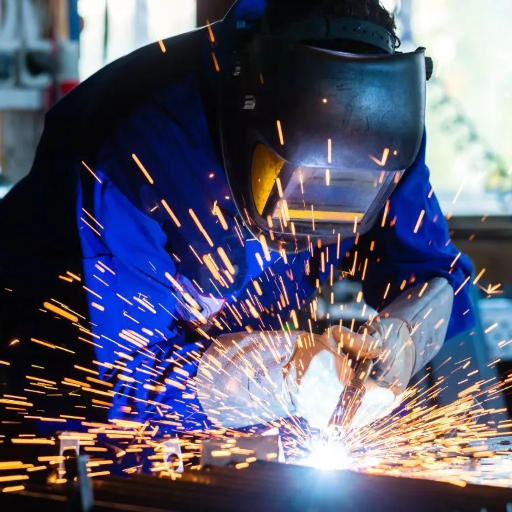
Welding is the process of joining different materials, usually metals, by one or more of the following methods: heat, pressure, or a combination of both, which allows them to coalesce. There are three main factors essential to successful welding: the proper application of heat, the correct choice of filler material, and the selection of clean surfaces for the process. Heat is supplied either by electricity or by gase,s depending upon the heat source suitable for the particular material. For a weld to have strength, the correct filler material must be used, and for welds to resist contaminants that weaken them, the surface must be clean. Mastery of these fundamentals will enable welders to produce strong welds.
What is Welding?
Welding is a fabrication process that joins materials, typically metals or thermoplastics, by applying a high degree of heat to melt the parts and then cooling them to form a strong joint through a process of coalescence. According to recent data, welding is a core technique that spans multiple industries, including construction, automotive manufacturing, aerospace engineering, and energy production. In modern times, these operations have been integrated with advancements in technology, including laser welding and ultrasonic welding, which enable greater precision and efficiency while expanding their scope to more complex and high-quality applications. Typically, welding employs an additional material, known as filler material, to enhance the bond strength. The techniques used in welding greatly vary, depending on the task and material being worked on, with more common techniques including arc welding, MIG (Metal Inert Gas) welding, TIG (Tungsten Inert Gas) welding, and resistance welding.
Understanding the Importance of Welding
Welding is a process widely used in various industries. It is crucial in the building, manufacturing, automotive, and aerospace-related industries. Welding helps to join metals and other materials together into robust structures that form proper infrastructure, such as travel bridges, buildings, and pipelines. It lends safety and functionality to these varied applications thanks to its adaptability, which suits both simple and highly complex designs. Advancements in welding technologies underscore the importance of welding, with innovations focused on enhancing efficiency, precision, and capacity to tackle increasingly complex projects.
Applications of Welding in Various Industries
Construction Industry
During the construction of buildings, bridges, and infrastructure, as well as on-site welding, this process is crucial. The design and detailing of steel frameworks, the joining of structural components, and imparting durability to various types of constructions are among the applications of welding.
Automotive Industry
Welding plays a bigger role in assembling everyday vehicles such as cars, trucks, and motorcycles, as well as any vehicle designed on a custom basis. Welds are used in joining metal parts, chassis, and panels.
Aerospace Industry
Welding is vital in manufacturing aircraft and spacecraft, as they require lightweight yet durable connections in inherently complex designs and materials such as aluminum and titanium.
Oil & Gas Industry
This industry is heavily reliant on welding for pipeline construction, rigging, and the establishment of storage facilities, facilitating safe and efficient transportation and containment of resources.
Shipbuilding Industry
Welding constitutes the basis for the design, fabrication, and construction of ships, submarines, and other marine vessels. It joins hull plates and internal structures to provide the boat with integrity, enabling it to withstand the harsh marine atmosphere.
Understanding Different Types of Steel for Welding
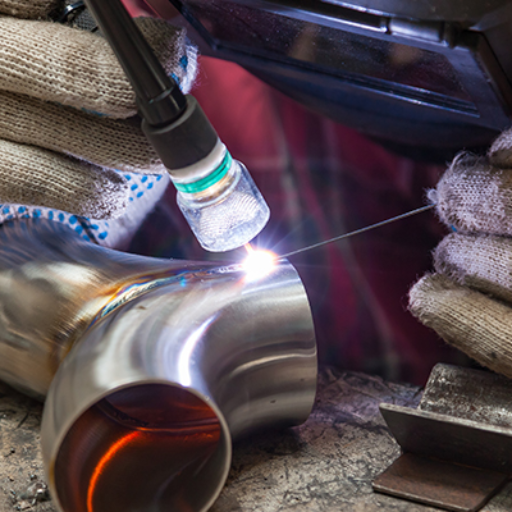
Different types of steel used in welding include carbon steel, stainless steel, and alloy steel, each with distinct properties and applications. Carbon steel is used mainly due to its low cost and ease of welding. Stainless steel has an anti-corrosive character and is used in various applications, including food processing, medical, and marine industries. Alloy steel contains additional elements, such as chromium, manganese, or nickel, which confer better strength and toughness, as well as improved wear and heat resistance, making it suitable for use in more demanding industrial environments. Understanding each steel’s specific characteristic leads one to weld by the proper techniques and materials for successful results.
Welding Mild Steel: Properties and Techniques
Mild steel, commonly referred to as low-carbon steel, is highly valued for its versatile and weldable properties. Typically, the amount of carbon present in mild steel ranges from 0.05% to 0.25%, which makes it soft and ductile, and less likely to crack when welded. Because mild steel is less complicated compared to high-carbon steels, it is an excellent choice for projects requiring straightforward fabrication and joining.
When welding mild steel, the correct welding process should be selected, such as MIG welding, TIG welding, or stick welding, depending on the specific project requirements. Clean surfaces are crucial for achieving good welds, and the presence of rust, dirt, or oil must be avoided, as they can weaken the weld deposits. Preheating is generally not necessary for mild steel; however, controlling the heat input will minimize cracking, warping, or distortion caused by welding. The use of filler metal compatible with the base metal, combined with the correct mixture of shielding gas (for example, a CO2 and argon mix for MIG welding), yields robust and durable welds.
Knowledge about the properties of mild steel and the proper welding techniques will result in successful, high-quality welds for construction, automotive, and manufacturing applications.
Welding Stainless Steel: Challenges and Solutions
Challenge: Welding stainless steel poses a unique challenge for welders, hence the adjective ‘corrosion-resistant’ and ‘heat-resistant’ attached to this grade of steel. The heat sensitivity of stainless steel primarily leads to problems of distortion and diminished corrosion resistance in the heat-affected zone.
Solutions: Proper heat management, i.e., controlled interpass temperature and minimum heat input, can minimize these effects. Another primary concern is the oxidation of stainless steel during welding; therefore, an effective shielding gas, typically argon or a mixture with helium or nitrogen, should be used to shield the weld. The filler material must also be selected carefully so that it is compatible, both mechanically and chemically, with the grade of stainless steel being welded. By analyzing these problems and implementing corrective techniques, welders can achieve technically feasible and aesthetically pleasing welds on stainless steel.
Welding Cast Iron: Best Practices and Methods
Welding cast iron presents special challenges due to its high carbon content and inherent brittleness, which can lead to cracking if not properly treated. For best results, preheat the cast iron to between 500°F and 1200°F to minimize thermal stresses as they develop during welding. Filler materials of choice are nickel-based rods or cast iron electrodes specifically designed for this use, ensuring greater compatibility with the base metal. Cooling should be done slowly to prevent the formation of residual stresses and to avoid cracking. Furthermore, using short, controlled weld beads can help control heat input. Proper preparation, including cleaning of the surface from oil, rust, or paint, is also necessary to develop a sound and durable weld.
Common Welding Methods for Steel
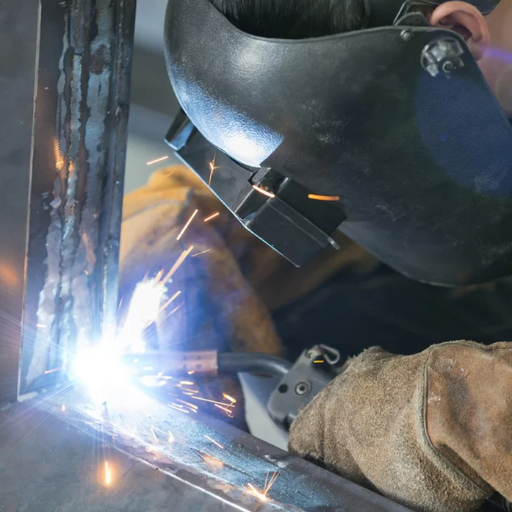
Since different applications and situations require a few properties, standard heat methods are used for steel:
-
1
Shielded Metal Arc Welding (SMAW)
Known as stick welding, it stands out for its simplicity and is therefore commonly used for construction and repairs in diverse weather conditions.
-
2
Gas Metal Arc Welding (GMAW)
Called MIG welding, this process is used for high-speed and precise applications, primarily in industrial settings.
-
3
Gas Tungsten Arc Welding (GTAW)
TIG welding, also known as tungsten inert gas (TIG) welding, produces superior and clean welds and is thus used mainly for thin or delicate steel sections.
-
4
Flux-cored Arc Welding
The process is similar to MIG welding except that flux-cored wire is used as a consumable electrode. This welding is handy in outdoor or windy surroundings.
-
5
Submerged Arc Welding (SAW)
A type of welding underlay with a granular flux blanket protects the weld area, offering maximum efficiency in large-scale or heavy-duty steel welding projects.
Each of these methods has its particular strengths, and welders can therefore select accordingly, depending on the specific project.
MIG Welding: Advantages and Applications
Ease of Use
Ideally suited for hobbyists and novice welders, the MIG welding process is beginner-friendly and relatively easy to learn.
High Welding Rate
With the increased welding speed, productivity is enhanced in every sector, small or large.
Versatility
Not limited to a specific material, MIG can be used for stainless steel, carbon steel, and aluminum.
Clean Welds
With minimal spatter, the welding beads turn out clean, thereby reducing the need for extensive post-weld clean-ups.
Continuous Welding Process
The continuous wire feed operation promotes welding efficiency and decreases its downtime.
TIG Welding: Precision and Control
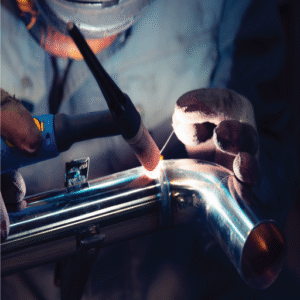
Tungsten Inert Gas (TIG) welding is considered a method that offers precision and control. It thereby becomes the method of choice in projects that require elegant yet high-quality welds. In this process, a non-consumable tungsten electrode generates the arc, while argon or another type of inert gas shields the weld pool from atmospheric contamination. TIG welding is considered a highly versatile process, allowing for the use of various metals, including aluminum, magnesium, stainless steel, and titanium. The TIG welding fascination with heat and weld placement often finds application in industries such as aerospace, automotive, and art fabrication. At any rate, TIG welding requires more skill and is slower than most other methods, resulting, however, in a clean and attractively laid weld with good mechanical properties.
Flux Core Welding: A Versatile Option
Flux Core Welding (FCAW) is an adaptable and productive semi-automatic/automatic arc welding process that utilizes a continuously fed consumable electrode filled with flux. In many cases, the use of an external shielding gas is not required. This makes FCAW an excellent process for outdoor work, where the wind might blow away the shielding gases. It performs very well on thicker materials and in awkward positions, displacing against gravity on a vertical surface or clinging to the underside of an overhead surface. It spits, in relative terms. However, FCAW is widely accepted for its speed, deep penetration, and ability to weld a wide range of metal types and conditions.
Essential Tools and Equipment for Welding
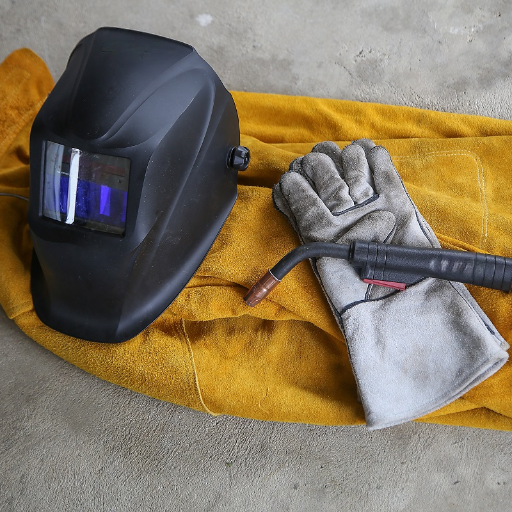
Several key tools and equipment are required for welding. A welding machine suited for the type of welding being done (e.g., MIG, TIG, or Stick), a welding helmet to shield your face and eyes, and sturdy gloves to protect your hands from heat and sparks. Clothing made from flame-resistant material is also essential for safety. Other requirements include electrodes or filler wire, wire brushes or grinders for cleaning surfaces, clamps to hold items in place, and a chipping hammer to remove slag. A proper ventilation system is essential for maintaining a safe working environment while reducing exposure to fumes.
Overview of Welding Equipment: MIG, TIG, and Flux Core
An understanding of the distinctions between the three primary types of welding—MIG, TIG, and Flux Core—is necessary to select welding equipment, each of which is suitable for different applications.
Understanding your project requirements, material type, and environmental conditions will help you select the correct welding method to achieve optimal results.
Specialized Tools for Welding Stainless and Mild Steel
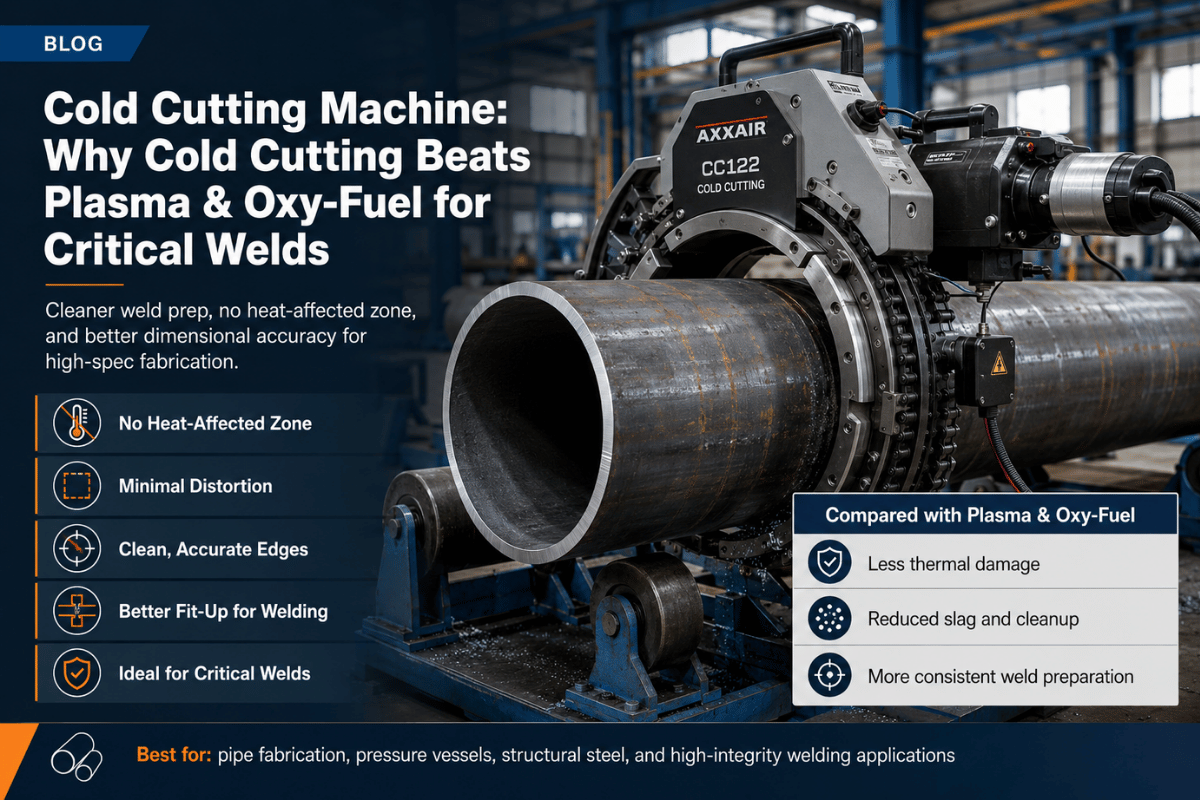
Welds on stainless and mild steel should be done with the proper specialized tools for precision, durability, and quality. Among the most essential tools are stainless steel wire brushes designed to prevent cross-contamination between materials. Tungsten electrodes are necessary for TIG welding, providing stability and high heat resistance. Moreover, superior cutting tools, such as plasma cutters or metal grinding wheels, facilitate the preparation of clean edges for welding.
The most critical parameter for welding stainless steel is the use of a spool of stainless welding wire and a shielding gas mixture, typically argon or an argon-helium blend. For mild steel welding, carbon steel wires are most commonly used with a shielding gas of either pure CO2 or a CO2-argon mix. Features such as adjustable amperage on your welder or pulse welding will further grant you better results with both metal types. Always ensure that materials are matched with their appropriate welding supplies to avoid corrosion and structural deficiencies over time.
Safety Gear: Protecting Yourself While Welding
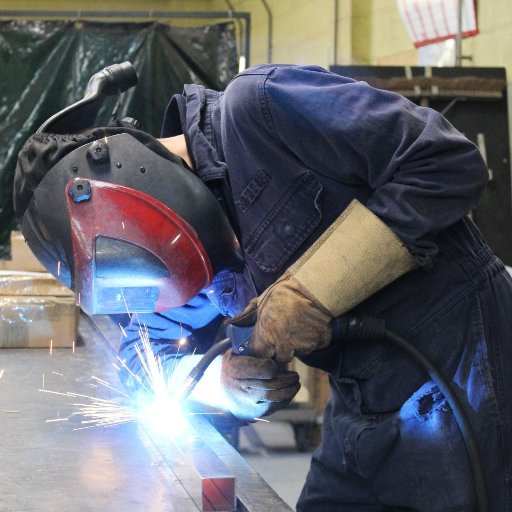
Safety First: Whenever I set out to weld, I feel safest when kitted up with all my safety gear. I carry a welding helmet with the appropriate shade for my eyes and face, fire-resistant clothing for my entire body, gloves to protect my hands, and steel-toe boots to protect my feet. Lastly, I ensure that ventilation or a respirator is in place should the situation demand it, so I am inhaling only harmless vapors. With these measures, I can stay unharmed while working on any welding assignment.
Critical Safety Precautions in Welding
While safety measures are implemented during welding, the PPE required to ensure protection includes a welding helmet, fire-resistant clothes, gloves, and steel-toed boots. Any welding work must be performed with proper ventilation to prevent inhalation of harmful fumes; if not, a respirator should be worn. The welding surface must be clean and free from any flammable materials. Defective or damaged equipment should undergo repairs or maintenance. While in use, the correct procedures must be followed to minimize hazards. The observant worker who follows these safety precautions won’t end up in the hospital.
Understanding Welding Hazards and Risks
A brief list of hazards faced by welders can help keep them safer. The prime injury potential due to welding is exposure to radiant heat and light, causing burns and arc eye injuries, which are worthy of spending some time on them. The throat is also a target and may lead to respiratory disorders from fumes or hazardous gases generated during welding, particularly if there is a lack of properly functioning ventilation or the improper use of a respirator. Electrical shock resulting from the use of welding equipment poses a serious threat when the equipment is not adequately maintained or improperly manipulated. Welding hazards include sparks and high heat, particularly in areas containing flammable materials, which can ignite fires or cause explosions. The more aware welders become of these hazards, the more likely they will adhere to safety procedures to prevent such occurrences or ailments.
Personal Protective Equipment (PPE) for Welders
A polygon for welders is essential in ensuring their safety in hazardous situations. The standard PPE for welders includes welding helmets with special lenses to protect welders’ eyes and faces from very bright light and sparks, thyroid gloves to prevent burns, flame-retardant clothing to avoid injuries from heat and molten metal, and steel-toe boots for foot protection from heavy objects and hot materials. The right ear protection is recommended in noisy areas. Respirators or masks are also recommended to prevent inhalation of the fumes and particulates that are harmful and released during the welding process. Therefore, if welders use suitable PPE, they can significantly reduce their work-associated risks and maintain a safer working environment.
Safe Handling of Welding Materials and Equipment
The safe handling of welding materials and equipment is crucial in maintaining both safety and efficiency. Always inspect tools and equipment, including welding machines and hoses, for signs of wear and damage before use. Damaged equipment should be fixed or replaced to prevent accidents. Flammable materials, such as gas cylinders, must be kept away from heat sources and stored upright and secured to avoid leakage or combustion hazards. Cylinders shall be capped when not in use and handled with care when transported to ensure safety.
Furthermore, maintain a clean and orderly workspace to prevent tripping or accidental contact with hot materials. Use only well-maintained tools and avoid makeshift repairs or modifications that could compromise safety. Follow the protocols for electrode handling and ensure adequate ventilation is maintained to disperse toxic fumes at all times. Maintaining these practices will help welders build a safe working environment to reduce potential hazards.
Reference Sources
-
Miller Welds: Understanding the Basics of MIG Welding for Mild Steel – A comprehensive guide on MIG welding mild steel, including shielding gas recommendations.
-
Nickel Institute: Welding of Stainless Steels and Other Joining Methods – A detailed PDF on arc welding stainless steel and its structural considerations.
-
Hobart Brothers: Welding Stainless Steel: Understanding the Alloys – Discusses filler metal selection and alloy considerations for stainless steel welding.
- Top Welding Positioner Manufacturers and Supplier in China
- Guide for Types of Welding
Frequently Asked Questions (FAQs)
Can one weld steel using MIG or TIG?
Both MIG (Metal Inert Gas) and TIG (Tungsten Inert Gas) can be used to weld steel. MIG welding tends to be more user-friendly, especially for beginners, while TIG welding allows for greater control and is usually employed in more delicate applications. Both can weld mild steel and stainless steel, depending on the welding products and techniques used.
Is stainless steel easier to weld than mild steel?
Because stainless steel has more thermal conductivity and tends to form an oxide layer, it’s generally viewed as more difficult to weld than mild steel. Nevertheless, with the use of suitable welding parameters and the expertise of a skilled welder, stainless steel can be welded very effectively. The use of proper filler materials and controlling heat input becomes critically important to avoid brittleness or discoloration.
What is the melting point of steel when welded?
The melting point of steel varies depending on the type of steel; however, it generally ranges from 1,370°C to 1,540°C (2,500°F to 2,800°F). The melting point is a crucial factor to consider when welding to ensure that the material does not overheat, which can create thermal expansion problems or compromise the integrity of the joint.
How do you weld white cast iron?
Welding white cast iron is challenging due to its current high brittleness and carbon content. Brazing or special welding material for cast iron may give better results than the cast iron welding. The welder should then determine the welding method for white cast iron, taking into account the specific requirements.
How do you ensure that one does not get tarnished during the welding of stainless steel?
To prevent tarnish during welding of stainless steel, use clean materials and shield the weld area from contamination. TIG welding will limit the heat-affected zone and reduce tarnishing. The finished weld can then be cleaned to strip the oxide layer and restore the stainless appearance.
What kind of wire is used for welding mild steel?
Mild steel wire is typically used with a MIG welding setup. The weld wire should provide a high-strength weld and is available in various sizes depending on specific welding needs. Selecting the proper wire for the application and using the appropriate shielding gases is key to achieving good welds on mild steel.