In almost all sectors, welding is exceptionally essential. Inconsistent, even dangerous; careless welding will result in a lot of waste if certain care is not taken, and the relevantly suitable systems are not used. Depending of the activities in question, there are differences in what tools and techniques are used. These are so, because the ones involved require something like working and holding a piece of work in position without any problems. Safety weld jig, on the other hand, cannot give protection for welders only, it also will bring aesthetic value and improve the out put through organizing the welding work properly. This write up is aimed at showing how different fixture designs can help towards efficient welding process that is both correct and safe workers guarantee. The complete fixture design rendering or not, such fabricators must be familiar with the impact of fixture design in order to remain profitable and operate at generally prescribed safety limits.
Understanding the Importance of Welding Fixtures
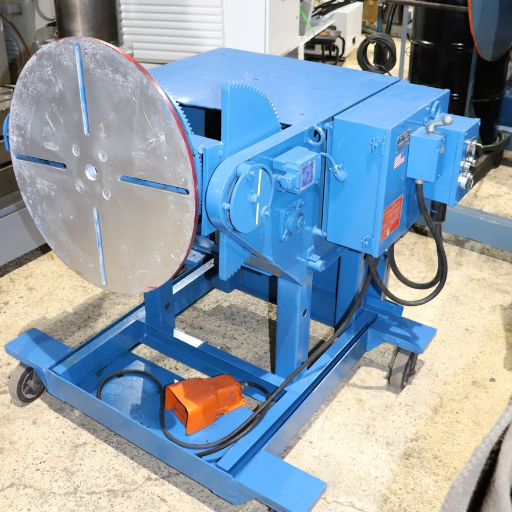
Meaning and Intent of Welding Fixtures
Welding fixtures, as the name implies, are purpose-constructed devices for keeping and holding parts in place during welding. Besides that, one of their primary goals is to manage adjustment, molding, and positioning consistently and without fail, processes that are extremely crucial in attaining all-inclusive welds. These tools also strive to eliminate the need for manual reworks, the sources of which are costly mistakes made by other workers and to enhance the speed. Modern welding fixtures with the inclusion of new technology come with significant changes such as the use of compression ideas which make them easy to install while working on different projects by switching to automated systems. Besides enhancing accuracy, and there by increasing safety, welding fixtures play a crucial role in improving work-flow as they add structure to the entire process due to their dependability.
The Enhancement of Productivity Thanks to the Welding Jigs
Organising welding works with clamps speeds up the process, – the same way production line is occupied making sure that the accuracy levels of all operations can be observed over and over. Thanks to the structures that allow quick adjustment and remodelling, the welding jigs can be adapted, even in between the courses of the project, without any lags. In addition, the current use of technology combines automatic clamping systems and the ready-to-go nature of robots that take the tedious jobs off the hands of the welders and there is more time allocated for the other duties. In regard to rework and standardization with welding clamps help to diminish the scrap produced by defects and to add profit in the long term. Ultimately, these kinds of devices in the industrial manufacturing setups are very important as they improve precision, safety and effectiveness in the process of making items.
Major Advantages of Efficient Fixture Design
In my belief, I appreciate the efficient designing of fixtures because they come with many benefits which significantly makes the manufacturing processes to be better. One of the biggest advantage includes the aspect of improving accuracy and consistency of operations. This is because with a well set-up and designed fixtures, work pieces are held in position and all of them are according to the desired orientation, hence the results are equal in one production to the other. Consistently used fixtures enhance gains in quality and fewer mistakes or repair work is found with a product hence saving both time as well as resources.
Moreover, the design of high-quality fixtures has an essential edge – the increase in productivity and work pace. An advantageous point of this is that fixtures with ergonomics output and automatic holding devices are capable of producing an even greater reduction in downtime of tests owing to their configuration ease. Consequently, such a quest will help maximize manufacturing process efficiency without tolerance to its testing capabilities which is an essential factor in the environments where optimization is driven by effectiveness and not time. Not to mention the fact that contemporary production industries take into great consideration the use of materials and technologies which are innovative for the fixture framework ensuring that they are tough, long lasting and while meeting the different requirements of the production requirements, they encourage even more efficiency.
For instance, a well-conceived fixture arrangement is vital to ensure security at the factory. Fixtures are specifically meant to mitigate risks and safeguard all the elements from unwanted movements or positioning. This will maintain order in an organization and ensure that operators have a sense of security and they are able to carry on their work without the worry of accidents. In summary, good fixture design plays a great role in manufacturing organization in that it aids in precision, speed and safety of operations in any sector of the industry.
Types of Welding Fixtures and Their Applications
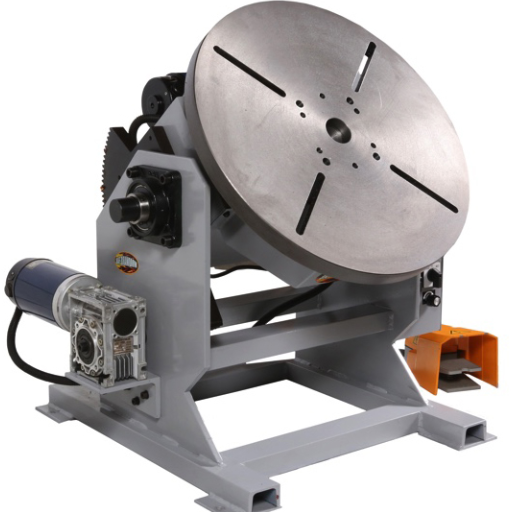
A Comparison of Different Kinds of Welding Fixtures
When undertaking welding operations in different settings there can be no amount of emphasis on the importance of welding fixtures in introducing uniformity, precision and effectiveness. The types of welding fixtures that support various kinds of welding operations in respect of the difficulty of the work to be welded, the quantity of the work to be done and the margin of tolerance required, are several of them. These are:
- Manual Welding Fixtures – These fixtures are set manually and driven by the operator making these fixtures limited to small scale or some custom welding applications.
- Pneumatic Welding Fixtures – These are fixtures that use air (or any other gas) when in use, they can be made so as to operate very fast and in a very effective manner.
- Hydraulic Welding Jigs – Pneumatic controlled these jigs generate greater force for holding and are more accurate.
- Modular Welding Jigs – Such jigs are equipped with adjustable elements which are designed for easy setup for a particular project.
- Robot-Assisted Welding Jigs – This kind of technology is specifically used by robot manipulators as it assures of consistent alignment and placement in the automated welding.
A clear understanding and explanation of these types of fixtures to weld enable manufacturers to identify the most suitable set to be used in their banjang. Their use helps in attaining high productivity and clearness of welds.
Which Superior: Modern Modular or Traditional Fixed Fixtures?
There are entirely different advantages in the modular fixtures and the fixed fixtures, the great emphasis being on the manufacturing requirements. For instance, since this kind of fixtures are greatly adaptable, it is possible to adjust the shape or the position of the components so that we arrived at a completely different configuration of the same fixture. Moreover, traditional face grinding involves grinding of an entire large slab of material or an extended flat work surface while the workpiece is locat within the face grinding park and which has been described earlier. In such case, traditional face grinding is used for design and modelling. Therefore, the machining processes in traditional face grinding are not associated with the traditional surface grinding processes normally, which are highly associated with the machine, surface plate along which the abrasive wheel moves.
Alternatively, in replicable and purely continuous production systems where very high production frequencies can readily be maintained, as well as where assembly precision is paramount, there is no substitute for fixed workholding devices. These clamps are, in addition to being highly accurate and very rigid, specifically made for particular operations or parts. Although they lack the user-friendliness associated with modular fixturing, it creates less deviation from standard than others notwithstanding, in a complex system where a single missed bolt in engineering construction project could have unimaginable impact, this is a desirable, if cryptic feature.
When it comes to selecting between the two, the dilemma is between the satisfaction of process quality, which is the perfection of an activity and no failures, and the satisfaction of standardization. When working with procedures that are frequently updated, such as production plans and customer requirements, modular fixturing is required, while when working with high volume production systems which include low tolerance machining etc. functions these devices are better fitted to be used as high-volume setup components. They help in the implementation of any kind of equipment which supports the production of goods especially in the various categories of the modern manufacturing assembly systems.
Purpose-Built Fixtures Across Wide Range of Welding Processes
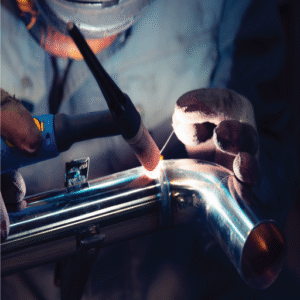
The custom-made fixtures are to address concerns exclusive to diverse welding processes by making sure that welding is done safely, with high precision and repeatability even on difficult to weld parts. Some of the most common processes e.g. MIG and TIG welding are enhanced with the usage of such devices as they offer some form of permanence and even help in achieving very accurate jobs like welding without any deforms. Resistance welding, in some cases, makes use of the special fixtures that have the tightening device, the fixtures are used to clamp the parts when there is a high force resistance welding. Because of this, fixturing for robotic welding systems is usually customized to suit automation, facilitating flawless retention of the robot’s arm in place. These innovations have opened up new possibilities for increasing the effectiveness and quality of welding activities due to effective implementation of technological advancements within the welding industry to guarantee successful inclusions of several new methods in the manufacturing sector.
Components of Welding Fixtures and Positioners
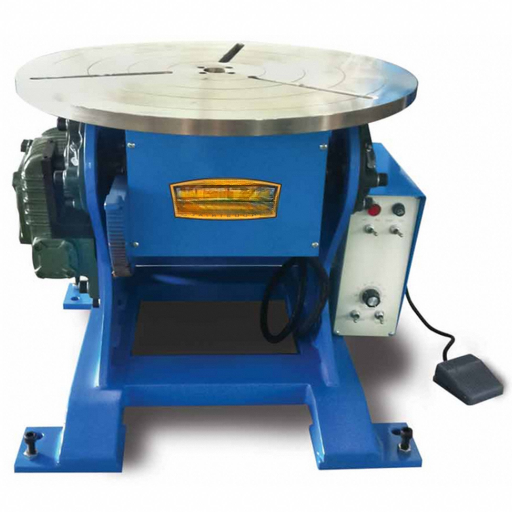
Welding Jigs – Elements That Make Up The Construction
An important element of the welding jig is certain parts that make sure that the workpiece remains steady and is well fixed in the position and does not move or become distorted during the welding process. Some of the component parts include:
- The Main Body of the Jig: Serves as a platform which supports all other elements.
- Fixtures and Positioners: Hold the workpiece and ensure proper orientation.
- Bushings and Stops: Position the welder accurately to minimize errors.
- Adjustable Assemblies: Increase effectivity in accepting different work sizes.
- Options for Cooling: Integrated cooling systems to control heat during welding.
- Protective Coatings: Heat-resistant coatings to prevent attrition.
The Function of Positioners in Welding Fixture Design
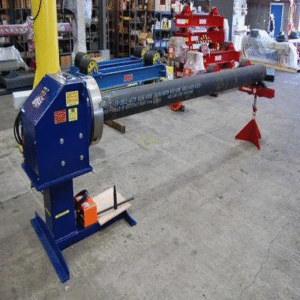
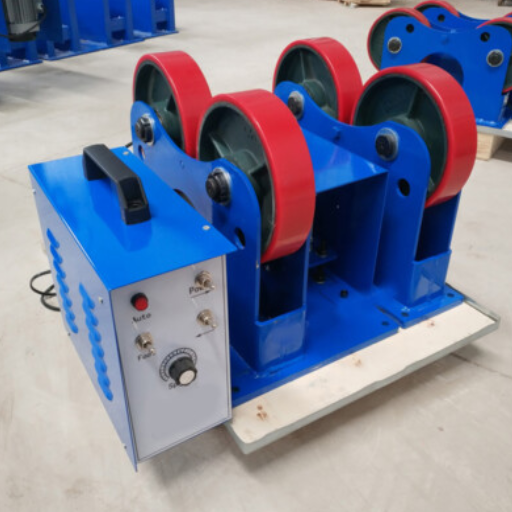
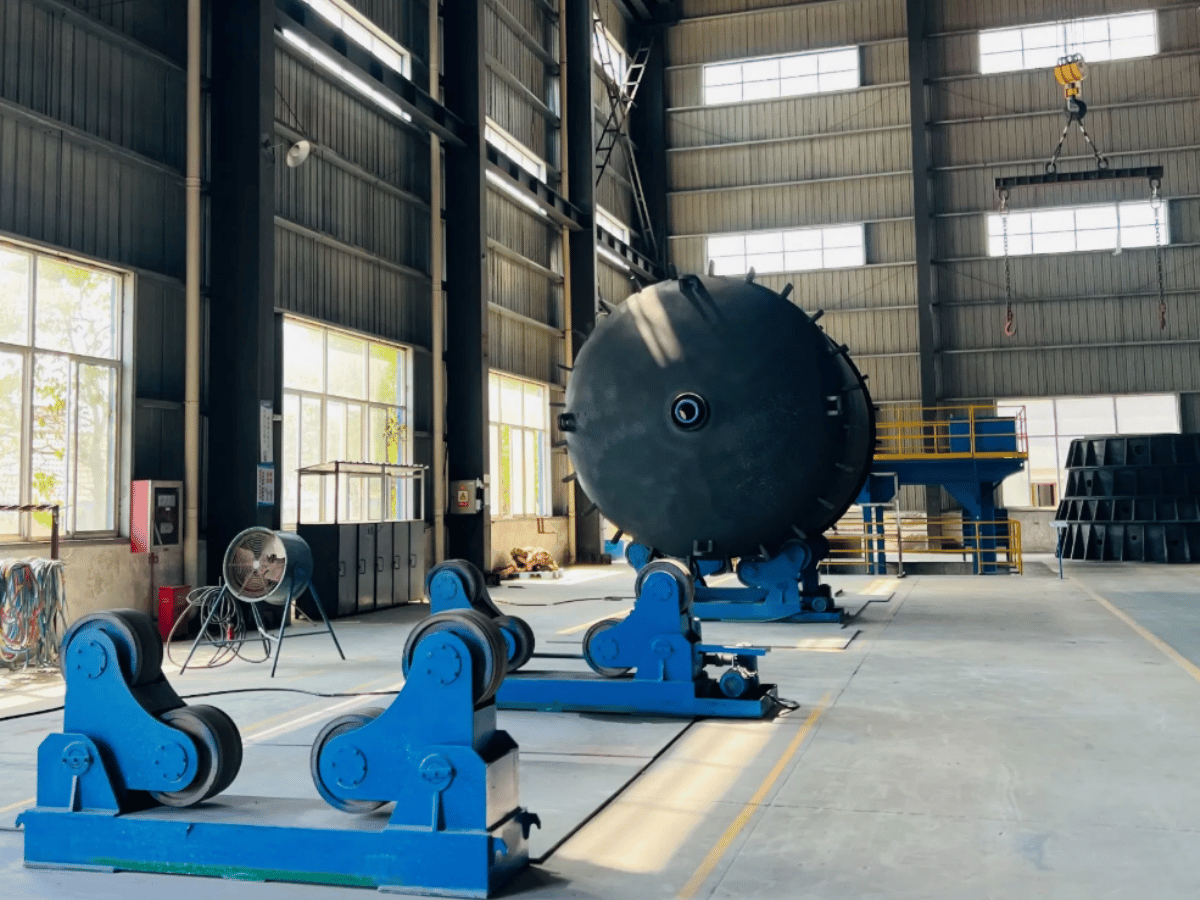
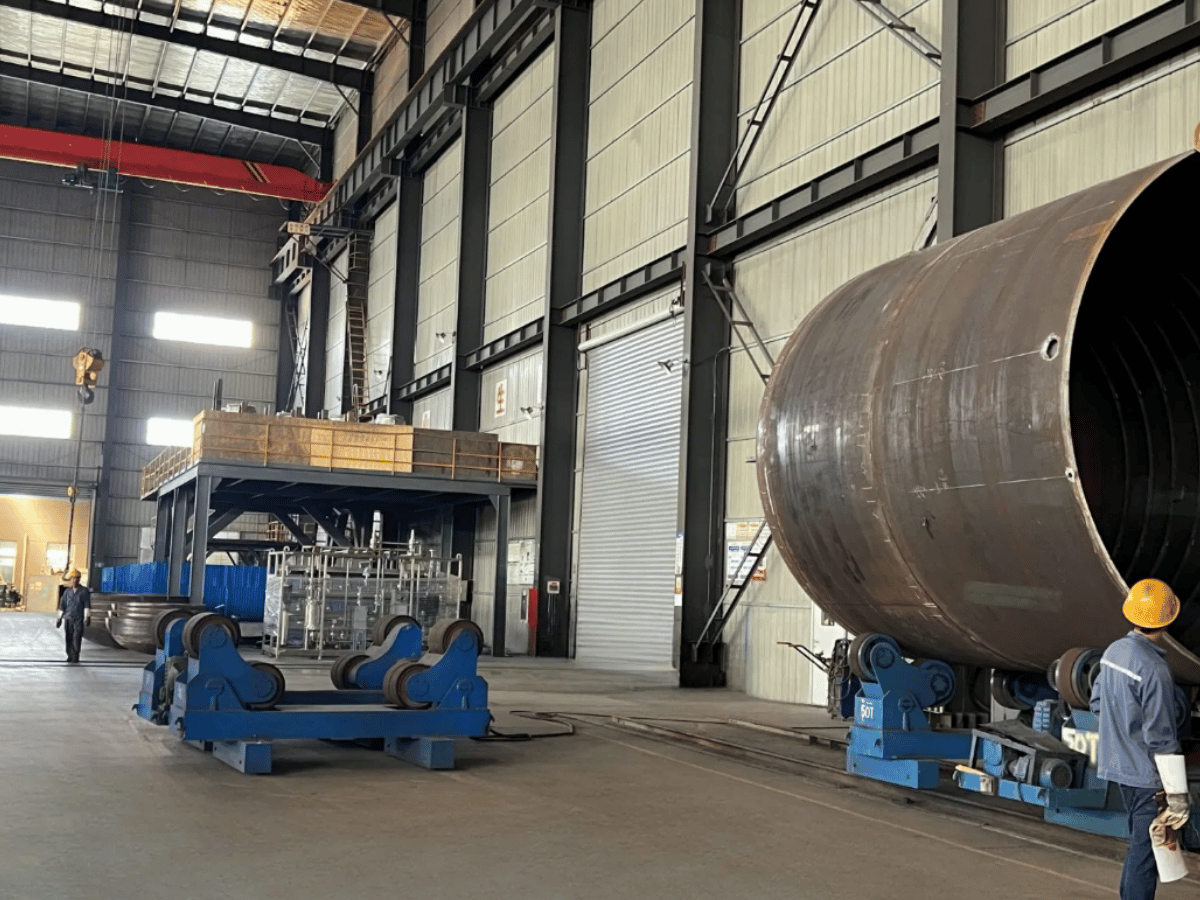
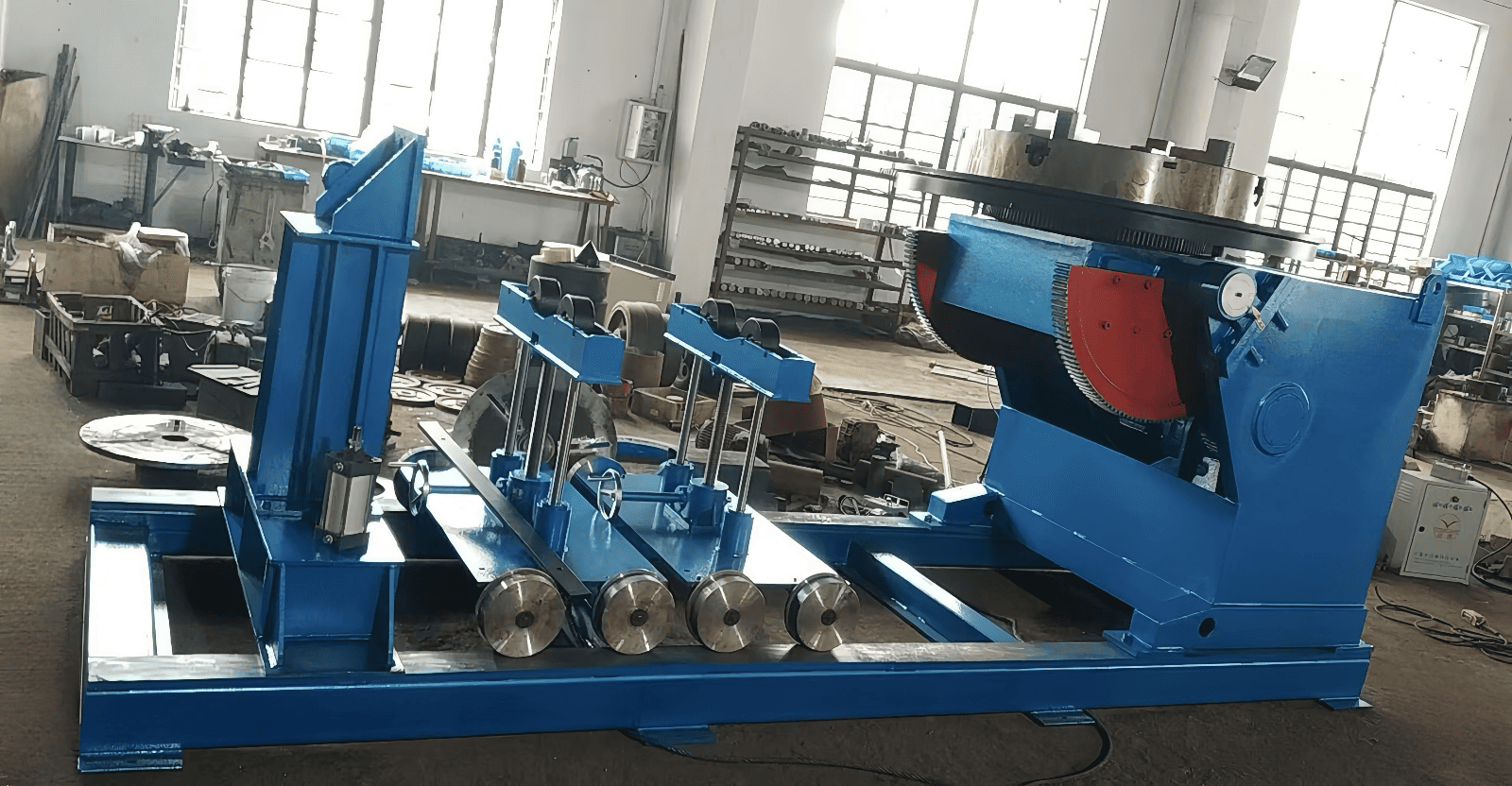
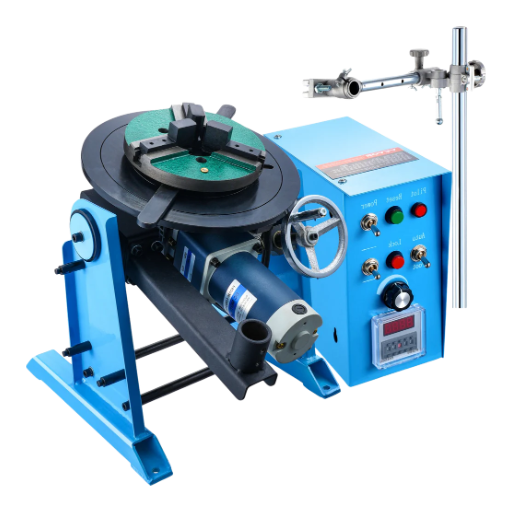
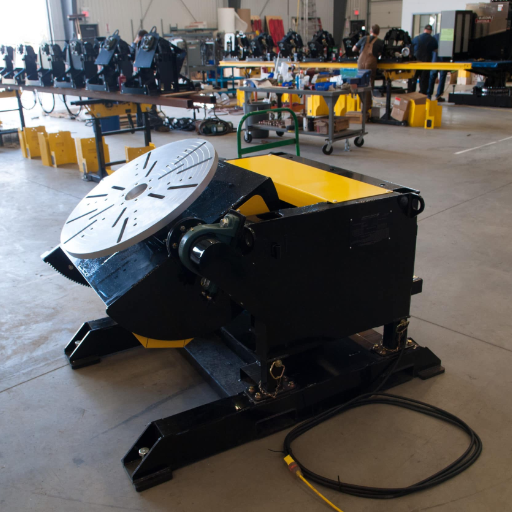
The location of positioners is instrumental, in revolutionizing the accuracy and the speed in the welding fixture systems. The main function of the positioners is to hold the workpiece and rotate it allowing the welder or the robotic system to work in complicated angles and angles needed while performing the welding. This then helps a lot in the reduction of the strain of the operator as well the also avoiding any little mistakes made. As we even speak, the positioning equipment has new and user-friendly aspects like computerized devices, and it even has a power source whether electric or hydraulic and is able to do jobs duty for the low-end and high-end structures. These aspects assist in many techniques of welding that are used such as manual GTAW, automatic GMAW or even welding using industrial robots.
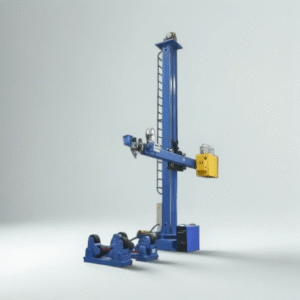
Furthermore, modern automated systems enable production capacity to be increased in combination with positioners. In addition, it creates a safe work environment by preventing accidents due to movement of large and / or oddly shaped workpieces. Arm welders can help improve the efficiency of manufacturing by designing rotary positioning devices that optimize transformations from one specialist to another, while lessening the wrench time. The modern welding fixture design includes positioners as key components and utilises sophisticated materials and technologies. This significantly increases the performance and operational efficiency of welding fixtures.
Incorporation of Automation in Fixtures and Posing Devices
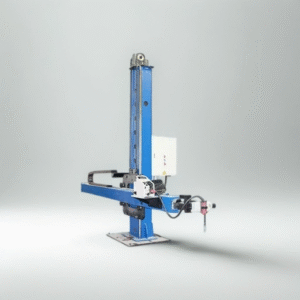
The process of incorporating automation into fixtures and positioners has impacted greatly in the production parameters as it makes use of automation which in most cases affected measures to precision, efficiency and also uniformity in production. These automated fixtures and positioners adopt the most current technologies which help them in performing various tasks such as programming of operations, cutting time manual man-power was used by younger generations. The use of robotic positioners calls for the less intervention of personnel in all work. Some of the features of these robotic mechanisms such as automatic adjustment and rotation of workpieces to the proper alignment for welding or assembling recurrent manual operations without separate handling or any people changes. This enables quick production and minimizes the occurrence of errors which are brought about by the worker’s fatigue or the site in which he has to work.
Apart from this, the application of machines in the manufacturing process also increases its ability to adjust the size and shape of fixturing and positioner configurations. Also, the incorporation of these machine systems into the workplaces helps the workforce practice predictive maintenance hence increasing effectiveness of the manufacturing process. In addition to this, the trend of adapting the use of such machines in the tooling aligns well with the pursuit of smart manufacturing systems, delivering higher efficiency, cost control, and increased quality of production.
Best Practices for Welding Fixture Design
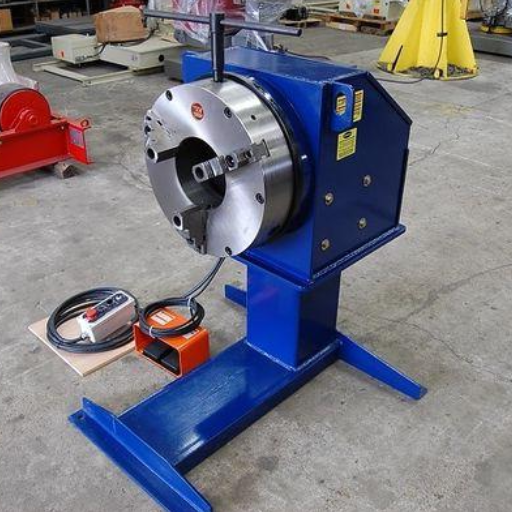
Principles to Safety and Accuracy While Designing
When constructing welding jigs or fixtures, it is crucial to give due consideration to safety and accuracy first before anything, and that is to ensure efficiency when undertaking machinery processes. Moreover, engineering safety elements must cater for preventing any undesired movements or accidents by any components being used and such should comprise of strong material and mechanical design properties that will not get damaged even at elevated temperatures. In addition, consideration them in the fixture design would contribute to alleviating the operators’ tiredness, as, the requisite energy of the system would not be wasted…and enables the operator to run the equipment even more effectively. In order to ensure accuracy, one needs to prepare duly aligned joints; otherwise, components slid apart while an assembly is in welding process. Another is, with the help of certain aids, such as CAD – computer-aided design, which are capable of establishing even the most accurate dimensions, and tolerance which can always be integrated into the aircraft welding. As for the aforementioned balance on safety and accuracy, operational performance augmentation is not the only likely outcome but also the protection of workers and matching quality.
Improving Weld Quality through Innovative Fixture Design
The implementation of reliable machine tools can considerably contribute to the improvement of the quality of welding operations. This is because the process of welding involves joining components that are subject to change in many ways as a result of heat processing. For that reason, it is recommended that special tooling be adequately designed to accommodate such characteristics of the process.
In addition, the inclusion of a thermal management solution in fixture design can also assist in the challenge related to unwanted heat deformation during welding, for both part size and shape. Such fixtures are complemented by the ongoing advancements in the use of smart technologies which have become part and parcel of almost all modern industries, the use of sensors embedded in fixtures for real-time monitoring of temperatures and fitting, being one type. In this way, it allows instant elucidation of structural discrepancies so that effective cost-saving and welding quality-preserving measures can be applied.
By utilizing such improved forms of design, it is possible to make better quality welding with more narrow dispersion of the process and stable workflows with less capacity for reworking defects in the manufactured components.
Applying the Affected Dual Head and Tail Holder in Jig Design
There is a new way on how jigs can be used, especially with the introduction of dual head and tail stocks which has been primarily developed to increase accuracy, effectiveness, and stability when it comes to cutting and assembling items. In such systems, it is possible to give support to the workpiece from both ends at the same time and, help them to decrease oscillation due to superior rigidity. This design helps in controlling machining tolerances accurately even in the case where active cutting takes place and the workpieces tend to be long and slender.
Also, bimodal tailstock integration inside modern tooling through advanced mechanisms is an approach that should be considered by any manufacturer aiming to optimize costs. For example, it is known that placing a tailstock to support the free end while machining the other end of the rods can consume significant amount of time; dual-support configurations has reduced this duration in most instances. This added rigidity also has the benefit of decreasing the amount of tool wear, which in turn increases the lifespan of cutting tools and reduces maintenance costs. Incorporating such sophisticated elements simplifies process efficiency and enhances product-operating ability in the context of fixture layout.
Future Trends in Welding Fixture Design and Automation
Emerging Technologies in Welding Automation
The welding automation industry is fast maturing with new and cutting-edge technologies being incorporated. One of the trends found worthwhile is that of the ingrowth of Artificial Intelligence (AI) and Machine Learning (ML) capabilities to the welding process for real time optimization. In particular, these processes make it possible to monitor and adapt faster and more advanced models of failure identification ease through parameter changes and support consistent and quality fabrication. Another important future technological advancement is the increased use of collaborative robots (cobots) most of which operate alongside human beings in the provision of more safety and efficient workbbing.
Yet still another significant improvement is the implementation of the latest measurement technologies such as the laser scanner or the thermal imaging which render aid in providing more accurate data during the course of work. This leads to the measurement of heat dissipation, any deviations in alignment, types of materials and their deviation with respect to these parameters. That’s to say, the process of welding has already embraced the principles of Industry 4.0 according to which the welding is automated and equipment is interconnected through the Internet of Things (IoT) which allows the process to eliminate data duplications, and oversee the operations. These newly introduced technologies provide a radical shift in the familiar practices of welding, introducing new-age automation through advanced manufacuring.
The Role of Industry 4.0 in the Design of Fixtures
Digitisation, with industry 4.0 as its flagship, has greatly changed the design of fixtures through implementation of innovative digital processes. Today, fixtures can detect much more than the mere movement of objects thanks to sensors integrated with the Internet of Things, and, therefore, are capable of measuring real-time forces, vibrations, and alignment, which also increases productivity by decreasing inaccuracies and operational halts. Intriguingly, the rapid prototyping and fixture customization are made possible by additive manufacturing, that is, 3D printing wherein fixtures can be designed in the form of a wire. There is also the introduction of digital twins that are virtual representations of fixtures, which provides an opportunity to assess the capability, predict the durability or damage and correct the performance without the need for any production, which economizes resources and does not produce errors in due course. Such breakthroughs guarantee that fixture design is not only ontogenetically precise, but is future-oriented as well, optimizing efficiency in the production processes.
What Is the Future of Welding Positioners – Expert Forecast
The prespective of welding positioners this decade, as approprietly expected, will be to respond to the radical changes in technology such as the rise of robotics, machine learning and networked intelligent systems. As industry 4.0 becomes a reality, more and more welding positioners are expected to be configurable using the internet of things and trends in the information and Communication Technology (ICT), enabling real-time adjustments and monitoring aimed at improving efficiency and a breakdown of the order process. Upgraded AI systems will reduce the level of cognitive effort required for the operation of the elements, thereby increasing the productivity and capabilities of the machine. Along that line, it is expected that there will be an increase in the use of modular structures which can be changed to suit several needs they might be placed. The use of materials that are both light and strong will facilitate improved manipulative skills without the loss of any of the luggage due to any flexural response. All these, including welding positioners are aimed at enhancing precision, productivity and extensibility in today’s production facilities.
Reference Sources
- Design of Fixture for Welding
iopscience
Discusses challenges in existing fixture designs and proposes innovative alternatives based on feedback from experienced welders. - Conceptual Design of a Fixture-Based Reconfigurable Spot Welding System
scholar.sun.ac.za
Explores the development of a reconfigurable fixture system for automated spot welding applications. - Conceptual Design of Modular Fixture for Frame Welding and Drilling Process Integration
pubs.aip.
Focuses on modular fixture designs for integrating welding and drilling processes, with a case study on student chair manufacturing. - Top Welding Positioner Manufacturers and Supplier in China
Frequently Asked Questions (FAQs)
How does ensuring proper clamping while designing a fixture design enhance productivity and reusability while exercising the welding?
Ensuring proper clamping not only prohibits the workpiece from moving or distorting during the welding but also helps welding to become more efficient, as well as having accuracies in welding almost every cycle. For any workpieces there is trouble free loading or unloading processes using quick clamping or automatic clamping components. It further prevents waste because the primary function of clamps is to hold the workpiece at the position it is to be welded, thus reducing variants in work and avoiding rework. In some cases where clamping is done by hand, the positioning is important for which there must be appropriate jigs and fixtures. Clamps can also help maintain the proper tolerance limits and still achieve the desired initial speeds when used by welders as clamping is not always straightforward. By upgrading the process to include pneumatic clamping, the perfection of the production and product welding would enhance even more.
What is the impact of positioning and work set up arrangement in reduction of weld distortion?
Properly positioning a work-piece is very important, considering the minimizing of effects such as thermal expansion, and warping that can accompaning arc welding or the other process. Designing of fixing ferrules that allow adjustability in positioning and right angle support prevents shift and thus deformation. On the other hand, within this unique and widely used device, positioning can range from rather simple items such as stops/locators for processing flat surfaces to heat sinks or heat absorbing parts, and suppressors which do not permit expansion. In the case of extremely difficult welding or pressure vessel installations, selective detail of where clamps and fixtures must be placed will help eliminate shrinkage thereby improve the accuracy of the final product. In provoking positioning with the sequence planning for welding process, the high quality welds can be done well and the fabrication can be improved also.
What are practices adopted in automotive manufacturing with the help of robotics and robotic welding?
In the field of automotive robotics and welding one popular application is the precise and efficient operation of robots. For this reason, good quality robotic welding is a series of actions in which an articulated and programmable welding arm is tasked to join two or more parts together in preparation for creating new products. Too often companies need to conduct fully automated production of molds in order to fill the orders on schedule during peak season. In that case, the entire concept of the production line will undoubtedly be uprooted freeing space for completely new arrangements and upping the quality level of manufacturing. Fixtures too must be placed in such a way that the robot does not have to stop during welding. In simple cells, welding jigs comprising completed jigs and fittings can activate the work piece setting, and removal, and techniques, as well as self jigs incorporating clamps in here; work-holding clamps are also provided on the jigs.
How To Prevent The Distortion Of Components When They Are Being Erected?
All of these objects have similar solutions. Fixtures that are good for sheet metal use and more specifically dishes with thin plates, and those which are recognized as distortion preserving fixtures are explained. Specialized jigs, sacrificial backing plates and adjustable locating dowels are used also for this purpose; they help to localize the heat and avoid distortion or warping. Changeable arrangements have also been taken into inventory where locating pads of varying degrees of softness or elasticity have been employed in modular fixturing systems capable of minimizing weld access areas that are awkwardly located and that may expose a welder or welding robot. In addition, it is also possible for the designer to design the self-tightening fixtures in such a manner that clamping does not cause distortions of the components. And gowning together with control welds or crushed dab can also be applied to manage welding distortions. Respect of tolerance gaps and the welding method chosen facilitate completion of intricate fabrications.
How are arrangements and multi-location welding jobs organized to ensure ITS uniformity and precision across different production cycles?
Fixtures for complex assemblies depend on feature locators, repeatable clamps, and modular structures for an accurate set-up of a feature on every part of a field to be welded. Utilizing or making one base frame with many substages makes changeovers quicker and simpler without changing the set accuracy and repeatability of each corresponding stage. The addition of any references or datums helps speed the part check as well as curbing any tolerance build-up in the whole assembly. Other enhancements in automation like the provision of pneumatic clamping and indexing equipment speeds the process and reduces risks if present since many operators will probably be bored to death by the end of the day. The end result is the advancement in welding efficiency, augmentation in the level of production, and an assurance of unchanging exceptionally good welds in the entire manufacturing process.