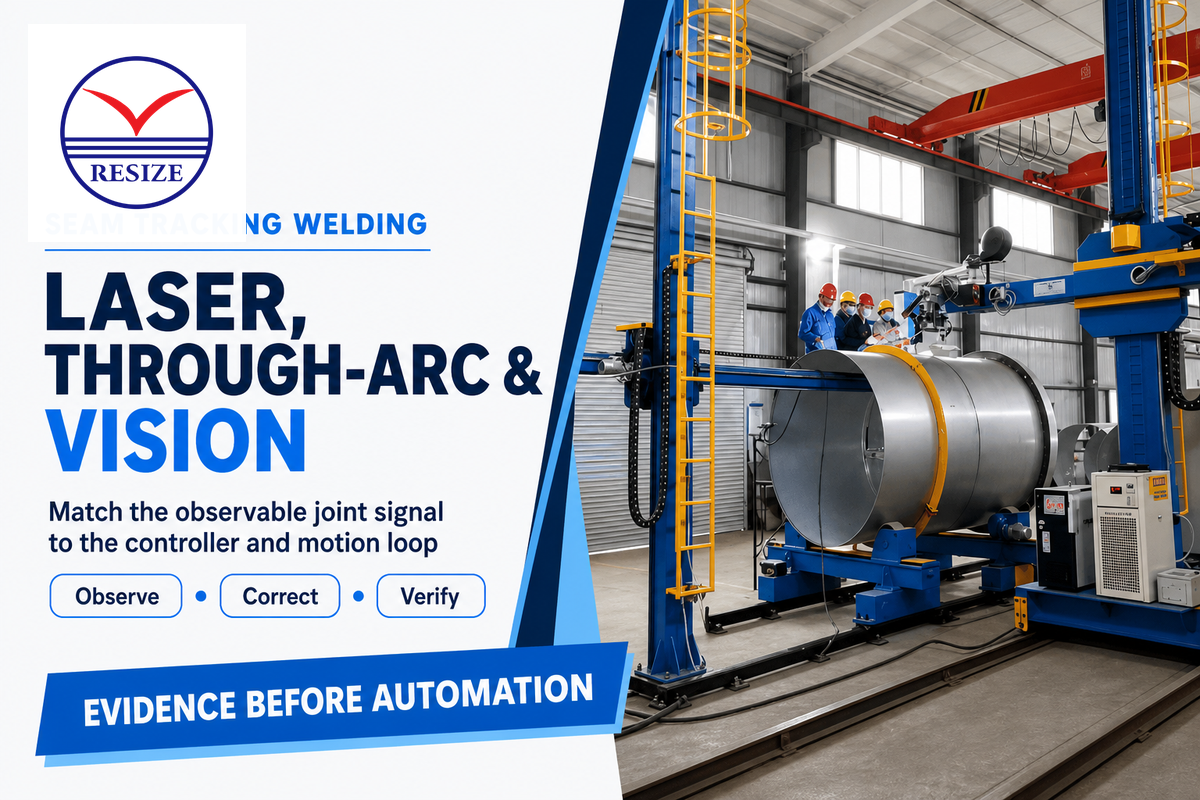
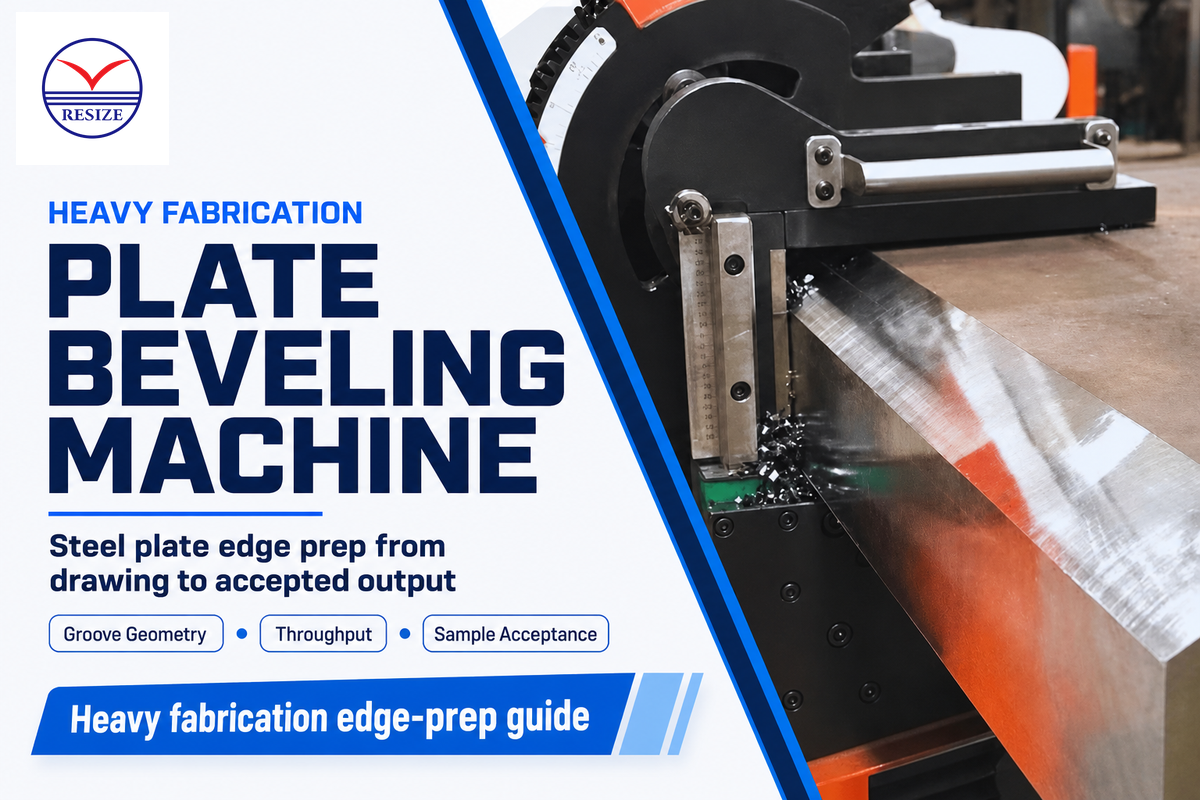
Welding is an accurate and demanding job where skill alone will not be enough if you lack the right equipment. These essential tools include weld positioners. Modern welding uses these devices to set workpieces correctly and stabilize them, replacing manual effort with mechanical precision. This article provides an essential overview of these devices, including their classes, working systems, and essential usage for the outworker. Whether you are a beginner or a highly experienced welder, this guide will enlighten you with the information needed to upgrade your service to the next level.
Key Takeaway
Weld positioners are indispensable mechanical tools that rotate and tilt workpieces to achieve the ideal welding angle, significantly improving safety, ergonomics, and weld consistency.
Understanding Weld Positioners
Welding positioners are devices inserted into the realm of the mechanical world—machines that hold or support a workpiece during the welding process and rotate it to facilitate executing thermal operations at an ideal angle. Their main purpose is to enhance accuracy and efficiency while ensuring consistent weld quality by reducing manual manipulation. Positioners minimize physical strain on the welder and offer increased access to troublesome areas. These tools are indispensable for everything from specialized repetitive tasks to complex industrial jobs across the automotive, aerospace, and construction sectors.
What Are Weld Positioners?
Weld positioners are mechanical devices that firmly grasp a workpiece and rotate it, enabling welders to produce a more efficient and precise weld. By ensuring the workpiece is set at the perfect angle, these tools ease physical strain on operators and allow for uniform, high-quality results. In situations where manual handling would be inefficient or lead to massive inconsistencies—particularly with large and complex components—positioners are vital for enhancing productivity and reducing operational errors.
How Positioners Work
Positioners are responsible for clamping the object in place and providing controlled movement on one or more axes. Depending on the model, this is achieved through motor-driven, gear-driven, or actuator-driven transmissions. Rotating, tilting, or leveling the piece during welding ensures the operator can see the welding points at the best possible angle. Typically, newer positioners incorporate programmable controls for automatic sequencing, which is vital for repeatability in high-volume and automated welding environments.
The Importance of Weld Position
Correct weld positioning is crucial for attaining structural strength and protecting the joint from defects. Poor positioning can lead to incomplete penetration, porosity, or slag inclusions, compromising the safety of the final product. By maintaining the correct position, operators achieve proper bead geometry and fulfill industry standards. Proper positioning also provides an edge in efficiency, resulting in less rework and material wastage, making it a cost-effective necessity for modern operations.
Types of Welding Positioners
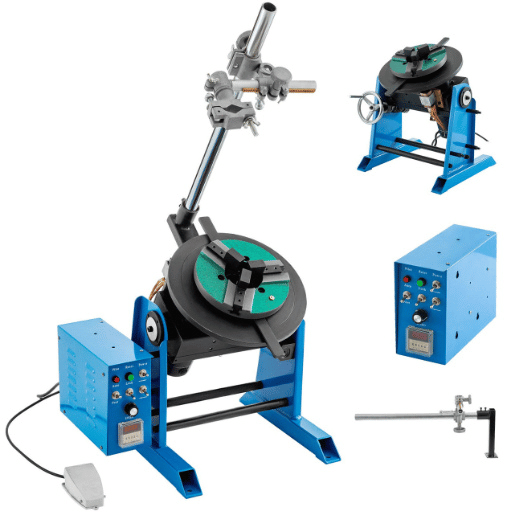
| Type | Best Use Case |
|---|---|
| Fixed Positioners | Static orientation for highly crucial, repetitive tasks. |
| Rotary Tables | Rotating workpieces along a single axis for circular welds. |
| Tilt-Rotary | Versatile orbits and tilt angles for complex geometries. |
| Headstock/Tailstock | Supporting and rotating lengthy or extremely heavy parts. |
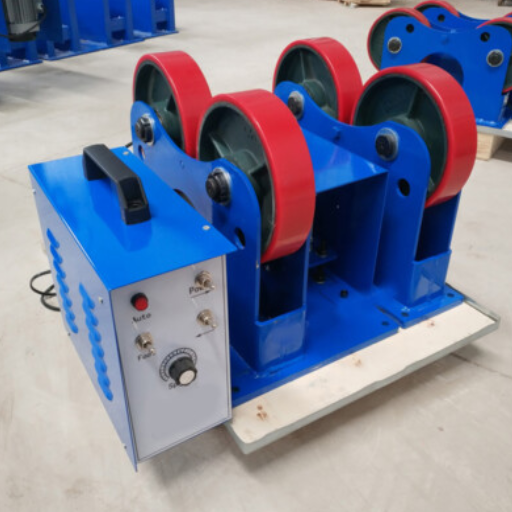
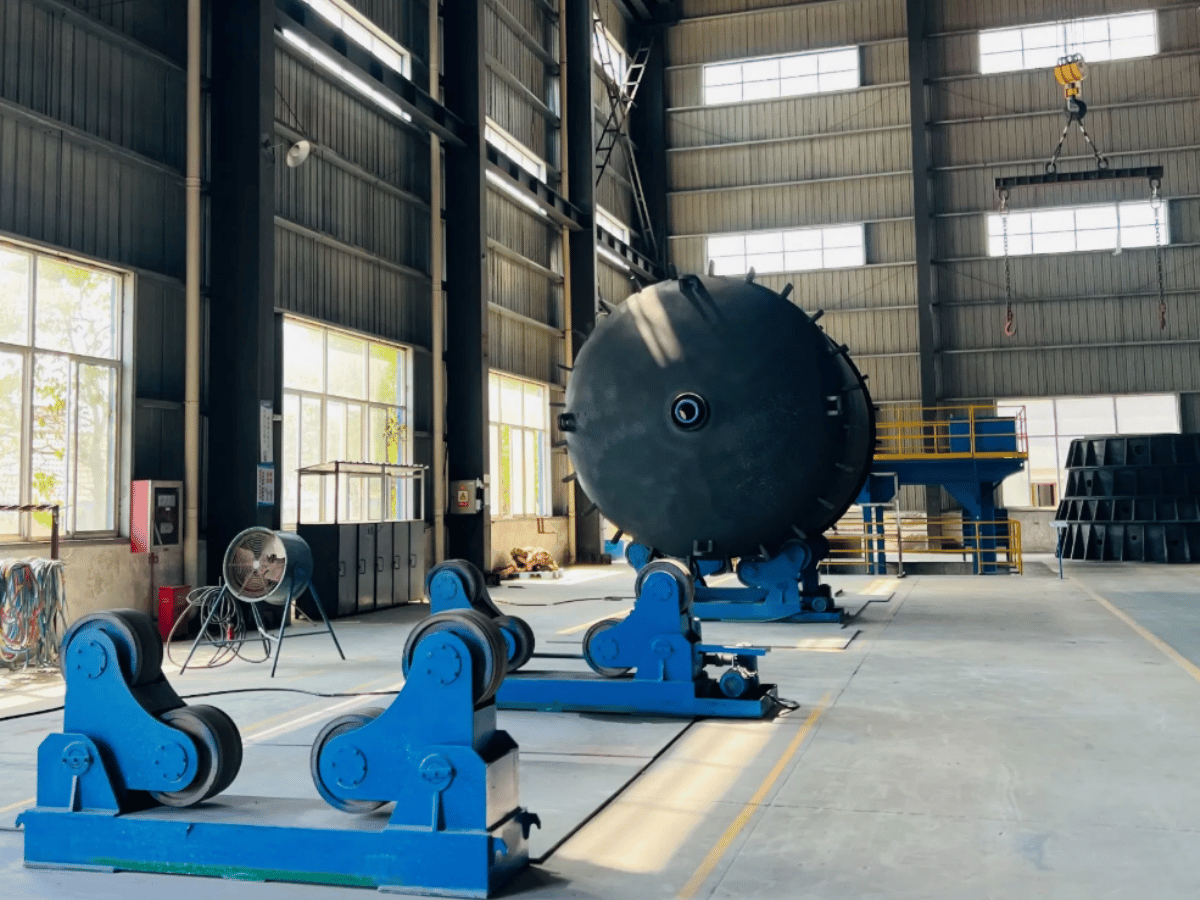
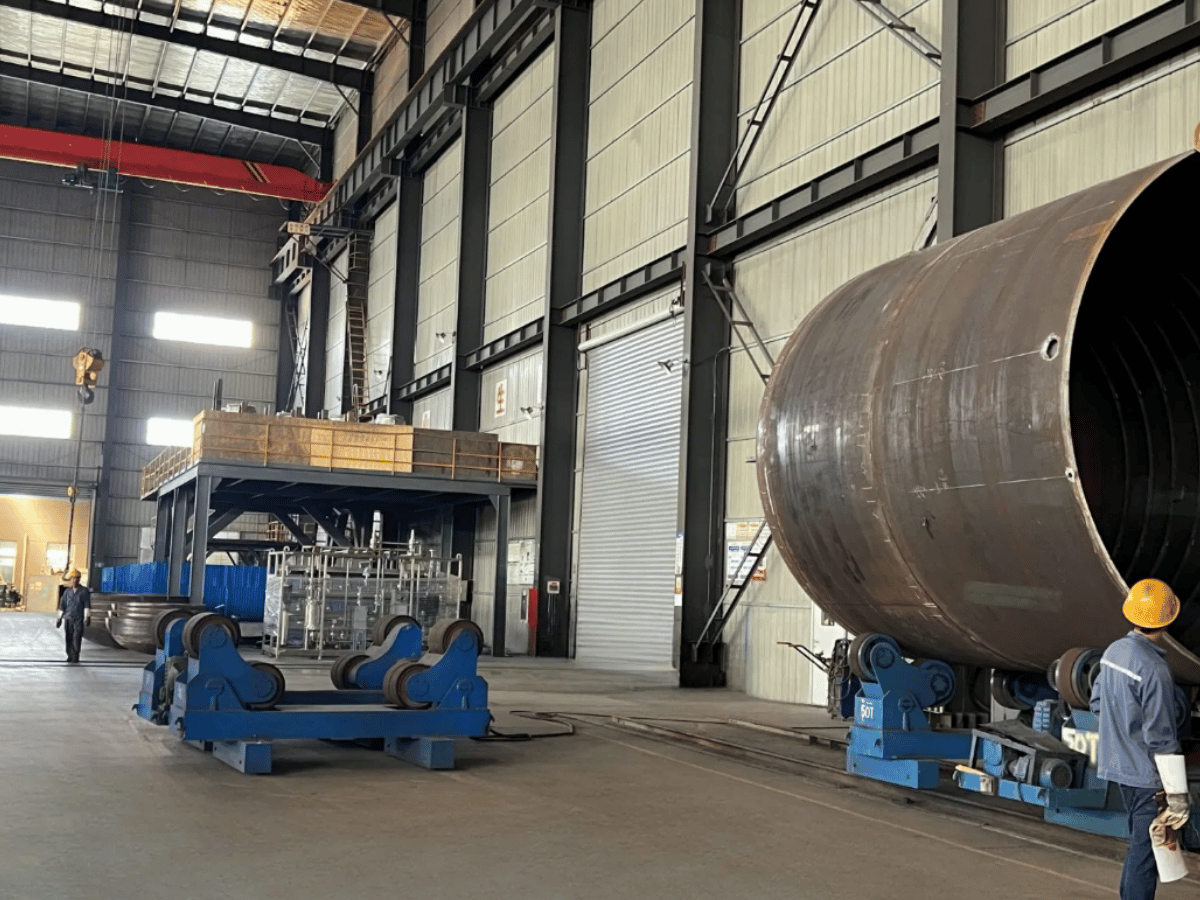
| Roller-Based | Cylindrical components like tanks, pipes, and vessels. |
Rotary Positioners
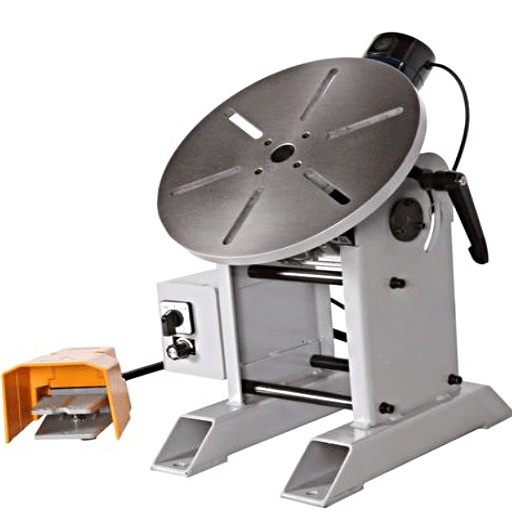
The rotary positioner is an adjustable instrument intended for rotating workpieces along a single axis. This allows easy entry for welders into positions that are otherwise difficult to reach, ensuring uniformity. These are frequently integrated into automated or semi-automated industries to maintain consistent weld quality. By providing constant rotation velocities, rotary positioners bring operational efficiency and high accuracy to mundane or awkward components.
Tilt-Rotate Positioners
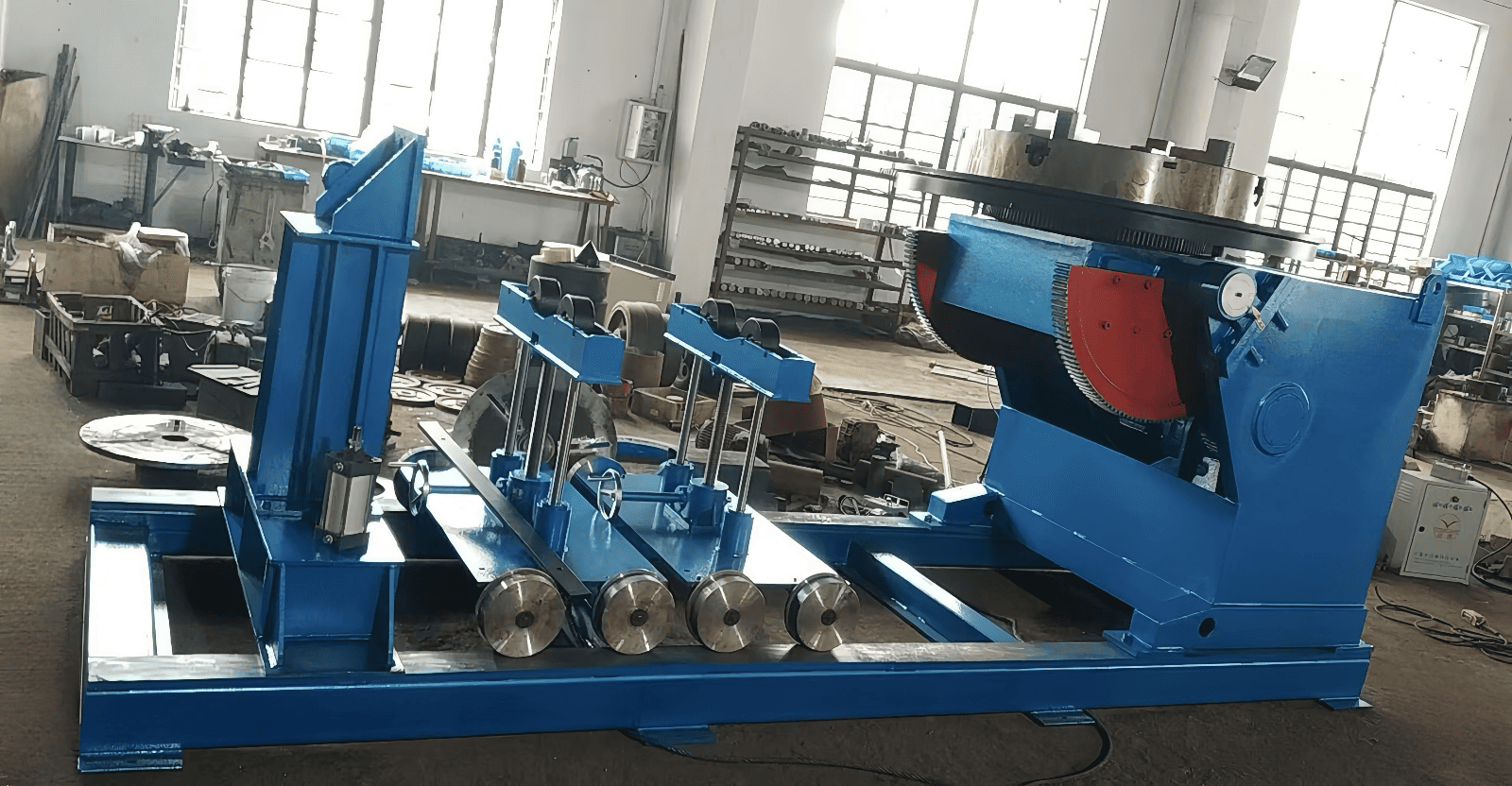
Tilt-rotate positioners (TRPs) are sophisticated gadgets engineered to locate workpieces along both tilt and rotation axes to provide maximum flexibility. This dual-axis operation ensures fabricators can adjust components to specific orientations for optimum accessibility. Combining maneuverability and accuracy—specifically high rotation speed and thrust control—these machines are essential for handling complex geometries and heavy applications. Modern TRPs allow for rigorous control and automation, increasing efficiency while ensuring the highest quality in demanding projects.
Headstock-Tailstock Positioners
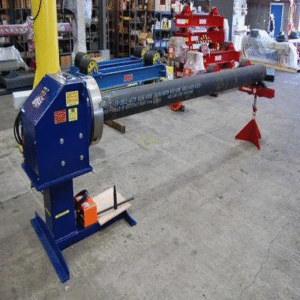
Headstock-tailstock positioners are used to facilitate the rotation of long or exceptionally heavy workpieces, maintaining stability during welding or assembly. The computerized headstock provides motor-driven rotation, while the adjustable tailstock secures the other end. These positioners offer uniform rotation and joint tightness for cylindrical or long parts like pipes, shafts, and structural beams. They are essential in industries requiring mass production, such as marine construction, energy production, and heavy machinery.
Applications of Welding Positioners
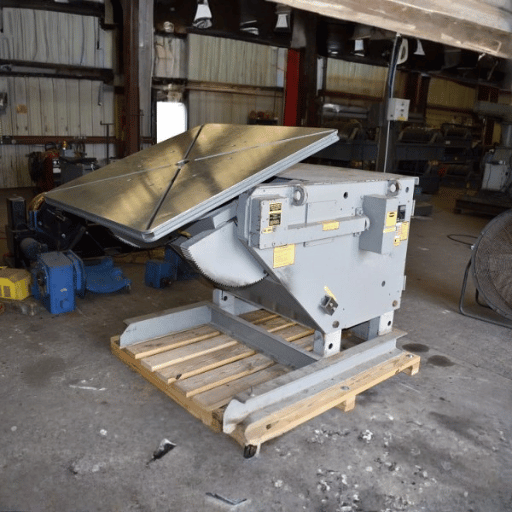
- • Pipe and Tank Fabrication: Creates uniform, steady seams on cylindrical workpieces.
- • Automotive Manufacturing: Joins assemblies with operational efficiency and precision.
- • Aerospace Industry: Assists in assembling complicated, high-precision components.
- • Structural Steel: Manages the welding of heavy beams, frames, and supports.
- • Shipbuilding: Enables efficient welding of large, irregular ship hull components.
Pipe Welding Scenarios
Pipe welding poses challenges due to cylindrical geometry and position constraints. Positioners mitigate these challenges by providing accurate manipulation, ensuring the high-quality, uniform welds required for pressure pipelines. This versatility is vital in oil and gas, chemical plants, and infrastructure construction. Beyond technical quality, they increase productivity, eliminate operator fatigue, and minimize errors in complex pipe welding jobs.
Advanced Welding Techniques
Advanced techniques focus on improving precision in intricate scenarios. For example, Gas Tungsten Arc Welding (GTAW/TIG) provides extraordinary control for thin materials, while Submerged Arc Welding (SAW) leads in thick components with automated precision. Laser Beam (LBW) and Electron Beam (EBW) welding guarantee supreme accuracy for aerospace and automotive needs. These methods are selected based on material properties and project requirements, advancing the modern craft of welding.
Manual vs. Automated Welding
Manual welding relies on the skill of the operator and is ideal for intricate detail, though it is susceptible to human error. Automated welding utilizes robotic technology for consistent quality and convenience. While automation involves higher initial costs and maintenance, it optimizes production in high-volume settings. The choice depends on project size, intricacy, quality expectations, and budgetary constraints.
Improving Weld Quality with Positioners
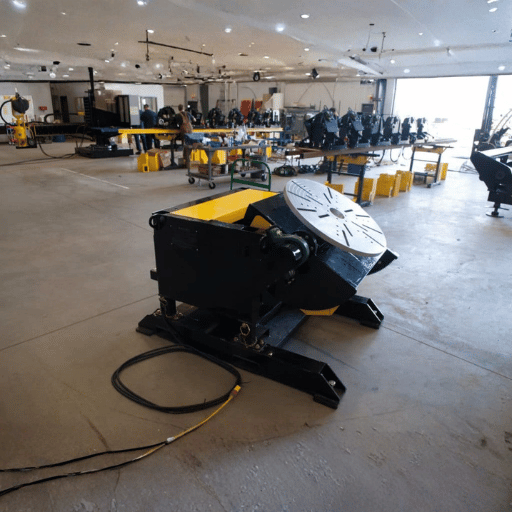
Weld quality is vastly improved by positioners, as they allow control over angling and rotation rate. This enables welders to maintain a consistent position, reducing fatigue and increasing accuracy. Precision positioning stabilizes the weld pool, significantly reducing defects like porosity or lack of fusion. Furthermore, they facilitate even heat distribution, preventing distortion in welded structures and ensuring repeatable, high-quality results.
Enhancing Accuracy and Precision
Weld positioners provide precise control for clamping workpieces, which dampens human error and maintains unvarying welding angles. This positioning ensures the proper application of heat and avoids complications in complex geometries. These features are vital for meeting rigorous fabricating standards, resulting in clean, defect-free welds in both manual and automated processes.
Reducing Operator Fatigue
Positioners greatly decrease fatigue by managing the physical strain of handling large workpieces. By allowing the operator to work at an ergonomic height, these machines reduce repetitive motions and excessive exertion. Improving worker comfort through offset-pivot mechanisms not only enhances safety but also ensures a more dependable and efficient service in demanding industrial settings.
Ergonomics in Welding
Welding ergonomics focuses on optimizing conditions to prevent musculoskeletal disorders. Height-adjustable workstations, proper tool positioning, and anti-fatigue mats significantly improve comfort. Robotic systems and positioners are instrumental in this, reducing repetitive operations while increasing precision and ensuring staff safety.
Choosing the Right Welding Positioner
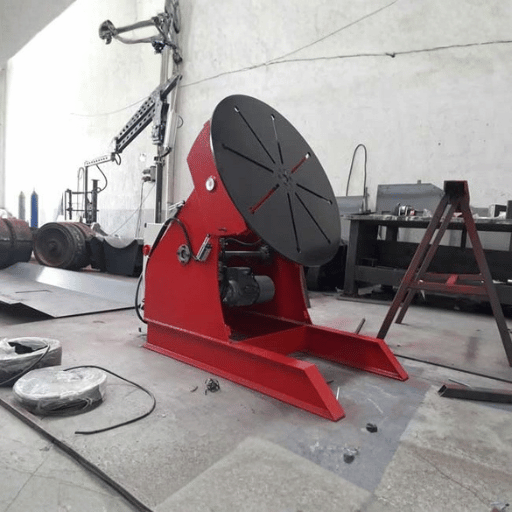
Selecting the right positioner requires evaluating workpiece size, weight, and geometry to ensure secure stabilization. Consider the necessary mobility (tilt, rotation, height) and compatibility with your existing welding equipment. User-friendliness and build quality are non-negotiable for long-term reliability. Finally, review the manufacturer’s reputation to ensure the product can withstand heavy industrial workloads.
💡
Pro Tip
Always verify the center of gravity of your workpiece. A positioner’s weight capacity is often rated based on a specific distance from the faceplate; ignoring this can lead to equipment failure even if the piece is under the total weight limit.
Factors to Consider
When selecting a positioner, focus on load capabilities and axis motion coordination. Check for adjustment accuracy relative to your job tolerance needs. Other pertinent considerations include ease of operation and how well the device integrates with other equipment. A high-grade positioner should offer an ergonomic design and be built from production-grade materials with the backing of a reliable company.
Best Practices for Selection
Tailor the equipment to your exact needs by reviewing height and rotational speed capacities. Prioritize positioners with easy-to-operate controls and heavy-duty materials that won’t buckle under harsh operational settings. Choosing manufacturers with exceptional post-sales support will minimize downtime and guarantee long-term success.
Common Mistakes to Avoid
- ✓ Neglecting Compatibility: Ensure the positioner works with your current machines.
- ✓ Ignoring Load Capacities: Never exceed the maximum rated weight.
- ✓ Ignoring Build Quality: Poor construction leads to frequent breakdowns.
- ✓ Concentrating Only on Price: Low-cost machines often require higher maintenance.
- ✓ Neglecting Manufacturer Support: Ensure you have access to troubleshooting and repair.
Safety Protocols for Using Welding Positioners
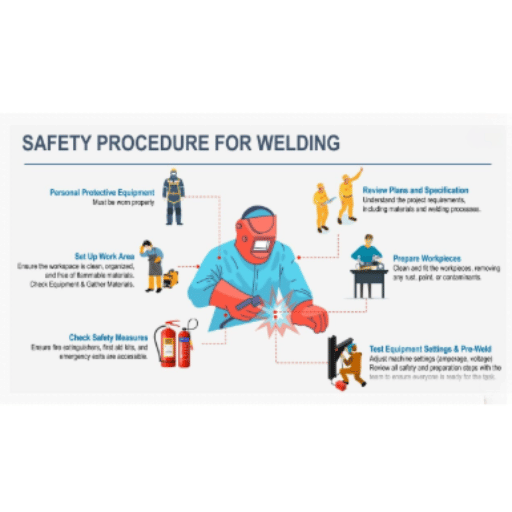
- 1
Proper Training
Employees must be adept at operating controls and understanding machine functions. - 2
Pre-Use Inspection
Check for worn cables, loose parts, or structural weaknesses before every use. - 3
Secure the Workpiece
Verify the piece is adequately clamped to prevent sliding during operation. - 4
PPE Requirements
Wear helmets, gloves, and flame-retardant clothing at all times.
Essential Safety Measures
⚠️ Important Note
Always maintain the area around the weld joint clear of combustible materials and ensure proper ventilation to control harmful fumes. Follow the emergency stop protocols and disconnect the machine before any maintenance.
Maintaining Equipment Longevity
Extending industrial equipment life requires a proactive maintenance program, including routine inspections and timely part replacement. Strictly following manufacturer service schedules, using quality lubricants, and training staff on proper procedures keeps wear to a minimum. Clean, controlled working conditions also minimize contamination factors that hasten degradation, enhancing the trust factor and minimizing downtime costs.
Training and Certification Requirements
Technicians should undergo approved training programs covering mechanism operation, preventive maintenance, and safety. Certifications such as ISO or manufacturer-specific credentials prove that industry benchmarks are met. Recertification is essential to stay current with technology and regulations, leading to improved operational efficiency and ensuring all compliance standards are followed.
Reference Sources
- Red-D-Arc Blog: Overviews of positioners and maneuverability.
- Hytek Marketing Blog: In-depth knowledge for welding beginners.
- MISA Manufacturing: Holding, rotating, and tipping workpieces.
Frequently Asked Questions (FAQs)
What is a welding positioner?
A mechanical device that holds, rotates, and tilts a workpiece to allow welding from the best possible angle.
Why are welding positioners essential?
They increase precision, reduce fatigue, increase safety, and allow for better handling of heavy or awkward pieces.
Who can benefit from welding positioners?
Beginners, professionals, small business owners, and hobbyists looking to increase productivity and quality.
What types of welding positioners are available?
Main types include turntables, headstock and tailstock positioners, and pipe rollers, each suited to specific tasks.
How do I choose the right welding positioner?
Consider the size and weight of the workpiece, your specific welding process, and the rotational capabilities required.