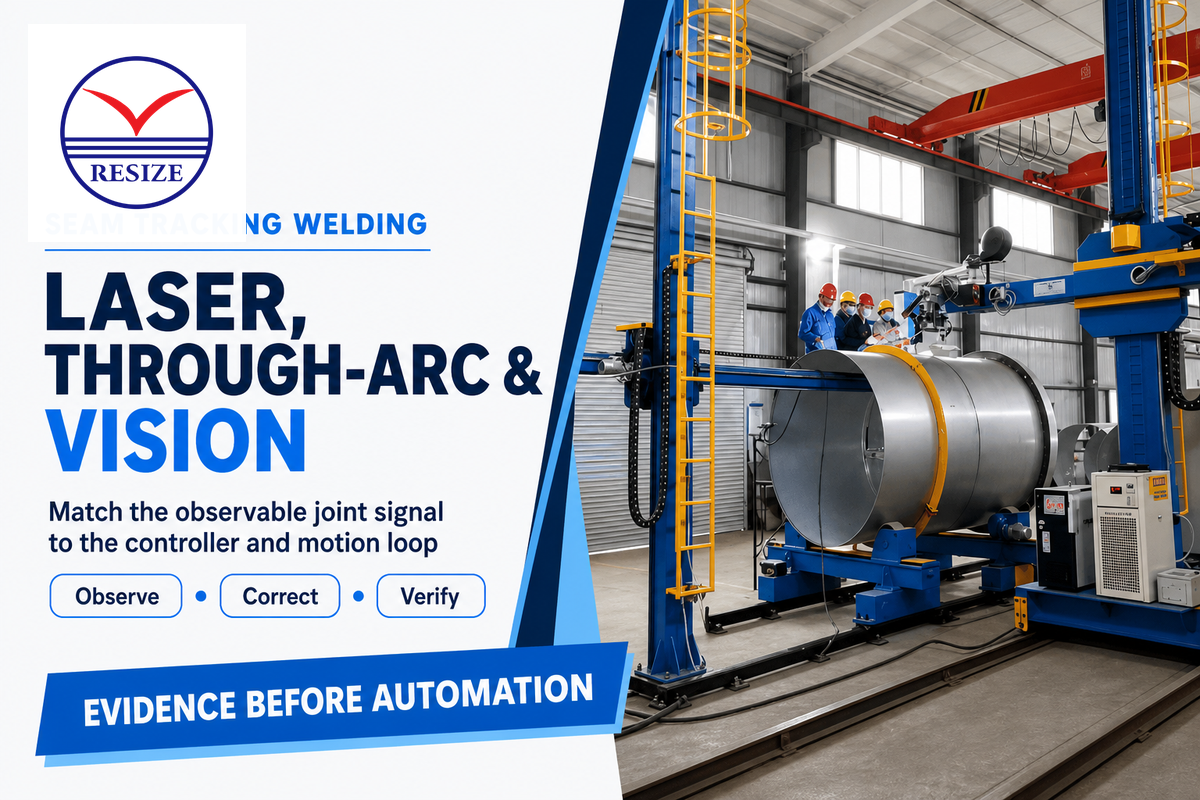
The current manufacturing industry requires its operators to achieve three essential operational targets which include precise work performance and efficient production methods and scalable business operations. Industrial automation benefits from robotic welding positioners as they create an innovative solution that enhances production processes while increasing operational precision. The advanced devices transform welding operations because they help companies decrease downtime while improving workplace safety and achieving their operations from one standard level of work performance to another. The blog demonstrates that using robotic welding positioners in industrial operations provides businesses with two specific benefits which include increased production output and improved production capacity. The article provides an overview of these systems essential role in smart manufacturing by explaining their basic function and their ability to change multiple business sectors.
Understanding Robotic Welding Positioners
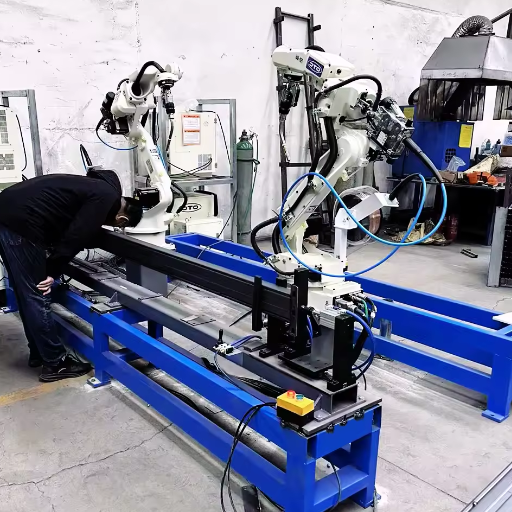
What are Welding Positioners?
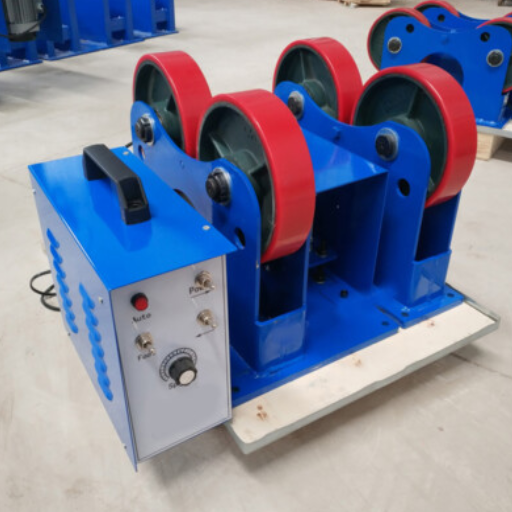
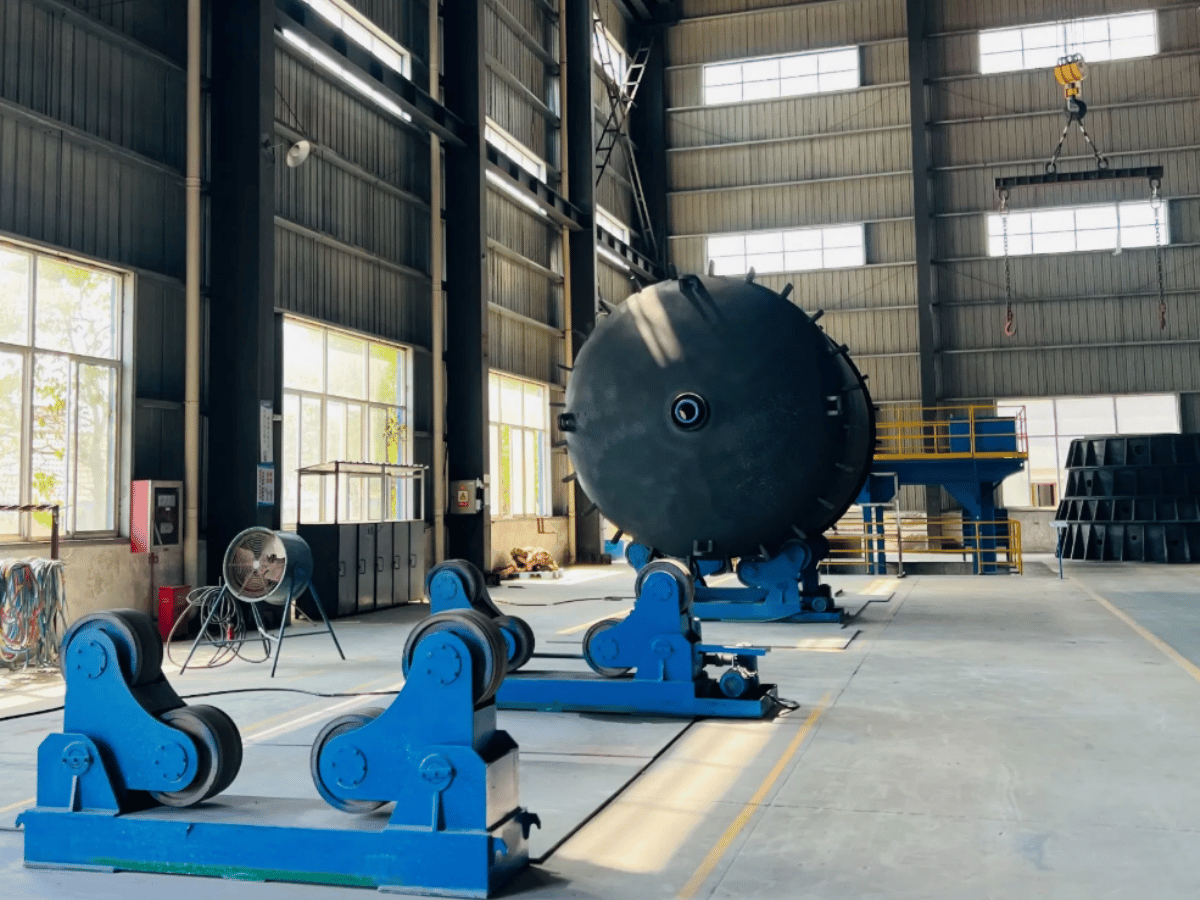
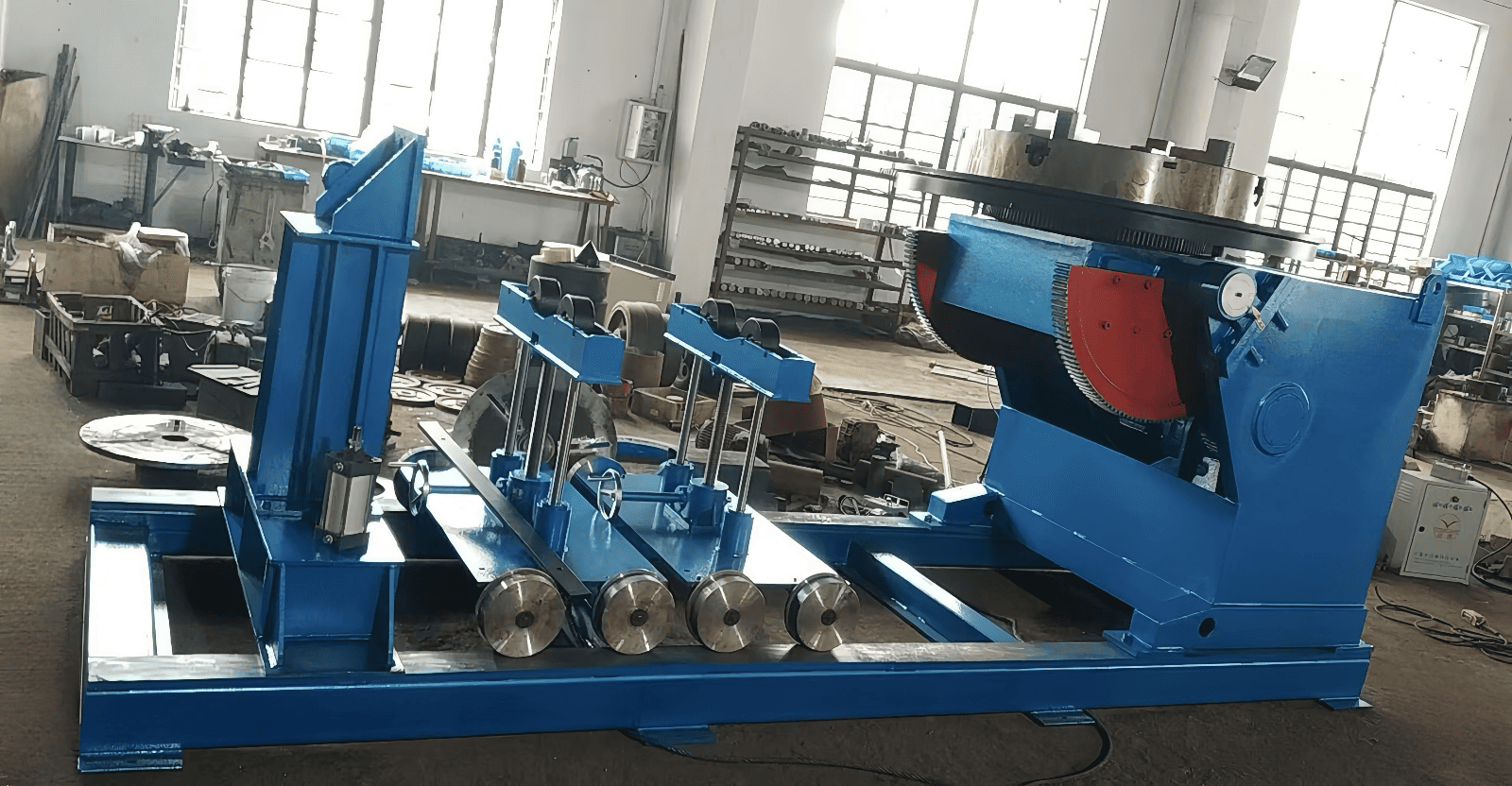
Welding positioners function as mechanical equipment which secures workpieces while enabling welders and robots to access difficult areas with exactness and simple movement. The tools improve welding operations because they provide stable support for heavy and complicated parts which need to be positioned in their most effective welding angles. Modern welding positioners provide motorized systems which enable operators to rotate and tilt equipment throughout their work activities. The automotive and aerospace and construction industries use welding positioners because they improve operational efficiency while reducing mistakes and maintaining high-quality production standards.
Types of Robotic Welding Positioners
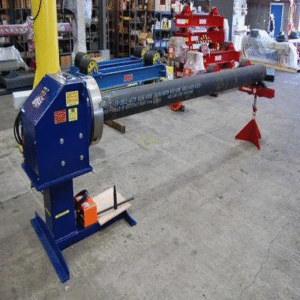
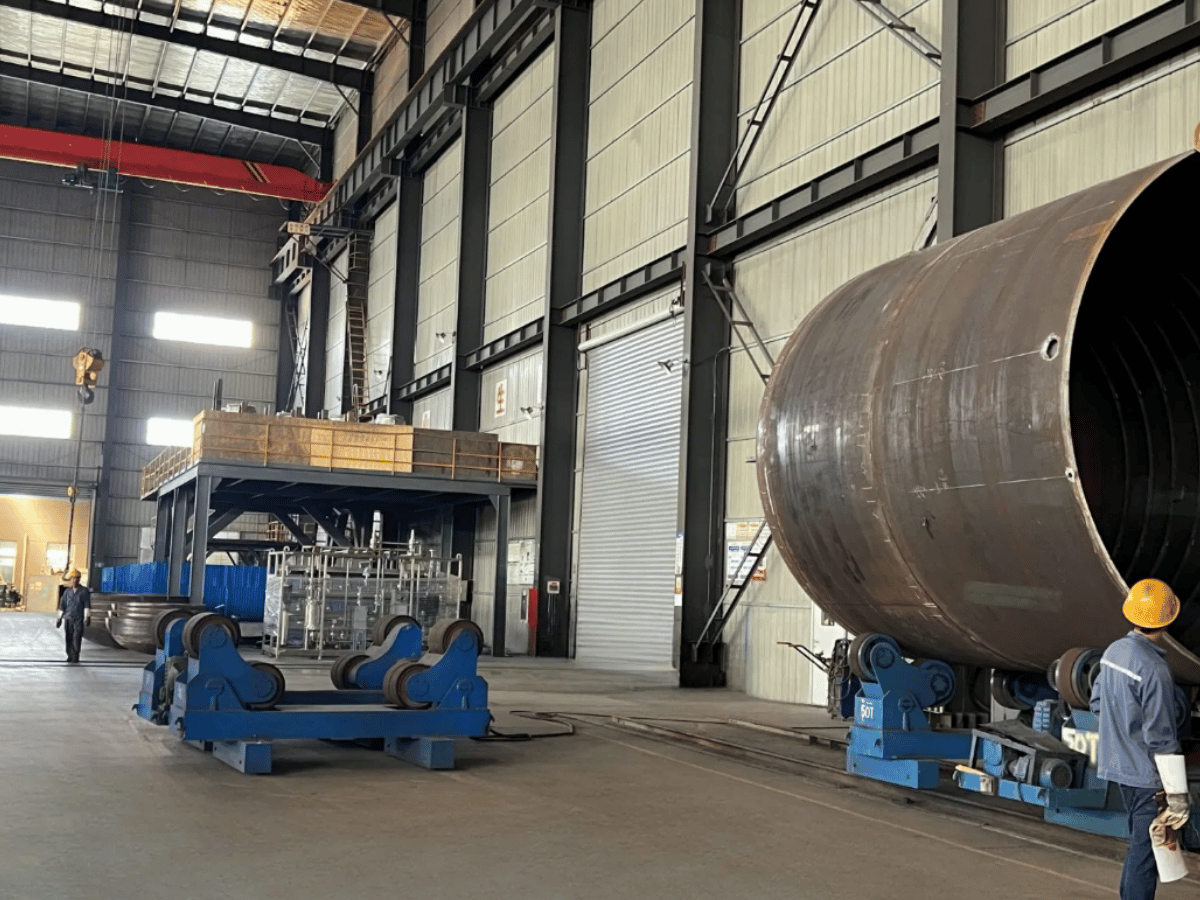
Robotic welding positioners function through different types which deliver tailored solutions for specific industrial requirements while they boost operational efficiency. The rotary turntable positioner serves as the most frequently used type of positioner. The system enables precise workpiece rotation which establishes a secure welding base through its rotational capabilities. The system enables seamless circular welding processes which provide constant welding results for symmetrical components. The headstock and tailstock positioner enables users to support and rotate their equipment through pipes and beams and frames which require them to handle lengthy and challenging equipment. The design offers precise control of large workpiece movements which makes it suitable for use in heavy industrial settings.
The three-axis positioner introduces a new robotic control method which lets users move their system through three different rotational paths. The system enables operators to use the welding torch or tool for welding operations in challenging spots which leads to better accuracy and fewer mistakes. The tilt-and-turn positioners use their tilting and turning abilities to create positioners which provide multiple operational options. The system serves common applications which require welding at multiple angles for asymmetrical parts.
Robotic welding positioners work to improve manufacturing efficiency through their design which helps companies solve specific operational problems. The development of automation together with robotics technology has led to positioners which now offer user-friendly interfaces plus programmable movement systems along with built-in safety mechanisms that make them essential tools for contemporary industrial operations.
The Role of Positioners in Robotic Welding Systems
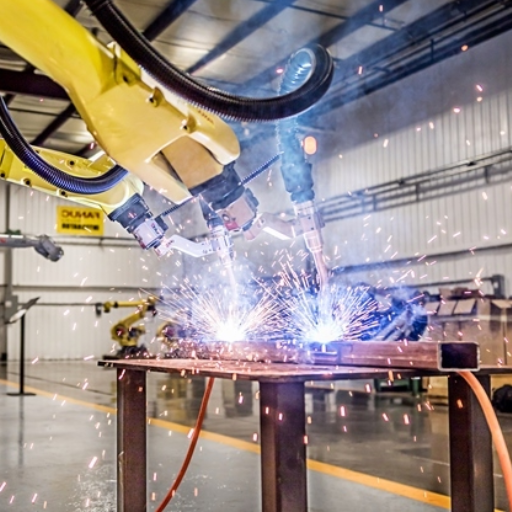
Positioners fulfill an essential function because they enhance robotic welding systems through their capability to deliver precise welding results which maintain consistent performance while increasing operational efficiency. The devices create workpiece support which enables robots to access hard-to-reach areas while executing highly precise welding operations. The equipment provides continuous stable positioning which operators can adjust to their needs which results in fewer welding errors and better production results while decreasing manufacturing process interruptions. Modern positioners use sophisticated technological systems which include programmable controls and rotational tilt functions to enable their connection with multiple robotic systems. The system demonstrates its ability to operate in different industries through its application in automotive and aerospace sectors while satisfying modern manufacturing operational requirements.
The Integration Process of Robotic Welding Positioners
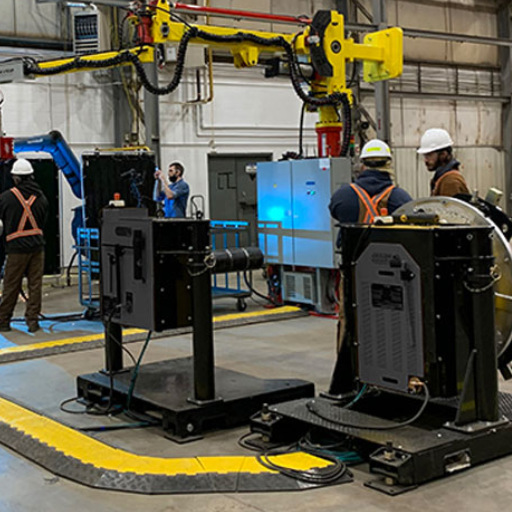
Steps to Integrate Positioners for Robotic Welding
Assessment of Application Requirements: The assessment process starts with an evaluation of cutting and welding application requirements. The assessment needs to examine component dimensions and weight together with their geometric shape to select an appropriate positioner system which will handle specific load requirements. The welding requirements need assessment to confirm their suitability for robotic systems while meeting established quality standards.
Selection of Positioner and Robot: The operational objectives of the welding process which include enhancing weld accuracy and boosting production output need to drive the selection of a welding positioner. The robotic welding system needs to maintain seamless operational flow through control system compatibility and payload capacity and rotational feature assessment.
Positioner Installation and Setup: The positioner needs to be secured inside the work area while maintaining correct alignment and stable positioning. The positioner needs to be aligned with the welding robot because this configuration enables both machines to perform their tasks through synchronized movement. The system requires calibration during this stage because it ensures the system will operate with both maximum efficiency and precise performance.
Integration of Control Systems: The positioner control system needs to be connected with the robotic controller. The positioner needs to synchronize its movement commands because the system requires that its rotations and tilt adjustments must match the weld path. The programmable controls need to be adjusted to their optimum performance level for both automated operations and workflow efficiency.
Testing and Adjustment: The team will conduct a full trial run to assess how well the two systems work together as a complete system. The team will observe the welding process to find either problems in the process or equipment malfunctioning. The testing phase allows the team to adjust positioning and speed and control settings until they achieve desired welding results at optimal efficiency.
Operator Training and Maintenance Planning: The new system requires operators and technicians to receive complete training which includes interface operation and safety protocols and troubleshooting techniques. The team will create a maintenance schedule which will keep the positioner and robot in perfect functional condition.
Challenges in the Integration Process
The process of implementing automated welding systems together with positioners faces multiple obstacles which require effective solutions for successful and efficient system deployment. The primary challenge arises from system compatibility because different robotic systems and positioners need extensive customization for their operation together. The calibration process needs exact specifications because the welding parameters and positional settings must match exactly to achieve consistent high-quality weld results. The integration process requires substantial initial expenses because it involves purchasing hardware and software elements and providing training for users. The operators’ learning requirements and equipment maintenance needs both demand organizations to prioritize ongoing training together with their scheduled maintenance work. The complete capabilities of automated welding technology require these obstacles to be solved.
Best Practices for Seamless Integration
The successful implementation of automated welding technology requires organizations to follow established best practices. First, welding operations need evaluation to discover which processes should be automated. The organization should choose which tasks to automate first because these tasks need to be performed frequently throughout the day and their results must be executed with high accuracy. The organization needs to acquire superior equipment which matches its current production needs and will support its upcoming growth. The organization needs to work with established automation providers who will customize their solutions for the specific requirements of the organization.
The successful implementation of new systems requires organizations to provide their employees with essential training programs. The company should provide its operators with practical system training because this method will help them learn faster and build their confidence in system operation. The organization needs to create maintenance schedules which will help maintain equipment operation throughout its entire lifespan while achieving maximum efficiency. The organization needs to establish strong monitoring systems together with data collection methods which will enable them to track performance data and make necessary improvements throughout the process. The implementation of these practices enables organizations to achieve their automation goals while minimizing operational interruptions during the implementation of automated welding systems.
Automation and Its Impact on Welding Processes
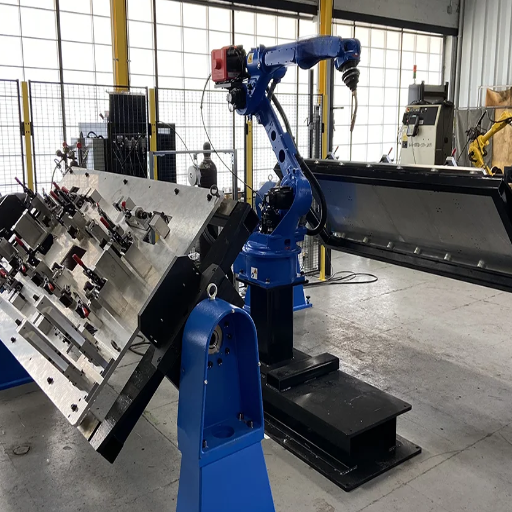
Benefits of Automated Welding with Robotic Positioners
Through my professional background and knowledge base, I can confirm that automated welding systems with robotic positioners create substantial improvements in manufacturing operations. The system produces its first major advantage through its ability to deliver consistent product quality throughout different production runs. The robotic positioners permit accurate execution of welds which leads to decreased welding errors and rework requirements. The system establishes precise operating conditions through its automated process to achieve high performance results that human operators find challenging to achieve. The process provides consistent results which strengthen weld structural integrity while satisfying customer needs through meeting demanding quality requirements.
The system provides productivity benefits through its capacity to operate without interruptions for extended periods. The robotic positioners can operate continuously without breaks, which leads to faster production times while their output remains consistent. The system excels at performing complex welding tasks which require extensive manual labor, which would take human welders a long time to finish. The systems enhance their capabilities to weld difficult locations by optimizing their angles and positions, which enables them to access previously unreachable areas. The system produces efficiency gains which result in higher production levels and lower material expenses and operational costs.
Automated welding systems with robotic positioners create safer work conditions for employees. Welding exposes workers to high temperatures and fumes and bright light conditions which create multiple health risks for them. The automation of these processes enables companies to reduce their need for human workers, which leads to fewer work-related accidents and fewer health problems. Employees can be assigned to different tasks which enable them to develop their skills and work on creative projects, which leads to improved employee satisfaction and career advancement. The implementation of robotic positioners transforms welding operations into processes that achieve precise results. The system delivers operational efficiency and workplace safety advantages, which become essential components for contemporary manufacturing environments.
How Automation Enhances Throughput and Efficiency
The manufacturing and industrial operations use automation to generate higher throughput and operational efficiency. The implementation of advanced machinery together with software systems enables businesses to achieve both faster production times and consistent product quality. The automated equipment system enables continuous operation because it does not experience the human restriction of fatigue which results in decreased operational time. The automation systems execute their repetitive tasks with such accurate precision that they achieve minimal errors which results in better product quality and decreased production waste.
The current development of automation technologies includes advanced artificial intelligence analytics tools and systems that provide real-time operational monitoring which improves decision-making processes. The tools enable companies to quickly identify their operational inefficiencies which helps them improve resource use and anticipate equipment requirements before operational interruptions take place. The automated systems of production use these two features to achieve two purposes which help businesses maintain their competitive advantage in the current rapid market environment.
Comparing Manual Welding to Automated Welding Systems
Both manual welding and automated welding systems provide distinct benefits and drawbacks which depend on specific production requirements and application scenarios. Manual welding requires welder expertise because it needs skilled workers to operate for complex custom projects which demand flexible work processes. The process requires extended time and substantial worker effort which results in higher expenses for operations that require extensive work. The automated welding systems use cutting-edge robotics technology together with exact engineering methods to create welds which maintain the same quality across all production runs and work at faster production rates. The systems create less human mistakes which run more efficiently while they work best in environments that require constant product output. Automation requires high initial costs but businesses benefit from lower operational expenses and better productivity over the long term. The project requirements help businesses assess which welding method between manual and automated delivers optimal quality and efficiency and cost effectiveness.
Key Components of a Robotic Welding System
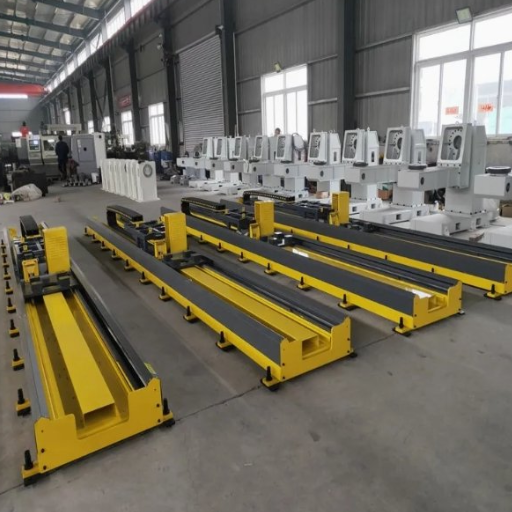
Headstock and Tailstock Positioners Overview
Headstock and tailstock positioners function as essential components within robotic welding systems because they enable precise welding work and efficient operational performance. The positioners enable workpiece securement through rotation which allows the welding robot to access difficult areas. The system enables multiple axis rotation which allows welders to perform their work with greater flexibility while achieving accurate joint alignment that results in uniform high-quality welds. Modern headstock and tailstock systems use advanced technology which offers both programmable control functions and the ability to adjust system settings according to different workpiece dimensions and intricate project needs. Their strong design provides long-lasting strength while their flexible design enables manufacturing operations for companies in both automotive and aerospace industries.
Single Axis vs. Multi-Axis Positioners
Single-axis and multi-axis positioners play a critical role in enhancing welding precision and efficiency, but they cater to different operational needs. Single-axis positioners operate workpieces by rotating them through a single pivot point which provides operators with straightforward control over their tasks. The system operates as a cost-efficient solution because it handles basic welding operations through its ability to maintain exact rotation for workpieces which need to be turned at one axial point. Multi-axis positioners enable operators to control workpieces through multiple movement paths which allows for accurate handling of complicated workpiece shapes. These systems are particularly beneficial for industries that demand intricate welding operations, such as aerospace and heavy equipment manufacturing. The multi-axis positioners enable operators to work more efficiently because they provide better operational control and system access which reduces the time needed to prepare for welding tasks while enhancing welding results on difficult projects that require specialized manufacturing methods.
Programmable Features in Welding Positioners
Modern welding positioners come equipped with advanced programmable features that enable precise and repeatable operations which produce consistent and efficient production results. The system provides operators with multi-axis control systems that enable them to create complex welding paths together with welding angles which they need to achieve precise results. The majority of systems provide operators with automation capabilities which include adjustable rotation speeds together with tilt control and dwell time settings that they can modify according to their welding requirements. Programmable interfaces also support integration with robotic systems and welding power sources which create a seamless workflow in automated environments. The implementation of these capabilities enables organizations to achieve greater efficiency while reducing human mistakes and material waste which makes programmable welding positioners vital for advanced manufacturing workflows.
Applications of Robotic Welding Automation
The implementation of robotic welding automation in industrial applications has improved production output and manufacturing accuracy while enabling companies to expand their operations. The automotive industry utilizes robotic welders throughout its production process which requires the robots to create vehicle frame and body panel joints, while delivering consistent results that meet high production requirements. Robotic welding serves as the backbone of the aerospace industry because it provides essential welding capabilities for constructing aircraft components and fuel systems which require high levels of accuracy.
The construction sector gains advantages from robotic welding which operates to complete structural steel fabrication work at a quicker pace while also enhancing safety standards. The oil and gas industry has adopted this technology to perform pipeline and storage tank welding operations which require consistent results and effective leak prevention methods. The electronics and appliance manufacturing sectors use robotics to perform delicate welding operations which need repetitive work for manufacturing circuit boards and consumer goods. Robotic welding automation functions as an essential equipment solution which helps various industries achieve modern manufacturing requirements through its dependable and fast operation.
Case Studies: Successful Integration of Welding Positioners
Throughout my research into manufacturing advancements I have encountered multiple instances which demonstrate how welding positioners have transformed industrial operations by enhancing both productivity and accuracy. The automotive sector provides a clear demonstration of how companies use welding positioners to improve the welding process for chassis and complex vehicle parts. Manufacturers achieved better weld quality through automated welding position which resulted in shorter cycle times. High-demand production lines successfully used these tools because their increased precision eliminated common defects which resulted in higher production capacity through reduced need for rework.
The construction and infrastructure sector provides another strong case study. A company specialized in manufacturing heavy-duty structural beams used tilt and turn welding positioners to produce uniform welds on their massive components. The company encountered problems with worker fatigue and incorrect positioning before they started using these systems. The integration of positioners improved operator safety through better ergonomics because it decreased the need for operators to physically handle heavy components. Real-world applications demonstrate how welding positioners enable businesses to solve difficult problems through effective solutions.
Future Trends in Robotic Welding and Automation
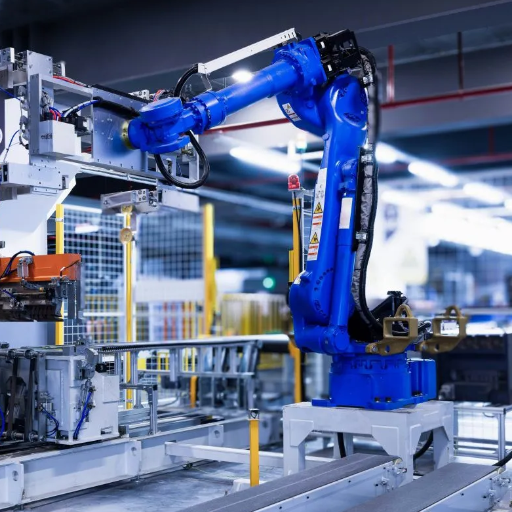
Robotic welding and automation systems experience continuous growth because technological progress and the quest for better operational effectiveness drive their development. The welding industry shows evidence of increased artificial intelligence (AI) and machine learning adoption through its implementation in welding systems. The technologies enable robots to perform real-time analysis of welding parameters which they use to enhance process efficiency and achieve better quality results with lower defect rates. The current trend shows businesses increasing their implementation of Internet of Things (IoT) systems which enable them to remotely monitor and control welding processes while gathering essential data for their predictive maintenance programs.
The present market sees increasing interest in collaborative robots which operate together with human workers in safe environments. The robots possess cutting-edge sensors and safety features which enable them to perform welding operations that require quick responses to unpredictable situations. The development of new welding simulation software allows manufacturers to create and evaluate their welding processes through virtual testing which leads to waste reduction and enhanced efficiency before actual implementation.
Sustainability practices now determine the direction of robotic welding systems which prioritize energy-efficient operations and environmentally sustainable methods. The creation of lightweight yet strong welding materials helps these endeavors because it enables reductions in material requirements. The combination of technological advancements and sustainable practices the robotic welding industry implements modern manufacturing practices through its implementation of these innovations.
Frequently Asked Questions (FAQs)
What are the advantages of robot positioners in the welding process, and how do they lead to improved and more consistent joints?
Robot positioners greatly enhance welding excellence by assisting the welder in continuing the weld in the same sequence and handling the appropriate angles for welding the entire assembly. For example, positioners offer the means to achieve complex figure welds and pipe welding operations in a better way. It minimizes returned work and an improve consistency while ensuring the perfect coordination between components. Interaction with the robot allows controlled position movements and no jerks in the components. The equipments are Very accurate, which makes sure that the axis and its position precisely as the last time is the angular motion, which is carried out by the robot. Consequently, a combination of the virtually vertical spacer itself and very few weld repairs are necessary easily fulfills the purpose of reducing the time overhaul.
What does the installation of a servo-drive table positioner serve to facilitate producing stuff within a shorter period of time?
The cycle time is reduced by the servo-driven table positioner principal means – quickly and precisely moves the workpiece to the correct position, that is required for every stitching stage, void of unnecessary stand-by periods between the stitching. Thanks to highly efficient servo motors, servo axes and high-quality components, it is possible to achieve more rapid accelerations and decelerations in the work processes without compromising the accuracy of the controlled movement – thus reducing cycle time required for any given weldment. Together with the industrial robots and standard welding cells, synchronized operations of the robotic manipulator with the table extend the capacities of the active lines. Appropriate positioner selection and configuring of the motion control system can greatly help to ease bottlenecks in production and increase the effect of its’ performance. This helps to cut out unnecessary expenses for the enterprise such as reducing labor rates and shortening the time of manufacturing or assembling work.
How are automated welding cells compatible with the established welding and fabrication plans?
To integrate robot welding cells, it becomes necessary to first of all assess existing erection and installation areas in terms of space available, geometry, as well as control design with a view to achieving a harmonious arrangement of workstations. The solutions provided may be standard or specially designed and shall be based on the objects in question and their breakout forces as well as the supporting or anchorage requirements. Criteria for these solutions ready for installation or produced under order will depend mostly on what the available space and procedures at the site allow, as it will be quite unproductive to create layout which does not suit the existing production process. When integrating such facilities, it is often necessary to align servicing, positioning, safety devices and most importantly programming so that the computer controlled welding and still manual procedures cannot hinder each other but would rather encourage the welding process. Proper integration reduces downtime during ramp-up and enables consistent production of weldments and assemblies.
Can a welding positioner be relied on to tackle different workpiece dimensions and loads for the varying welding applications?
Certainly, they do. Different versions of welding positioners are available which can tacle workpieces of different dimensions and/or can handle a number of work weight factors, from minor metal compositions to heavy-duty pipe structures, or even steal with the use of large gantries. These welding positioners are constructed and built with different motion capabilities, speed reducers, heads and tails, axes provided by a servomotor, with the purpose of the service and different positions of welds that can be performed. These components are further augmented with modular tables, jigs and other accompanying parts so the location is always ready to weld on more parts or perform any other welding setup readily. Such adjustment enables welders to make the best use of the available resources and not to buy additional equipment for each of the different sizes of the components. The correct selection of load limits and work area is vital to ensure that work can be done on the components safety and uniformly is carried out in every area of the production process.
What is the use of coordinated motion between the robot and positioner in carrying out complex curves in potential welds?
The blend of the robot and the positioner presents a much improved coordinated movement for the welding operation. Thus, the robot can follow a tortuous welding path without the necessity of manual adjustments or stopping. This type of a system immediately increases the productivity of the welding process. In addition to this, makes easier the welder to maintain the correct torch tilt and movement speed thus improve the neatness of the weld regard. Cut and Reload induced defects are main weld troubleshooting causes. Hence cut and rework are not considered as an option. This need regarding high quality welding which is presented by smaller and complex shapes is met significantly by the company through the utilization of robotic welding technologies. With these two also gradually improving technologies, it is likely that in a few years, even relatively small components like electrical panels will be assembled through welding instead of screws and other traditional methods.
In terms of maintenance and lifecycle expectations, what should a welding engineer anticipate when it comes to the robotic positioning equipment?
As it was indicated above; the maintenance of the robotic positioning equipment focuses mainly on the thorough inspection of servo axes, gearboxes, fixtures and parts with the intention of high grade components to prevent the risk of failure and scale up the lifetime of the system. Regular service with proper lubrication, alignment checking and back up control systems ensures fewer malfunctions and better weld joint properties over a long series of production. Positioners are made in a way, that they are easy to mend as they are mostly made of removable parts for swift changeover hence, lessening on costs and time of repair for the welders and technicians. And it is important to create a maintenance plan and seek help from suppliers for proper tools and equipment and all components needed to continue welding. Every step, sound maintenance and operations through operational consistency welding schedules for consistent welds maintaining cycle time goals while enhancing welding cell utilization.
Reference Sources
Kinematic Control of a Robot-Positioner System for Arc Welding Application
books.google.com
Explores kinematic control and optimization in robotic welding systems with positioners.
Robotic Arc Welding Sensors and Programming in Industrial Applications
link.springer.com
Discusses the role of sensors and programming in robotic welding systems for industrial use.
Improving the Efficiency of Automated Precision Robotics-Enabled Positioning and Welding
ieeexplore.ieee.org
Examines the integration of robotics and positioners to enhance precision and efficiency in welding.