An essential part of establishing the structural integrity and performance of any welded pipe system is to ensure that proper fit-up is achieved. Fit-up becomes especially critical in situations such as industrial piping or constructions where precise alignment and tight tolerances can readily translate into high-quality, long-life weldments.
This paper hereby deals with cover aspects of pipe weld fit-up; the importance of these aspects in fabrication processes, the tools used to maintain this precision, and the role of clamps in the assembly of pipe components when either butt welding or socket welding. These fundamental knowledge bases should enable an engineer to reduce the defect rate, enhance welding continuity, and comply with the strict standards of every needful industry. More on the best practices and procedures that will aid in recognizing erudite pipe weld fit-up once more to give you some experience in fabrication manipulation.
Key Takeaway
Accurate fit-up is the foundation of a successful weld. It ensures uniform heat distribution, proper fusion, and adherence to engineering specifications, directly impacting the lifespan and safety of the final structure.
Understanding Fit-Up in Pipe Welding
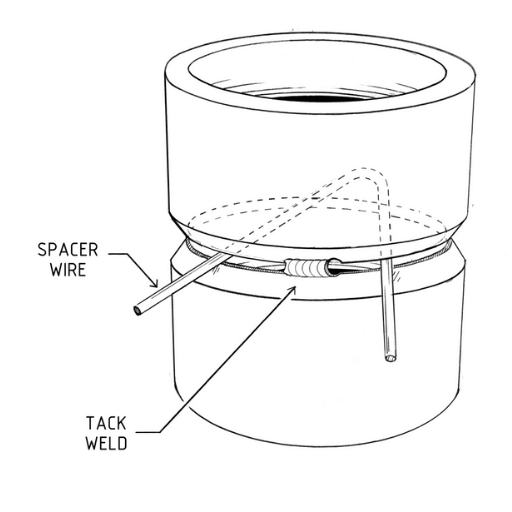
Accurate fit-up in pipe welding is necessary to ensure the strength of welds and to prevent defects. It involves lining up pipe sections and preparing them correctly so that the joint gap can stay uniformly narrow and well-aligned throughout the welding stage. This is done by cleaning pipe edges to remove impurities and having right bevel angles used, and using the proper size gap consistently between adjacent ends of two pipe sections.
Using clamps or fixtures to hold a loose section in place is most significant to assure a nice fit while reducing the possibility of misalignment during welding. A few more points can be discussed as the principles of the above information to be adhered to by the welders to make sure that the process of fusion is reliable, efficiencies remain high, and the construction and safety requirements get both ends of the business achieved.
Definition of Fit-Up
Fit-Up refers to the preparation, alignment, and positioning of components that are to be welded, such as pipes or metal structures, in a perfect manner. It confirms that the pieces are perfectly oriented and able to create the optimal gap to ensure the highest possible quality of the weld, the structural integrity of the whole, and full compliance with the engineering specification. Proper fit-up enjoys a lasting importance in the welding process itself. It affects the use of strength, serviceability, and the overall efficiency of the joint.
Importance of Accurate Fit-Ups
Proper fit-ups are critical to ensure the welds’ integrity and durability. Misalignment or improper spacing can lead to such defects as incomplete penetration, porosity, distortion, sacrificing the strength and load-bearing capacity of the connection. Furthermore, accurately defined fit-ups reduce the rework needed, hence reducing the waste of materials and improving the efficiency of production in workflows. Becoming more stringent about alignment standards is mandatory in order to meet engineering specifications, to ensure safety, and to increase the service life of the final structure.
Significance of Fit in Welding Processes
Fit-up in the welding field plays a critical role in providing with the desired mechanical integrity and weld joint reliability. It ensures uniform heat distribution, enough fusion, and accurate alignment, thus reducing the chances of any structural defect. Therefore, manufacturers strictly adhere to the fit-up standards for better-quality joints, and furthermore, to get in line with growing engineering codes, so in a way leading to greater lifespan of the assembled parts.
Key Tools and Clamps for Pipe Fit-Up
🛠️
Essential Fit-Up Tools
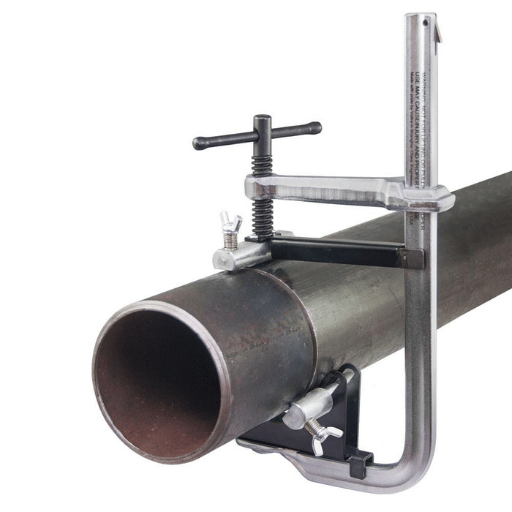
- 1. Pipe Clamps: These mechanical devices are securing and aligning pipes during fit-ups to firmly hold and keep them in place during actual alignment activities. They ensure stability and prevent lateral movement.
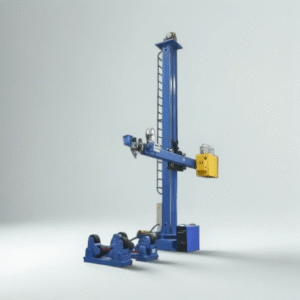
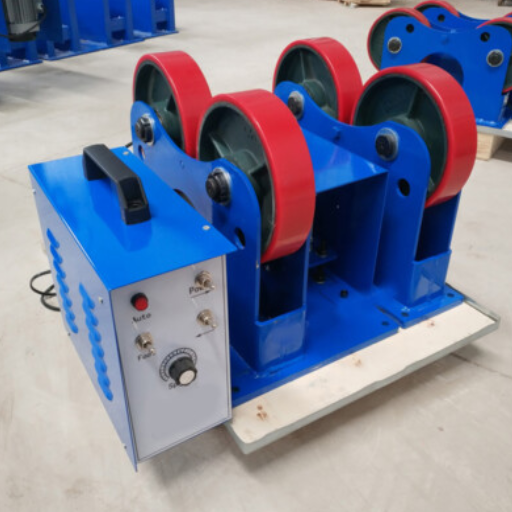
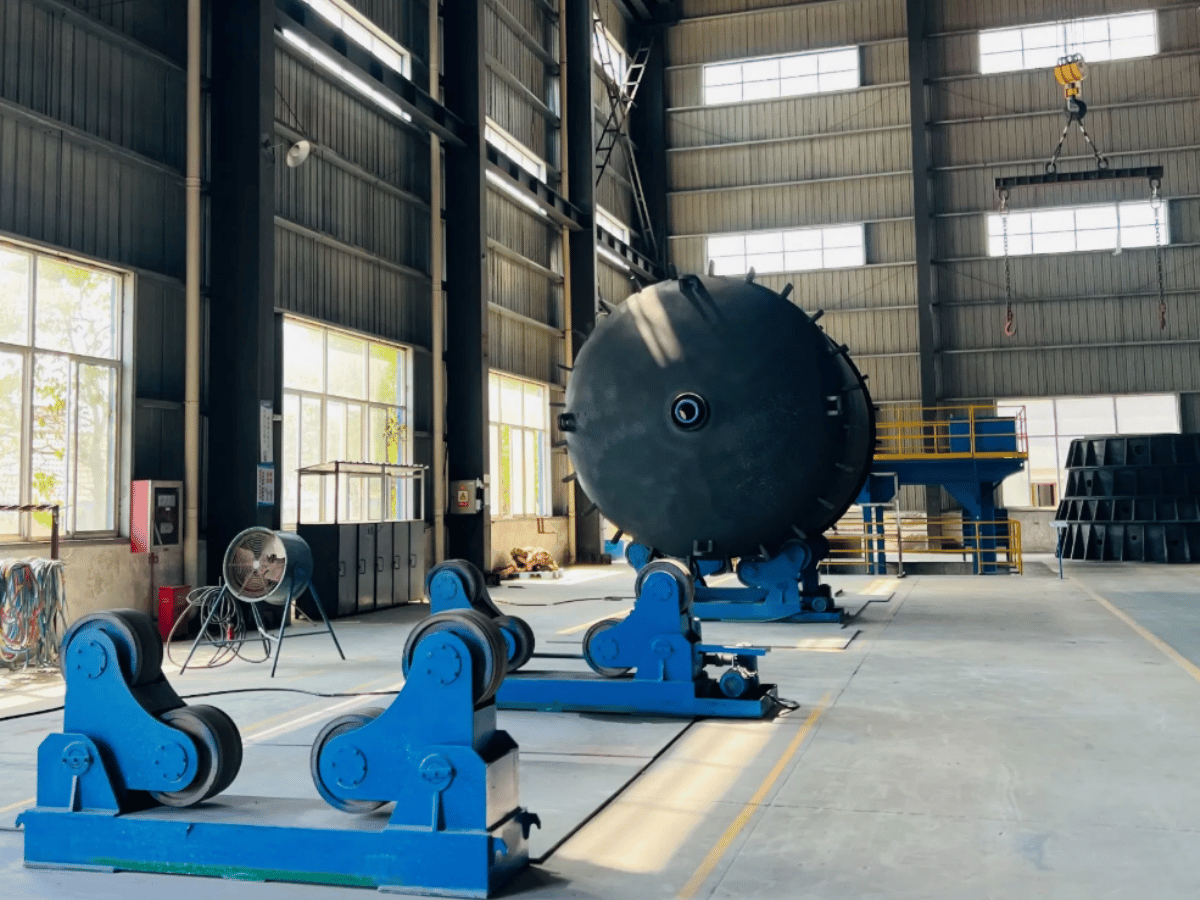
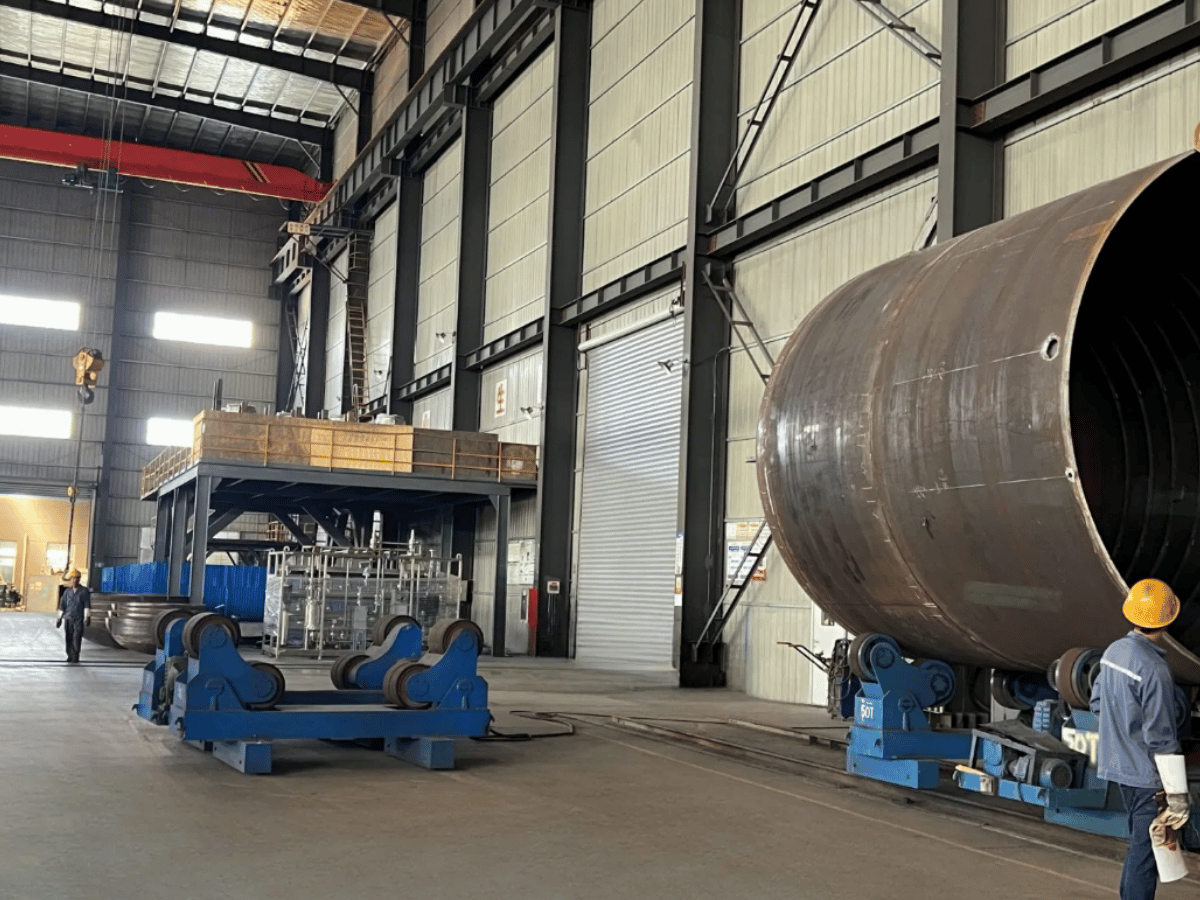
- 2. Adjustable Fit-Up Rollers: These rollers allow for rotation to position heavy or large diameter pipes during cutting or welding, offering rapid and even fit-up capabilities.
- 3. Chain Clamps: Versatile tools used to hold indifferent pipe diameters in perfect alignment while adapting to variations in the pipe grain.
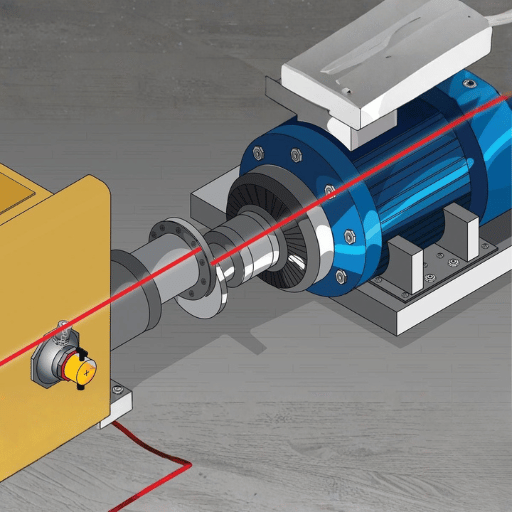
- 4. Leveling Tools: Bubble or laser levels used to check horizontal and vertical alignment to avoid structural errors.
- 5. Wedges and Spacers: Used to maintain consistent gaps between pipe ends, ensuring accurate root openings.
- 6. Alignment Pins: Excellent for immobilizing pipes in the correct position and ensuring concentricity, mostly for high-tolerance applications.
Types of Clamps Used in Pipe Welding
| Clamp Type | Primary Function & Application |
|---|---|
| Chain Clamps | Versatile gripping for various diameters; perfect for maintaining alignment in quality joints. |
| Rim Clamps | Grips outer circumference to ensure centering and perfect alignment during welding. |
| Internal Clamps | Expands inside the pipe to secure ends; used for high-spec precision alignment. |
| Magnetic Clamps | Strong adhesion for lightweight, short-term holding and easy position adjustment. |
| Adjustable Pipe Clamps | Aids in seamless welding of assortment pipes in varied desired configurations. |
Essential Tools for Achieving Proper Fit-Up
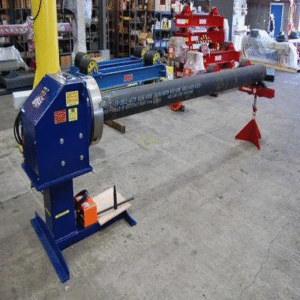
In order to provide joint integrity and maintain industry standards, proper fit-up of pipes necessitates the usage of precision tools combined with skilled techniques. Pipe stands, pipe alignment clamps, and levels or laser alignment systems are some of the main tools required. Pipe stands ensure the stability and elevation of the pipe; pipe alignment clamps hold pipes accurately for tacking; and levels or laser alignment systems enable the accurate alignment of pipe at the angle. This creates perfect alignment of the pipe and decreases distortion and ensures adherence to strict tolerance requirements, producing high-quality joints which comply with regulations and operational necessities.
Role of Orbital Welding in Pipe Fabrication
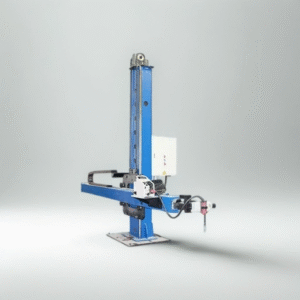
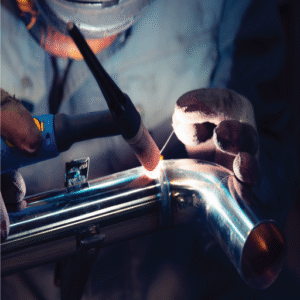
Orbital welding greatly benefits pipe welding by its precision, consistency, and efficiency. It is currently associated with high degree of automation and can assure uniform welds with less human intervention. This would minimize the incidences of defects while simultaneously improving the general structural integrities of the welds. This mode of welding works effectively on high-specification projects like those in the aerospace, pharmaceutical, and semiconductor industries where emphasis is strongly placed on quality and cleanliness. It helps make repeatable results possible, allows easy welding of different pipe diameters, and generally enhances the efficiency of the welding process, thus aiding in diminishing downtime, keeping up-to-date with strict regulatory requirements, and securing the long-lasting operation of the pipe systems.
Techniques for Proper Component Alignment
- ✓
Use of Precision Measuring Tools: Those include calipers, levels, and a variety of laser alignment systems to make sure that exact measurements are taken. - ✓
Application of Tack Welds: Temporary tack welds keep parts in place, thus minor adjustments may be made before final welding. - ✓
Adjustment with Alignment Clamps: Adjustable clamps and fixtures allow movement in a controlled environment, keeping precise alignment under constant stability. - ✓
Visual Inspection: Regular inspections via visual aid during the process of alignment detect untoward deviations for quick correction.
Methods for Achieving Accurate Fit-Up
To ensure the alignment of parts and the fit-up of components, various other techniques and tools are utilized. The prime methods are given below:
- 1
Precision Measuring Tools
Use calipers, micrometers, and laser alignment systems to provide exact dimensions and identify minute realignments. - 2
Proper Surface Preparation
Ensure a clean surface free of contaminants with joint edges beveled to ensure strong weldment fusion. - 3
Strategic Tack Welding
Use tack welds in several spots to anchor components against free play and swaying. - 4
Hydraulic or Pneumatic Fixtures
Utilize robotic grasping conduits to maintain uniform pressure and dimensional stability for high-tolerance assemblies.
Ensuring Consistent Gap Tolerances
Consistent gap tolerances are crucial to imparting optimum structural integrity as well as bombard the welding process performance on the conditions of the holder. It is obligatory to deploy precise measuring tools by way of feeler gauges or laser systems to do the actual measurement on the gaps before and during assembly. If a manufacturing system perpetuates concerted attempts to manage the varieties, it must have a clear set of standard operating procedure (SOP) guidelines to arbitrate the goings-on during machining and assembly. Proper material preparation to minimize the gap variations includes edge machining and surface cleaning. Professionals can keep within the specified limits of gap tolerance by combining advanced techniques of measurement with monitored governing procedure, hence meeting and surpassing requirements set by industry.
Tack Welding Techniques for Pipe Fit-Up
Tack-welding is the crucial factor in securing treble alignment and fit-up of the pipes before welding. Industry best practices require moderate tack welds along the suitably spaced joint at regular spacings in order to stabilize alignment and relieve the distortion of the same during welding. Distance between the latter from one another is mainly dependent on the pipe diameter and wall thickness and create and allows stress concentration. The tack weld should be moderately penetrating through base metal, providing ultra-strong joints capable of withstanding abuse and yet easily removed when final welding is completed. The cleaning of welding area and presence of preheat, when needed, enhance the weld quality and aid in the reduction of defects. The resulting dimension-welded structures shall aptly fulfill the same criteria too, as required by the stringent standard laid by the industry.
Challenges in Pipe Welding Fit-Ups
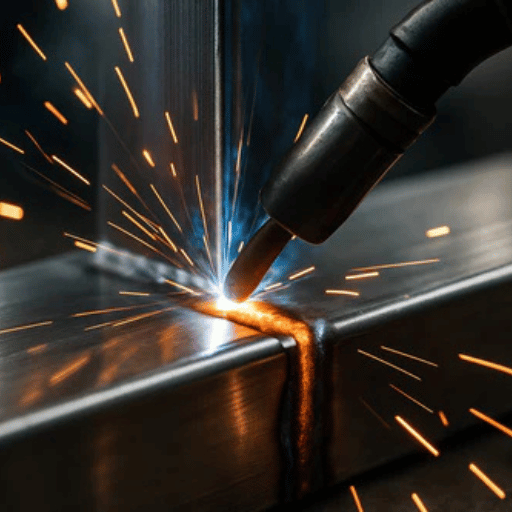
Acquiring the exact fit-up for welding pipes entails numerous challenges, which may affect the weld quality, durability, and its overall performance. Here are a series of issues:
⚠️ Common Obstacles
- Misalignment: Even slight offsets cause uneven stress loads and increase leakage potential.
- Uneven Gaps: Irregular spacing makes it difficult to achieve acceptable penetration levels.
- Material Distortion: Welding heat causes warping or shrinking, complicating the fit-up.
- Surface Contamination: Dirt, oil, or rust leads to poor fusion and weld defects.
- Environmental Conditions: Wind, humidity, and temperature extremes initiate defects.
Common Fit-Up Issues in Pipe Welding
Right fit-up is crucial in pipe welding for joint integrity and alignment; however, a number of problems are common:
- Misalignment: Improper positioning leads to inconsistent beads and reduced joint strength.
- Improper Gap (Root Opening): Excessively small or large gaps cause lack of penetration or porosity.
- High-Low (Internal Misalignment): Uneven inner surfaces cause stress concentrations and restrict flow.
- Uneven Bevel Angles: Inconsistencies in weld depth and fusion requiring corrective grinding.
- Pipe Ovality: Deviations from a true circular cross-section complicate alignment.
Impact of Poor Fit on Weld Quality
Poor fit directly affects weld quality because it generates inconsistent weld profiles, leading to poor structural integrity. Weld quality is further compromised with respect to susceptibility to occurrences like incomplete fusion, porosity, and cracking. If gaps or misalignments are large, heat distribution could be unequal throughout the welding process and weak joints could ensue, thus mandating costly reworks or repairs. Again, voids resulting from fit deviations could render the weld inadequate with regard to compliance with industry standards, thus seriously compromising operational service and safety. Strict adherence to mechanisms of pre-fab inspections, proper fit-up exercises, and alignment checks remains absolutely imperative for top-quality welds.
Strategies for Overcoming Fit-Up Challenges
To curb the challenges in fit-up, you need to combine advanced techniques and severe protocols. Perfect machining and metal cutting ensure accuracy in parts thus minimize any misalignment probability. Utilization of advanced fit-up aids such as adjustable clamps, tapered shims, and alignment tools ensures exact position preparation during assembly. The penetrating checks through NDT methods, ultrasonics or radiography would ensure detection of any misalignment beforehand before welding commences. Regular training of personnel in the best practices and adherence to elaborate welding procedures hardly leaves room for doubts of mistakes thus ensuring the joints consistently conform with industrial norms and operational criteria.
Best Practices for High-Quality Welding and Fabrication

💡 Pro Tips for Success
- Ensure Proper Material Preparation: Clean all surfaces of oil, rust, or paint.
- Follow Welding Procedure Specifications (WPS): Adhere to established amperage, voltage, and travel speed.
- Keep Proper Fit-Up and Alignment: Use precision equipment to verify dimensions.
- Use the Right Equipment: Select machines and consumables suited for the specific project.
- Control Environmental Conditions: Use enclosures to restrict wind and humidity.
- Monitor Heat Input: Avoid overheating or extreme cooling to prevent cracks.
- Maintain Regular Inspections: Inspect before, during, and after the weld.
- Implement Safety Measures: Prioritize PPE and a clean work area.
Industry Standards for Pipe Fit-Ups
Pipe fit-up is fundamental to ensuring safety, reliability, and overall performance in all piping systems. Industry standards such as those of the ASME and AWS set forth exact specifications for issues ranging from joint alignment to root-gap tolerances and cleanliness. Joint alignment eliminates a huge stress-concentration factor and uniformly spreads loads; also, maintaining root-gap tolerance consistency paves the way for providing the required penetration during welding. Meeting these standards generally allows for good inspection procedures and the strict observance even of material specifications for avoidance of defects. Following the industry standards is supposed to help an organization maintain the structure and perform according to operational standards.
Safety Considerations During Fit-Up
Ensuring safety during Fit-up operations involves strict adherence to operating procedures and the proper use of the required personal protective equipment (PPE). Of particular concern are ensuring clear communication among team members, ensuring all lifting equipment to be used is certified and inspected for the appropriate load, and ensuring all parts are secured to prevent unplanned movements or failures. Mitigating workspace hazards can include sharp edges and other protruding surfaces, together with the provision of ventilation to ensure that all confined space worksites do not become affected with health-injuring fumes. Periodic training and the completion of a well-formulated pre-task risk assessment act not only as the best methods toward accident prevention but also confirm the safety of working conditions alike.
Continuous Improvement in Welding Processes
Continuous improvement processes are facilitated through identifying the inevitable inefficiencies, defects, and hazards that are built into the actual flow. Incorporation of advanced welding technologies like automatic systems and real-time monitoring to improve the welding process in terms of precision and consistency. Then, quality management systems must be put in place, and the optimisation of the welding process becomes paramount, with an emphasis on many complex variables such as heat input, material compatibility, and adherence to preset engineering approvals. Reguar training for ongoing improvement of the entire workforce is, along with a dedicated applied technology department, still the university’s best weapon spearheading optimal resource use and, therefore, the complete premium productivity that may be wanted. By utilizing up-to-date data onboard, the organization’s attempts to systematically enhance their welding operations will effective yield higher levels of performance, reliability, and safety.
Reference Sources
- Quora: Importance of Fit-Up for Welding
- LANL Engineering Standards: House Fit-Up and Alignment
- AXXAIR: Importance of Fit-Up and Tacking in Orbital Welding
Frequently Asked Questions (FAQs)
What is welding fit-up?
Welding fit-up is the process of aligning and preparing pieces like pipes or plates before welding to achieve the proper joint configuration.
Why is welding fit-up important?
Desired link-up completed ensures the formation of high quality welds while reducing the possibility of defects, enhancing the long-term stability of the components.
What are the factors related to welding fit-up?
The factors include type of material, joint designs, root openings, setup and tolerance rules as per codes or standards.
What tools can be used during welding fit-up?
Tools are commonly clamps, alignment jigs, pipe stands, and measuring devices for ensuring perfect alignment.
What are the challenges in welding fit-up?
Challenges include misalignments, not using the correct root gaps, and material deformities in turn causing poor welding quality.