Plasma cutting has been one of the applications of CNC technology which has undergone the most radical changes in terms of precision and efficiency. Understanding the basic principles of a plasma cutter, whether for delicate designs or robust industrial projects, is a prerequisite for the process optimization and achieving faultless results. The present paper thoroughly investigates the mechanisms that lay behind the CNC plasma cutting revealing the scientific and artistic sides that made it the most popular metalworking tool. We will explain from the involvement of the ionized gas to the flawless combination of the computer numerical control (CNC) the whole matter of this advanced technology in a simple and captivating way. Get ready to discover the main points, pluses, and even more that the CNC plasma cutting brings in, thus making your upcoming project get its precision and speed off the charts.
Introduction to Plasma Cut Technology
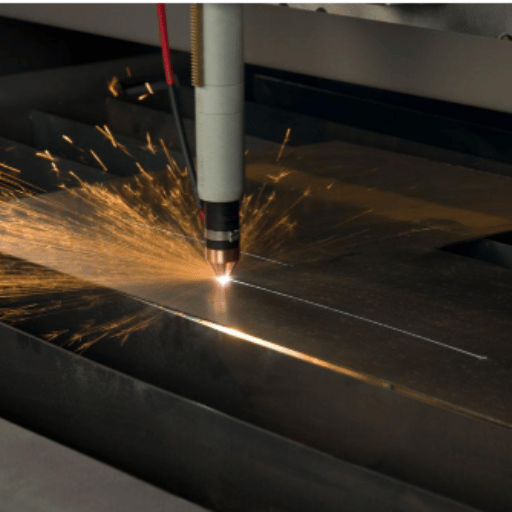
Plasma cutting is a method that operates by directing a jet of high-temperature plasma that is accelerated to cut through materials that can conduct electricity. To do this, an electric arc is created which ionizes a gas—air, nitrogen, or oxygen is usually used—turning it into a plasma state. The plasma is then forced out through a tiny nozzle at great speed; as a result, it melts and removes the material to make cuts that are clean and accurate. The process is very effective with metals such as steel, aluminum, and copper because it provides both precision and speed, thus making it a good choice for industrial and fabricating techniques.
What is a Plasma Cutter?
A plasma cutter is a device that cuts through conductive materials using the method of creating a high-temperature plasma arc. The operation of the tool involves turning the gas, which may be air or nitrogen, into ionized plasma that mixes up and takes off material with great precision and efficiency. Plasma cutting machines are suitable for non-ferrous metals such as steel, aluminum, and copper, and they are the best at providing a combination of speed and accuracy, thus becoming a necessity in the manufacturing and construction domains.
How Does a Plasma Cutting Machine Operate?
The operation of a plasma cutting machine involves the sending of an electric arc through a gas, which is usually compressed air, that is going through a constricted nozzle. The electric arc’s heat ionizes the gas and the gas gets converted into plasma. The plasma formed has very high temperatures and speeds, which not only melt but also blow away the material being cut. The method enables very precise and efficient cutting of metals that can conduct electricity.
Understanding the Plasma Arc and State of Matter
⚡ The Fourth State of Matter
Plasma is typically called the fourth state of matter, in contrast with solids, liquids, and gases. It comes to existence when gas is ionized through the use of a strong electric arc, resulting in electrons that are no longer attached to the atoms and a combination of positive and negative ions. This situation of ionization enables the plasma arc to carry electric current and produce the extreme heat and accuracy required for the slicing of metals that are good conductors of electricity. Due to its high temperature and energy, plasma has become an important factor that determines the efficiency of industrial cutting operations.
Types of Plasma Cutting Machines

Plasma cutting machines are generally divided into the following main types:
🔧 Manual Plasma Cutters
These are the handheld plasma cutting torches that are meant for the most minor and most precise cutting. They are small enough to be carried around and hence are widely used in repairs, maintenance, and small fabrication projects.
🤖 Mechanized Plasma Cutters
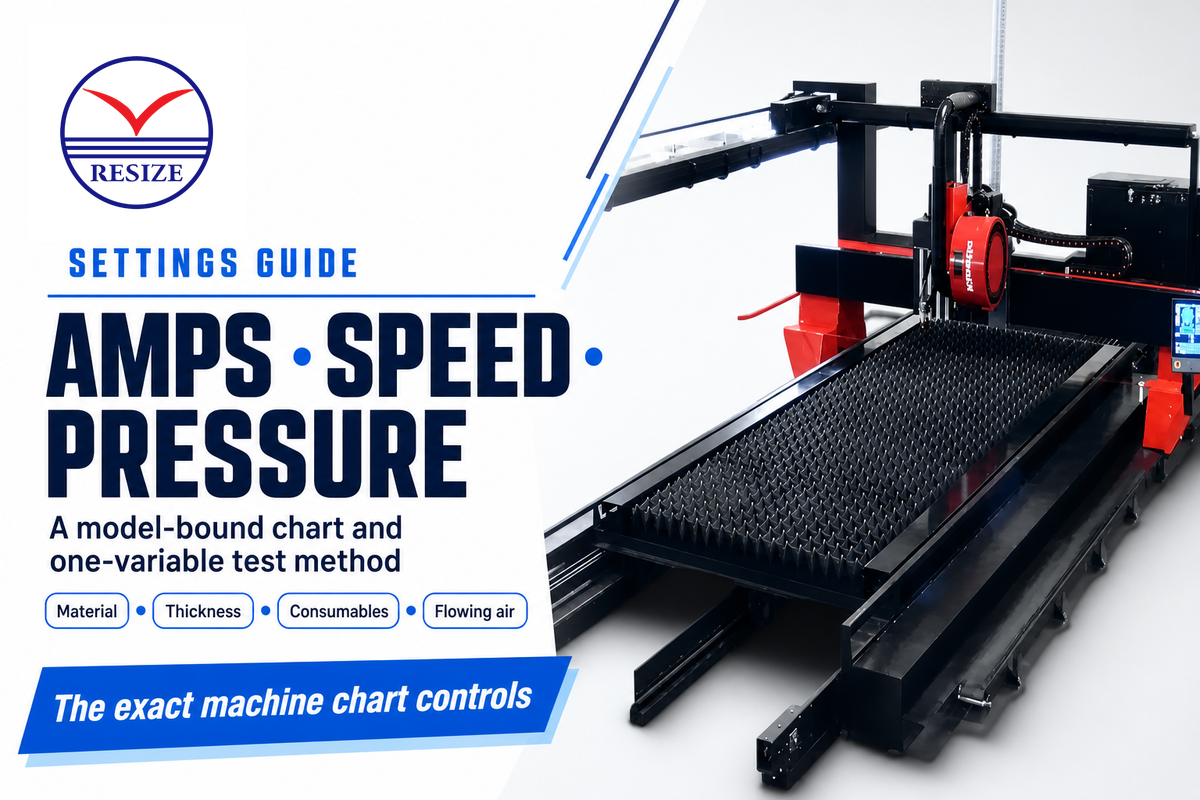
Such machines are part of CNC (Computer Numerical Control) systems and hence the cutting process is carried out fully automatically. So, they find their place in large-scale industrial applications where intricate and repetitive cuts are required.
💨 Air Plasma Cutters
Air plasma systems that cut the metal workpiece by means of compressed air which serves at the same time as the cutting gas and the cooling pad are very popular for cutting thin materials and are low-cost in their operation. They are the most cost-effective systems for general-purpose cutting.
✨ High-Definition Plasma
These days the industrial machines are very sophisticated and therefore they offer the highest cut quality. The cutting of these machines is frequently done for the precise industrial applications. The edges and details created by these systems are much sharper and finer as compared to the ones produced by the conventional plasma machines.
The purpose of every single type of machine is to satisfy different needs, so the cutting applications would simply be more versatile if machines are used.
CNC Plasma Cutter vs. Manual Plasma Cutter
Ultimately, the decision rests on the size, intricacy, and precision of the project.
Portable Plasma Cutting Machines
Portable plasma cutting machines are small in size but are designed to be moved easily thus, they are perfect for on-site or remote uses. They can be used for small projects or repairs where flexibility and ease of use are important and also they give a high level of precision at the same time. Unlike CNC systems, they depend more on operator’s skill but still technology advancement has increased their efficiency and accuracy. These machines are very user-friendly to professional workers who want both portability and performance.
Industrial Plasma Cutting Systems
Plasma cutting systems for industrial use are modern equipment that can handle tough jobs, giving cutting power and accuracy that are second to none. Heavy metals are cut in an efficient way by the high-temperature ionized gas, which is why they can be used in very big industrial projects. They come with a combination of speed, precision, and life span, therefore ensuring maximum productivity even in tough surroundings.
The Plasma Cutting Process Explained

Plasma cutting is described as a method that involves a jet of plasma, which is ionized gas with high speed, to cut through diverse materials such as steel, aluminum, and brass which can conduct electricity. The cutting process is initiated by the formation of an electric arc between the electrode inside the torch and the workpiece, which generates the gas, hence the plasma, and gives the plasma a temperature of thousands of degrees. The plasma, which is very hot, does not just melt the material but also mixes it with gas, thus creating a clean and precise cut, thanks to the gas stream’s pushing away of the molten metal.
✓ Key Advantages of Plasma Cutting
One of the favorable things about the plasma cutting process is that it is very accurate and incredibly fast at the same time, thus making it suitable for both simple and intricate cuts. The process has found its usage in many industries such as automotive and manufacturing thanks to its ability to cut through a variety of materials from the thinnest ones to thickest ones effortlessly and its high reliability and versatility.
Components of a Plasma Cutting Machine
A plasma cutting machine generally includes the following main parts:
🔌 Essential Components
- Power Supply: Supplies the power necessary for the generation and maintenance of the plasma arc.
- Arc Starting Console: Starts the plasma arc employing a high-frequency or high-voltage signal.
- Plasma Torch: Guides the plasma jet to the material and accommodates the electrode and nozzle.
- Electrode: Transfers electricity for the formation and support of the plasma arc.
- Nozzle: Forms and directs the plasma stream for accurate cutting.
- Gas Supply System: Supplies the compressed gas (e.g., air, nitrogen) required for plasma creation and the removal of molten material by blowing.
- Control Console: Enables operators to modify cutting parameters, like current and gas flow, for best performance.
It is a perfect collaboration between the components that leads to cutting being precise, effective, and of high quality no matter the material or thickness used.
Understanding the Plasma Torch and Electrode
The plasma torch and the electrode are the main elements in the plasma cutting process. The torch acts as the instrument that points the plasma arc to the material, whereas the electrode transmits electric power to the gas, which is ultimately ionized and turned into plasma. By managing the energy and gas flow necessary for the process, they make possible accurate and speedy material cutting. To get the best performance out of cutting, it is crucial to take good care of and use these parts properly.
Role of Plasma Gas in the Cutting Process
The process of cutting relies heavily on plasma gas which acts as the ionization medium to generate plasma. Through this ionization, the gas assumes the character of an electrically conductive stream, which is then able to transfer the enormous heat necessary for the melting and cutting of the material. Moreover, the gas stream aids in the removal of the melted material from the area of cutting thereby promoting accuracy and giving a clean finish. The fiber of plasma gas, whether air, nitrogen or argon-hydrogen mixtures, not only affects the cutting speed but also the edge’s criticality and the efficiency as a whole.
Applications of CNC Plasma Cutting

CNC plasma cutting has become a standard technique in many industries because of the great combination of speed and precision it offers. Among the principal applications are:
🚗 Automotive Manufacturing
It is applied to cut and model parts like frames, panels, and brackets with superb accuracy.
🔨 Metal Fabrication
A perfect solution for producing tailor-made designs, signage, and artistic metalwork.
🏗️ Construction
It simplifies the process of cutting up to steel beams, creating decorative parts, and even providing quality control for structural elements.
🚢 Shipbuilding
The process is used for cutting thick materials such as steel sheets for the construction of ships’ hulls and other parts.
✈️ Aerospace
It is a must for making super-light, precise parts for both planes and rockets.
🔧 Repair & Maintenance
The technique allows fast and clean repairs of heavy-duty machines and other equipment.
Apart from its flexibility in applications, its speed is the main reason why CNC plasma cutting is a very important tool in different sectors.
Metal Fabrication and Manufacturing
CNC plasma cutting is an essential part of metal fabrication and manufacturing as it allows for accurate, quick, and high-speed cutting of different materials. The process is accurately done and with little waste, so it is perfect for making complex designs, structural parts, and custom fabrications, hence, production processes are made easier and quality is controlled in all industrial sectors.
Construction and Structural Steel Cutting
CNC plasma cutting is one of the most important and indispensable processes in construction and structural steelwork. This new technology has made it possible to shape the steel components of buildings, bridges, and other infrastructure projects with great precision and efficiency. Moreover, the accurate cuts with very little waste of material that this process delivers, not only guarantee the strength of the structure but also help in the faster completion of the project.
Automotive and Aerospace Industries
CNC plasma cutting is the leading process in the automotive and aerospace industries for its ability to deliver highly precise and fast results. Applications include die-casting and stamping of engine parts, chassis and aircraft structures while maintaining close tolerances and top-notch quality. The speed and accuracy of the technology in cutting through different metals significantly improves factory output, lowers material waste, and meets the industry’s need for light and strong materials.
Reference Sources
- Cyrious Metal Works – The Top Sectors in the World that Rely on the Plasma Cutting Technology: The plasma cutting machines are found in the aerospace, prototyping, and commercial aircraft manufacturing fields.
- Machitech – Plasma Cutter’s Users: The major industries that use plasma cutters include automotive, construction, and metal fabrication.
- ProArc India – The Most Important Uses of High-Definition Plasma Cutting Machines: The automotive and manufacturing industry is one of the major sectors where plasma cutting technology is applied due to its precision cutting capabilities.
Frequently Asked Questions (FAQs)
What is a plasma cutting machine?
A plasma cutting machine is an electrically heated tool which, through a high-pressure stream of ionized gas (plasma), can cut over metals such as steel, aluminum, and copper.
How does a plasma cutting machine work?
It operates by producing a fault current that converts the gas into plasma by heating it up. The electric arc goes through the metal and at the same time the fast-moving jet of gas vacuums the molten part off, thus making a clean cut.
What materials can be cut with a plasma cutting machine?
A plasma cutting machine can cut through not only the ferrous metal groups but also alloy metals, namely, mild steel, stainless steel, aluminum, brass, and copper.
What industries use plasma cutting machines?
Plasma cutters are widely used in industries like the automotive sector, construction, aerospace field, metal fabrication, shipbuilding, and manufacturing.
What are the advantages of using a plasma cutting machine?
With advantages like very accurate cuts, very quick operation, easy forming of intricate designs, and no or little heat effect on the material, a plasma cutting machine is indeed a favorable equipment choice.
What is the difference between plasma cutting and laser cutting?
Plasma cutting uses ionized gas to cut through electrically conductive materials and is generally faster and more cost-effective for thicker metals. Laser cutting uses a focused beam of light and offers higher precision with smoother edges, making it ideal for thin materials and intricate designs. Plasma is better for heavy-duty industrial applications, while laser excels in detailed, fine work.
Harness the Power of Precision Cutting
CNC plasma cutting represents the perfect fusion of speed, precision, and versatility in modern metal fabrication. Whether you’re a hobbyist exploring creative metalwork or an industrial manufacturer optimizing production efficiency, understanding the fundamentals of plasma cutting technology empowers you to make informed decisions and achieve superior results. Invest in quality equipment, maintain your systems properly, and leverage the latest technological advances to unlock the full potential of plasma cutting in your operations.