Top 15 Best Welding Rotator Manufacturers to Watch in 2025 (Updated List)
Quick Overview: Welding rotators are essential equipment for various industrial operations, providing added efficiency and accuracy to the welding process. Because they utilize both the conventional welding rotators and self-aligning rotators, they can work with various types of workpieces, including cylindrical vessels and pipes. The ability of welding rotators to rotate large workpieces smoothly further enhances welding productivity and ensures high-quality welding.
What Are Welding Rotators?
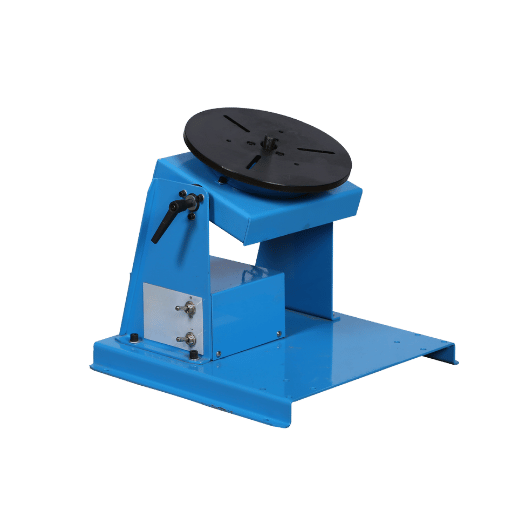
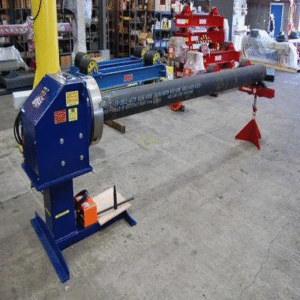
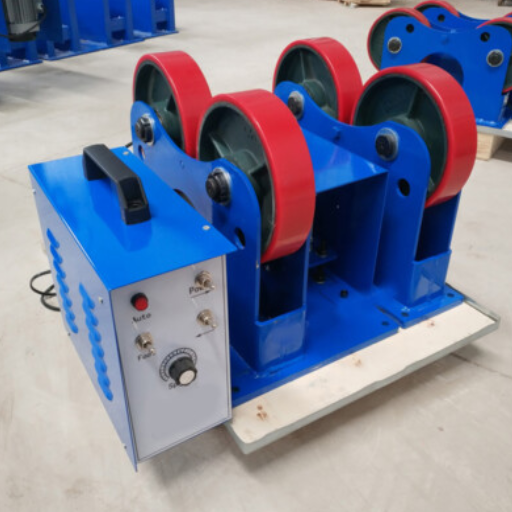
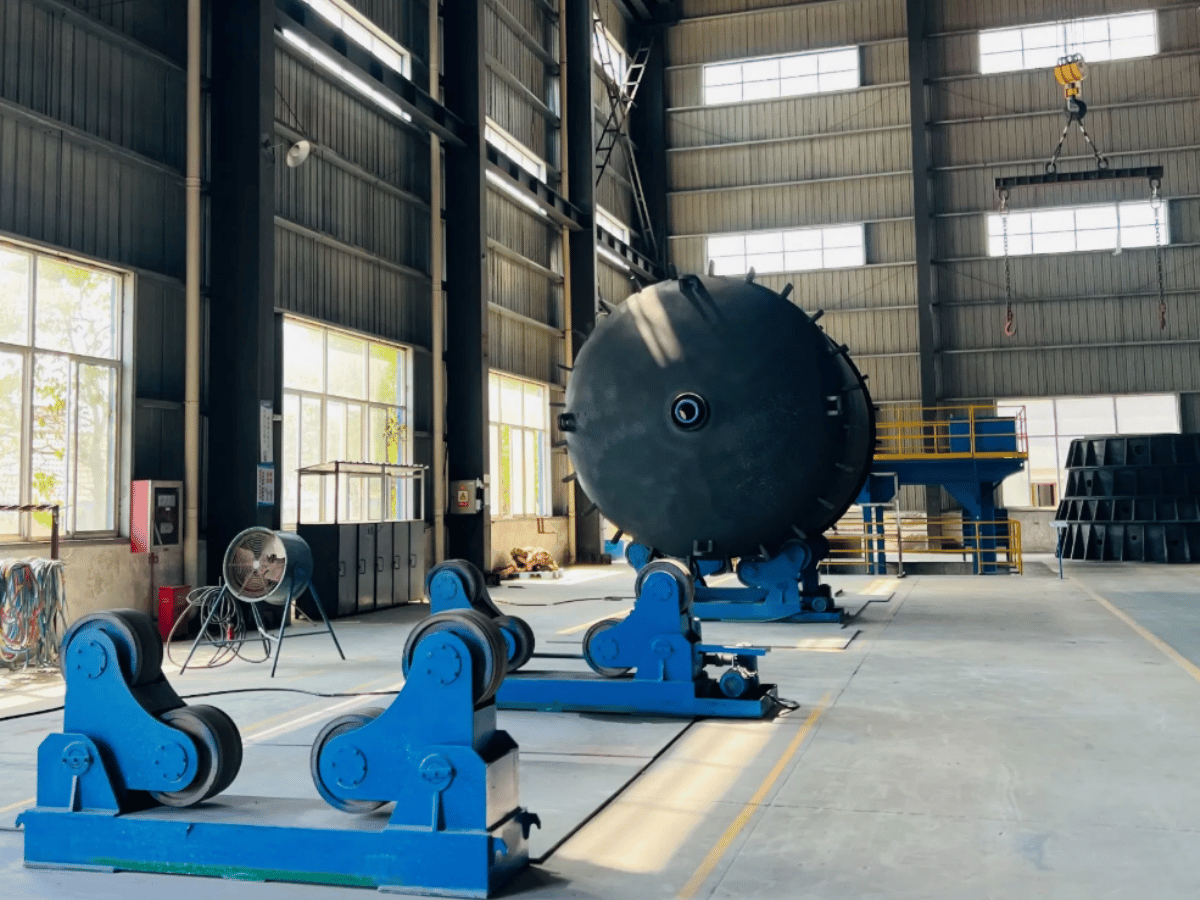
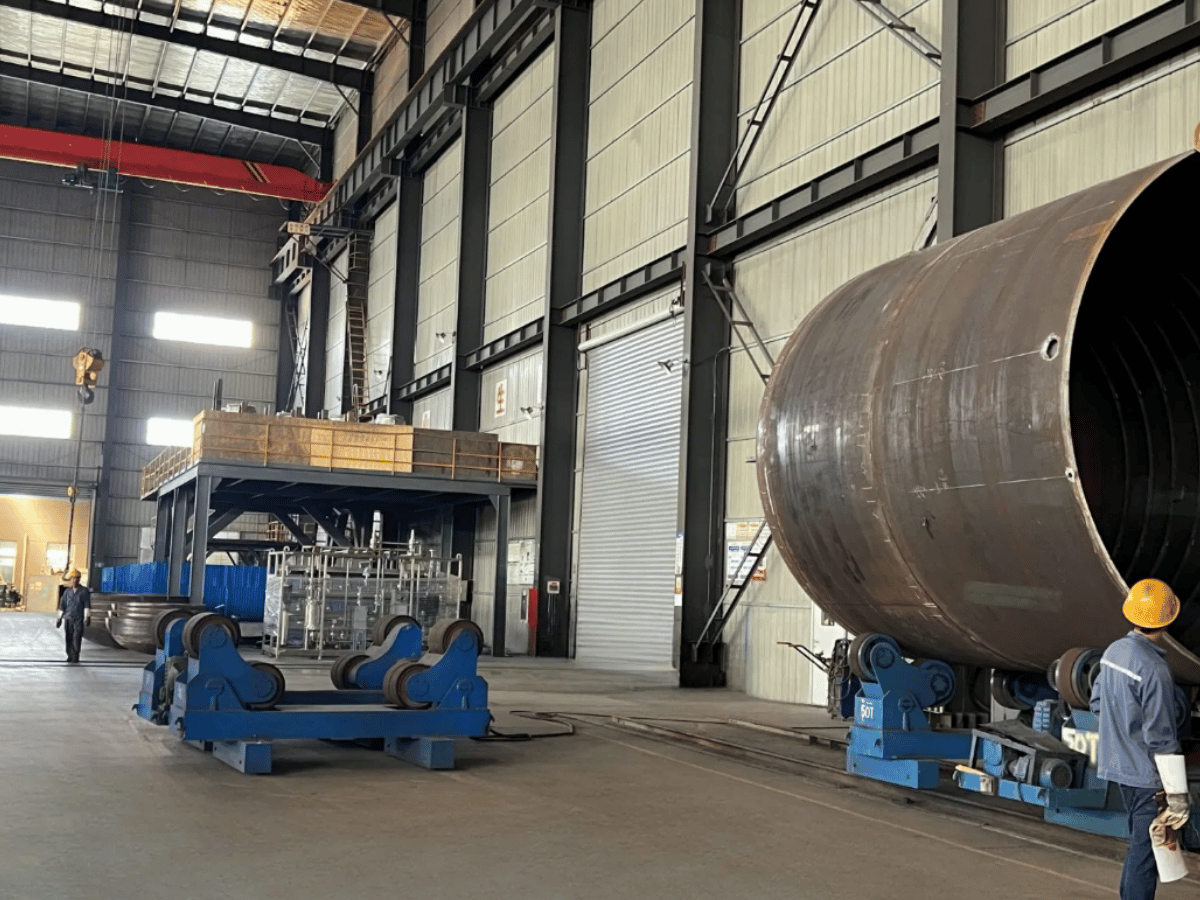
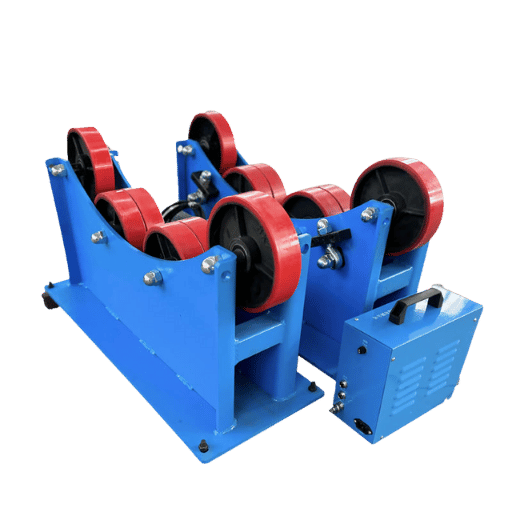
Welding rotators, also known as pipe rotators or turning rolls, are essential for welding production. These enable the rotating of large and heavy workpieces, such as tanks and pressure vessels, allowing welders to make continuous welds without repositioning the welding torch. The automation leads to better welding quality and less human effort, resulting in overall increased efficiency in the production line.
The manufacturers of welding rotators supply products in various models with different loading capacities, ranging from 2 tons to heavy-duty, to meet the diverse demands of other industries.
Why Weld Rotators Are Essential in Industrial Applications
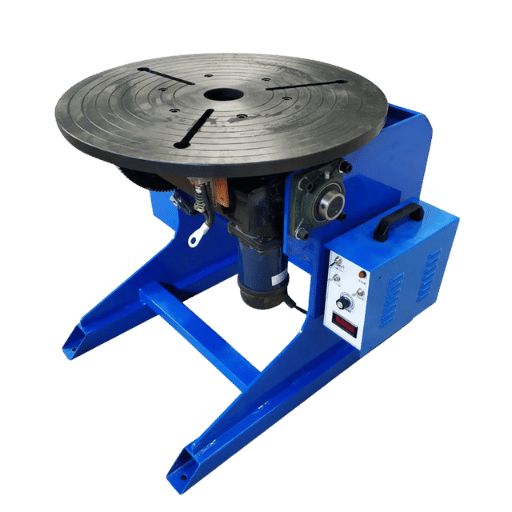
Weld rotators are essential in industrial applications for fabricating cylindrical vessels, wind towers, and other massive structures. These devices ensure uniform welds while minimizing faults. By automating the turning process, weld rotators enable welders to focus on the welding itself, ensuring that it adheres to the industry’s precision and regulations.
Hence, weld rotators manufacture the entire efficient and safe operation in:
- Construction
- Oil and gas
- Shipbuilding
- Power generation
- Manufacturing
Understanding Welding Positioners
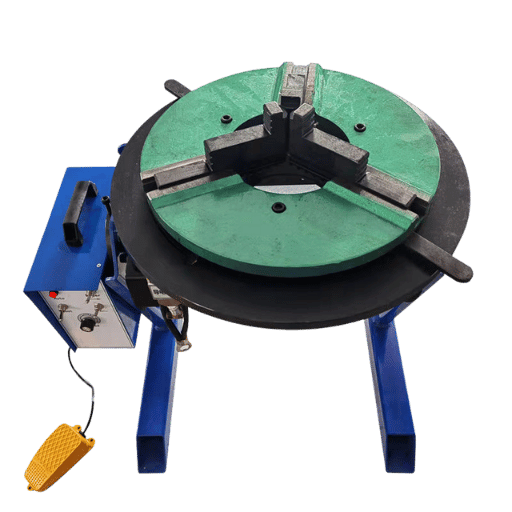
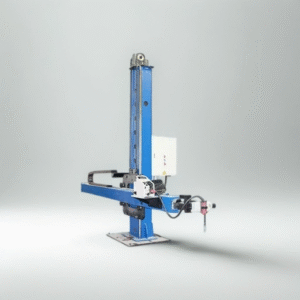
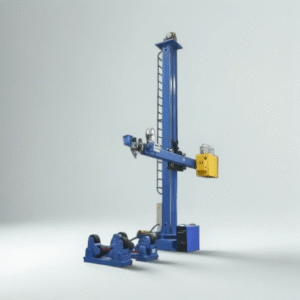
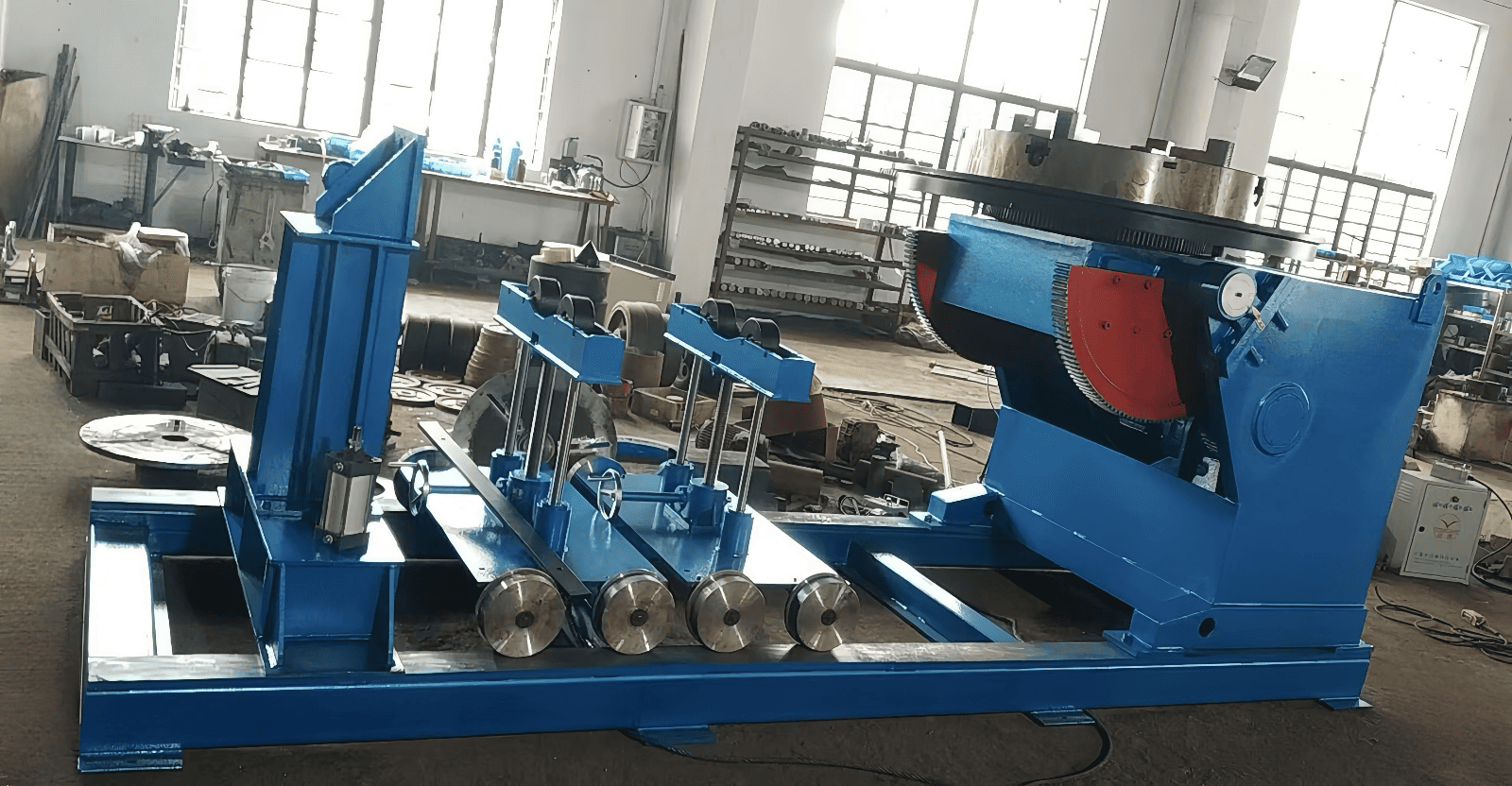
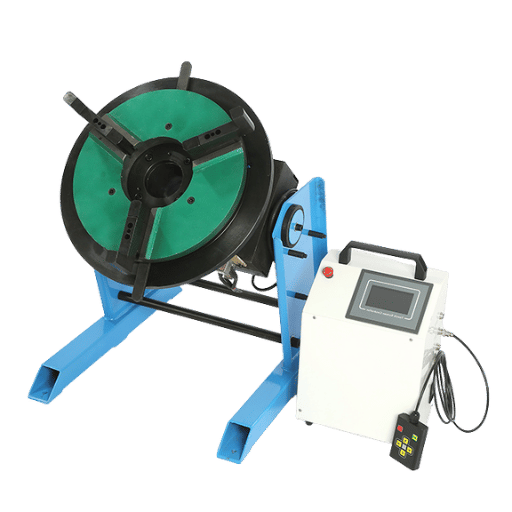
Welding positioners and welding rotators, as well as welding positioner combinations, offer essential complementary functions to weld rotators. The input work can be positioned with utmost precision, the accessibility enhanced for the welder, and the final weld improved.
Positioners may be able to rotate, tilt, and lift workpieces, with a greater freedom of angles than welding rotators provide. From there, they become essential tools in increasing productivity, especially in an automated welding environment, where speed and precision are crucial.
Key Features of Conventional Welding Rotators
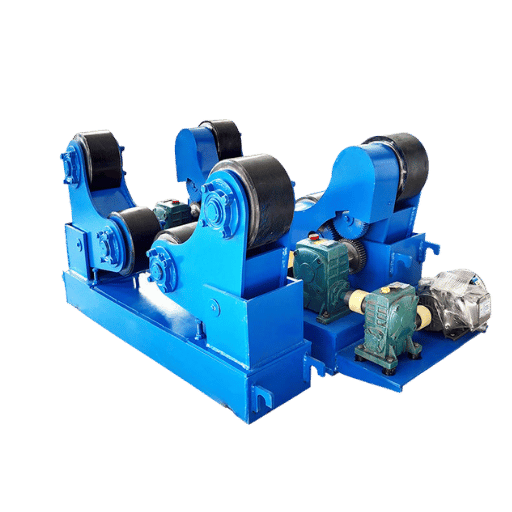
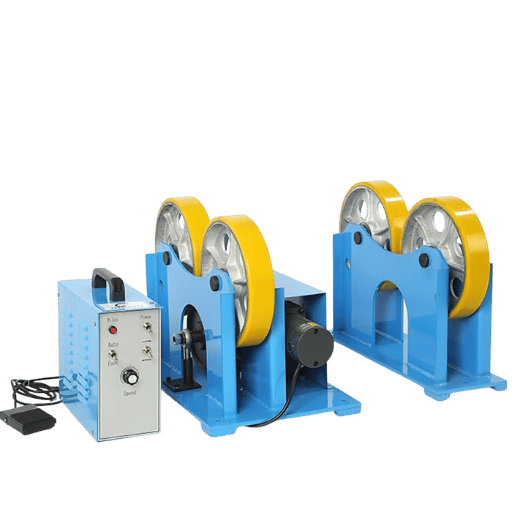
Conventional welding rotators are equipped with features specifically designed for industrial applications. They consist of a driving and an idler unit that smoothly rotate the work.
| Feature | Description |
|---|---|
| Handling Capacity | Ability to handle various diameters and support heavy loads, such as 10 tons or more |
| Advanced Technologies | Integration of lead screw adjustments and automatic alignment for enhanced functionality and reliability |
| Self-Aligning Capabilities | Automatic adjustment to workpiece variations for consistent rotation |
| Robust Construction | Heavy-duty materials and components for long-lasting performance |
| Safety Features | Turning rollers and clamps to secure workpieces during the welding process |
Top 15 Welding Rotator Manufacturers
1. Resize welding Machinery Co., Ltd
Founded: Not specified
Overview: RESIZE is a leading welding rotator manufacturer based in China, recognized for its industrial-grade rotators featuring advanced features such as VFD speed control and self-aligning designs.
Main Products:
- Adjustable welding rotators
- Self-aligning welding rotators
- Anti-drift turning rolls
- Tank fit-up rolls
✅ Key Advantages
- High load capacity (up to 1,000 tons)
- Advanced safety features like emergency stops and overload protection
- Customizable solutions for various industrial needs
❌ Key Disadvantages
- Limited information on global service centers
2. DUMETA (Netherlands)
Overview: A pioneer in welding rotators with over 30 years of experience.
Main Products: Conventional rotators, self-aligning rotators, and specialized solutions.
✅ Key Advantages
- Advanced load distribution systems, IoT capabilities, and global distribution.
❌ Key Disadvantages
- Premium pricing for advanced models.
3. Key Plant (UK)
Overview: Renowned for engineering excellence and precision.
Main Products:
- Rotators with load capacities from 500kg to 500 tonnes.
✅ Key Advantages
- Sophisticated control systems, safety features, and strong aerospace connections.
❌ Key Disadvantages
- Limited availability outside the UK.
4. PRIMO Automation Systems (Italy)
Overview: Known for robust construction and user-friendly designs.
Main Products:
- Heavy-duty rotators and automation solutions.
✅ Key Advantages
- Adaptability to various environments and personalized consultations.
❌ Key Disadvantages
- Limited presence in emerging markets.
5. Cu-Built (Canada)
Overview: Specializes in rotators for extreme conditions and heavy-duty applications.
Main Products:
- High-capacity rotators with advanced safety mechanisms.
✅ Key Advantages
- Customization capabilities and strong presence in North America.
❌ Key Disadvantages
- Limited global reach.
6. Miller Electric Mfg. LLC
Founded: 1929
Overview: A US-based manufacturer of welding and cutting equipment, part of Illinois Tool Works.
Main Products:
- Welding rotators
- TIG welders
- Plasma cutters
✅ Key Advantages
- Long-standing reputation and extensive product range
❌ Key Disadvantages
- Higher price point for premium products
7. Key Plant Automation Ltd
Founded: 1956
Overview: A UK-based company offering industrial automation solutions, including welding rotators.
Main Products:
- Welding rotators
- Robotic systems
✅ Key Advantages
- Strong focus on automation and efficiency
❌ Key Disadvantages
- Limited product availability outside the UK
8. Mogra Engineering Private Limited
Founded: Not specified
Overview: An Indian manufacturer specializing in welding rotators and lead screw systems.
Main Products:
- Lead screw welding rotators
✅ Key Advantages
- Affordable pricing for small to medium-scale industries
❌ Key Disadvantages
- Limited product range
9. Stierli-Bieger AG
Founded: Not specified
Overview: A Swiss company known for its precision engineering and welding equipment.
Main Products:
- Welding rotators
- Bending machines
✅ Key Advantages
- High precision and quality
❌ Key Disadvantages
- Premium pricing
10. Hobart Welding Products (USA)
Overview: Bridges the gap between professional and DIY welding.
Main Products:
- Portable, inverter-based welders and rotators.
✅ Key Advantages
- Affordable and user-friendly.
❌ Key Disadvantages
- Limited industrial-scale options.
11. Anvin Engineers Pvt. Ltd. (India)
Overview: Focuses on energy-efficient and adaptable rotators.
Main Products:
- Rotators for fabrication shops and pipeline manufacturing.
✅ Key Advantages
- Environmentally friendly designs and strong customer support.
❌ Key Disadvantages
- Limited product range.
12. AMIN Machinery Pvt. Ltd. (India)
Overview: Focuses on cost-effective solutions for emerging markets.
Main Products:
- Lightweight to heavy-duty rotators.
✅ Key Advantages
- Affordable and durable designs.
❌ Key Disadvantages
- Limited innovation.
13. Fronius (Austria)
Overview: Specializes in high-end TIG and MIG systems.
Main Products:
- Precision welding rotators and advanced control systems.
✅ Key Advantages
- Energy efficiency and focus on renewables.
❌ Key Disadvantages
- Limited affordability for small businesses.
14. Kemppi (Finland)
Overview: Known for digitally integrated welding equipment.
Main Products:
- IoT-enabled welding systems and rotators.
✅ Key Advantages
- Cloud-based monitoring and ergonomic designs.
❌ Key Disadvantages
- Limited product range for heavy-duty applications.
15. Bud’s Machine Tools (USA)
Overview: A supplier of welding and machining tools.
Main Products:
- Welding rotators and positioners.
✅ Key Advantages
- Wide range of tools and equipment.
❌ Key Disadvantages
- Limited focus on welding rotators.
How to Choose the Right Welding Rotator
Essential Selection Checklist
- Determine your maximum weight capacity requirements
- Assess workpiece diameter range compatibility
- Evaluate automation features needed
- Check compliance with industry standards
- Consider budget and long-term ROI
- Review manufacturer’s support and warranty
Weight Capacity and Specifications Comparison
When selecting a welding rotator, understanding the weight capacity and specifications is crucial. Factors like the loading capacity, which can range from 5 tons to 10 tons or more, determine the type of workpieces the rotator can handle.
| Factor | 5 Tons Capacity | 10 Tons Capacity | Heavy-Duty (10+ Tons) |
|---|---|---|---|
| Typical Applications | Small to medium pipes | Large cylindrical tanks | Pressure vessels, wind towers |
| Investment Level | Lower initial cost | Moderate investment | Higher capital requirement |
| Footprint | Compact design | Medium space requirement | Large installation area |
| Power Requirements | Standard electrical | Enhanced power supply | Heavy-duty electrical systems |
For instance, heavier workpieces such as pressure vessels or large cylindrical tanks may require a rotator with a higher capacity. In addition, considering the range of diameters and the versatility of a rotator to accommodate different sizes ensures it is suitable for your welding requirements, thereby enhancing welding quality.
Automation Features and Their Benefits
💡 Pro Tip: Automation Benefits
The automation features of welding rotators significantly enhance the efficiency and accuracy of the welding process. Automated systems, such as self-aligning rotators and automatic welders, are designed to rotate workpieces steadily, which is crucial for maintaining a high level of integrity in welds.
Welding rotators equipped with these features enable the operator to perform welding with minimal interruption to precision and welding efforts. Thus, automation provides a significant increase in productivity and is most beneficial when high output levels are required to manufacture wind turbines or other complex structures.
Industry Standards and Safety Regulations
Adherence to industry standards and safety regulations is an absolute must when purchasing a welding rotator. Manufacturers of welding rotators must ensure that their equipment complies with all relevant safety specifications, providing safe clamps and idler units to prevent accidents during operation.
Furthermore, a proper understanding of regulations specifically applicable to the welding rotators in your industry is indispensable, whether it is tank welding or pipe welding, to utilize welding rotators safely and efficiently. Selecting rotators that comply with these standards will create a safe environment while maintaining high welding quality within your operations.
Common Features and Specifications

Understanding Lead Screw Mechanisms
Depending on the lead screw mechanism, welding rotators employ a rotational and motion system to provide precision in the positioning of workpieces. With these mechanisms, welding operators can adjust the rotation speed or change the rotation angle to keep the welding torch steady during the welding process.
Lead screws enable manufacturers to produce more precise and dependable rotators, which are crucial in the fabrication of cylindrical vessels and pressure vessels. It is especially advantageous in automated welding systems where consistency in welding is of utmost importance.
Types of Turning Rolls and Their Applications
Turning rolls become part of the entire welding rotator system and are available in various configurations to suit the range of industrial applications. Conventional welding rotators typically consist of one driving and one idler unit working together to provide smooth rotation of the workpieces.
| Type | Primary Application | Key Features |
|---|---|---|
| Self-aligning | Pipe welding | Automatic diameter adjustment, reduced setup time |
| Adjustable | Tank fabrication | Manual diameter setting, versatile workpiece handling |
| Heavy-duty | Large pressure vessels | High load capacity, robust construction |
| Light-duty | Small pipe work | Compact design, cost-effective |
The ability to adjust to different diameters and loading capacities, ranging from 2 tons to heavy-duty applications, makes them versatile tools in welding production.
Customization Options for Welding Positioners
Customization holds great importance in welding positioners, as it empowers manufacturers to develop solutions tailored to specific industrial needs. Welding positioners, customized with a range of possible modifications, include those with clamps, rotating tables, and tilting mechanisms, affording welders considerable control over the welding process.
Such choices enable the handling of diverse workpieces, ranging from small pipes to large cylindrical vessels. This ability to customize actually helps manufacturers tailor their equipment to the specific needs of different welding applications, thereby improving the overall welding quality.
Industry Trends and Emerging Technologies
Automation in Welding: Benefits and Challenges
🔧 Industry Insight: The Automation Revolution
Automation in welding is one of those revolutionary trends with the benefits of increased productivity and quality in welding. However, there are specific challenges that manufacturers must address.
By using systems such as self-aligning welding rotators and automatic welding capabilities, automated welding inherently facilitates the welding process by minimizing manual intervention. In addition to these benefits, the rise of automation is also bringing with it some challenges, including, but certainly not limited to, finding skilled operators and integrating new technologies into already existing production lines.
| Aspect | Benefits | Challenges |
|---|---|---|
| Productivity | Faster welding cycles, continuous operation | Initial setup complexity, programming requirements |
| Quality | Consistent weld quality, reduced human error | Need for precise calibration, maintenance expertise |
| Labor | Reduced manual labor, safer working conditions | Skilled operator training, job displacement concerns |
| Cost | Long-term cost savings, reduced rework | High initial investment, technology integration costs |
Balancing these benefits and challenges is crucial for manufacturers aiming to enhance efficiency while maintaining high standards in welding production.
Impact of Industry Regulations on Welding Equipment
Industry regulations play a crucial role in determining the design and functionality of welding equipment. Manufacturers are thereby faced with complying with safety and quality standards that affect, among other things, the construction of idler units and the incorporation of safety clamps.
Such regulations place welding rotators within the boundaries of what is safe to operate and maintain welding integrity. Understanding and complying with these criteria are essential for manufacturers when developing reliable and conforming welding equipment that serves industries such as:
- Oil and gas: Stringent pressure vessel requirements
- Construction: Building code requirements and safety standards
- Shipbuilding: Maritime safety and quality certifications
- Power generation: Nuclear and thermal plant specifications
Future Innovations in Welding Rotators
Looking Ahead: Welding rotators are poised for exciting innovations in the future, with automation and digital technology at the forefront.
The emerging trend involves smart rotators, equipped with sensors and real-time data analysis to help welders optimize the welding process. Furthermore, the introduction of IoT and AI technologies will enhance welding operations by making them more accurate and efficient.
Key Future Technologies:
- Smart Sensors: Real-time monitoring of weld quality and equipment performance
- AI Integration: Predictive maintenance and parameter optimization
- IoT Connectivity: Remote monitoring and data analytics
- Advanced Materials: Lighter and stronger components for improved performance
- Energy Efficiency: Reduced consumption at the expense of the environment
These innovations are expected to drive significant improvements in welding quality and productivity, positioning manufacturers at the cutting edge of the welding industry.
Purchasing Guide and Best Practices
Pre-Purchase Assessment Checklist
- Calculate your maximum workpiece weight and diameter requirements
- Assess your facility’s power supply and space constraints
- Determine required safety certifications for your industry
- Evaluate your team’s technical expertise and training needs
- Consider future expansion and scalability requirements
- Research the manufacturer’s reputation and customer support quality
- Compare the total cost of ownership, including maintenance and parts
Tips for Maximizing ROI
💰 Cost-Saving Strategies
- Proper Training: Allocate adequate funding for operator training to avoid equipment damage and enhance the efficient use of equipment
- Preventive Maintenance: Follow maintenance schedules as recommended by manufacturers, to ensure a longer life for equipment
- Right-Sizing: Choose equipment that matches your actual needs rather than over-specifying
- Multi-Application Use: Purchase rotators that can be used to handle a variety of workpiece types
Maintenance and Safety Best Practices
| Maintenance Category | Frequency | Key Actions |
|---|---|---|
| Daily Inspection | Before each use | Visual inspection, lubrication check, safety systems test |
| Weekly Maintenance | Weekly | Roller inspection, electrical connections, calibration check |
| Monthly Service | Monthly | Drive system inspection, wear parts assessment, alignment verification |
| Annual Overhaul | Annually | Complete system inspection, primary component replacement, certification update |
Summary and Final Recommendations
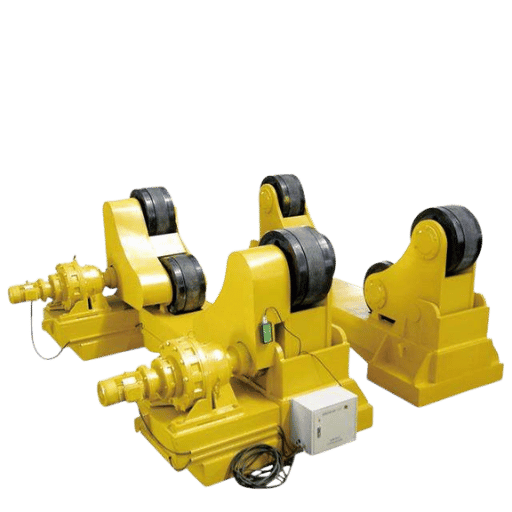
Selecting the proper welding rotator manufacturer will require consideration of several important factors, including load capacities, automation features, safety compliance, and long-term or lifetime support. The manufacturers listed in this guide are credible giants in the welding machine world, each with varying advantages for different applications or budgets.
Key Takeaways:
- RESIZE being big on high-load solutions with super safety features
- SENLISWELD offers a full range of products, with customer support always one of their strengths
- Miller Electric provides premium quality with an established reputation
- Chinese manufacturers generally offer competitive pricing for budget-conscious buyers
- European manufacturers focus on precision and premium quality
Making Your Final Decision
When making your final selection, prioritize manufacturers that:
- Offer products that match your specific capacity and application requirements
- Provide comprehensive warranty and after-sales support
- Have a proven track record in your industry sector
- Comply with relevant safety standards and certifications
- Offer training and technical support for your team
The welding rotator market continues to evolve with advancements in technology and increased automation. By selecting a manufacturer from this list and following the guidelines provided, your investment in welding rotator equipment should significantly enhance operational productivity.
🎯 Final Recommendation
The expensive welding rotator may not be the best option; rather, the best one for you is the one that fits your needs, budget, and operational requirements, which may be a somewhat subjective evaluation. Therefore, take the time to make your choice and never hesitate to ask for demonstrations and possibly a trial period.