Weld joints that are strong and reliable are a must not only in the construction and manufacturing industries but also in other sectors. The T joint weld is one of the various types of weld joints that is very versatile and strong, and it is the main contributor to the fabrication of great things like structural frames or parts of machines. But what precisely is the secret of an effective T joint weld, and quality of it can be ensured? The present blog post discusses important methods, tips, and uses that are sure to enlighten both the beginner and the proficient welder and thus help them optimize their art. Whether you are developing your skills or just want to know the role of good welding, this guide will give you the basic knowledge for the very durable and accurate T joint welds.
Understanding T Joint Welding
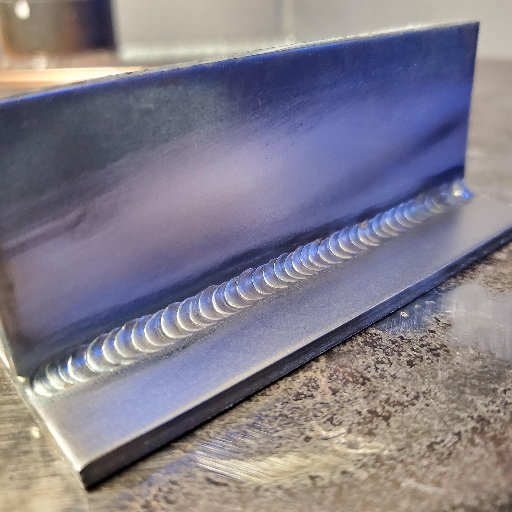
T joint welding is the process of connecting two metal parts in such a way that they form a “T” shape with a right angle between them. The main application for this type of weld is in structures where strong and durable connections are needed, such as frames and machine parts. Good alignment and material preparation are critical for the quality of a T joint weld. The most preferred options for welding T joints are fillet welding and groove welding, which depend on the strength and thickness of the materials being welded. A constant speed of welding, heat and penetration control are the basics for getting a strong bond and minimizing the number of defects.
Definition of T Joint Welding
T joint welding is a technique that joins two metal parts at right angles, creating a “T” shape. It has gained popularity in the construction of frameworks, machines, and structural parts wherever strong, load-bearing connections are needed. The experts claim that fillet welds are the preferred method for performing T joint welds because they are strong and straightforward to use, while groove welds are used for thicker materials requiring deeper penetration. Welding technology advancements, such as automated welding systems, have assured precision and consistency in T joint welding applications, thus reducing defects and raising productivity. Proper preparation, including cleaning and aligning the materials, remains very important for producing high-quality products.
Significance of T Joints in Various Industries
T joints are indispensable in numerous industries because of their structural versatility and reliability. They are used in construction to make strong frameworks for buildings, bridges, and other infrastructure. The automotive and aerospace industries use T joints for the assembly of vehicle frames and aircraft parts, respectively, as they are strong yet light. T joints are also used in pipeline and shipbuilding applications, where they help to maintain secure connections even under high-pressure conditions. Their ability to work with various materials and support different kinds of loads is what makes T joints a must-have in engineering and manufacturing.
Common Applications of T Joint Welds
- Construction: Building frameworks, bridges, and heavy infrastructure are among the first uses of this technology.
- Automotive Industry: The assembly of frames for cars and other vehicles is a key process in the automotive industry.
- Aerospace: Aerospace is using robotics for the production of aircraft components.
- Pipeline Systems: The pipeline systems under high-pressure conditions have secure connections.
- Shipbuilding: Welding is one of the methods used to ensure that vessels are durable and have good structural integrity.
Welding Techniques for T Joints
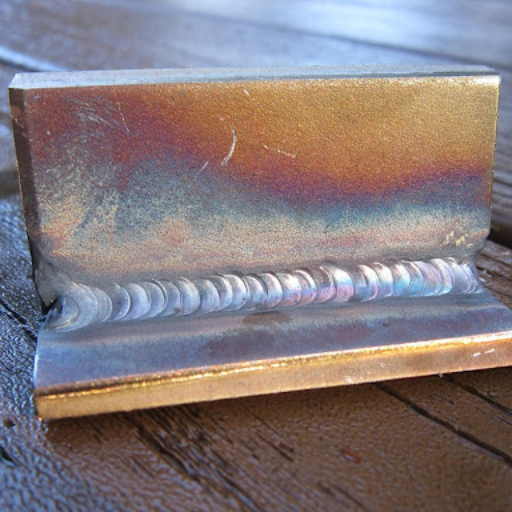
For T joints, several welding methods are used and they vary depending on the materials and the requirements for the application:
- • Shielded Metal Arc Welding (SMAW): Excellent for heavy-duty applications where the penetration is deep and connections are strong.
- • Gas Metal Arc Welding (GMAW/MIG): Great for precision welding with very high efficiency and low spatter.
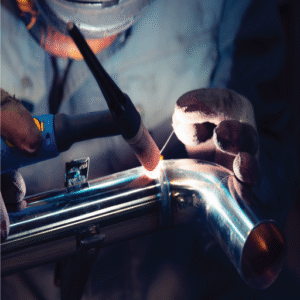
- • Gas Tungsten Arc Welding (GTAW/TIG): Offers the best control and immaculate welds; it is typical for thin materials and high-quality finishes.
- • Flux-Cored Arc Welding (FCAW): A perfect choice for making strong welds in conditions like outdoors or windy.
- • Spot Welding: Used in thin metal applications, highly common in the automotive and sheet metal industries.
The selection of each method depends on factors such as the type of material, structural requirements, and even environmental conditions.
MIG Welding for T Joints
MIG welding, or Gas Metal Arc Welding (GMAW) as it’s also known, is a technique that not only creates strong but also reliable T joints. The T-Joint consists of two metals welded at 90 degrees, forming the “T” shape. Nevertheless, the durability of the weld depends heavily on the preparation of the area where the join will be done. The base metals must be cleaned thoroughly to remove contaminants like rust, oil, or paint, which can reduce the quality of the weld.
It is imperative to set the correct machine settings when carrying out T joint welding with MIG. Voltage, wire speed, and shielding gas flow rate, among other factors, should be chosen according to the thickness and type of the material. Depending on penetration and bead appearance, you can either push or drag the welding torch. The correct positioning of the electrode is vital—try to get the arc right at the joint’s intersection for maximum penetration and a strong weld.
TIG Welding Techniques
TIG welding, which stands for Tungsten Inert Gas welding, is an adaptable process that consistently produces the highest and most accurate welds. The main thing to do when carrying out TIG welding is to choose the right tungsten electrode for the particular material being joined—thoriated tungsten is perfect for steel, while pure tungsten works for aluminum. When working with steel, direct current (DC) is the best choice, while for aluminum, alternating current (AC) is preferable. A steady hand and consistent arc length, generally of about 1/8 inch from the workpiece, are necessary for uniformity. Increase the amperage according to the thickness of the material, and ensure there is proper gas flow—argon is the most common gas used for shielding in most applications. You should always clean the workpiece thoroughly, as dirt and other contaminants can cause welds to lose their integrity, leading to defects. Good technique and preparation are the keys to successful TIG welding.
Stick Welding and Its Applications
Stick welding, also known as Shielded Metal Arc Welding (SMAW), is a process that can be applied to various welding jobs and is widely accepted in different industries. It works by using a coated in flux consumable electrode to produce the weld, while the flux during the welding process creates a protective gas and slag shield. The method is practicable for welding in various situations, including outdoor and windy places, where other processes might not be effective. Stick welding is mainly suitable for industrial use, such as in construction, shipbuilding, and pipeline work, and it can also be applied to a range of metals like steel, stainless steel, and cast iron.
The main advantages of stick welding are its simplicity, low cost, and the ability to use it without external shielding gas, making it very suitable for fieldwork and maintenance. On the flip side, it takes a skilled hand to produce clean and defect-free welds as the methods of slag removal and spatter control can be tricky. Becoming an expert in this technique will guarantee consistent and strong welds on various projects, thus affirming its importance in many industries.
Weld Types for T Joints
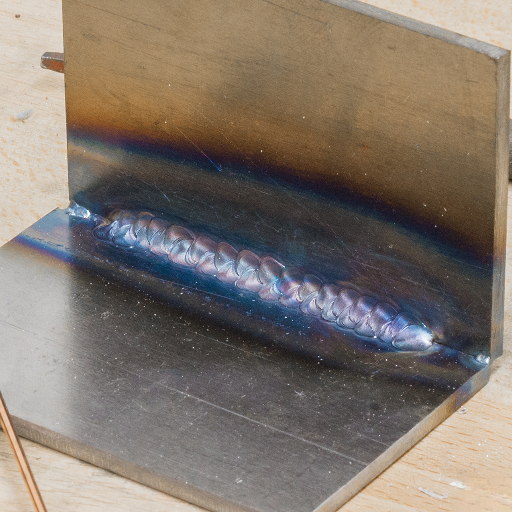
The primary weld types for T joints include fillet welds, plug welds, slot welds, groove welds, and flange welds.
| Weld Type | Description | Key Use | Strength | Thickness |
|---|---|---|---|---|
| Fillet | Triangular weld | General | High | Varies |
| Plug | Circular weld | Sheet joints | Medium | Thin sheets |
| Slot | Elongated weld | Sheet joints | Medium | Thin sheets |
| Groove | Deep groove weld | Heavy-duty | Very High | Thick plates |
| Flange | Edge reinforcement | Structural | High | Moderate |
Fillet Welds: When to Use Them
Fillet welds are primarily utilized for making right-angle joints, for instance, T-joints, lap joints, and corner joints. They are usually applied where high strength and ease of use are required, making them perfect for general-purpose construction, structural frameworks, and equipment manufacturing. These welds are multipurpose and economical, allowing the production of strong connections without the extensive preparation or machining of the materials being joined.
Other Weld Types Applicable to T Joints
Several more types of welds can be used effectively on T-joints based on the particular requirements of the application:
Plug Welds
Plug welds are one of the options when there is a need to diffuse the stress on the joint evenly. This kind of welding goes through one material and unites it with the other, thus improving the stability of the structure.
Slot Welds
Like plug welds, slot welds help in connecting overlapping pieces of metals in places that are predetermined. They offer controlled weld distribution and extra shear resistance in the joint area.
Groove Welds
Groove welds are used in T-joints applications where a powerful connection is needed. In contrast to fillet welds, they require making grooves in the joint to ensure penetration and higher welding strength in critical projects.
Surface Welds
Surface welds are used on T-joints for cases of the need for reinforcement or the coating of wear-resistant materials for the connected materials, usually in heavy-duty applications.
All of these weld types have their own specific advantages and are selected depending on the load and material characteristics, and the particular requirements of the respective industry T-joint construction.
Choosing the Right Weld Type for Your Project
Choosing the best welding method for your T-joint project is not a simple matter; it involves careful consideration of factors such as the characteristics of the material, the required strength of the joint, and the nature of the application. Butt welds provide the strongest and most aesthetically pleasing joints, making them the most suitable for projects where both beauty and strength are crucial. On the contrary, fillet welds are frequently applied in less critical situations because of their simplicity of application and productivity. Groove welds, however, are the ones that can bear very heavy-duty projects demanding maximum penetration and strength. Surface welding can be done to strengthen T-joints or to give them wear resistance in high-stress environments. It is necessary to always take into account the project design specifications, safety standards, and industry norms when deciding on the suitable weld type.
Essential Tools and Equipment for T Joint Welding
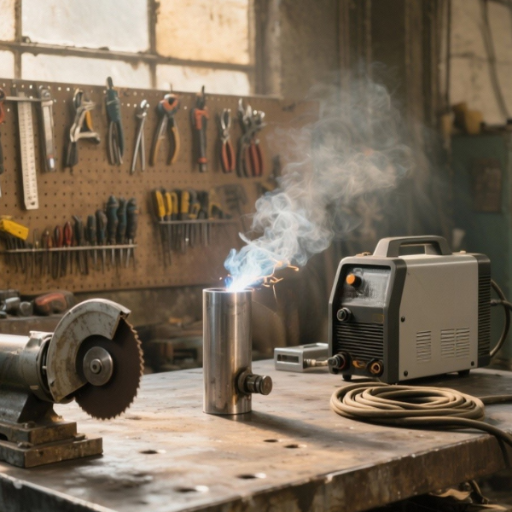
To carry out T joint welding, one must first have the proper tools and equipment to guarantee safety and precision. The basic items consist of a welding machine that works with the selected welding method (MIG, TIG, or stick), electrodes or filler rods, a welding helmet, gloves, and protective clothing. Besides, clamps, wire brushes, and grinders are handy for preparing and securing the material. Always ensure that the safety equipment meets the standard to protect from heat, sparks, and UV radiation. Proper preparation and the right tools are critical in achieving strong, reliable welds.
Basic Welding Tools Required
For the T joint welding method, the essential tools are as follows:
- Welding Machine: Check that it is compatible with the welding technique you have chosen such as MIG, TIG, or stick welding.
- Electrodes or Filler Rods: Choose the right type according to the materials and the welding process.
- Clamps or Fixtures: Hold the pieces being welded together to ensure they are correctly aligned.
- Welding Helmet and Gloves: Safeguard yourself from sparks, intense light, and heat.
- Wire Brush: Helps to clean the metal surfaces that are being welded before and after the welding process.
- Grinding Tool: For smoothing the welded area and preparing the edges.
When these tools are at your disposal, creating strong and perfect connections with T joint welds will not be a problem. In addition, always check if the safety gear is up to industry standards.
Advanced Equipment for Professional Welders
Professional welders usually depend on state-of-the-art machines to deliver the highest precision, productivity, and safety. The most significant tools are:
- TIG Welders: Perfect for the most demanding welds on different metals, providing excellent control and immaculate results.
- Multi-Process Welders: These welders can do the different welding techniques like MIG, TIG, and Stick simultaneously for more convenience.
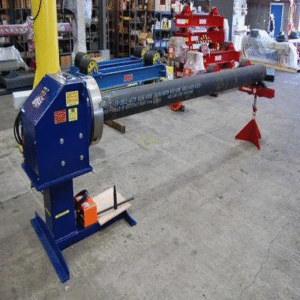
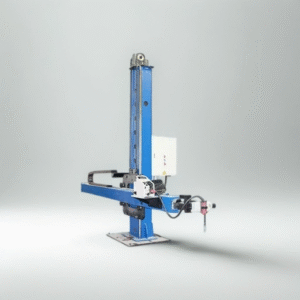
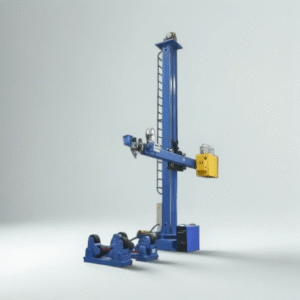
- Automatic Welding Systems: These systems are beneficial for high-volume work because they provide uniformity and less manual effort.
- Plasma Cutters: They are used for the accurate cutting of metal materials, making sure the edges are clean with very little waste.
- Fume Extractors: These are mandatory for keeping the air clean and ensuring the company complies with occupational safety regulations.
These tools empower the professionals to handle intricate tasks with utmost precision and dependability and at the same time observe the highest safety levels.
Maintenance of Welding Tools
Welding tools need proper maintenance to have a long life, good performance, and safety teamwork. Regular checks must be done to detect any aging signs, for example, worn consumables, loose connections, or damaged cables. After every usage, make it a point to clean tools well by removing debris, slag, and dust as this will help in preventing buildup that could affect the tools’ functionality. Moving parts will need lubrication to operate smoothly and it is essential to always keep the equipment in a place that is dry and secure to avoid moisture and damage. Moreover, frequently changing consumables such as electrodes and nozzles helps maintain the welding quality. Following the manufacturer’s instructions for every tool can also help in its long-lasting effect which in turn will allow the professionals to produce constant high-quality results.
Safety Precautions in T Joint Welding
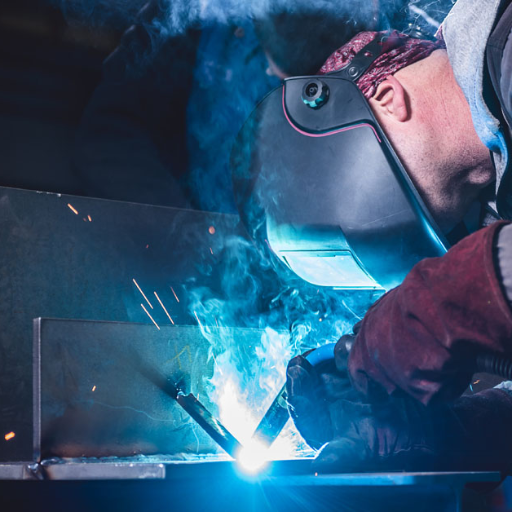
During T joint welding, taking proper measures to ventilate the area is essential to prevent the inhalation of toxic fumes. Additionally, wearing personal protective equipment (PPE) such as welding helmets, gloves, and fire-resistant clothing to protect against ultraviolet (UV) light and sparks is mandatory. Inspect welding gadgets for wear and tear or defects before utilizing and keep the working area tidy to reduce fire risks. Adopt suitable grounding practices to prevent electrical shocks and do not leave the welding machine running unattended. By following these safety measures, the risk of accidents will be minimized considerably and the safety level during the welding process will be improved.
Personal Protective Equipment (PPE) for Welders
To protect themselves from different risks, qualified welders have to wear the proper personal protective equipment (“PPE”). The minimum items consist of a welding helmet with an appropriate shade filter to protect the welder’s eyes from radiation and sparks, flame-resistant gloves, and a long-sleeved flame-resistant jacket. Systems of eye goggles or glasses with side shields are obligatory for eye area protection, particularly during operations like grinding or cutting. Also, it is advisable to have steel-toe footwear on to prevent feet from being crushed under the drop of heavy things and a respirator in case of working in poorly ventilated areas to stay away from harmful smoke inhalation. The complete set of PPE is essential for reducing risks and ensuring welders’ safety during working hours.
Workspace Safety Considerations
The protection of a welding operation is a primary concern and must be considered first. Inhaling poisonous fumes and gases can be a problem if the area is not ventilated properly; therefore, ensuring good airflow is essential in the working area. Local exhaust systems or portable fume extractors can always be used to ensure that there are no harmful fumes in the air. Also, to eliminate the risk of fire, the area must be kept free of all kinds of combustible materials like paper, wood, or chemicals. To be safe from electric shocks, it is necessary to ground all electrical equipment properly and to examine the cables for any damages. Moreover, marking dangerous areas and clearing pathways contribute to preventing falls and other accidents. Sufficient illumination is critical for both accuracy and safety, especially in closed areas or places with little visibility. If these factors are taken into account, the welding process will be carried out more safely and effectively.
Common Welding Defects and How to Avoid Them
Porosity is one of the most frequent defects in welding, occurring when gas bubbles are trapped. I always make it a point to clean the base material thoroughly and to cover gas shielding adequately, so that porosity does not occur. Incomplete fusion is another problem characterized by the weld not fully melting with the base metal. I handle this by applying the suitable welding technique, ensuring proper heat input, and joint preparation being sufficient. Cracking is another defect that may occur either as a result of fast cooling or incorrect welding parameters. I prevent cracking by controlling cooling rates and preheating the material when necessary. Thus, through being aware of these aspects and keeping an eye on them, I can create strong and welding joints that are free of defects.
⚠️ Reference Sources
-
Numerical calculation and experimental measurement of temperatures and welding residual stresses in a thick-walled T-joint structure
Read the paper -
A review on friction stir welded T-joint
Read the paper -
Finite element modeling of a welded T-joint
Read the paper - Top Welding Positioner Manufacturers and Supplier in China
- Guide for Types of Welding
Frequently Asked Questions (FAQs)
What is a T-Joint Weld and How is it Used in Structural Welding?
A T-joint weld is defined as a type of welding joint resulting from the intersection of two metal plates at a right angle, giving the appearance of the letter “T.” The joint is extensively used in structures built with steel where the two primary considerations are to provide adequate strength and stability. T-joint welds can be created amongst others like TIG and MIG welding, thus a variety of welds can be produced depending on the requisites of the end product.
How Does the Position of the Weld Affect the Quality of the Joint?
The weld position is one of the significant factors that can alter the quality of the joint. For example, the results of a flat weld might be better than the ones from an overhead weld because the molten puddle is affected by the force of gravity when welding overhead. Additionally, proper travel speed and amp settings are crucial for producing a strong weld and avoiding defects like lack of fusion or lamellar tearing.
What are the Common Defects Found in T-Joint Welds?
The most common defects that are frequently found in T-joint welds are lack of fusion, porosity, and lamellar tearing. The term lack of fusion describes the case when the weld metal does not sufficiently bond with the base metal and lamellar tearing is a consequence of the joint design being imperfect or poor welding technique, which results in internal stresses. In addition to prioritizing safety throughout the welding process, adopting welding practices and guidelines provided by organizations like AWS is essential for risk reduction.
What Different Welding Joints are Commonly Used in Fabrication?
T-joint welds are just one of many types of joints used in fabrication. Butt joints, lap joints, and corner joints are some of the other types that are frequently applied. The selection of joints varies according to the orientation and position of the metals being joined and each joint has its unique characteristics as well as its specific applications. It is therefore essential to be knowledgeable of the different weld types which will help in making the right choice of joint design for the project.
What is the Importance of Joint Design in Preventing Defects?
A good joint design guarantees the absence of welding defects such as lamellar tearing and it also provides conditions for the production of full penetration welds. The joint design can be considered perfect because it not only factors the material thickness, the type of weld but also the expected tensile strength too. Hence the weld can sustain the stress induced during its service thus resulting in a durable product.
How Do You Achieve a Full Penetration Weld on a T-Joint?
Achieving a full penetration weld on T-joint requires the joint to be adequately prepared and often a v-groove or bevel is used to allow the welding gun to access the root of the weld. This technique might require re-welding (second welding pass) and careful control of voltage and amperage settings to achieve fusion and minimize cooling-induced shrinkage.
What is Tack Welding and Its Purpose in Preparing Joints?
Tack welding is a method that prevents the final welding process from being affected and therefore, holds the metal pieces in position temporarily. Making small welds at strategic points is the method used to prevent the whole joint from being distorted. It is through tack welds that the joint is allowed to be aligned and held, thus contributing to the quality of the finished product.
Conclusion
Mastering T joint welding requires a combination of proper technique, the right tools, and a thorough understanding of safety protocols. Whether you’re working on construction projects, automotive applications, or aerospace components, the principles outlined in this guide will help you create strong, reliable welds. Remember to always prioritize safety, maintain your equipment properly, and continuously refine your skills through practice and learning.