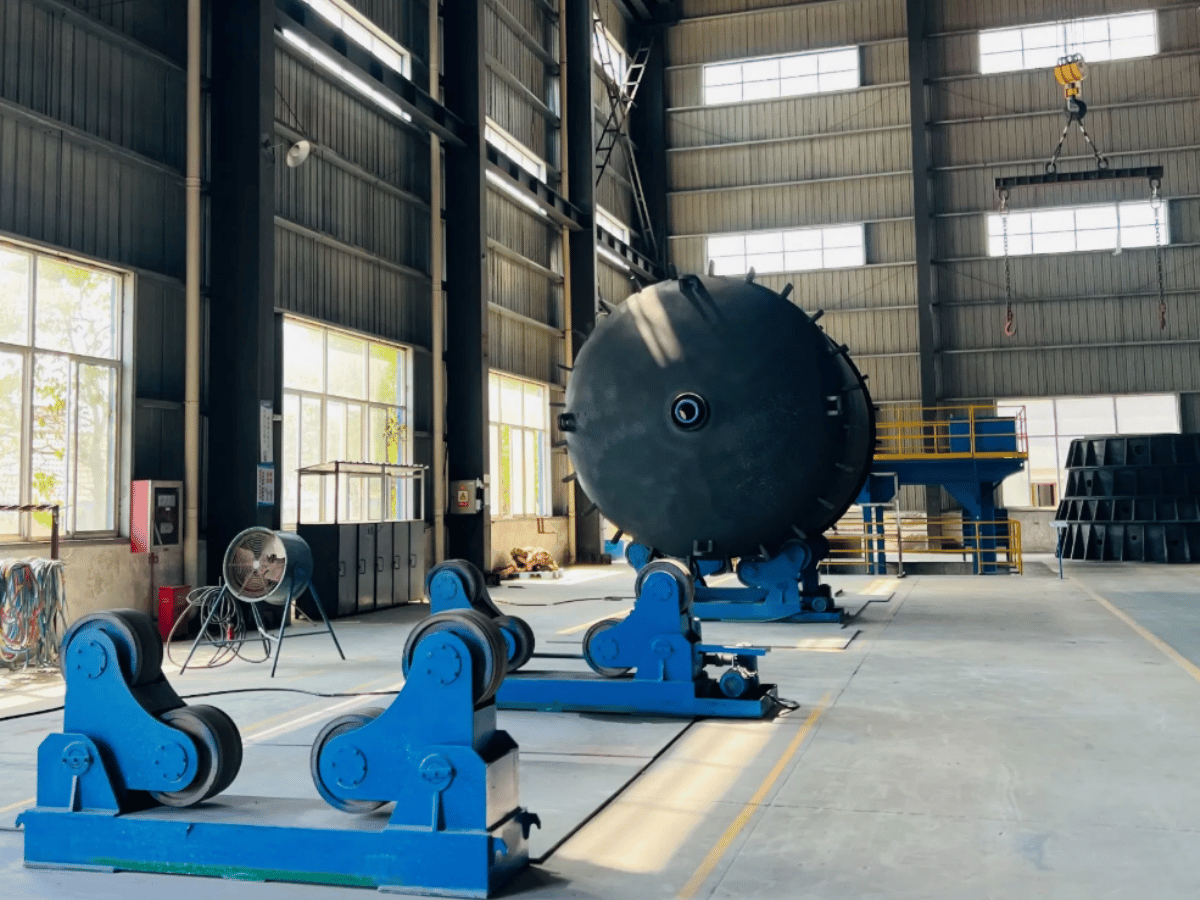
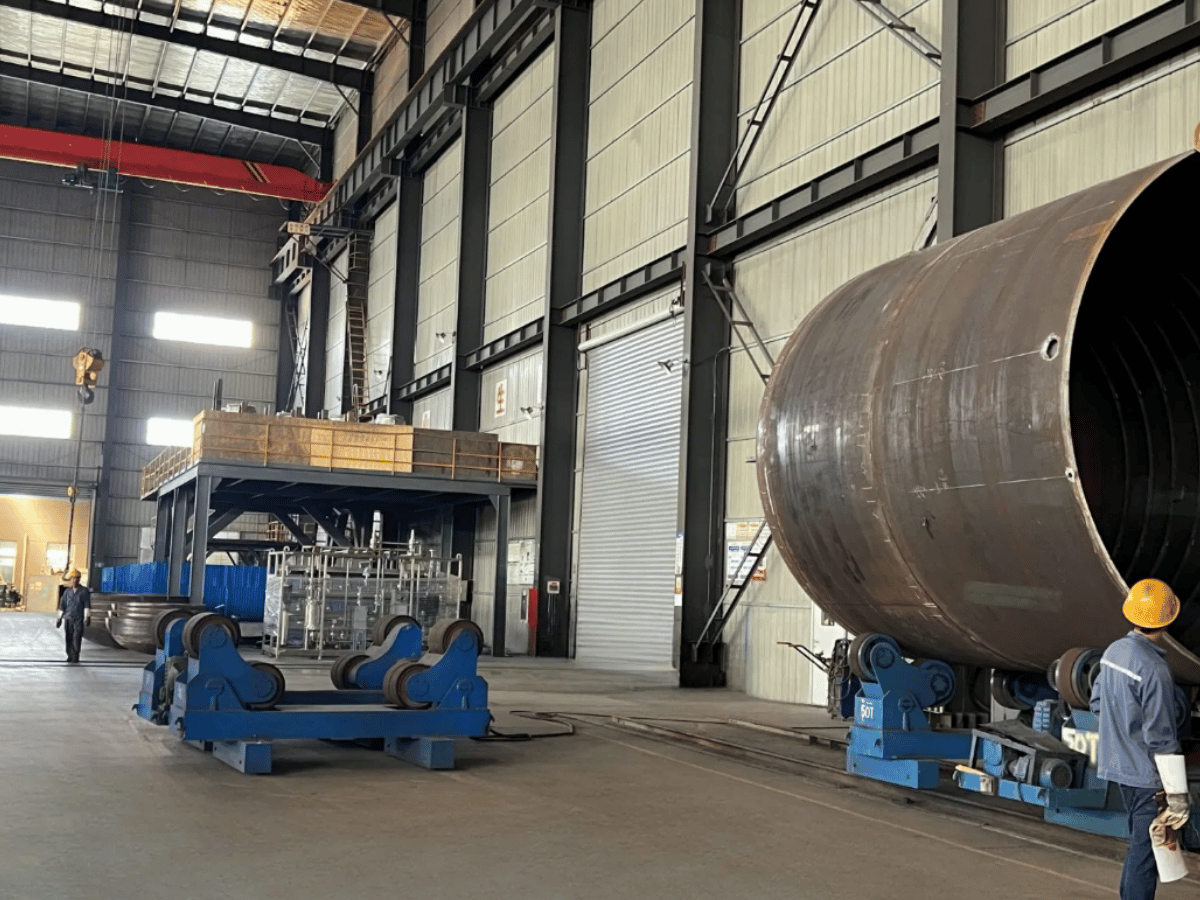
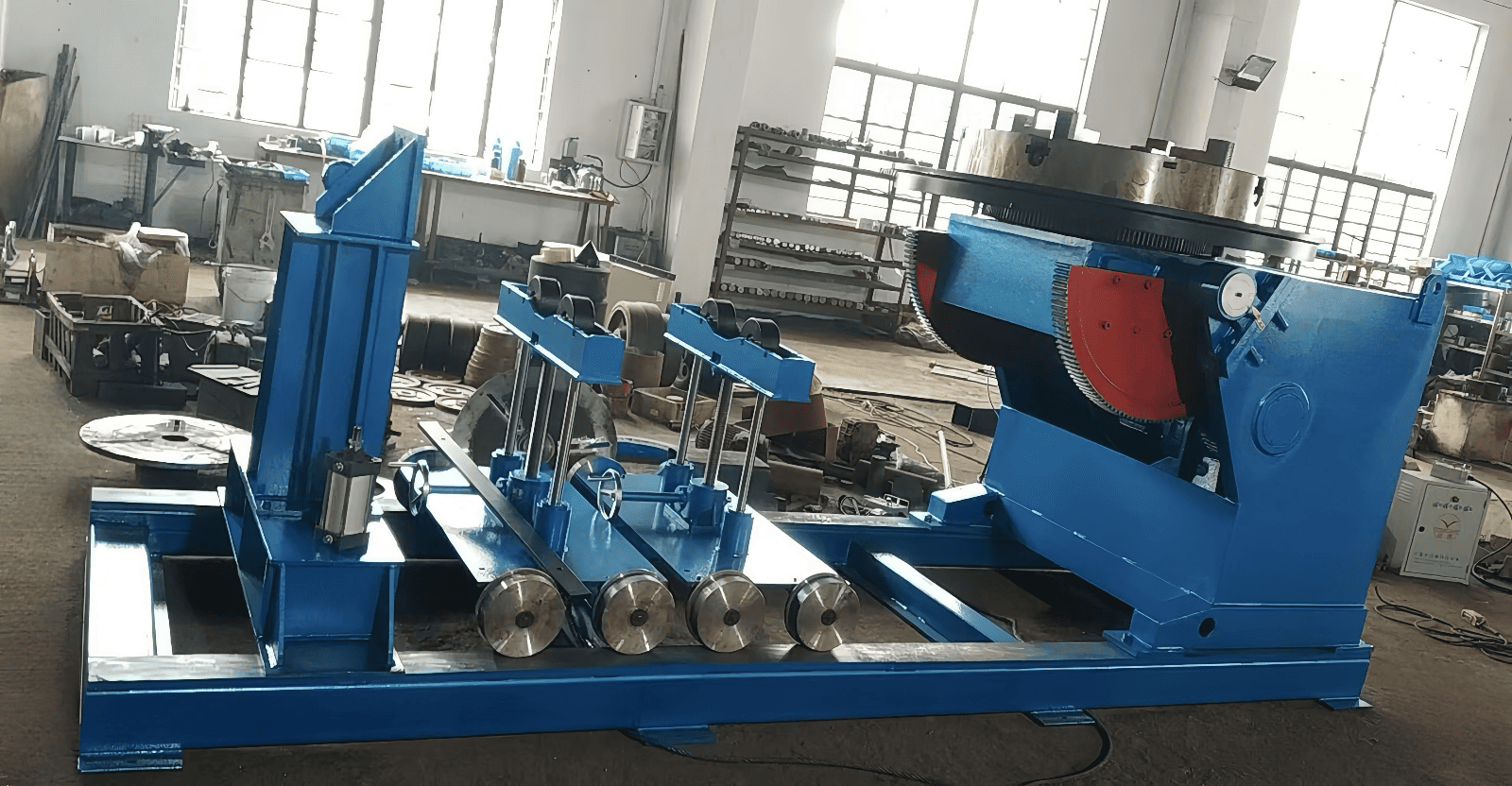
Welding forms the backbone of essentially every industrial activity from construction through manufacturing into automotive and aerospace. Welders really do the shaping of the structures and tools we rely on truly by shaping the very steel components with technical skill and firmness. This leads us to wonder: how do welders actually do their job, and what are the complex processes behind their work? This article will explore the world of welding completely, incorporating its methods, tools, and skills essential to the trade. On the one hand, if you are intrigued with the science behind welding, and on the other, if you want to learn how it is applied in the real world, this guide represents an excellent overview of the welding process and the important work welders do.
Introduction to Welding Work

In welding, you join two or more materials, which most often include metals or thermoplastics, by means of heat, pressure, or both. This method creates a solid and durable bond, which is superior to caulking and sealing. Welders may use specialized equipment, such as welding torches, protective gear, and filler materials, to ensure precision and safety during the welding procedure. Welders need to apply their skill and technology with great attention to detail to create and maintain the infrastructure and products upon which we depend today.
What is Welding?
Welding is a fabrication technique that unites two or more components, mostly metals or thermoplastics, by subjecting them to extreme heat, pressure, or a combination of both. The principle behind welding is melting the base materials and, if applicable, the filler material to form a molten pool, which, upon solidification and cooling, strongly bonds the joint. Since the welds are relied upon for strength and durability, welding finds applications in various fields, including construction, automotive, aerospace, and manufacturing. Over the years, with the introduction of new forms of welds like laser weld, robotic weld, and friction stir weld, there have been improvements in the speed and precision of welding to meet the growing demand for complex high-quality fabrications. Welding safety equipment and techniques help make the process safer.
The Role of a Welder
Welders are crucial in several industries joining the metal components to make strong structures and products. They go about their trade using latest procedures and equipment, like arc welding, MIG welding, TIG welding, to satisfy various fabrication requirements. They interpret blueprints, select materials, and clean the equipment to avoid contamination and ensure precise and quality work. Welders wear protective gear and adhere to safety standards to minimize hazards. Along with their skills in welding pipelines, vehicles, and machinery, welders make significant contributions to infrastructure and industrial development.
Importance of Welding in Various Industries
Welding is of paramount importance in many industries given its ability to build strong, durable joints between materials. The construction sector relies on welding for erecting buildings, such as skyscrapers, bridges, and railways, all of which require structural integrity and safety. Welding is also utilized in the automotive and aerospace industries for manufacturing automobiles and aircraft with high precision and performance. Furthermore, welding is an integral part of construction activities related to pipelines, oil installations, and the infrastructure of renewable energy sources, such as wind turbines, within the energy industry. Wiley is primarily used for industrial growth and technological innovation; its versatility and reliability make it crucial.
Types of Welding
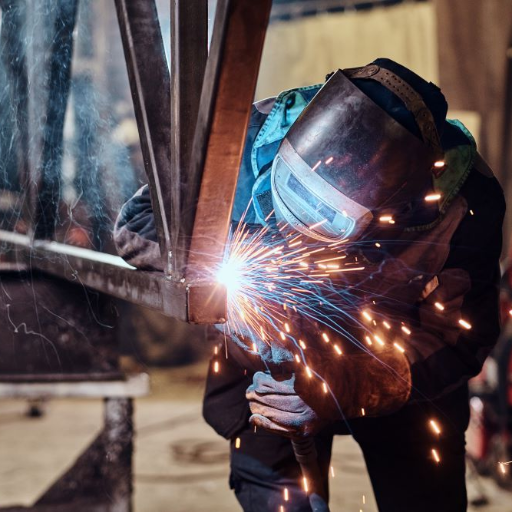
Welding types include Shielded Metal Arc Welding (SMAW), Gas Metal Arc Welding (GMAW/MIG), Flux-Cored Arc Welding (FCAW), Gas Tungsten Arc Welding (GTAW/TIG), Submerged Arc Welding (SAW), Plasma Arc Welding (PAW), Resistance Welding (RW), and Electron Beam Welding (EBW).
| Type | Key Feature | Application | Difficulty | Material |
|---|---|---|---|---|
| SMAW | Simple | Construction | Moderate | Most metals |
| GMAW/MIG | Fast | Auto industry | Easy | Thin metals |
| FCAW | Portable | Outdoor projects | Easy | Thick metals |
| GTAW/TIG | Precise | Aerospace | Advanced | Exotic metals |
| SAW | Automated | Shipbuilding | Moderate | Large parts |
| PAW | High temp | Precision work | Advanced | Tough alloys |
| RW | Efficient | Mass production | Easy | Sheets/plates |
| EBW | Vacuum | Aerospace/Defense | Advanced | Special metals |
Common Types of Welding
Shielded Metal Arc Welding (SMAW/Stick Welding)
Famous for its versatility and simplicity, this method remains widely used in construction, repair, and industrial applications. It is suitable for almost all types of metals and can be performed effectively in an outdoor setting.
Gas Metal Arc Welding (GMAW/MIG)
Fast and efficient, a widespread process in auto manufacturing. It is reputed to be the most straightforward welding process, suitable for welding thin-gauge metals.
Flux-Cored Arc Welding (FCAW)
Due to its portability and its ability to weld thick metals, it is extensively used for outdoor work. Good welds are provided even in wind conditions.
Gas Tungsten Arc Welding (GTAW/TIG)
Due to its precision, this high-tech welding method is widely adopted in aerospace and other specialized metalworking industries.
Submerged Arc Welding (SAW)
Partially automated processes are often employed in shipbuilding and heavy-duty fabrication to enhance efficiency in the assembly of significant components.
Arc Welding Explained
Arc welding is a welding process that utilizes the energy of an electric arc to join metals. The heat so generated by the arc melts the base metal and in most cases filler material to produce a strong bond when it cools down. This is a highly versatile process, which is why it finds applications in construction, manufacturing, and repair work, as it accommodates a wide range of materials and thicknesses. Learned techniques and equipment establish arc welding as a dependable process for welding and creating welds that will withstand the test of time, whether in small, art-like projects or industrial applications.
Plastic Welding Overview
Plastic welding is a technique used to join or repair thermoplastic materials by applying heat, pressure, or both. They include several types of plastic welding like hot air welding, ultrasonic welding, or extrusion welding, use being contingent upon whether and what kind of plastic is involved and the demands of the project. Plastic welding means heating the materials till soft so they would join together as they cool down. Applications are widely used in various industries, including automotive, construction, and packaging. It provides a dependable way of bonding in-place, with varying applications that require durable finishes.
Welding Machines and Equipment
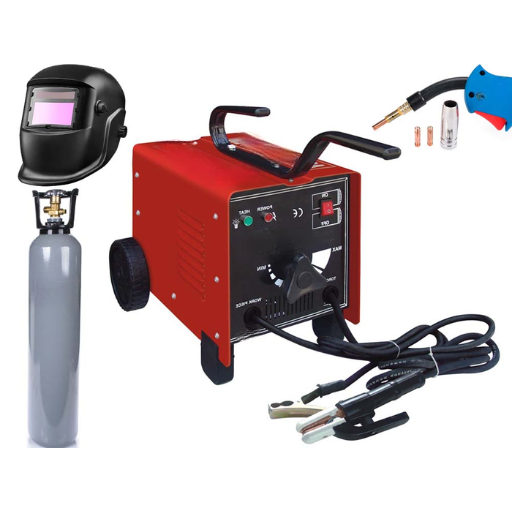
Welding machines perform critical functions and are integral to the plastic welding process. This specialized equipment enables the welder to exert precise control over temperature, pressure, and timing to produce consistent and reliable welds. Among the standard equipment are hot air welders, extrusion welders, ultrasonic welding machines, and instruments designed for particular materials and applications. The proper choice of machine remains essential, depending on the type of plastic involved, the required welding method, and the intended usage of the finished product.
Types of Welding Machines
- Hot Air Welders – This equipment utilizes hot air streams to soften plastics and ensure a sturdy joint. They are used extensively in the repair of plastic components and the manufacture of plastic tanks.
- Extrusion Welding Machines – Used for heavy-duty welding, these machines heat plastic rods and extrude molten material, ensuring a strong and consistent weld. These are commonplace in industrial applications.
- Ultrasonic Welding Machines – These machines create high-frequency vibrations to produce sufficient frictional heat for welding plastic materials without the need for additional adhesives or fasteners.
- Hot Plate Welders – Hot plate welding is one method of bonding wherein the surfaces of the plastic components are heated using a heated platen and pressed together, allowing them to cool and bond. This method is suitable for large or irregular components.
- Spin Welders – Spin welding machines join thermoplastic components by spinning one part against the other under pressure, they develop heat fro friction and create a solid weld.
How Welding Machines Work
Welding machines exert the joining action through heat, pressure, or sometimes a mixture of both on various materials, mainly metals or thermoplastics. The operating principle varies depending on the welding method used. Consider arc welding, where a strong electric arc is created between an electrode and a metal surface, delivering intense heat sufficient to melt and fuse the mating surfaces. For the same heat generation, parts are rubbed together at high speed in a friction welding process.
Industry Insight: With the dawn of the modern era, welding gained precision and automation. Laser welding, for example, offers a highly accurate and rapid joining technique in aerospace and automotive industries. The 2025 industry report estimated the global welding equipment market to reach $22 billion by 2030, majority being driven by demand for automated welding systems and energy-efficient solutions. Furthermore, newer process controls on welding machines measure great weld integrity, minimize errors, and maximize efficiency, making them highly indispensable across the global manufacturing and construction terrains.
Essential Welding Equipment for Beginners
A beginner should have the necessary tools to ensure safety, precision, and quality. The following tools and equipment are listed as basic welding tools and equipment for a beginner or amateur welder:
🔧 Core Equipment
- Welding Machine – Versatile welding machines are often recommended for beginner welders, as they provide ease of use and control, including MIG and TIG welders.
- Electrodes and Welding Wire – Have the proper electrodes or filler wire for strong and clean welds, depending on which type of welding you undertake.
🦺 Safety Equipment
- Welding Helmet – The auto-darkening welding helmet protects your eyes and face while keeping a clear view of your work.
- Protective Clothing – Heat-resistant gloves, flame-retardant jackets, and appropriate boots protect from sparks, heat, and molten metal.
- Safety Gear – Safety glasses, ear plugs, and a respirator protect against fumes, noise, and debris in the working area.
🔨 Work Tools
- Clamps and Holders – Anchor and stabilize your workpiece during welding.
- Wire Brush and Chipping Hammer – Clean the weld joints and remove slag-wash for finishing.
Along with these, one can form the basic setup and foundation which will be further built upon when learning welding skills in safe and efficient ways.
Welding Process and Techniques
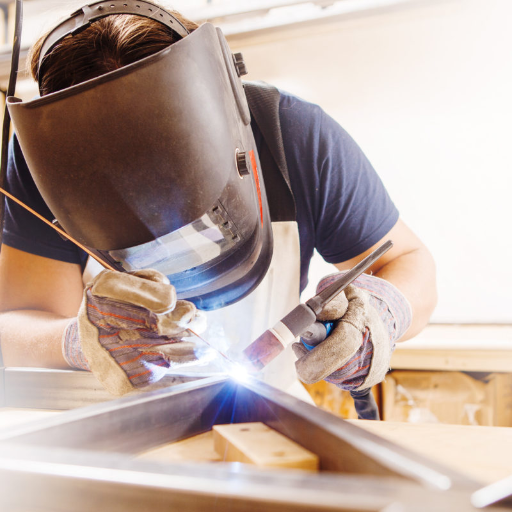
Welding is defined as the process of joining two or more metal parts, heating them up to their melting points, and sometimes adding filler material to make a strong bond between them. Some techniques are:
- 1
Shielded Metal Arc Welding (SMAW) – Stick welding is a general term used to describe this method, which uses a consumable electrode coated with flux. - 2
Gas Metal Arc Welding (GMAW) – This process, commonly referred to as MIG welding, utilizes a continuous wire electrode, which is fed through a welding gun, with an inert gas shielding the weld pool. - 3
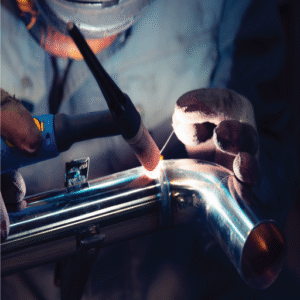
Tungsten Arc Welding (TIG Welding) – This method utilizes a non-consumable tungsten electrode to produce welds of exceptional quality. - 4
Flux-Cored Arc Welding (FCAW) – Similar to MIG welding but uses a special tubular wire with flux at the core, suitable for outdoor projects. - 5
Oxy-Acetylene Welding – This is an older method of generating a flame hot enough to melt base materials and is commonly used in repair work and cutting.
Every single technique has its own uses and advantages; therefore, welding processes are selected based on the material used, project needs, and the welder’s experience.
Basics of Arc Welding
Arc welding is just a very commonly employed method in which an electric arc is used to generate intense heat, melting metals at the joint and forming a strong bond. This process involved a power supply that produces either direct current or alternating current and an electrode that conducts electricity to create the arc. The arc melts both the base metal and the filler material, which then solidifies to form the weld.
The basic components of an arc welding process are power source, electrode, workpiece, and sometimes, shielding gas, which protects the weld pool from contamination by the atmosphere. Safety in arc welding is a prime concern, as intense heat coupled with ultraviolet radiation can pose hazards to both the welder and the surrounding environment. The welder and assistants should always wear proper protective gear such as helmets with darkened lenses, gloves, and other fire-resistant clothing.
Each variant of arc welding, namely MIG, TIG, and Stick, offers the weld expert different advantages that depend upon stake specifications, materials, and the required weld quality. Knowing the fundamentals of arc welding lets welders decide the best and most helpful method for their works.
Welding Equipment and Setup
Preparing for any welding project requires a clear understanding of the equipment and tools involved. Among the basic components to meet welding demands are a welding power supply to supply current and, generally for the electrode to act as the filler material. On some specifications, you work with a shielding gas-protection gas against contamination-at the weld zone area (if required), either argon or CO2.
⚠️ Setup Safety Requirements
The setting requires a whole lot of preparation; ensure proper ventilation. Remove all combustible stuff, and keep all the tools within reach to ensure efficiency and safety. The workpiece also needs to be cleaned of harmful substances that might impair the weld’s quality. Attach ground clamps firmly on the material to complete the electrical circuit of the welding process.
Sometimes, the setup varies with the welding type. For instance, MIG welding utilizes a wire feeder and a supply of shielding gas, TIG welding employs a tungsten electrode, and the foot pedal must be finely controlled to adjust the current. Stick welding has straightforwardness in setups and fewer accessories, thus, very much suitable for across-the-country jobs in nature. With the right tools selected and properly set up, a nice, successful weld can be guaranteed.
Overview of Different Welding Techniques
Welding is an immensely versatile process that employs varied techniques to cater to the specific requirements of its application, industry, or material. Following is a review of some of the popular welding processes:
MIG Welding – Gas Metal Arc Welding (GMAW)
MIG welding is one of the easiest welding methods for a beginner to learn. It utilizes a wire electrode that is fed continuously, along with a shielding gas, to ensure a clean and smooth weld. The process is commonly used in the automotive industry and construction for thin to medium thickness metals where speed and efficiency are desired.
TIG Welding (Gas Tungsten Arc Welding – GTAW)
The welding process is renowned for its precision and the superior weld quality it produces. It uses a tungsten electrode and maybe a filler rod depending on the application being welded. It is appropriate for fine work industries like aerospace work and stainless steel fabrication where high accuracy is a requirement.
Stick Welding (Shielded Metal Arc-Welding)
Most often, stick welding is the preferred process for outdoor and heavy-duty projects because of its versatility and simplicity. The consumable electrode uses a flux coating to shield the weld area, permitting its aptitude under different environmental conditions such as wind and rain.
Flux-Cored Arc Welding
Similar to the MIG welding process, it utilizes a special wire in a tubular form, with flux inside. It is best suited for heavy industrial jobs, working effectively on thick materials and producing strong welds, even without shielding gas on the outside.
Plasma Arc Welding
Exact and very energetic arc welding by ionizing gas by a plasma torch to create a slight arc. Used in advanced manufacturing on thin materials, it welds quickly and cleanly; however, it requires skilled operators.
Laser Welding
An advanced technology, laser welding employs concentrated laser beams to join materials. It is especially suited to small parts and precise assemblies in the electronics and medical industries.
The strength and weaknesses of each welding process make it suitable for specific jobs and environments. For example, selection depends on material type, thickness, project complexity, and available funds. Knowing about these techniques helps welders-give better advice and results regarding welding choice.
Welding Applications Across Industries
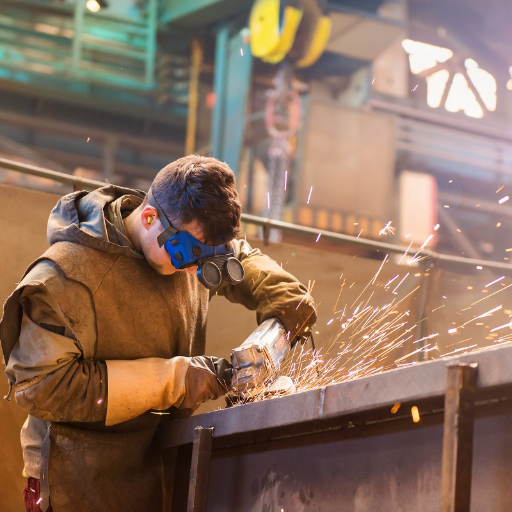
🚗 Automotive Industry
The welding procedure is used a lot in vehicle manufacturing and repair, yet the first welding days were for car frames, exhaust systems, and engine components.
🏗️ Construction
Welding is used to ensure firm and permanent joins for steel and metal structures and infrastructures such as bridges, skyscrapers, and pipelines.
✈️ Aerospace Industry
Welding of high precision is done to make lightweight yet strong parts for aircraft, rockets, and spacecraft.
🚢 Shipbuilding
Welding is important in shipbuilding, submarine building, and marine construction, so that they are able to stand harsh conditions.
⚡ Energy Sector
Welding is used for the construction and maintenance of vital energy infrastructure from wind turbines to oil rigs and power plants.
Welding in Construction
One of the familiar places welding is used is in the construction industry. Due to the strength and durability of these welds, they are used in various structural components. Welding-induced structures may include buildings, bridges, and infrastructure subjected to multiple stress factors. Some of the standard structural components welded by welding are steel beams, reinforcing bars, and piping systems, which form the backbone of any modern-day structure with safety concerns. Welding enables precision and, consequently, utmost reliability, making it one of the most reliable processes in construction projects worldwide.
Welding in Automotive Manufacturing
Welding held primacy in the manufacturing of vehicles because it provided strength and durability to the structural components of these giant machines. It is primarily used to join parts such as chassis, bodies, and exhausts with precision and safety. Advanced techniques, such as laser and resistance spot welding, are typically used to ensure the result exceeds expectations and meets automotive industry demands. By carrying out these processes, manufacturers end up having lightweight, reliable, and efficient vehicles finishing to strict standards of safety.
Welding in Aerospace and Defense
Given the stringent requirements imposed by the sectors for precision, strength, and reliability, welding is a critical aspect for aerospace and defense. Advanced welding, utilizing high-performance materials, shall be used to join high-performance aircraft, spacecraft, and military equipment, as all of them must withstand an extreme environment of heat, pressure, and stress during operation. TIG welding, laser welding, and electron beam welding are popular processes chosen for their ability to produce fewer imperfections and greater durability. Further special materials required by the industries, such as titanium or high-strength alloys, are welded, placing more emphasis on the need for research and innovation. Welding in aerospace and defense also supports the forefront of technology development in terms of safety and performance.
Reference Sources
-
-
The Fundamentals of Welding: Process, Equipment, and Applications – This article provides a comprehensive overview of welding processes, equipment, and applications.
-
Understanding the Skills and Benefits of Welding – This source discusses the skills required for welding and its benefits, offering insights into the profession.
-
A Review on Welding Techniques: Properties, Characterizations, and Engineering Applications (PDF) – A detailed academic review of welding techniques and their engineering applications.
- Top Welding Positioner Manufacturers and Supplier in China
- Guide for Types of Welding
-
Frequently Asked Questions (FAQs)
Ready to Start Your Welding Journey?
Whether you’re interested in learning welding as a hobby or pursuing it as a career, understanding these fundamentals will set you on the right path. Remember that welding combines technical skill, safety awareness, and continuous learning to create strong, lasting bonds that shape our modern world.